Independent journalists in Gaza face a dangerous double battle. Working without institutional protection or financial safety nets, they risk their lives to report the reality of war, overcoming severe resource shortages and systemic neglect to ensure the world hears the truth.
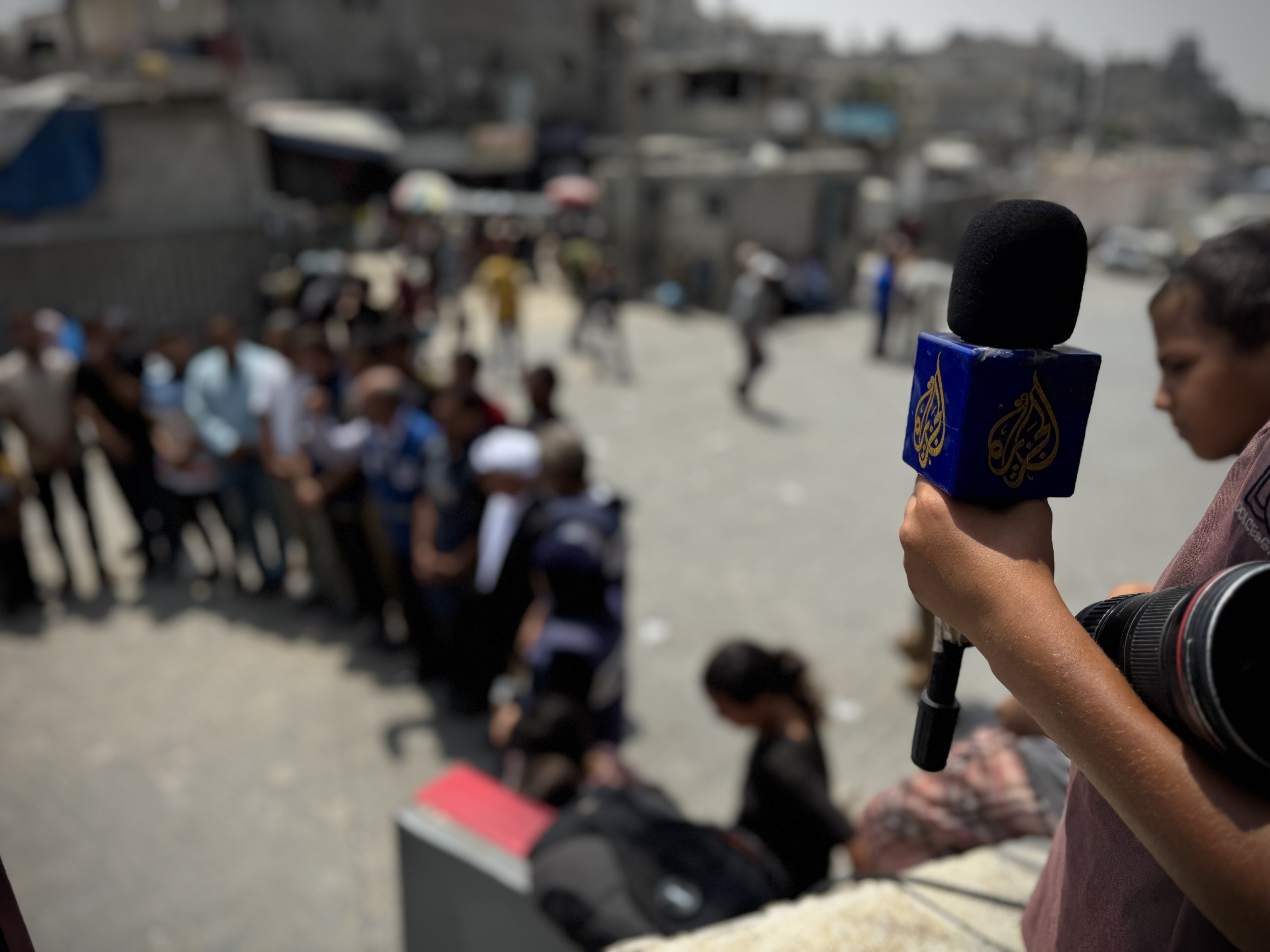
ince the beginning of the genocidal war on the Gaza Strip on 7 October 2023, journalistic work in the enclave has become fraught with death in one of the most complex geographical, political, and security environments. In confronting this death, independent journalists , or those known as “freelancers” , are fighting a double battle: the battle to convey the truth in a field where Israel does not hesitate to target any civilian, and the battle to prove themselves in the absence of an institutional structure and without the umbrella of legal or union protection that would guarantee them even their most basic journalistic rights, as stipulated in the relevant international treaties and conventions.
Despite the clear provisions of these international instruments , such as the Fourth Geneva Convention and Additional Protocol I , which affirm the protection of journalists during conflicts and wars in their capacity as civilians, the reality on the ground reveals a serious failure in the implementation of that protection.
This failure becomes even more evident in the case of independent journalists who are not affiliated with recognised media institutions. They are excluded from insurance and compensation schemes, and they are not provided with professional safety equipment, despite performing the same duties as their colleagues who belong to media organisations and facing the very same risks during coverage.
This contradiction appears in its clearest form in the Gaza Strip, where Israel has killed more than 245 journalists since the beginning of the war (this number has reached 272 on the time of publishing this article in English), including a large number of freelancers who died while covering events without being officially registered with the Journalists’ Syndicate or any other institutional body. Independent journalists find themselves confronting a complex reality in which gaps in labour law intersect with the fragility of living conditions imposed by Israel, compounded by media institutions’ disregard for their rights after death or injury. As a result, all guarantees of protection or redress are absent.
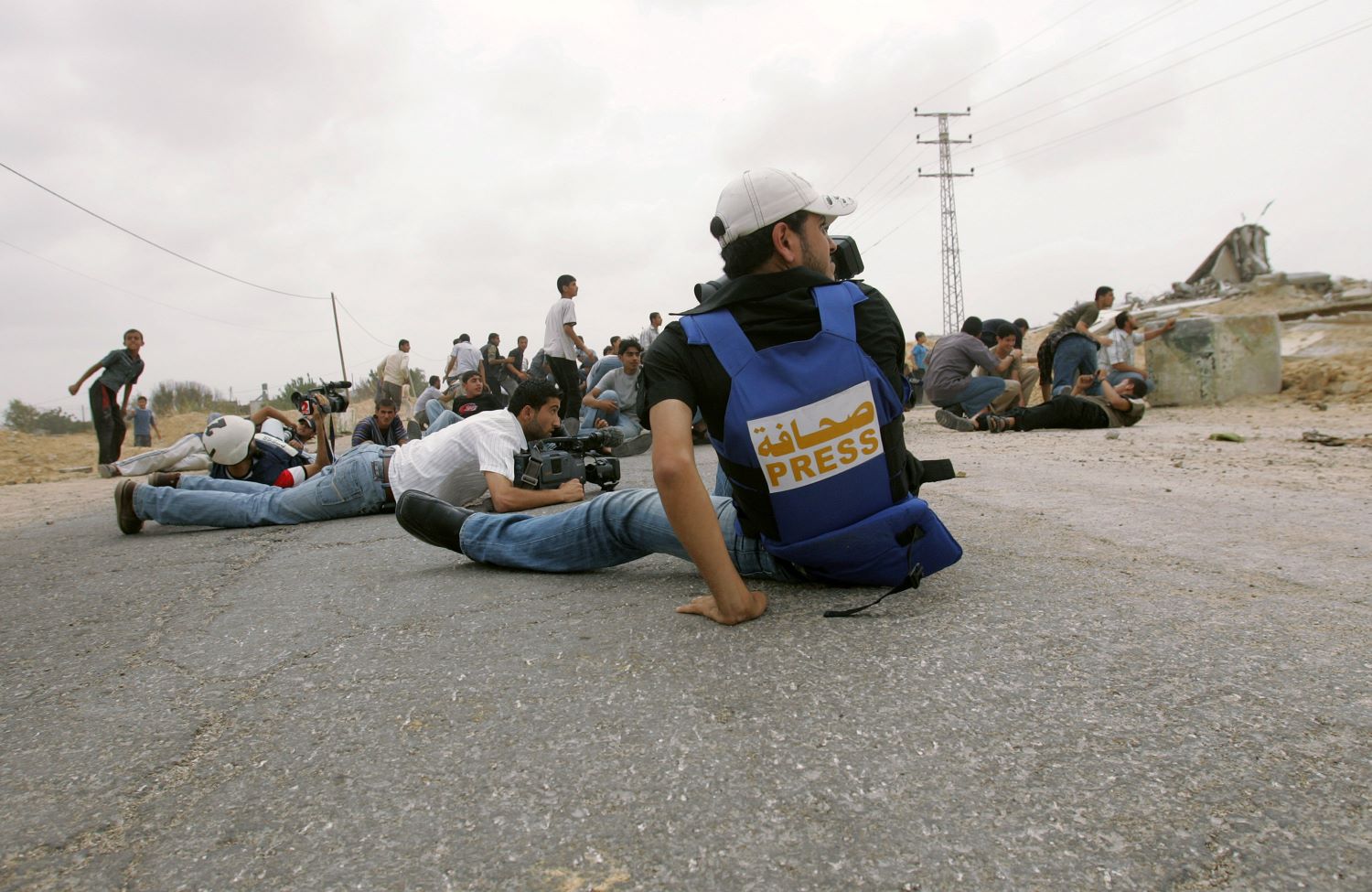
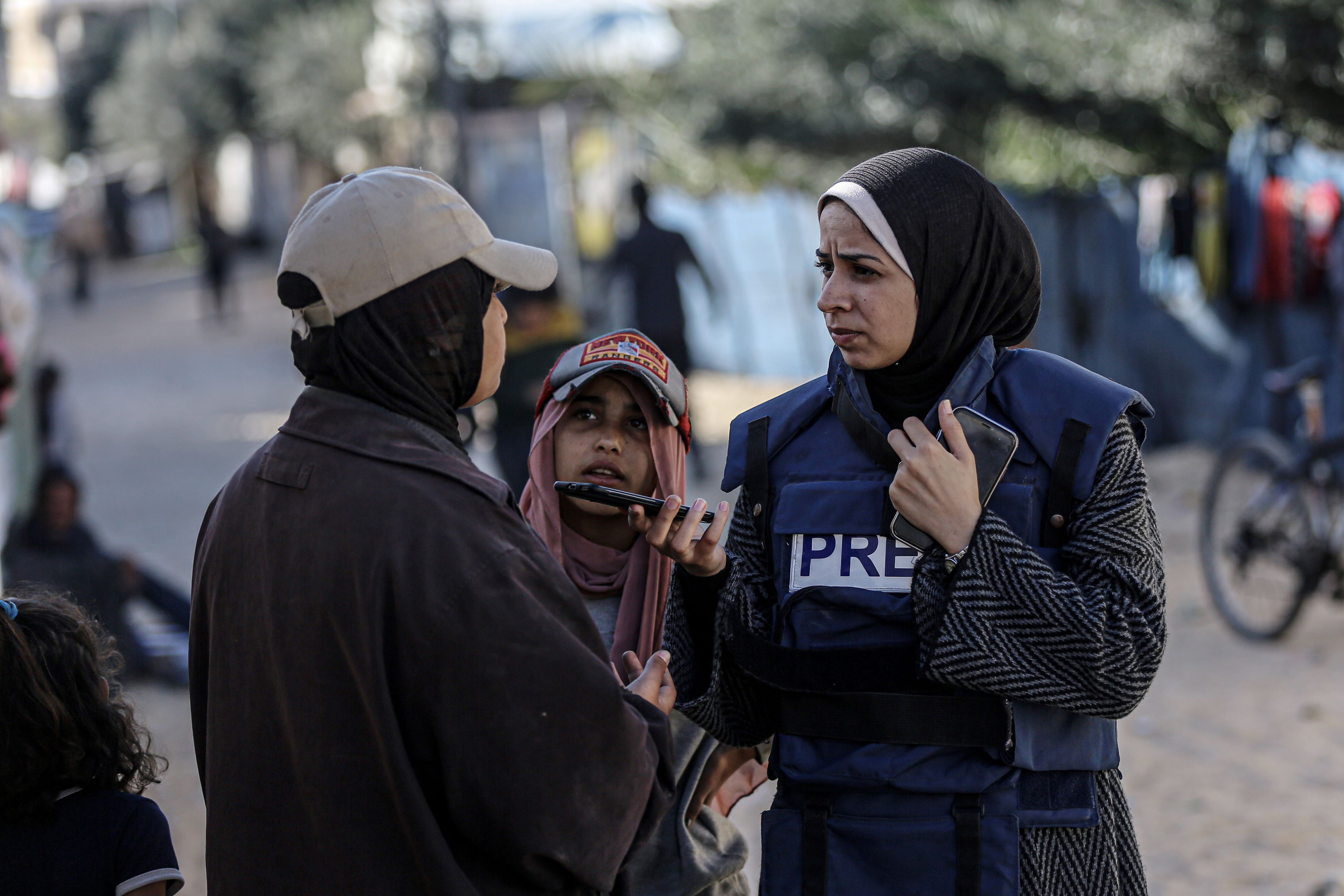
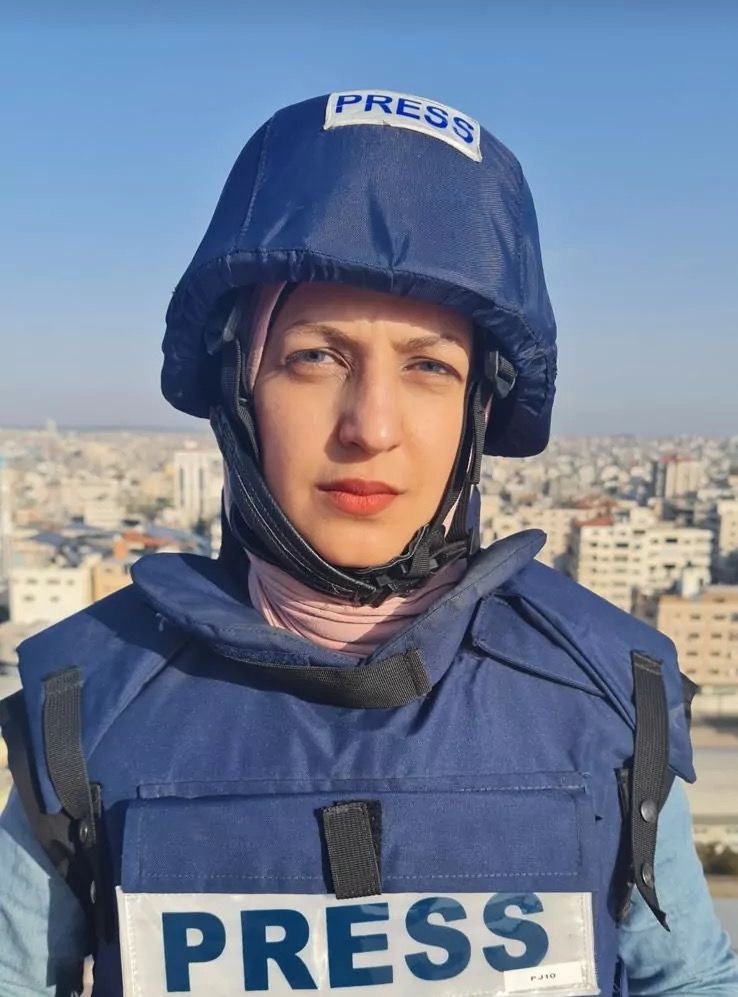
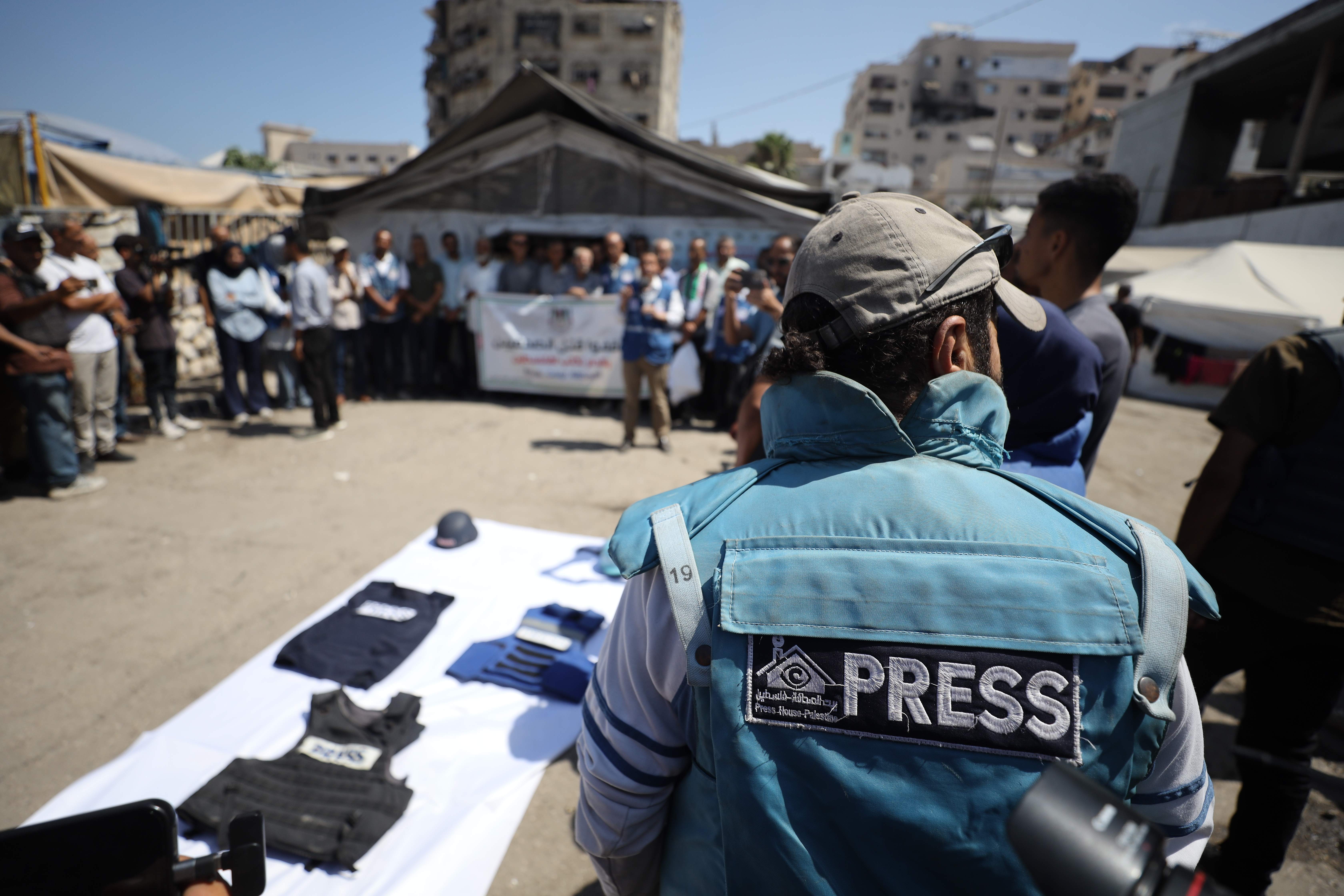
On the other hand, in a tragic reality in which the journalist lives as part of the news rather than merely as its transmitter, they find themselves an exposed target before the Israeli killing machine, which has come to fear the “press vest” and to treat it as a green light to eliminate whoever wears it.
Nevertheless, male and female journalists in Gaza remain committed to their profession and continue their coverage amid the continuing absence of international protection for them as civilians, unstable sources of income, the prohibition on the entry of journalistic safety equipment, and starvation that threatens their lives daily. At the same time, as the danger to their lives during field coverage has increased, Israel has effectively declared the blood of every journalist standing in front of or behind the camera permissible, simply because they expose its crimes. Despite this oppression and the constant threat of death, the most pressing question remains: what drives the Palestinian journalist to continue knocking on the walls of the tank, even while knowing that the world is ignoring their voice?
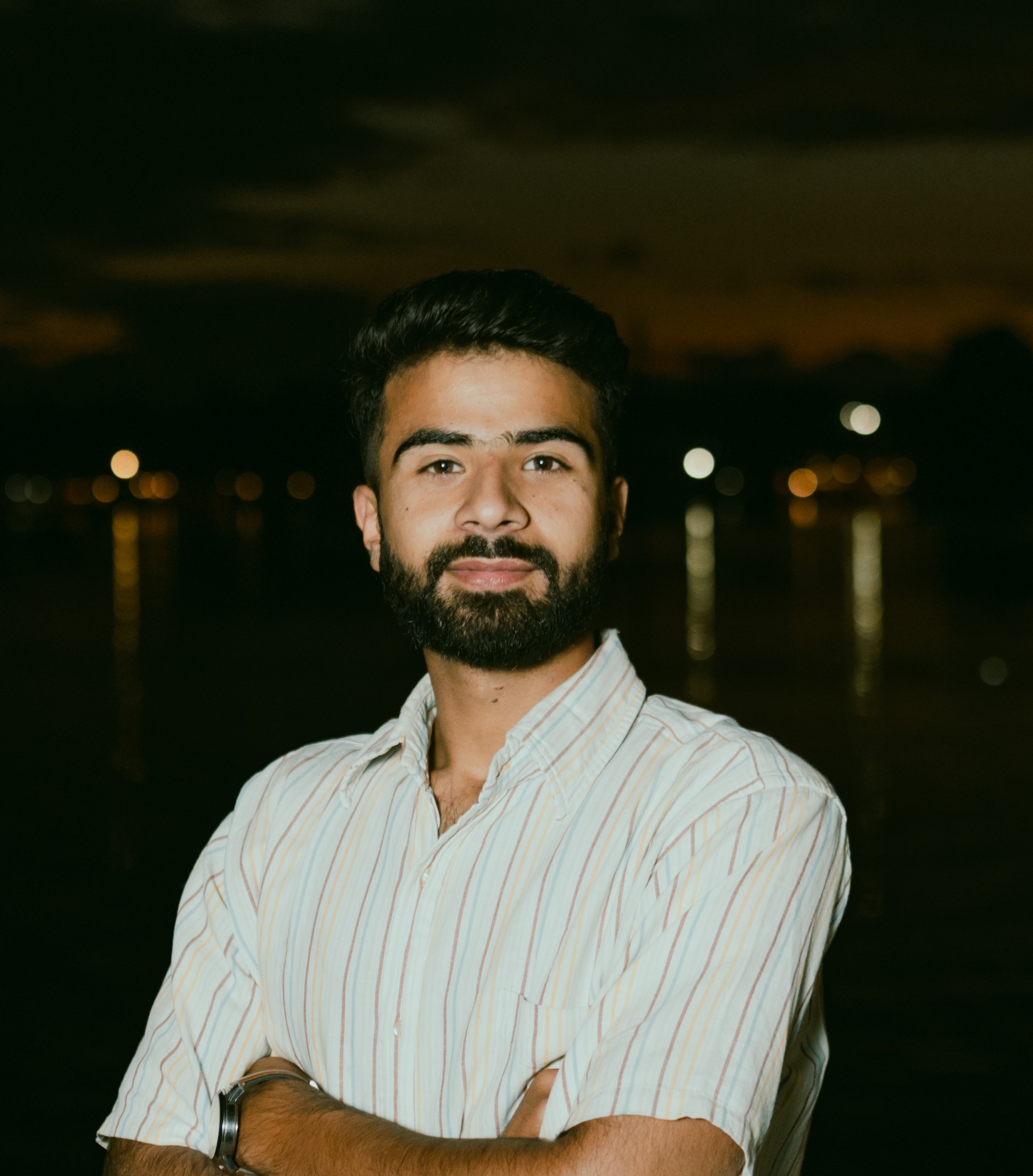
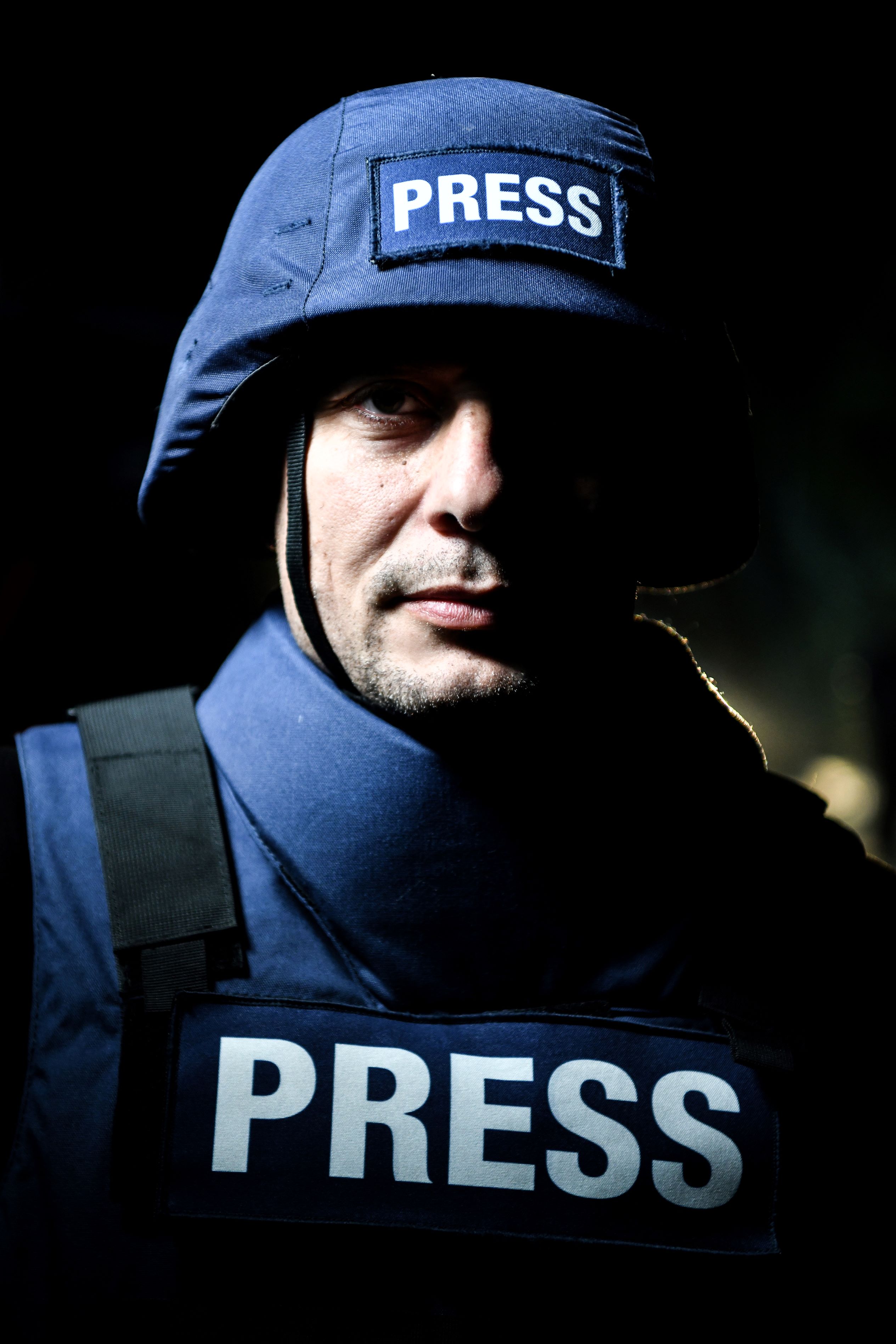
Photojournalist Ramadan Abu Sukran, 32, from northern Gaza, who works independently with several news websites, attempts to answer this question: “We work without insurance or cover from any official body, despite the risks we face daily under the complex security and economic conditions surrounding us in Gaza.” He explains that this reality stems from the nature of the prevailing circumstances in the Strip, as the unstable environment often does not allow opportunities to work within safe frameworks or with adequate guarantees, especially for journalists paid per assignment, and particularly photographers.
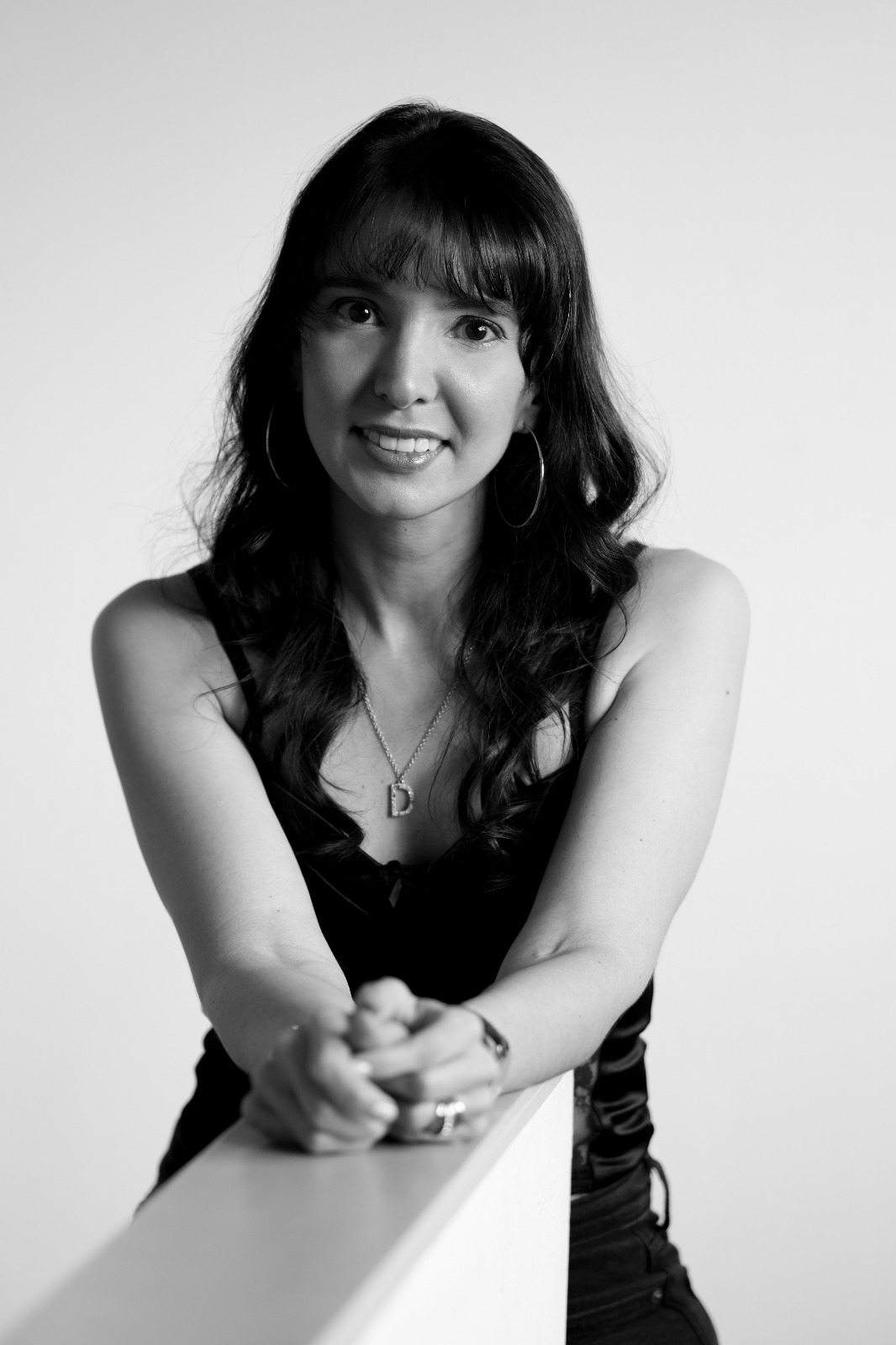
As for Suha Sukkar, 27, who specialises in producing human-interest stories, she confirms that the absence of formal insurance and professional protection does not constitute an obstacle to her commitment to her journalistic mission, because “the labour market in Gaza suffers from a severe shortage of permanent jobs and guarantees even under normal circumstances, so what can be expected under the current exceptional conditions?”
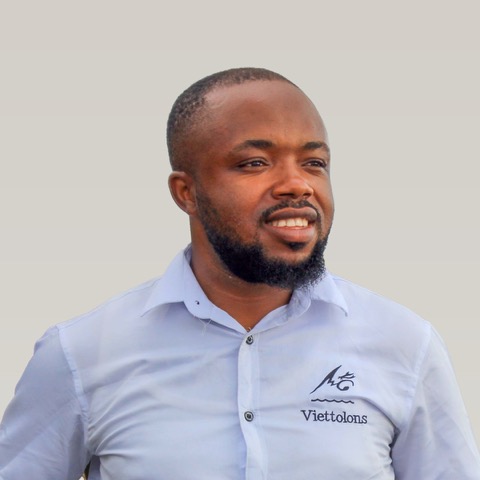
These challenges are even more complicated, according to journalist Basel Abu Jaarour, 28, because “most employers, including agencies and television channels involved in covering the war on Gaza, do not provide any services related to protecting the freelancers working with them or insuring their lives and safety. If an independent journalist requests guarantees of this kind, these bodies withdraw from the cooperation agreement.” He believes that the large number of freelance journalists working on a per-assignment basis makes it easier for these institutions to dispense with them and look for others, especially since most of those working with them lack even the basics of occupational safety and proper employment procedures, or an understanding of the provisions governing their relationship with the employing organisation in terms of legal and professional rights. Most of those who entered the field of journalism during the current war came from backgrounds and specialisations other than journalism, which points to a significant lack of awareness of these provisions.
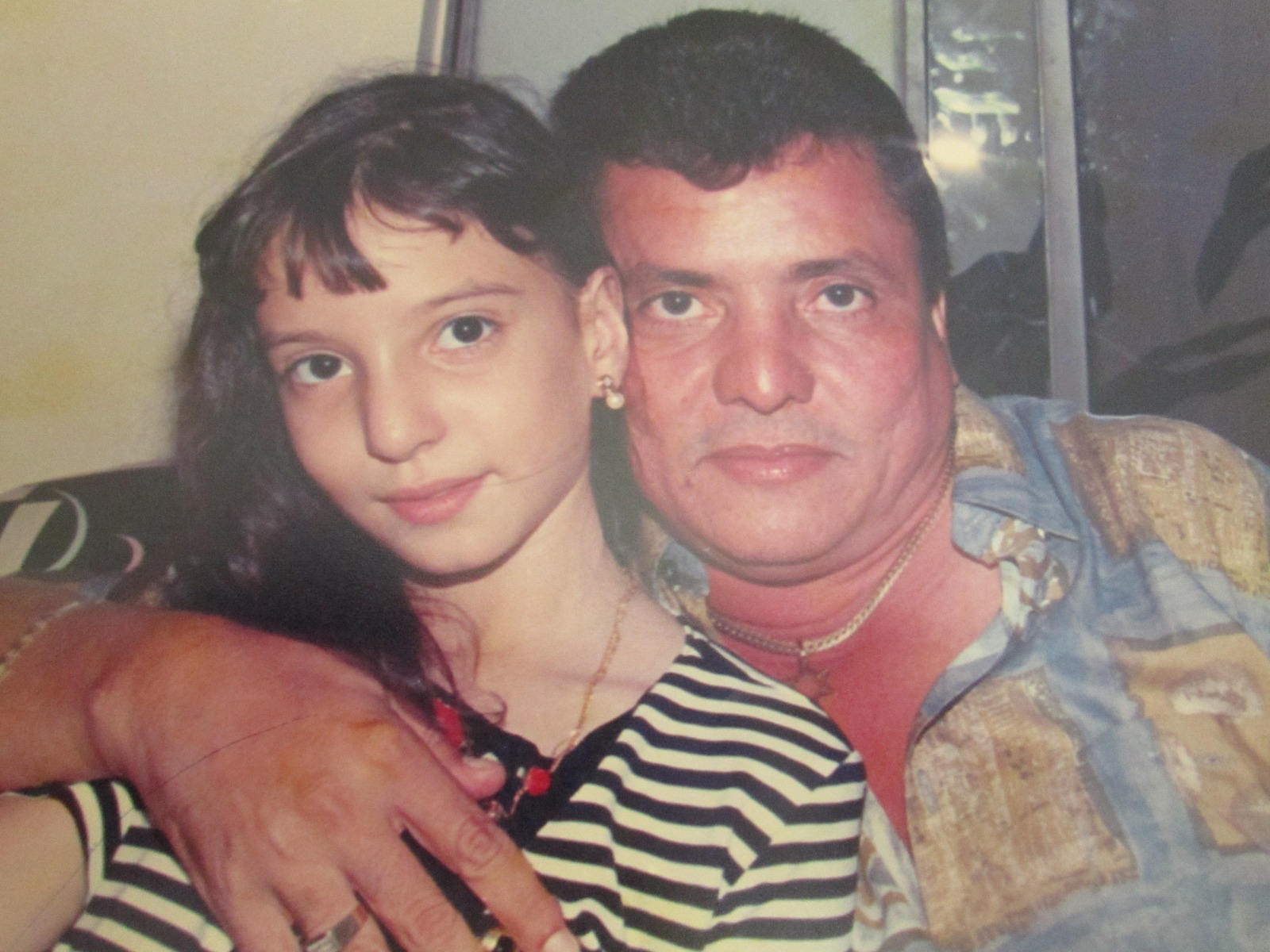
As for Aseel Matar, 25, who works as a photographer and correspondent for the Algerian channel Emy TV, alongside her freelance work with other websites, she says: “My greatest motivation is my deep sense of responsibility towards those who cannot make their voices heard. I may not have an official body to protect me, but my conscience and duty are stronger than any legal cover.” She also emphasises that she continuously documents events at Al-Shifa Medical Hospital around the clock. In doing so, she does not merely report the news, but carries the suffering of the victims and tries to convey it to the world.
Suha Sukkar, 27, who specialises in producing human-interest stories, confirms that the absence of formal insurance and professional protection does not constitute an obstacle to her commitment to her journalistic mission, because the labour market in Gaza suffers from a severe shortage of permanent jobs and guarantees even under normal circumstances, so what can be expected under the current exceptional conditions?
Financial and Legal Support
Photojournalist Ramadan Abu Sukran recounts that he sustained several injuries during his field coverage, the most serious of which occurred on 28 January 2024, when he suffered ruptures to his intestines and colon and lost around 65 per cent of the mobility in his left hand. Despite the seriousness of his condition, he found no way to cover the cost of treatment other than through his own personal funds. While receiving treatment at Al-Shifa Hospital in March, the occupying army besieged the Al-Shifa Medical Complex, forcing him to flee from his hospital bed to a shelter centre. There, he spent eight days in extremely harsh conditions, without clean water or treatment. He was forced to drink seawater and was unable to change his dressings or care for his wounds. He described his survival as a “miracle”, before later sustaining a minor injury during the targeting of Al-Ahli Baptist Hospital, an attack that killed four of his colleagues. Abu Sukran confirms that the Journalists’ Syndicate provided him with no meaningful support despite his membership, limiting itself to checking on him by telephone, and that he received only a symbolic sum from the Palestinian Women’s Media and Development Foundation, “Filastiniyat”.
Similarly, Basel Abu Jaarour and Suha Sukkar confirmed that they had received no legal or financial support from any media body. Abu Jaarour says that, despite his repeated attempts to contact certain organisations on the recommendations of colleagues in order to obtain support to replace equipment he had lost during repeated periods of bombardment and waves of displacement, he received no response. Often, receipt of his application was not even acknowledged, and there was no mechanism for following up on the request or learning its outcome. Suha, meanwhile, says that the Press House is the body she turns to in the event of any legal problem, while the only financial support she received was a symbolic sum from Filastiniyat.
Protective Equipment
Regarding the availability of protective equipment and how it is obtained, the four journalists gave differing answers. Abu Sukran confirms that he bought it at his own expense, including a protective vest. Sukkar explains that she does not possess protective equipment such as body armour, stressing that the Journalists’ Syndicate or the Press House should provide this equipment free of charge, especially to those who lost it during the war. She notes that those in northern Gaza did not receive such support, unlike some journalists in the south, and that buying body armour now would mean bearing the cost from her own money, which is difficult given the harsh economic circumstances and her limited income.
Abu Jaarour, meanwhile, says he owns no protective equipment, explaining that this constitutes a major obstacle to his field reporting. Despite his repeated attempts to obtain equipment from the organisations he worked with or from bodies that support journalists, he received no response. Abu Matar confirms that their basic equipment is limited to a mobile phone camera, and that there is no official body providing her with protective equipment, forcing her to purchase it with her own money or exchange equipment with colleagues.
Photojournalist Ramadan Abu Sukran recounts that he sustained several injuries during his field coverage, the most serious of which occurred on 28 January 2024, when he suffered ruptures to his intestines and colon and lost around 65 per cent of the mobility in his left hand. Despite the seriousness of his condition, he found no way to cover the cost of treatment other than through his own personal funds.
Surviving Death
Surviving targeted attacks stands out as one of the most persistent challenges facing journalists in Gaza. The danger is not limited to the nature of the field itself, but extends to direct targeting. Their answers present a bleak picture of the conditions in which they live: bombardment, severe injuries, and survival.
Abu Sukran recounts an experience in which he went to photograph the aftermath of an attack in the Zeitoun neighbourhood, south of Gaza City, when a house next to the place where they were filming was bombed. He also describes his coverage of the displacement of residents from the Shuja’iyya neighbourhood and northern Gaza as dangerous, when the occupying army opened fire directly at them. This is in addition to the moments of fear and tension that accompany him and his colleagues at Al-Ahli Baptist Hospital, where quadcopter drones continuously fire at them.
Journalist Sukkar confirms that she is exposed to constant danger, whether during coverage or in her daily movements. She recalls the day she was targeted while engrossed in filming a journalistic story. She also survived an attack while returning from work in central Gaza City, and another while conducting an interview inside Al-Ahli Baptist Hospital, in the middle of a highly dangerous “red zone”.
Abu Jaarour presents a slightly different perspective, explaining that his journalistic work does not require direct field coverage, which reduces the extent of his exposure to danger while working. Nevertheless, he remains surrounded by constant danger throughout Gaza. He recounts surviving the bombardment of the Al-Mawasi area in Khan Younis, when Israeli missiles buried him under a mound of sand that covered his tent and several neighbouring tents.
Abu Matar recalls a horrifying experience in which an explosion occurred nearby while she was at a filming location, and how she clung to the camera and documented the incident despite feeling that her soul was about to leave her body. She also recalls losing a dear colleague in another direct strike; he had been only a few steps ahead of her. “For her, survival does not mean merely surviving bombardment; it also means surviving despair and the loss of meaning under the harsh conditions of war.”
Testimony from the Field
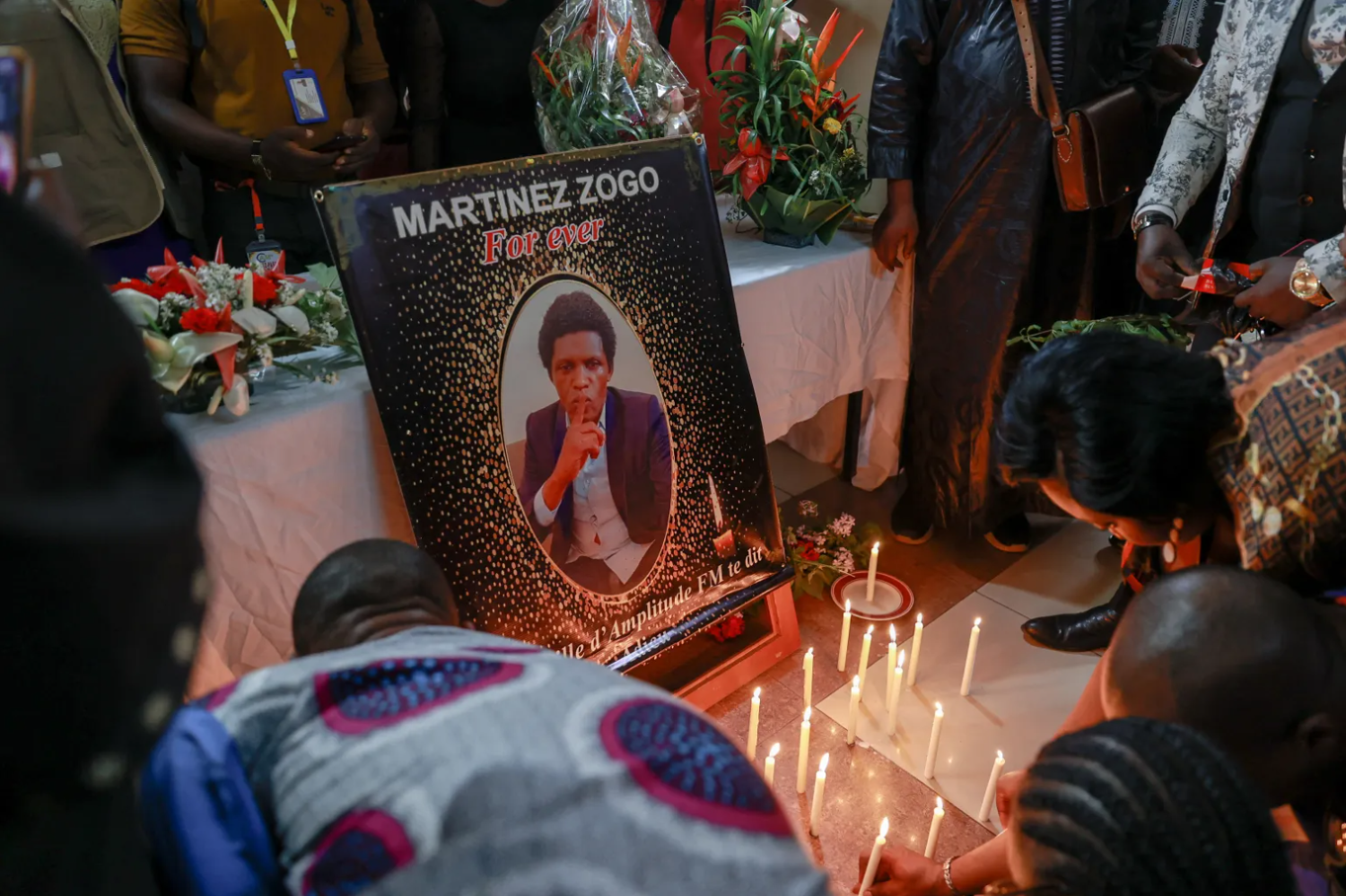
Despite independent journalists’ determination to fulfil their professional and humanitarian duty amid the absence of protection and institutional recognition, the price is often their very lives, as happened with freelance journalist Moamen Abu Auf, 18, whose death was a profound shock to his family and to Gaza’s journalistic community.
Abu Auf’s mother, Noura Abu Auf, says that from the beginning of the war her son was among the first to provide support to journalists by supplying food, accompanying ambulance teams, reporting the news, and charging equipment himself.
“Moamen worked without any legal cover or insurance, and he received payment from one of the channels he worked with for the first time on the very day he was martyred. He received no financial support from the other media institutions, despite working with prominent networks, and he bore the risks alone.” This is how Moamen’s mother speaks bitterly, before adding that in his final days Abu Auf “suffered intense psychological pressure because of the daily scenes he documented in the field, and he was threatened more than once. On his final night, he told me that he intended to sleep at home, but later, I received a call from one of his colleagues confirming that he had been martyred.”
Abu Auf’s mother remembers that she received no call from any official body after his death, apart from symbolic condolences. She did not receive any moral or financial support from the Journalists’ Syndicate or from the organisations he worked with, except Al Jazeera. She stresses that Moamen continued to work with courage and determination until his final moments, driven by his desire to fulfil his journalistic mission despite all the support and protection he lacked.
Moamen worked without any legal cover or insurance, and he received payment from one of the channels he worked with for the first time on the very day he was martyred. He received no financial support from the other media institutions, despite working with prominent networks, and he bore the risks alone. This is how Moamen’s mother speaks bitterly.
Responsibility of the Journalists’ Syndicate
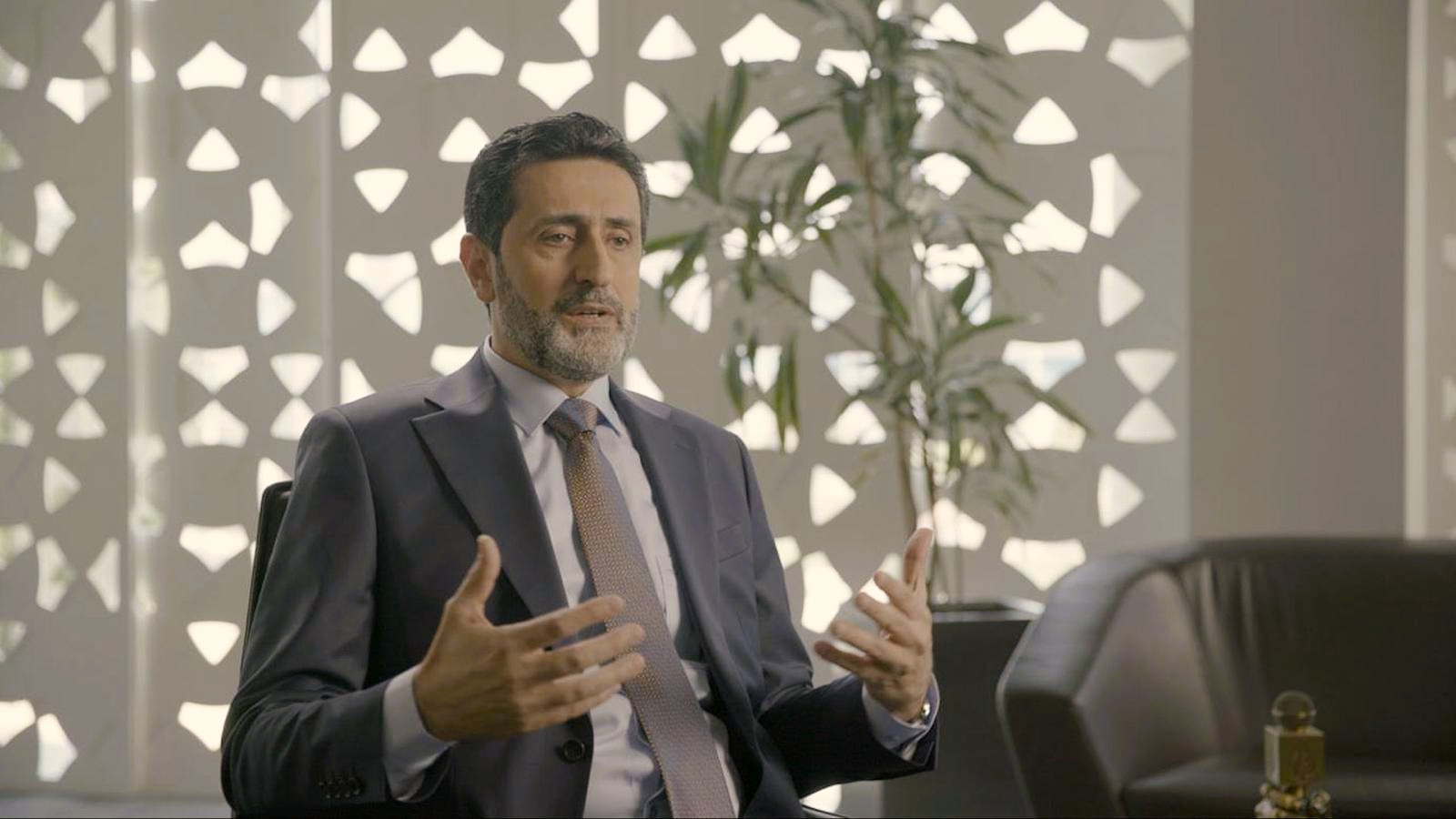
To balance the voices from the field with official positions, it was necessary to turn to the body that represents journalists in Palestine in order to understand its view of these mounting challenges. In this context, Tahseen al-Astal, Deputy Head of the Palestinian Journalists’ Syndicate, notes that “a journalist who does not submit their information or identify the nature of their work and field duties makes it difficult for the Syndicate to track their movements or monitor their working conditions. This, in turn, makes it difficult to assume any direct responsibility if they are exposed to danger, injured, or martyred.” He stresses that the primary responsibility in such cases lies with the media institution for which the journalist works, as the employing body authorised to guarantee their rights.
On the issue of insurance, al-Astal says that there is an agreement with the International Federation of Journalists to provide insurance coverage for journalists who are not insured through their institutions. However, the high cost of insurance and the limited awareness among some journalists of the importance of joining the Syndicate are among the main obstacles. In the same context, he explains: “We are working hard to activate a permanent fund to support and compensate journalists, and we have established the Journalistic Fellowship Scheme for this purpose. But this requires a genuine partnership between the Syndicate and fellow journalists, in addition to support from local and international partner institutions.”
Al-Astal explains: “At the Syndicate, we do not distinguish between journalists, whether they are formally affiliated or independent freelancers, as long as their work takes place within a clear professional journalistic framework and with recognised media institutions. What matters to us is that we are able to document the relationship between the journalist and the institution for which they work, because the absence of such documentation obstructs our ability to protect them or demand their rights.”
The International Legal Perspective
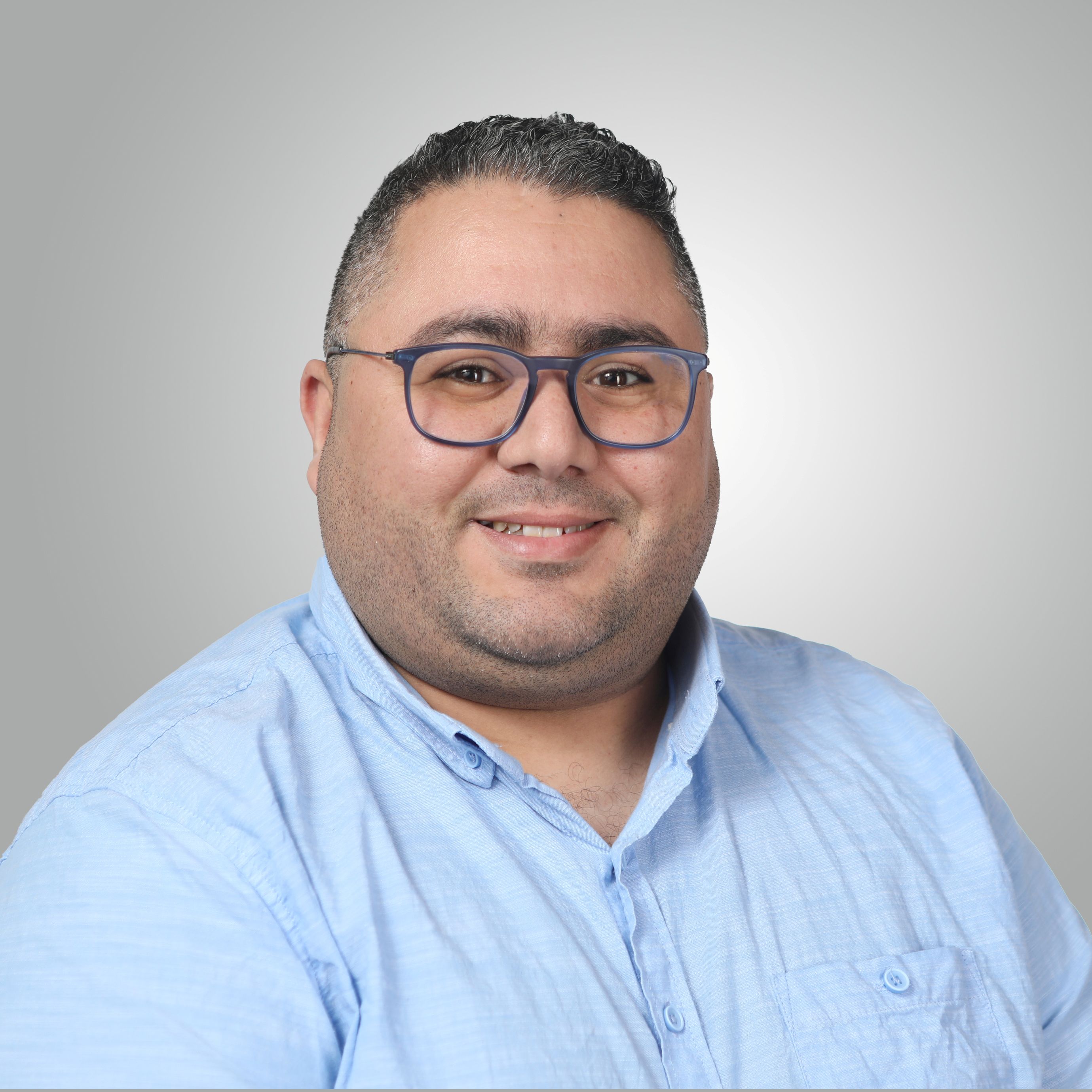
Regarding international legal protection, Dr Salah Abdel Ati, head of the International Commission to Support Palestinian People’s Rights, known as Hashd, believes that freelance journalists enjoy the same legal protection granted to all journalists in conflict zones, despite the absence of institutional frameworks that guarantee their labour rights in the same way as major media organisations.
Abdel Ati believes that international humanitarian law recognises journalists first and foremost as civilians and grants them special protection because of the nature of their profession in conveying the truth and exposing violations. This makes targeting or killing them a compound war crime of the utmost seriousness.
According to Abdel Ati’s statements, international law , particularly the Geneva Conventions and their Additional Protocols , together with the international community, bears responsibility for protecting journalists and holding accountable those who commit violations against them through international legal accountability, in addition to seeking compensation for those harmed and preventing the recurrence of such crimes. Despite the dangers faced by freelance journalists in conflict zones, local labour laws do not provide them with any guarantees or protection, because their work is regarded as being “on a piecework basis”, which exempts media institutions from legal obligations towards them.
Abdel Ati believes that the Journalists’ Syndicate has an important role in supporting its members through solidarity programmes and health insurance. He notes that establishing dedicated support funds is an ethically necessary step, even if it is not legally mandatory.
Abdel Ati stresses that social and collective responsibility rests primarily with the state, which is supposed to compensate its citizens , including journalists , for the crimes of the occupation, and then pursue criminal and civil legal claims against the occupation. Yet reality reveals the authorities’ evasion of these obligations amid a genocidal war, which urgently requires the establishment of a “national fund to compensate civilians” and provide a minimum level of dignity and protection for those affected. Abdel Ati believes that the Journalists’ Syndicate has an important role in supporting its members through solidarity programmes and health insurance. He notes that establishing dedicated support funds is an ethically necessary step, even if it is not legally mandatory.
The plight of freelance journalists in Gaza remains a living testament to the complex challenges facing independent media in war zones, amid the absence of a clear legal protection system, scarce resources, and a constant threat to life. While they continue to fulfil their professional and humanitarian duty to convey the truth and expose violations, their basic rights to protection, insurance, compensation, and legal accountability remain absent or incomplete.
This reality imposes on local and international official institutions and journalists’ unions the need to take serious action to organise their work within a safe and stable environment that preserves their dignity and rights and provides a minimum level of security for them and their families. Continued neglect of this issue threatens not only the lives of journalists, but also the public’s right to know and press freedom in one of the most dangerous environments for media work in the world.
This article was forst published in Arbic on 26/08/2025.