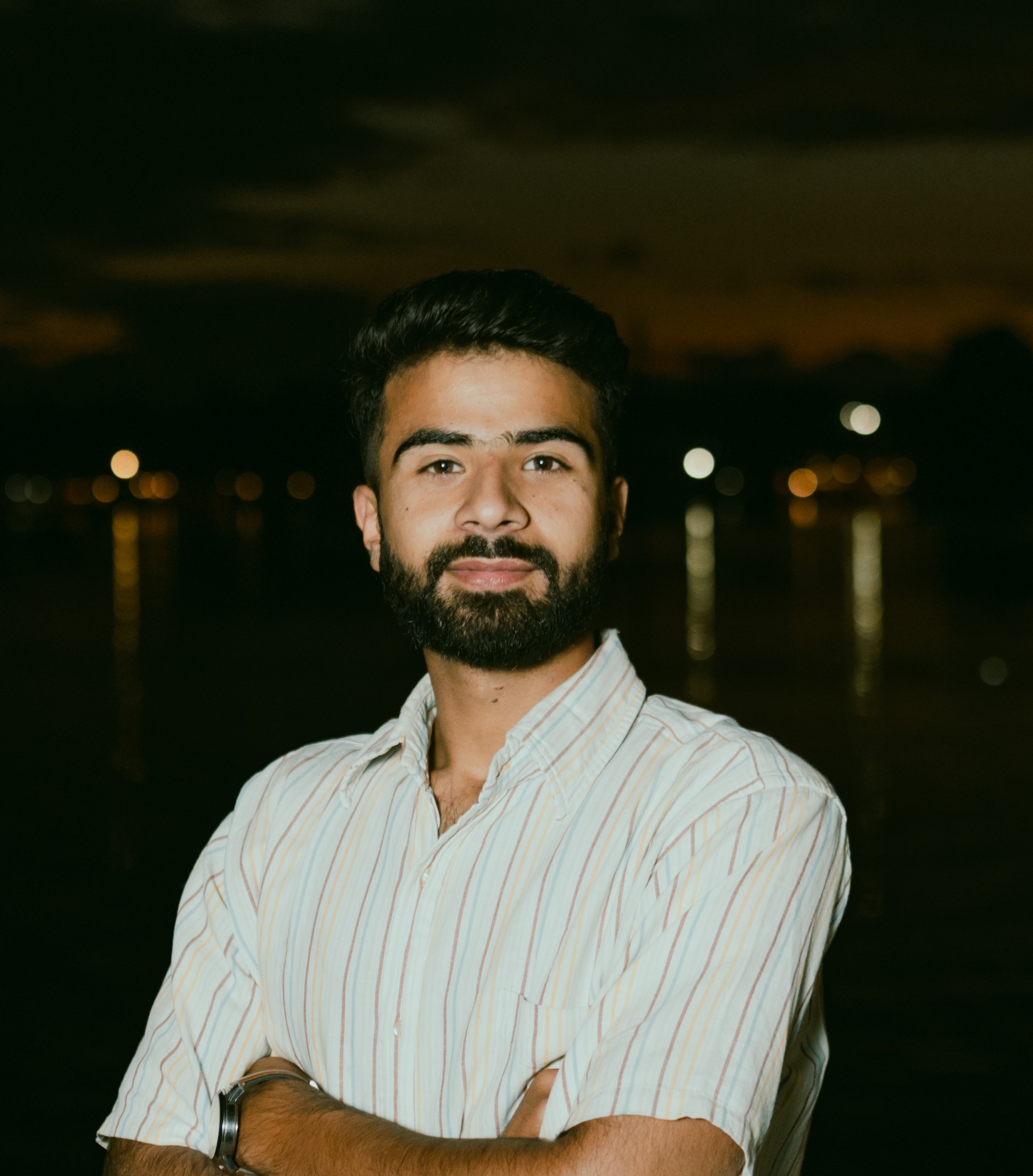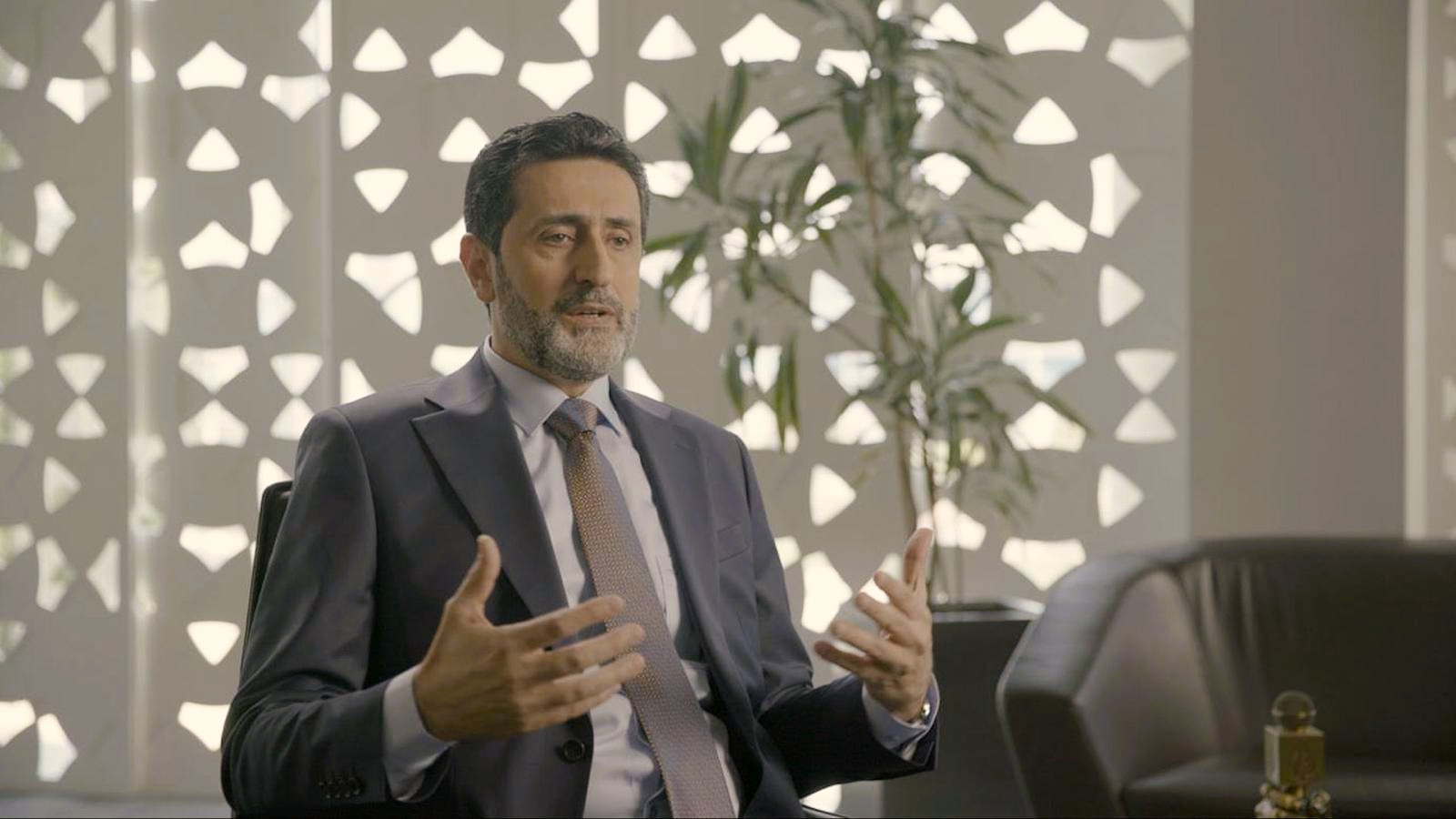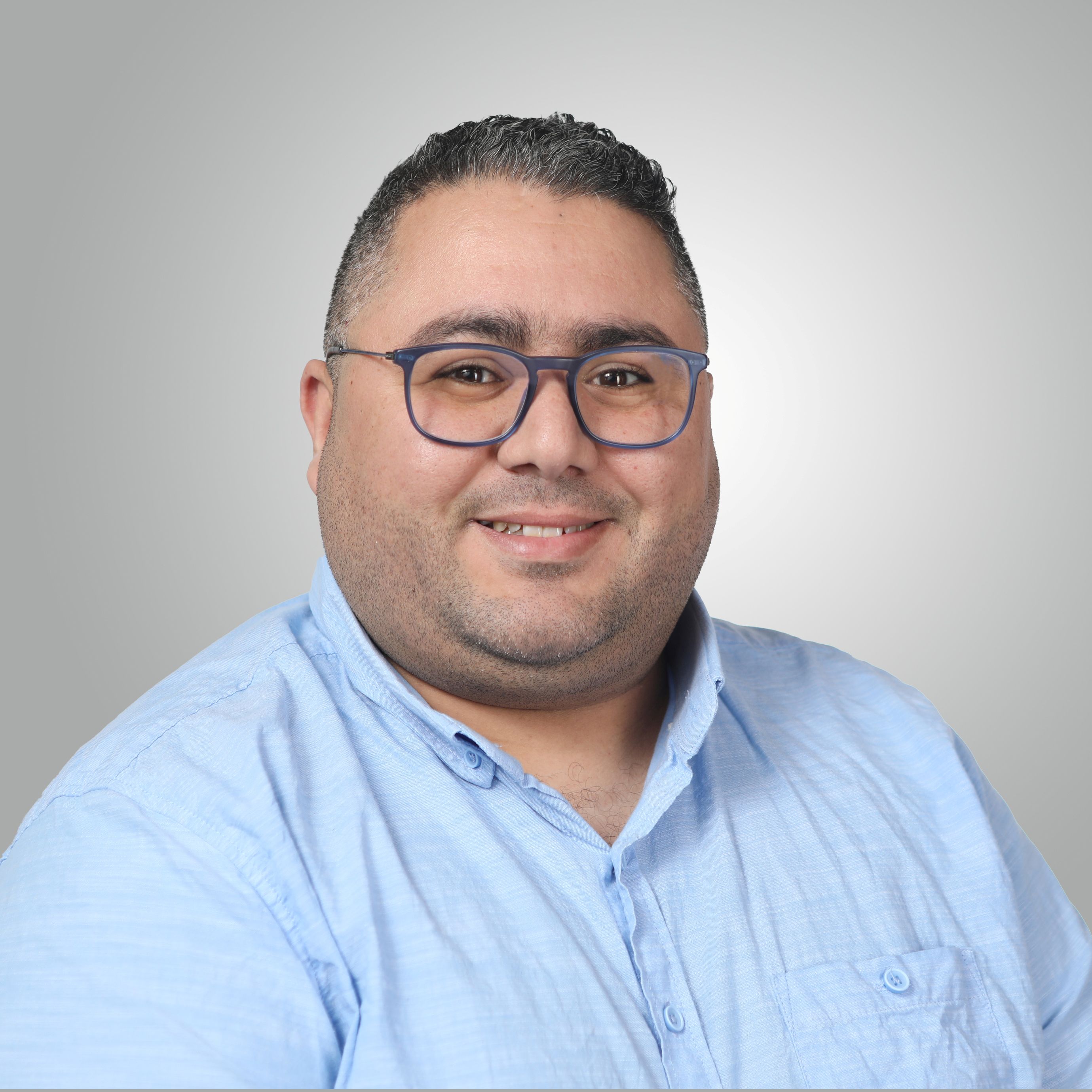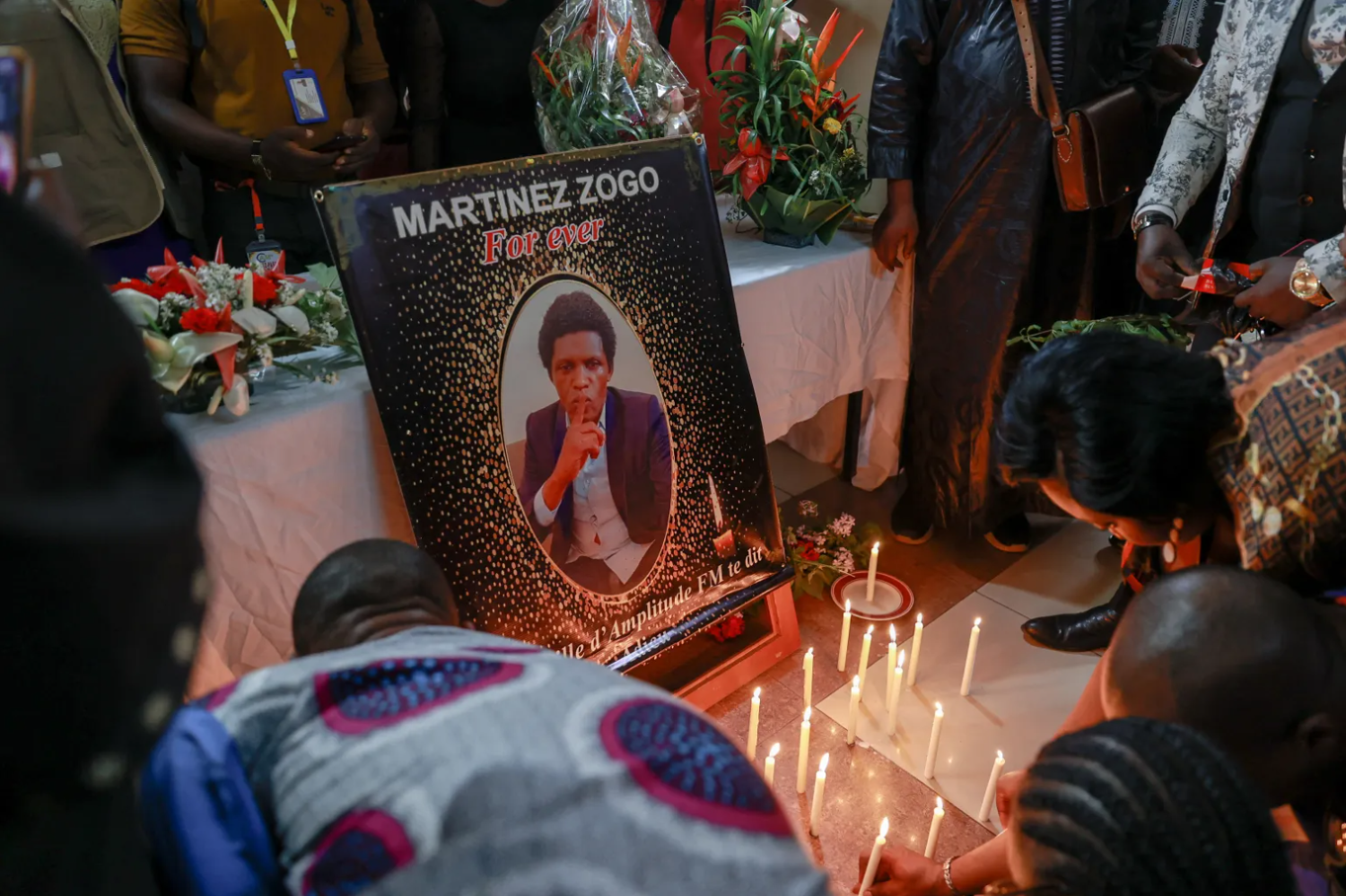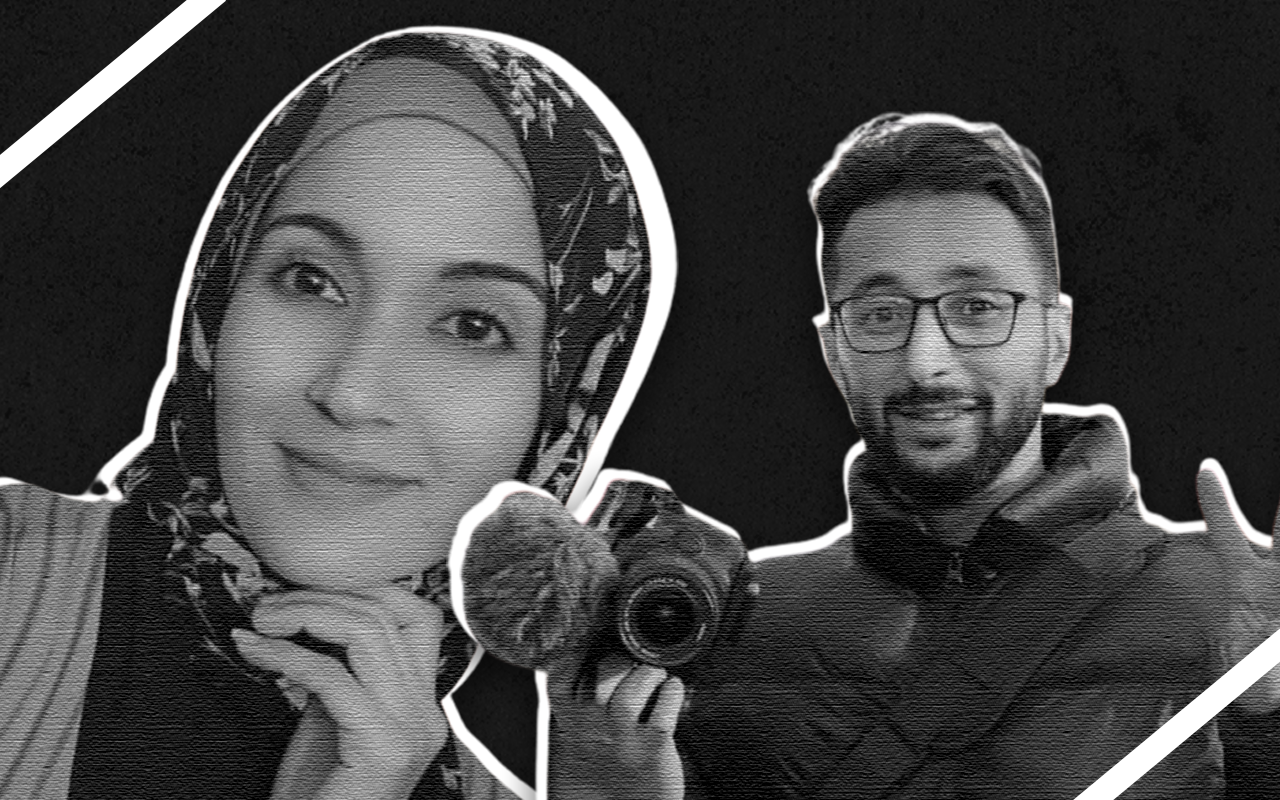
The occupation killed journalists Mohamed al-Khalidi and Marwa Muslim as part of a systematic pattern of targeting the press, but throughout their careers they also faced neglect, marginalisation, and a lack of recognition. Colleague Maysoun Kahil tells their story, and asks why Palestinian journalists are so often honoured only after death, rather than supported in life.
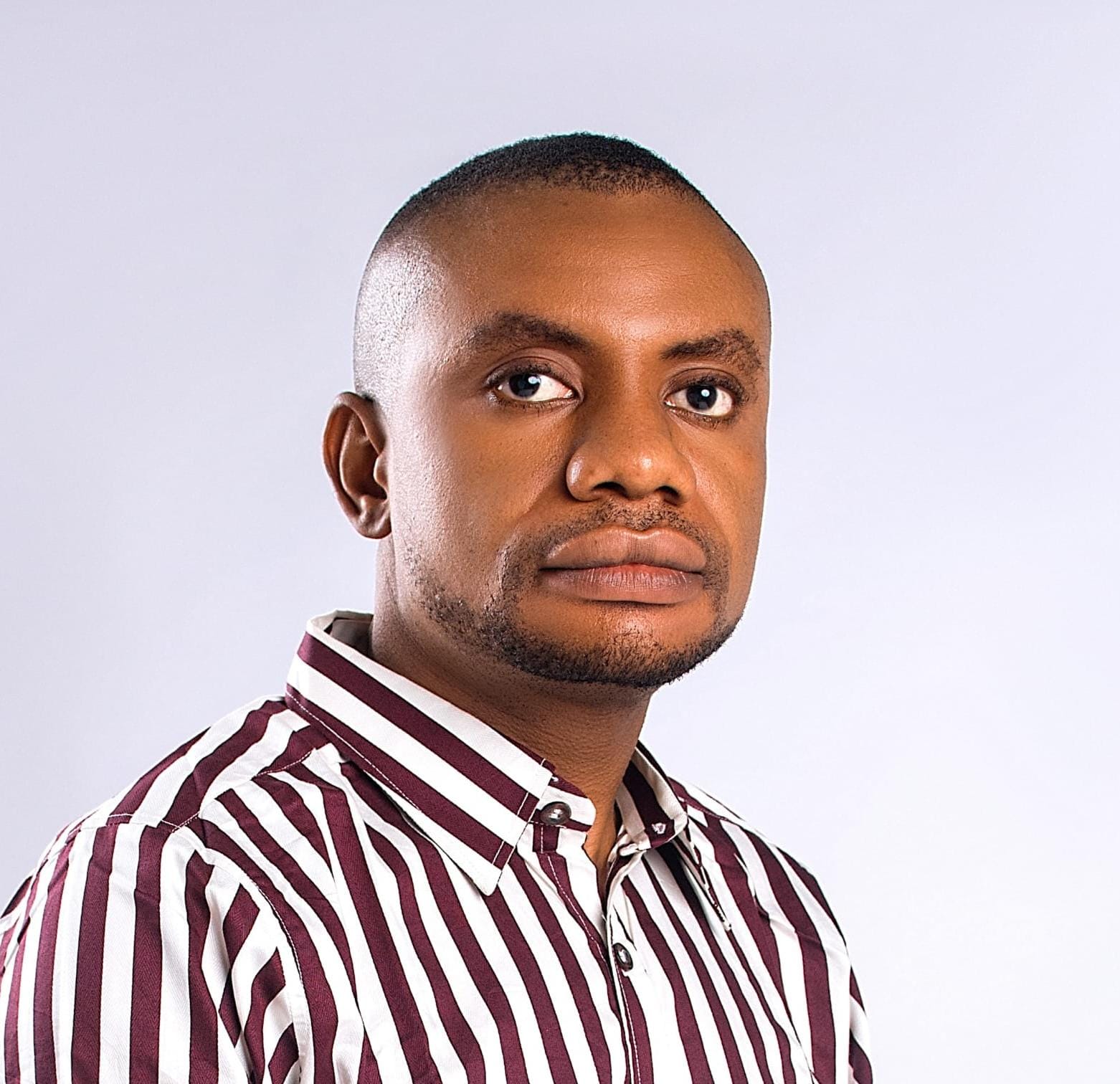
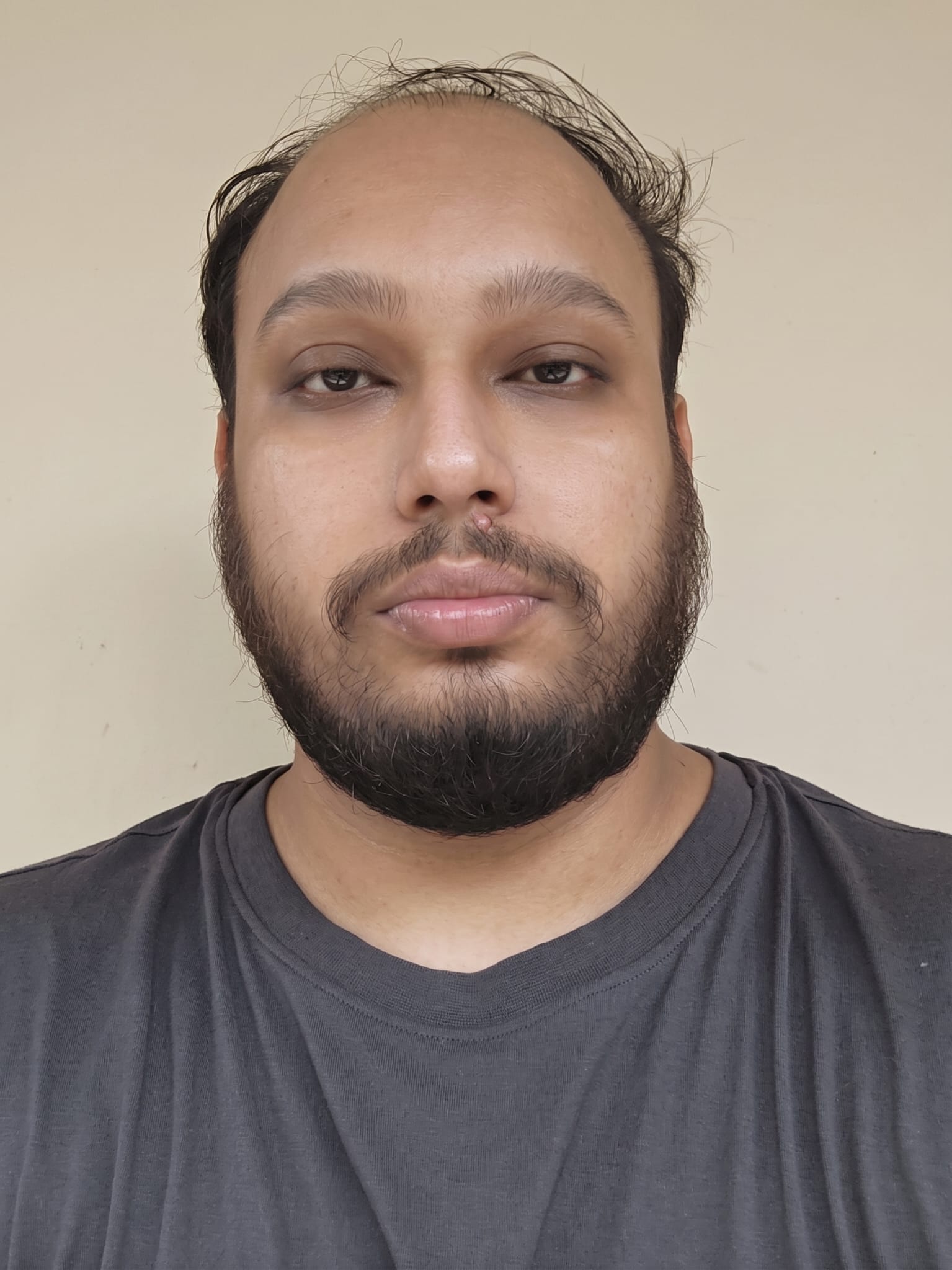
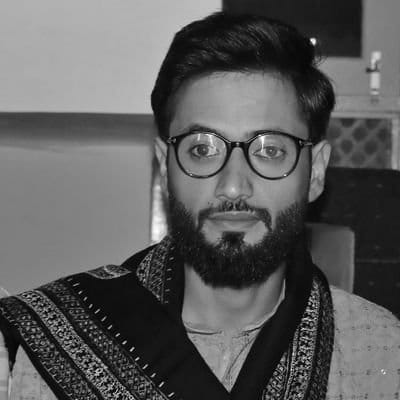
I still remember the first time I read the name Mohamed Abdel Majid al-Khalidi. It was in an article written during the early years of the division, when the Palestinian scene was filled with discordant voices and harsh language. Amid that clamour, Mohamed seemed a striking exception. His pen was calm and aware, writing honestly about what was on people’s minds, far from incitement and alignment, as though his words sought to bridge the gap between people rather than widen it.
When I came to know him closely during his work on an investigative report about Gaza’s seashore, I discovered another face of his passion. He was meticulous in collecting testimonies, insistent on confronting officials with difficult questions, and convinced that journalism is an ethical responsibility before it is a profession. He was troubled by the fate of his city, by its beach, which forms the only breathing space for the poor, and by its children, who play near polluted waters that threaten their lives.
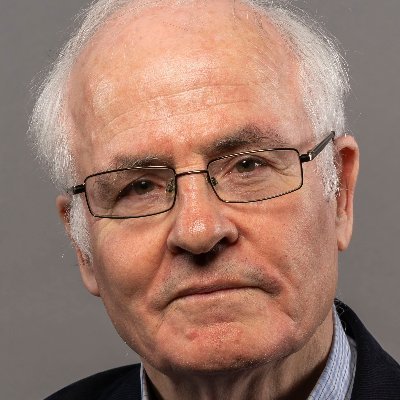
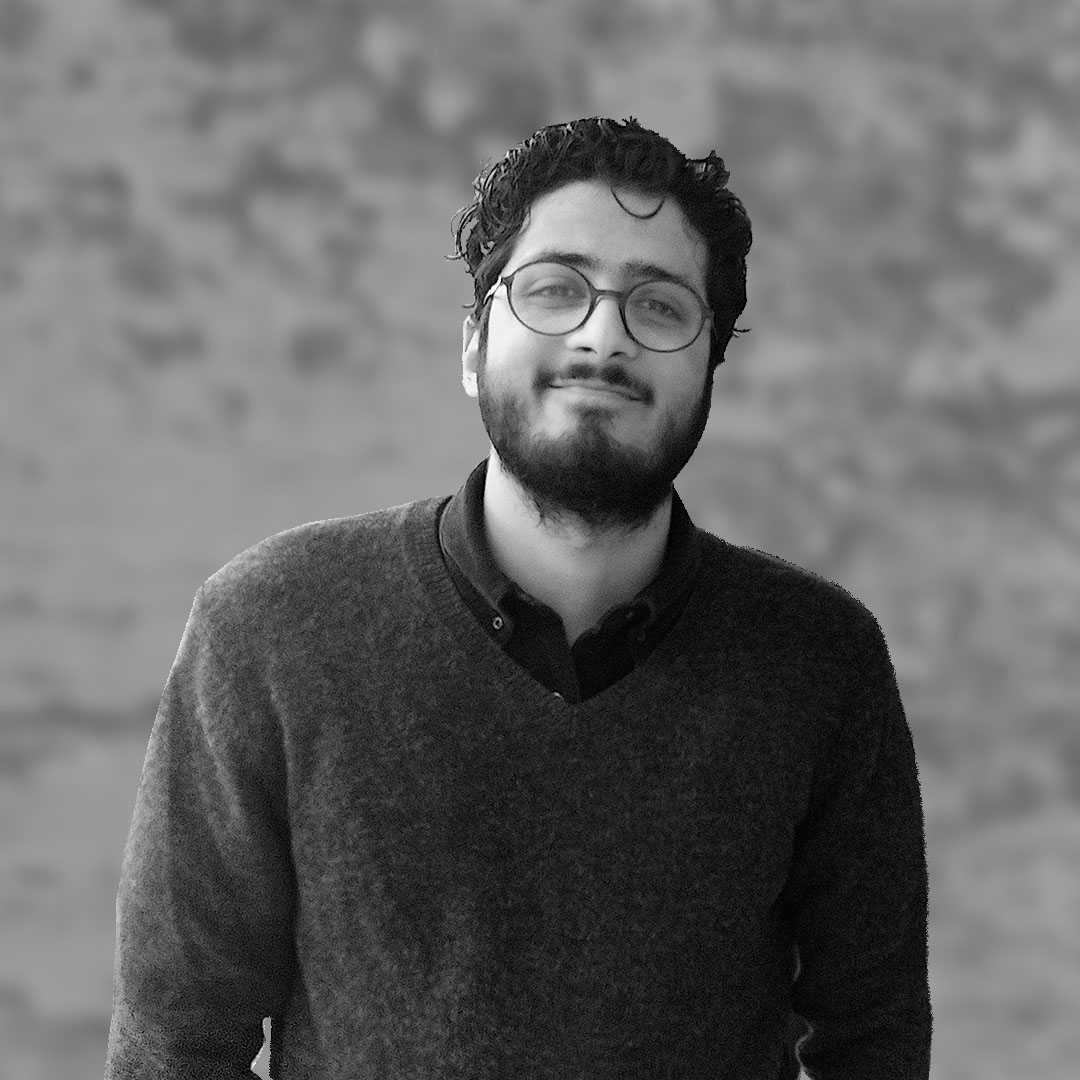
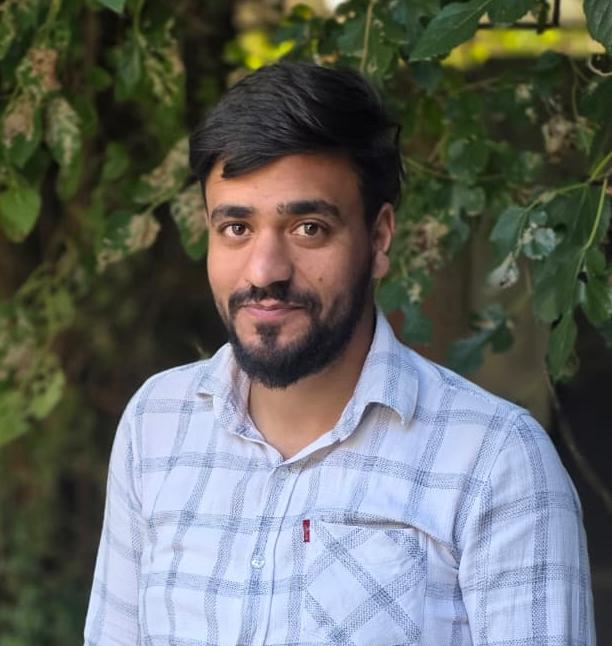
Mohamed al-Khalidi, from Jabalia refugee camp in the northern Gaza Strip, was not merely a correspondent or editor writing daily news. He was a model of the Palestinian journalist who insists on pursuing the truth, even when it is costly. He worked as a correspondent and editor with the Union of OIC News Agencies (UNA) and wrote for prominent local websites such as Dunia al-Watan and Al-Jadeed al-Falastini.
When I came to know Mohamed al-Khalidi closely during his work on an investigative report about Gaza’s seashore, I discovered another face of his passion. He was meticulous in collecting testimonies, insistent on confronting officials with difficult questions, and convinced that journalism is an ethical responsibility before it is a profession.
He won two awards in the journalistic story category from Ma’an News Agency and the Palestinian Centre, Badil. He was also honoured by the Coalition for Integrity and Accountability, Aman, as one of the Knights of Integrity for 2019 in the investigative journalism category.
After the 2014 war, al-Khalidi told me about an experience I will never forget: he spent forty consecutive days moving between the smell of blood and the rubble of homes, documenting moments that many did not dare approach. And yet, his pay did not exceed two hundred dollars, making the harshness of material reality an echo of the disregard shown towards his efforts and sacrifices.
The shock in his voice was greater than the words themselves. He was not speaking about money so much as he was speaking about the meaning of appreciation and about the cruelty of having a journalist’s effort and life consumed in exchange for crumbs that barely keep hunger at bay. Despite this career full of achievements and honours, the path before al-Khalidi was not paved with roses. He suffered greatly from marginalisation and from the injustice of media institutions that did not treat him fairly, simply because he was not affiliated with any political faction and was not among the “flatterers or hypocrites”.
After the 2014 war, al-Khalidi told me about an experience I will never forget: he spent forty consecutive days moving between the smell of blood and the rubble of homes, documenting moments that many did not dare approach. And yet, his pay did not exceed two hundred dollars, making the harshness of material reality an echo of the disregard shown towards his efforts and sacrifices.
This principled stance made him pay a heavy price. He was denied many opportunities he genuinely deserved, but he remained faithful to his pen, believing that true allegiance must be to the people, not to power. Al-Khalidi chose to go beyond written journalism. He opened the windows of social media, trying to reach a new generation of readers, convinced that if a journalist does not renew his tools, he will become merely an ordinary transmitter of news.
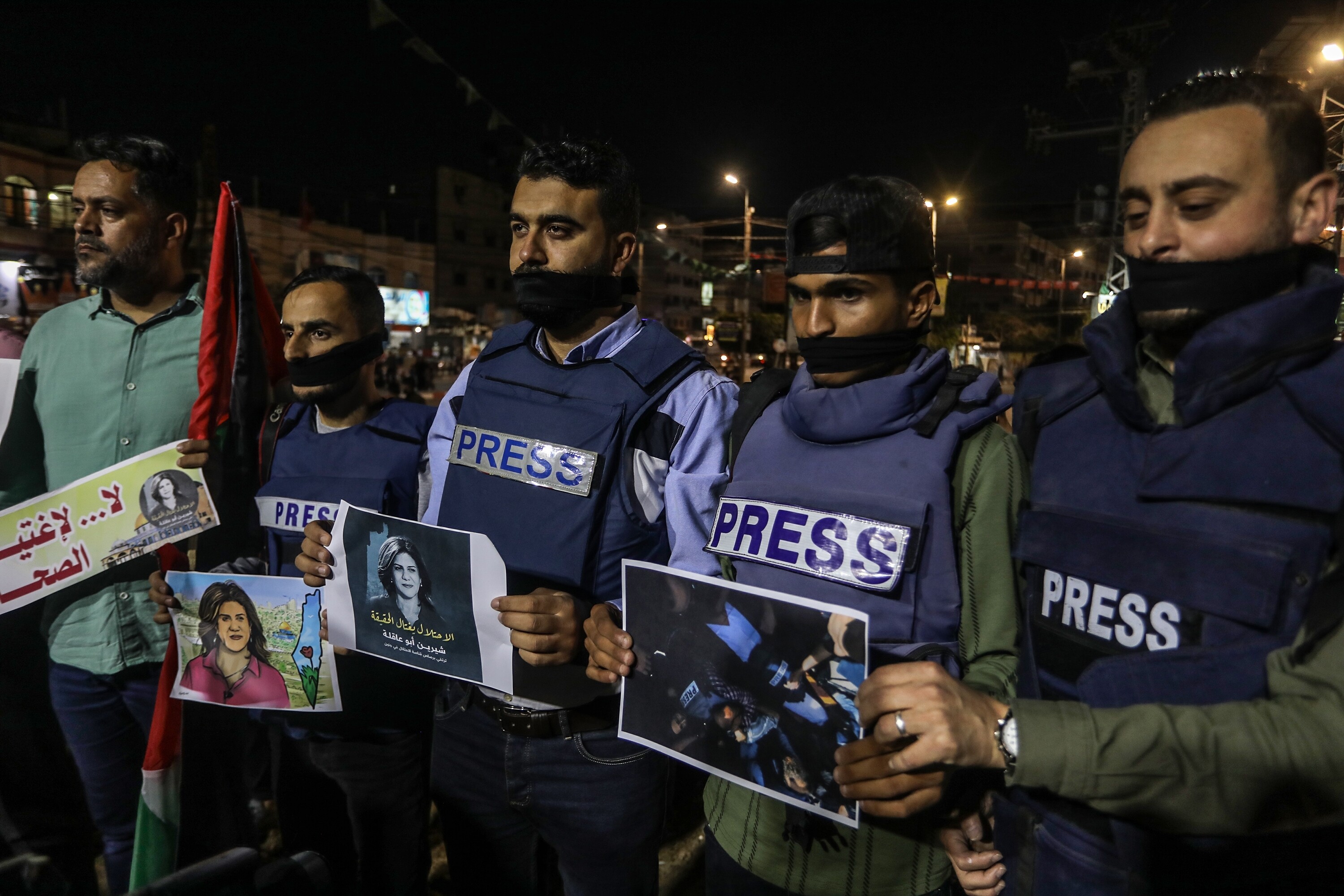
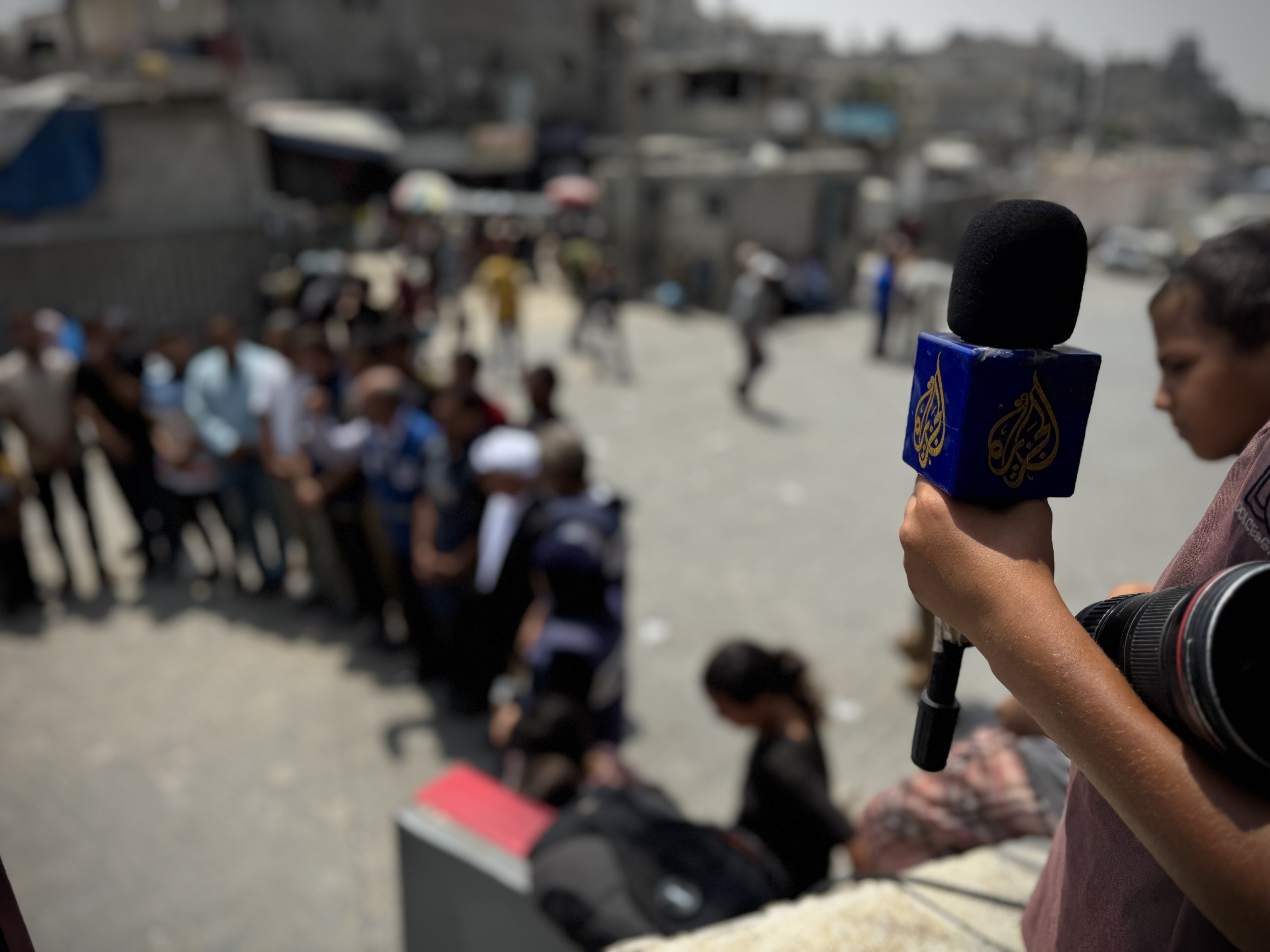
He believed that digital platforms were not merely a means of rapid publication, but an arena for influence and a space for conveying issues ignored by traditional media, especially the issues of ordinary, marginalised people. When the news of his martyrdom was announced, it passed for hours as a fleeting item at which many did not pause, except to regard him as another Palestinian journalist targeted in the field. Al-Khalidi was killed in a tent at Al-Shifa Hospital in Gaza City with the Al Jazeera crew: Anas al-Sharif and Mohamed Qreiqea, along with their accompanying photographers, Mohamed Nofal and Ibrahim Zahir.
But the scene soon changed. His friends, loved ones, and colleagues in the profession began racing to mourn him, praising his professional competence, noble character, and sincerity in carrying out his mission. His life story became a living witness to what it means to be a free journalist in Gaza.
Here the stark contradiction emerges: Mohamed al-Khalidi lived marginalised, without real appreciation or an opportunity worthy of his talent and dedication, but after his martyrdom he became a symbol that institutions rushed to adopt in their statements, as though the Palestinian journalist were condemned to be honoured after death, not treated justly in life.
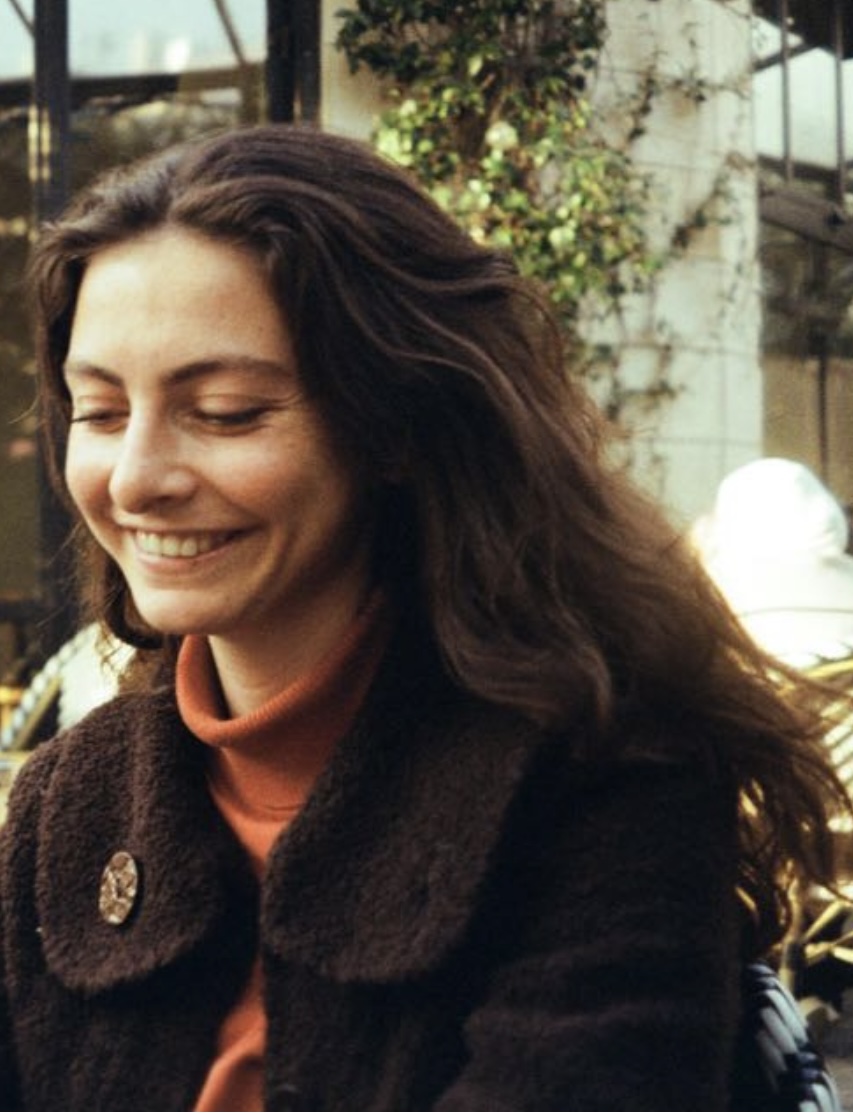
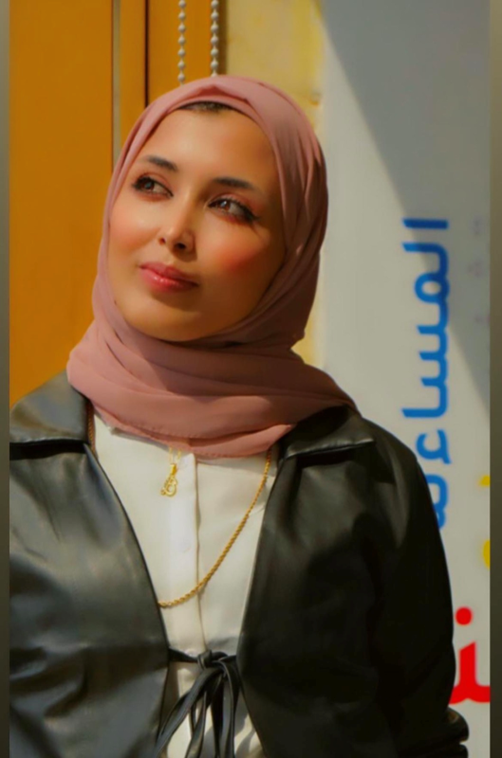
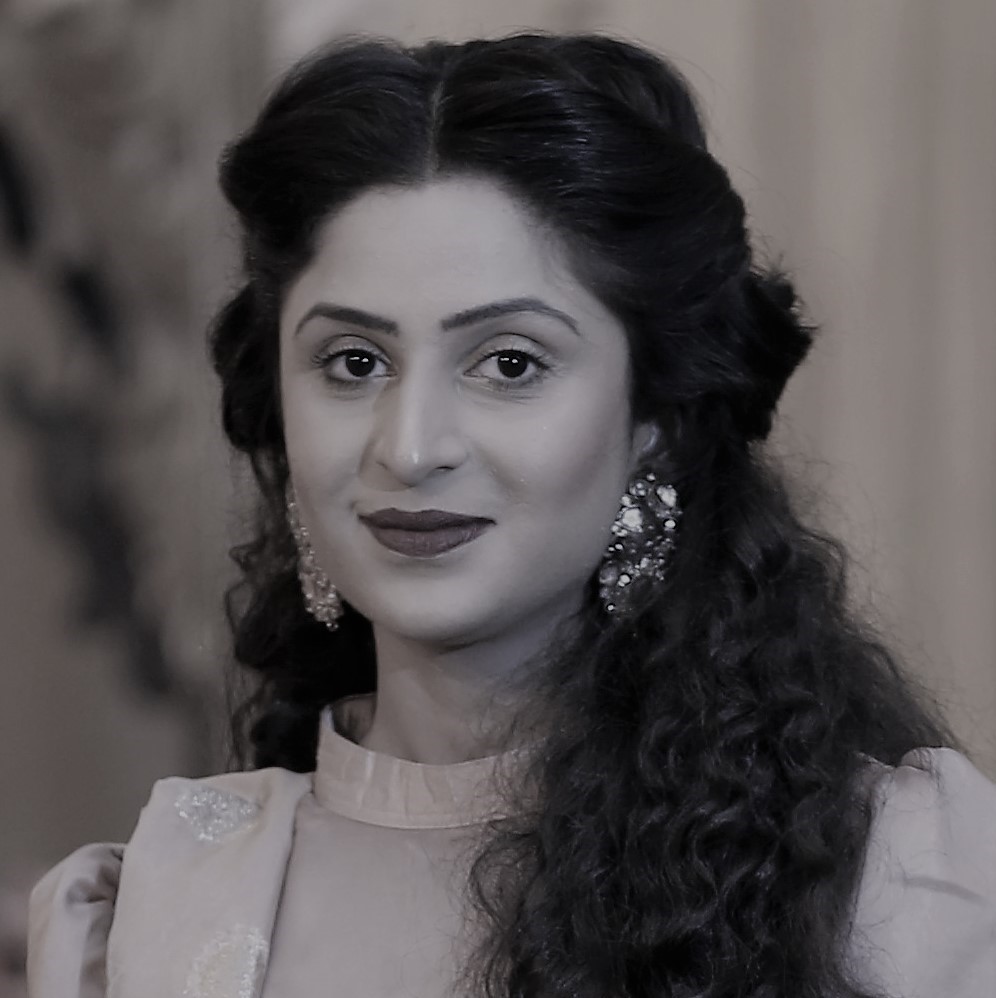
Mohamed al-Khalidi is not an isolated case. Before him came Marwa Muslim, the young journalist whose home was demolished by the occupation over her head and the heads of her two brothers in the Shuja’iyya neighbourhood. Although she sent distress signals pleading for rescue, the tight siege imposed on the area prevented the civil defence from reaching her, and her body was recovered forty-five days later.
Marwa studied media and mass communication at Al-Azhar University from 2014, carrying a passion equal to her dream of becoming a promising journalist in the footsteps of the martyred journalist Shireen Abu Akleh. She graduated in 2018 and moved between several institutions, working for different radio stations and websites such as Baladna TV, the Muttasil website, and Radio Al-Shabab. She presented radio programmes such as Dhat, Al-Sabah, Jadd wa La‘ib, and Ma‘a al-Nas, in addition to content she produced about the towns of Palestine. With her melodious voice and field reports, she created a distinctive presence, but she was forcibly stopped during the war as a result of the tight siege imposed on the northern Gaza Strip, and was then subjected to arbitrary dismissal from her work.
One of her close friends and colleagues at Radio Al-Shabab gives a painful testimony about her suffering: “Marwa had been part of the radio station’s founding team since 2020, working hard from the first day. But during the 2023 war, we received salaries only for the first four months, then were surprised by everyone’s dismissal. Marwa was shocked because she lost her source of income and was able to leave Shuja’iyya only once at the beginning of the war.” She also recounts that “she bore responsibility for her two brothers, Moataz and Montaser. She dreamed of freedom and a normal life, but she was martyred unjustly, without salary or shelter.” Her friend continues her testimony: “Contact with her was cut off for more than forty days. We hoped she was alive until we found her skull and the remains of her bones. We lost a brave journalist who endured hunger, displacement, and responsibility; she had a wonderful radio voice and great dreams.”
Contact with Marwa was cut off for more than forty days. We hoped she was alive until we found her skull and the remains of her bones. We lost a brave journalist who endured hunger, displacement, and responsibility; she had a wonderful radio voice and great dreams.
When al-Khalidi was mourned, his life story returned to the forefront, and media institutions and colleagues rushed to mention his virtues, achievements, and qualities. Social media platforms are filled with words of praise and admiration. But the essential question that imposes itself here is this: why do we not do justice to journalists while they are alive? Why do they not receive the appreciation and support they deserve while they are among us, striving in their work and risking their lives every day? And why do we wait for their death before granting them recognition, raising their pictures, and proclaiming their heroism?
This painful contradiction reflects a deep flaw in the operating mechanisms of media institutions, which do not pay attention to the efforts of young journalists until after they become martyrs. Only then do they turn them into icons after their departure, when what they needed was someone to extend a hand of help and support to them while they were alive, so that they could continue their mission and prove their professional presence.
Mohamed al-Khalidi and Marwa Muslim represent a generation of Palestinian journalists who paid with their lives for their devotion to the profession, and who did not receive the appreciation and protection they deserved during their lifetime.