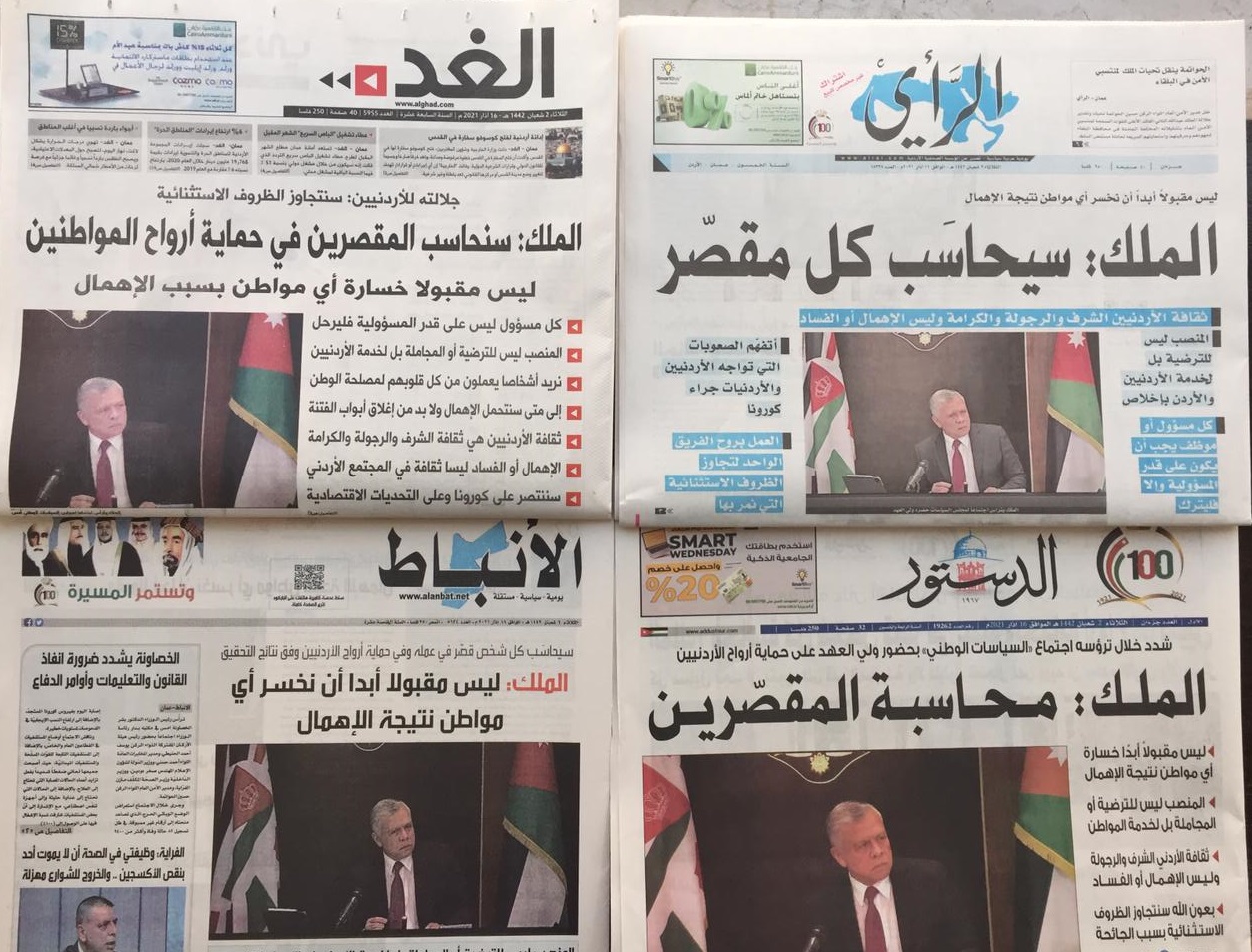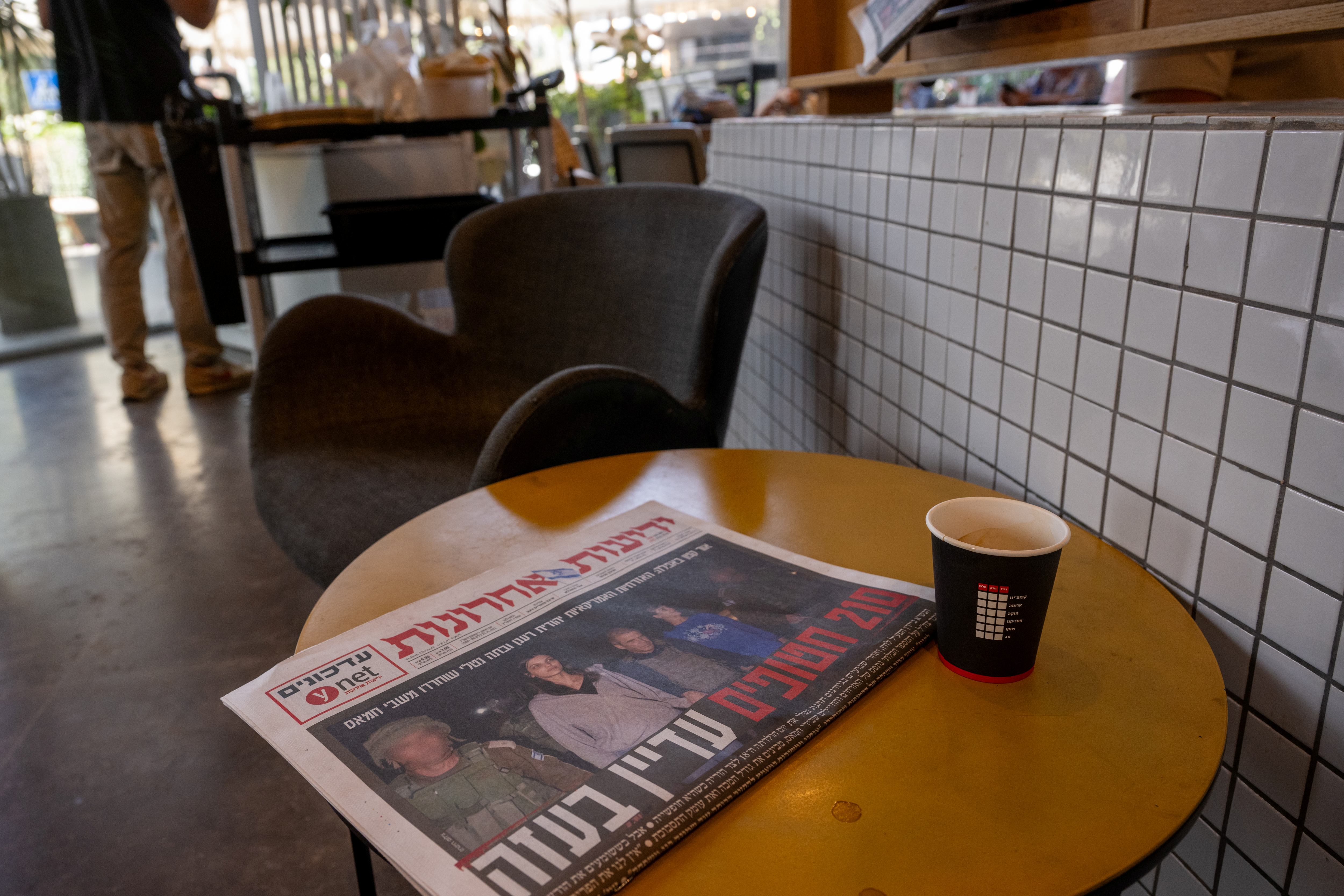
Investigative journalism in Arab societies operates within a dense web of social, political, and cultural pressures that often push journalists to balance truth-telling against survival, forcing them onto a precarious “razor’s edge.” Yet despite these constraints, moments of crisis can transform society itself from a source of pressure into a powerful ally, driving accountability and reigniting the pursuit of truth.
When the American newspaper The Boston Globe first received a report about a child being sexually abused inside a Catholic church, it initially ignored the story despite repeated reports from other victims. The motivation for this disregard stemmed from respect for the Church’s status and role in society, and perhaps from fear of confronting a conservative community in which clergy still wield considerable influence, even in a country often described as liberal. Despite attempts by editors to suppress the investigations uncovered by the Spotlight investigative team (1), the scandal erupted in 2003, revealing the role of society, even in the most open environments, in imposing its authority over the press and shaping its performance and practices. It also highlighted the role of investigative journalism in influencing society and its orientations. This provides an opportunity for comparison with what occurs in Arab societies, where such pressures on journalism, particularly investigative reporting, appear more visible and more severe.
In the Arab region, societies are characterized by ethnic, religious, class, and ideological diversity, compounded by the influence of cross-border tribal structures, clans, extended families, and the authority of customs and traditions. In such a context, societal power over journalistic work intensifies, the sensitivity of addressing its issues increases, and all these elements intertwine with investigative journalism, affecting it and being affected by it.
Ultimately, the Arab investigative journalist is part of this dense and complex social fabric. They carry a cultural and social identity that permeates their professional practices, consciously or unconsciously, because investigative journalism is not merely a rigid application of professional and ethical standards; it is a living social act. Within it, the journalist operates in a complex space governed by four overlapping and often conflicting authorities: societal authority, professional standards, the journalist’s own cultural identity, and political and security power. These authorities impose intense pressures that nearly become coercive alternative standards, placing the investigative journalist in the Arab world “on a razor’s edge,” as described by Yosri Fouda, attempting to balance this vast web of intersecting forces.
In the Arab region, societies are characterized by ethnic, religious, class, and ideological diversity, compounded by the influence of cross-border tribal structures, clans, extended families, and the authority of customs and traditions. In such a context, societal power over journalistic work intensifies, the sensitivity of addressing its issues increases, and all these elements intertwine with investigative journalism, affecting it and being affected by it.
There are significant gaps between these authorities: between being a voice for the people and society, or a reflection of its culture and conscience, and being committed to uncovering the truth. Society is not always right, and authority is not always wrong. Here lies the importance of the investigative journalist’s awareness of this gap: the greater that awareness, the greater their ability to perform an effective watchdog role without falling into the trap of justifying society or mobilizing against it, and without being consumed by either authority or society or succumbing to their coercion.
The State and Society: A Complex Marriage
In complex environments marked by occupation, violence, resistance, war, bloodshed, conflict, dictatorship, disasters, and displacement, highly polarized political contexts and deep social crises emerge. Society expects the investigative journalist to act as its voice and defender of its causes. Yet society is not a monolith; rather, it consists of diverse sub-communities that perceive reality through different lenses. This can force the journalist into symbolic entanglement in conflict, easily categorizing them into binary opposites: either a patriot or a traitor, loyalist or opponent. Objectivity is overshadowed by preconceived judgments and social emotions. As societal pressure intensifies, the journalist is pushed into a difficult choice between “leaning toward society” and “professional survival.”
Society is not always right, and authority is not always wrong. Here lies the importance of the investigative journalist’s awareness of this gap: the greater that awareness, the greater their ability to perform an effective watchdog role without falling into the trap of justifying society or mobilizing against it, and without being consumed by either authority or society or succumbing to their coercion.
In principle, the investigative journalist should always be objective. They are neither entirely neutral nor fully activist; rather, they are an ethical and epistemic intermediary seeking to uncover the truth based on credible primary sources, while remaining aware of its impact on themselves, their institution, and society. This balance can only be achieved through full awareness and critical reassessment of the role, function, and positioning of investigative journalism in critical conditions, supported by robust institutions that protect investigative work from sliding into populism or pandering to audience demands through emotional, psychological, or nationalist appeals at the expense of reality.
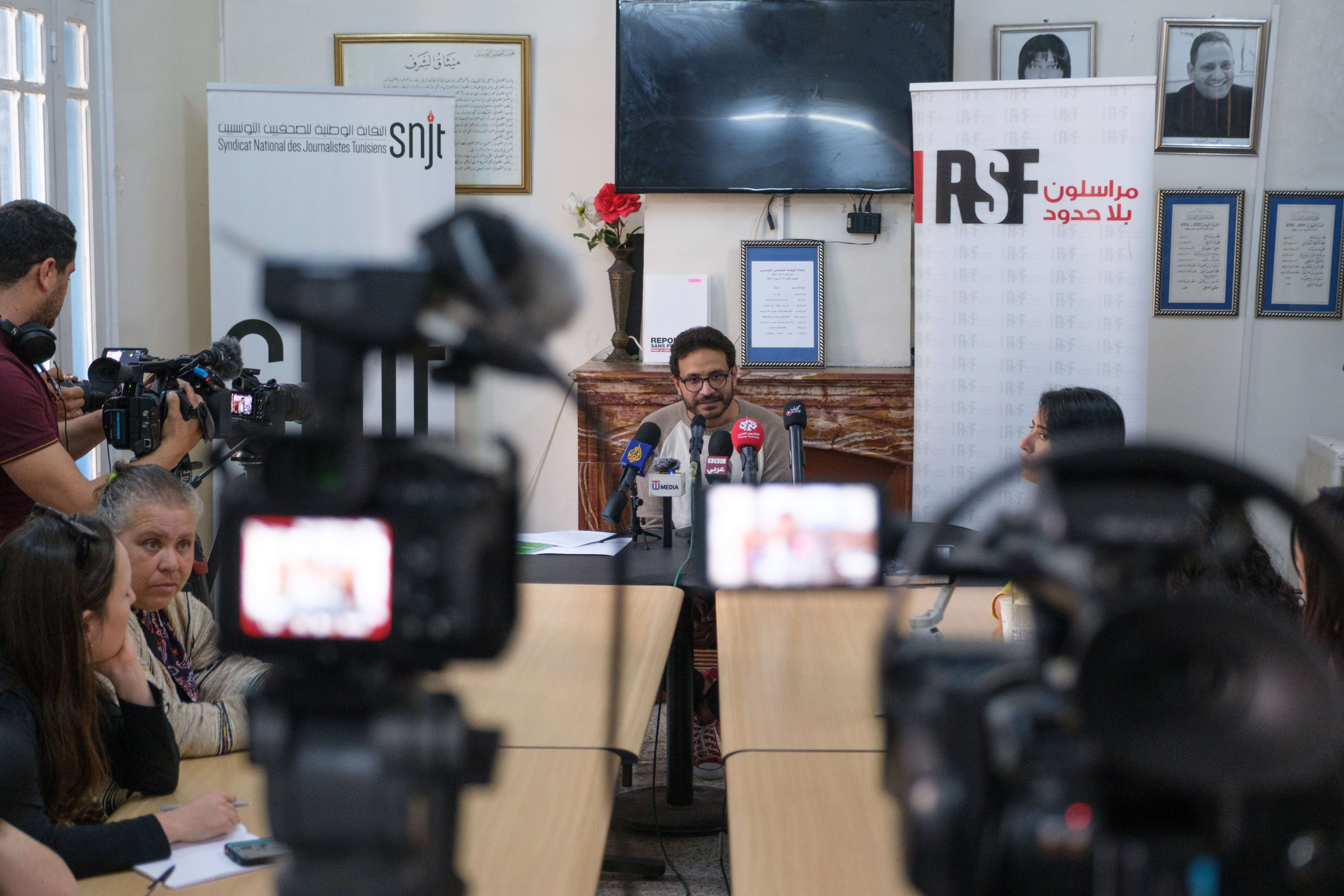
In Tunisia, for example, the country experienced periods of sharp ideological polarization between Islamists, leftists, and others, particularly before and after the declaration of July 25, 2021, which marked a political shift described as a constitutional coup (2). Investigative journalist and director of Al-Katiba website, Walid Al-Majri, explains how the influence of social actors on journalists varies depending on the governing model. In democratic climates that respect pluralism and press freedom, investigative reporting becomes a source of pride for journalists and their families, free from fear of punishment or threat. In authoritarian systems, however, accusations of treason, “takfir,” and legal and security persecution dominate, targeting journalists and their families and threatening their safety, sometimes with societal endorsement or complicity.
Al-Majri told Al Jazeera Journalism Review:
“There is a real stigma and a sense of social shame in having your son imprisoned or under security or judicial pursuit.”
He recounts a personal story reflecting this burden, when he was sentenced in absentia to one year in prison for his journalistic work, accused of “committing an offensive act against the President of the Republic” (3). He describes how his mother felt ashamed in the neighborhood as she overheard whispers from neighbors saying: “Her son is in prison… her son is jailed,” even though he was not. He adds that she would return home in tears, asking him to visit openly as usual and to leave shopping bags at the door so that neighbors could see he was still free and not behind bars as rumored.
Amid the war in Syria, investigative journalist Mukhtar Al-Ibrahim worked in 2016 from Damascus to expose corruption in the distribution of international aid in besieged areas. Accusations implicated the army and intelligence services in seizing a large portion of aid. However, pressure came unexpectedly, from supervising organizations and beneficiaries themselves, who warned that publishing the investigation could lead to a complete suspension of aid. International organizations might withdraw support upon discovering that large portions were diverted to security and military entities. These same entities later threatened him if the report were published. Ultimately, the institution he worked for prioritized his safety, and the investigation was never released.
Al-Ibrahim commented:
“This puts the journalist in front of a major challenge… you see a family relying on a small portion of aid, and they have no other means to live.”
Audience Power: The Elephant in the Room
Despite the political and security pressures facing investigative journalism, the power of the audience remains one of the heaviest elephants in the room. It is an invisible authority, yet strongly present, capable of supporting journalism or silencing it, and of turning an investigation into either a tool for accountability or fuel for incitement. In this context, field experiences illustrate how the audience can become an unexpected adversary in the pursuit of truth.
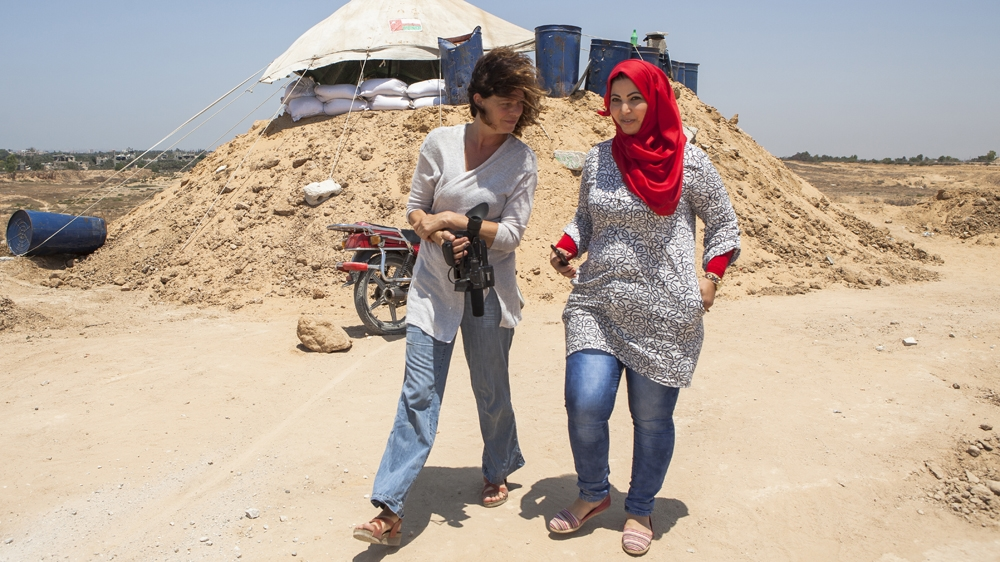
Lebanese journalist Hanan Hamdan recounted to AJR her experience while preparing a report on the situation of business owners in southern border villages following the recent Israeli war on Lebanon. Although the investigation had a purely economic and social dimension, she faced significant social and political pressure, not because of its content, but due to the political identity of the newspaper she worked for, which is rejected by a large segment of residents in those areas.
Hamdan explains that she encountered great difficulty in persuading people to speak with her, even though her aim was to shed light on their suffering away from politics. She states: “I was fully understanding of their fears, especially since I come from a border village and am aware of the sensitivity of the situation… I accepted rejection patiently and made sure to repeatedly clarify my intentions and the purpose of the investigation.”
In Syria, an investigative report uncovered the falsification of ages among under-20 national football team players by margins of up to five or six years, a practice that had continued for 15 years under the Assad regime (4). Journalist Ahmed Haj Hamdo, one of the contributors to the investigation, described probing the issue as “tantamount to touching sacred ground.” He explained to AJR that sports audiences, especially football fans, approach sporting achievements with overwhelming emotion, which made investigating them fraught with pressure both before and after publication.
Haj Hamdo adds that most of the people he contacted tried to persuade him not to publish; some were protecting corruption because of their ties to those in power, but the majority were driven by fear for a “beautiful national memory,” worried that the journalistic exposé would be interpreted as a blow to Syrians’ pride. He continues: “After publication, the investigative team was accused of disloyalty and conspiring against Syrian football, and the pressure became so intense that I found myself wishing it had never been published.”
These experiences reveal that the power of the audience is not always a force in service of the truth; it may instead become an instrument of pressure that drives the journalist toward self-censorship or retreat from publication, especially when facts intersect with social symbols or emotional memories. In such contexts, the audience shifts from being a victim of corruption or authoritarianism to becoming a guardian of the dominant discourse, fearful that national myths or the broader social narrative might be shaken. For that reason, the investigative journalist needs a dual awareness: first, an awareness of people’s right to know; and second, an awareness of the dangers of antagonizing the public, without falling into the trap of its power, whether through complicity or embellishment.
The power of the audience is not always a force in service of the truth; it may instead become an instrument of pressure that drives the journalist toward self-censorship or retreat from publication, especially when facts intersect with social symbols or emotional memories. In such contexts, the audience shifts from being a victim of corruption or authoritarianism to becoming a guardian of the dominant discourse, fearful that national myths or the broader social narrative might be shaken.
Tribalism: Shield and Burden
In societies with tribal and clan-based structures, which are widespread across the Arab region, journalism is not regarded merely as an independent professional function, but rather as an extension of social affiliations and the journalist’s tribal or familial standing. This context creates compounded challenges for investigative journalism, as exposing corruption or pursuing accountability may intersect with tribal interests or symbols, thereby subjecting the journalist to a form of social siege that can, at times, exceed political pressure in its impact.
In 2011, the Jordanian journalistic community was shocked when six members of the tribe of a former military figure stormed the office of journalist Jihad Abu Bider and physically assaulted him (5) after he published an article exposing suspicions that the figure had exploited his public office. The attackers did not stop there; they smashed computers and threatened to kill Abu Bider by gunfire if he dared to publish any further reports about that individual.
In the context of weak political parties, civil society, civic culture, and the rule of law, censorship is not confined to state institutions; it is also exercised through a system of “informal social control.” Within this system, the journalist is expected not to expose a relative, a fellow tribesman, or an influential figure with tribal standing, and to respect the tribal “prestige” of clans more prominent and powerful than their own. In such an environment, it becomes difficult for the journalist to fulfill their role in criticizing sensitive practices marked by tribal considerations, even when the truth requires it. Investigative reporting may, at times, be perceived as a betrayal of one’s identity of belonging, misinterpreted as a personal stance rather than an objective revelation, or seen as targeting a rival tribal group. For example, one Jordanian tribe issued a press statement condemning remarks made by a presenter on a morning radio program, remarks it considered offensive to Jordanian tribes, and demanded a public apology (6). The matter did not end with the statement; some members of the tribe proceeded to file a lawsuit against the presenter in court.
In cases of disputes or conflicts between tribes, journalists find themselves in a complex dilemma, as they are part of this social structure, and any coverage may be interpreted as “bias toward one side over another,” exposing them to a loss of trust or even social ostracism from their own community (7).
In addition to the above, tribal and clan culture shapes the social environment in which the investigative journalist operates. This culture is not limited to a system of values and traditions; it extends to establish a network of social, political, and economic influence with extensions within state institutions and the media, making it an informal actor that directs journalistic work and imposes “unwritten boundaries” on what can or cannot be exposed.
On the other hand, tribal affiliation may also serve as a protective shield for journalists in countries where this social actor continues to carry significant weight. In some cases, the tribe can deter attempts by political or security authorities, or other social groups, to target a journalist who belongs to it. We can observe successive tribal statements expressing support for and solidarity with media professionals and journalists who have faced harassment by authorities (8). Tribal belonging may also provide some journalists with social cover that facilitates their work, enabling them to benefit from networks of relationships and extended kinship ties that reach even into state institutions (9).
Tribal and clan culture shapes the social environment in which the investigative journalist operates. This culture is not limited to a system of values and traditions; it extends to establish a network of social, political, and economic influence with extensions within state institutions and the media, making it an informal actor that directs journalistic work and imposes “unwritten boundaries” on what can or cannot be exposed.
Women and Children: The Greatest Complexity
At a time when United Nations reports described a severe deterioration in the detention conditions of Palestinian men, women, and children in Israel, reaching the level of sexual torture of Palestinian women (10), many voices on social media platforms warned against engaging with such reports concerning sexual violence against women (11). This was evident in the case of the woman behind an audio recording that included allegations of rape of women at Al-Shifa Hospital in Gaza by Israeli occupation soldiers, which prompted her brother to state that the account was inaccurate and had been exaggerated (12). In such a context, it becomes extremely difficult for the investigative journalist to examine a case like this, whether to refute or substantiate it, without being subjected to social pressure at a critical historical, national, and humanitarian crossroads.
Cases of sexual violence against women and children are among the most sensitive and complex issues (13), as they often occur behind closed doors and are surrounded by silence and fear. Documenting such cases requires exceptional effort from the investigative journalist to build trust with victims and encourage them to revisit painful experiences. This makes the task psychologically exhausting for both parties; the journalist may experience secondary trauma or emotional fatigue. At the same time, they face an ethical dilemma: how to uncover the truth without increasing the victim’s suffering or exposing them to danger? The challenge is further compounded by the need to move beyond conventional coverage of violent incidents detached from their roots and context. Here, the responsibility of investigative journalism lies in transcending this superficial approach and adopting more equitable narratives that are conscious of the story’s impact on victims and society, in order to avoid retraumatization and stigma (14).
Investigative journalism faces growing risks when covering issues related to women and children, most notably retaliation and prosecution. The Committee to Protect Journalists has documented several incidents (15), including the arrest of a Somali journalist in 2013 on charges of “insulting state institutions” and “publishing false information,” simply because he conducted an interview with a rape victim who accused government soldiers of the crime, despite the fact that he had not yet published the report. The victim herself was also arrested in an attempt to silence her (16).
Challenges are further intensified by the difficulty of accessing information and evidence, in addition to ethical dilemmas related to the safety of victims, alongside social and cultural pressures that compel victims to remain silent out of fear of scandal, social shame, or community ostracism.
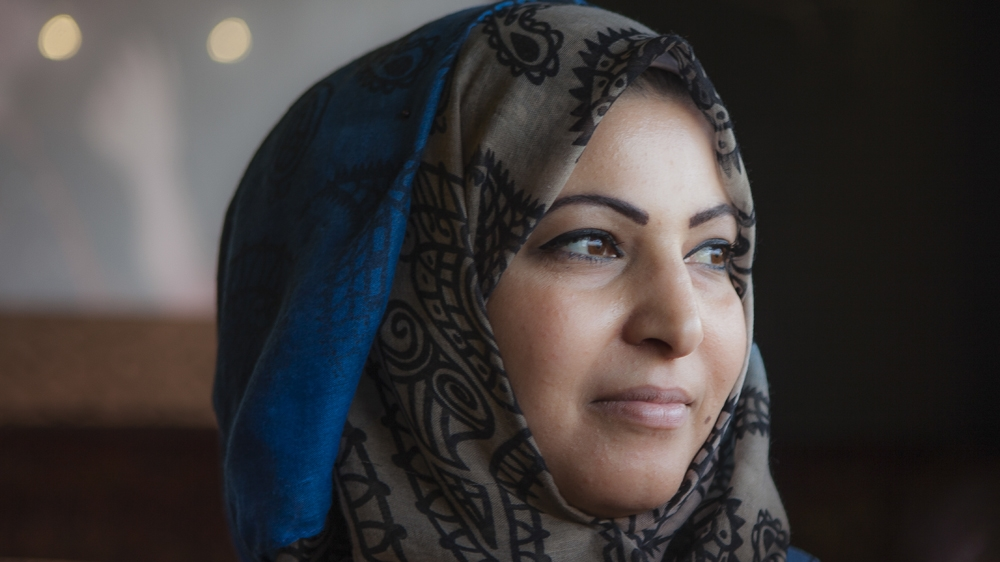
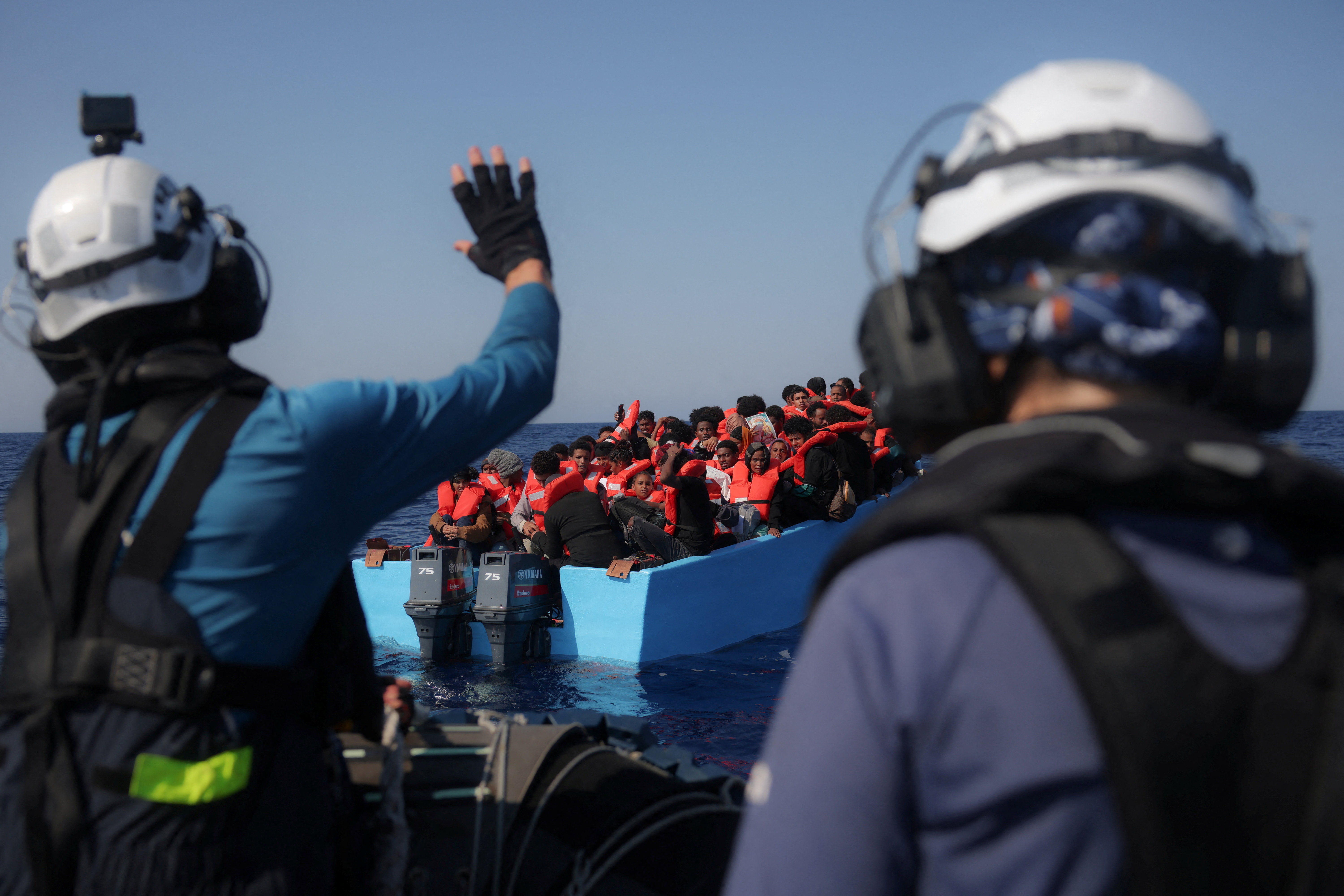
Moroccan journalist Imane El Bilali, who specializes in migration and asylum issues, explains that covering cases of missing migrants at sea was possible when it concerned men, but becomes highly sensitive when it involves women. She told AJR: “I found myself repeatedly facing thick walls of silence, not because of a lack of information, but because of deeply rooted social fear of scandal and shame.” She explains that working on this issue felt like entering culturally forbidden territory, where speaking about a girl disappearing at sea or being held in illegal detention centers is viewed as a stigma that haunts the family, rather than as a human tragedy deserving exposure and justice.
El Bilali recounts how following the stories of young Moroccan men and women who disappeared while attempting to cross the sea toward Europe affected her work. Her attempts to contact the families of missing girls were met with outright refusal. She explains that this refusal was not due to a lack of trust in journalism, but rather fear that speaking out would become a “defamation of the family’s reputation” in the eyes of society. She quotes the father of one missing girl as saying in a firm tone: “People will talk about us… we want to forget.” For him, forgetting was not an expression of grief or helplessness, but a “social survival strategy” to protect the family’s reputation from stigma.
Religion and Minorities: A Minefield
Religion and minorities are not merely difficult fields to investigate; they constitute a silent front of resistance against investigative journalism in the Arab region. The greatest challenge lies not only in uncovering the truth when dealing with such issues, but in producing professional discourse capable of dismantling taboos without igniting conflict. We still recall how media contributed to fueling sectarian war in Iraq, which requires the investigative journalist to be not only an investigator, but also a “cultural negotiator” (17), navigating ideological terrains with caution without losing their ethical compass or professional integrity.
Religion and minority issues remain among the most complex arenas of journalistic work in the Arab world, where identities, beliefs, history, power, and fears of demonizing groups or reinforcing stereotypes intersect. Investigative journalism thus faces a dual dilemma: how to uncover the truth without fueling hate speech or reproducing divisions? These are heavily mined fields, laden with deep symbolism that extends beyond facts to touch the emotions and identities of communities. Any inaccurate handling may ignite conflicts or lead to legal prosecution and social incitement that could escalate into civil strife, particularly in highly polarized environments such as the Arab region. These issues may also be instrumentalized to serve political agendas, as seen in the use of minority discourse in Syria by the occupying state. Moreover, they are surrounded by taboos and red lines that make approaching them a risk that could cost the journalist their reputation or safety. It should also be noted that Arab states continue to monopolize the religious sphere in terms of organization, funding, and oversight, using it to reinforce their legitimacy and authority.
Religion and minority issues remain among the most complex arenas of journalistic work in the Arab world, where identities, beliefs, history, power, and fears of demonizing groups or reinforcing stereotypes intersect. Investigative journalism thus faces a dual dilemma: how to uncover the truth without fueling hate speech or reproducing divisions?
Self-Censorship: The Silent Killer
Unlike formal censorship exercised directly by authorities in the Arab region through an arsenal of laws, security agencies, and judicial systems, self-censorship appears as a predictable outcome of the accumulation of political, security, social, and cultural pressures that surround the investigative journalist in closed or politically and religiously tense environments.
The Arab journalist does not practice self-censorship arbitrarily; rather, it is gradually imposed as a defensive mechanism to confront a complex web of challenges and pressures. These begin with fear for one’s life and physical, legal, and digital safety, and extend to social and economic considerations that make the journalist feel that every word they write may carry a heavy cost.
Self-censorship and societal pressures are among the most dangerous forms of hidden repression in investigative journalism. When the journalist fears isolation or accusations of disloyalty within their own community, they begin to exercise internal censorship, leading them to avoid certain issues or strip them of substance through evasive language that fails to reach the core of the truth.
The social structure in the Arab region produces compounded self-censorship, whereby the journalist fears not only the state, but also their tribe, sect, family, or immediate community (18). In this context, the journalist wavers between professional integrity and social loyalty, which may result in refraining from covering sensitive issues, framing them in ambiguous language, redirecting accusations toward marginal actors, or colluding with collective silence. The outcome is clear: a weakening of investigative journalism’s capacity to dismantle local networks of power that derive their strength from the alliance between authority, social elites, and capital.
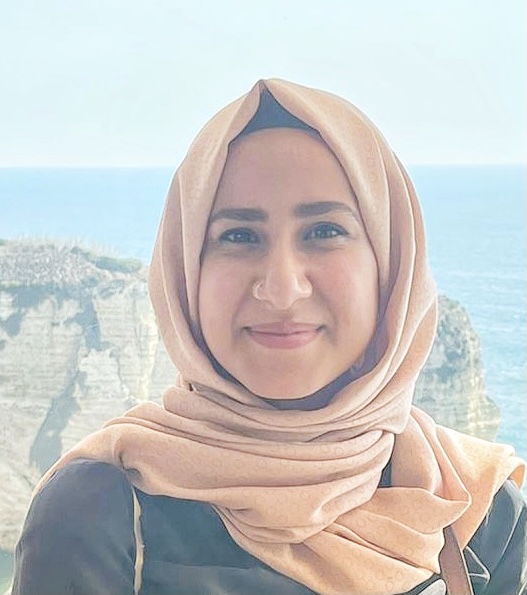
Jordanian investigative journalist Hanan Khandaqji affirms that these pressures are present in both her professional and personal experience. She categorizes the challenges she faces as familial and professional, noting that her husband is the closest person to the investigations she works on and often warns her about sensitive topics, saying: “This subject will bring a headache.” Despite this, she emphasizes her ability to overcome these fears and continue her work.
In the workplace, Khandaqji explains that she has imposed a form of social isolation on herself to protect the confidentiality of investigations and the privacy of sources within a socially interconnected environment. However, she acknowledges the presence of self-censorship that sometimes accompanies her, particularly in controversial issues such as religion and tribal matters. She says: “There are certain issues I feel are highly controversial, or could open the door to problems… especially religion and tribes… so I prefer not to engage in them,” or to investigate them.
Self-censorship is not so much a personal weakness as it is the result of accumulated political, cultural, and social factors (19) that constrain the journalist and restrict their freedom. Overcoming it cannot be achieved through professional training alone; rather, it requires restructuring the relationships between journalism, authority, society, media institutions, and unions, even among investigative journalists themselves. When the journalist is viewed as a partner in uncovering the truth and a servant of the public good, rather than as a creator of problems or a defamer, only then can Arab investigative journalism fulfill its true role in oversight and accountability.
A Potential Ally for Investigative Journalism?
Despite the constraints imposed by social and political structures, pressures, silence, and both direct and self-imposed censorship, society may, at critical moments, become the strongest ally of investigative journalism. When suffering reaches its peak, structural corruption spreads, poverty and unemployment intensify, freedoms and social justice recede, national dignity and human rights are violated, and the enemy knocks at the door, breaching Arab borders with its warplanes and committing acts of genocide at the heart of the nation amid deafening silence, people find themselves with only one option: to break the wall of silence.
At that point, the audience transforms from a mere “recipient” into an objective ally that pushes for investigation and accountability and demands them. Popular pressure and community-driven campaigns then become rapidly igniting fuel that drives journalists to uncover suppressed truths, particularly in issues that directly affect people’s lives, such as the looting of public funds, human rights violations, and conspiracies against the country’s future.
Perhaps the clearest evidence of this was seen in the aftermath of the “Arab Spring” uprisings, when press freedom indicators rose in several Arab countries before declining again under the weight of counter-revolutions, the return of security crackdowns, and the exposure of profound fragility within the social and national fabric of Arab societies. Despite this regression, that period revealed the immense potential for alliance between society and a free press in confronting various forms of authority, as well as the strength and role of investigative journalism in oversight and accountability.
Therefore, hope remains that society, when pressure intensifies, will once again seek the truth, and will find in independent journalism, which maintains a critical distance from all parties, a voice that expresses it and defends its interests when official institutions fall into the quagmire of complicity or incapacity.
References
- Arab Reporters for Investigative Journalism (ARIJ). “The Breaker of the Sexual Abuse Scandal: American Media in Decline Under the Trump Presidency.” ARIJ, 2016. https://n9.cl/kwp8w7.
- Arab Center for Research and Policy Studies. “The Presidential Coup Against the Constitution in Tunisia: Its Context, Circumstances, and Trajectories.” https://2u.pw/RE8pu.
- “In Absentia Sentence of One Year in Prison for Tunisian Journalist Walid Al-Majri.” Al-Araby Al-Jadeed, 2024. https://2u.pw/MqWyz.
- Al-Hamdo, Basel; Ahmed Haj Hamdo; et al. “The Fake Syrian Golden Football Generation… Participation of Syrian Youth Players in International Tournaments with Falsified Ages.” Siraj, 2014. https://2u.pw/UPGd1.
- “Journalists Stage a Sit-In in Front of Their Syndicate in Protest Against the Assault on Colleague ‘Abu Bider.’” Ammon News, 2011. https://www.ammonnews.net/article/85528.
- “The Al-Ajarmeh Tribes Issue a Statement.” Al-Taj News, 2025. https://2u.pw/f3kOG.
- Folker Hanusch. “Journalism, Culture, and Society.” Oxford Research Encyclopedia of Communication. Published September 29, 2016. Accessed May 2, 2025. DOI: 10.1093/acrefore/9780190228613.001.0001/acrefore-9780190228613-e-78.
- “The Al-Ajarmeh Tribes Issue a Statement.” Al-Taj News.
- “The Al-Tamimi Tribe: Attacks on Journalists Aim to Conceal the Truth.” Al-Sawsana News, 2012. https://2u.pw/cd5eC.
- “UN Concern Over Reports of Rape and Sexual Violence Against Palestinian Detainees in Israel.” United Nations, 2024. https://news.un.org/ar/story/2024/09/1134231.
- @MohmedNajjar88. “The alleged rape incident at Al-Shifa Hospital mentioned by the witness on Al Jazeera is unverified, and the statements were general… despite all the crimes of the occupation, no rape incident has been proven so far…” X (formerly Twitter), March 24, 2024. https://x.com/MohmedNajjar88/status/1771876331149463934.
- YouTube. “Close Associates of Hamas and the Brother of the Woman Who Claimed Rape of Women at Al-Shifa Hospital: It Is Not True and Was Exaggerated.” Video posted March 26, 2024. https://www.youtube.com/watch?v=YQEjtsLVUKw.
- Frank Smyth. “Mustering the Courage to Cover Sexual Violence.” Committee to Protect Journalists. Accessed May 13, 2025. https://n9.cl/cfcz6.
- Al-Shawabkeh, Musab; Mohammed Aghbari; Dana Jibril. A Guide to Investigative Reporting for Human Rights. Journalists for Human Rights, 2020.
- Smyth, “Mustering the Courage.”
- Ibid.
- Hanusch, “Journalism, Culture, and Society.”
- Hanusch, “Journalism, Culture, and Society.”
- Hanusch, “Journalism, Culture, and Society.”