Al Jazeera Journalism Review

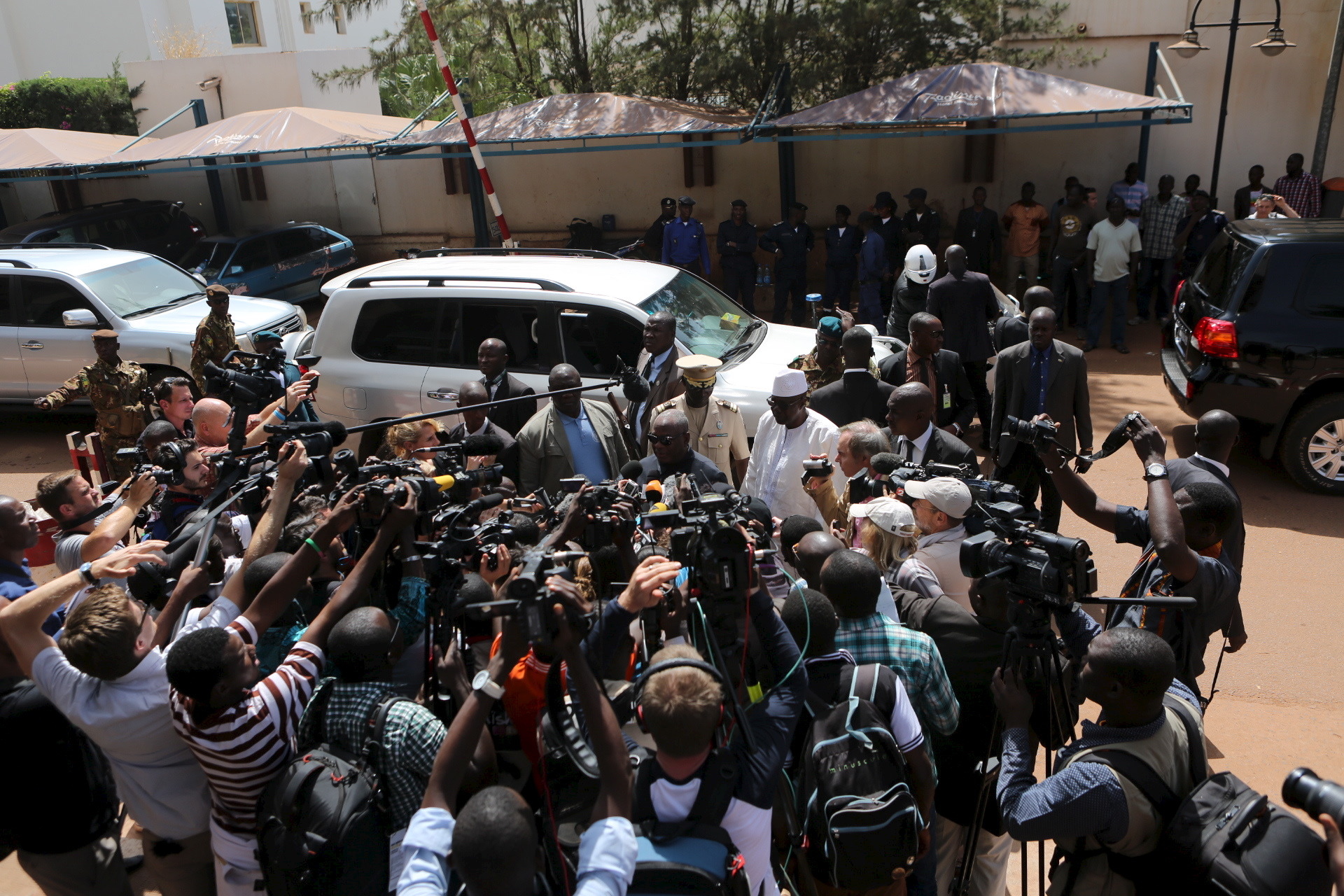
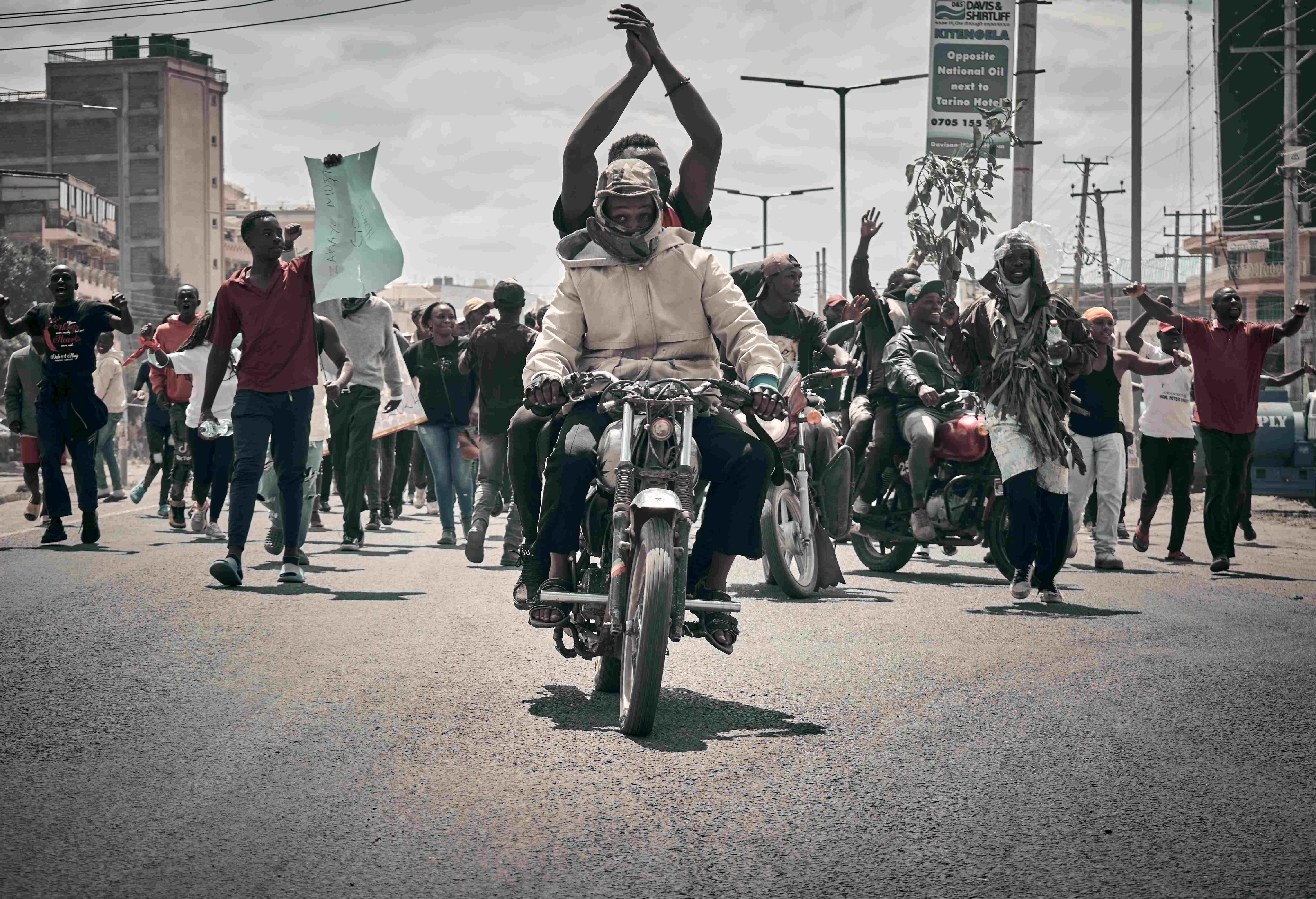
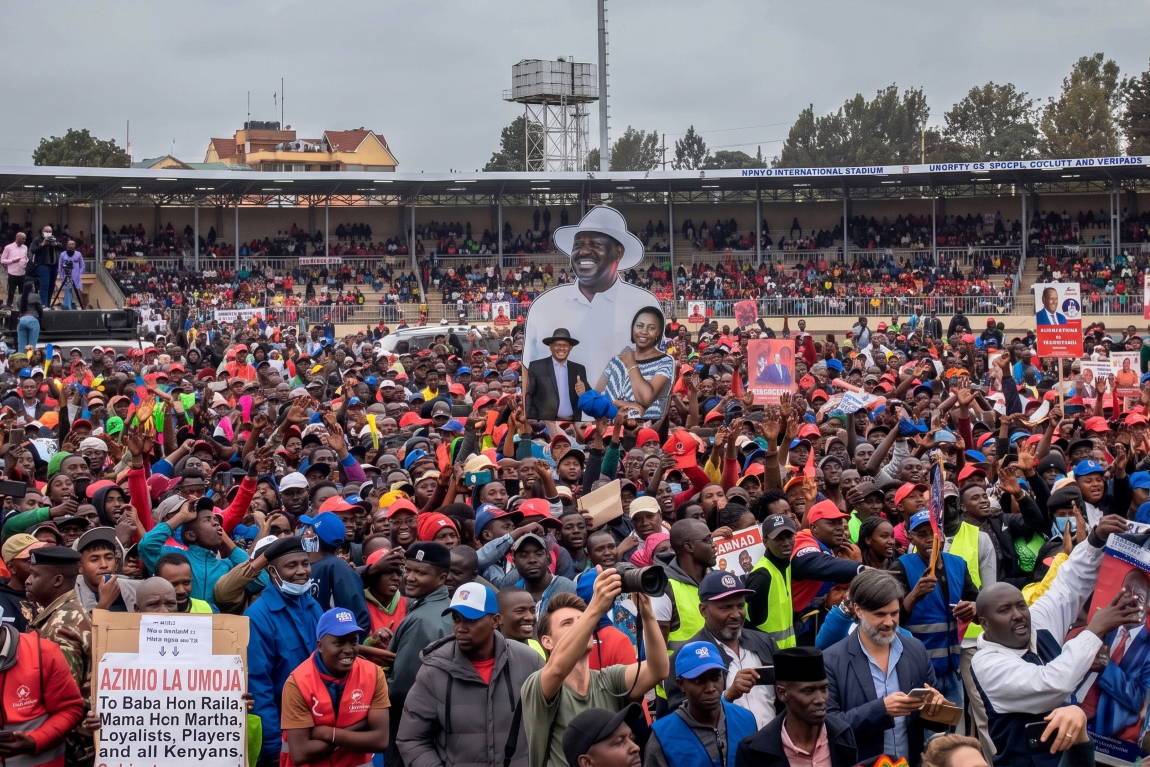
Azimio La Umoja (One Kenya Coalition Party) supporters wave a cardboard cutout with a picture of presidential candidate Raila Odinga and running mate Martha Karua during a campaign rally in Kirigiti Stadium, Kiambu, Kenya, Aug. 1, 2022. (AFP Photo)

Safety Strategies Female Journalists Use in Hostile Environments

Female journalists across Africa face layered physical, gender-based, digital, and psychological risks while covering protests, elections, conflict, and crises, forcing them to rely on hard-earned survival strategies as much as newsroom support. 


On the first day of the October 2025 post-election protests in Maputo, journalist Silaide Mutemba found herself caught in a scene that quickly spiralled out of control. Police fired tear gas at a group of journalists gathered around an opposition presidential candidate during what was supposed to be a routine press interaction. 

“I saw some of my colleagues being hit, and all of us had to run to save our lives without really understanding what was happening,” she recalls. “It was a chaotic and frightening situation, and it made us realise how quickly a reporting environment can become dangerous.” 

For Mutemba, who reports for international outlets including Deutsche Welle and Agence France-Presse, that moment crystallised a reality many female journalists across Africa know too well: reporting in volatile environments means navigating danger that can escalate without warning. 

Across the continent, female journalists covering elections, protests, conflict, and other high-risk assignments face layered dangers: physical threats common to all reporters, as well as gender-specific intimidation and harassment, digital surveillance, and the psychological toll of repeated exposure to violence that remain unexamined. Interviews with journalists in Mozambique, Kenya, and Nigeria, reveal a pattern of risk managed less through institutional protection than through experience, improvisation and solidarity.  

Across the continent, female journalists covering elections, protests, conflict, and other high-risk assignments face layered dangers: physical threats common to all reporters, as well as gender-specific intimidation and harassment, digital surveillance, and the psychological toll of repeated exposure to violence that remain underexamined. 


Reporting on the Frontlines of Risk 

For Nancy Okware, a reporter and news anchor with the Kenya Broadcasting Corporation, covering political rallies during Kenya’s 2022 general elections meant stepping into unpredictable, high-pressure environments. 

“Usually, crowds are charged, and you are required to gel with them in order to get the story,” she says. “I often felt at risk because of the push and shove associated with such crowds. You’re always at risk of being trampled.” 

Even designated media areas offer little protection when crowds surge. Okware describes having to remain constantly alert, balancing the need to capture events, while also protecting herself and her equipment from physical harm and opportunistic theft. 

Such risks are not isolated. According to the Committee to Protect Journalists, dozens of journalists are killed globally each year, while many more face assault, detention, or harassment.  UNESCO notes that journalists reporting from crisis and conflict zones face severe threats in carrying out their work. 

In Mozambique, Mutemba’s experience reflects how quickly routine reporting can become dangerous. During the protests, she says, journalists were vulnerable not only to security forces, but also to protesters who blocked roads and demanded money from passersby. 

“In those moments, we became targets,” she says.  


Gendered Risks in the Field 

While many dangers are shared, female journalists often navigate an additional layer of vulnerability shaped by gender. 

“Most of the people attending rallies are men,” Okware explains. “In the event of a stampede, male colleagues find it easier to rush to safety, as they are generally faster and able to push their way through crowds.” 

That perceived vulnerability can influence how women are treated in the field. However, she notes that male colleagues often look out for their female counterparts, even in the rush to get to safety. 

Mutemba echoes this dynamic, particularly in interactions with protesters. “When it comes to protesters, it is easier for them to intimidate female journalists, and sometimes women feel pressured to give in to that intimidation,” she says, adding that sexual harassment remains a persistent concern in daily reporting. 

Global research supports these experiences. A study by UNESCO found that female journalists face disproportionately high levels of harassment, particularly online, but also in physical reporting environments. These threats range from verbal abuse to intimidation and, in some cases, sexualised violence. 

These experiences underscore a broader reality: journalists in hostile environments are not detached observers. They are often exposed to the same dangers as the people they cover. 

Even where such incidents are not formally documented, the risk is widely acknowledged. In conflict-affected regions like northern Mozambique’s Cabo Delgado, Mutemba says, “there is always the potential risk of sexual violence when reporting in conflict zones.” 

For Shola Lawal, who has reported across Africa on conflict, climate, and migration, gender can sometimes shape both risk and access in complex ways. 

“There is this perception that women are harmless,” Lawal says. “I use that to my advantage sometimes.” 

She notes that in sensitive reporting contexts, such as cases involving sexual violence, being a woman can help build trust with sources who might otherwise be reluctant to speak. But that same perception can also expose women to underestimation and vulnerability. 


The Emotional Weight of Frontline Work 

In high-risk environments, the line between observer and participant often blurs. Mutemba recalls how fear initially disrupted her work during protests. On one occasion, she left home early to report but returned shortly after, overwhelmed by uncertainty about what might happen. 

Yet the demands of the job quickly pulled her back. “But later I reminded myself that this is my job and that I need to be on the streets to report what is happening.” 

For Okware, similar tensions arise in the field, where reporting requires not just observation but physical endurance and constant situational awareness. During Kenya’s 2019 Dusit D2 terror attack, she spent long hours on the ground under the threat of gunfire. 

“It entailed long hours, being asked to lie down at the sound of every gunshot and dealing with the emotional stress of thinking about the lives lost with each shot,” she says. 

These experiences underscore a broader reality: journalists in hostile environments are not detached observers. They are often exposed to the same dangers as the people they cover. 

From navigating hostile crowds to managing digital surveillance, their approaches are shaped by necessity rather than choice. Personal safety, as Mutemba puts it, comes first. “No story is worth risking your life. 


Adapting to Survive  

In the absence of consistent institutional protection, many journalists develop their own safety strategies, often through experience rather than formal training. 

Mutemba asserts that she learned to position herself carefully during protests. “I try not to stay in the direct line of fire between the police and the protesters,” she says. “I try to position myself in a place where it is less likely that I will be hit by police bullets or tear gas.” 

She also adopted practical measures such as identifying safe locations to stay overnight when returning home was not possible and maintaining close communication with colleagues. 

Okware emphasises preparation and situational awareness. Before heading into volatile assignments, she ensures she is dressed for mobility – wearing trousers and shoes suitable for running – and familiarises herself with exit routes. 

Building rapport with security personnel can also be critical. “Sometimes they alert you in advance to seek shelter,” she says. 

Lawal, whose reporting has taken her to regions such as Nigeria’s Niger Delta, Chad, and Sierra Leone, highlights the importance of local knowledge. Travelling with trusted contacts, she explains, can be a decisive factor in reducing risk. 

“I knew that even if there were armed groups that appeared, I would probably be released because of the people that were beside me,” she says. 

She also adopts low visibility tactics, when necessary, such as avoiding the use of recording devices in sensitive areas and relying on memory or handwritten notes instead. 

Digital safety is another consideration. In one instance where she suspected surveillance, Lawal took steps to secure her communications, including clearing messages and removing sensitive data from her devices. 

Such strategies reflect a broader pattern identified by Reporters Without Borders, which notes that journalists in hostile environments increasingly rely on practical safety habits, preparation, and adaptive measures to navigate increasingly dangerous conditions.   


When Fear Follows the Reporter Home 

Beyond physical risk, the psychological toll of reporting in hostile environments is significant. 

Mutemba describes the pressure of working in a context where journalists may be threatened directly or through their families. “This creates psychological pressure and fear,” she says, adding that solidarity among colleagues often becomes a crucial coping mechanism. 

The emotional impact of reporting can surface unexpectedly, Lawal notes. She recalls breaking down while interviewing sources during coverage of migration crises in Mexico, overwhelmed by the stories she encountered. 

“I didn’t realise that tears were dropping,” she says. 

Yet, like many journalists, she frames emotional resilience as part of the profession. “At the end of the day, it is not my story,” she adds, noting that the process of writing often helps her process difficult experiences. 


The Cost to Journalism 

These pressures can also influence editorial choices. Fear, fatigue, and repeated exposure to risk may lead journalists to avoid certain assignments or self-censor, an outcome that ultimately affects the stories that reach the public. 

Across Africa, female journalists continue to report from environments where risk is both immediate and evolving. Their experiences reveal not only the dangers inherent in frontline reporting, but also the adaptive strategies that make such work possible. 

From navigating hostile crowds to managing digital surveillance, their approaches are shaped by necessity rather than choice. Personal safety, as Mutemba puts it, comes first. “No story is worth risking your life,” she says. 


Related Articles

Sexual harassment in African newsrooms is a scourge on journalism

Well over half of women journalists in Africa have been subjected to sexual harassment, abuse or victimisation in news rooms. It’s time to crack down
Philip Obaji Jr
Philip Obaji Jr Published on: 12 Dec, 2022
Daughters of Data: African Female Journalists Using Data to Reveal Hidden Truths

A growing network of African women journalists, data scientists, and tech experts is amplifying female voices and highlighting underreported stories across the continent by producing data-driven projects and leveraging digital technologies in storytelling.
Nalova Akua
Nalova Akua Published on: 23 Jul, 2024
Guns, Threats, and Poverty: The Daily Struggles of an African Journalist

The welfare of African journalists continues to deteriorate, from poor wages to security risks, arrests, detention, and even death. This common, ongoing trend generally affects the wellbeing of journalists during their discharge of duties, and these overlooked difficulties tend to affect the quality and output of their work.

Derick Matsengarwodzi
Derick Matsengarwodzi Published on: 26 Sep, 2024
Journalists and the Gen–Z protest in Kenya

Caught between enraged protesters and aggressive police officers, journalists risked their lives to keep the world informed about the Gen–Z protests in Kenya. However, these demonstrations also exposed deeper issues regarding press freedom, highlighting a troubling aspect of Ruto’s government.

Shuimo Trust Dohyee
Shuimo Trust Dohyee Published on: 12 Dec, 2024
‘He told me to sit on his lap’ - the women enduring sexual harassment in Nigerian newsrooms

On International Women's Day, we take a look at how female journalists suffer sexual harassment - and worse - on a daily basis in newsrooms in Nigeria. For most, it’s a case of ‘put up and shut up’ or lose your job

Philip Obaji Jr
Philip Obaji Jr Published on: 8 Mar, 2023

More Articles

The Afterlife of an Image: How Photojournalism Contests Shape Visibility and Responsibility

As photojournalism contests elevate certain images to global prominence, they also influence how violence, dignity, and memory are constructed in the public imagination.

Daniel Harper
Daniel Harper Published on: 5 May, 2026
Malawi Investigates Poor Pay and Working Conditions for Junior Journalists

Malawi’s investigation into poor pay for junior journalists exposes a deeper crisis where economic hardship is eroding media independence and forcing reporters to choose between ethical integrity and survival.

Benson Kunchezera Published on: 30 Apr, 2026
Journalism as a Struggle for Survival in Sudan

With war erupting in Sudan, the country’s media landscape collapsed almost overnight after the Rapid Support Forces entered Khartoum. Many journalists were left without jobs, salaries or shelter, scattered between displacement, exile and siege, as newspapers shut down and media institutions ceased to function. For many, journalism was no longer a profession but a daily struggle for survival.

Saif al-Din al-Bashir Ahmed Published on: 27 Apr, 2026
From Print to Pixels: How Small-Town Journalists in Bihar Are Surviving Threats and Closures

As newspapers vanish across districts like Siwan, Gaya, and Purnea, reporters turn to mobile phones, digital start-ups and community networks to keep local journalism alive.

Rehan Qayoom Mir. An independent journalist whose work has appeared in international and national outlets,
Rehan Qayoom Mir, Sajad Hameed Published on: 12 Apr, 2026
Arab Society and Investigative Journalism: The Dialectic of Culture, Power, and Profession

Investigative journalism in Arab societies operates within a dense web of social, political, and cultural pressures that often push journalists to balance truth-telling against survival, forcing them onto a precarious “razor’s edge.” Yet despite these constraints, moments of crisis can transform society itself from a source of pressure into a powerful ally, driving accountability and reigniting the pursuit of truth.

Musab Shawabkeh
Musab Al Shawabkeh Published on: 7 Apr, 2026
The Revolution That Framed Islam: How 1979 Shaped Western Media on Iran

The 1979 Revolution transformed how the Western world views and reports on Islam. What started as a confused attempt to understand a new religious movement has turned into a permanent media habit of framing Iran through the lens of conflict and suspicion.

Daniel Harper
Daniel Harper Published on: 4 Apr, 2026
The Challenge of Reporting in Chechnya

Independent journalism no longer exists as a functioning practice inside Chechnya. What remains is a profession rebuilt in exile, forced to operate at a distance from the very place it is meant to cover.

Rushda Fathima Khan
Rushda Fathima Khan Published on: 29 Mar, 2026
How AI Can Clean Messy Data; and Where It Can't

Normalising inconsistent, messy, or incomplete data is tedious and time-consuming, but essential. AI can handle grunt work, but editorial decisions remain with the journalist.

KA
Konstantinos Antonopoulos Published on: 21 Mar, 2026
Missiles Made of Words: How Western Media Narratives Shape the Iran–Israel–US Conflict

Western media coverage of the Iran–Israel–US conflict often functions as a weapon of war, using selective language that frames US and Israeli strikes as “self-defence” while depicting Iranian actions as "provocation". This linguistic framing normalises civilian casualties and helps manufacture public consent for military aggression by dehumanising certain populations.

Muqeet Mohammed Shah
Muqeet Mohammed Shah, Ifrah Khalil Kawa Published on: 14 Mar, 2026
How the Ethiopian Civil War Unleashed a Lethal Media Crackdown

There has been a widening crackdown on the media in Ethiopia since war erupted between the central government and Tigray’s regional authorities in 2020, and the pressure appears set to intensify as the country prepares for general elections in June.

Nalova Akua
Nalova Akua Published on: 9 Mar, 2026
Are Netanyahu's and Trump’s Speeches Shaping Western Media Framing?

As political speeches framed the 2026 U.S.–Israeli attack on Iran, segments of Western media echoed their language and narratives, illustrating how strategic rhetoric and news framing can shape public opinion and legitimise military action.

Shaimaa Al-Eisai
Shaimaa Al-Eisai Published on: 6 Mar, 2026
The Taboos of Journalism: A Fragility No One Dares to Expose

Does a journalist have the right to critique their own employer? It is a striking irony that they report on global crises while remaining silent about their own industry's fragility: stagnant wages, eroding professional values, and profit-driven ownership. Journalists must realize that confronting this internal rot is not just a right, but a necessity to save the profession from extinction.

Diana López Zuleta
Diana López Zuleta Published on: 24 Feb, 2026
Bilingual on Paper, Unbalanced on Air: English Journalism in a Francophone Cameroon

In a media landscape where French dominance dictates policy and airtime, English-speaking reporters in Cameroon are forced into a relentless cycle of improvisation, translation, and professional exhaustion. From the "desert-like" scarcity of English-speaking experts to newsrooms that offer no institutional support, this analysis explores how linguistic inequality hollows out the journalistic process, leaving vital stories untold and the promise of a bilingual nation unfulfilled.

Akem
Akem Nkwain Published on: 15 Feb, 2026
Reporting the Spectacle: Myanmar’s Manufactured Elections

Myanmar’s recent elections posed a profound challenge for journalists, who were forced to navigate between exposing a sham process and inadvertently legitimising it. With media repression intensifying, reporting became an act of resistance against the junta’s effort to control information and silence independent voices.

Annie Zaman
Annie Zaman Published on: 7 Feb, 2026
Public Hostility Toward Legacy Media in Bangladesh

The December 2025 arson attacks on Prothom Alo and The Daily Star marked a turning point for journalism in Bangladesh. As public anger replaces state control as the primary threat, reporters are reassessing personal safety, editorial judgement, and professional credibility in a political transition where journalism itself is increasingly treated as an enemy.

Arsalan Bukhari, an independent journalist based in India
Arsalan Bukhari Published on: 4 Feb, 2026
Migration Issues and the Framing Dilemma in Western Media

How does the Western press shape the migration narrative? Which journalistic frames dominate its coverage? And is reporting on anti-immigration protests neutral or ideologically charged? This analysis examines how segments of Western media echo far-right rhetoric, reinforcing xenophobic discourse through selective framing, language, and imagery.

Salma Saqr
Salma Saqr Published on: 31 Jan, 2026
Polarised, Intimidated, Silenced: The Media Under Siege in Cameroon’s Election

Cameroon’s 2025 presidential election exposed a troubling paradox: a nation voting under the watchful eye of power, while its press remained silenced. From the arrest of a teenage reporter to bans on political debate and digital manipulation, freedom of expression is under siege, and journalism is on trial.

Shuimo Trust Dohyee
Shuimo Trust Dohyee, Ngweh Rita Published on: 22 Jan, 2026
What Image of Gaza Will the World Remember?

Will the story of Gaza be reduced to official statements that categorise the Palestinian as a "threat"? Or to images of the victims that flood the digital space? And how can the media be transformed into a tool for reinforcing collective memory and the struggle over narratives?

Hassan Obeid
Hasan Obaid Published on: 13 Jan, 2026
Journalism in Mauritania: Behind the Facade of Press Freedom Indicators

Mauritania holds the top position in the Arab world in the Press Freedom Index published by Reporters Without Borders. However, behind this favourable ranking, the media and journalists face significant challenges, chief among them the ambiguity surrounding the definition of a "journalist" and the capacity of media professionals to fulfil their roles in accountability and oversight. Despite official efforts, the defining feature of Mauritania’s media landscape remains its persistent state of fluctuation.

 Ahmed Mohamed El-Moustapha
Ahmed Mohamed El-Moustapha Published on: 6 Jan, 2026
How Can Journalism Make the Climate Crisis a People’s Issue?

Between the import of Western concepts and terminology that often fail to reflect the Arab context, and the denial of the climate crisis, or the inability to communicate it in clear, accessible terms, journalism plays a vital role in informing the public and revealing how climate change directly affects the fabric of daily life in the Arab world.

Bana Salama
Bana Salama Published on: 19 Dec, 2025
Freelancers in Kashmir Fear Losing Access as Verification Tightens

Kashmir’s new “verification drive” claims to root out impostors, yet its heavy bureaucratic demands mainly sideline the independent freelancers who still dare to report in a shrinking media landscape. But here’s the unsettling question that hangs over the Valley like fog at dawn: who really benefits when the storytellers without institutional shields are pushed out of the frame?

Sajid Raina
Tauseef Ahmad, Sajid Raina Published on: 11 Dec, 2025
Journalists in Maldives Enter New Phase of Government-Controlled Media Repression

As journalists weigh the costs of their work against threats to their lives and families, the fight for press freedom in the Maldives enters a dangerous new chapter, one where the stakes have never been higher.

Sumaiya Ali
Sumaiya Ali Published on: 8 Dec, 2025
Reporting Under Fire: The Struggle of African Journalists Facing Intimidation

African journalists who expose corruption and power now face a brutal mix of arrests, torture, digital surveillance, and lawsuits meant to drain their resources and silence them. From Ethiopia, Nigeria, Malawi, Benin, Sudan, Uganda, and Kenya to exile in Canada, reporting the truth has become an act of personal survival as much as public service.

Nigerian freelance Journalist John Chukwu
John Chukwu Published on: 4 Dec, 2025
Shipwrecked Narratives: How to Keep Migration Stories Afloat

Migration stories don’t become real until you meet people in the journey: the carpenter carrying photos of his fantasy coffins, or the Libyan city worker burying the forgotten dead, or the Tatar woman watching her livelihood collapse at a militarised border. Following these surprising human threads is the only way journalism can cut through collective exhaustion and make readers confront a crisis they’ve been trained to ignore.

صحفي مستقل ومدرب إعلامي، نشرت مقالاته في الغارديان، والجزيرة الإنجليزية، وبوليتيكو، وميدل إيست آي، وذا إندبندنت، وغيرها.
Karlos Zurutuza Published on: 30 Nov, 2025