
Female journalists across Africa face layered physical, gender-based, digital, and psychological risks while covering protests, elections, conflict, and crises, forcing them to rely on hard-earned survival strategies as much as newsroom support.
On the first day of the October 2025 post-election protests in Maputo, journalist Silaide Mutemba found herself caught in a scene that quickly spiralled out of control. Police fired tear gas at a group of journalists gathered around an opposition presidential candidate during what was supposed to be a routine press interaction.
“I saw some of my colleagues being hit, and all of us had to run to save our lives without really understanding what was happening,” she recalls. “It was a chaotic and frightening situation, and it made us realise how quickly a reporting environment can become dangerous.”
For Mutemba, who reports for international outlets including Deutsche Welle and Agence France-Presse, that moment crystallised a reality many female journalists across Africa know too well: reporting in volatile environments means navigating danger that can escalate without warning.
Across the continent, female journalists covering elections, protests, conflict, and other high-risk assignments face layered dangers: physical threats common to all reporters, as well as gender-specific intimidation and harassment, digital surveillance, and the psychological toll of repeated exposure to violence that remain unexamined. Interviews with journalists in Mozambique, Kenya, and Nigeria, reveal a pattern of risk managed less through institutional protection than through experience, improvisation and solidarity.
Across the continent, female journalists covering elections, protests, conflict, and other high-risk assignments face layered dangers: physical threats common to all reporters, as well as gender-specific intimidation and harassment, digital surveillance, and the psychological toll of repeated exposure to violence that remain underexamined.
Reporting on the Frontlines of Risk
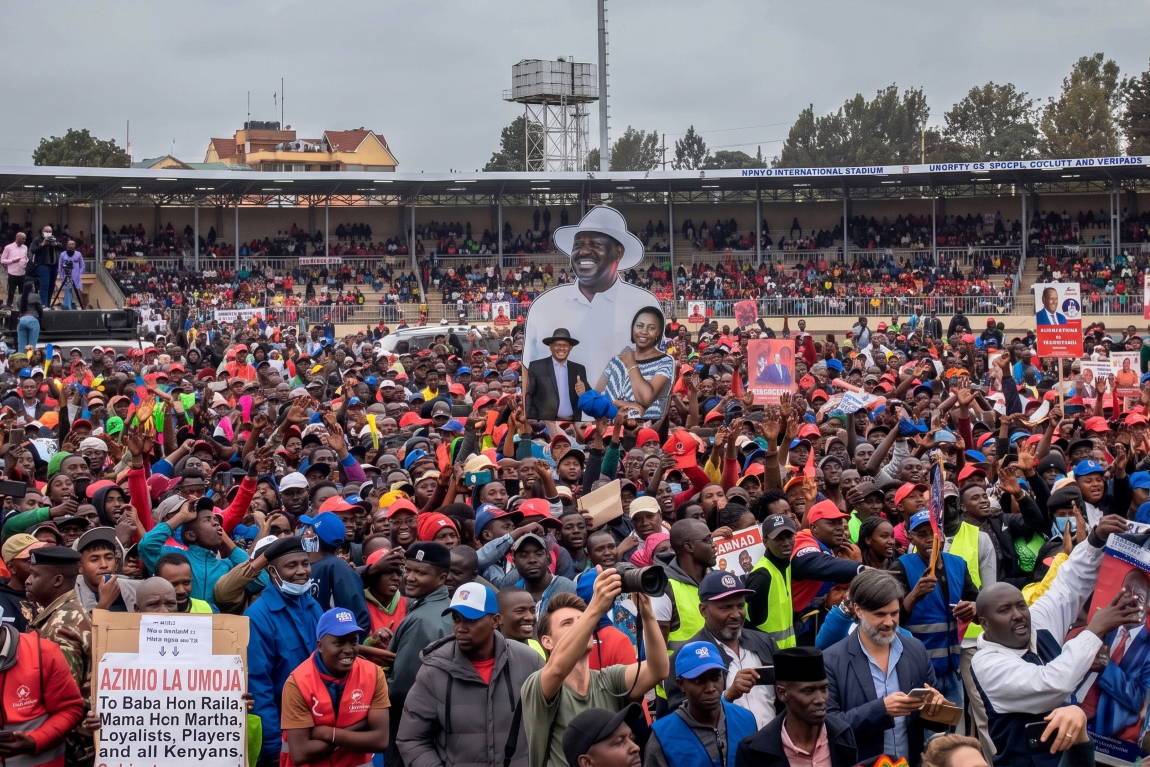
For Nancy Okware, a reporter and news anchor with the Kenya Broadcasting Corporation, covering political rallies during Kenya’s 2022 general elections meant stepping into unpredictable, high-pressure environments.
“Usually, crowds are charged, and you are required to gel with them in order to get the story,” she says. “I often felt at risk because of the push and shove associated with such crowds. You’re always at risk of being trampled.”
Even designated media areas offer little protection when crowds surge. Okware describes having to remain constantly alert, balancing the need to capture events, while also protecting herself and her equipment from physical harm and opportunistic theft.
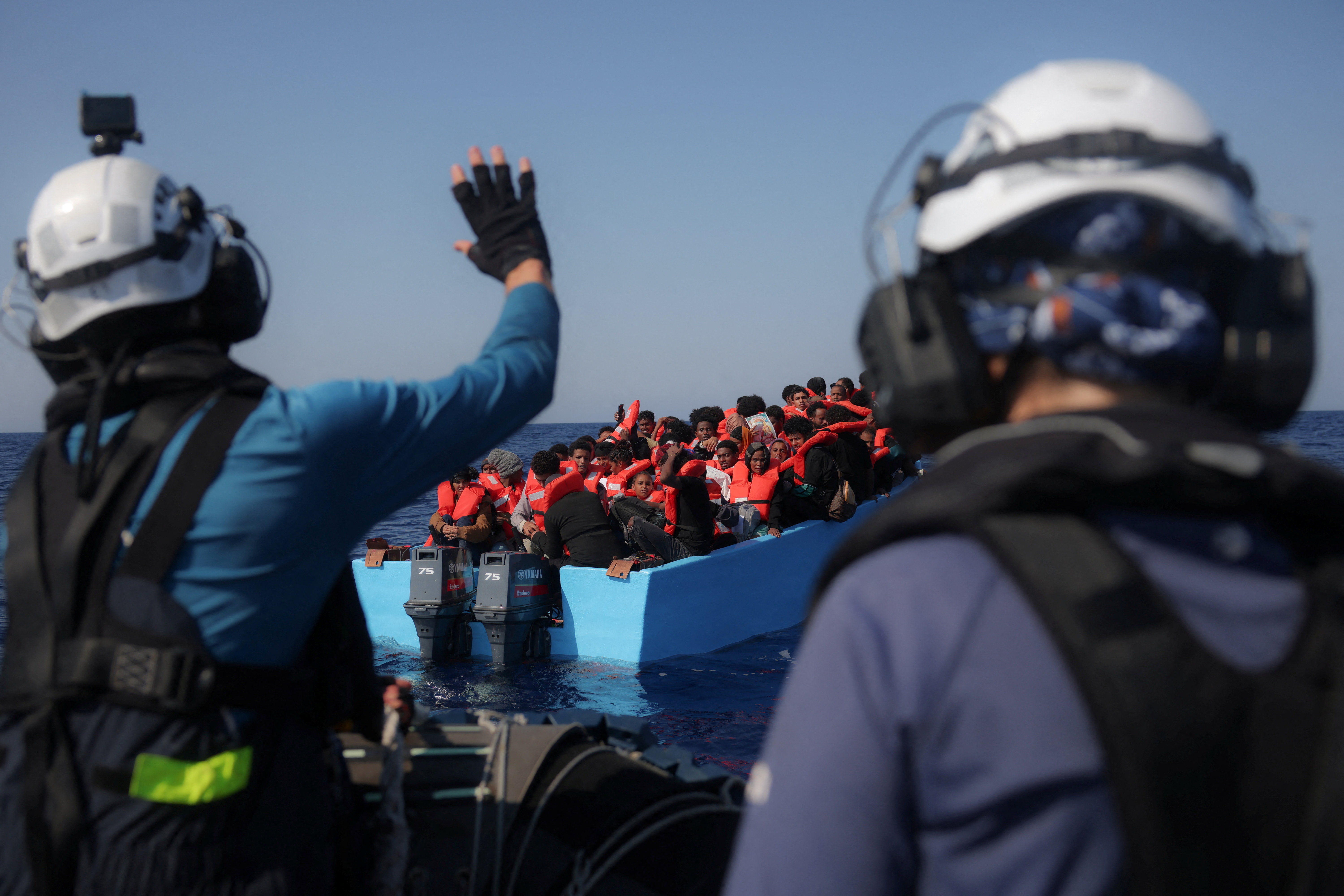
Such risks are not isolated. According to the Committee to Protect Journalists, dozens of journalists are killed globally each year, while many more face assault, detention, or harassment. UNESCO notes that journalists reporting from crisis and conflict zones face severe threats in carrying out their work.
In Mozambique, Mutemba’s experience reflects how quickly routine reporting can become dangerous. During the protests, she says, journalists were vulnerable not only to security forces, but also to protesters who blocked roads and demanded money from passersby.
“In those moments, we became targets,” she says.
Gendered Risks in the Field
While many dangers are shared, female journalists often navigate an additional layer of vulnerability shaped by gender.
“Most of the people attending rallies are men,” Okware explains. “In the event of a stampede, male colleagues find it easier to rush to safety, as they are generally faster and able to push their way through crowds.”
That perceived vulnerability can influence how women are treated in the field. However, she notes that male colleagues often look out for their female counterparts, even in the rush to get to safety.
Mutemba echoes this dynamic, particularly in interactions with protesters. “When it comes to protesters, it is easier for them to intimidate female journalists, and sometimes women feel pressured to give in to that intimidation,” she says, adding that sexual harassment remains a persistent concern in daily reporting.
Global research supports these experiences. A study by UNESCO found that female journalists face disproportionately high levels of harassment, particularly online, but also in physical reporting environments. These threats range from verbal abuse to intimidation and, in some cases, sexualised violence.
These experiences underscore a broader reality: journalists in hostile environments are not detached observers. They are often exposed to the same dangers as the people they cover.
Even where such incidents are not formally documented, the risk is widely acknowledged. In conflict-affected regions like northern Mozambique’s Cabo Delgado, Mutemba says, “there is always the potential risk of sexual violence when reporting in conflict zones.”
For Shola Lawal, who has reported across Africa on conflict, climate, and migration, gender can sometimes shape both risk and access in complex ways.
“There is this perception that women are harmless,” Lawal says. “I use that to my advantage sometimes.”
She notes that in sensitive reporting contexts, such as cases involving sexual violence, being a woman can help build trust with sources who might otherwise be reluctant to speak. But that same perception can also expose women to underestimation and vulnerability.
The Emotional Weight of Frontline Work
In high-risk environments, the line between observer and participant often blurs. Mutemba recalls how fear initially disrupted her work during protests. On one occasion, she left home early to report but returned shortly after, overwhelmed by uncertainty about what might happen.
Yet the demands of the job quickly pulled her back. “But later I reminded myself that this is my job and that I need to be on the streets to report what is happening.”
For Okware, similar tensions arise in the field, where reporting requires not just observation but physical endurance and constant situational awareness. During Kenya’s 2019 Dusit D2 terror attack, she spent long hours on the ground under the threat of gunfire.
“It entailed long hours, being asked to lie down at the sound of every gunshot and dealing with the emotional stress of thinking about the lives lost with each shot,” she says.
These experiences underscore a broader reality: journalists in hostile environments are not detached observers. They are often exposed to the same dangers as the people they cover.
From navigating hostile crowds to managing digital surveillance, their approaches are shaped by necessity rather than choice. Personal safety, as Mutemba puts it, comes first. “No story is worth risking your life.
Adapting to Survive
In the absence of consistent institutional protection, many journalists develop their own safety strategies, often through experience rather than formal training.
Mutemba asserts that she learned to position herself carefully during protests. “I try not to stay in the direct line of fire between the police and the protesters,” she says. “I try to position myself in a place where it is less likely that I will be hit by police bullets or tear gas.”
She also adopted practical measures such as identifying safe locations to stay overnight when returning home was not possible and maintaining close communication with colleagues.
Okware emphasises preparation and situational awareness. Before heading into volatile assignments, she ensures she is dressed for mobility – wearing trousers and shoes suitable for running – and familiarises herself with exit routes.
Building rapport with security personnel can also be critical. “Sometimes they alert you in advance to seek shelter,” she says.
Lawal, whose reporting has taken her to regions such as Nigeria’s Niger Delta, Chad, and Sierra Leone, highlights the importance of local knowledge. Travelling with trusted contacts, she explains, can be a decisive factor in reducing risk.
“I knew that even if there were armed groups that appeared, I would probably be released because of the people that were beside me,” she says.
She also adopts low visibility tactics, when necessary, such as avoiding the use of recording devices in sensitive areas and relying on memory or handwritten notes instead.
Digital safety is another consideration. In one instance where she suspected surveillance, Lawal took steps to secure her communications, including clearing messages and removing sensitive data from her devices.
Such strategies reflect a broader pattern identified by Reporters Without Borders, which notes that journalists in hostile environments increasingly rely on practical safety habits, preparation, and adaptive measures to navigate increasingly dangerous conditions.
When Fear Follows the Reporter Home
Beyond physical risk, the psychological toll of reporting in hostile environments is significant.
Mutemba describes the pressure of working in a context where journalists may be threatened directly or through their families. “This creates psychological pressure and fear,” she says, adding that solidarity among colleagues often becomes a crucial coping mechanism.
The emotional impact of reporting can surface unexpectedly, Lawal notes. She recalls breaking down while interviewing sources during coverage of migration crises in Mexico, overwhelmed by the stories she encountered.
“I didn’t realise that tears were dropping,” she says.
Yet, like many journalists, she frames emotional resilience as part of the profession. “At the end of the day, it is not my story,” she adds, noting that the process of writing often helps her process difficult experiences.
The Cost to Journalism
These pressures can also influence editorial choices. Fear, fatigue, and repeated exposure to risk may lead journalists to avoid certain assignments or self-censor, an outcome that ultimately affects the stories that reach the public.
Across Africa, female journalists continue to report from environments where risk is both immediate and evolving. Their experiences reveal not only the dangers inherent in frontline reporting, but also the adaptive strategies that make such work possible.
From navigating hostile crowds to managing digital surveillance, their approaches are shaped by necessity rather than choice. Personal safety, as Mutemba puts it, comes first. “No story is worth risking your life,” she says.