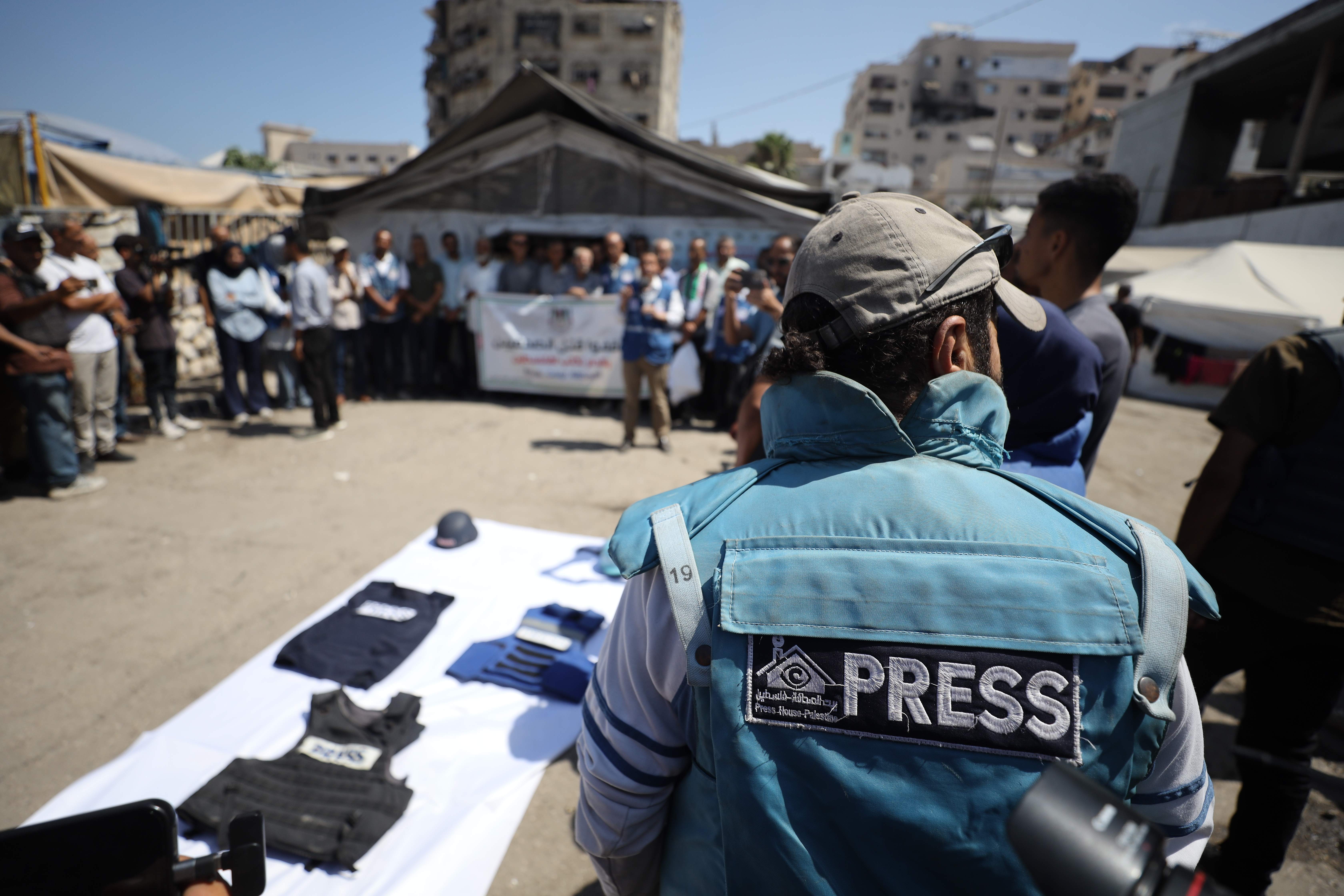
Does a journalist have the right to critique their own employer? It is a striking irony that they report on global crises while remaining silent about their own industry's fragility: stagnant wages, eroding professional values, and profit-driven ownership. Journalists must realize that confronting this internal rot is not just a right, but a necessity to save the profession from extinction.
I was built upon the ideal of devotion to the story, the drive to do my utmost, to work with urgency, and to sacrifice everything to grasp every conceivable facet of an issue. I have borne the anxiety of ensuring objectivity and fairness, terrified of letting the truth slip through my fingers. We denounce officials who abuse power, the corrupt, and the criminal; yet, not one of us journalists dares to expose our own precarious working conditions or even bring them forward for public debate.
Journalism schools do not prepare future professionals for the profound instability within media organisations. These matters are left untouched, as if they were taboo. It is socially accepted for reporters to earn salaries that barely stave off hunger, to work hours far exceeding any other profession, and to endure immense pressure. There is a palpable fear of speaking out; indeed, some journalists explicitly request anonymity for fear of tarnishing their professional reputations or jeopardising their already threatened positions. Judgement is cast haphazardly upon anyone who chooses to speak up and offer criticism. As one journalist, who asked to remain anonymous, puts it: "It is viewed as a poor gesture, a professional lapse, and a sign of ingratitude." She adds: "This is a job that relies heavily on reputation. I fear that criticising working conditions in this sector will affect my standing. They will think I am attacking the institution I work for, which would cause me significant trouble, yet everyone has the right to do so."
The Dictatorship of the Algorithm
The precariousness of journalistic work intensifies daily, with no solution in sight. Journalists prefer silence over risking their livelihoods, sometimes even withholding their bylines from their own copy. Paradoxically, the journalist’s job is to communicate, to monitor news, and to track issues, but only, it seems, as long as they are investigating the problems of others.
To expect a journalist to subsist on the minimum wage is neither respectable nor conducive to producing quality journalism, especially when the role involves inherent risks. However, job insecurity appears to have become an entirely accepted trait of the industry. The most fortunate journalists are those with formal contracts, yet these often fail to provide social security benefits, annual leave, or even basic tools like a mobile phone or travel expenses, despite the role requiring frequent and often long-distance travel. Some are not paid a salary at all but are remunerated on a "per piece" basis, which means they live in a race against time to produce content, sacrificing their wellbeing in the process.
Journalism has a social duty above all else, it is beholden to its readers, not its owners or sponsors.
Journalist and author Kevin Larios has worked for multiple media outlets. Despite his passion for the craft, he refuses to return to full-time institutional employment. "Miserable salaries and slave-like hours," he says, "not to mention complicity with power, lying to readers, and begging partners and sponsors for support." Larios was dismissed from a post in Colombia without clear or fair justification; it later emerged that his published work, which criticised the systemic decadence in various cultural spheres, was being monitored.
The Erosion of Quality
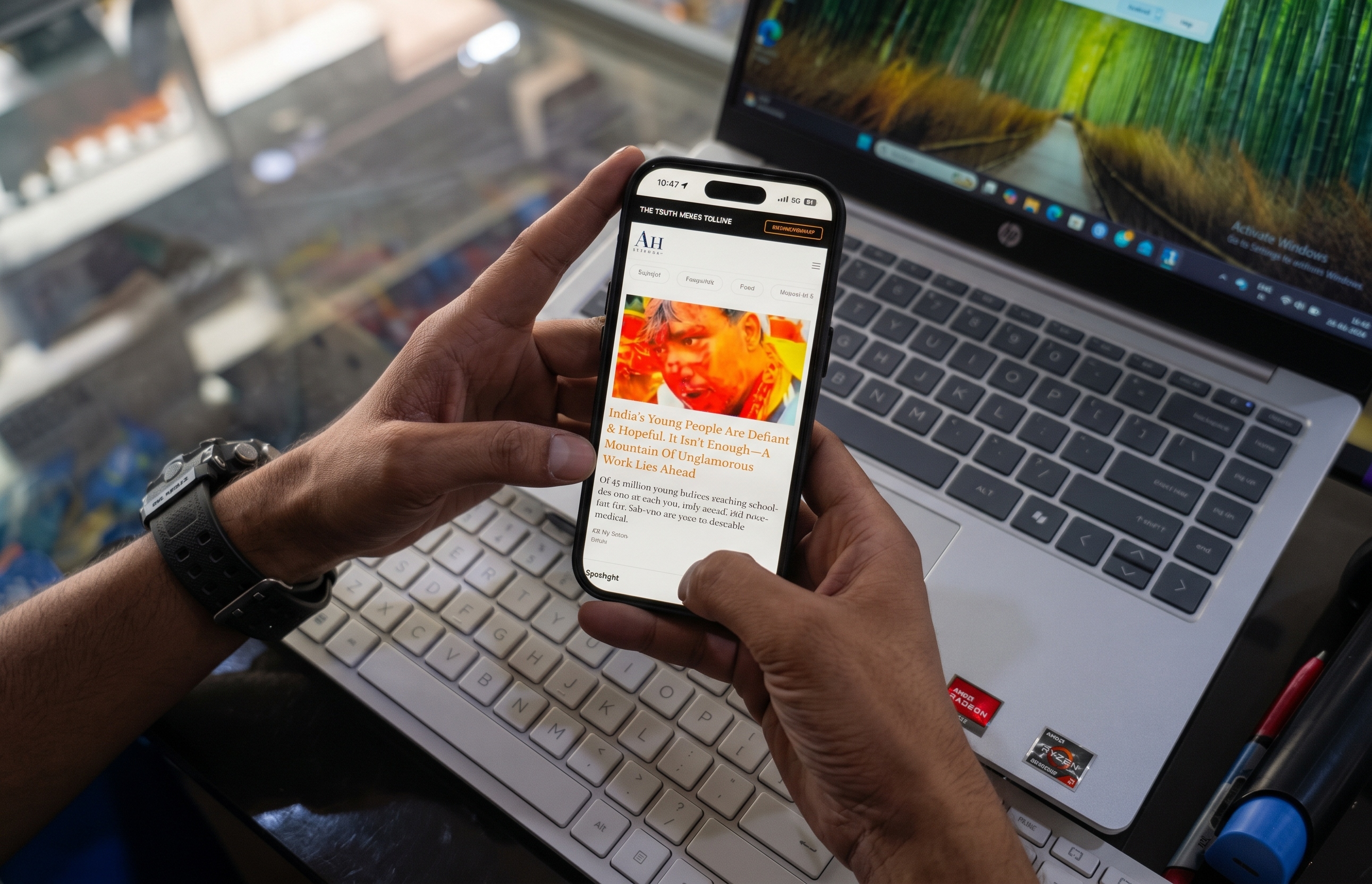
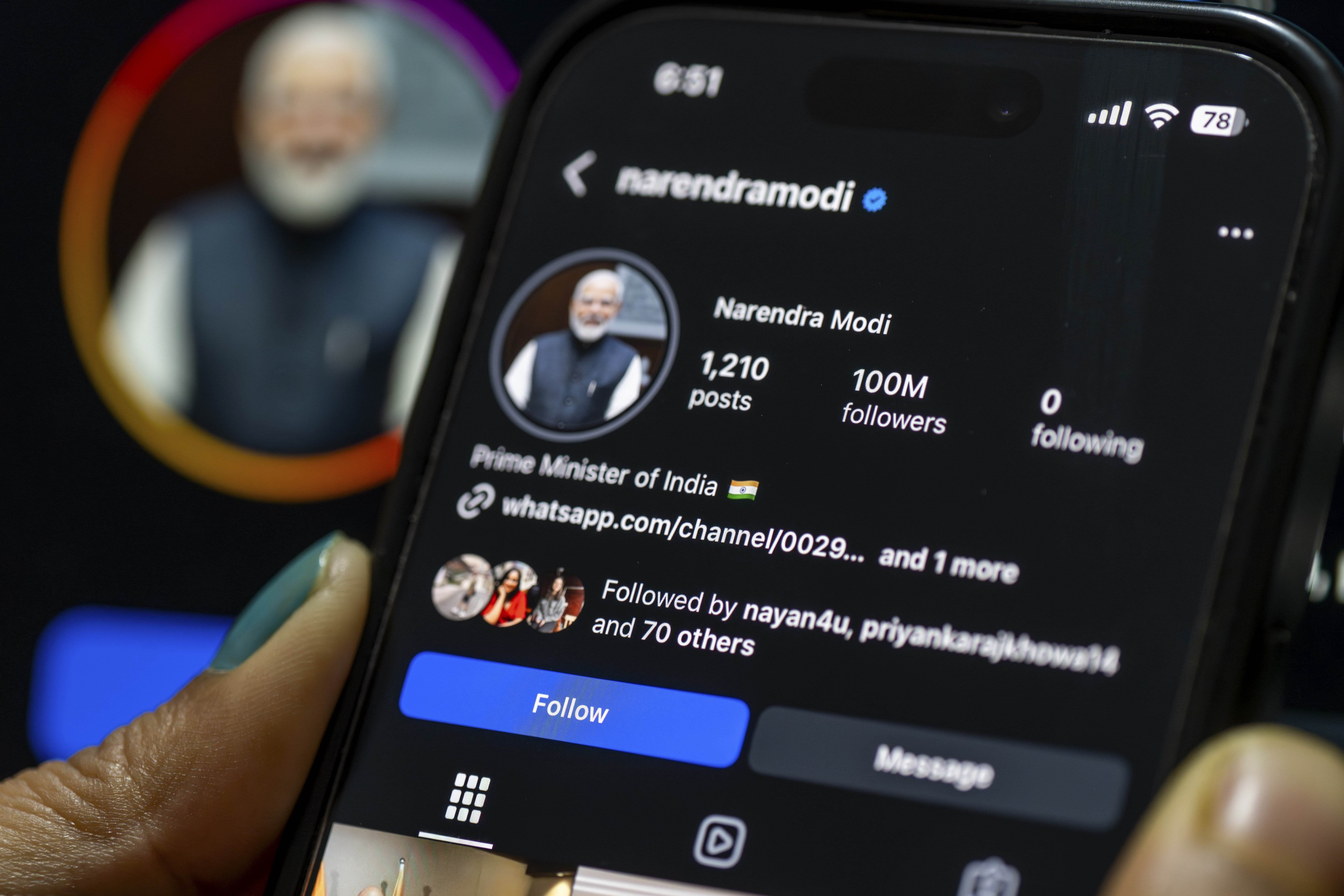
The impoverishment of the profession, manifested in meagre wages, encourages "desk-bound" reporting rather than being on the scene, as the job demands. A significant shift has occurred in major media houses: once driven by readership, they are now governed by "clicks" and "views" as the sole metrics of success. "Likes" on a news item are seen as a mark of triumph even if the content is devoid of value. This is work conducted under the dictatorship of the algorithm. Larios was disheartened to hear an SEO (Search Engine Optimisation) manager instructing editors to write copy that "Google would like." He notes:
The obsession with increasing views and likes, alongside search engine ranking, has led to the neglect of everything else. As for the reader, now tellingly referred to as 'the audience,' they no longer seek new information or even entertainment; they want to be lured into a trap from which they cannot escape.
When I speak of the precariousness of journalism, I do not refer only to the economic aspect. The overproduction and overconsumption of news diminish the quality of the text. Writing based on the whims or statements of politicians is mere stenography, not journalism. True journalism requires depth and verification, which are minimum standards that many, quite simply, no longer meet.
The "Romance" vs. The Reality
Some journalists today seek only visibility at any cost, driven by a thirst to have their names attached to any social media controversy. Their faces are pressed against their mobile screens as if truth itself were speaking to them there, enslaved by the "scoop." There is no longer room for depth of thought.
In the past, before the current battle for "likes," media outlets raced to send correspondents to the scene of a disaster. Today, they still seek the "exclusive," but very few institutions pay daily wages or expenses to their reporters, who are now euphemistically termed "collaborators" in the age of the freelancer, as if they were working for free. Often, these reporters bear their own costs in exchange for derisory pay that compensates neither for their effort, time, nor expenses.
Professor and journalist Óscar Parra has seen frustration seep into his students from the very start of their training. They encounter institutions that have sacrificed their prestige for the sake of fame and views, chasing social media trends by "content scraping," which involves copying articles from other outlets and changing the headlines to something "clickbaity" or controversial. Some students have spent five years forced into unethical practices, eventually feeling nothing but regret. They find themselves trapped in newsrooms or at home desks, copying and pasting, or rearranging sentences just to fill the official page, however meaningless the content. Parra explains:
These views are hunted in two ways: firstly, by publishing news that reinforces bias and prejudice through misinformation or exaggeration; and secondly, by using 'link-farming' to drive traffic.
Interns are required to produce eight to ten items a day. They aren't writing; they are mass-producing 'content' in the same news format, often including unverifiable information without citing a single source."
In one of the three institutions where Parra has lectured for 13 years, the number of journalism students dropped from 80 in 2018 to just eight last term. He wonders if the profession will eventually split between those intending to practice investigative journalism and those who wish to be "content creators," which are two entirely different paths.
A Call for Resistance
One journalist, who preferred to remain anonymous, believes the "idealism" of journalism is sold to students as a fantasy. "They were selling us 'journalistic romance,' the brave reporter who never sleeps in pursuit of the truth, instead of explaining the practical reality. They spoke of Truman Capote, Gay Talese, and Gabriel García Márquez. You hear about this idealism and say, 'I want to be like them.' Yet, there was not a single lecture on a journalist's pay, how to achieve independence, or even a journalist’s rights. They taught me to treat my sources ethically, but never mentioned that I should be treated ethically in return."
We must resist this brand of journalism that seeks only to inflate view counts, a journalism that disregards quality and fuels "fake news".
We must demand decent working conditions from institutions. The public remains hungry for real news and high standards. While they may attack us on social media, it is vital they understand that this job barely provides a living. To survive, a journalist may hold three or four part-time, low-paid roles. This inevitably sacrifices quality. An exhausted journalist produces exhausted prose, and subsequently, an exhausted press.
Journalism is an exceptionally difficult profession, ranging from the technicalities of reporting to the struggle of earning a living, all while facing threats from corrupt entities or practicing self-censorship as a survival mechanism. If the journalist is precarious, so is the journalism, because this instability affects the truth itself, which has become a bargaining chip. Ultimately, journalism, at its core, is an act of resistance.