Al Jazeera Journalism Review

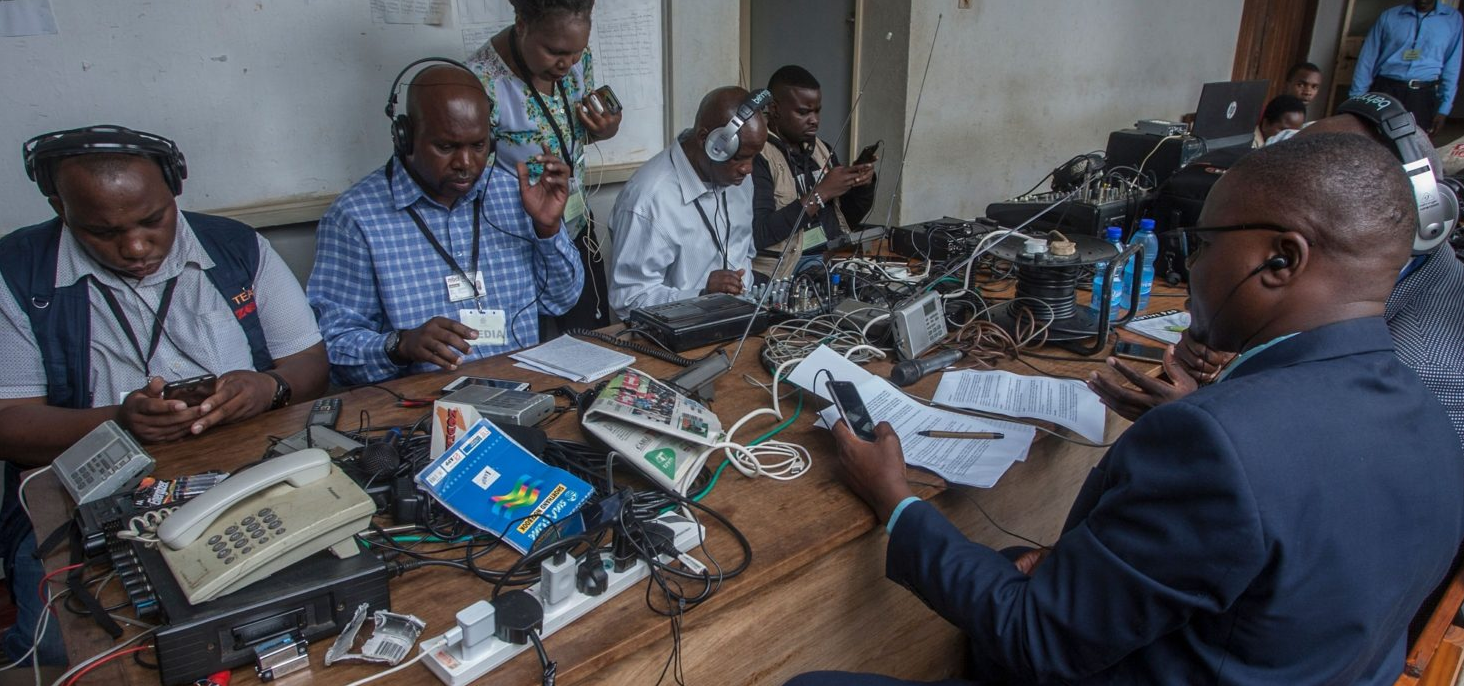
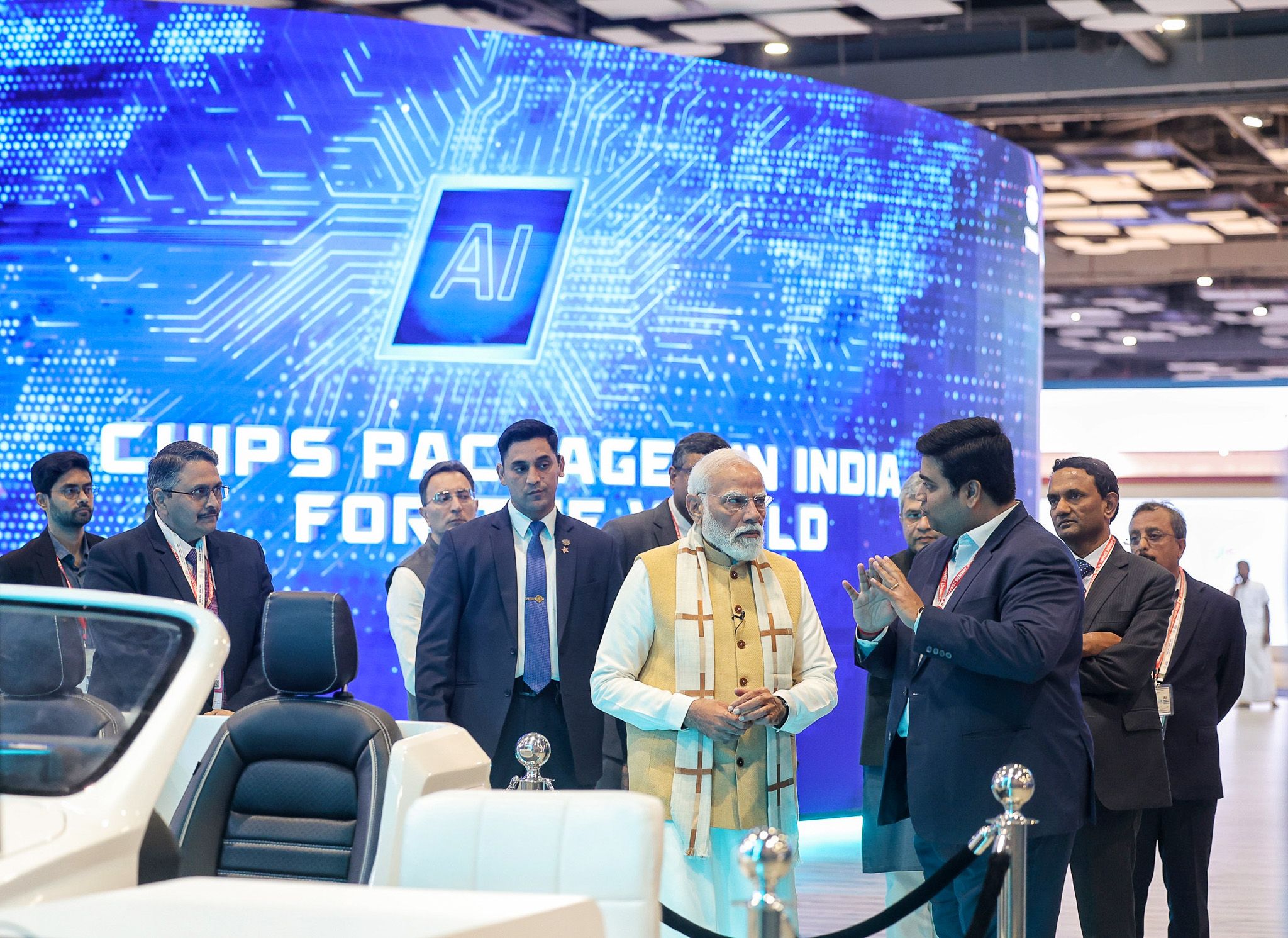
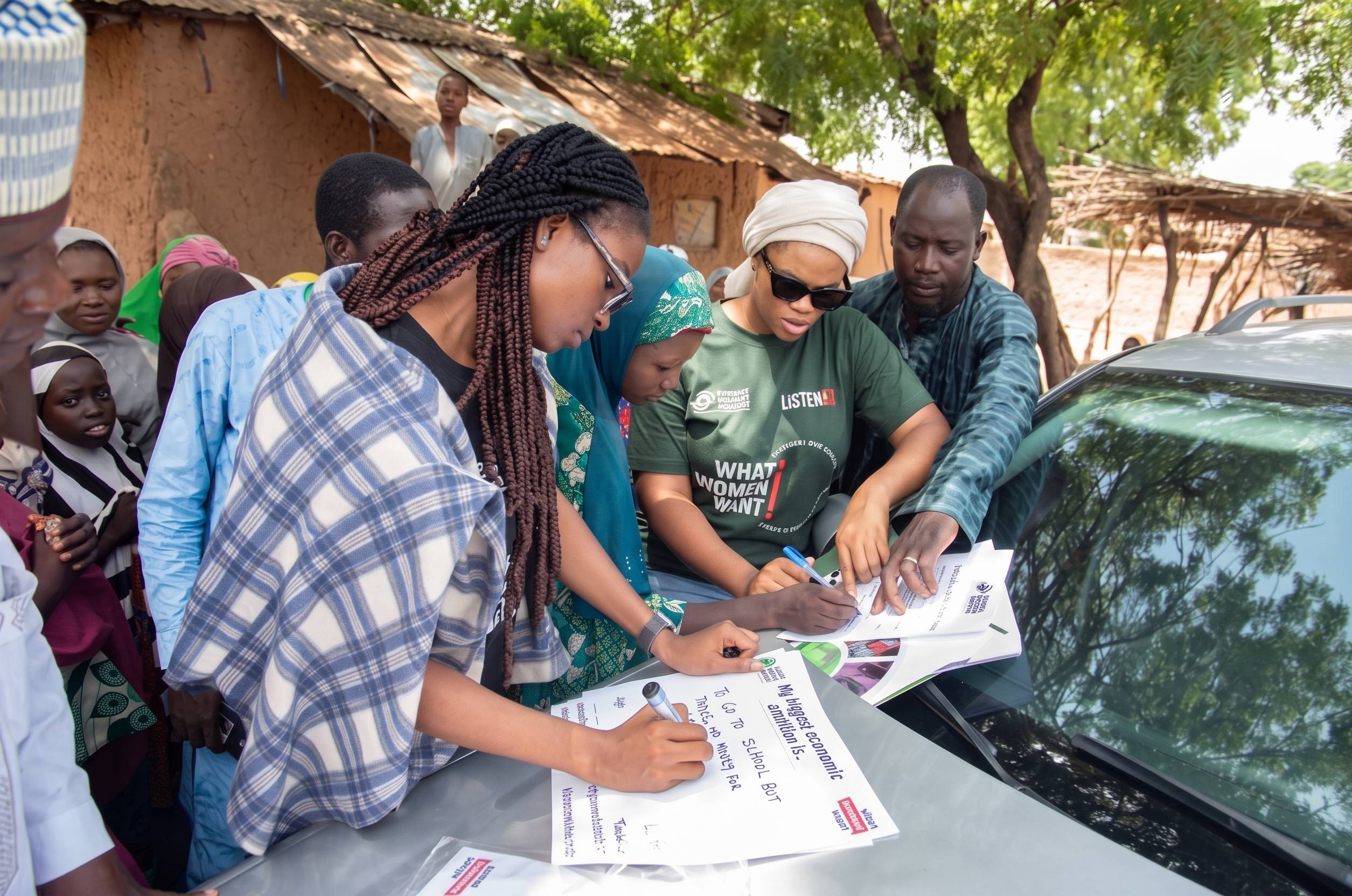
A field journalist listens attentively as a local translator and cultural interpreter facilitates an interview with community members in Northern Nigeria. (Photo: Reuters, Kano State, Nigeria – Mar 15, 2026)

How Language and Local Context Can Make or Break an Investigation

Reporting across linguistic and cultural boundaries showed that effective journalism requires far more than literal translation, as fixing and local collaboration must function as vital verification processes that capture deep emotional, social, and political contexts without stripping away nuance, dignity, or underlying truths.


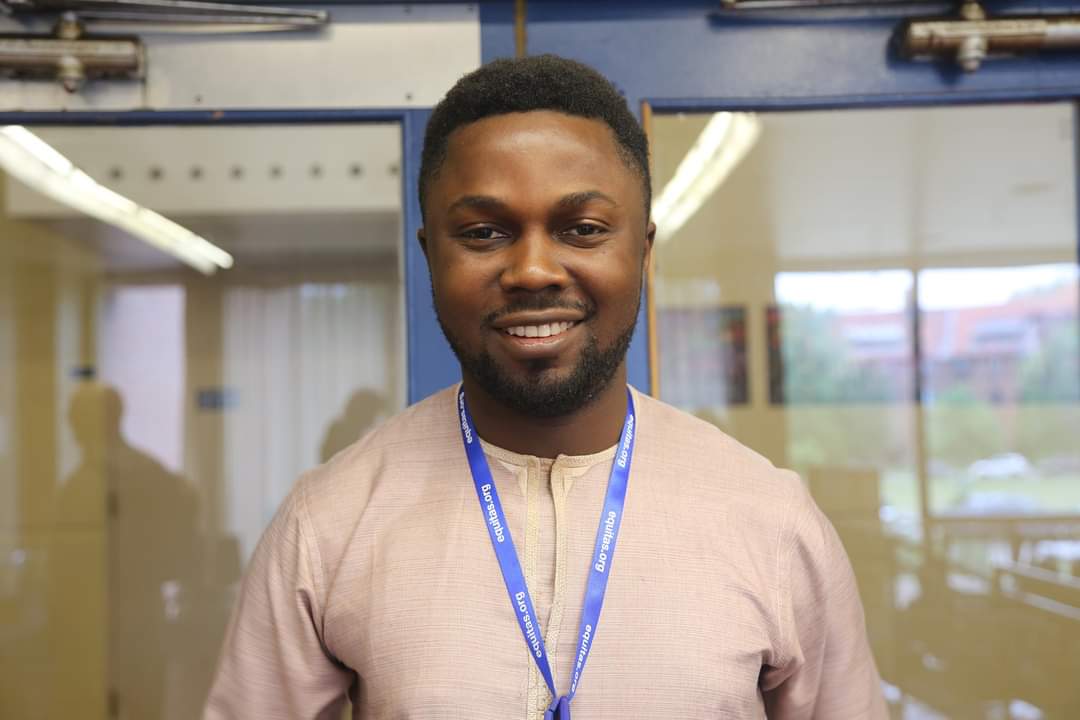
When Pelumi Salako arrived to report on grieving people, knowing the language was not enough. The journalist and documentary photographer could speak Yoruba, English and Nigerian Pidgin, but the assignment took him outside southwestern Nigeria, where he depended on a fixer to communicate with people whose experiences he was trying to document. 

Salako struggled to communicate with the people and ask questions without becoming insensitive. “I couldn’t translate, you know, the grief,” he said. “We were speaking to grieving people, and it was difficult to get them to speak to us, to communicate the depth of their grief, and for me to also ask in a way that will be sensitive.” 

Across Africa, reporters working outside their linguistic and cultural environments routinely depend on translators, fixers and local journalists to bridge the gap. But those intermediaries do more than convert silences and point journalists toward details that an outsider might otherwise miss. 


When Words Carry More Than Their Literal Meaning 

Salako’s challenge was not simply finding someone who speaks the language. It was finding someone capable of conveying what the words mean in their cultural and emotional context. “Language is complex, and sometimes it’s difficult to just translate literally word for word,” he said. 

Abdulaziz Bagwai, a freelance journalist who also works as a media translator in northern Nigeria, makes a similar distinction. Translating an interview, he says, requires more than knowing two languages. 

“Sometimes, when listening to the interview, you’d have a direct understanding of their message, but putting it down in such a way that the outcome of the story will not be twisted is an independent skill on its own that is beyond just being a native of the language in question,” he said. 

“So when journalists rely on literal translation, they risk erasing the dignity, nuances, and underlying truths of the communities they are covering,” Bagwai added. 

The problem becomes more complicated in practice when sources use idioms, euphemisms or culturally specific expressions. 

Malian investigative journalist Massire Diop explained that sources in rural communities, among internally displaced people and in areas affected by insecurity, may deliberately use indirect language when discussing armed groups or people they fear. 

According to Diop, a source might refer to “those from the bush", "visitors", “the village youth” or “people who came at night” rather than directly naming armed actors. “A literal translation would strip away the fear, caution, or power dynamics embedded in those expressions,” he said. 

A translator is a “cultural co-pilot.” He advises journalists against selecting translators or fixers solely because they are highly educated or politically connected, warning that they can bring class biases into the reporting process.  


The Fixer is More Than a Translator 

A fixer does more than arrange transportation, find interviewees or translate questions. Salako notes that journalists should listen to fixers and community members rather than assuming that what they have already read gives them a complete understanding of the story. 

“The picture you see far away might be slightly different from what you’re going to see on the ground,” he asserted. “You don’t always know it all.” 

Bagwai describes the translator as a “cultural co-pilot". He advises journalists against selecting translators or fixers solely because they are highly educated or politically connected, warning that they can bring class biases into the reporting process.    

He also cautions against interrupting sources every few moments for line-by-line translation. Instead, he recommends allowing sources to speak for longer periods. “Maintain eye contact with the source, not the translator,” he said. 

* Bagwai recommends briefing the translator before entering the purpose of the investigation, discussing technical terms that may arise and making sure the translator understands the questions rather than simply reading them to the source. 

After the interview, he proposes reviewing the conversation with the translator while it is still fresh. “The moment you leave the interview location, sit down with your translator while the conversation is fresh and review the entire concept,” he said.   

* Diop similarly cautions against allowing an intermediary to become the journalists’ only window into a community. A local contact can explain who can speak, under what conditions and with what possible consequences. The intermediary can also have political, social or personal interests that influence how information is presented. 

That role can also affect whom a journalist reaches, how comfortable sources feel speaking and whether important details emerge. In sensitive investigations, those differences can ultimately determine accuracy and trust during reporting. 

“For that reason, I explain in advance that their role is to reproduce the source’s words as faithfully as possible and only afterwards provide any contextual explanations they believe are necessary,” Diop said. 

Diop similarly cautions against allowing an intermediary to become the journalists’ only window into a community. A local contact can explain who can speak, under what conditions and with what possible consequences. The intermediary can also have political, social or personal interests that influence how information is presented. 


Local Knowledge Can Change the Investigation 

Language is only part of the challenge. Cultural assumptions can be equally damaging. Bagwai points to his coverage of Nigeria’s 2024 nationwide protests in Kano State. While much of the attention focused on riots, clashes with security forces, burning tyres and the use of tear gas, his familiarity with the region allowed him to examine another dimension: how families were coping with the inflation that was helping fuel public anger. 

But preparation alone is not enough. “Do not go inside to confirm your bias or to confirm the things that you’ve already read online or in the newspaper,” he said. “Just let the things you have read serve as guardrails.” 

He also believes cross-border investigations should involve local journalists more often. “I think more cross-border investigators should collaborate with local journalists more,” he said. 

Diop has encountered similar challenges in Mali, where apparently ordinary descriptions can carry political or social meanings that outsiders may miss. A person described as "brother", for example, may be a biological sibling, a member of the same social group or simply someone regarded as close. A person called a “chief” could be a traditional, religious, administrative or community authority. 

Diop warns against turning the practices of one community into explanations for an entire population. “What is true in one village, one family, or one specific group does not necessarily represent an entire community,” he said. 

For journalists working across linguistic and cultural boundaries, the solution is therefore not simply to hire someone who speaks the local language. It is to understand translation and local knowledge as part of the verification process itself. 

The journalist must know what a source said, what the source meant, why the source chose those words and what may have been left unsaid. 

“The social meaning of words must be verified with the same rigour as figures, documents, and dates,” Diop said. 

 

Related Articles

Lost in Translation: The Global South and the Flaws of Content Moderation

Global Rules, Local Consequences: How Biased Moderation Fuels Disinformation in the Global South. Unequal systems of AI and human oversight are failing to protect and often silencing non-Western voices online.

Lucia Bertoldini
Lucia Bertoldini Published on: 22 Oct, 2025
If it’s clear who is funding them, community radio stations can transform lives 

Community radio has begun to flourish in Zimbabwe in recent years. But for stations to truly support the communities they serve, it is imperative that they are transparent about who owns them

Derick Matsengarwodzi
Derick Matsengarwodzi Published on: 29 May, 2022
Nigeria - a model for a free African media?

Journalism under military governments in Africa is under threat, but journalists can learn from Nigerian media’s experience of standing up to people in power

Philip Obaji Jr
Philip Obaji Jr Published on: 18 Jul, 2022
Artificial Intelligence's Potentials and Challenges in the African Media Landscape

How has the proliferation of Artificial Intelligence impacted newsroom operations, job security and regulation in the African media landscape? And how are journalists in Africa adapting to these changes?

Derick Matsengarwodzi
Derick Matsengarwodzi Published on: 18 Feb, 2024

More Articles

Indian Documentaries Are Finding Audiences, But Not a Sustainable Industry

Indian documentary filmmakers are gaining recognition and audiences, but weak financing, distribution, and exhibition infrastructure continue to make the practice difficult to sustain.

Monish Upadhyay independent journalist based out of India's New Delhi
Monish Upadhyay Published on: 5 Sep, 2026
We survived… and stayed alive!

A Palestinian journalist and mother recounts surviving Gaza’s genocide, where the press vest became a target, motherhood became terror, and staying alive did not feel like salvation.

Yumna al-Sayyid Published on: 19 Aug, 2026
How are Open Sources Changing Sports Journalism?

Open-source intelligence is turning sports journalism into a verification-heavy beat, where reporters must check fan videos, social posts, flight data, maps, prices and hashtags rather than simply cover matches. Sports events such as the 2026 World Cup will demand a wider journalistic eye: one that tracks fans, cities, transport, money, misinformation and organised digital campaigns without mistaking online noise for fact.

hassan khodary
Hassan Khodary Published on: 1 Aug, 2026
How Social Media is Reshaping Journalism in Kashmir?

As young audiences increasingly turn to social media for news, Kashmir's journalists are adapting to algorithm-driven storytelling while grappling with the rise of influencer journalism, shifting audience habits and new ethical challenges.

Abrar Fayaz, Muqeet Mohammed Shah Published on: 28 Jul, 2026
Asif Hamidi: Journalism Must Not Hide Crimes Behind 'Balance'

Asef Hamidi, Managing Director of Al Jazeera Arabic Channel, says the Gaza coverage was a professional duty, not activism, and that true objectivity means reporting crimes clearly rather than hiding behind false “balance”.

Mohammed Ahddad
Ahdad Mohamed Published on: 24 Jul, 2026
“Sometimes You Work for Years Without Pay” – Cameroonian Journalists Demand Safety Nets

While many journalists demonstrate admirable resilience in producing quality journalism under precarious conditions, resilience should not be the only safety net. Journalism deserves protection, because democracy depends on it.

Akem
Akem Nkwain Published on: 11 Jul, 2026
The Stringers Behind India’s Breaking News: No Contracts, Credit or Safety

Thousands of rural Indian freelance reporters, called "stringers," face low pay, police harassment, and total abandonment by the big TV networks that rely on them. These local journalists risk their lives to film breaking news like riots and rallies, but they work without contracts, insurance, or legal help when they get into trouble. This unfair system forces poor, small-town reporters to take on all the danger alone just to keep the national 24-hour news channels running.

Hanan Zaffa
Hanan Zaffar, Majid Alam Published on: 27 Jun, 2026
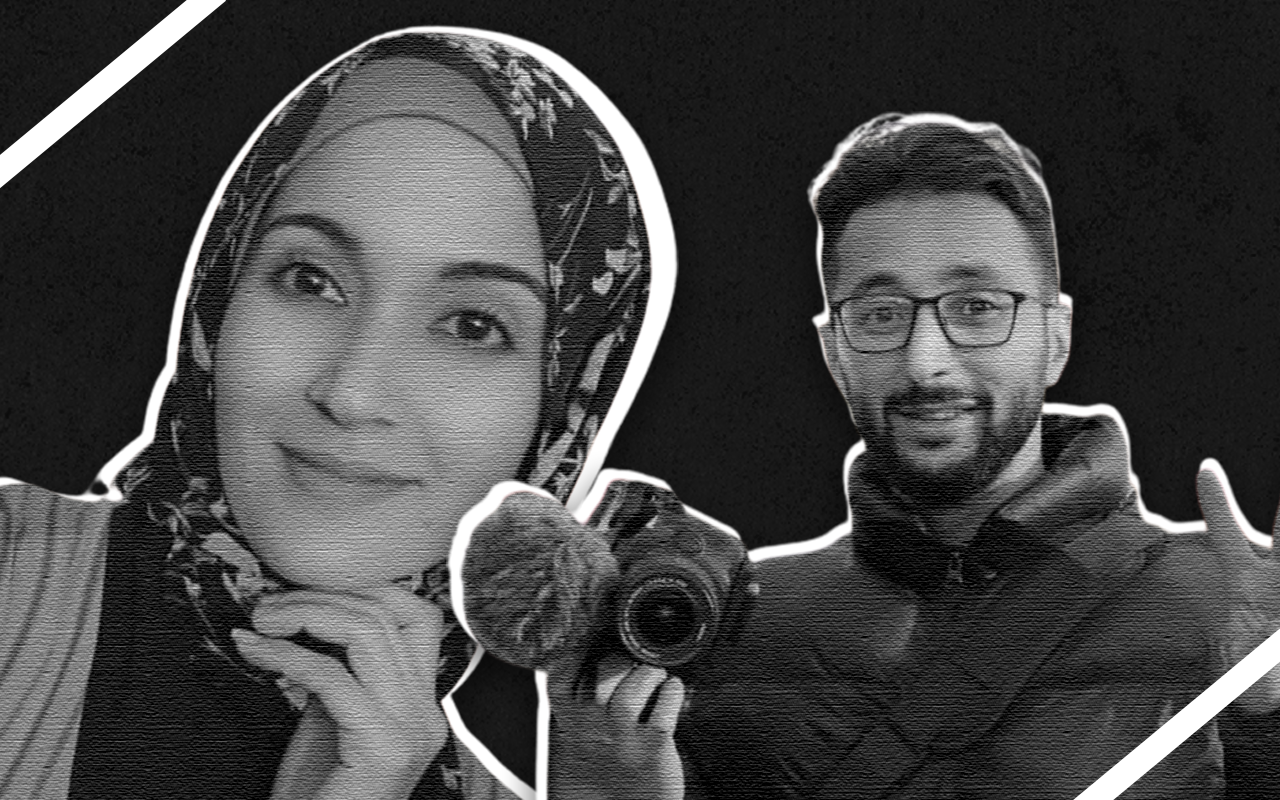
Mohamed al-Khalidi and Marwa Muslim: Forgotten in Life, Vindicated in Death

The occupation killed journalists Mohamed al-Khalidi and Marwa Muslim as part of a systematic pattern of targeting the press, but throughout their careers they also faced neglect, marginalisation, and a lack of recognition. Colleague Maysoun Kahil tells their story, and asks why Palestinian journalists are so often honoured only after death, rather than supported in life.

Maysoun Kahil Published on: 17 Jun, 2026
The Double Ordeal of Freelance Journalists in Gaza

Independent journalists in Gaza face a dangerous double battle. Working without institutional protection or financial safety nets, they risk their lives to report the reality of war, overcoming severe resource shortages and systemic neglect to ensure the world hears the truth.

Noor Abu Rokba Published on: 14 Jun, 2026
Reporting on People Who Cannot Leave

The arrest of an Afghan female athlete after appearing in a Dutch documentary highlights the dangers of reporting under authoritarian rule. It underscores a growing dilemma in journalism regarding how to amplify the voices of vulnerable people without accidentally turning them into targets for the regime.

Sayed Jalal
Sayed Jalal Shajjan Published on: 4 Jun, 2026
Journalism After the Genocide in Gaza: One War Has Ended, and Other Wars Have Begun!

The post-ceasefire reality for Gaza’s journalists reveals a challenging shift from documenting active daily bombardment to navigating an overwhelming landscape of community and structural ruin. The pressure on reporters appears set to escalate as they struggle to rebuild their own lives from absolute zero while fighting to ensure that ongoing human suffering, systemic displacement, and political marginalization are accurately documented and held to account.

Yousef Fares
Yousef Fares Published on: 17 May, 2026
The Vanishing Foreign Desk: What U.S. Media Cuts Mean for South Asia

Recent restructuring at Voice of America and The Washington Post marks a significant withdrawal from global journalism, particularly affecting coverage in South Asia. As these major institutions cut staff and close foreign bureaus, the loss of experienced expertise threatens the visibility of critical regional issues like human rights and climate change. This shift forces a move toward narrative independence for local media, yet leaves a dangerous gap in the global conversation that smaller newsrooms struggle to fill.

Sajid Raina
Tauseef Ahmad, Sajid Raina Published on: 8 May, 2026
US-Iran Islamabad Talks: How Journalists Report from Outside Closed Doors

The "Islamabad Talks" highlight a growing contradiction in modern diplomacy where journalists are physically present but denied direct access to negotiations. The pressure on transparency appears set to intensify as reporters are forced to trade traditional eyewitnessing for outside in investigation and geopolitical speculation.

Anam Hussain
Anam Hussain Published on: 2 May, 2026
Malawi Investigates Poor Pay and Working Conditions for Junior Journalists

Malawi’s investigation into poor pay for junior journalists exposes a deeper crisis where economic hardship is eroding media independence and forcing reporters to choose between ethical integrity and survival.

Benson Kunchezera Published on: 30 Apr, 2026
Why Anonymous Sources Are Fading from Indian Journalism

A generation of reporters-built careers on confidential sources, many now write without them.

Kamran Yousuf
Kamran Yousuf Published on: 19 Apr, 2026
From Print to Pixels: How Small-Town Journalists in Bihar Are Surviving Threats and Closures

As newspapers vanish across districts like Siwan, Gaya, and Purnea, reporters turn to mobile phones, digital start-ups and community networks to keep local journalism alive.

Rehan Qayoom Mir. An independent journalist whose work has appeared in international and national outlets,
Rehan Qayoom Mir, Sajad Hameed Published on: 12 Apr, 2026
AI, Copyright Reform and the Fragile Reinvention of Indian Journalism

India’s proposed AI copyright framework risks turning independent journalism into a pooled data resource, undermining the subscription-based models that sustain it. At a moment of political and economic fragility, the struggle over AI licensing is ultimately a struggle over who controls, values, and profits from journalistic work.

Arsalan Bukhari, an independent journalist based in India
Arsalan Bukhari Published on: 31 Mar, 2026
The Challenge of Reporting in Chechnya

Independent journalism no longer exists as a functioning practice inside Chechnya. What remains is a profession rebuilt in exile, forced to operate at a distance from the very place it is meant to cover.

Rushda Fathima Khan
Rushda Fathima Khan Published on: 29 Mar, 2026
Journalism in Gaza: A Struggle for Survival

In Gaza, journalism becomes inseparable from the life it documents: reporting continues not from a distance, but from within the same fear, grief, and instability it tries to record.
Nelly Al-Masri Published on: 25 Mar, 2026
From News Reporting to Documentation: Practical Lessons from Covering the War on Gaza

From the very first moment of the genocidal war waged by Israel on Gaza, Al Jazeera correspondent Hisham Zaqout has been a witness to hunger, devastation, war crimes, and the assassination of his colleagues in the field. It is a battle for survival and documentation, one that goes beyond mere coverage and daily reporting.
Hisham Zakkout Published on: 26 Jan, 2026
Polarised, Intimidated, Silenced: The Media Under Siege in Cameroon’s Election

Cameroon’s 2025 presidential election exposed a troubling paradox: a nation voting under the watchful eye of power, while its press remained silenced. From the arrest of a teenage reporter to bans on political debate and digital manipulation, freedom of expression is under siege, and journalism is on trial.

Shuimo Trust Dohyee
Shuimo Trust Dohyee, Ngweh Rita Published on: 22 Jan, 2026
Investigating the Assassination of My Own Father

As a journalist, reporting on the murder of my father meant answering questions about my own position as an objective observer.

Diana López Zuleta
Diana López Zuleta Published on: 16 Jan, 2026
Reporting Under Fire: The Struggle of African Journalists Facing Intimidation

African journalists who expose corruption and power now face a brutal mix of arrests, torture, digital surveillance, and lawsuits meant to drain their resources and silence them. From Ethiopia, Nigeria, Malawi, Benin, Sudan, Uganda, and Kenya to exile in Canada, reporting the truth has become an act of personal survival as much as public service.

Nigerian freelance Journalist John Chukwu
John Chukwu Published on: 4 Dec, 2025
Shipwrecked Narratives: How to Keep Migration Stories Afloat

Migration stories don’t become real until you meet people in the journey: the carpenter carrying photos of his fantasy coffins, or the Libyan city worker burying the forgotten dead, or the Tatar woman watching her livelihood collapse at a militarised border. Following these surprising human threads is the only way journalism can cut through collective exhaustion and make readers confront a crisis they’ve been trained to ignore.

صحفي مستقل ومدرب إعلامي، نشرت مقالاته في الغارديان، والجزيرة الإنجليزية، وبوليتيكو، وميدل إيست آي، وذا إندبندنت، وغيرها.
Karlos Zurutuza Published on: 30 Nov, 2025