Field Reporting

Common Mistakes Made by Television Correspondents
Television correspondents earn trust not by being first or omniscient, but by reporting what they can verify, using images responsibly, resisting performance and speculation, and putting accuracy before speed.

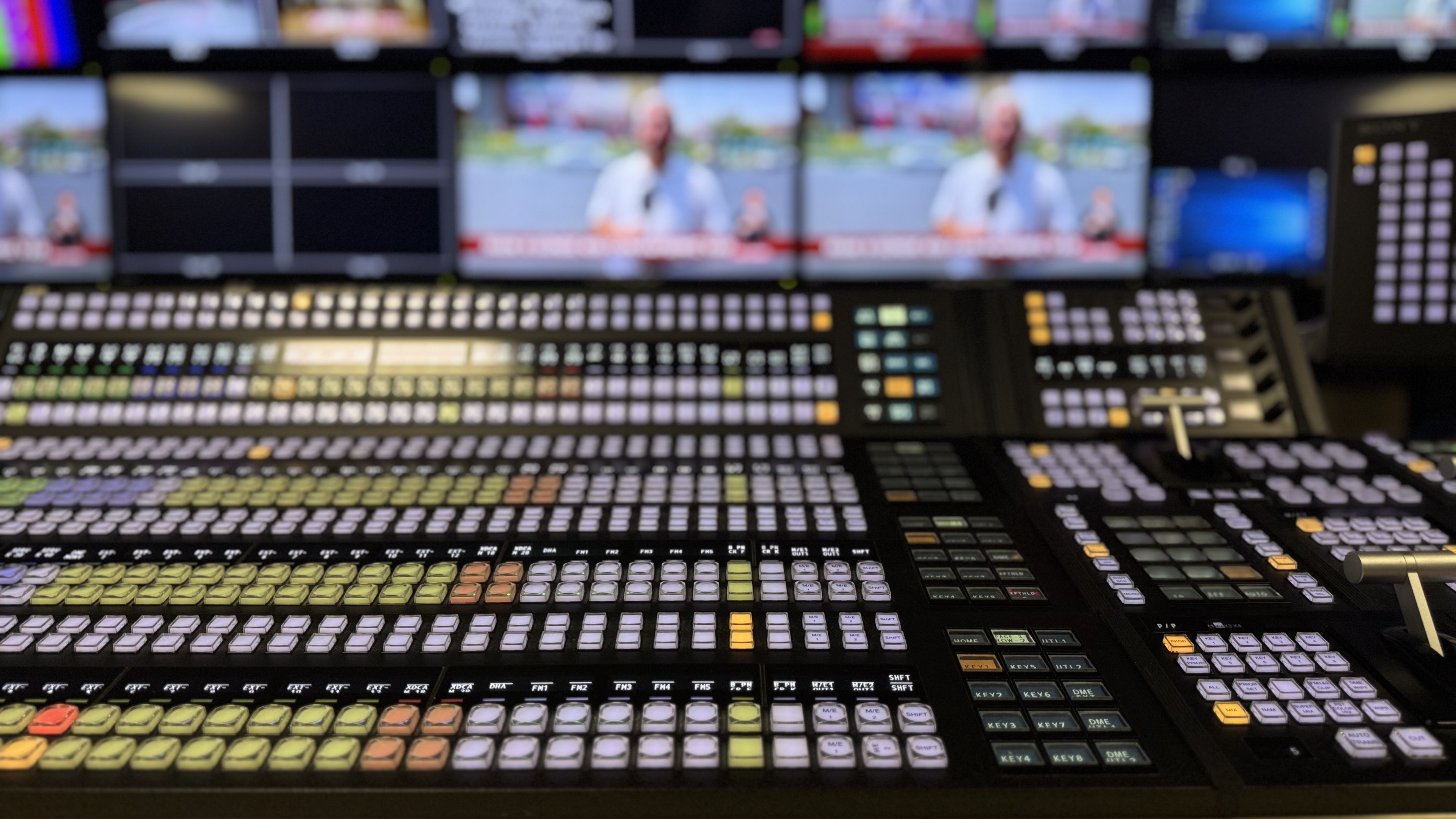
Editorial Workflow in Television Journalism: From Oversight to Quality
Quality television journalism relies on cohesive teamwork rather than individual multitasking. A functional hierarchy is key, restoring the "gatekeeper" role by verifying facts and shielding the public from fake news and propaganda, especially in complex, high-tension environments.
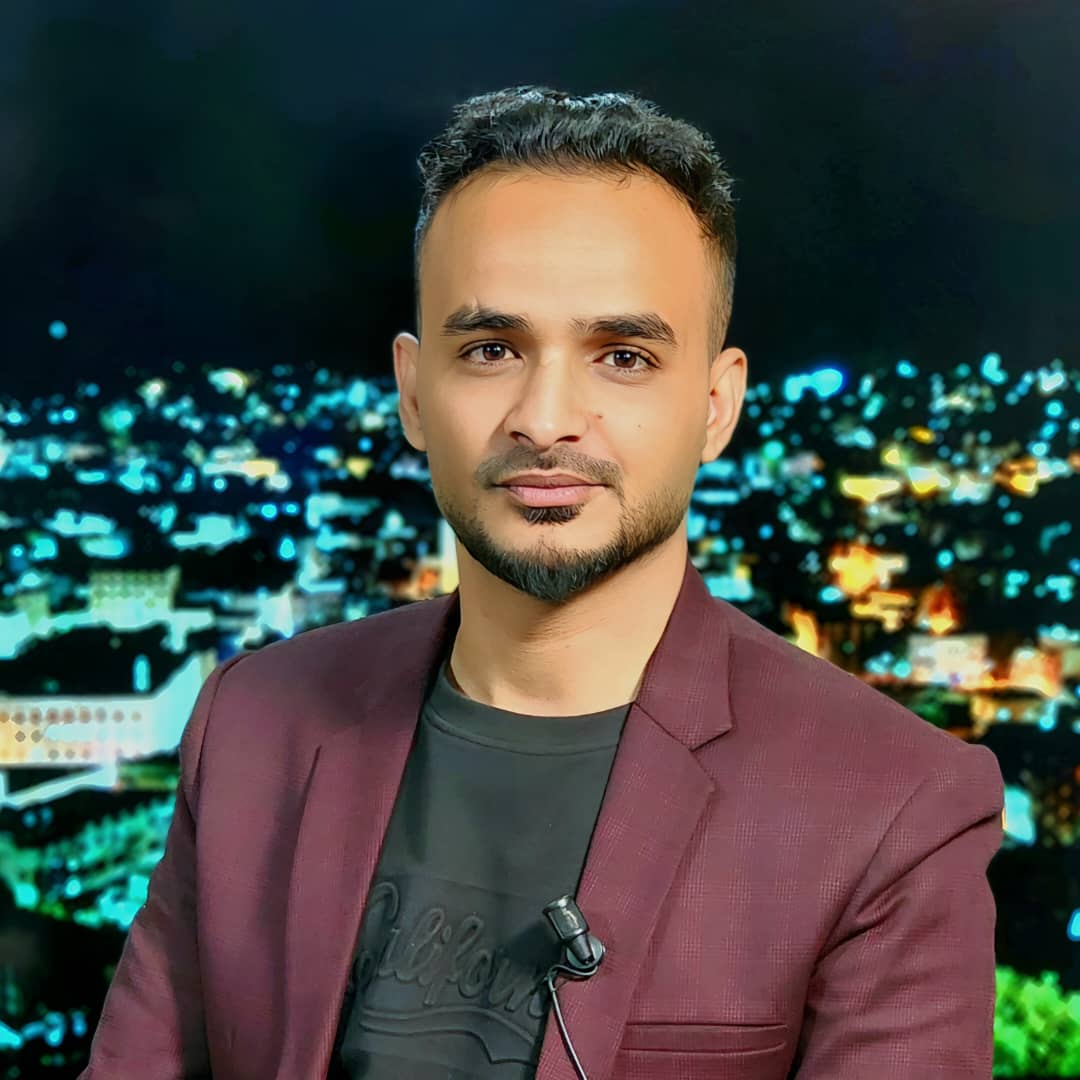
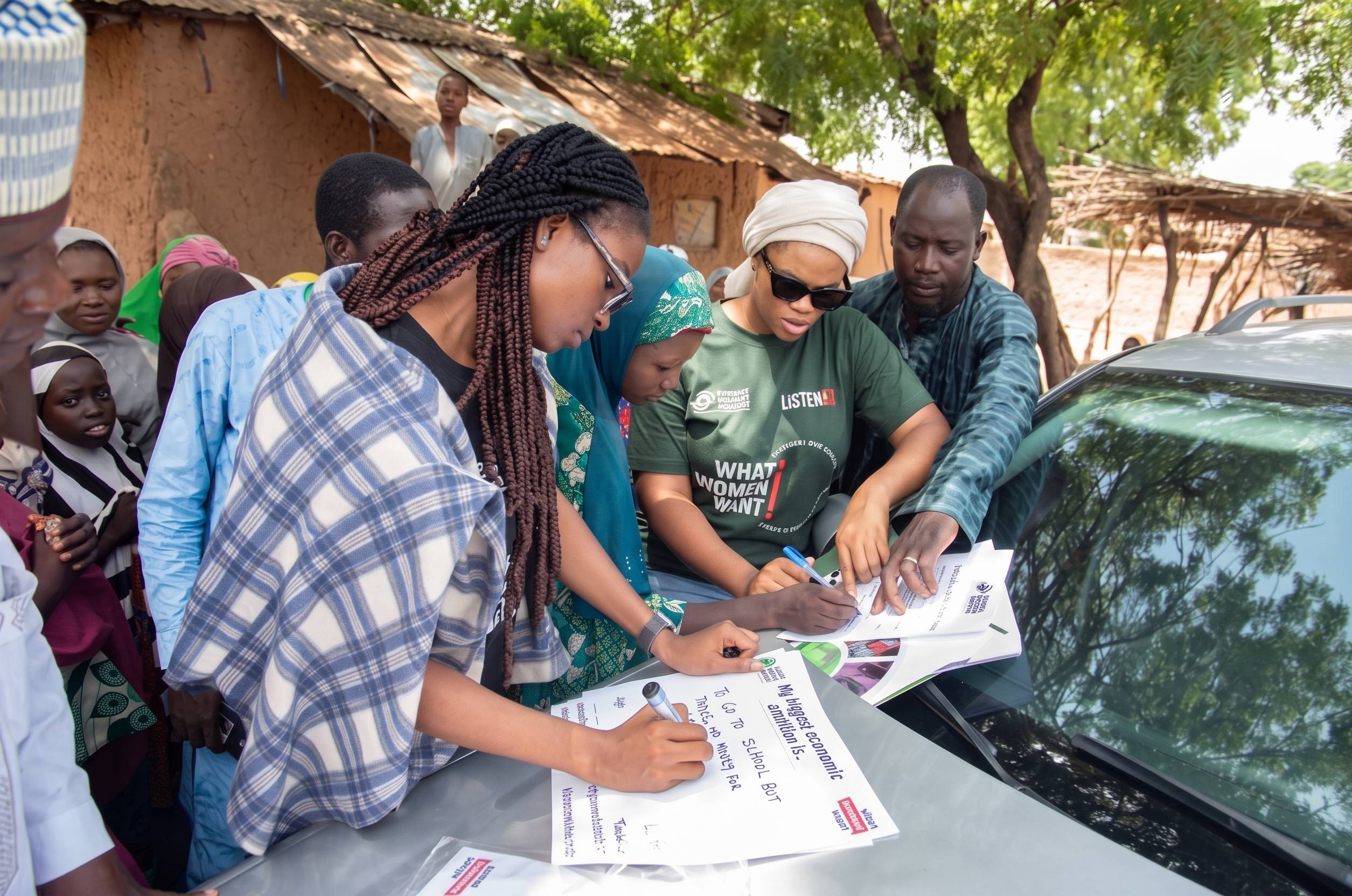
How Language and Local Context Can Make or Break an Investigation
Reporting across linguistic and cultural boundaries showed that effective journalism requires far more than literal translation, as fixing and local collaboration must function as vital verification processes that capture deep emotional, social, and political contexts without stripping away nuance, dignity, or underlying truths.
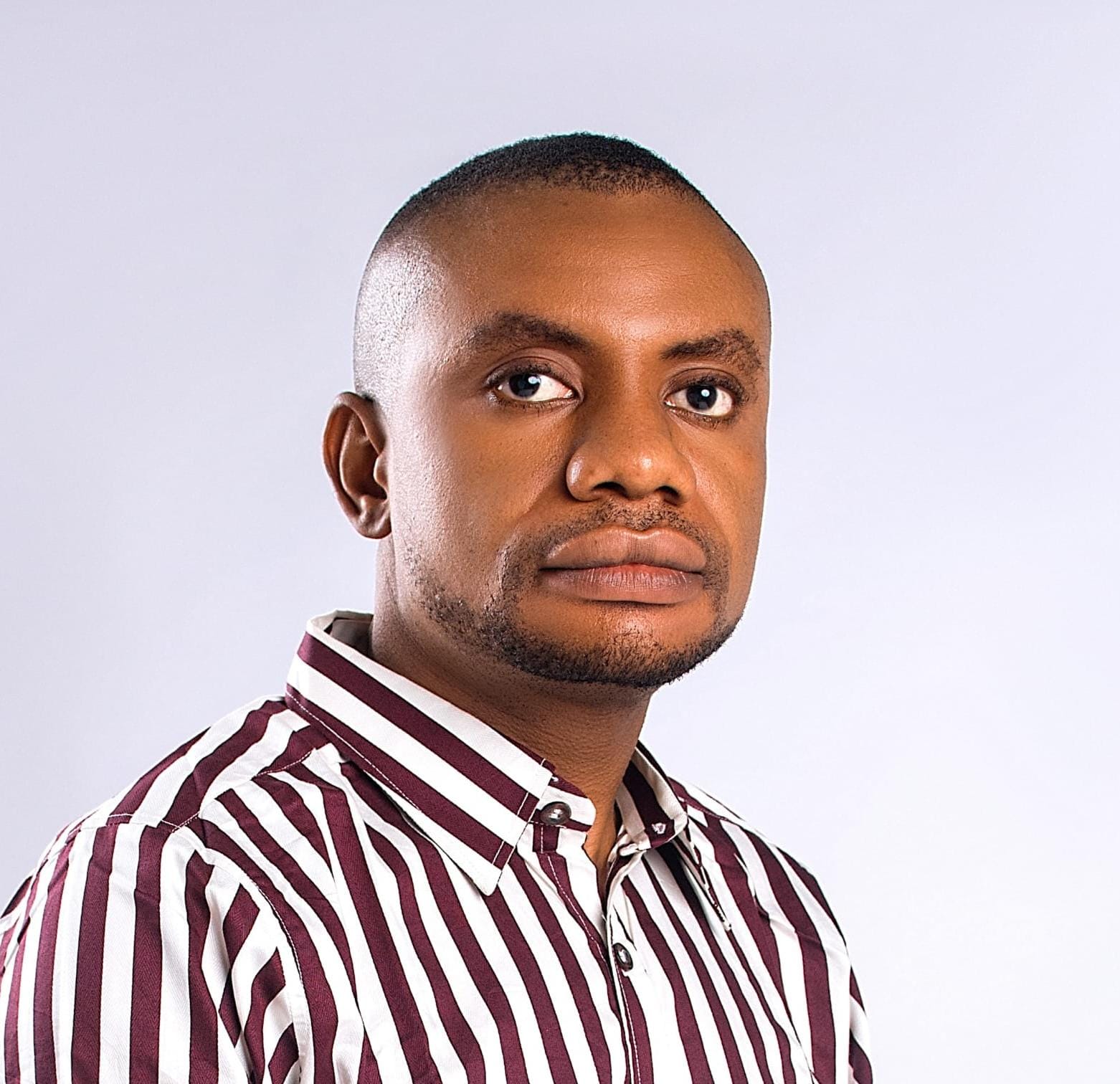
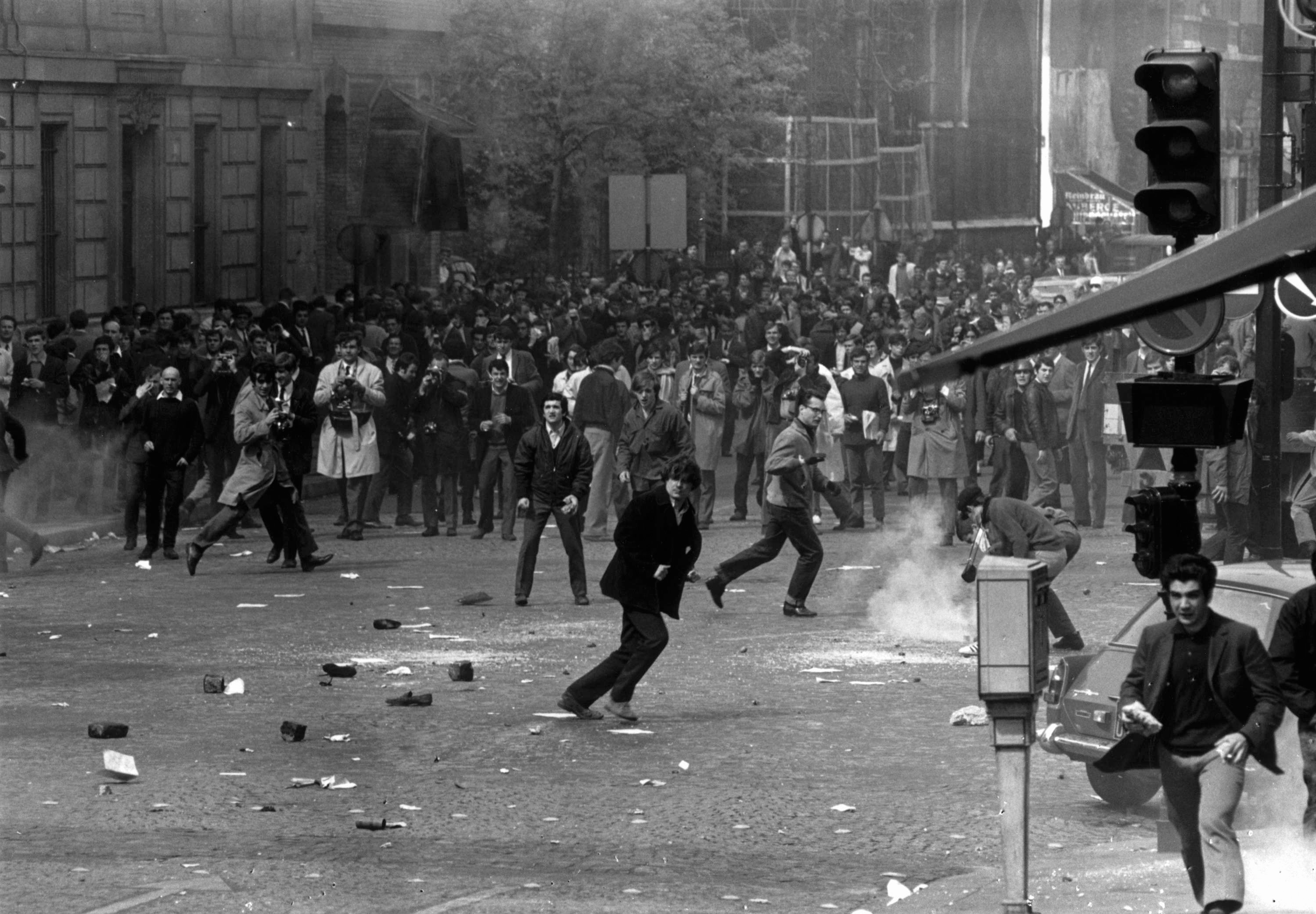
Intersections of Journalism and Social Sciences in the Field
The field is where journalism and the social sciences meet at their most dynamic edge. As the world grows more complex, journalists increasingly take on the role of sociologists, without abandoning their core mission to question power and expose uncomfortable truths. By drawing on the methods and insights of social science, journalism deepens its coverage, grounds stories in real-world contexts, and resists the temptation of surface-level narratives.