
Nepal’s deadly floods exposed a wider South Asian newsroom safety gap, where many journalists are often sent into dangerous assignments without formal risk assessments, adequate training, protective equipment, evacuation plans or mental-health support.
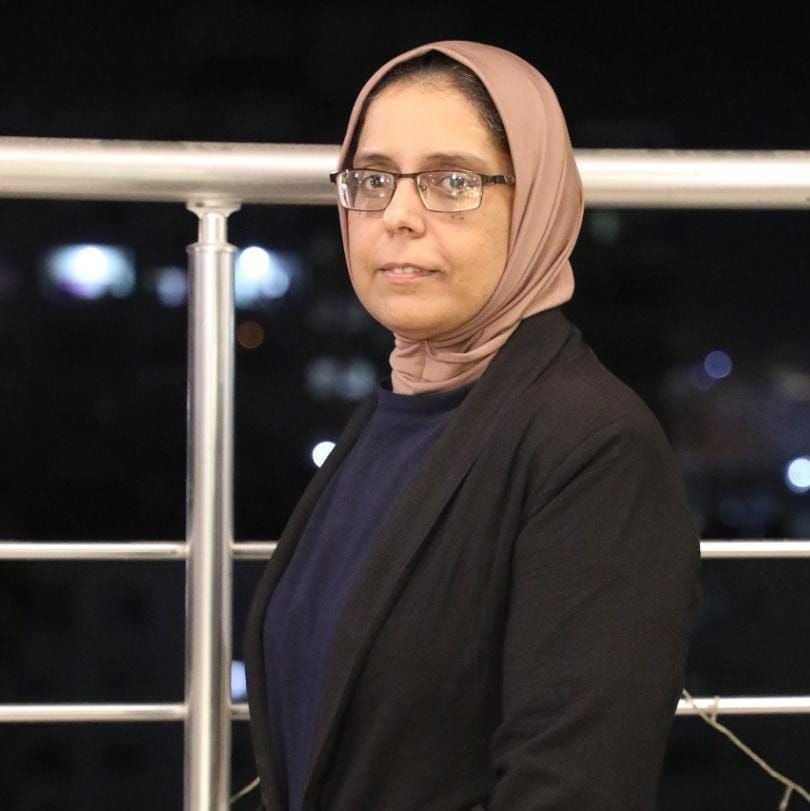
For hours, a father trailed Mamita Bhandari, a television reporter working for a Kathmandu newsroom, through the flood ruins of Rasuwa district in northern Nepal. He was convinced a reporter could help find his 22 year old daughter, buried somewhere inside a hydropower tunnel the Bhotekoshi river had filled with mud as floods ravaged the area.
Bhandari had no way to help him. She was dismayed but she kept working.
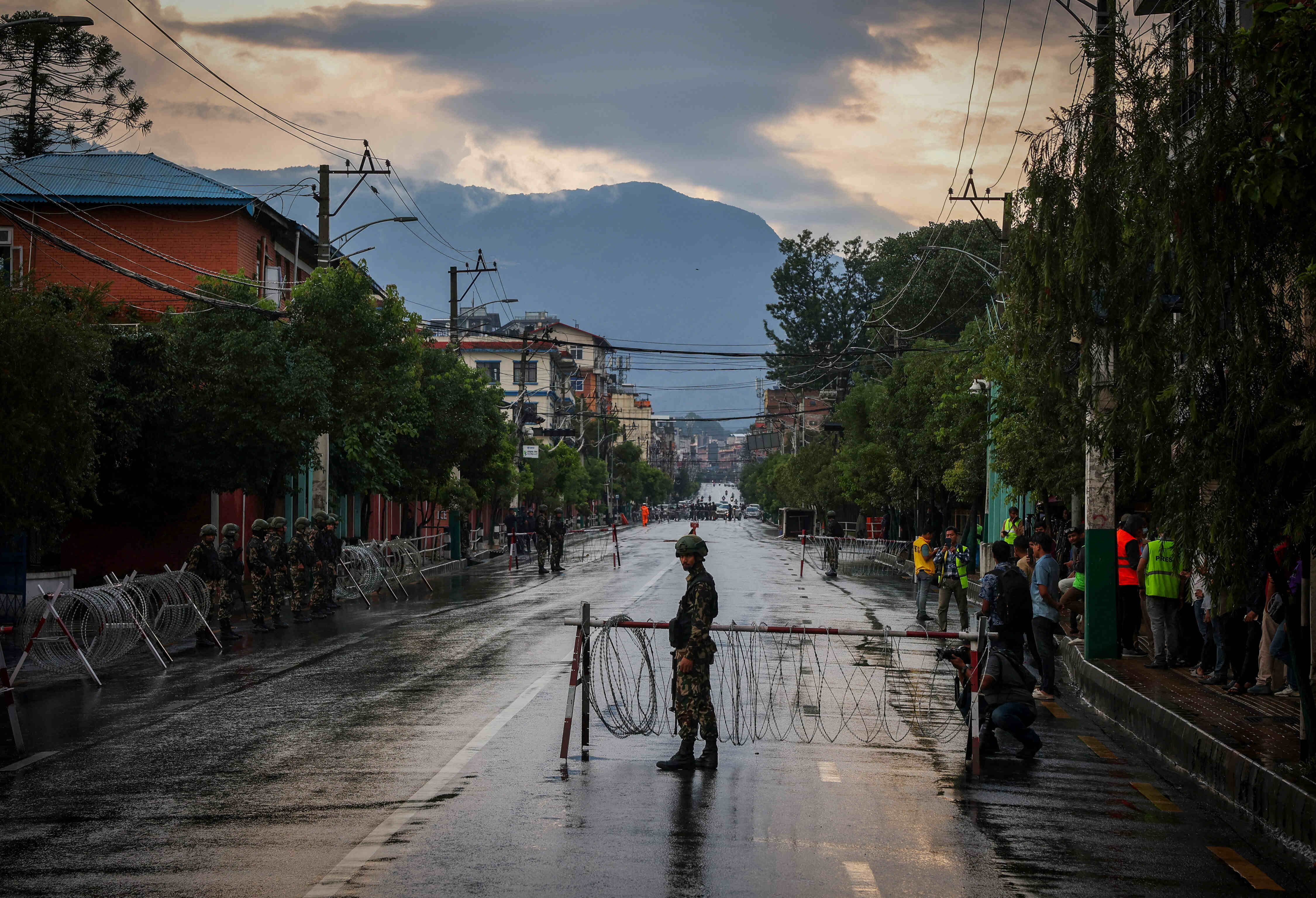
By early September, the confirmed death toll from the flood, triggered by a glacial lake collapse above the river, had climbed past 900, with thousands more still unaccounted for across Rasuwa, Nuwakot, Dhading, Chitwan and other districts downstream. It ranks among the deadliest disasters to hit Nepal in years, and it became, almost immediately, a test of how prepared newsrooms in the country and around the world were to protect the journalists they sent to cover it.
For Bhandari, the honest answer was that they were not prepared at all. “There is nothing much they [newsrooms] do to train or prepare journalists to cover such tragedies,” she said.
Journalists working outside large international operations have historically received little formal training in risk assessment, evacuation planning or emergency communication, regardless of how frequently their beat puts them in harm's way…
No Plan, No Equipment
Bhandari covered the flood from its second day onward, reporting near the collapsed tunnel and later working shifts at a nearby hospital, where families waited for DNA results to identify relatives. The disaster killed people she knew personally including colleagues, friends and members of her own community in the hardest hit districts. “My best friend lost their entire family,” she said.
The personal cost of the disaster made the absence of institutional safeguards all the more consequential. Yet Bhandari said her newsroom had no disaster-specific risk assessment or evacuation plan. It offered no training and no protective equipment beyond basic company insurance. Whatever preparation she brought to the assignment, she said, came from her own academic background in journalism, not from any policy or guidelines passed by her newsroom.
"Journalists have to take care of themselves," she said. "It doesn't come from the office."
The emotional toll compounded the physical risk. A friend covering the same disaster fell 40 meters and remains hospitalized. Bhandari said she allowed herself to cry when she needed to, just never on camera. “I eventually stopped watching the news, cooked the foods that comforted me and eased back into work in stages,” she said.
Bhandari said her newsroom had no disaster-specific risk assessment or evacuation plan. It offered no training and no protective equipment beyond basic company insurance. Whatever preparation she brought to the assignment, she said, came from her own academic background in journalism, not from any policy or guidelines passed by her newsroom.
None of the recovery process involved her employer. “ There was nothing from their side,” Bhandari said.
Bhandari's experience raises a narrower question that sits underneath the disaster itself. Did organisations covering the flood have a disaster-specific risk assessment, insurance that applied to the assignment, protective equipment, a communication plan for checking on reporters in the field, or a clear evacuation trigger telling them when to leave?
The answer, in most cases, was no.
The gap is not simply between preparation and no preparation. It is between what journalists are expected to do and what their employers are expected to provide.
The Committee to Protect Journalists’ risk-assessment guidance calls for newsrooms to assess a team's medical capability, identify training needs, map evacuation routes, provide appropriate protective equipment, establish check-in and emergency call-in procedures, and ensure insurance covers the risks of the assignment. CPJ’s guidance also recommends identifying the hospitals and medical facilities that could treat an injured reporter. These are not guarantees of safety, but they establish a baseline against which the response of Bhandari’s newsroom, and other outlets covering the flood, can be judged.
Nepal has taken some steps in that direction since its 2015 earthquake, which killed roughly 9,000 people and exposed similar gaps in newsroom planning. Researchers from Bournemouth University worked with Kathmandu-based Kamana Group to produce what they describe as the country's first disaster journalism editorial policy, and later helped launch a Disaster Journalism Network meant to share resources across outlets. But the network includes a handful of media houses, not the industry at large, and adoption elsewhere has been uneven.
Safety training should begin in journalism schools as well as newsrooms. She said many journalism programmes in the region are geared towards reporting in major cities, leaving graduates less prepared for assignments in remote, disaster-prone areas.
No Safety Trainings or Counsellings
Research from elsewhere in South Asia points to a similar pattern. A recent survey of Bangladeshi journalists found that fewer than one in four had received any safety training or protective equipment, even as most anticipated physical risk on assignment. A separate study of Bangladeshi field reporters covering disasters and unrest found meaningful rates of PTSD and burnout, concentrated most heavily among those with the highest exposure.
The pattern that emerges across the region is one of individual preparedness substituting for institutional planning, journalists carrying their own contacts, their own contingency plans and, often, their own coping strategies into hazardous assignments their employers have not formally assessed.
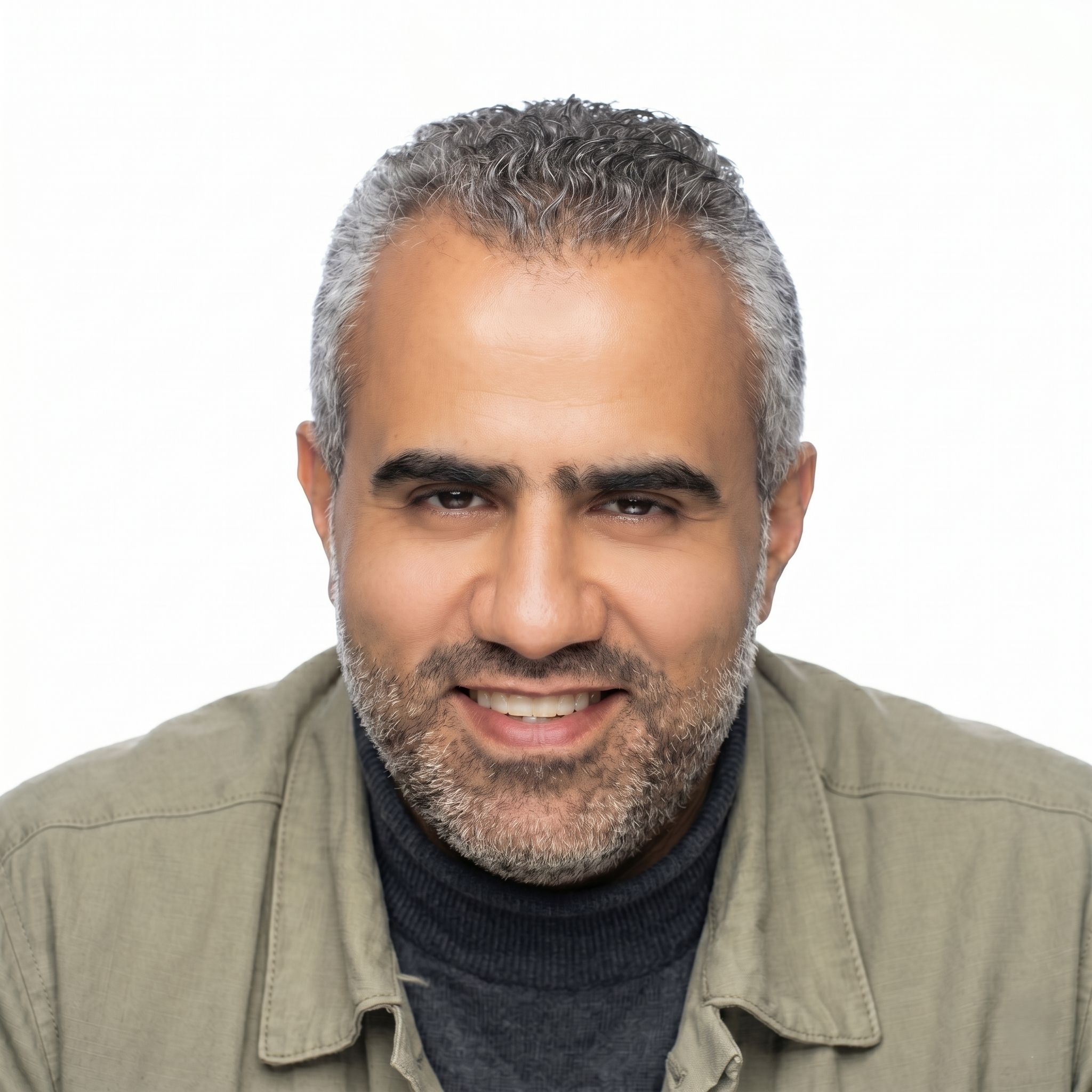
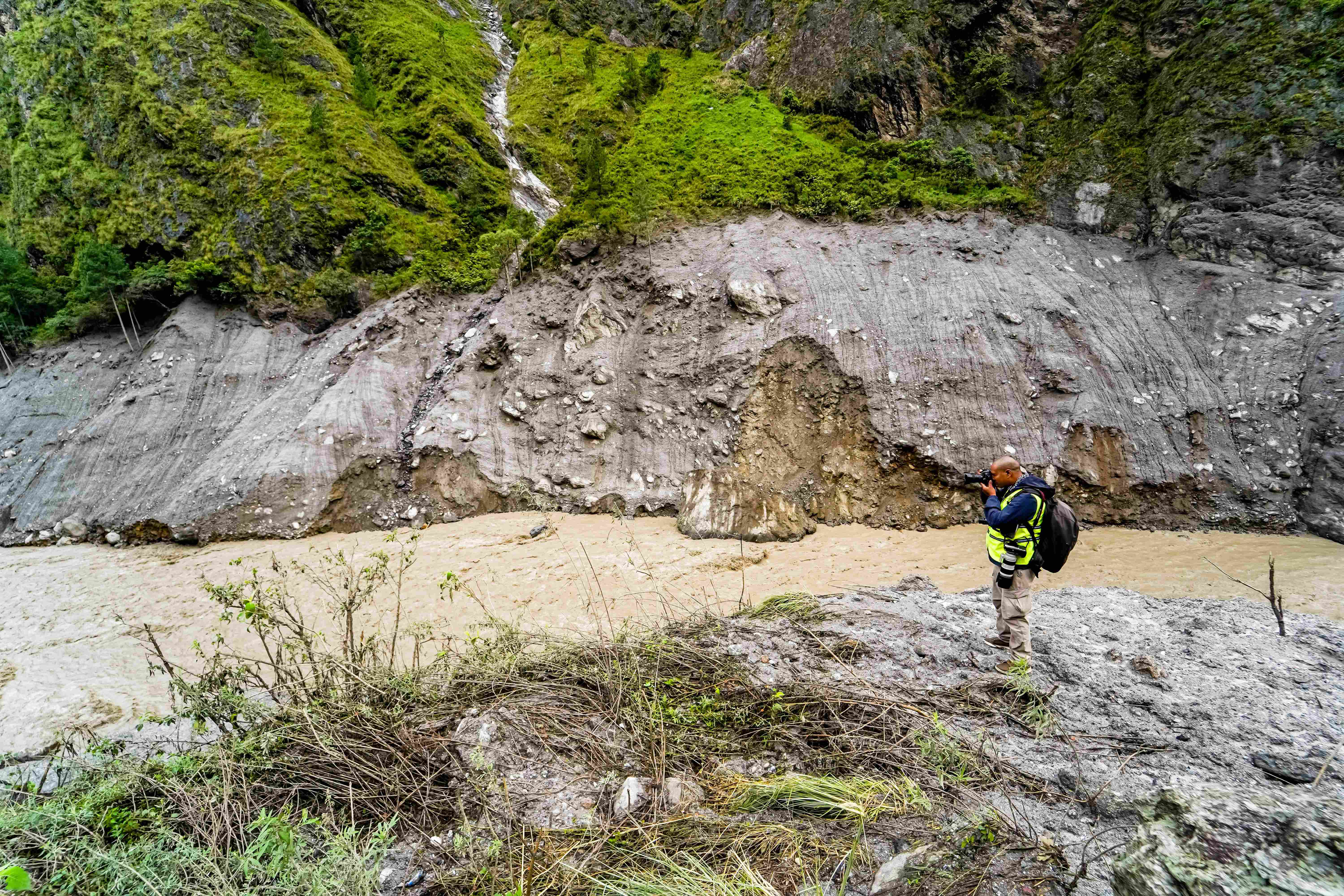
For Ahmer Khan, an Emmy-nominated freelancer who reported from Rasuwa for a UK daily, the difficulty was less about a single hazard than the cumulative demands of getting to and working in a disaster zone. The journey from Kathmandu took about 16 hours over roads cut off by the floods. He walked through mud that reached almost to his waist, searched for shelter and worked around the smell of dead people and animals.
Journalists working with many international organisations generally have access to insurance during assignments. He [Khan] had coverage for the duration of his trip, and said his editors had also discouraged unnecessary risks, such as driving through the night.
“It was by far the toughest assignment I’ve done in my 15 years of career,” Khan said. The physical conditions were only part of it. The heat and humidity, the long drives and the scale of the destruction made the assignment difficult even when there was no immediate threat to life.
Khan said journalists working with many international organisations generally have access to insurance during assignments. He had coverage for the duration of his trip, and said his editors had also discouraged unnecessary risks, such as driving through the night.
For Khan, these measures were part of a broader system he had encountered while working with international organisations, but he says the same may not be true for local or regional organisations. “Most of the organisations, international organisations, provide insurance when you are on the go,” he said, adding that such coverage had been standard across many of his assignments. “ But you can’t say this is true for most organisations,” he said.
His experience also points to a less visible divide in disaster reporting: not all journalists arrive with the same institutional safety net. “We know that there is always a difference between freelancers and staffers,” Khan said.
That distinction between organisations matters because the protections available to a journalist can depend as much on the resources behind an assignment as on the hazards of the assignment itself. In South Asia, that divide can be especially pronounced between international and better-funded organisations and smaller local newsrooms.
Not all journalists arrive with the same institutional safety net. “We know that there is always a difference between freelancers and staffers”… In South Asia, that divide can be especially pronounced between international and better-funded organisations and smaller local newsrooms.
Journalists Filling the Gap Themselves
Sahana Ghosh, associate editor at Nature India and a former editor at Mongabay, has repeatedly seen the gap between well-funded and under-resourced newsrooms in the region’s disaster coverage, particularly during cyclones and floods. She said the difference is not simply whether a newsroom has formal safety policies. It is also a question of resources. Where money is limited, safety often depends on informal practices rather than established procedures.
Small media outlets don't have that capacity to have extra safety nets,” she said.
At outlets where she has worked as an editor, those informal safeguards have included checking whether a reporter has a trusted local contact before travelling into difficult terrain, and discouraging what Ghosh calls “bravado journalism”, the impulse to get a dramatic shot by standing too close to floodwaters or unstable structures.
“There is no story worth the life of the reporter,” she said.
Ghosh recalled one writer who fractured her ankle while reporting in the field but did not disclose the injury immediately. Once Ghosh learned what had happened, she pulled the reporter off the assignment and the outlet was able to give her time to recover before returning to work.
“But not every publication in the region can absorb that kind of pause,” she said.
Formal mental health support remains rarer still.
At outlets where she has worked as an editor, those informal safeguards have included checking whether a reporter has a trusted local contact before travelling into difficult terrain, and discouraging “bravado journalism”, the impulse to get a dramatic shot by standing too close to floodwaters or unstable structures.
Ghosh says she has never worked at an outlet with a staff counsellor or a structured debriefing process after traumatic coverage. What exists instead is personal: an editor checking in by phone or message with reporters who have just returned from something difficult— a practice she treats as a basic obligation rather than a system anyone has built.
Teresa Rehman, a veteran reporter based out of northeast India and author of the memoir "Bulletproof," has spent more than two decades covering conflict and disaster in some of South Asia's least resourced media environments, and she argues that the pattern Bhandari described in Rasuwa is not new and not confined to one country.
“Journalists working outside large international operations have historically received little formal training in risk assessment, evacuation planning or emergency communication, regardless of how frequently their beat puts them in harm's way,” she said.
Rehman said she used to assemble her own field kit before dangerous assignments, water, basic medicine, a change of clothes, sanitary supplies and emergency numbers. “It is because no employer supplied any of it,” she said.
Rehman argues that safety training should begin in journalism schools as well as newsrooms. She said many journalism programmes in the region are geared towards reporting in major cities, leaving graduates less prepared for assignments in remote, disaster-prone areas.
“We probably need to start such [safety] training from journalism schools itself rather than leaving them entirely to newsrooms. ” she said.
Additional reporting by Majid Alam