Reporting across linguistic and cultural boundaries showed that effective journalism requires far more than literal translation, as fixing and local collaboration must function as vital verification processes that capture deep emotional, social, and political contexts without stripping away nuance, dignity, or underlying truths.
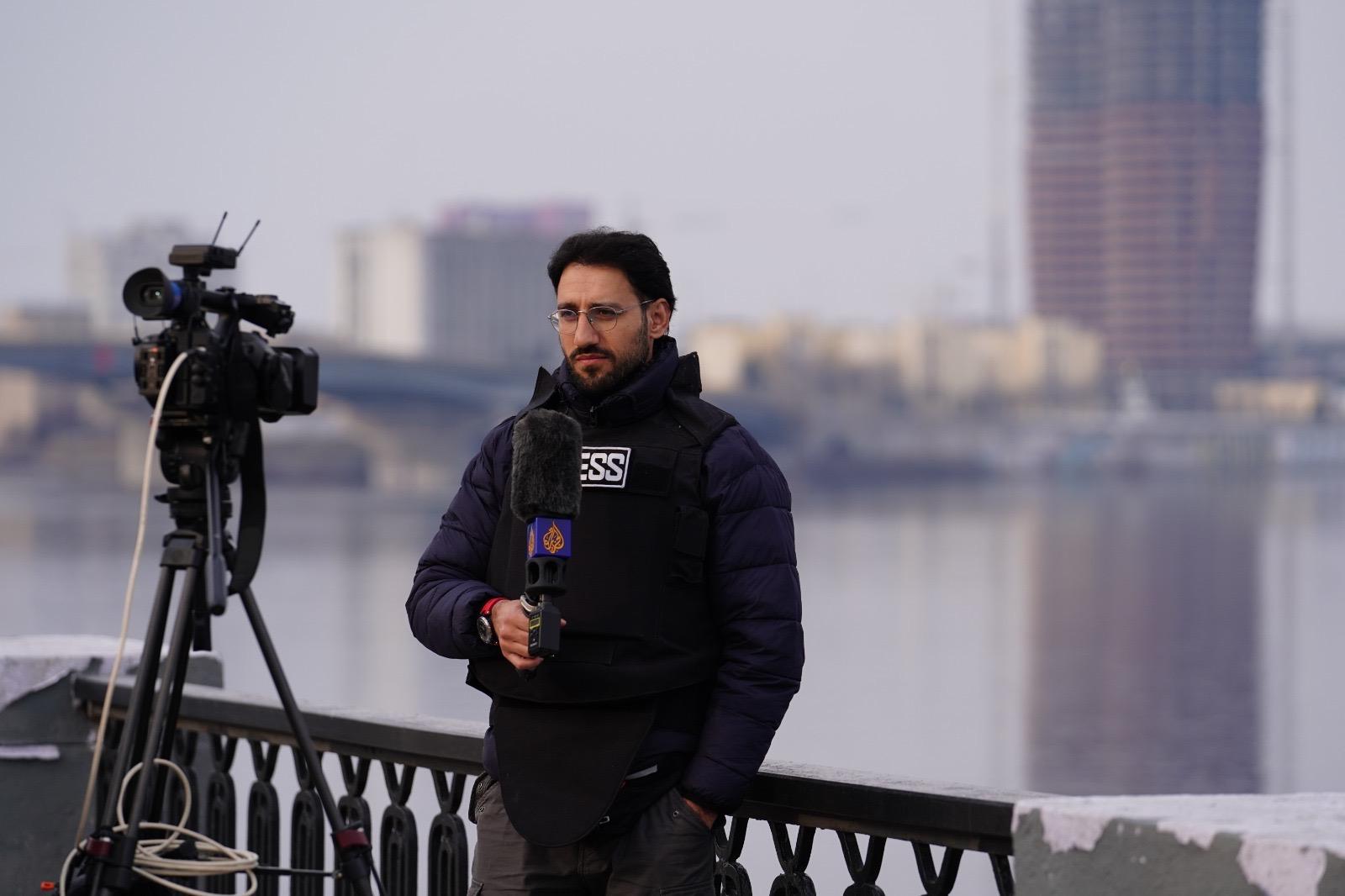
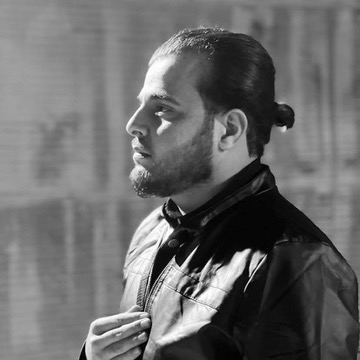
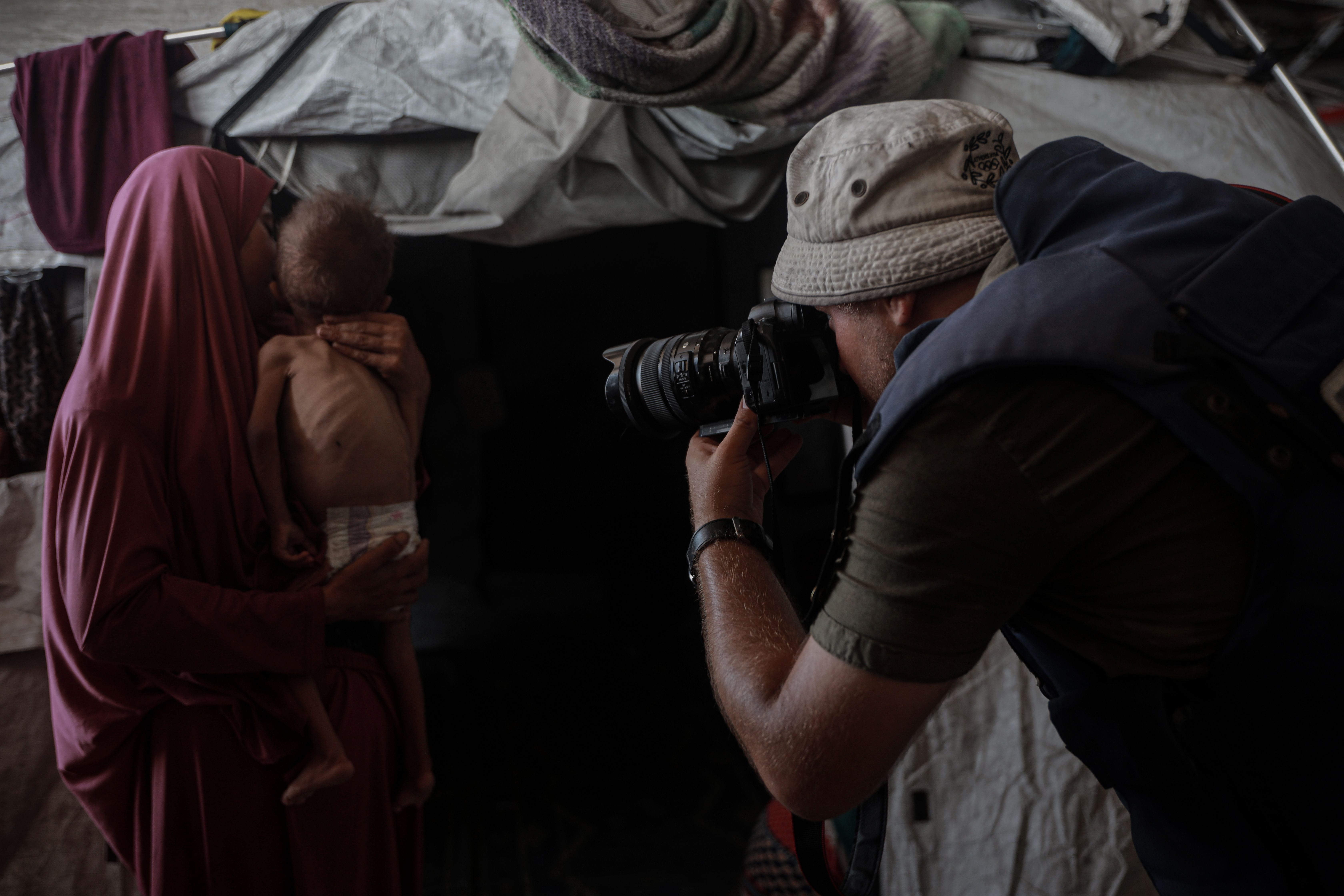
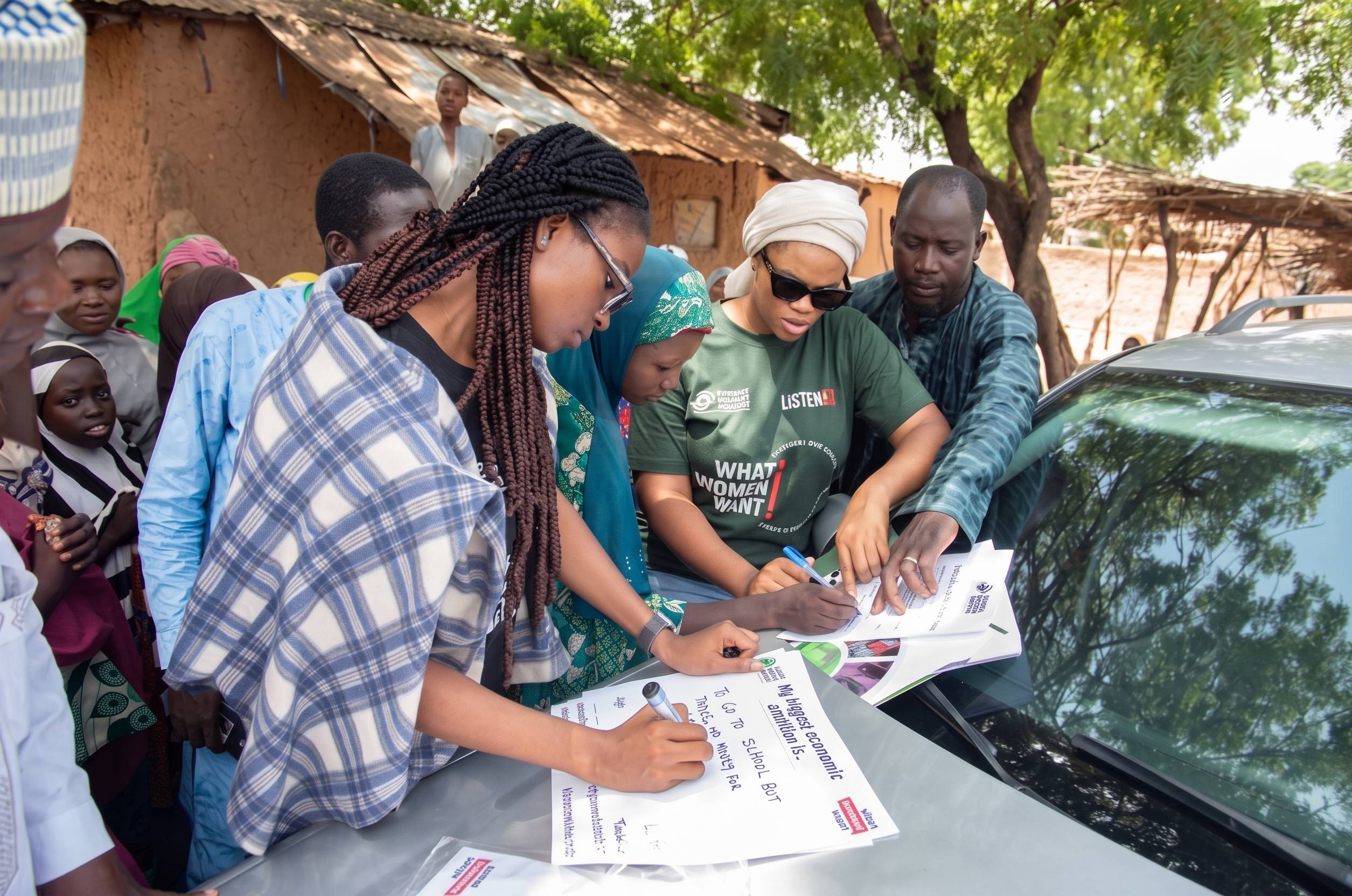
When Pelumi Salako arrived to report on grieving people, knowing the language was not enough. The journalist and documentary photographer could speak Yoruba, English and Nigerian Pidgin, but the assignment took him outside southwestern Nigeria, where he depended on a fixer to communicate with people whose experiences he was trying to document.
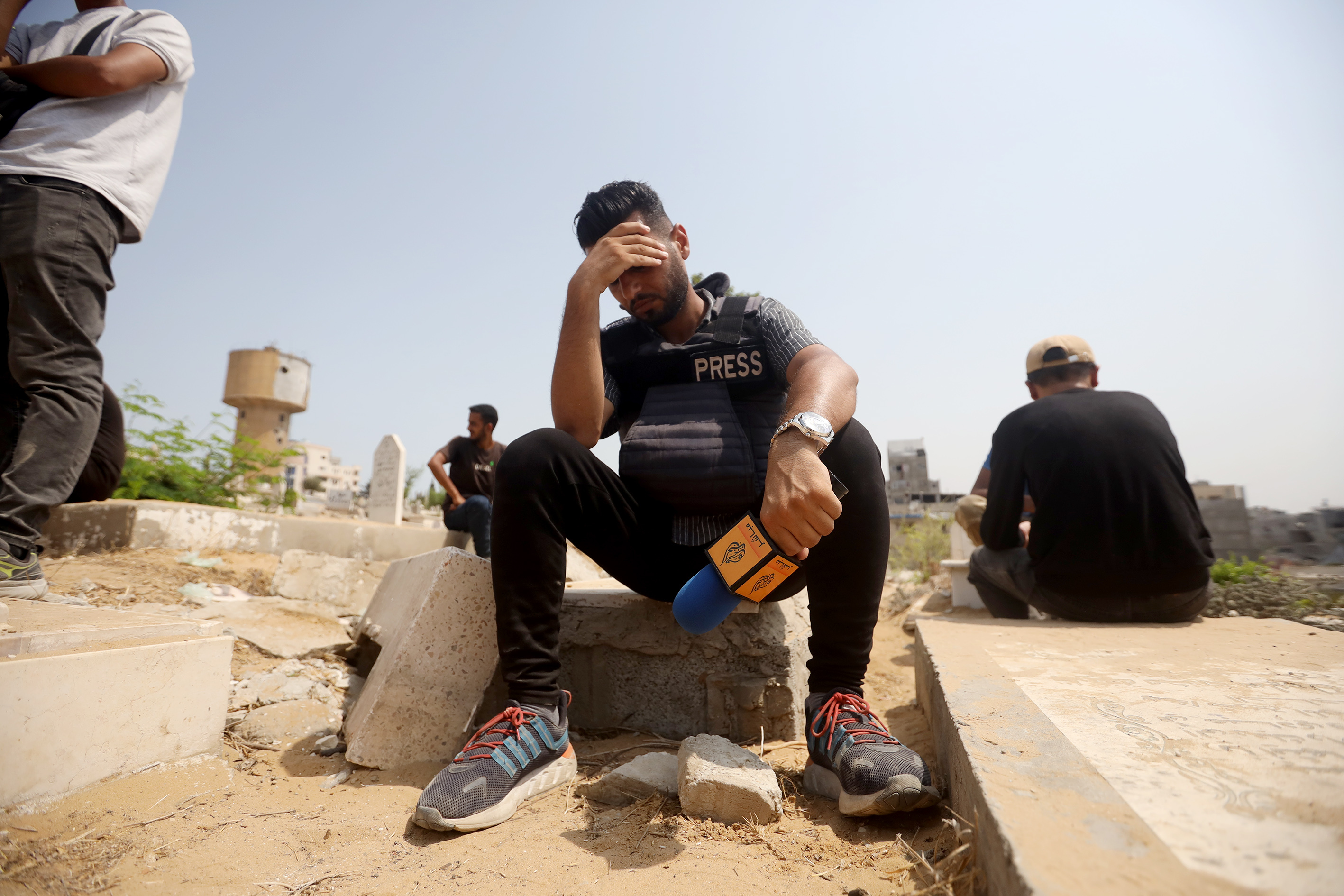
Salako struggled to communicate with the people and ask questions without becoming insensitive. “I couldn’t translate, you know, the grief,” he said. “We were speaking to grieving people, and it was difficult to get them to speak to us, to communicate the depth of their grief, and for me to also ask in a way that will be sensitive.”
Across Africa, reporters working outside their linguistic and cultural environments routinely depend on translators, fixers and local journalists to bridge the gap. But those intermediaries do more than convert silences and point journalists toward details that an outsider might otherwise miss.
When Words Carry More Than Their Literal Meaning
Salako’s challenge was not simply finding someone who speaks the language. It was finding someone capable of conveying what the words mean in their cultural and emotional context. “Language is complex, and sometimes it’s difficult to just translate literally word for word,” he said.
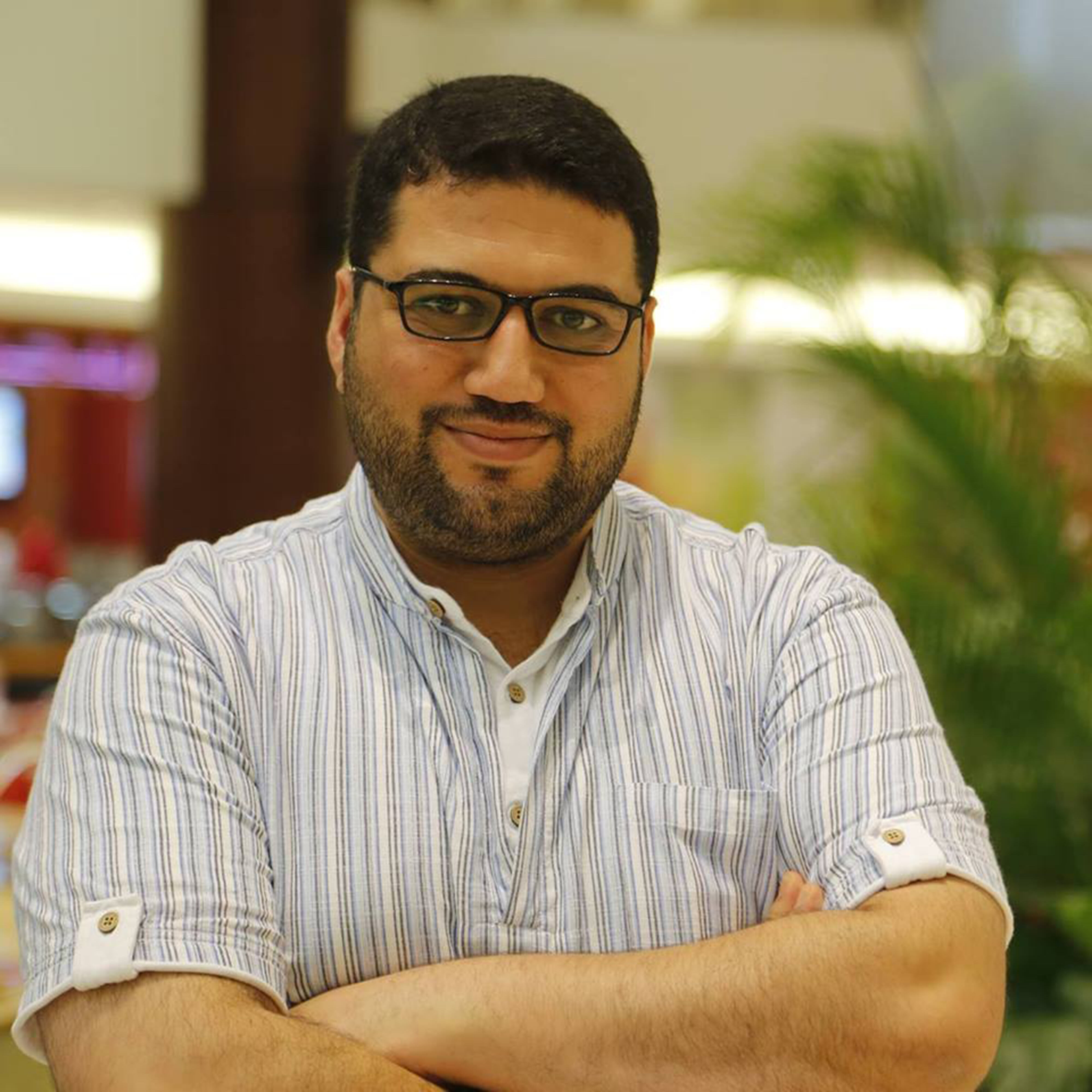
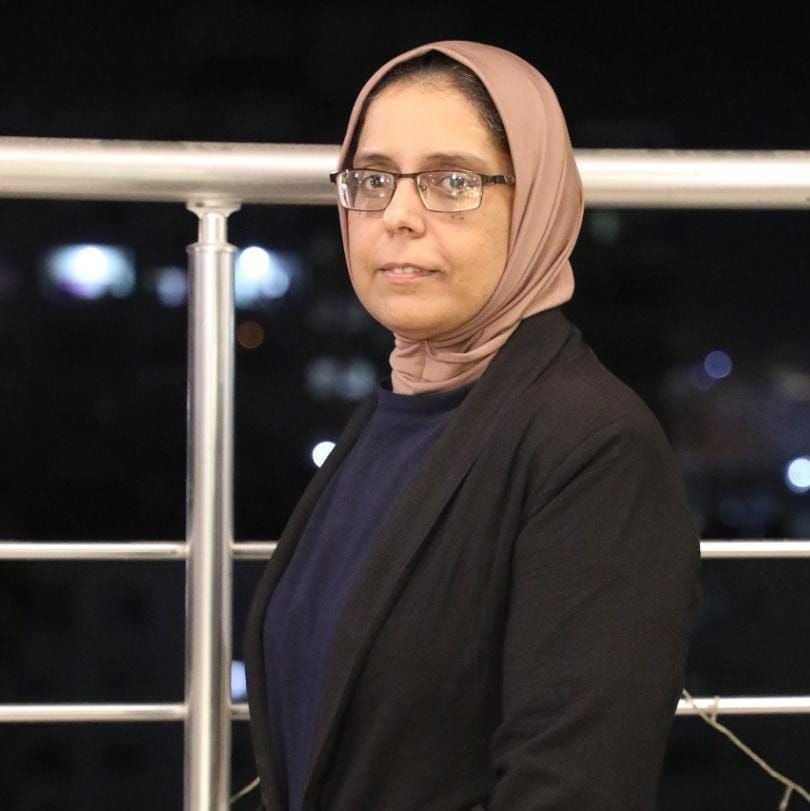
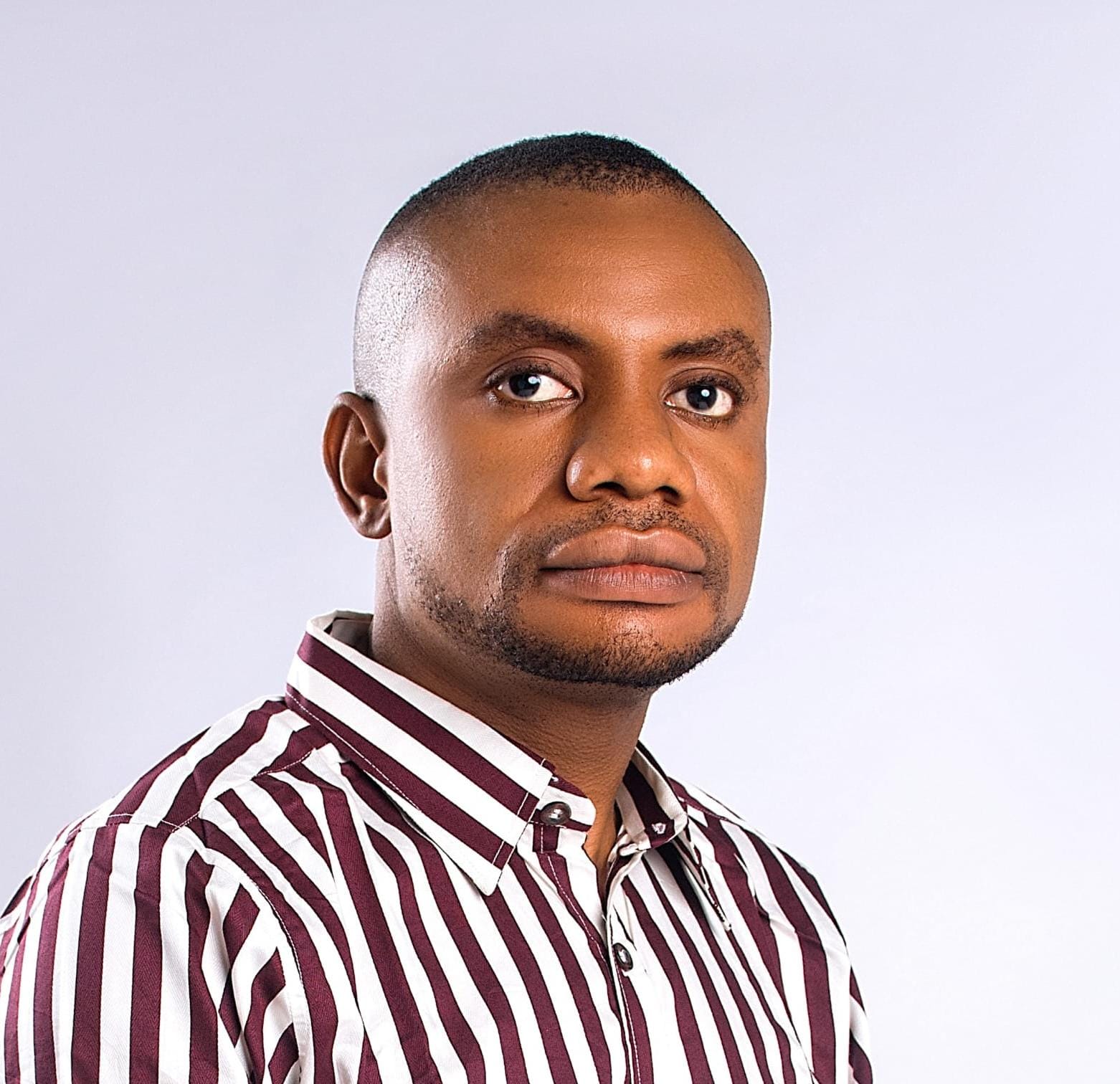
Abdulaziz Bagwai, a freelance journalist who also works as a media translator in northern Nigeria, makes a similar distinction. Translating an interview, he says, requires more than knowing two languages.
“Sometimes, when listening to the interview, you’d have a direct understanding of their message, but putting it down in such a way that the outcome of the story will not be twisted is an independent skill on its own that is beyond just being a native of the language in question,” he said.
“So when journalists rely on literal translation, they risk erasing the dignity, nuances, and underlying truths of the communities they are covering,” Bagwai added.
The problem becomes more complicated in practice when sources use idioms, euphemisms or culturally specific expressions.
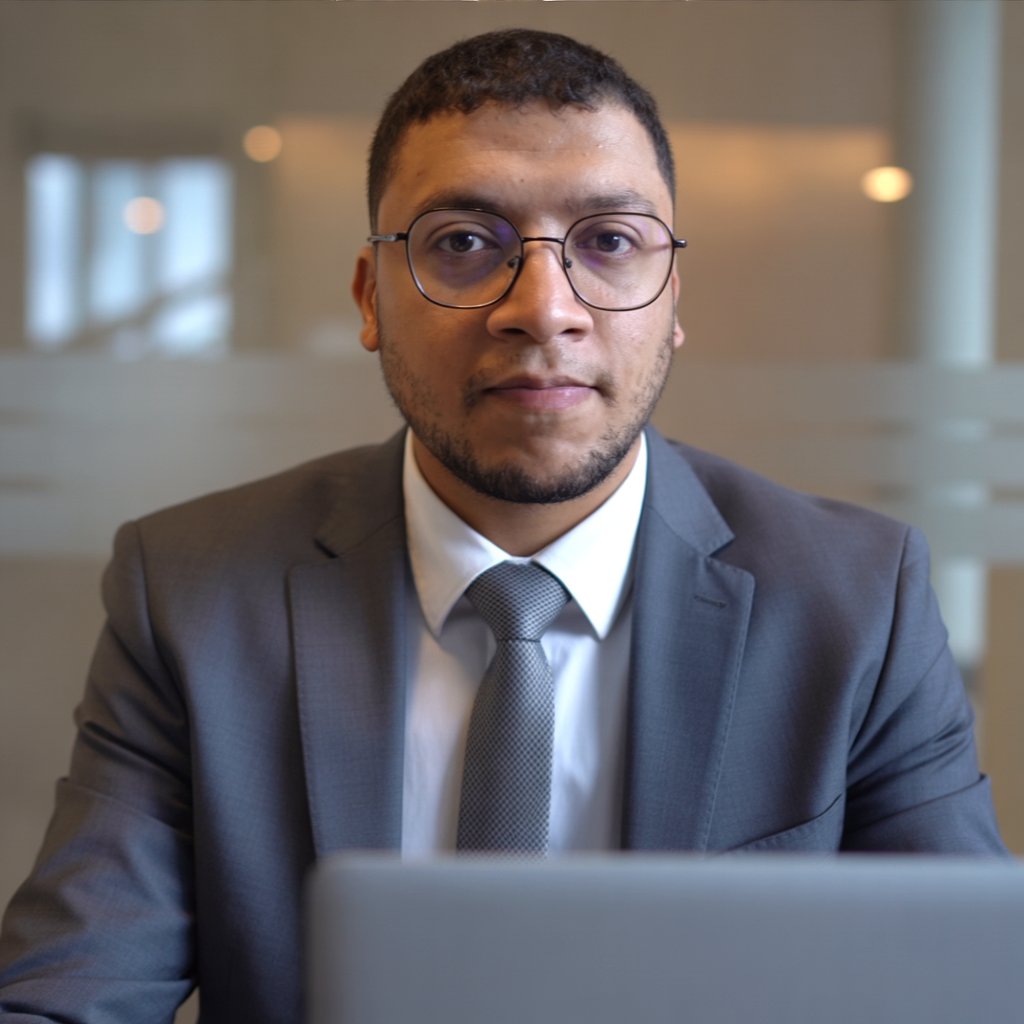
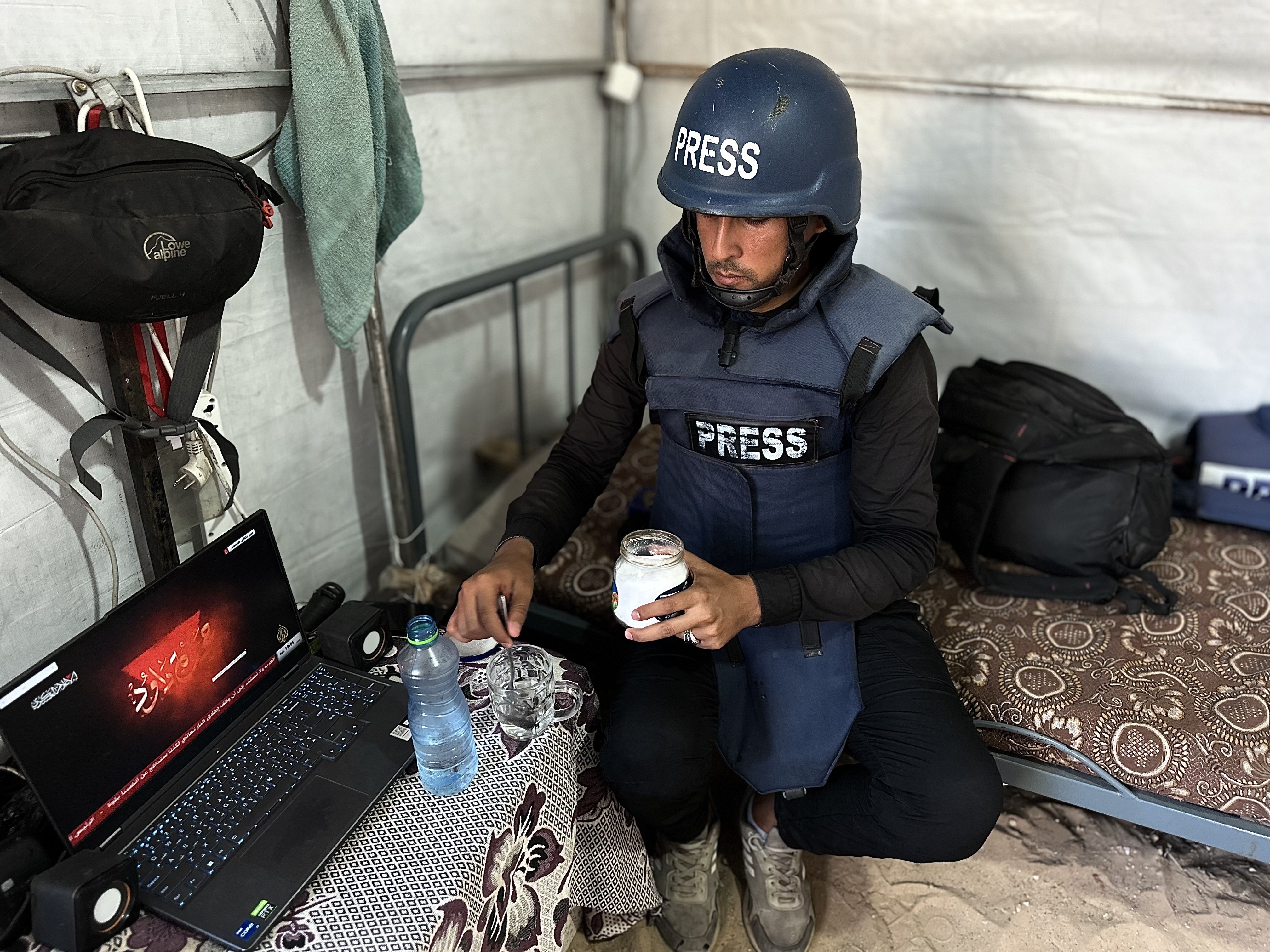
Malian investigative journalist Massire Diop explained that sources in rural communities, among internally displaced people and in areas affected by insecurity, may deliberately use indirect language when discussing armed groups or people they fear.
According to Diop, a source might refer to “those from the bush", "visitors", “the village youth” or “people who came at night” rather than directly naming armed actors. “A literal translation would strip away the fear, caution, or power dynamics embedded in those expressions,” he said.
A translator is a “cultural co-pilot.” He advises journalists against selecting translators or fixers solely because they are highly educated or politically connected, warning that they can bring class biases into the reporting process.
The Fixer is More Than a Translator
A fixer does more than arrange transportation, find interviewees or translate questions. Salako notes that journalists should listen to fixers and community members rather than assuming that what they have already read gives them a complete understanding of the story.
“The picture you see far away might be slightly different from what you’re going to see on the ground,” he asserted. “You don’t always know it all.”
Bagwai describes the translator as a “cultural co-pilot". He advises journalists against selecting translators or fixers solely because they are highly educated or politically connected, warning that they can bring class biases into the reporting process.
He also cautions against interrupting sources every few moments for line-by-line translation. Instead, he recommends allowing sources to speak for longer periods. “Maintain eye contact with the source, not the translator,” he said.
* Bagwai recommends briefing the translator before entering the purpose of the investigation, discussing technical terms that may arise and making sure the translator understands the questions rather than simply reading them to the source.
After the interview, he proposes reviewing the conversation with the translator while it is still fresh. “The moment you leave the interview location, sit down with your translator while the conversation is fresh and review the entire concept,” he said.
* Diop similarly cautions against allowing an intermediary to become the journalists’ only window into a community. A local contact can explain who can speak, under what conditions and with what possible consequences. The intermediary can also have political, social or personal interests that influence how information is presented.
That role can also affect whom a journalist reaches, how comfortable sources feel speaking and whether important details emerge. In sensitive investigations, those differences can ultimately determine accuracy and trust during reporting.
“For that reason, I explain in advance that their role is to reproduce the source’s words as faithfully as possible and only afterwards provide any contextual explanations they believe are necessary,” Diop said.
Diop similarly cautions against allowing an intermediary to become the journalists’ only window into a community. A local contact can explain who can speak, under what conditions and with what possible consequences. The intermediary can also have political, social or personal interests that influence how information is presented.
Local Knowledge Can Change the Investigation
Language is only part of the challenge. Cultural assumptions can be equally damaging. Bagwai points to his coverage of Nigeria’s 2024 nationwide protests in Kano State. While much of the attention focused on riots, clashes with security forces, burning tyres and the use of tear gas, his familiarity with the region allowed him to examine another dimension: how families were coping with the inflation that was helping fuel public anger.
But preparation alone is not enough. “Do not go inside to confirm your bias or to confirm the things that you’ve already read online or in the newspaper,” he said. “Just let the things you have read serve as guardrails.”
He also believes cross-border investigations should involve local journalists more often. “I think more cross-border investigators should collaborate with local journalists more,” he said.
Diop has encountered similar challenges in Mali, where apparently ordinary descriptions can carry political or social meanings that outsiders may miss. A person described as "brother", for example, may be a biological sibling, a member of the same social group or simply someone regarded as close. A person called a “chief” could be a traditional, religious, administrative or community authority.
Diop warns against turning the practices of one community into explanations for an entire population. “What is true in one village, one family, or one specific group does not necessarily represent an entire community,” he said.
For journalists working across linguistic and cultural boundaries, the solution is therefore not simply to hire someone who speaks the local language. It is to understand translation and local knowledge as part of the verification process itself.
The journalist must know what a source said, what the source meant, why the source chose those words and what may have been left unsaid.
“The social meaning of words must be verified with the same rigour as figures, documents, and dates,” Diop said.