Al Jazeera Journalism Review

The migrant issue in Libya: did the media pass the test of professionalism?

Libya’s migration debate has become a test of whether the media can report legitimate public concerns without laundering rumours, fuelling hate, or turning vulnerable migrants into scapegoats.


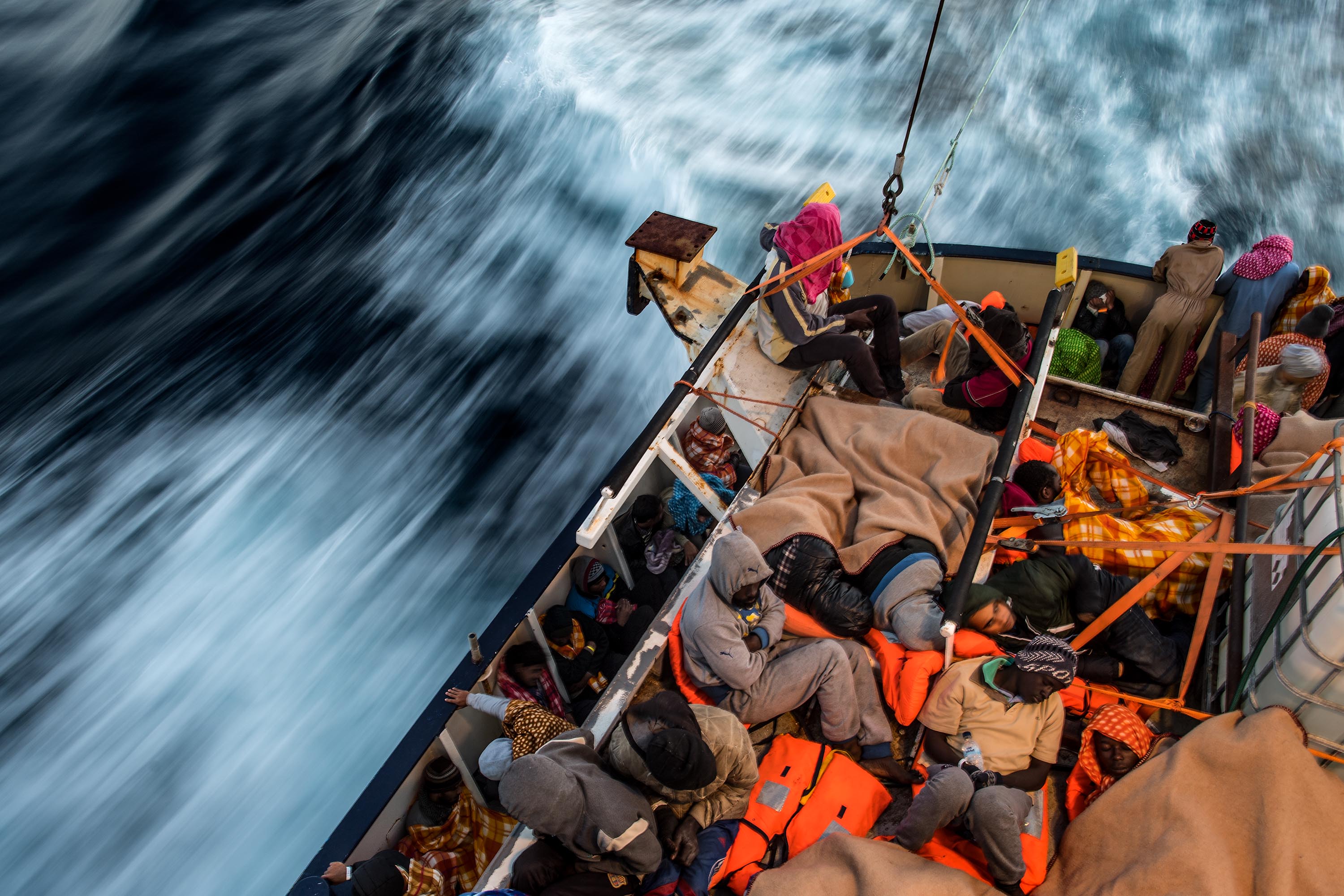
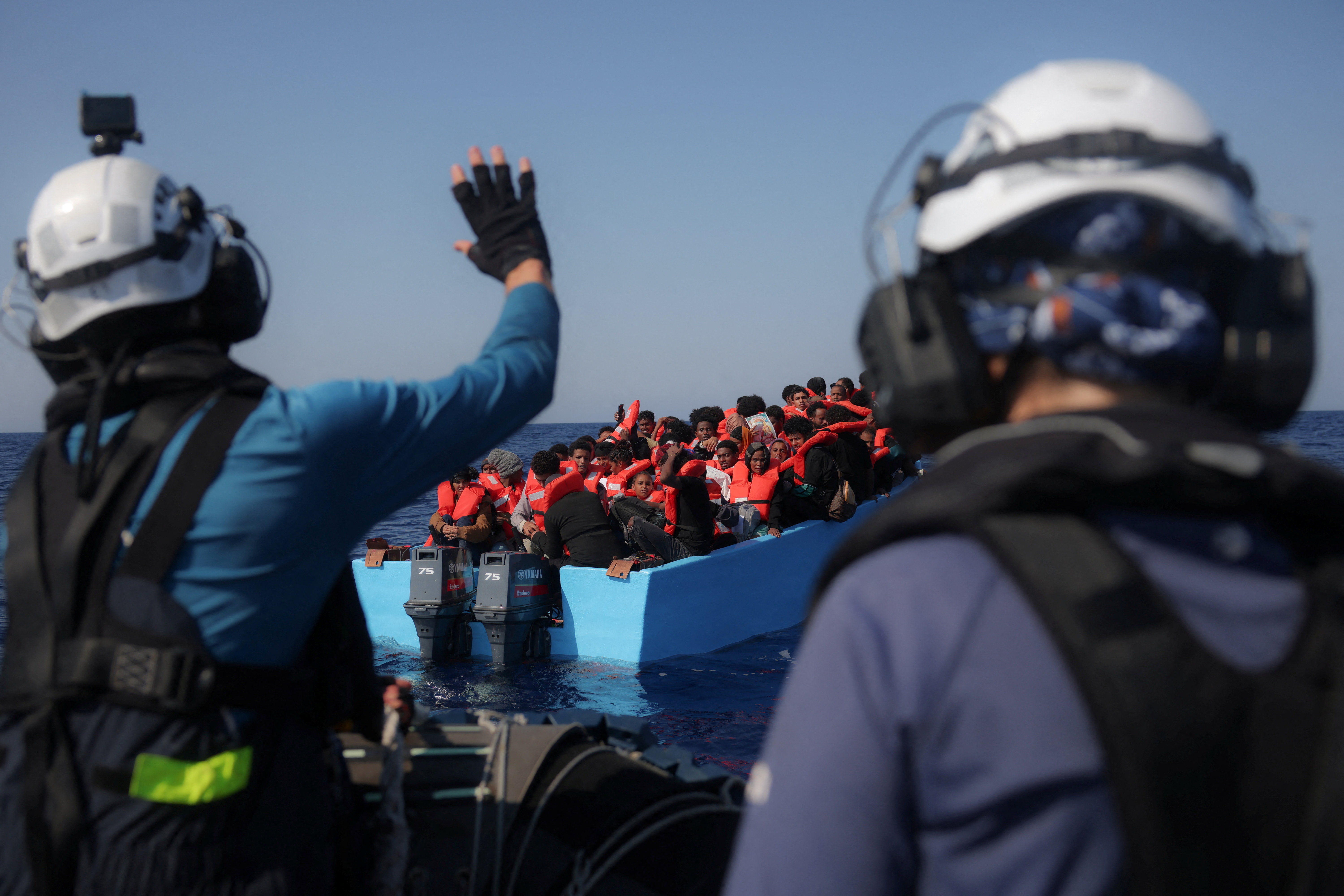
The issue of irregular migration is not new to Libya, but in recent weeks it has returned to the forefront of the public scene in an unprecedented way, with rising calls rejecting the presence of migrants and repeated claims about their settlement. 

Social media platforms have filled with campaigns and warnings, and protests have been organised in a number of cities, in parallel with growing talk about the security and demographic risks associated with migration. 

Conversely, warnings have emerged that this debate could turn into inciteful discourse or into the widespread circulation of unverified information, reflecting on the nature of public debate and the situation of migrants inside the country. 

Amid this scene, the Libyan media found itself facing a complex equation. Between conveying the concerns expressed by the street, and committing to verifying information and avoiding hate speech, coverage methods varied and questions arose about the extent to which media outlets succeeded in maintaining professional balance when addressing this file. 


An old issue renewed 

The editor-in-chief of Al Nas newspaper, Abubakr al-Baghdadi, believes that the paradox does not lie in the existence of migration itself. The issue, according to his description, has accompanied Libya for many years. Rather, it lies in the way it suddenly turned into a crisis dominating the media scene, as though it had emerged only now. 

Al-Baghdadi says that the media discourse that accompanied this escalation was not homogeneous, noting that part of the media identified with the general mood, which was marked by sharpness, while other institutions preferred to stay away from the file or address it from angles that served their editorial orientations, something that was reflected in the level of professionalism in the coverage. 

He adds that “what was published by open sources, whether local or international, was in many cases more useful than the populist discourse that fed the state of polarisation and contributed to directing accusations and stirring up the street”. 

He also believes that some media institutions subjected the file to their own agendas more than to journalistic standards, noting that this file needs another dimension represented in “humanising media discourse”, since it is not about abstract numbers, but about people, each of whom has his circumstances and his story. 

The migration file is not about abstract numbers, but about people, each of whom has his circumstances and his story, which obliges us to humanise media discourse. 


An exceptional challenge 

The journalist in Libya faces an exceptional challenge when covering this type of issue, especially amid conflicting narratives, the rapid spread of rumours, and the overlap between security, political and humanitarian dimensions. This requires a considerable degree of caution in dealing with information, so that the journalist does not become a party to a political conflict or media campaign whose full facts he does not possess. 

Through following what has been published and circulated, it appears that the matter is no longer only about verifying information or debating facts, but has gone beyond that to reading intentions and assuming the existence of conspiracies and collusion, whether by the governing authorities in the east and west or by international organisations. This has made the journalist’s task more complicated. 

Recently, some activists have presented the activities of international organisations related to humanitarian assistance or voluntary return programmes to public opinion as projects to settle migrants, despite the absence of evidence proving this, which has increased the intensity of polarisation. 


The trap of generalisation 

For his part, the director of the experts’ office at the General Authority for Monitoring Media Content, Reda Faheel al-Boum, believes that media coverage of the migration file in Libya has, in many cases, fallen into the trap of generalisation, noting that public debate lacks accurate data that can be relied upon to assess the real impact of migration on infrastructure, public services and the support provided by the state. 

Al-Boum believes that most coverage has focused on the violations to which migrants are subjected, while it has not paid sufficient attention to the economic and social effects of the large presence of migrants outside shelter centres, nor to the file of the unregulated labour market and the use of public services. 

As for the recent movement, he believes that some media outlets contributed, during their coverage of demonstrations rejecting settlement, to conveying slogans and inaccurate information, which further inflamed incitement discourse. 

He cites what happened after the demonstrations, namely the storming of the headquarters of the UN High Commissioner for Refugees in the capital, Tripoli, and the accompanying chaos and accusations. He calls on the media to present a balanced picture based on facts, and to discuss the causes of the phenomenon, its effects and its solutions, while avoiding incitement, generalisation, or discourses that could lead to fuelling hatred or violence. 

Al-Boum adds: “Addressing the migration file should not be borne by Libya alone. It is a shared responsibility that includes countries of origin, transit and destination, alongside the international community. The spread of smuggling networks and weak border control in more than one country have also contributed to aggravating the phenomenon.” 


Assaults and expulsion 

From a rights perspective, the head of the Benghazi Centre for Migration and Asylum Studies, Tarek Lamloum, believes that the danger lies not only in the nature of media discourse, but in its movement from the media space into reality. He points out that recent weeks have witnessed, according to his monitoring, cases of verbal and physical assault against migrants, in addition to the expulsion of families and children from their homes in the first days of the escalation wave. 

Lamloum says that this atmosphere created a state of fear that pushed many migrants to avoid moving around or seeking assistance. Some were even forced to hide or move to more fragile places, which made them more vulnerable to exploitation by smugglers and human-trafficking networks. 

He says: “The Libyan state has the right to manage its borders and regulate the presence of foreigners on its territory, but this must be done in accordance with the law and with respect for human dignity. Combating irregular migration means pursuing smuggling networks, human trafficking and exploitation, not collectively punishing migrants or inciting against them.” 

Lamloum also criticises the spread of unverified information regarding settlement, considering that part of the public debate has confused internal legal and historical files, such as some issues relating to holders of administrative numbers and temporary records, with the current migration file, even though these issues preceded the current crisis by many years. He believes that this confusion has contributed to clouding public opinion and moving the debate away from the actual issues related to migration management. 

The responsibility of the media appears more complicated than merely conveying statements or following protests. Professional coverage is also required to convey the legitimate concerns raised by society, while at the same time verifying information, avoiding generalisation and incitement, and allowing space for different points of view. 


False claims 

The debate was not limited to media outlets and social media platforms, but extended to international organisations operating in Libya. The Special Representative of the United Nations Secretary-General in Libya, Hanna Tetteh, warned that the spread of claims she described as “false and misleading” regarding the existence of a UN plan to settle migrants and refugees had created an atmosphere of hostility targeting migrants, refugees and displaced persons, as well as UN staff and humanitarian workers. 

Tetteh confirmed, in her briefing to the Security Council on 18 June, that the mission of the United Nations in Libya is not to settle migrants. She considered that the challenges linked to migration cannot be addressed through “fabrication and disinformation”, but rather through effective institutions and policies based on facts. 


Legitimate concerns 

As the debate over the migration file continues, the responsibility of the media appears more complicated than merely conveying statements or following protests. Professional coverage is also required to convey the legitimate concerns raised by society, while at the same time verifying information, avoiding generalisation and incitement, and allowing space for different points of view. 

It cannot be overlooked that part of the ongoing debate is based on concerns raised by a section of public opinion related to pressures on public services, as well as demographic anxieties, organised crime and the spread of diseases amid the entry of numbers of migrants through irregular channels and without official documents or accurate data held by the authorities. 

Between security considerations, legal obligations and humanitarian dimensions, the real challenge remains to produce a media discourse that helps people understand the issue, rather than complicating or inflaming it. 


This article was originally published in Arabic on 23/07/2026 
Related Articles

How Does Misinformation Undermine Public Trust in Journalism?

Reports reveal a growing loss of trust in the media, driven by the extent of misinformation that undermines professional journalism's ability to influence public discourse. The platforms of misinformation, now supported by states and private entities during conflicts and wars, threaten to strip the profession of its core roles of accountability and oversight.

Muhammad AlKhamaiseh Published on: 13 Nov, 2024
Fake news in the era of migration and the theory of ‘moral panic’

How are certain media outlets weaponizing fake news against refugees to cause a "moral panic?" How can media practitioners fight against this phenomenon?

A picture of the author, Maha Omar
Maha Omar Published on: 2 Mar, 2021
Migration Issues and the Framing Dilemma in Western Media

How does the Western press shape the migration narrative? Which journalistic frames dominate its coverage? And is reporting on anti-immigration protests neutral or ideologically charged? This analysis examines how segments of Western media echo far-right rhetoric, reinforcing xenophobic discourse through selective framing, language, and imagery.

Salma Saqr
Salma Saqr Published on: 31 Jan, 2026
Victims of the Mediterranean: ‘Migrants’ or ‘Refugees’?

The term ‘migrant’ insufficient to describe victims of the horror unfolding in the Mediterranean Sea; it dehumanises these people and is a failure of journalism

A picture of the author, Mohammad Ahdad.
Mohammad Ahdad Published on: 2 Oct, 2023
Shipwrecked Narratives: How to Keep Migration Stories Afloat

Migration stories don’t become real until you meet people in the journey: the carpenter carrying photos of his fantasy coffins, or the Libyan city worker burying the forgotten dead, or the Tatar woman watching her livelihood collapse at a militarised border. Following these surprising human threads is the only way journalism can cut through collective exhaustion and make readers confront a crisis they’ve been trained to ignore.

صحفي مستقل ومدرب إعلامي، نشرت مقالاته في الغارديان، والجزيرة الإنجليزية، وبوليتيكو، وميدل إيست آي، وذا إندبندنت، وغيرها.
Karlos Zurutuza Published on: 30 Nov, 2025

More Articles

The economics of truth: How Lack of Funding is Compromising Quality Journalism in Africa

Reporting and newsgathering cost money; they require time, patience and experienced personnel. However, globally limited funding is leading to a generally compromised journalism output.

Derick Matsengarwodzi
Derick Matsengarwodzi Published on: 30 Aug, 2026
We survived… and stayed alive!

A Palestinian journalist and mother recounts surviving Gaza’s genocide, where the press vest became a target, motherhood became terror, and staying alive did not feel like salvation.

Yumna al-Sayyid Published on: 19 Aug, 2026
A Continuing Crisis, an Intermittent Story: What Makes Famine Newsworthy?

An analysis of 180 articles from the BBC, The Guardian, The New York Times and CNN found that coverage of hunger in Gaza frequently linked the crisis to political decisions and identified responsibility rather than treating it only as a humanitarian emergency. Tracking the same outlets through early August 2026 also shows that this coverage came in sharp waves, with periods of intense reporting separated by months of limited attention even as severe food insecurity persisted.
Djamil Kerrouche Published on: 16 Aug, 2026
Who Decides the News? Inside India's Algorithm-Driven Newsrooms 

For decades, editors acted as journalism's gatekeepers, deciding which stories mattered based on evidence, public interest and professional ethics. Today, many young reporters say that role has increasingly been assumed by recommendation algorithms, software designed not to identify what is important, but what is most likely to keep audiences scrolling… As news organisations compete for audience attention on digital platforms, metrics such as engagement and follower growth are increasingly influencing editorial strategy.

Seerat-Un-Nisa Published on: 11 Aug, 2026
As in Rwanda: Can the Israeli Press Be Prosecuted for Participation in Genocide?

Israeli media incitement has helped frame Palestinian journalists as security threats, weakening their legal and professional protection and legitimising attacks against them. Legal accountability is possible through the ICC, universal jurisdiction, and professional pressure against journalists and outlets that incite violence.

Nasser Adnan Thabet Published on: 8 Aug, 2026
A Soldier with the Rank of Correspondent in the Israeli Army

Israeli military journalism developed through a deep fusion of media, censorship, and the army, turning correspondents into carriers of the official security narrative. This embedded model later influenced Western war reporting, where access to the battlefield often came at the cost of independence and critical distance.

Sujood Awais Published on: 4 Aug, 2026
The Phenomenon of “News Avoidance”: Have We Come to Know More Than We Should?

Audiences are increasingly avoiding the news as the constant flow of crises, violence, and tragic human stories creates psychological exhaustion and anxiety. Media outlets need to respond with more responsible editorial choices, stronger media literacy, and coverage that balances urgent events with constructive, humane, and less harmful storytelling.

Wessam Kamal Published on: 17 Jul, 2026
From Srulik to Handala: Caricature as a Media Symbol

From the pro-occupation Israeli character 'Srulik' to the resilient and satirical Palestinian 'Handala', caricature emerges as another battleground for memory and the future. How did these characters come to be, what is their media symbolism, and why does caricature remain so influential?

Sujood Awais Published on: 14 Jul, 2026
“Sometimes You Work for Years Without Pay” – Cameroonian Journalists Demand Safety Nets

While many journalists demonstrate admirable resilience in producing quality journalism under precarious conditions, resilience should not be the only safety net. Journalism deserves protection, because democracy depends on it.

Akem
Akem Nkwain Published on: 11 Jul, 2026
When Modi’s Managed Media Met Europe’s Press

A brief, viral exchange in Oslo between Prime Minister Narendra Modi and a Norwegian journalist has exposed the widening gap between India's tightly controlled media environment and traditional adversarial press culture. Over the past decade, open, unscripted scrutiny has increasingly been replaced by carefully managed public relations, image-driven interviews, and direct digital reach. This systemic shift has reshaped the broader landscape of Indian news media, creating a culture of forced deference that prioritises political showmanship over holding power accountable.

Arsalan Bukhari, an independent journalist based in India
Arsalan Bukhari, Mehrunnisa Maryam Published on: 5 Jul, 2026
How Sources Shaped the Story of Gaza’s Aid-Site Killings

In conflict reporting, the question is rarely only about what happened. It is also who gets to explain what happened. The findings here suggest that the answer to that question often shapes the story that audiences ultimately receive.

Djamil Kerrouche Published on: 1 Jul, 2026
The Stringers Behind India’s Breaking News: No Contracts, Credit or Safety

Thousands of rural Indian freelance reporters, called "stringers," face low pay, police harassment, and total abandonment by the big TV networks that rely on them. These local journalists risk their lives to film breaking news like riots and rallies, but they work without contracts, insurance, or legal help when they get into trouble. This unfair system forces poor, small-town reporters to take on all the danger alone just to keep the national 24-hour news channels running.

Hanan Zaffa
Hanan Zaffar, Majid Alam Published on: 27 Jun, 2026
Why Have Print Newspapers Disappeared in Gaza?

The genocidal war has systematically devastated the media sector in the Gaza Strip. With the occupation destroying over 150 media organizations, printing presses have completely shut down, forcing all newspapers to shift entirely to digital coverage.

Mohamed Abu Shahma Published on: 24 Jun, 2026
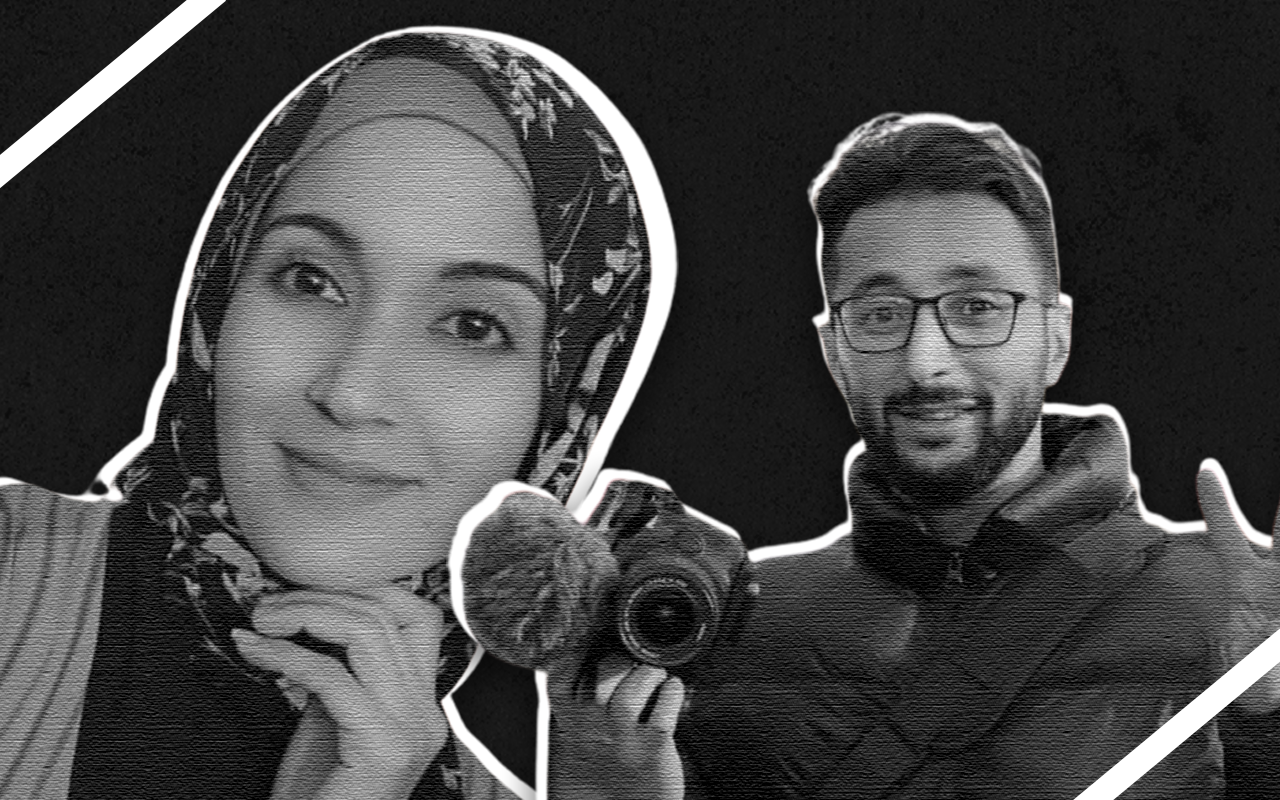
Mohamed al-Khalidi and Marwa Muslim: Forgotten in Life, Vindicated in Death

The occupation killed journalists Mohamed al-Khalidi and Marwa Muslim as part of a systematic pattern of targeting the press, but throughout their careers they also faced neglect, marginalisation, and a lack of recognition. Colleague Maysoun Kahil tells their story, and asks why Palestinian journalists are so often honoured only after death, rather than supported in life.

Maysoun Kahil Published on: 17 Jun, 2026
The Double Ordeal of Freelance Journalists in Gaza

Independent journalists in Gaza face a dangerous double battle. Working without institutional protection or financial safety nets, they risk their lives to report the reality of war, overcoming severe resource shortages and systemic neglect to ensure the world hears the truth.

Noor Abu Rokba Published on: 14 Jun, 2026
The Left and the Right in One Front Against Journalism in South America

Journalism in Latin America is facing a crisis of hostility. In the age of political polarization, governments from both the left and the right are not merely managing states; they are actively harassing critical voices, imposing institutional censorship, and enforcing official narratives that attack independent media to silence disagreement and fake democracy across the region.

Noe Zavaleta
Noe Zavaleta Published on: 8 Jun, 2026
How Journalists are Combating Cybertroopers 

The brutal state crackdown in Đồng Tâm highlights a intensifying withdrawal from free expression in Vietnam, heavily driven by the regime's deployment of state-backed cyberarmies like Force 47. As these digital actors systematically intimidate and mass-report critics, tech giants like Meta further compound the issue by increasingly acquiescing to government censorship requests to protect market share. This coordinated digital assault leaves a dangerous gap in the global conversation, forcing independent journalists to navigate severe online hostility and risk arbitrary imprisonment just to expose state overreach.

AJR Contributor Published on: 25 May, 2026
Vases and Baby Diapers: War as Told by People, Not Politicians!

The analysis of field reporting during the war reveals a deep divide between distant geopolitical news and the actual human reality on the ground. This conflict between official media assignments and the lived experience will continue as journalists find themselves abandoning institutional scripts to focus instead on the raw details of daily survival and the preservation of personal memory.

Maram
Maram Humaid Published on: 21 May, 2026
Safety Strategies Female Journalists Use in Hostile Environments

Female journalists across Africa face layered physical, gender-based, digital, and psychological risks while covering protests, elections, conflict, and crises, forcing them to rely on hard-earned survival strategies as much as newsroom support.

Nigerian freelance Journalist John Chukwu
John Chukwu Published on: 14 May, 2026
The Afterlife of an Image: How Photojournalism Contests Shape Visibility and Responsibility

As photojournalism contests elevate certain images to global prominence, they also influence how violence, dignity, and memory are constructed in the public imagination.

Daniel Harper
Daniel Harper Published on: 5 May, 2026
Malawi Investigates Poor Pay and Working Conditions for Junior Journalists

Malawi’s investigation into poor pay for junior journalists exposes a deeper crisis where economic hardship is eroding media independence and forcing reporters to choose between ethical integrity and survival.

Benson Kunchezera Published on: 30 Apr, 2026
Journalism as a Struggle for Survival in Sudan

With war erupting in Sudan, the country’s media landscape collapsed almost overnight after the Rapid Support Forces entered Khartoum. Many journalists were left without jobs, salaries or shelter, scattered between displacement, exile and siege, as newspapers shut down and media institutions ceased to function. For many, journalism was no longer a profession but a daily struggle for survival.

Saif al-Din al-Bashir Ahmed Published on: 27 Apr, 2026
From Print to Pixels: How Small-Town Journalists in Bihar Are Surviving Threats and Closures

As newspapers vanish across districts like Siwan, Gaya, and Purnea, reporters turn to mobile phones, digital start-ups and community networks to keep local journalism alive.

Rehan Qayoom Mir. An independent journalist whose work has appeared in international and national outlets,
Rehan Qayoom Mir, Sajad Hameed Published on: 12 Apr, 2026
Arab Society and Investigative Journalism: The Dialectic of Culture, Power, and Profession

Investigative journalism in Arab societies operates within a dense web of social, political, and cultural pressures that often push journalists to balance truth-telling against survival, forcing them onto a precarious “razor’s edge.” Yet despite these constraints, moments of crisis can transform society itself from a source of pressure into a powerful ally, driving accountability and reigniting the pursuit of truth.

Musab Shawabkeh
Musab Al Shawabkeh Published on: 7 Apr, 2026