Rebuilding Gaza’s media requires more than restoring equipment and newsrooms: it means protecting and supporting journalists, rebuilding institutions, strengthening professional standards, and preserving journalism’s role as a living witness to the truth.
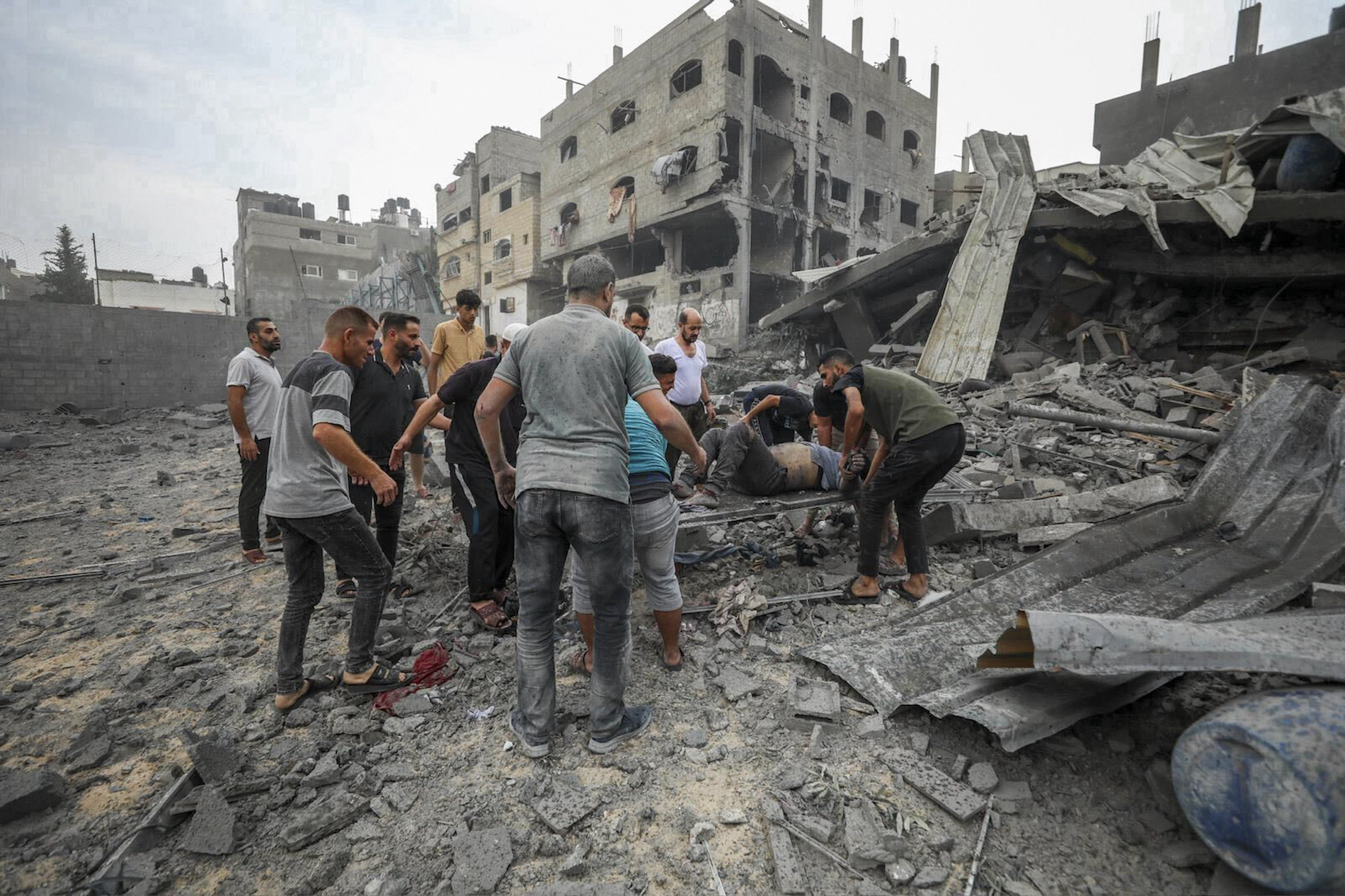
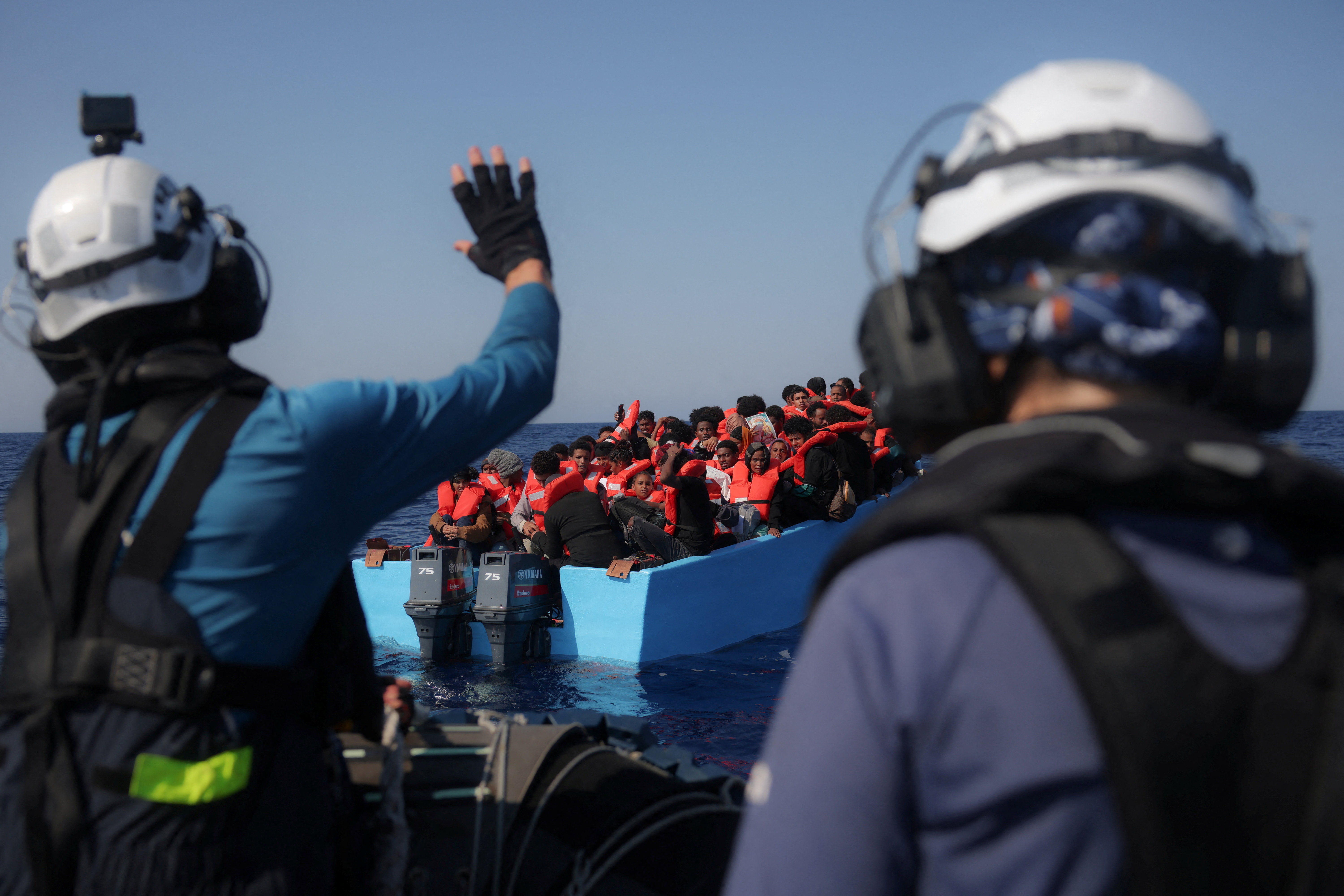
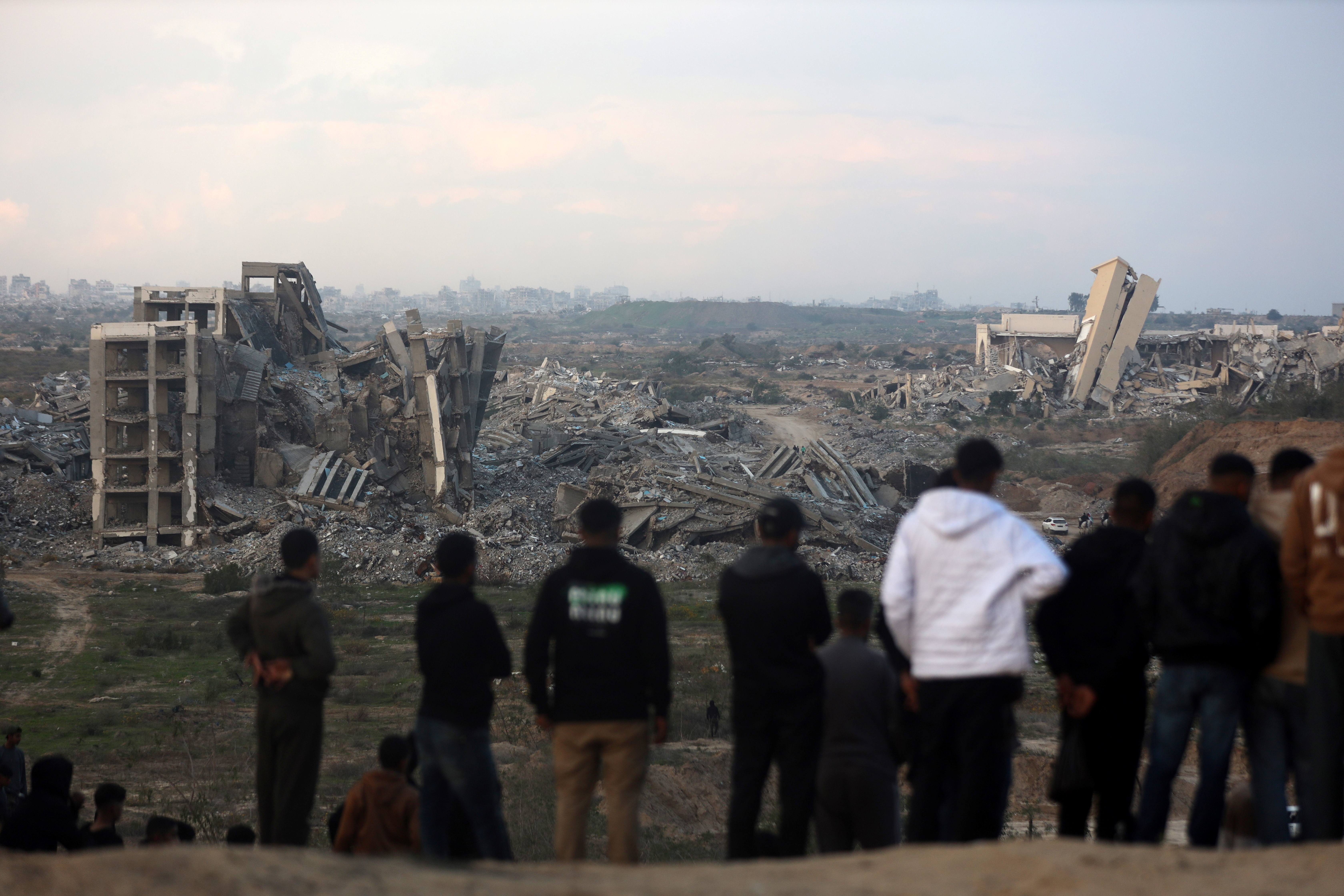
This war on the Gaza Strip was neither conventional nor ordinary, but a comprehensive confrontation that targeted people, place and even the narrative. At the heart of this complex event, Gaza’s media was not merely a conveyor of events, but a direct target in the battle to control the truth. Journalists were killed while covering events, others were injured, media institutions were destroyed, and the truth itself was besieged in an attempt to silence the voice that conveyed to the world scenes of genocide and destruction over two full years.
As the bombardment recedes and hope grows that the war may stop, the challenge is no longer only about survival and clinging to hope, but about “returning” to life once again. With that comes another kind of challenge: how can the media in Gaza recover after a war that depleted its institutions and resources, exhausted its journalists, and confronted its mission with complex and unprecedented challenges?
This reality has made discussion of media recovery an urgent necessity that goes beyond restarting broadcasting and production equipment or restoring destroyed buildings. The issue is far deeper and more complex than that. It concerns restoring the spirit and rebuilding the functional role of media in a society that has just emerged from a devastating war. Recovery here means moving from crisis and disaster journalism, governed by speed and shock, towards journalism of depth, analysis and explanation as an organised, systematic framework for trying to understand and unpack what happened, place it in its various contexts, and ask the major questions: What actually happened? What are the repercussions of what happened? And where is Gaza heading politically, in media terms, and socially?
In the case of the Gaza Strip, this concept also acquires a particular additional dimension because the battle over the narrative continues, along with attempts by the occupation to reproduce a narrative that strips it of the status of perpetrator and reframes its war as “self-defence”. On the Palestinian side, by contrast, the challenge lies not only in conveying what happened, but in betting on the role of journalism in the post-trauma phase to build a balanced media discourse that preserves collective memory without merely mourning it and offers deep analysis without losing its human sensitivity: a discourse that combines documenting the crime and preserving testimony with contributing to rebuilding society and exposing the falsehood of Israeli discourse.
On the Palestinian side, the challenge lies not only in conveying what happened, but in betting on the role of journalism in the post-trauma phase to build a balanced media discourse that preserves collective memory without merely mourning it.
A Crisis-Ridden Reality
Dr Ahmad al-Shaqaqi, a professor of media at Palestinian universities in the Gaza Strip, believes that the media system during the war was in crisis from multiple angles, both institutionally and in terms of organisational structures, without overlooking the fact that this system retained continuing momentum in the symbolic role it played in presenting the Palestinian narrative. He points to the emergence during the genocidal war on the Strip of what he calls “crisis media”, which continues to this day despite the ceasefire agreement. The reasons are multiple, but ultimately they leave the media environment fragile and weak.
Al-Shaqaqi links the success of a media recovery plan in Gaza to building a new media environment that is coherent, integrated and developed. What is required is not a return to the situation that existed before the war, but work across multiple tracks that shape the media environment in the Gaza Strip, whether the sender, the journalist; the institutions, the medium; the content, the message; or the audience, the recipient. Recovery plans must therefore be developed for all these elements in a way that equips them for constructive media interaction, serves the Palestinian narrative, and strengthens its presence at every level.
Al-Shaqaqi believes that human resources are the fundamental pillar of any theory of media-sector recovery. Despite the war's brutality, the experience helped hone journalists’ skills, strengthen their crisis-management abilities, and innovate professional alternatives to ensure the truth continued to be conveyed. Alongside this comes the need to rebuild destroyed infrastructure, provide a legal framework that protects journalistic freedom, and reform editorial policies with clear plans to shift from covering crimes to broader, more developed media roles.
The absence of a recovery framework will therefore create multiple problems at different levels, as al-Shaqaqi says: “Problems for exhausted journalists, which may negatively affect the quality of their work or push some of them to consider migration, in addition to chaos in the media content reaching the public and the continuation of rumours that undermine social values and give the occupation an opportunity to spread a spirit of defeat.”
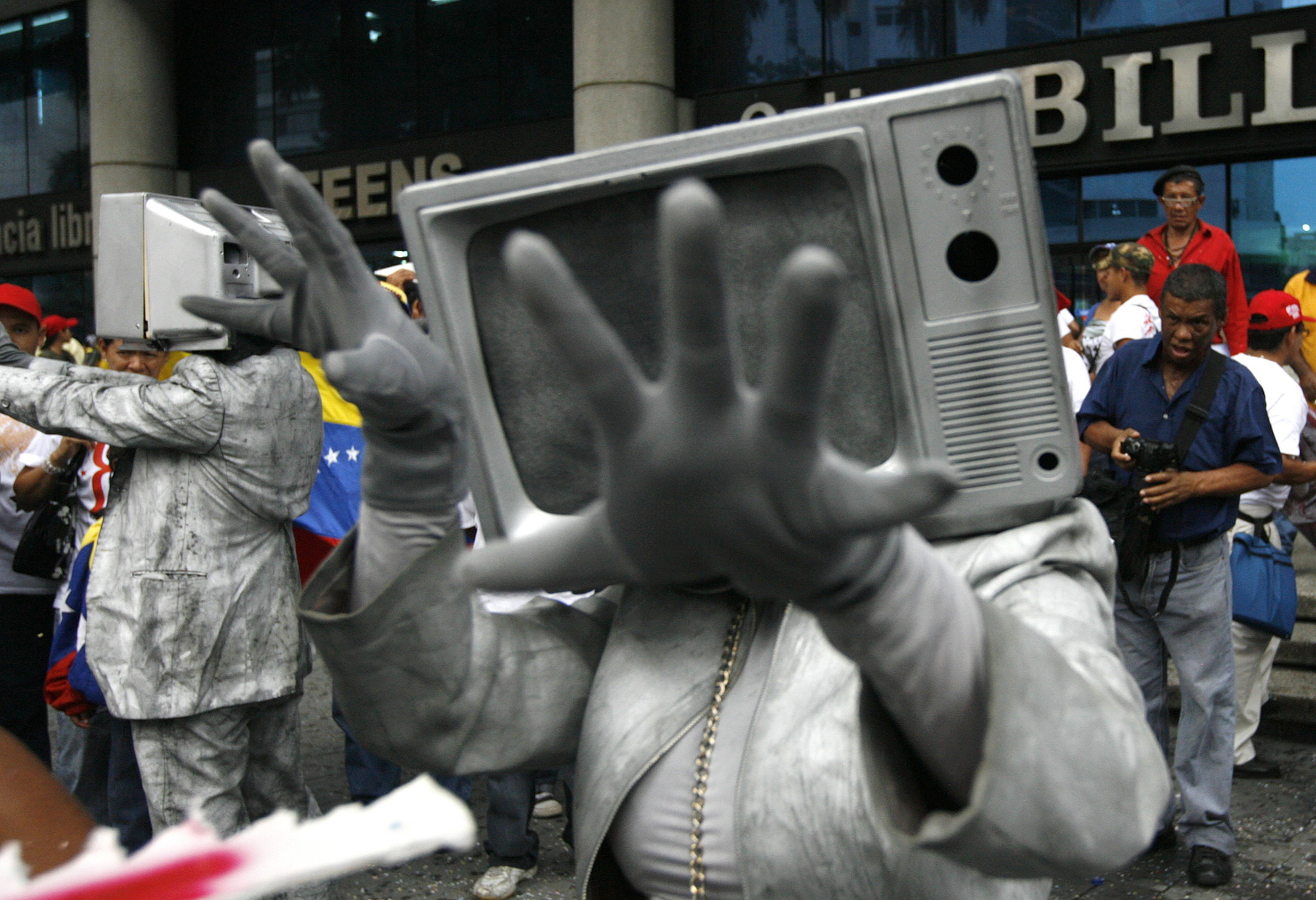
Despite the severity of the situation, the media experience as a whole must be re-evaluated. Recovery can provide an opportunity to strengthen professional ethics, develop journalism in general, and reduce information disorder, particularly amid the spread of misleading news and rumours through social media platforms. It can also help consolidate an aware form of community media that reflects citizens’ concerns and aspirations without interference.
On that basis, Iyad al-Qarra, director-general of the local newspaper Felesteen, believes that the war directly and profoundly affected the course of media work, particularly because of prolonged telecommunications and internet outages and the difficulty of movement. The destruction of printing presses led to the cease publication and distribution of newspapers from the beginning of the war. This affected the nature of content, with most institutions moving to digital publishing and social media platforms, while field coverage was reduced because of security risks and lack of resources.
The harsh conditions media institutions faced further complicated the scene. Speaking to Journalism Magazine, al-Qarra explains that his institution was no exception. Like other institutions in the Gaza Strip, it suffered severe damage after the building housing the newspaper’s headquarters was destroyed and the devices and journalistic equipment used for filming and preparing material were lost. The losses did not stop there. A number of its journalistic staff were killed, making the continuation of work a daily challenge weighing heavily on those who remained.
Al-Shaqaqi believes that human resources are the fundamental pillar of any theory of media-sector recovery. Despite the brutality of the war, the experience helped hone journalists’ skills, strengthen their ability to manage crises, and innovate professional alternatives to ensure that the truth continued to be conveyed.
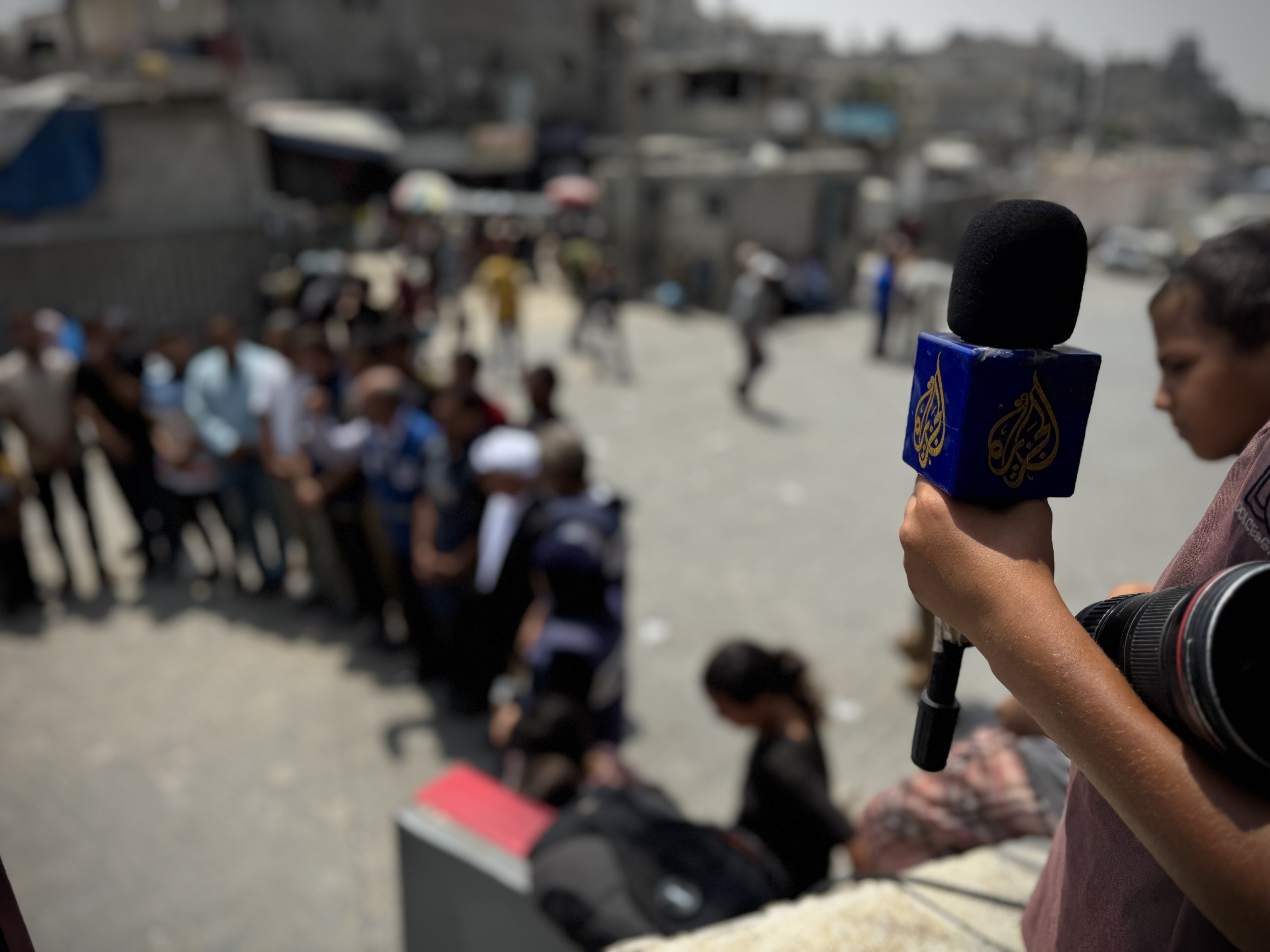
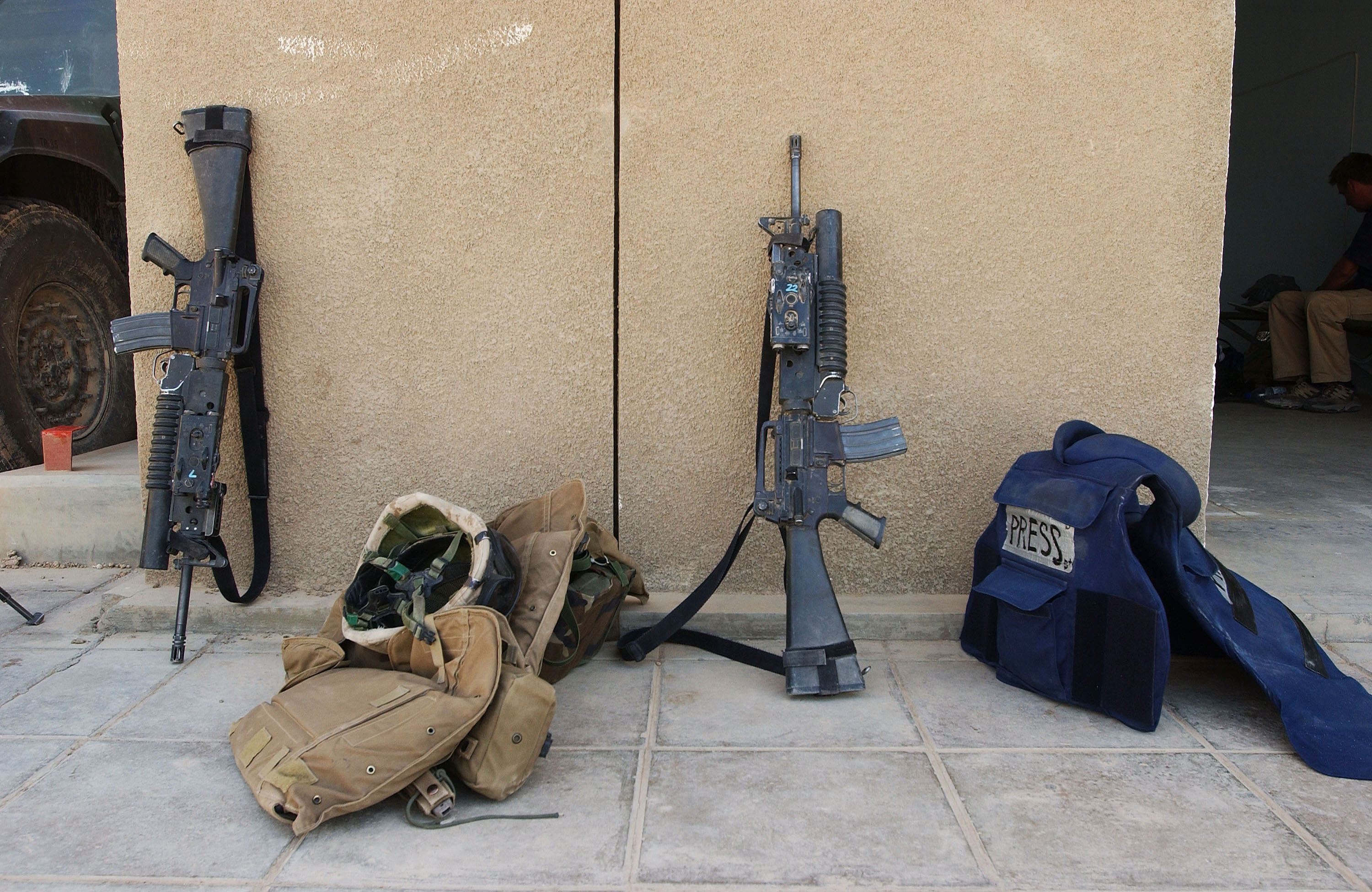
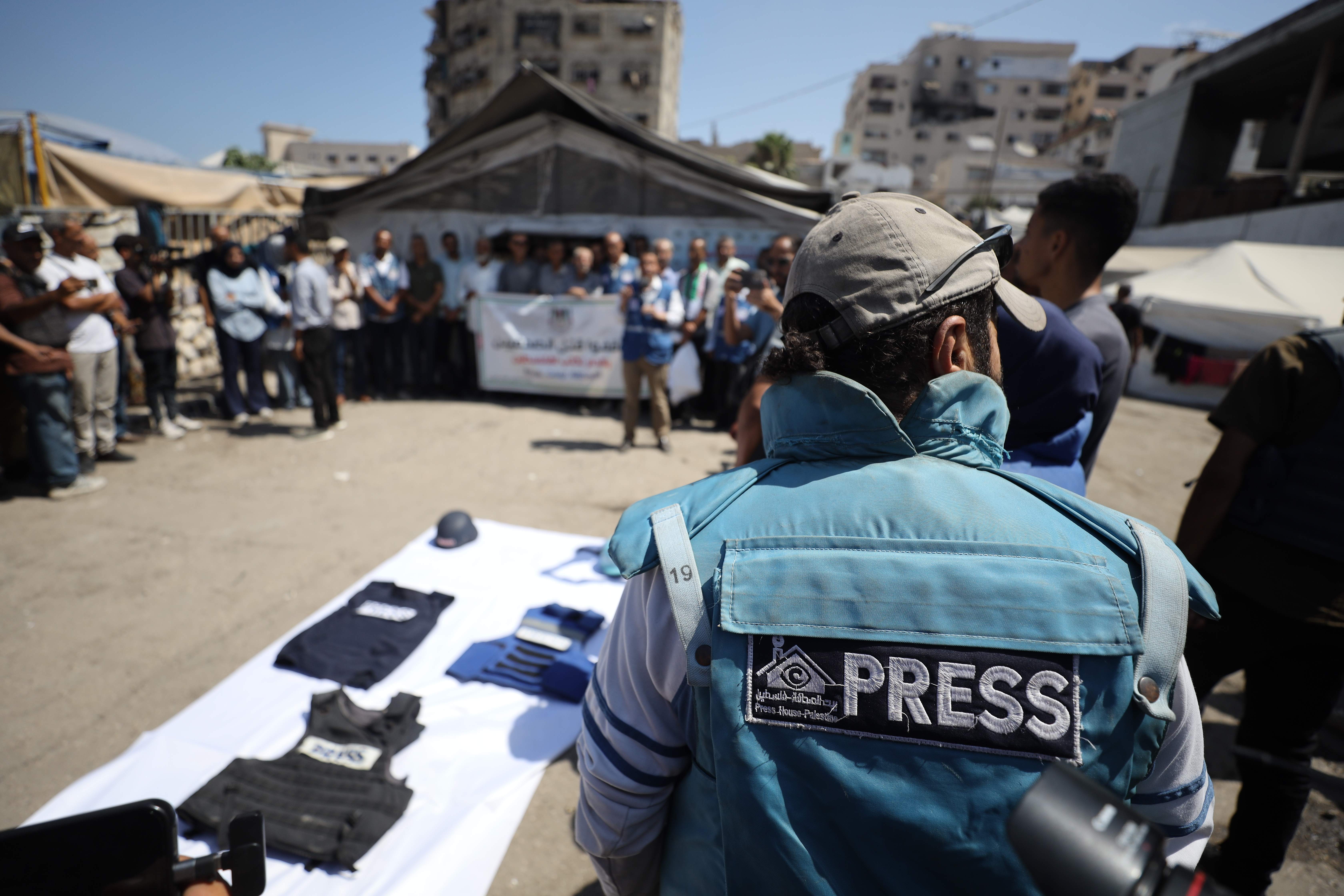
The destruction during the war on the Gaza Strip was not incidental or confined to civilian infrastructure, but extended to Palestinian media as a direct target in a war that targeted both place and message. The number of journalists killed rose to 262 since the beginning of the genocidal war, including correspondents, photographers and editors working for local and international media outlets. According to the Government Media Office, 143 media institutions were also targeted, including 12 print newspapers, 23 electronic newspapers, 11 radio stations and four satellite channels, in addition to the destruction of the offices of 12 Arab and international satellite channels. This reality forced longstanding media and journalistic institutions to cease publication after losing their offices, printing presses and sources of funding.
The office estimated losses to Gaza’s media sector at more than $400 million, as a result of what it described as a “comprehensive war that targeted people and buildings, image and sound, and the written word”.
Like other affected institutions, Felesteen newspaper is currently operating under exceptional and harsh conditions, from temporary work points inside tents or shared media centres affiliated with local syndicates and unions. Work relies mainly on websites and social media platforms as a temporary alternative, using the minimum available resources and often journalists’ personal equipment.
Despite the importance of this shift, Gaza’s media faces a range of challenges, according to al-Qarra. Chief among them are weak funding, the loss of journalistic staff and lack of protection for them, restrictions on the entry of filming, recording and editing equipment, continuing Israeli military restrictions, and the absence of guarantees for continuity of media work. Added to this is general social exhaustion, which limits the public’s ability to engage with media content.
Unprecedented Situations
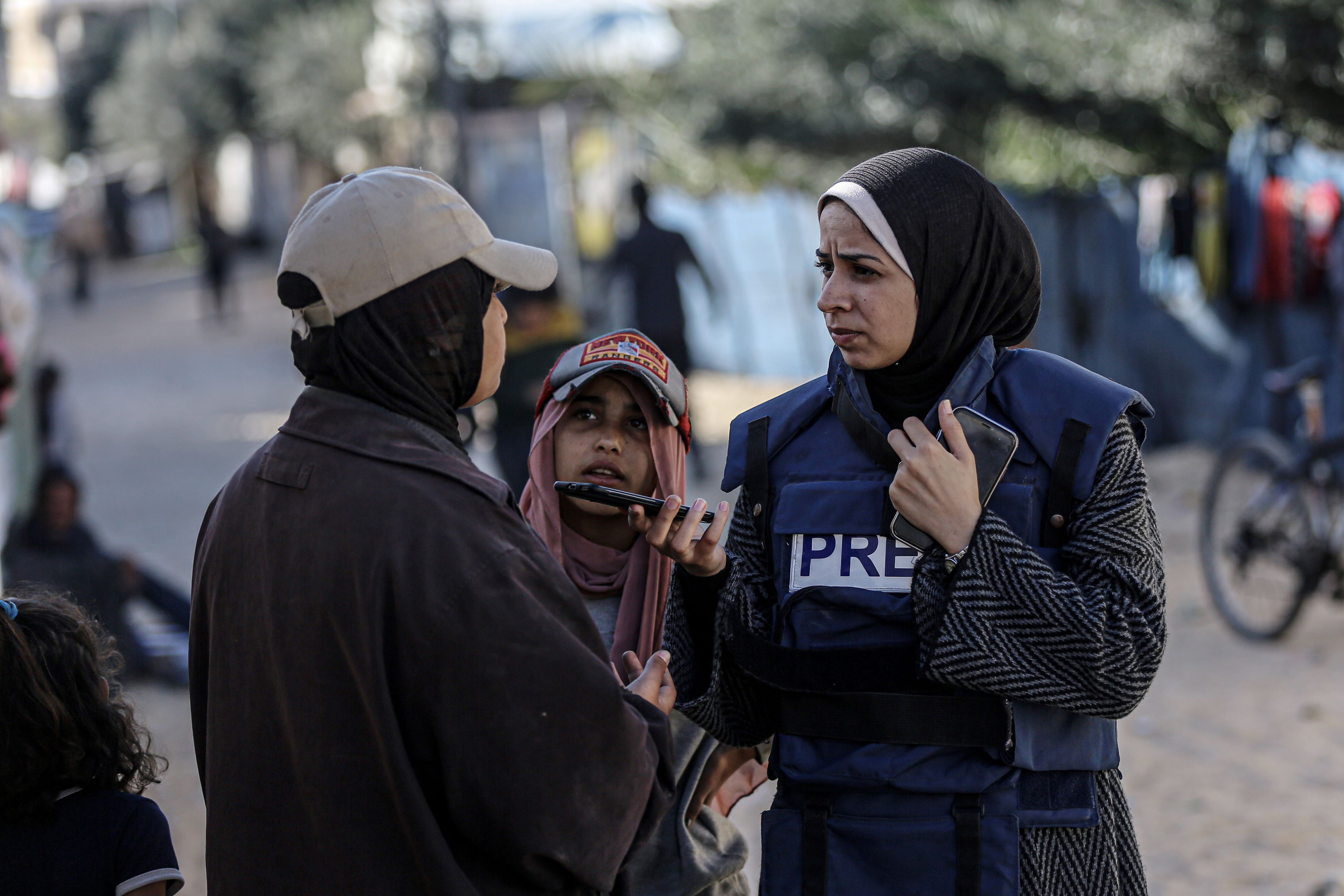
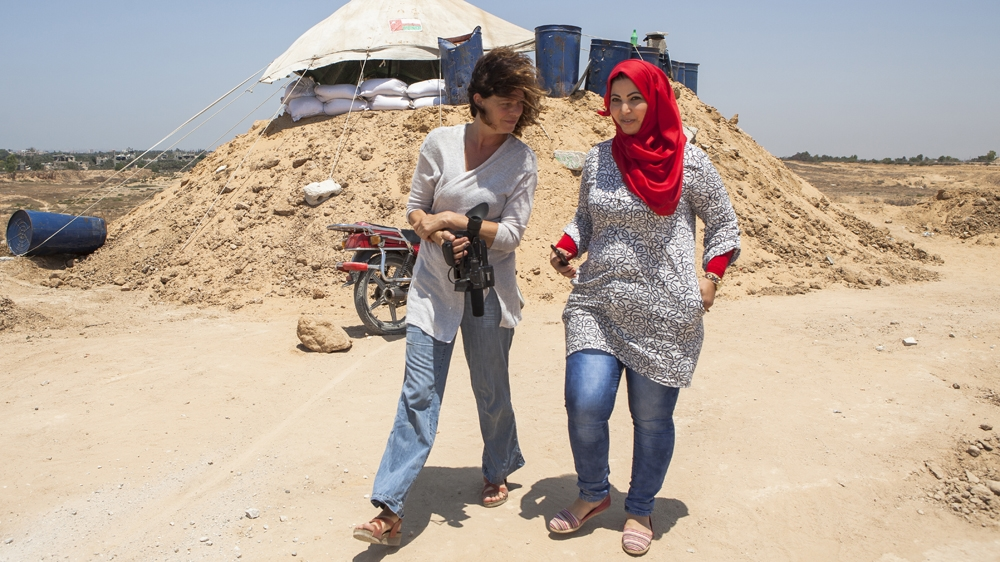
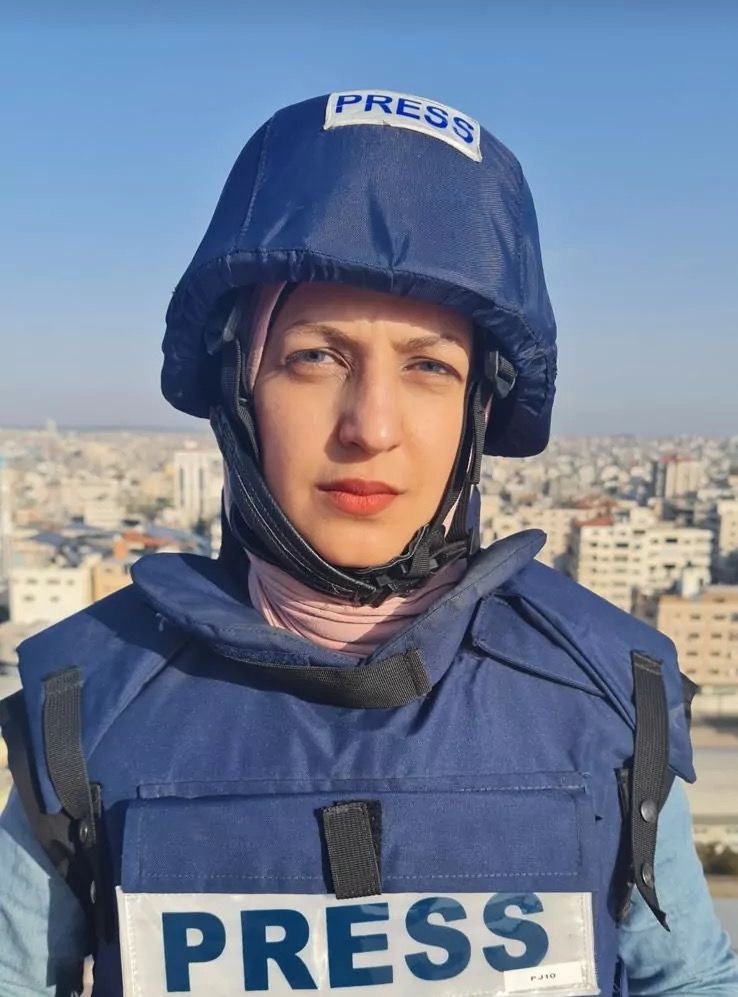
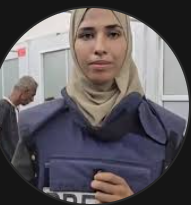
The war pursued journalists ever more closely, as though taking revenge on those who reminded it of the shocking facts surrounding the crimes, according to Ruba al-Ajrami, a correspondent for the Turkish broadcaster TRT:
“Combining the harsh personal experience with the demands of professional work in the Gaza Strip creates a compound challenge. The journalist became a direct target, and many were reporting the tragedy while being part of it themselves, at a time when their families and surroundings were facing extremely harsh conditions.” Al-Ajrami describes the experience as “extremely brutal, but at the same time it deepened professional experience and revealed the resilience of the Palestinian journalist and their ability to convey the truth with a high degree of professionalism despite overwhelming circumstances, making them one of the pillars of civilian steadfastness”.
Al-Ajrami did not conceal the fact that journalists demonstrated a high level of professionalism and detachment. They conveyed events as they were, without exaggeration or embellishment, because the scale of the crimes committed was enough to reveal their enormity without departing from professional frameworks.
Amid this war, the battle was no longer confined to the field. Its fragments extended to rebuilding the human being and to understanding the challenges of recovery and the psychological and social interventions required to confront long-term effects. Al-Ajrami stresses that journalists need psychological and social support programmes because of the major trauma and harsh, difficult scenes they were exposed to during media coverage, as well as professional support and advanced training in crisis journalism and information verification. This must be matched by providing essential needs, including basic professional safety equipment and other necessities, to restore a minimum level of professional stability.
Gaza’s media faces a range of challenges, according to al-Qarra. Chief among them are weak funding, the loss of journalistic staff and lack of protection for them, restrictions on the entry of filming, recording and editing equipment, continuing Israeli military restrictions, and the absence of guarantees for continuity of media work. Added to this is general social exhaustion.
A Phased Recovery Plan
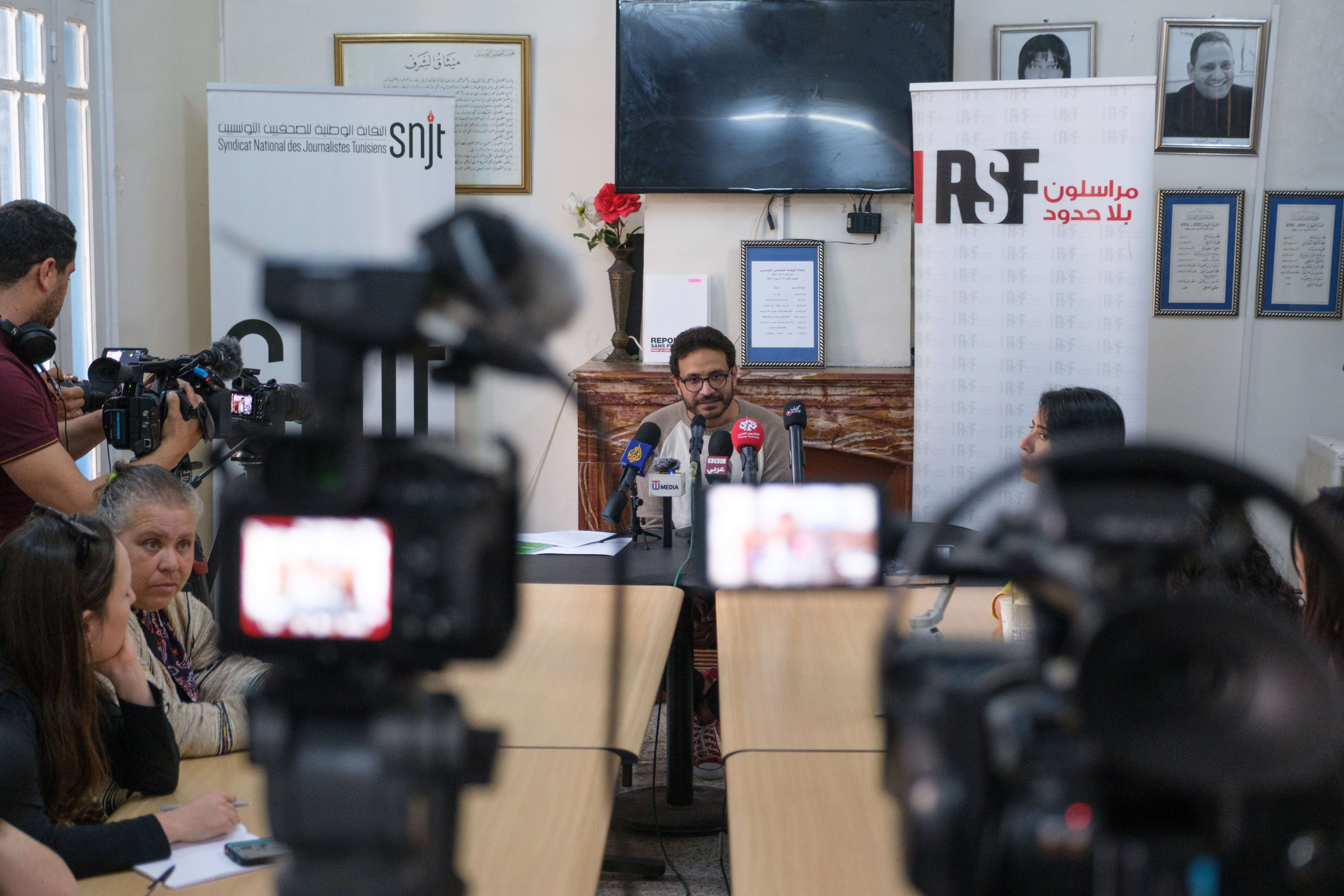
The Palestinian Journalists’ Syndicate adopted a phased recovery plan that included establishing three media solidarity centres in Gaza, providing journalists with health and relief support, and connecting them with local and international institutions to strengthen their resilience during the temporary recovery phase. This came after the difficult reality of the war forced journalists to work from hospitals, shelters and tents amid severe logistical crises, most notably restrictions on movement, internet outages and the prevention of professional safety equipment from entering.
Dr Ahed Farwana, Secretary of the Palestinian Journalists’ Syndicate in the Gaza Strip, explains: “Despite the conditions of war, the syndicate worked on preparing a comprehensive study in cooperation with UNESCO to rebuild the media sector. It was presented at an international conference held in Ramallah with participation from the Gaza Strip, but obstacles imposed by the occupation are still hindering implementation.”
Farwana believes that the legal framework for media recovery in Gaza rests on official government support through the establishment of a national media recovery fund financed jointly by the government and supporting bodies, alongside political and legal action to guarantee the protection of journalists in accordance with UN Security Council Resolutions 1738 and 2222, the Fourth Geneva Convention, and in cooperation with the International Federation of Journalists.
It can be inferred from the above that media recovery in Gaza at the present time depends on carrying out a comprehensive assessment of the damage, defining the post-war media mission, protecting and supporting journalists psychologically and professionally, integrating governmental, syndicate, local, Arab and international efforts, and turning support from promises on paper into practical programmes on the ground that ensure the media remains a living witness to the truth and a prominent symbol of it, rather than becoming another victim of the war.
This article was published on: 30/08/2026