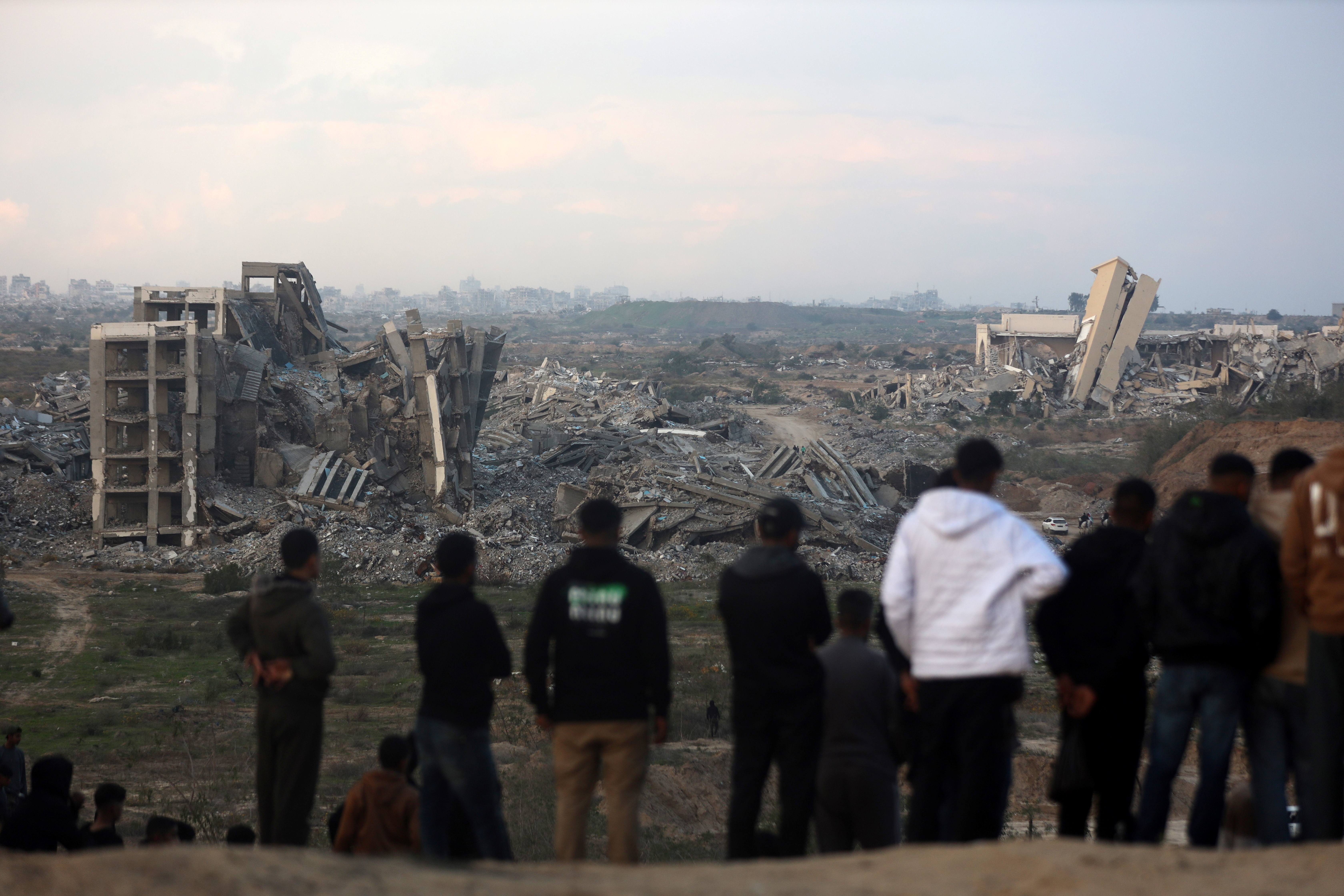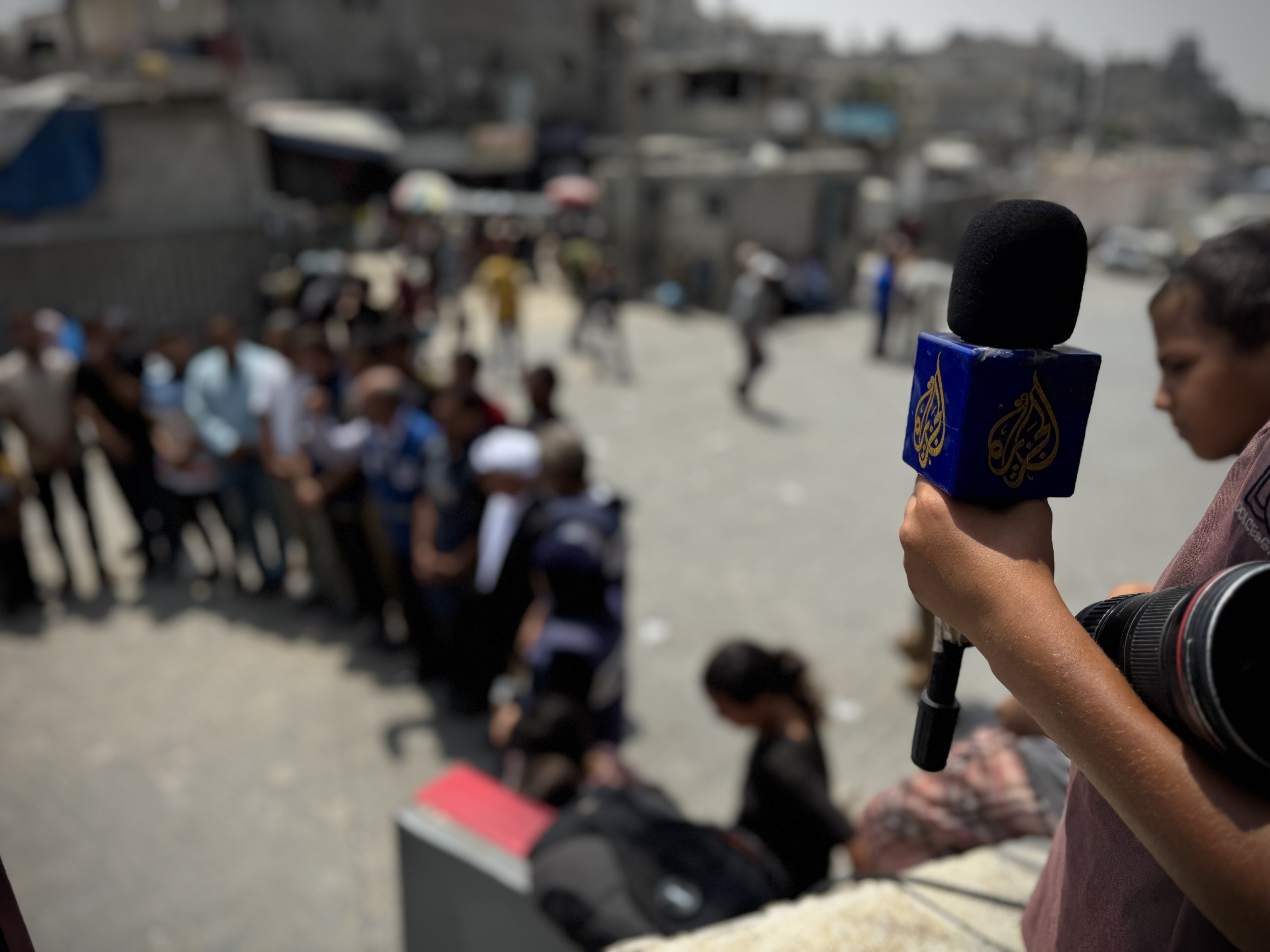
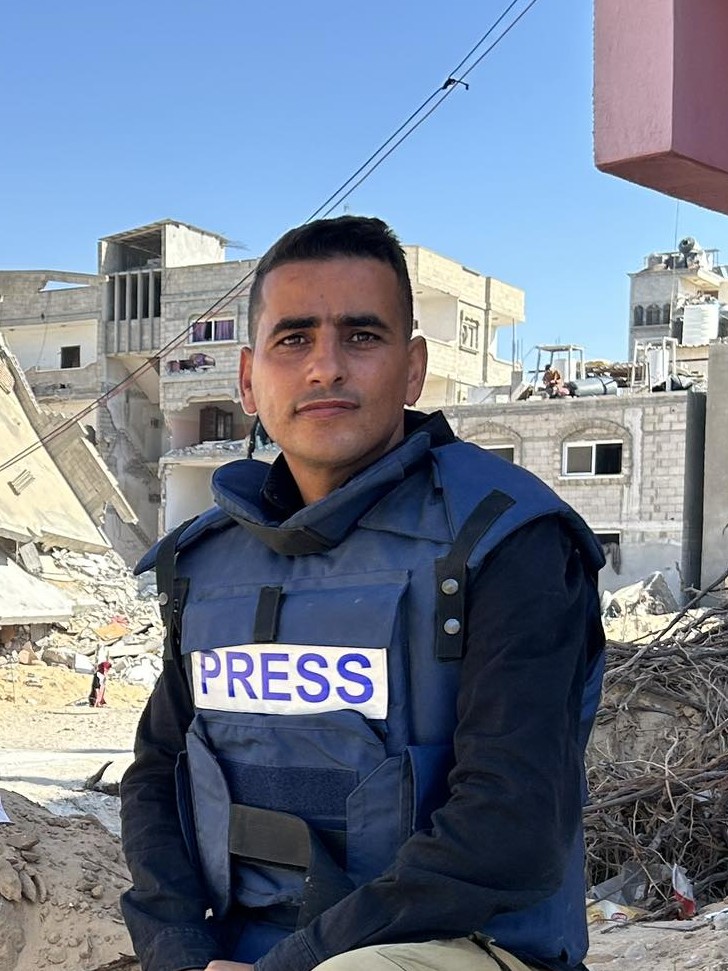
The genocidal war has systematically devastated the media sector in the Gaza Strip. With the occupation destroying over 150 media organizations, printing presses have completely shut down, forcing all newspapers to shift entirely to digital coverage
Over the past two decades, print journalism has faced growing existential challenges that have accompanied the rise of digital media. The latter has come to pose a threat to traditional media as a source of news, given the nature of conventional journalistic work, which limits its ability to keep pace with digital media and its speed.
In the Gaza Strip, the genocidal war waged by Israel on Gaza constituted a real test of this shift in the balance of news in favour of digital platforms, which became the primary medium for conveying news and the latest information to the public.
What further reinforced this heavy reliance on digital platforms were the blows suffered by both print and radio journalism in the Gaza Strip as a result of systematic targeting. Months of continuous war caused traditional media outlets to fall completely outside the circle of coverage.
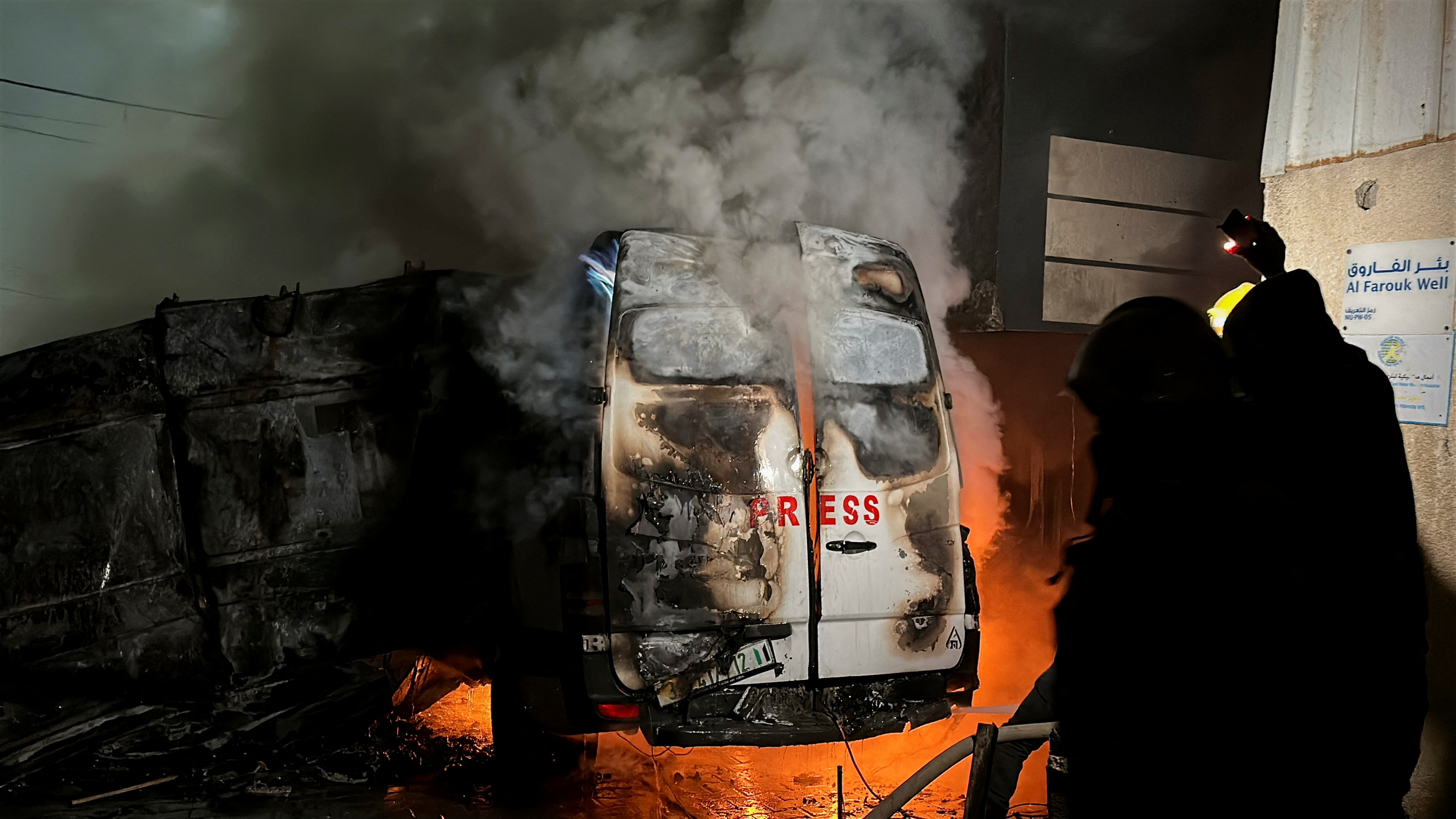
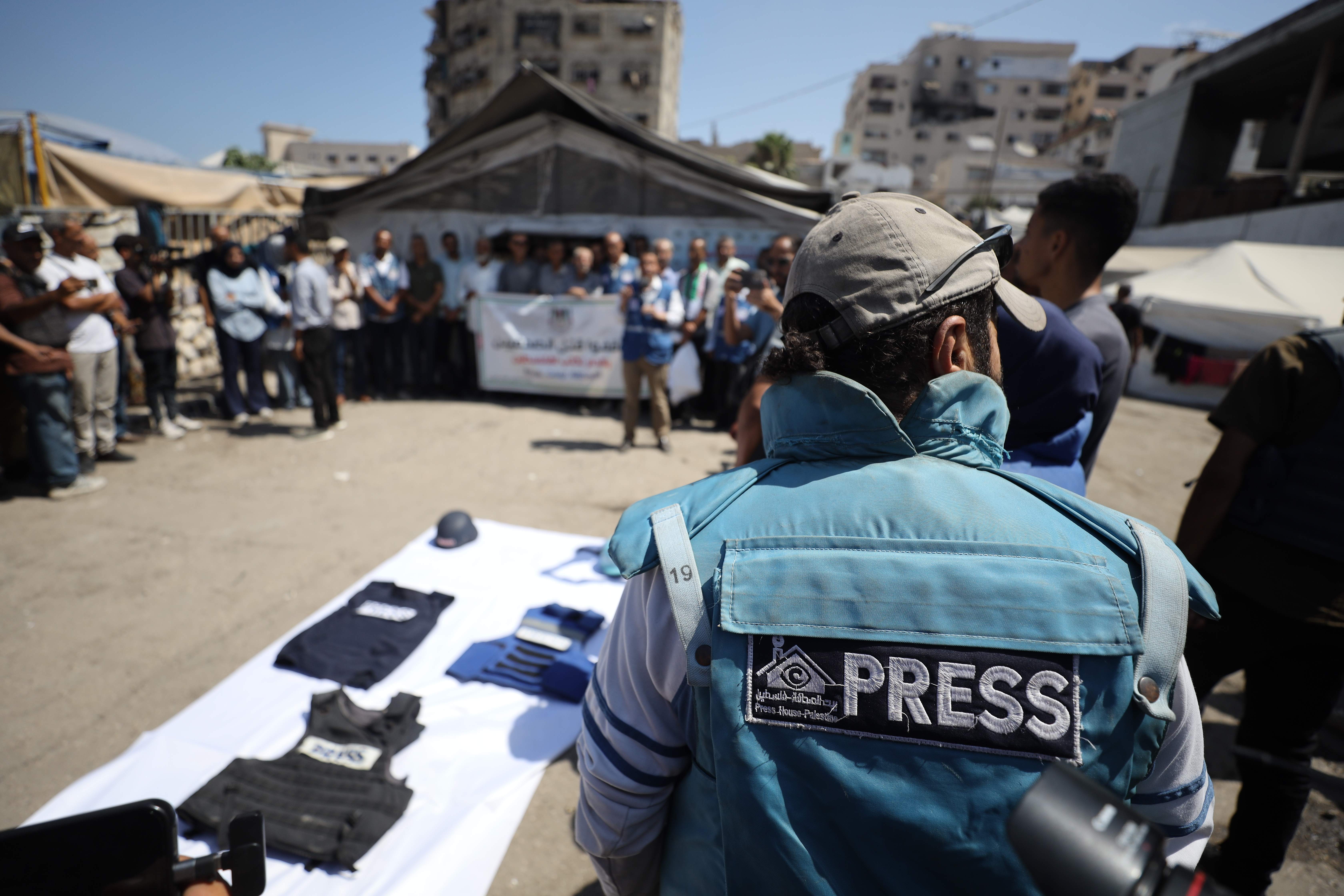
This forced absence came as a result of the continuous targeting of journalists. The Israeli occupation has killed 262 journalists since October 2023 and arrested more than 50 journalists, according to the Government Media Office in Gaza. The Israeli occupation army has also destroyed more than 150 media institutions, in addition to cutting electricity and internet access, and printing presses have stopped operating after being bombed or threatened with attack.
All these factors contributed to an almost total paralysis of traditional channels for transmitting news, opening the way for digital platforms to fill this void and meet the public’s constant need for knowledge and for details of events as they unfold.
According to the Government Media Office in Gaza: the Israeli occupation army has destroyed more than 150 media institutions, in addition to cutting electricity and internet access, and printing presses have stopped operating after being bombed or threatened with attack.
According to the Government Media Office in Gaza: the Israeli occupation army has destroyed more than 150 media institutions, in addition to cutting electricity and internet access, and printing presses have stopped operating after being bombed or threatened with attack.
Stopping Printing
Felesteen newspaper, the only daily print newspaper published in the Gaza Strip, stopped printing and distribution in the first days of the war, and shifted all its capacity to online work in an attempt to ensure the continuation of its journalistic coverage at a time when citizens in Gaza were in urgent need of information from trusted journalistic sources.
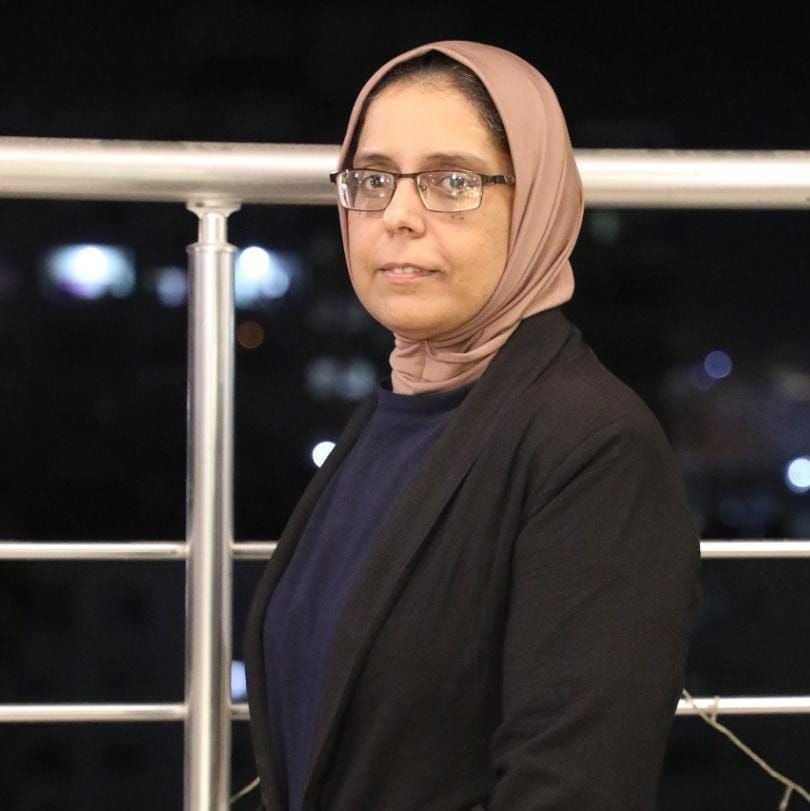
Speaking to Al Jazeera Journalism Review, the director-general of Felesteen newspaper, Dr Iyad al-Qarra, explained that the latest war exceeded all the traditional emergency plans that the newspaper’s management had previously drawn up based on its experience of covering the wars of 2014 and 2021. From the first week, journalists became direct targets of the Israeli occupation, which complicated the structure of communication within the institution.
The systematic targeting of printing presses, the prevention of paper entering the Strip, and direct threats by the occupation also forced Felesteen to stop issuing its print edition. In the face of this total paralysis, which was accompanied by the suspension of the newspaper’s digital edition in the first months and the disruption of its website for several days, the management drew up remedial plans to ensure the continuation of its coverage. It succeeded in resolving the technical problems and resuming work through its website and social media platforms, thanks to the efforts of the team, which managed to overcome these challenges and work on more than one front, as al-Qarra recounts.
The conditions of displacement and repeated incursions did not prevent the newspaper’s team from continuing its work, despite the fact that a large number of journalists were preoccupied with securing their families and themselves. The newspaper’s management was able to overcome the problem of electricity and internet outages by turning the places where journalists had taken refuge near hospitals and international centres into field newsrooms, benefiting from its success in saving most computers and equipment and removing them from the workplace before it was targeted.
To bridge the field gap, the newspaper resorted to an alternative plan: relying on a team of its journalists outside the Gaza Strip. This team took charge of managing the website, producing digital content, designing the newspaper, and issuing it in its digital PDF format.
Felesteen newspaper, the only daily print newspaper published in the Gaza Strip, stopped printing and distribution in the first days of the war, and shifted all its capacity to online work in an attempt to ensure the continuation of its journalistic coverage at a time when citizens in Gaza were in urgent need of information from trusted journalistic sources.
The Absence of Journalistic Forms
The repercussions of the war were not limited to the destruction of the infrastructure of print journalism; they also affected the content of the material. Al-Qarra believes that field challenges prevented the continuation of many important journalistic genres, such as investigative journalism and journalistic interviews, given the field challenges that complicated the environment of journalistic work.
This led journalistic coverage to focus on breaking news and instant field updates through social media platforms, while making strenuous efforts to preserve the “article” as a symbol of the newspaper’s identity, as al-Qarra notes.
Today, despite the newspaper’s continued digital operation, al-Qarra does not see any near prospect of the return of the printed paper edition, given the heavy human losses represented by the killing of a number of its editorial and technical staff, the injury or arrest of others, and the enormous financial challenges added to the institution’s burden after the complete destruction of its building.
The Suspension of Al-Istiqlal Newspaper
Al-Istiqlal newspaper, which had become a daily and was printed twice a week before the war, also stopped printing in the first days of the genocide.
In an interview with Al Jazeera Journalism Review, the newspaper’s managing editor, Khaled Sadeq, said they were unable to continue printing during the war because of the limited availability of the paper needed for printing and the exorbitant rise in the price of what remained of it, which would have imposed a budgetary burden the newspaper could not bear.
Al-Istiqlal faced great difficulty in working after its headquarters was targeted by the Israeli occupation, completely demolished, and all the equipment and devices inside it destroyed. This disrupted all pre-prepared coverage plans, and the newspaper shifted to an emergency system focusing on the website and converting itself into an electronic newspaper issued temporarily twice a week instead of daily, according to Sadeq.
Despite the continued targeting of Al-Istiqlal journalists, five of whom from different departments have been killed, the newspaper has maintained, at a minimum, the provision of recognised journalistic forms such as investigations, interviews, and opinion articles, while giving primary attention to reports and news.
As with Felesteen, Sadeq rules out the possibility of returning to work and printing as before the war unless the Israeli aggression stops completely, the necessary equipment for journalistic work is allowed in, the headquarters is rebuilt and rehabilitated, and freedom of journalistic work is guaranteed without risk.
The repercussions of the war were not limited to the destruction of the infrastructure of print journalism; they also affected the content of the material. Al-Qarra believes that field challenges prevented the continuation of many important journalistic genres, such as investigative journalism and journalistic interviews, given the field challenges that complicated the environment of journalistic work.
Absent Rituals
For his part, Dr Wael al-Manaama, head of the Department of Journalism and Media at the Islamic University of Gaza, believes that print journalism is the foundation of journalistic work. Whoever masters work in this journalistic sector will be able to excel in the other sectors, whether visual, radio, or even digital. This foundation was systematically destroyed during the genocidal war.
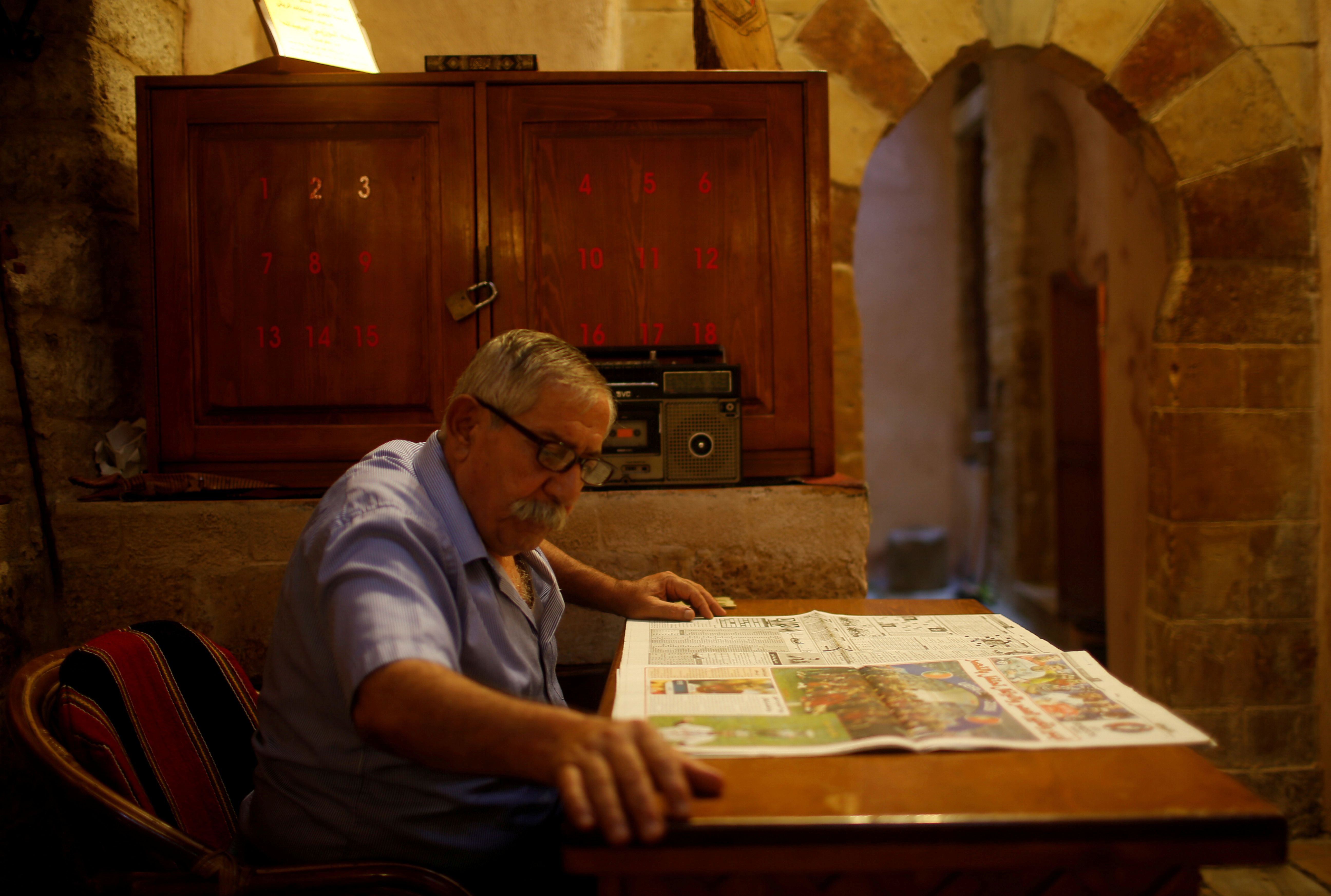
Al-Manaama addressed the major human impact caused by this destruction of print journalism, represented by the deprivation of broad segments of society of what had been considered morning rituals: touching newspaper paper and turning pages between its different subjects. This was a pleasure and a need they did not find in digital platforms, which are characterised by speed, brevity, and glossy headlines at the expense of the careful, in-depth reading preferred by readers of print newspapers.
Despite the bleakness of the scene and the challenges imposed by the genocidal war on the print journalism sector, journalistic institutions in the Gaza Strip insist on the firmly established value of print journalism as documentary journalism possessing the greatest degree of credibility and capacity for long-term historical documentation. This means that the reasons for its return and renewed flourishing remain present, should the necessary foundations become available and the siege on the Strip be lifted.
This article was originally published in Arabic on Published on: 09/06/2026