Al Jazeera Journalism Review

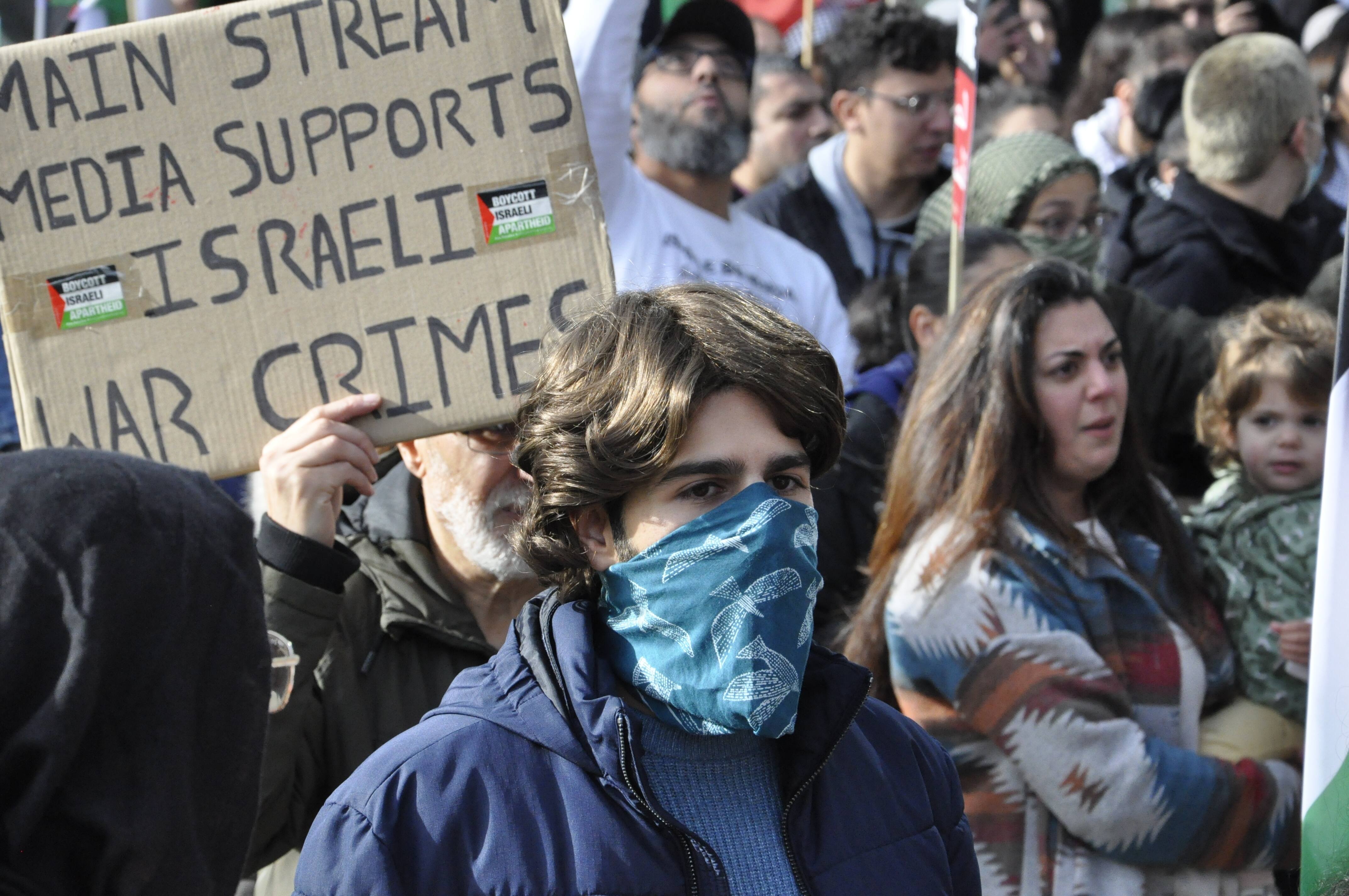
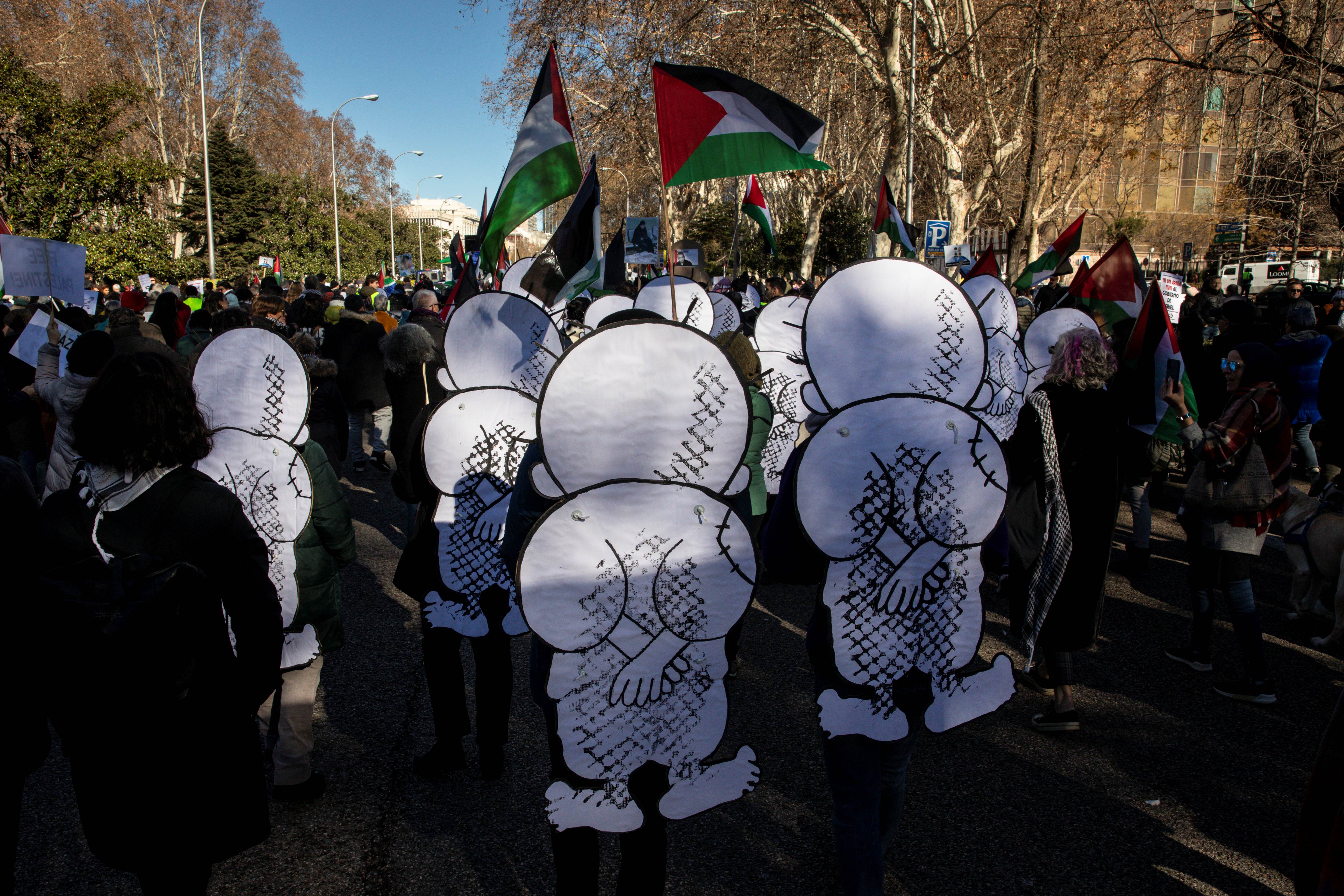
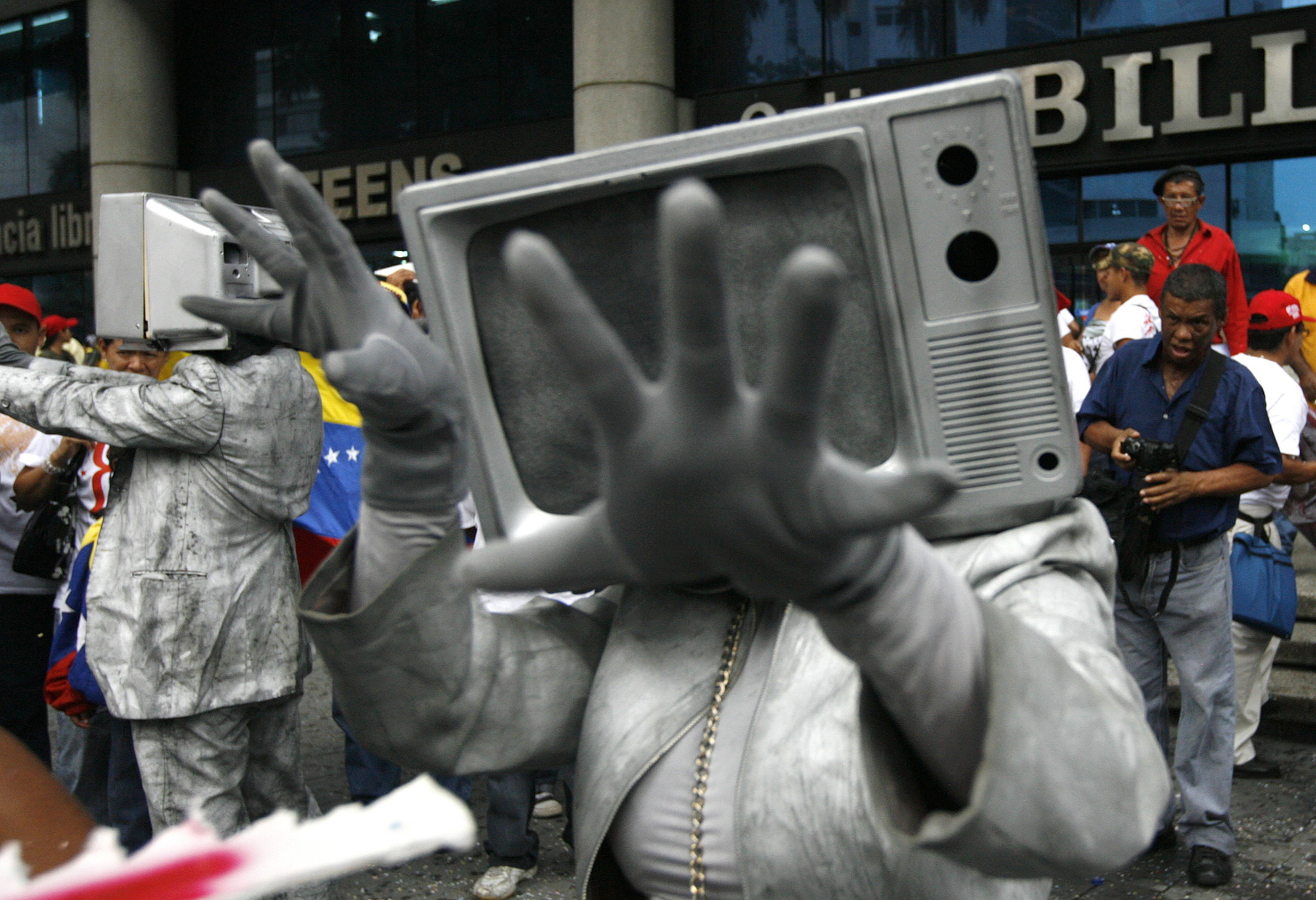
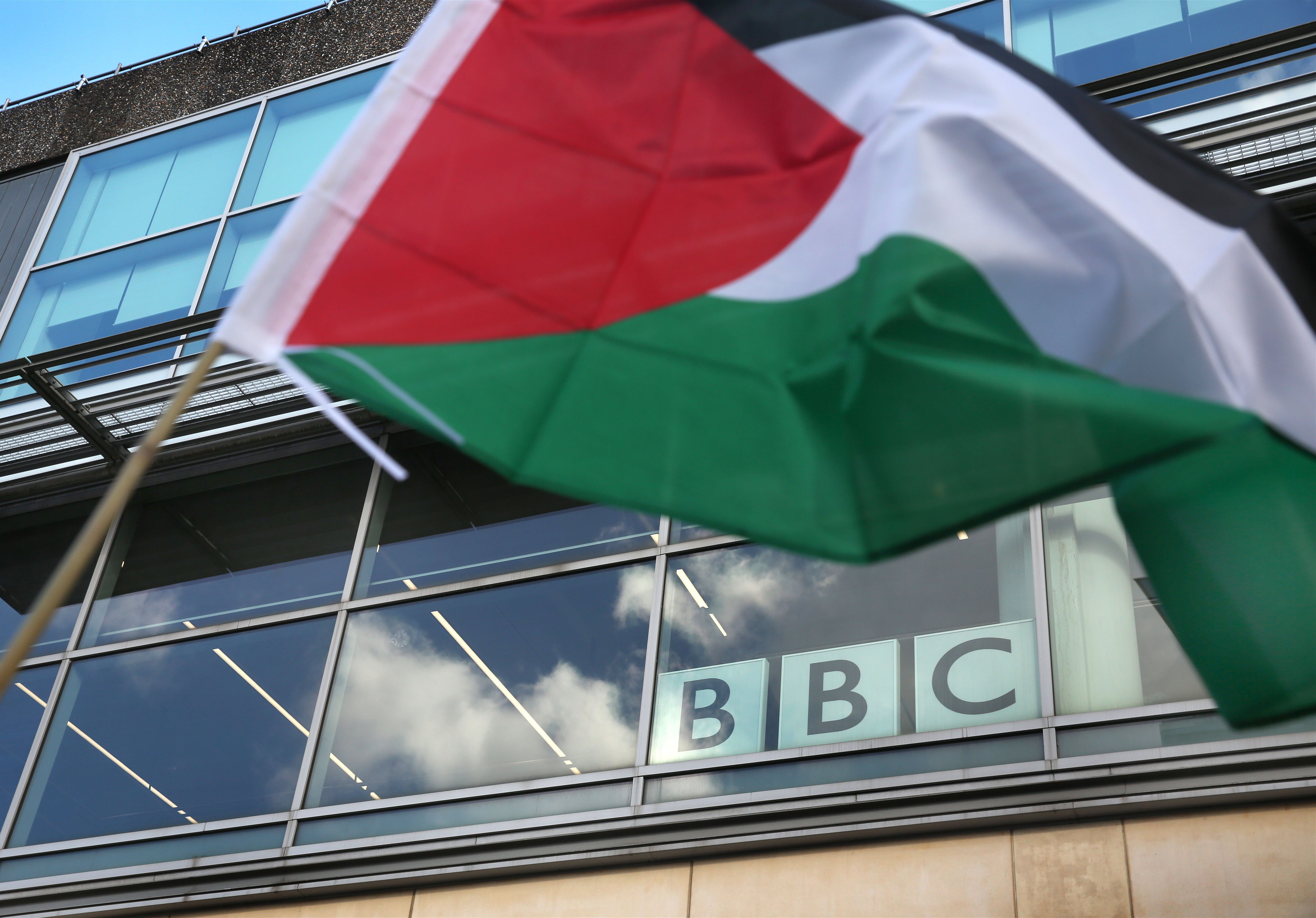
A demonstrator waves a Palestinian flag outside the BBC offices during a march protesting the network's coverage of the conflict in Gaza, with demonstrators accusing Western media of biased reporting and attempting to conceal the truth on the ground (Photo: Martin Pope/ZUMA Press Wire. Birmingham, England, Uk – Oct 2024)

How Sources Shaped the Story of Gaza’s Aid-Site Killings

In conflict reporting, the question is rarely only about what happened. It is also who gets to explain what happened. The findings here suggest that the answer to that question often shapes the story that audiences ultimately receive.

 

During the summer of 2025, at least 1,373 Palestinians were killed while trying to access food at aid distribution sites in Gaza, yet coverage of the same killings looked radically different depending on which outlet one read. A study of 158 articles across four major news organisations found that sourcing decisions often shaped whether those deaths were narrated as a humanitarian atrocity, a crowd-control incident, or a necessary response to disorder. The answer may lie in a routine editorial choice: who gets to explain the violence.

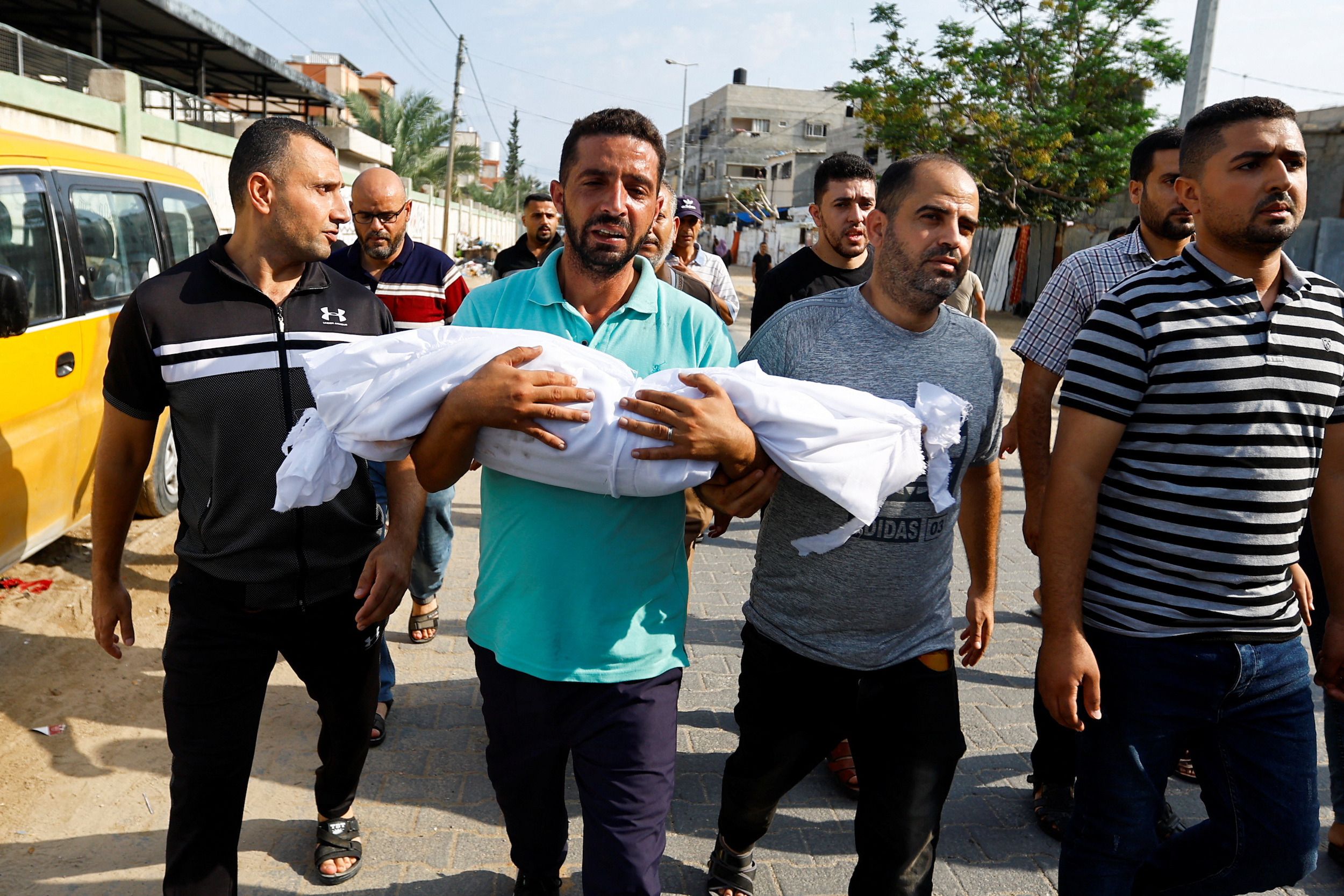
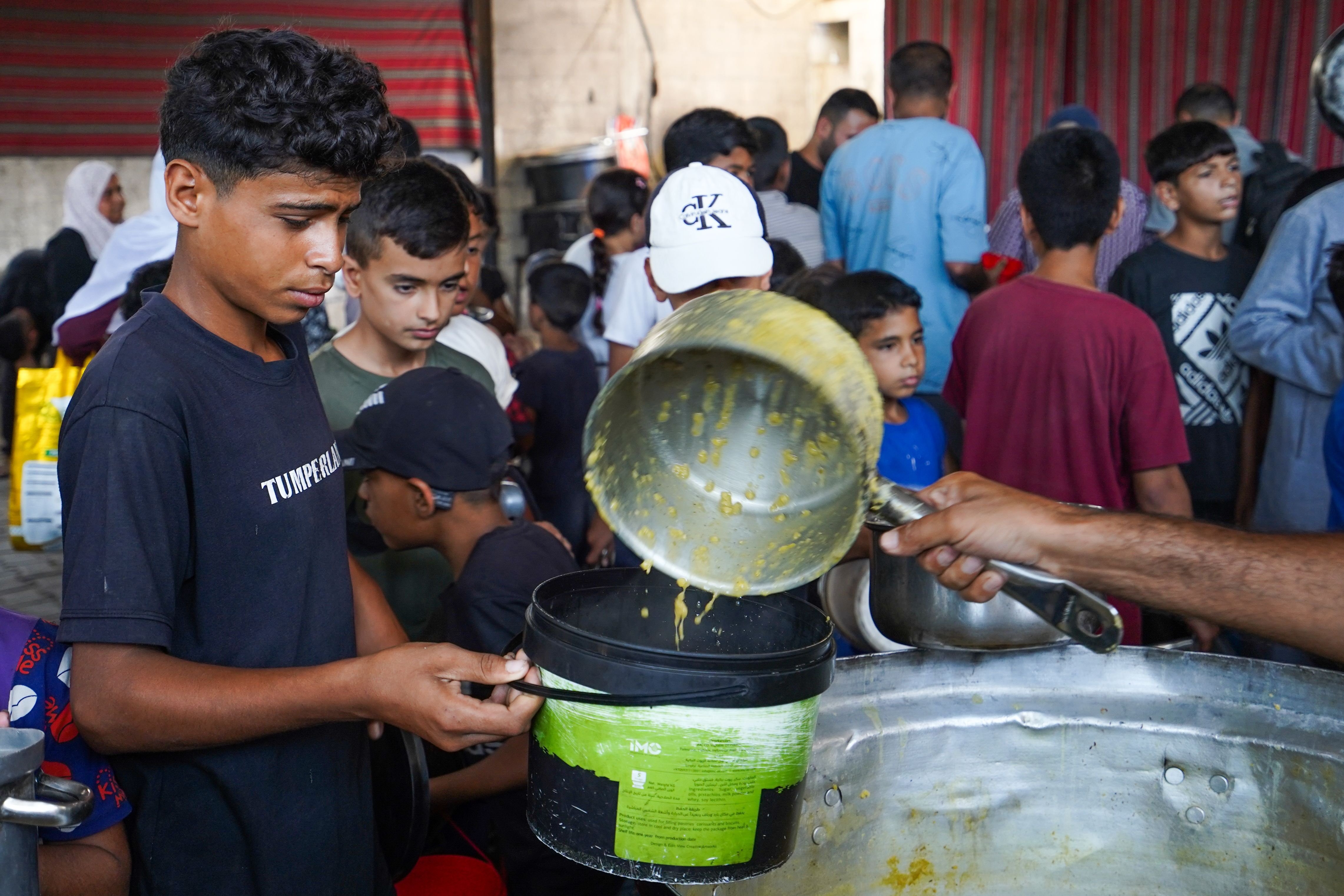
In the summer of 2025, Palestinians were being shot while trying to reach food. The aid distribution sites established across Gaza under a US and Israeli-backed scheme were intended to ease a deepening hunger crisis. Instead, people were being killed trying to reach them. By the end of July, the United Nations estimated that at least 1,373 Palestinians had been killed at or near those sites since late May.

Anyone following the story through different news outlets could have come away with very different explanations of what had happened. Some reports focused on starvation, blockade, and the desperation that brought crowds to those sites in the first place. Others focused on crowd disorder, security concerns, and Israeli military explanations for the shootings. 

To understand why the same events were being explained so differently, I examined all 158 articles published between 27 May and 31 July 2025 by Al Jazeera English, Al Arabiya English, BBC, and The New York Times. What emerged was less a simple divide between Arab and Western media than a recurring question about who was allowed to explain the violence.


The Same Event, Rewritten by Its Sources

The most striking finding had nothing to do with which outlet was more sympathetic to Palestinians or more favourable to Israel, but with who was allowed to explain what happened.

A New York Times article published on July 19 reported that Israeli soldiers had fired warning shots after Palestinians approached them and “did not comply with an order to halt". In the same article, Mohammed al-Hato, 33, said: “All I wanted was a sack of flour.” This was the same article describing the same killings, yet two very different explanations of what happened emerged.

Across the sample, articles relying exclusively on Israeli sources included justification frames in 96.6% of cases. Among articles relying exclusively on Palestinian sources, that figure was just 2.7%.

Across the sample, articles relying exclusively on Israeli sources included justification frames in 96.6% of cases. Among articles relying exclusively on Palestinian sources, that figure was just 2.7%.

The differences were not limited to what sources said but extended to how the shootings themselves were explained. Israeli officials tended to explain the shootings through the language of security threats, crowd control, and warning fire. Palestinian witnesses, medical workers, and officials explained them through hunger, aid shortages, and the dangers civilians faced trying to reach food. When only one side was asked to explain what happened, the resulting story often reflected that choice.

The pattern was visible at the outlet level too. More than a third of articles published by the BBC and The New York Times relied exclusively on Israeli sources. Among Al Jazeera English and Al Arabiya English, Israeli-only sourcing was almost non-existent. Those outlets relied far more heavily on Palestinian witnesses, officials, and medical workers.

This is not necessarily about intent, as journalists covering fast-moving events often depend on whoever is available and perceived as authoritative. But sourcing and framing are closely connected. Decisions about who is quoted and whose account is treated as credible shape the explanation that ultimately reaches readers.


A Name Is Not Enough

One of the assumptions behind many discussions of Gaza coverage is that humanising victims and justifying violence move in opposite directions. If an article names victims, describes their families, and tells readers something about who they were, it is often assumed the coverage will be more sympathetic to them.

The differences were not limited to what sources said but extended to how the shootings themselves were explained. Israeli officials tended to explain the shootings through the language of security threats, crowd control, and warning fire. Palestinian witnesses, medical workers, and officials explained them through hunger, aid shortages, and the dangers civilians faced trying to reach food. When only one side was asked to explain what happened, the resulting story often reflected that choice.

A BBC article published on July 25 showed how complicated that assumption can be. The piece named Abdullah Jendeia, 19, who “loved football” and had “dreams of opening a new business after the war". It also named Sela Mahmoud, 8, whose last words were “I want to eat a whole bowl of lentils until I’m full.” Both were killed while trying to access food. Yet the same article carried an IDF statement explaining that troops had fired warning shots “to remove an immediate threat". Personalisation and justification appeared side by side in the same story.

BBC included personal details about Palestinian victims in 73.3% of its articles. The New York Times did so in 68.1%. Al Jazeera English did so in 73.9%. These three outlets were broadly similar, but the real outlier was Al Arabiya English, which included personal details in only 34.3% of its coverage.

Yet personalisation did not necessarily alter the way the deaths were framed. Many of the same BBC and New York Times articles that named Palestinian victims and described their families also carried explanations that framed the shootings as responses to crowd disorder or security threats.

Humanisation and justification were not mutually exclusive. A victim could be named and individualised while still appearing inside a narrative that presented the circumstances of their death as understandable.


The Unexpected Split Inside Arab Media

Looking only at differences between Arab and Western media misses part of the picture, as important differences also emerged within Arab media itself.

An Al Jazeera English article centred on the stories of Ahmed Shaat, Khalil al-Khatib, and Mustafa Abu Eid, using family testimony and famine conditions to explain why Palestinians continued to risk their lives for food. An Al Arabiya English article covering another aid-site shooting also reported 32 Palestinian deaths and quoted eyewitness Mohammed al-Khalidi, but it additionally incorporated the Israeli military’s explanation of the events. The contrast suggests that coverage of Gaza’s aid-site killings was not divided neatly into Arab and Western narratives.

The broader pattern reflected those differences. Al Arabiya English included justification frames in 42.9% of its coverage, substantially more often than Al Jazeera English and closer to the levels observed in the Western outlets. What the findings show is that the category “Arab media” conceals important variation. The divisions in Gaza coverage did not stop at the boundary between Arab and Western outlets.

What the findings show is that the category “Arab media” conceals important variation. The divisions in Gaza coverage did not stop at the boundary between Arab and Western outlets.


What This Means for Conflict Reporting

The findings suggest that who gets quoted matters because different sources often provided fundamentally different explanations for the same event, and those explanations appeared to shape how the shootings were understood across outlets.

The coverage of Gaza’s aid-site killings also shows how difficult it is to separate sourcing from framing, since the people quoted in a story often help define what happened, why it happened, and who is seen as responsible. When different outlets rely on different sources, they can end up telling very different stories about the same event.

More than a third of articles published by BBC and The New York Times relied exclusively on Israeli sources. Among Al Jazeera English and Al Arabiya English, Israeli-only sourcing was almost non-existent.

The same is true of victim personalisation. Naming victims and documenting their lives can humanise suffering, but as the coverage examined here suggests, it does not necessarily determine how that suffering is explained. A victim can be named, remembered, and mourned while still appearing in a narrative that presents the circumstances of their death as understandable.

In conflict reporting, the question is rarely only about what happened. It is also who gets to explain what happened. The findings here suggest that the answer to that question often shapes the story that audiences ultimately receive.


Related Articles

How to Bring more Balance to Western Media Coverage of Israel and Palestine

How can journalists accurately cover Palestine without becoming unbalanced or biased? Here are some concrete tools and techniques for reporters to keep in mind.

A picture of the author, Megan O'Toole
Megan O'Toole Published on: 16 Sep, 2024
How Sources Shaped the Story of Gaza’s Aid-Site Killings

In conflict reporting, the question is rarely only about what happened. It is also who gets to explain what happened. The findings here suggest that the answer to that question often shapes the story that audiences ultimately receive.
Djamil Kerrouche Published on: 1 Jul, 2026
Failing Gaza: Pro-Israel Bias Uncovered Behind the Lens of Western Media

Journalists at CNN and the BBC expose the inner workings of their newsrooms, a year into Israel’s war on Gaza.

A picture of the Al Jazeera Media Institute's logo, on a white background.
Al Jazeera Journalism Review Published on: 8 Oct, 2024
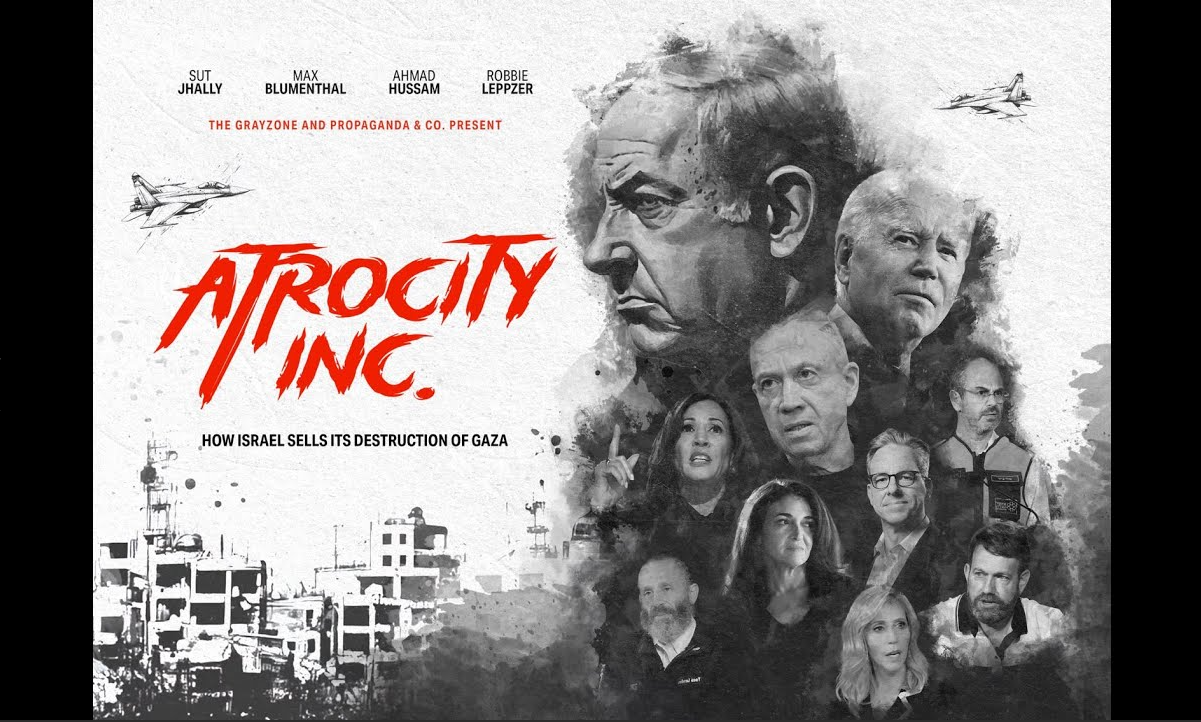
Atrocity Inc.: What Max Blumenthal's New Documentary Reveals About Western Media's Complicity in Israeli Propaganda

A digest of Max Blumenthal's new documentary, Atrocity Inc., in which he uncovers how the Israeli PR machinery and propaganda efforts were carefully and intentionally designed to manufacture consent for a campaign of mass death against Palestinians. It reveals how the Western media, especially in the United States, supported Israel's misinformation war.

A picture of the Al Jazeera Media Institute's logo, on a white background.
Al Jazeera Journalism Review Published on: 13 Oct, 2024
Journalist Testimonies on Western Media Coverage of the Gaza War: The Other Narrative

In this article, we compile testimonies from journalists who have criticised their own media institutions as documented in reports, letters, or interviews. Most spoke anonymously out of fear of repercussions—because freedom of expression appears protected only until it reaches the borders of Israel. At that point, constraints emerge, editorial policies shift, and the system of double standards is activated.

Al Jazeera Journalism Review
Al Jazeera Journalism Review Published on: 29 Mar, 2025
In-Depth Analysis Reveals Distortion in U.S. Media's Coverage of the Gaza

A new quantitative analysis by The Intercept reveals the extent of distorted coverage in American media of the Israeli war on Gaza.

A picture of the Al Jazeera Media Institute's logo, on a white background.
Al Jazeera Journalism Review Published on: 14 Jan, 2024
The Sharp Contrast: How Israeli and Western Media Cover the War on Gaza

Despite being directly governed by Israeli policies, some Israeli media outlets critically report on their government’s actions and use accurate terminology, whereas Western media has shown complete bias, failing to be impartial in its coverage of Israel’s aggression in Gaza.

Faras Ghani Published on: 5 Mar, 2025
Get this straight, Western media: Palestinians aren’t sub-human

Dehumanisation of Palestinians is as central to Israel’s war strategy as the deadly missiles it wields

Mitrovica
Andrew Mitrovica Published on: 10 Oct, 2023
Bias by Omission: How Israeli Occupation Crimes Are Filtered in Western Media

Western media coverage of the war on Gaza does not stop at bias in what it chooses to publish; it practices a deeper form of bias: bias by omission. Testimonies are excluded, massacres are marginalized, and the narrative is reshaped to serve a single version of events. This analysis explores how “gatekeepers” in Western newsrooms play a direct role in silencing the Palestinian voice and entrenching the Israeli narrative.
Mohammad Zeidan
Mohammad Zeidan Published on: 11 Jul, 2025

More Articles

The Stringers Behind India’s Breaking News: No Contracts, Credit or Safety

Thousands of rural Indian freelance reporters, called "stringers," face low pay, police harassment, and total abandonment by the big TV networks that rely on them. These local journalists risk their lives to film breaking news like riots and rallies, but they work without contracts, insurance, or legal help when they get into trouble. This unfair system forces poor, small-town reporters to take on all the danger alone just to keep the national 24-hour news channels running.

Hanan Zaffa
Hanan Zaffar, Majid Alam Published on: 27 Jun, 2026
Why Have Print Newspapers Disappeared in Gaza?

The genocidal war has systematically devastated the media sector in the Gaza Strip. With the occupation destroying over 150 media organizations, printing presses have completely shut down, forcing all newspapers to shift entirely to digital coverage.

Mohamed Abu Shahma Published on: 24 Jun, 2026
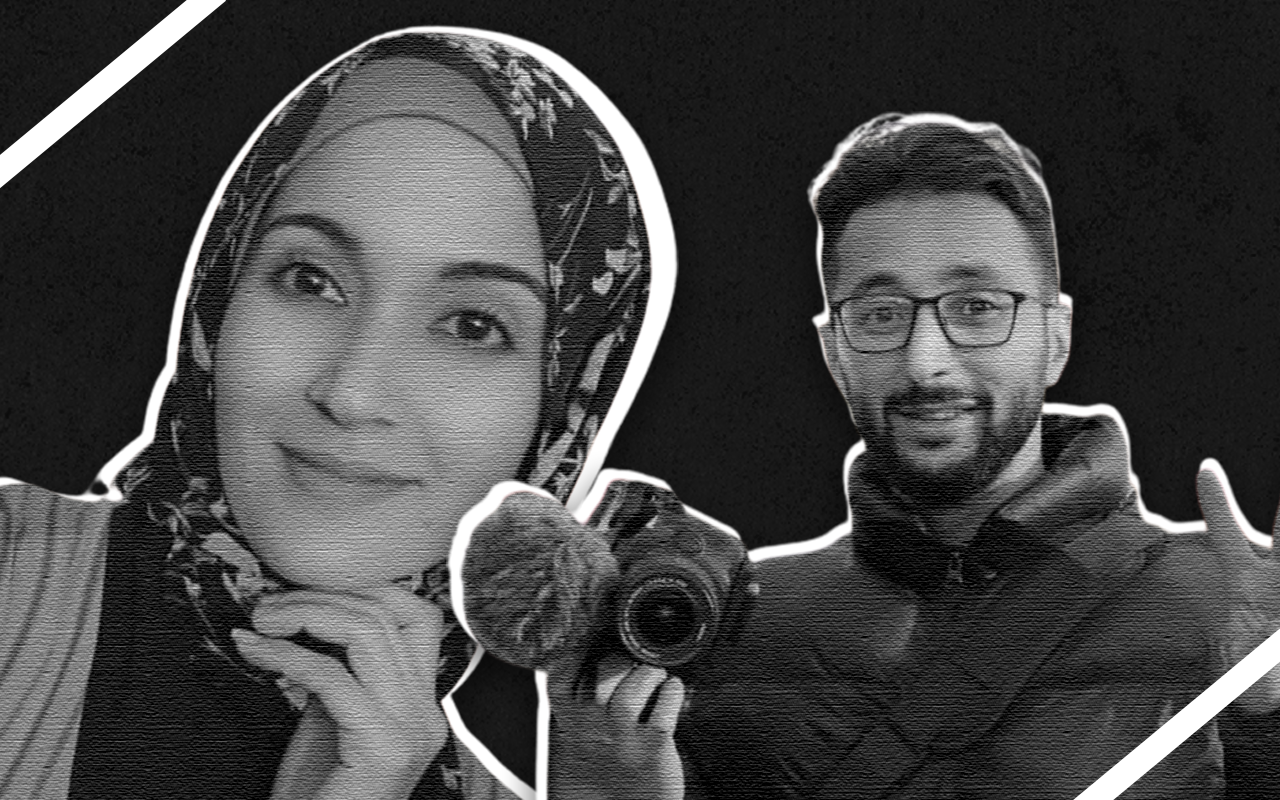
Mohamed al-Khalidi and Marwa Muslim: Forgotten in Life, Vindicated in Death

The occupation killed journalists Mohamed al-Khalidi and Marwa Muslim as part of a systematic pattern of targeting the press, but throughout their careers they also faced neglect, marginalisation, and a lack of recognition. Colleague Maysoun Kahil tells their story, and asks why Palestinian journalists are so often honoured only after death, rather than supported in life.

Maysoun Kahil Published on: 17 Jun, 2026
The Double Ordeal of Freelance Journalists in Gaza

Independent journalists in Gaza face a dangerous double battle. Working without institutional protection or financial safety nets, they risk their lives to report the reality of war, overcoming severe resource shortages and systemic neglect to ensure the world hears the truth.

Noor Abu Rokba Published on: 14 Jun, 2026
The Left and the Right in One Front Against Journalism in South America

Journalism in Latin America is facing a crisis of hostility. In the age of political polarization, governments from both the left and the right are not merely managing states; they are actively harassing critical voices, imposing institutional censorship, and enforcing official narratives that attack independent media to silence disagreement and fake democracy across the region.

Noe Zavaleta
Noe Zavaleta Published on: 8 Jun, 2026
How Journalists are Combating Cybertroopers 

The brutal state crackdown in Đồng Tâm highlights a intensifying withdrawal from free expression in Vietnam, heavily driven by the regime's deployment of state-backed cyberarmies like Force 47. As these digital actors systematically intimidate and mass-report critics, tech giants like Meta further compound the issue by increasingly acquiescing to government censorship requests to protect market share. This coordinated digital assault leaves a dangerous gap in the global conversation, forcing independent journalists to navigate severe online hostility and risk arbitrary imprisonment just to expose state overreach.

AJR Contributor Published on: 25 May, 2026
Vases and Baby Diapers: War as Told by People, Not Politicians!

The analysis of field reporting during the war reveals a deep divide between distant geopolitical news and the actual human reality on the ground. This conflict between official media assignments and the lived experience will continue as journalists find themselves abandoning institutional scripts to focus instead on the raw details of daily survival and the preservation of personal memory.

Maram
Maram Humaid Published on: 21 May, 2026
Safety Strategies Female Journalists Use in Hostile Environments

Female journalists across Africa face layered physical, gender-based, digital, and psychological risks while covering protests, elections, conflict, and crises, forcing them to rely on hard-earned survival strategies as much as newsroom support.

Nigerian freelance Journalist John Chukwu
John Chukwu Published on: 14 May, 2026
The Afterlife of an Image: How Photojournalism Contests Shape Visibility and Responsibility

As photojournalism contests elevate certain images to global prominence, they also influence how violence, dignity, and memory are constructed in the public imagination.

Daniel Harper
Daniel Harper Published on: 5 May, 2026
Malawi Investigates Poor Pay and Working Conditions for Junior Journalists

Malawi’s investigation into poor pay for junior journalists exposes a deeper crisis where economic hardship is eroding media independence and forcing reporters to choose between ethical integrity and survival.

Benson Kunchezera Published on: 30 Apr, 2026
Journalism as a Struggle for Survival in Sudan

With war erupting in Sudan, the country’s media landscape collapsed almost overnight after the Rapid Support Forces entered Khartoum. Many journalists were left without jobs, salaries or shelter, scattered between displacement, exile and siege, as newspapers shut down and media institutions ceased to function. For many, journalism was no longer a profession but a daily struggle for survival.

Saif al-Din al-Bashir Ahmed Published on: 27 Apr, 2026
From Print to Pixels: How Small-Town Journalists in Bihar Are Surviving Threats and Closures

As newspapers vanish across districts like Siwan, Gaya, and Purnea, reporters turn to mobile phones, digital start-ups and community networks to keep local journalism alive.
Rehan Qayoom Mir. An independent journalist whose work has appeared in international and national outlets,
Rehan Qayoom Mir, Sajad Hameed Published on: 12 Apr, 2026
Arab Society and Investigative Journalism: The Dialectic of Culture, Power, and Profession

Investigative journalism in Arab societies operates within a dense web of social, political, and cultural pressures that often push journalists to balance truth-telling against survival, forcing them onto a precarious “razor’s edge.” Yet despite these constraints, moments of crisis can transform society itself from a source of pressure into a powerful ally, driving accountability and reigniting the pursuit of truth.

Musab Shawabkeh
Musab Al Shawabkeh Published on: 7 Apr, 2026
The Revolution That Framed Islam: How 1979 Shaped Western Media on Iran

The 1979 Revolution transformed how the Western world views and reports on Islam. What started as a confused attempt to understand a new religious movement has turned into a permanent media habit of framing Iran through the lens of conflict and suspicion.

Daniel Harper
Daniel Harper Published on: 4 Apr, 2026
The Challenge of Reporting in Chechnya

Independent journalism no longer exists as a functioning practice inside Chechnya. What remains is a profession rebuilt in exile, forced to operate at a distance from the very place it is meant to cover.

Rushda Fathima Khan
Rushda Fathima Khan Published on: 29 Mar, 2026
How AI Can Clean Messy Data; and Where It Can't

Normalising inconsistent, messy, or incomplete data is tedious and time-consuming, but essential. AI can handle grunt work, but editorial decisions remain with the journalist.

KA
Konstantinos Antonopoulos Published on: 21 Mar, 2026
Missiles Made of Words: How Western Media Narratives Shape the Iran–Israel–US Conflict

Western media coverage of the Iran–Israel–US conflict often functions as a weapon of war, using selective language that frames US and Israeli strikes as “self-defence” while depicting Iranian actions as "provocation". This linguistic framing normalises civilian casualties and helps manufacture public consent for military aggression by dehumanising certain populations.

Muqeet Mohammed Shah
Muqeet Mohammed Shah, Ifrah Khalil Kawa Published on: 14 Mar, 2026
How the Ethiopian Civil War Unleashed a Lethal Media Crackdown

There has been a widening crackdown on the media in Ethiopia since war erupted between the central government and Tigray’s regional authorities in 2020, and the pressure appears set to intensify as the country prepares for general elections in June.
Nalova Akua
Nalova Akua Published on: 9 Mar, 2026
Are Netanyahu's and Trump’s Speeches Shaping Western Media Framing?

As political speeches framed the 2026 U.S.–Israeli attack on Iran, segments of Western media echoed their language and narratives, illustrating how strategic rhetoric and news framing can shape public opinion and legitimise military action.
Shaimaa Al-Eisai
Shaimaa Al-Eisai Published on: 6 Mar, 2026
The Taboos of Journalism: A Fragility No One Dares to Expose

Does a journalist have the right to critique their own employer? It is a striking irony that they report on global crises while remaining silent about their own industry's fragility: stagnant wages, eroding professional values, and profit-driven ownership. Journalists must realize that confronting this internal rot is not just a right, but a necessity to save the profession from extinction.

Diana López Zuleta
Diana López Zuleta Published on: 24 Feb, 2026
Bilingual on Paper, Unbalanced on Air: English Journalism in a Francophone Cameroon

In a media landscape where French dominance dictates policy and airtime, English-speaking reporters in Cameroon are forced into a relentless cycle of improvisation, translation, and professional exhaustion. From the "desert-like" scarcity of English-speaking experts to newsrooms that offer no institutional support, this analysis explores how linguistic inequality hollows out the journalistic process, leaving vital stories untold and the promise of a bilingual nation unfulfilled.

Akem
Akem Nkwain Published on: 15 Feb, 2026
Reporting the Spectacle: Myanmar’s Manufactured Elections

Myanmar’s recent elections posed a profound challenge for journalists, who were forced to navigate between exposing a sham process and inadvertently legitimising it. With media repression intensifying, reporting became an act of resistance against the junta’s effort to control information and silence independent voices.

Annie Zaman
Annie Zaman Published on: 7 Feb, 2026
Public Hostility Toward Legacy Media in Bangladesh

The December 2025 arson attacks on Prothom Alo and The Daily Star marked a turning point for journalism in Bangladesh. As public anger replaces state control as the primary threat, reporters are reassessing personal safety, editorial judgement, and professional credibility in a political transition where journalism itself is increasingly treated as an enemy.

Arsalan Bukhari, an independent journalist based in India
Arsalan Bukhari Published on: 4 Feb, 2026
Migration Issues and the Framing Dilemma in Western Media

How does the Western press shape the migration narrative? Which journalistic frames dominate its coverage? And is reporting on anti-immigration protests neutral or ideologically charged? This analysis examines how segments of Western media echo far-right rhetoric, reinforcing xenophobic discourse through selective framing, language, and imagery.

Salma Saqr
Salma Saqr Published on: 31 Jan, 2026