Al Jazeera Journalism Review

Gaza’s Images in the World’s Memory

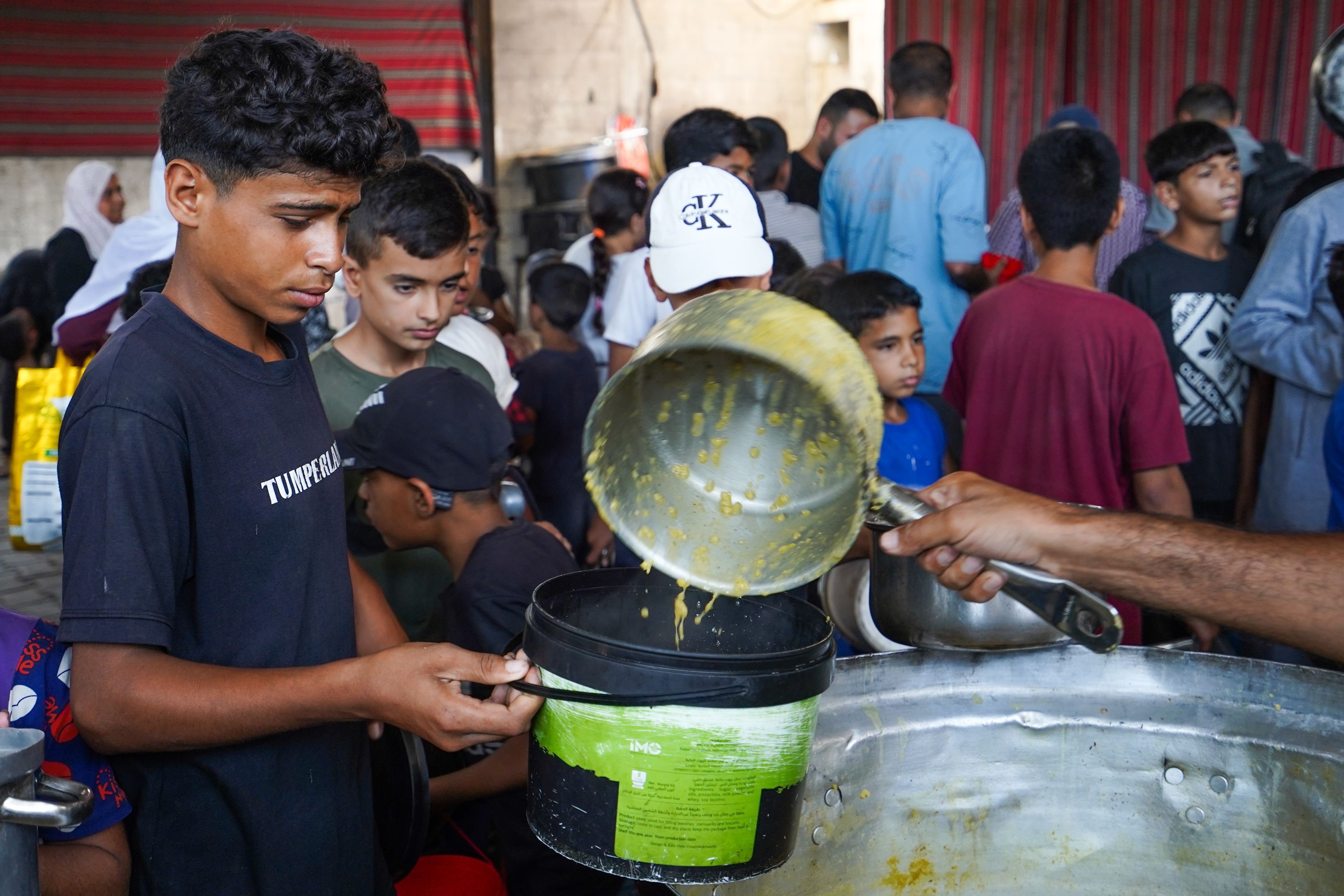
Among the thousands of images that have documented the genocide in Gaza, from famine and the demolition of residential towers to the faces of victims, some have appeared on the front pages of international newspapers and magazines, been nominated for or won global awards, while others have spread widely across social media. Yet this journey does not happen to every photograph. What enables a single image to move beyond its immediate frame and news function, gaining a lasting place in the world’s visual memory?

One such image shows a mother running while covering herself with a piece of cloth from a yellow curtain, her young daughter clinging to her neck as traces of destruction surround them. It was taken by Gaza photographer Ali Jadallah, who was documenting an Israeli strike on a residential building and the injuries and destruction it caused. Jadallah, an Anadolu photojournalist who has spent eighteen years in photojournalism, says his work is not limited to documenting the moment of an event, but extends to what follows: the rescue and recovery of victims and the wider aftermath of destruction. “The photograph of the mother and her daughter is one of thousands of images I have taken. When I took it, I felt there was something distinctive about it, something that would draw the world’s attention, because it went beyond the scene of escape and embodied the emotion of motherhood, with its warmth, security and protection, amid a genocide that had transformed their reality into an attempt to escape death.” Ali Jadallah is the spelling used by World Press Photo and Anadolu.World Press Photo
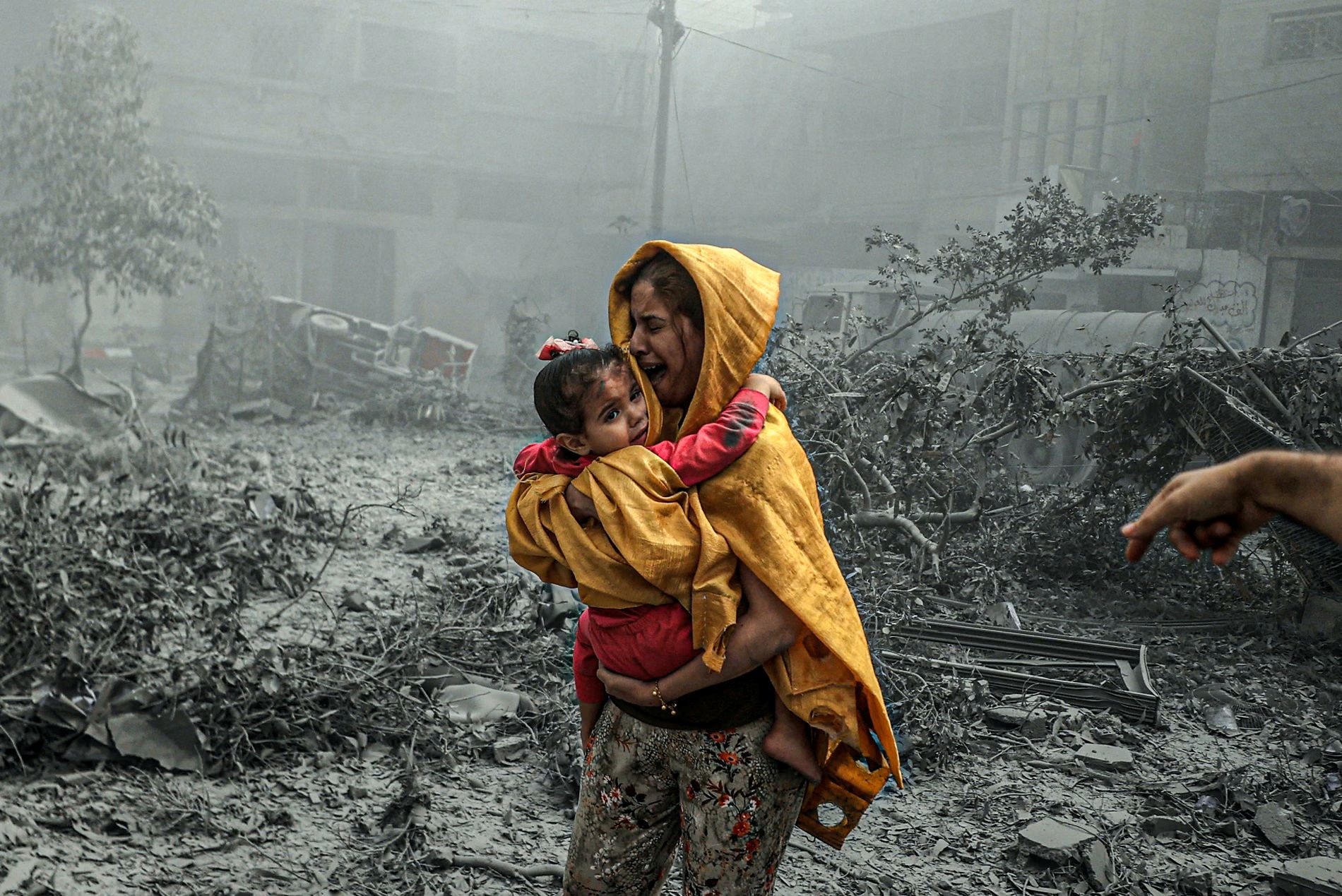
امرأة تحمل طفلتها وتركض بعيدًا عن القصف  في غزَّة  تصوير عليَّ جادالله (1)
A woman carries her daughter as she runs away from bombing in Gaza. (Photo: Ali Jadallah)

For Jadallah, photographs go beyond the frame and the act of documentation to reveal human details expressed through emotion, such as joy, pain, spontaneous facial expressions, the eyes and body movement, alongside personal details and the surrounding environment, while preserving human dignity. He believes that the presence of these elements gives an image its strength and its ability to command attention.

International media organisations have published Jadallah’s photographs, and his work has appeared in US magazines including Time, U.S. News and The Atlantic. Yet circulation alone does not explain why some photographs attain such prominence while thousands of others do not.

After the shutter is pressed, an image enters a stage in which the photographer alone no longer determines its fate. It moves into newsrooms, where it is selected, verified and compared with other images before reaching the public. Jadallah also praises the role of audiences in accelerating the circulation of photographs and expanding solidarity with victims, through sharing them on social media platforms and search engines, and eventually printing and carrying them at solidarity demonstrations.


From the field to the front page

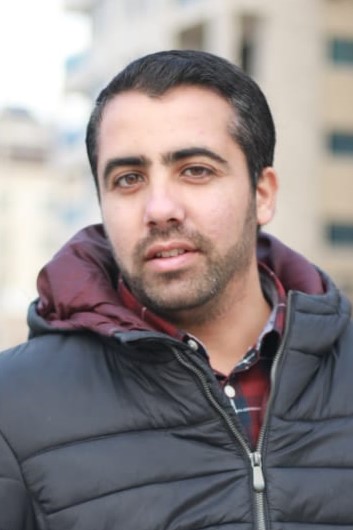
Amid the rubble of Jabalia refugee camp, photographer Saher Alghorra moves through the destruction while photographing a human-interest story for The New York Times. He tells Al Jazeera Journalism Review: “Events in Gaza imposed themselves on the lenses of photojournalists, and the human power of a scene is one of the elements that gives an image its ability to reach and affect audiences.” World Press Photo uses the spelling Saher Alghorra. World Press Photo

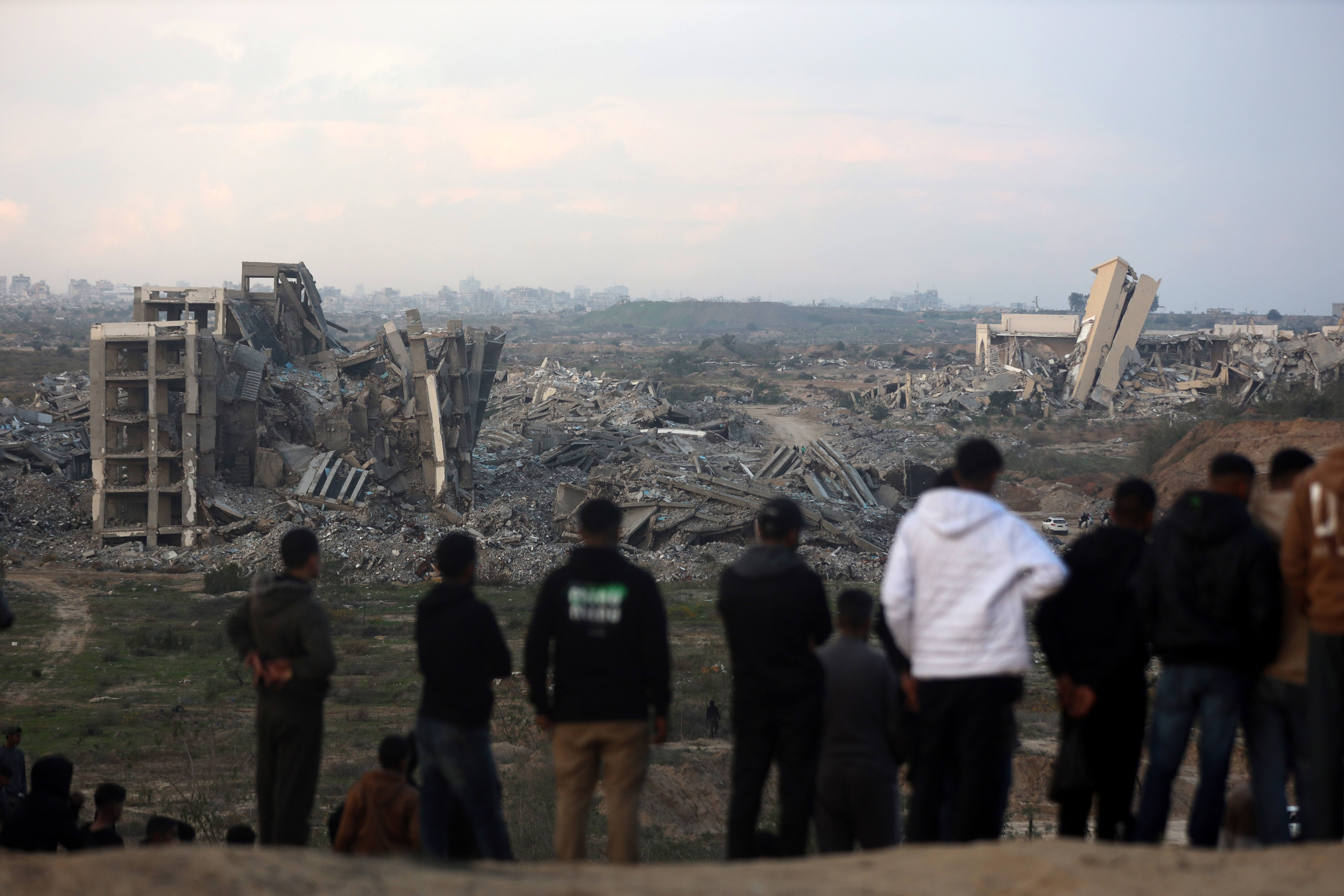
During the war of genocide, Alghorra took thousands of photographs. Among them was an image of two-year-old Yazan Abu Ful, documenting the effects of malnutrition and famine on his body. In a wide shot, he photographed the family of Hassan al-Shafai breaking their Ramadan fast on the ruins of their home in Beit Lahia, in a moving scene depicting the reality imposed upon them. The contrast between the two photographs shows that images of genocide do not depend on a single element to move beyond their immediate frame. Their ability to become embedded in visual memory lies in their strength, proximity to the event and capacity to condense an entire story into one image.
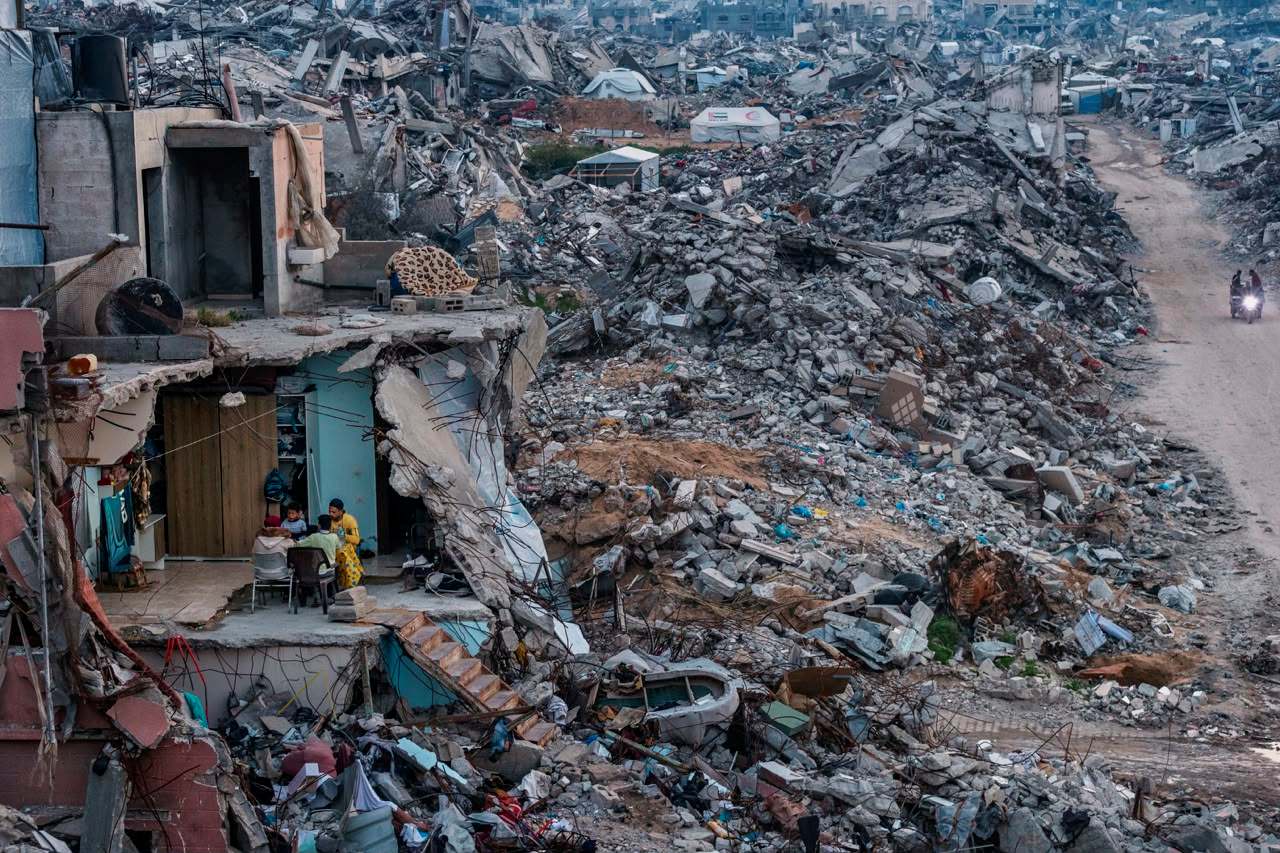
عائلة  الشافعي التي تتناول إفطارها الرمضاني على  ركام بيتها تصوير ساهر الغرة
The al-Shafai family eat their Ramadan iftar amid the rubble of their home. (Photo: Saher Alghorra)

One of Alghorra’s photographs reached the front page of The New York Times, depicting famine in Gaza and the lives of residents living along the “Yellow Line”. He says he received positive feedback from the editor before the image drew international attention and his series Witnessing Gaza won a World Press Photo award. World Press Photo lists Witnessing Gaza by Saher Alghorra among the winners of its 2026 contest.World Press Photo
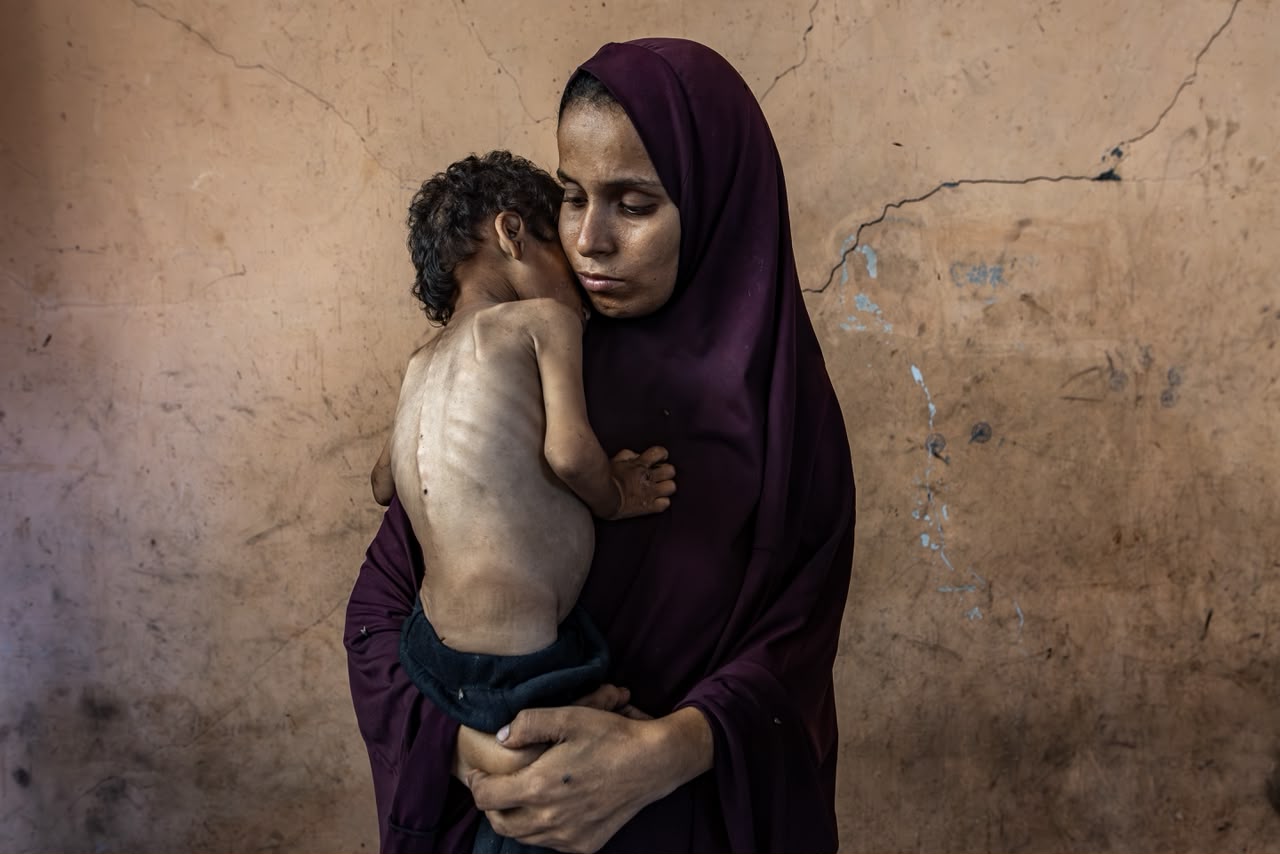
صورة الطفل يزن أبو فول التقطها ساهر الغرة  لصحيفة نيويورك تايمز
Yazan Abu Ful with his mother during the famine in Gaza, photographed by photojournalist Saher Alghorra for The New York Times.

Alghorra believes the real impact of photographs can be measured by what they may achieve in the lives of victims. He says the circulation and widespread sharing of Yazan’s image contributed to global solidarity campaigns and drew international public attention to Gaza, which, in his assessment, helped place pressure on Israel to allow aid into the Strip. Yet reaching the front page and winning awards do not by themselves answer the question of what makes an image successful. Thousands of powerful photographs are taken during wars, and not all receive the same exposure. The issue therefore concerns not only what the photographer sees, but also what the newsroom considers worthy of publication, the context and timing in which the image appears, and its capacity to represent an event larger than the moment in which it was taken.


Inside the newsroom

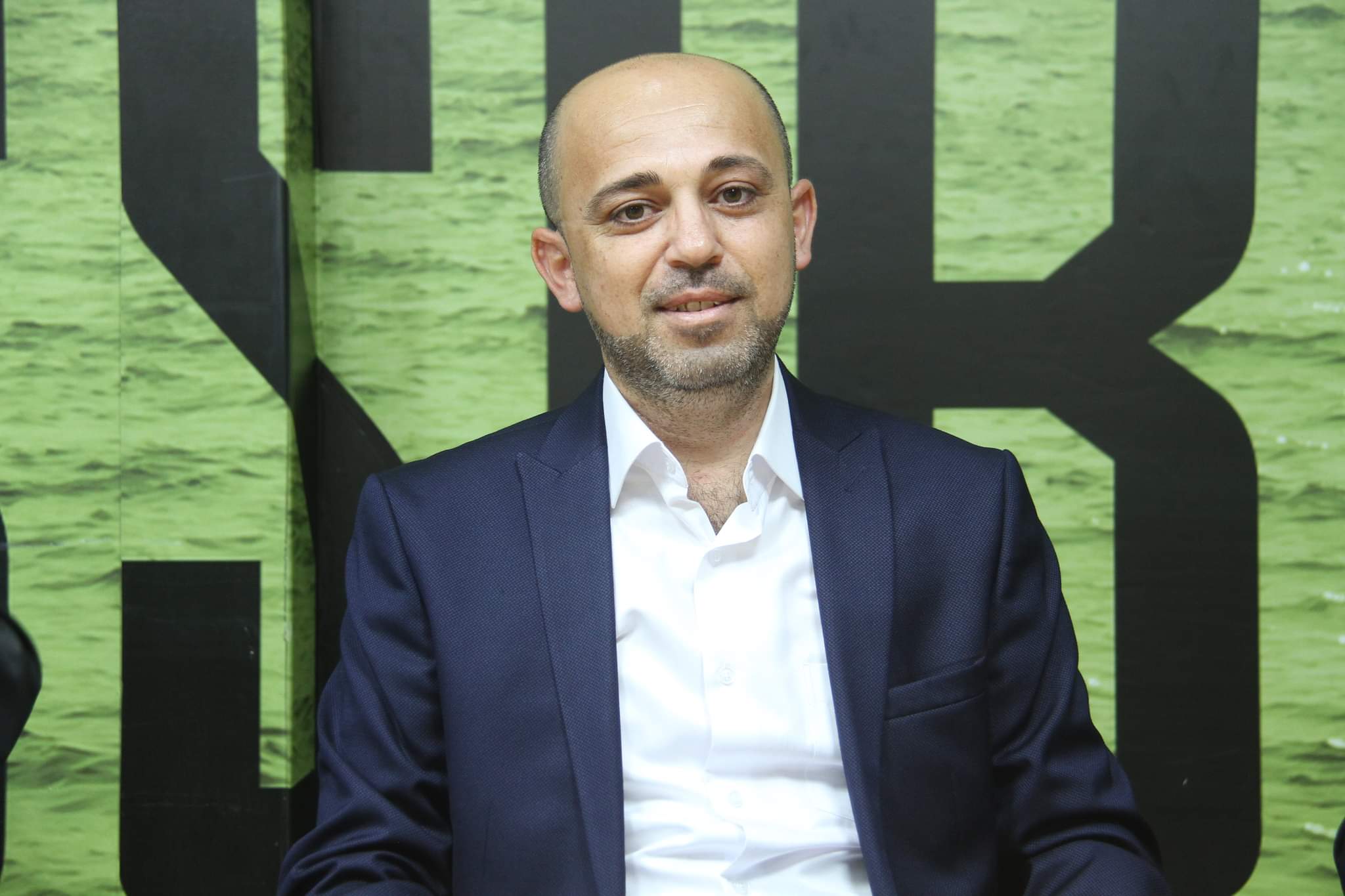
At Anadolu Agency in the Turkish capital Ankara, editor and photojournalist Mustafa Hassouna receives photographs from Gaza by email and through the agency’s cloud platforms before they undergo selection and review. Hassouna, who has spent twelve years working in photography, says the selection process is based on several criteria, including technical quality, the strength and importance of the event, and the rarity of the image. These criteria show that a photograph does not reach audiences through emotional force alone. The editorial process determines which scene deserves to be seen, at what moment and in what context. When thousands of photographs arrive from a single location, the rarity of the moment, the significance of the event and the clarity of the image all influence its chances of wider circulation. Anadolu itself uses the spelling Mustafa Hassouna.

Hassouna says: “Some photographs are not published because of their psychological impact on viewers. The dignity of victims remains one of the fundamental considerations when dealing with images. A single photograph may document a crime, but at the same time it may expose a body, an injury or an intensely private moment for a family that has lost one of its members.” He believes the continued flow of photographs from the scene helps keep the genocide present in the public’s visual memory. Images do not perform their role only once. As an event continues, they can return to prominence, acquiring new meaning or regaining earlier attention.

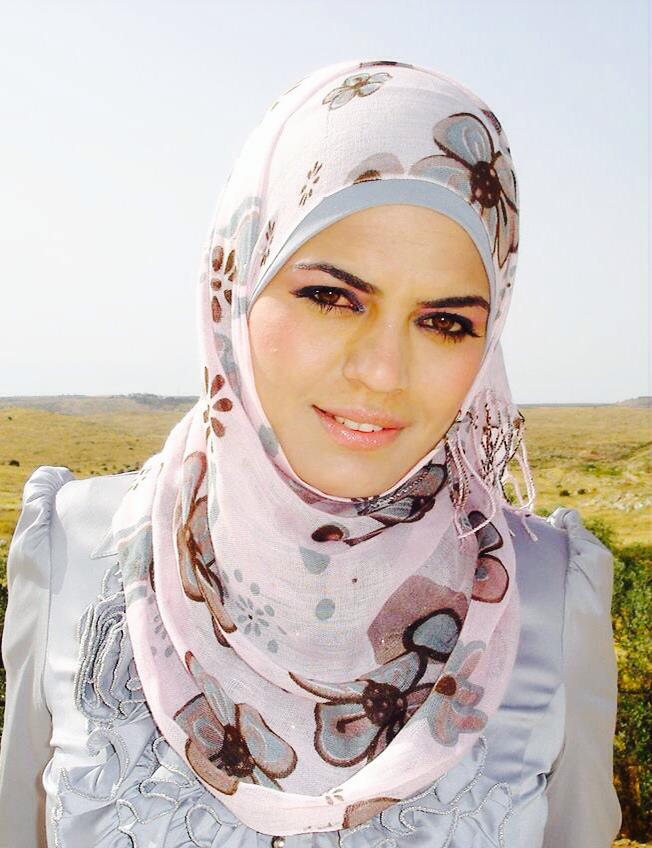
According to curator and photographer Mohamed Somji, the value of an image does not begin at the moment it is taken. A photograph that remains inside a photographer’s camera remains a document with limited circulation, while one promoted by a platform or agency may become part of history. In his view, its value is shaped through circulation, republication, framing and repetition. Mohamed Somji is the spelling used by Gulf Photo Plus and other institutions with which he works.


The image economy

Somji defines the “image economy” as the circulation, operation, production and distribution of images that shape how wars are perceived and, in many cases, how they are fought. He believes the value of an image is connected to “gatekeepers”: who controls the camera and who controls distribution. Social media, he argues, has broken part of this monopoly, which is why the image economy of the genocide in Gaza has not resembled that of previous wars.

He says: “In the genocide in Gaza, the process took a different form. The sheer volume of photographs and videos coming directly out of the Strip was more than any editor could manage, which led to their global circulation.” According to Somji, some images do not reach audiences and succeed by chance, but as a result of decisions made in newsrooms and in platform policy meetings about what the public should see and how it should feel about it. He notes that images of death and destruction, with their powerful emotional charge, tend to receive greater attention, while images of defiance do not achieve the same level of circulation or psychological impact.

Somji does not see the creation of an iconic image as a purely visual process. In his view, editors, awards and exhibitions are the machinery that turns an image into an icon, and that machinery operates according to the policies of the institutions behind it. There are extraordinary photographs that never appear because they do not generate excitement or fit the political line of publication. What is celebrated as “the image of war”, he argues, is often simply the image that served someone’s interests.

Images of war are not received in the same way in every context. Geography and political context influence how victims are presented and how their images are understood, particularly victims from the Global South. Ultimately, Somji does not view an image as a fixed moment, but as a long journey that begins with the photographer and passes through agencies, editors, platforms, algorithms and audiences. At every stage, its value, meaning and chances of survival may change, until it either reaches, or fails to reach, the world’s visual memory.


This article was originally published in Arabic on 21/10/2026
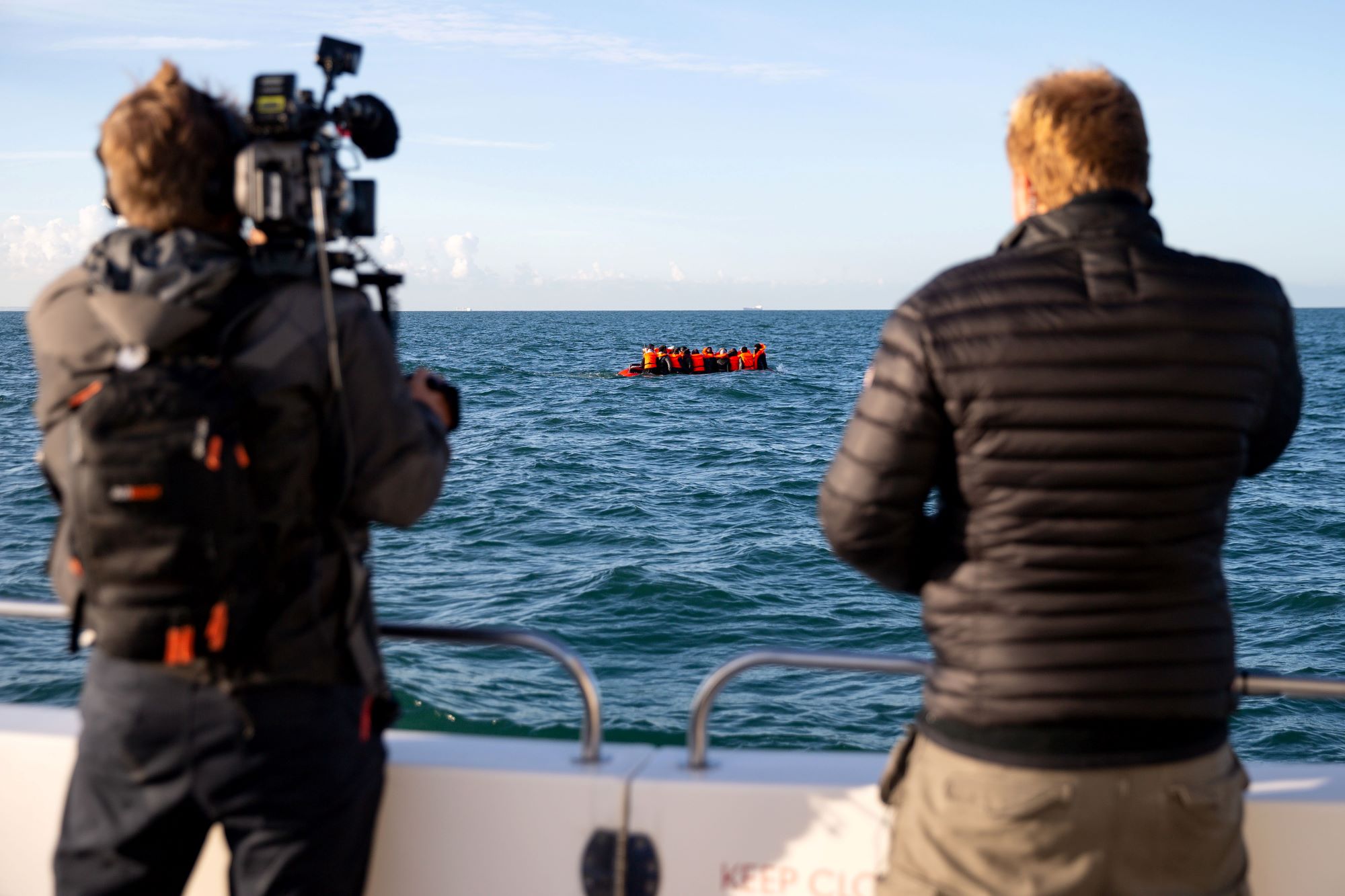
Related Articles

Why language matters when we report refugee stories

As tragedy strikes in the English Channel and the refugee crisis mounts at the Polish border, we examine why it is so important to use the correct language when covering refugee stories. Part two of our series.

Kareem
Kareem Shaheen Published on: 25 Nov, 2021
Journalists feel the pain, but the story of Gaza must be told  

People don’t always want to hear the historical context behind horrifying events, resorting even to censorship, but the media must be free to provide it

Aidan
Aidan White Published on: 30 Oct, 2023
The bombs raining down on Gaza from Israel are beyond scary, beyond crazy

REPORTER'S NOTEBOOK: As Israel bombarded Gaza for the third night, I found myself closer to a missile hit than I could have imagined

Maram
Maram Humaid Published on: 11 Oct, 2023

More Articles

News In the Race for Attention

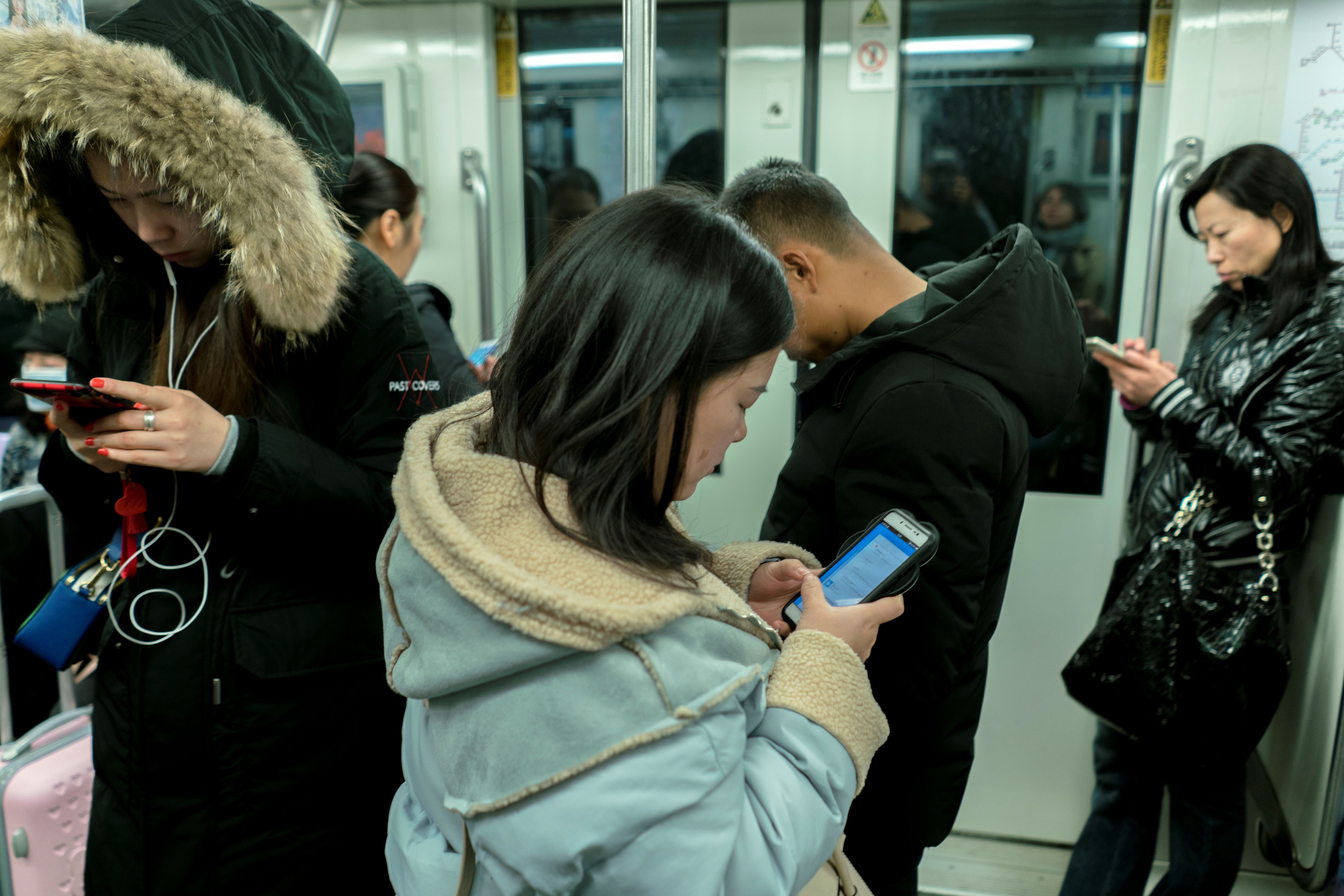
As audiences turn to Reels, social media and AI for news, journalists are adapting to new demands while trying to protect the depth and quality of their reporting

Rehan Qayoom Mir. An independent journalist whose work has appeared in international and national outlets,
Rehan Qayoom Mir, Sajad Hameed Published on: 16 Oct, 2026
How Has Social Media Affected Television in Yemen?

Social media has transformed television in Yemen from a one-way broadcast medium into a more interactive, audience-driven system in which viewers help shape, source and even produce the content they watch.

Mohammed Alragawi Published on: 13 Oct, 2026
Why should journalists be cautious with Israeli sources?

Journalists should treat Israeli sources with particular scrutiny because anonymous briefings, military censorship, strategic leaks and recycled analysis can blur the line between verified information, speculation and propaganda, with real consequences for audiences on the ground.

Ahmad Al-Agha
Ahmad Al-Agha Published on: 7 Oct, 2026
Priorities for Media Recovery in Gaza

Rebuilding Gaza’s media requires more than restoring equipment and newsrooms: it means protecting and supporting journalists, rebuilding institutions, strengthening professional standards, and preserving journalism’s role as a living witness to the truth.

Sufian al-Shorbagy Published on: 4 Oct, 2026
Common Mistakes Made by Television Correspondents

Television correspondents earn trust not by being first or omniscient, but by reporting what they can verify, using images responsibly, resisting performance and speculation, and putting accuracy before speed.

Linda Shalash
Linda Shalash Published on: 1 Oct, 2026
Will We Write A Falsified History In The Future?

The digital transition of journalism has exposed a growing archive reliability gap, where online news documents are often subject to fake news, content manipulation, and a lack of verification mechanisms, challenging their role as official historical records.

Said El Hajji
Said El Hajji Published on: 24 Sep, 2026
Editorial Workflow in Television Journalism: From Oversight to Quality

Quality television journalism relies on cohesive teamwork rather than individual multitasking. A functional hierarchy is key, restoring the "gatekeeper" role by verifying facts and shielding the public from fake news and propaganda, especially in complex, high-tension environments.

Ali Najeeb Published on: 20 Sep, 2026
Nepal’s Deadly Floods Expose a Newsroom Safety Gap

Nepal’s deadly floods exposed a wider South Asian newsroom safety gap, where many journalists are often sent into dangerous assignments without formal risk assessments, adequate training, protective equipment, evacuation plans or mental-health support.

Hanan Zaffa
Hanan Zaffar Published on: 10 Sep, 2026
The migrant issue in Libya: did the media pass the test of professionalism?

Libya’s migration debate has become a test of whether the media can report legitimate public concerns without laundering rumours, fuelling hate, or turning vulnerable migrants into scapegoats.

Imad al-Madouli Published on: 2 Sep, 2026
The economics of truth: How Lack of Funding is Compromising Quality Journalism in Africa

Reporting and newsgathering cost money; they require time, patience and experienced personnel. However, globally limited funding is leading to a generally compromised journalism output.

Derick Matsengarwodzi
Derick Matsengarwodzi Published on: 30 Aug, 2026
We survived… and stayed alive!

A Palestinian journalist and mother recounts surviving Gaza’s genocide, where the press vest became a target, motherhood became terror, and staying alive did not feel like salvation.

Yumna al-Sayyid Published on: 19 Aug, 2026
A Continuing Crisis, an Intermittent Story: What Makes Famine Newsworthy?

An analysis of 180 articles from the BBC, The Guardian, The New York Times and CNN found that coverage of hunger in Gaza frequently linked the crisis to political decisions and identified responsibility rather than treating it only as a humanitarian emergency. Tracking the same outlets through early August 2026 also shows that this coverage came in sharp waves, with periods of intense reporting separated by months of limited attention even as severe food insecurity persisted.

Djamil Kerrouche Published on: 16 Aug, 2026
Who Decides the News? Inside India's Algorithm-Driven Newsrooms 

Editors once decided which stories mattered based on evidence, public interest and ethics. Today, recommendation algorithms and engagement metrics increasingly shape editorial decisions, prioritising what keeps audiences scrolling.

Seerat-Un-Nisa Published on: 11 Aug, 2026
As in Rwanda: Can the Israeli Press Be Prosecuted for Participation in Genocide?

Israeli media incitement has helped frame Palestinian journalists as security threats, weakening their legal and professional protection and legitimising attacks against them. Legal accountability is possible through the ICC, universal jurisdiction, and professional pressure against journalists and outlets that incite violence.

Nasser Adnan Thabet Published on: 8 Aug, 2026
A Soldier with the Rank of Correspondent in the Israeli Army

Israeli military journalism developed through a deep fusion of media, censorship, and the army, turning correspondents into carriers of the official security narrative. This embedded model later influenced Western war reporting, where access to the battlefield often came at the cost of independence and critical distance.

Sujood Awais Published on: 4 Aug, 2026
The Phenomenon of “News Avoidance”: Have We Come to Know More Than We Should?

Audiences are increasingly avoiding the news as the constant flow of crises, violence, and tragic human stories creates psychological exhaustion and anxiety. Media outlets need to respond with more responsible editorial choices, stronger media literacy, and coverage that balances urgent events with constructive, humane, and less harmful storytelling.

Wessam Kamal Published on: 17 Jul, 2026
From Srulik to Handala: Caricature as a Media Symbol

From the pro-occupation Israeli character 'Srulik' to the resilient and satirical Palestinian 'Handala', caricature emerges as another battleground for memory and the future. How did these characters come to be, what is their media symbolism, and why does caricature remain so influential?

Sujood Awais Published on: 14 Jul, 2026
“Sometimes You Work for Years Without Pay” – Cameroonian Journalists Demand Safety Nets

While many journalists demonstrate admirable resilience in producing quality journalism under precarious conditions, resilience should not be the only safety net. Journalism deserves protection, because democracy depends on it.

Akem
Akem Nkwain Published on: 11 Jul, 2026
When Modi’s Managed Media Met Europe’s Press

A brief, viral exchange in Oslo between Prime Minister Narendra Modi and a Norwegian journalist has exposed the widening gap between India's tightly controlled media environment and traditional adversarial press culture. Over the past decade, open, unscripted scrutiny has increasingly been replaced by carefully managed public relations, image-driven interviews, and direct digital reach. This systemic shift has reshaped the broader landscape of Indian news media, creating a culture of forced deference that prioritises political showmanship over holding power accountable.

Arsalan Bukhari, an independent journalist based in India
Arsalan Bukhari, Mehrunnisa Maryam Published on: 5 Jul, 2026
How Sources Shaped the Story of Gaza’s Aid-Site Killings

In conflict reporting, the question is rarely only about what happened. It is also who gets to explain what happened. The findings here suggest that the answer to that question often shapes the story that audiences ultimately receive.

Djamil Kerrouche Published on: 1 Jul, 2026
The Stringers Behind India’s Breaking News: No Contracts, Credit or Safety

Thousands of rural Indian freelance reporters, called "stringers," face low pay, police harassment, and total abandonment by the big TV networks that rely on them. These local journalists risk their lives to film breaking news like riots and rallies, but they work without contracts, insurance, or legal help when they get into trouble. This unfair system forces poor, small-town reporters to take on all the danger alone just to keep the national 24-hour news channels running.

Hanan Zaffa
Hanan Zaffar, Majid Alam Published on: 27 Jun, 2026
Why Have Print Newspapers Disappeared in Gaza?

The genocidal war has systematically devastated the media sector in the Gaza Strip. With the occupation destroying over 150 media organizations, printing presses have completely shut down, forcing all newspapers to shift entirely to digital coverage.

Mohamed Abu Shahma Published on: 24 Jun, 2026
Mohamed al-Khalidi and Marwa Muslim: Forgotten in Life, Vindicated in Death

The occupation killed journalists Mohamed al-Khalidi and Marwa Muslim as part of a systematic pattern of targeting the press, but throughout their careers they also faced neglect, marginalisation, and a lack of recognition. Colleague Maysoun Kahil tells their story, and asks why Palestinian journalists are so often honoured only after death, rather than supported in life.

Maysoun Kahil Published on: 17 Jun, 2026
The Double Ordeal of Freelance Journalists in Gaza

Independent journalists in Gaza face a dangerous double battle. Working without institutional protection or financial safety nets, they risk their lives to report the reality of war, overcoming severe resource shortages and systemic neglect to ensure the world hears the truth.

Noor Abu Rokba Published on: 14 Jun, 2026