Israeli military journalism developed through a deep fusion of media, censorship, and the army, turning correspondents into carriers of the official security narrative. This embedded model later influenced Western war reporting, where access to the battlefield often came at the cost of independence and critical distance.
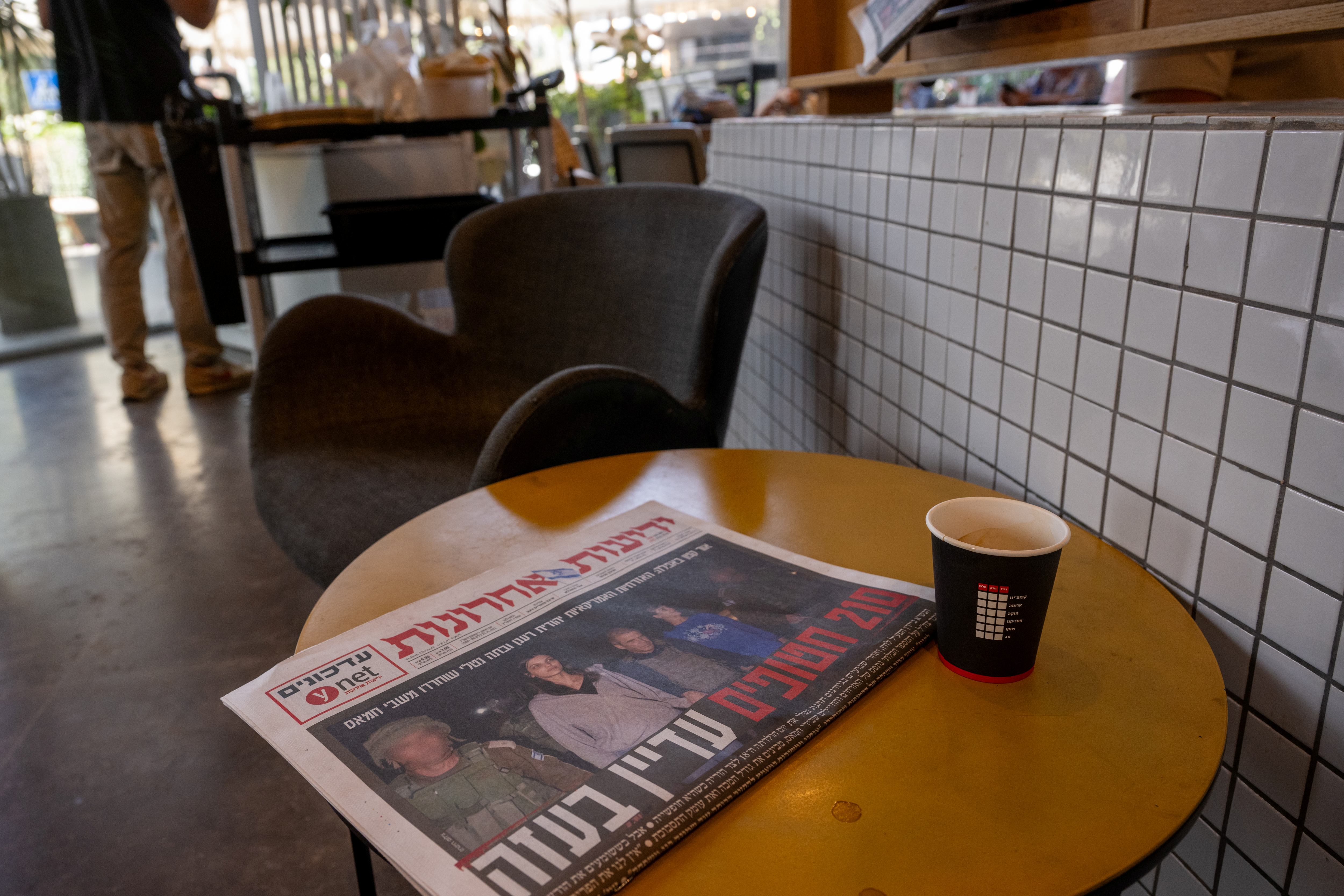
On 14 May 1948, David Ben-Gurion announced the establishment of the State of “Israel” on the land of Palestine, transforming the Zionist presence on Arab land into a Jewish state with fully developed arms and systems. Yet Ben-Gurion’s declaration itself, known as the Nakba, was not the starting point of Israeli media. Rather, Israeli media had begun at least 29 years earlier, (1) through a group of newspapers including Haaretz, Yedioth Ahronoth, The Jerusalem Post, then called The Palestine Post, and others, which shaped a narrative that paved the way for “media tailored to the military”, through a radical intersection between the word and the instrument of force, media and the army, locally and in the West, and subsequently in the Arab sphere.
From this intersection, which has become increasingly clear with Israel’s genocidal war on the Gaza Strip, the following lines set out to investigate the roots of Israeli military media since the Nakba, by tracing the emergence of the position of military correspondent and its roles during wars, and the transformation of this role into a global model of embedded journalism that was “cloned” in the West beginning with the 2003 Iraq War and continuing through the Russian war on Ukraine in 2022, following the Israeli military template in building the narrative and shaping war news.
A Soldier with the Rank of Correspondent
In parallel with the growth of Jewish immigration to Palestine and Zionist participation in the battalions of British colonialism, Battalions 38, 39, and 40, a number of Hebrew-language newspapers emerged, conveying to their audience news of these battalions and their contribution to the British occupation. Among them was Haaretz, published by the theorist of the Iron Wall, Ze’ev Jabotinsky, with his coverage of the entry of Battalions 38 and 39 and the Jewish Legion into the southern part of Palestine, and then their control of the crossings of the River Jordan and the surrounding areas.
While Haaretz balanced the political and the military, Yedioth Ahronoth came from its first day to shed light on the war and military operations of both the Zionist gangs and the British Mandate authorities against Palestinian Arabs. Its first issue at the end of the 1930s carried the headline: “The British Launch an Attack on the Western Front”, (2) before the Ukrainian Jew Joseph Tamir became uniquely associated with the title of “military correspondent” for Haaretz, Yedioth Ahronoth, Maariv, HaBoker, Davar, and The Palestine Post, from 1935 until the end of the first year of the Nakba, covering Haganah operations, the declaration of the state, and the events of the 1948 war in a professional style.
At the official level, on the eve of David Ben-Gurion’s declaration of the new state, he appointed his friend, the English-born Jewish writer Maurice Perlman, later known as Moshe Perlman, who was then the Haganah spokesperson, (3) as director of the “press liaison” unit. The post later developed into that of a military spokesperson for the Israeli army. Perlman founded the first Israeli Government Press Office and played a foundational role in the official media system, undertaking the refinement and improvement of Ben-Gurion’s speeches in English in a way suited to the Western nature of audiences in the United States and Britain.
The intersection of the military and the media, which began with Jabotinsky and then became a professional craft through the pen of Joseph Tamir, before turning into an official media mission that controlled what was read and heard, mutated during the Six-Day War into a natural model of the Israeli who could serve both his professional and military field in a single mission. Although Perlman had already passed the age of youth during the Naksa, he served in the army in parallel with his role as its official spokesperson, as did dozens of Israeli journalists such as Ze’ev Schiff, and Gershom Schocken, who held the rank of major during his service in the Haganah gangs and later the rank of major general in the Israeli occupation army.
On the eve of David Ben-Gurion’s declaration of the new state, he appointed his friend, the English-born Jewish writer Maurice Perlman, then the Haganah spokesperson, as director of the “press liaison” unit. The post later developed into that of military spokesperson for the Israeli army.
There was also Danny Rubinstein, who served as a soldier in the first battalion that occupied the West Bank in 1967, and then became Arab affairs analyst at Haaretz; Rafael Amir, correspondent for the Voice of Israel; Meron Medzini, director of the Government Press Office and former spokesperson for Prime Minister Golda Meir; and Kariel Gardosh, the journalist who documented the Naksa war through his cartoon drawings of the character “Srulik”, the heavily armed soldier who achieved rapid victories during the Naksa, along with many others.
In reality, the consolidation of the position of military correspondent during the 1967 war was not random, but came as the result of a fusion of censorship, mobilisation, the unification of the narrative, and then its internationalisation. What could be transmitted and published was controlled through military censorship, while the geographical scope of what military correspondents provided expanded through the army spokesperson’s unit. It was given a legal character through an independent media system affiliated with and supportive of the army, such as Army Radio and its magazines. This transformed the correspondent’s work from that of an intermediary transmitter of information embedded within the state institution into that of a spokesperson on its behalf.
A Correspondent Carrying a Shell: From the Lebanon War to the Gaza War
The shift from spokesperson to international face of the Israeli security narrative took its first dimension with the invasion of Lebanon in 1982, when the first Israeli version of the “correspondent accompanying military units” appeared, later known as the embedded journalist. This emerged through a generation of military correspondents whose status became consolidated locally and internationally as security analysts or experts in army and military affairs. Among the most prominent were Eitan Haber, Ram Oren, Adam Baruch, Uri Dan, the journalist close to Ariel Sharon, Ze’ev Schiff, whose coverage was published in European and American newspapers as a military analyst and correspondent combining journalism with a strong relationship with the army, and Moshe Vardi, who conveyed the course of the Battle of Beirut and the details of Palestinian resistance operations to international media outlets.
The consolidation of the position of military correspondent during the 1967 war was not random, but came as the result of a fusion of censorship, mobilisation, the unification of the narrative, and then its internationalisation. What could be transmitted and published was controlled through military censorship, while the geographical scope of what military correspondents provided expanded through the army spokesperson’s unit.
There was also Roni Daniel, who conducted interviews with senior army officers and provided Israel’s Channel 2, later Channel 12, with continuous coverage of military operations, and Ron Ben-Yishai, who moved through the alleyways, highlighting the impact of the Israeli siege on Beirut’s residents and the army’s operations in border areas.
The intersection and partnership between media and the military later qualified the correspondents and journalists of the Lebanon War to occupy the position of writers and historians of the 1982 Lebanon War at international and regional levels. This was the result of their direct contact with field events, their involvement with army units on the front lines, their ability to interpret military and political decisions, and the exceptional powers granted to them to access field information, including maps, plans, and assessments.
A number of them were able to present a media narrative documented with photographs and maps about the reality of the war and its military and field secrets. Moreover, their military proximity to senior officers, as a result of their service in army units, gave them access to testimonies and interviews rich in detail. The military correspondent therefore became an analyst, historian, and witness to a historical moment, as in Ze’ev Schiff’s book Israel’s Lebanon War: The War of Deception, which became an important academic and media reference for researchers, and his other book The Lebanon War 1982, with Ehud Yaari. There is also The Lebanon War: Personal and Analytical Accounts by journalist Ron Ben-Yishai, who was among the first Israeli journalists to enter Sabra and Shatila after the massacre, and who gathered his field experiences of operations, military units, and battles in Lebanon during the invasion.
The intersection and partnership between media and the military later qualified the correspondents and journalists of the Lebanon War to occupy the position of writers and historians of the 1982 Lebanon War at international and regional levels. This was the result of their direct contact with field events, their involvement with army units on the front lines, their ability to interpret military and political decisions, and the exceptional powers granted to them to access field information, including maps, plans, and assessments.
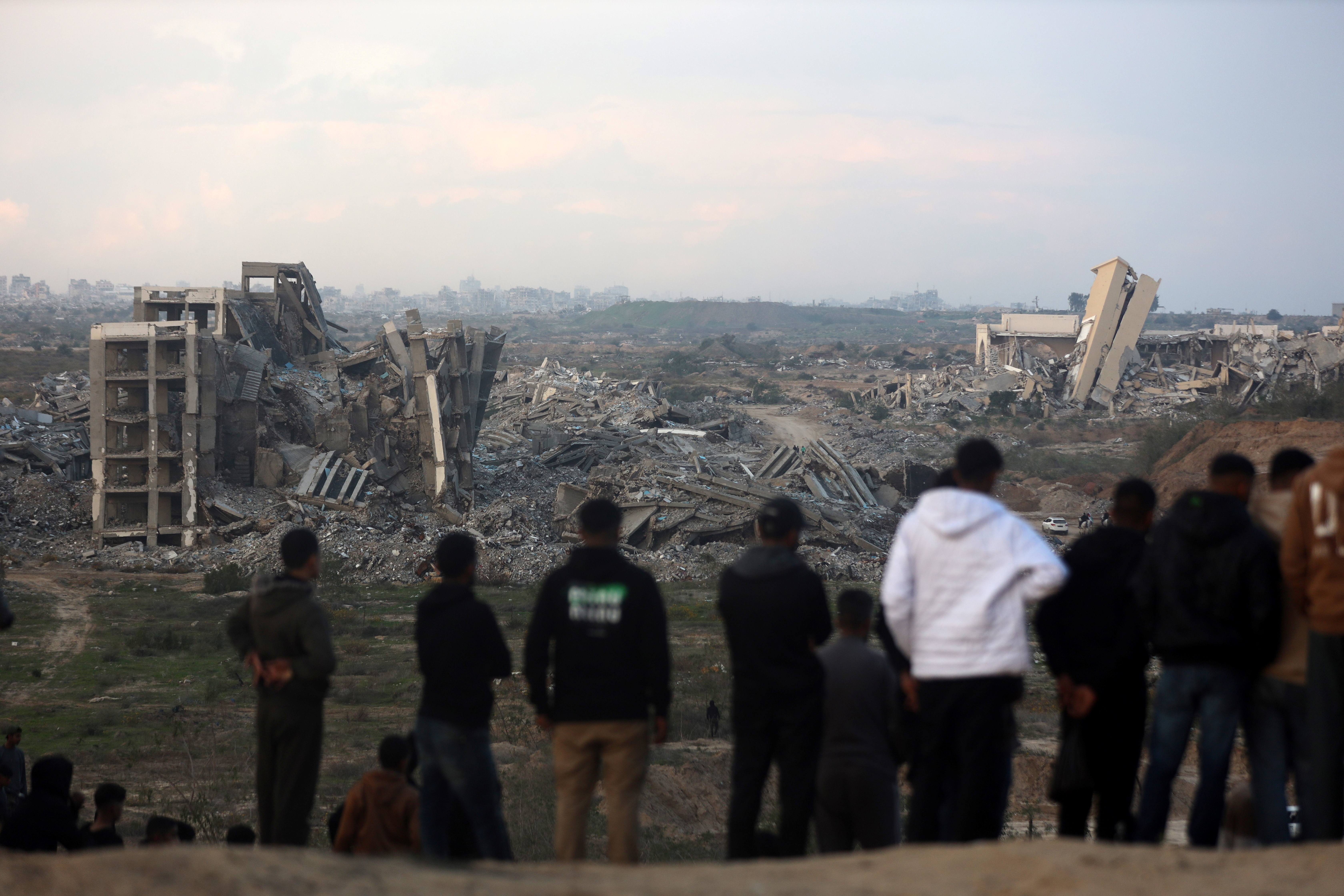
The practical culmination of the relationship between the military and the media came with the Israeli war on Gaza in 2014, when field access was increasingly directed through the military spokesperson and censorship in specified press tours for media crews accompanying army units on Gaza’s borders and inside it. Their media outputs were preceded by censorship restrictions on operational details, which transformed the correspondent into an instant promoter of the army’s narrative and operations, at the same time as greater restrictions were imposed on international press crews, which found in the translation of Israeli media a window through which to define the war and its logic.
In effect, from the very first moment Zionism moved towards Palestine, the media always found a foothold in the middle: between what the West calls “freedom of expression and transmission” and what the Israeli system sees as a need for “unblemished national mobilisation” and “Israel’s international reputation”. On the rhythm of this balancing act, an Israeli media was founded with multiple faces, but all of them were cut to one size.
One of these faces is represented by spaces for the free transmission of the Israeli military narrative, so long as it entrenches power, dominance, and the long arm that does not fear brutality. Another face bridges the gaps between military effort and achievement, which is not always realised, in a way that supports mobilisation and unity behind the army. A third face appears in preserving military secrets as far as possible.
Through these faces, Israeli media has proved that it follows the army first and last, that differences of opinion and freedom of expression vanish before military orders and censorship, and that every state has an army and media, whereas in Israel there is an army according to whose compass the media and the state operate.
The Western Version of the Military Correspondent
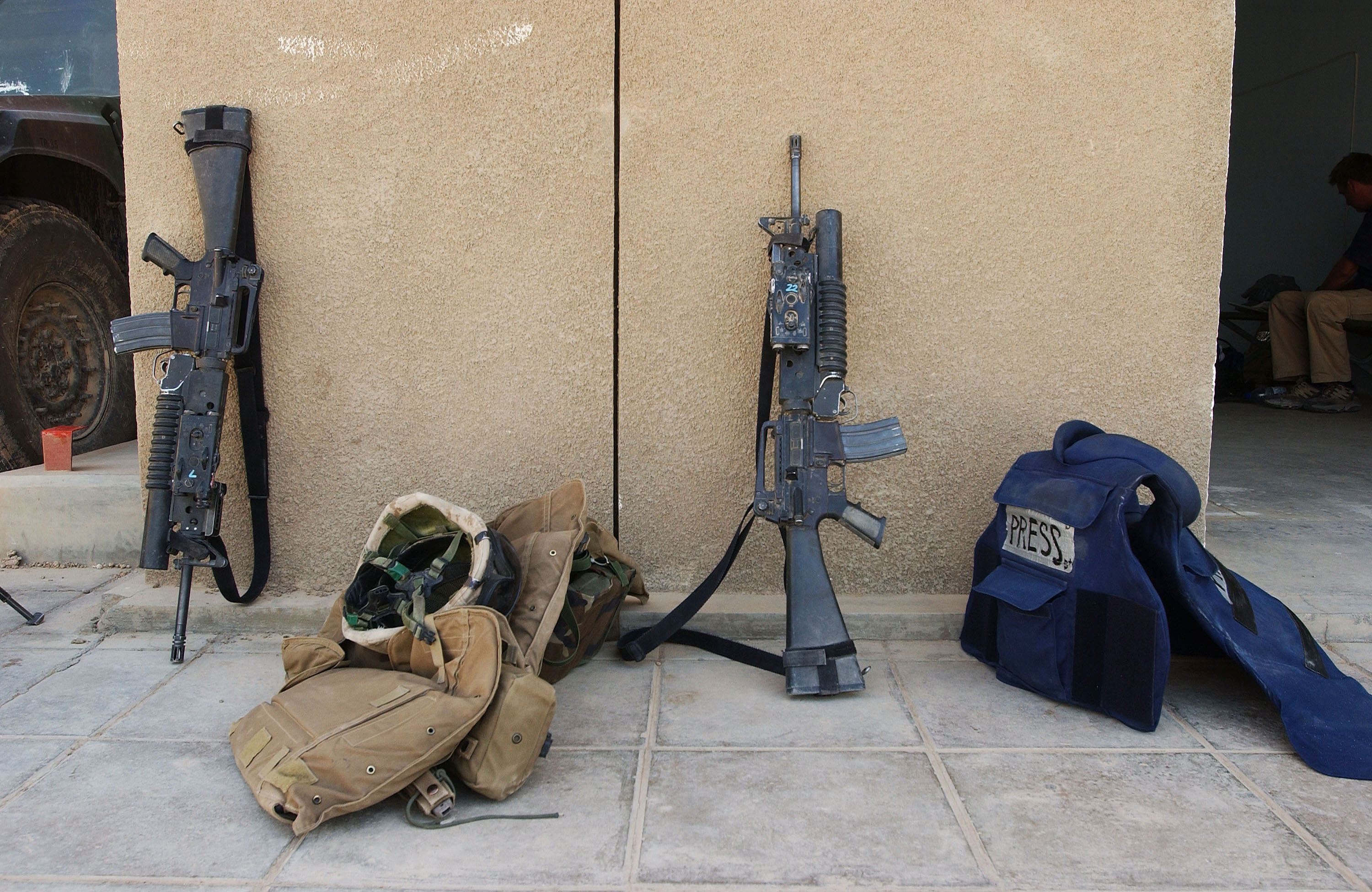
The direct results of marrying media work with wartime immersion in the field caught the attention of Western military experts, who found in Israeli experiences a guide for their own. This encouraged the US Department of Defence in 2003 to establish a unit dedicated to journalists embedded with the armed forces, creating strategic enablement in the making of American foreign policy and lending legitimacy to its military operations in Iraq. The unit included between 600 and 700 journalists, who were subjected to prior training.
The unit, which came in response to the decline in journalists’ access in previous wars such as the First Gulf War of 1990–1991 and the invasion of Afghanistan in 2001, was governed by an operational security system different from that of the rest of the international coalition’s units. It enabled journalists to become involved in conflict zones and enter battlefields in exchange for restrictions on movement and information that determined what could and could not be published.
Despite criticism and accusations of bias, and of trading field immunity for absolute transparency, this did not prevent Western media from repeating the experiment once again , albeit to a lesser degree , during the Russian-Ukrainian war, by joining the ranks of Western and Ukrainian forces in order to access the field and obtain direct coverage of its events.
The direct results of marrying media work with wartime immersion in the field caught the attention of Western military experts, who found in Israeli experiences a guide for their own. This encouraged the US Department of Defence in 2003 to establish a unit dedicated to journalists embedded with the armed forces, creating strategic enablement in the making of American foreign policy and lending legitimacy to its military operations in Iraq. The unit included between 600 and 700 journalists, who were subjected to prior training.
Over previous years, the Western media community largely ignored the military-media duality, preferring to focus on journalistic and media production. As a result, journalists such as James Foley emerged; he worked as an embedded journalist with the US army in Iraq and Afghanistan. Lara Logan also covered battles alongside US and British forces in Iraq and Afghanistan between 2002 and 2005. Ben Solomon was nominated for an Emmy Award for his film The Fight for Fallujah, which he made using virtual reality technology during field coverage with the Iraqi army in 2016.
Seen from another angle, the model of the “Israeli military correspondent”, and subsequently the Western model, drew the attention of media, military, and psychological fields alike. It prompted them to conduct media and psychological studies analysing the formulation of the media message and its effects on the audience, as well as the military and political benefits sought from this model, comparing that with political justifications and with the media propaganda that governments can adopt to justify their conflicts, shape their foreign policy, rally public opinion towards supporting them, and perhaps exercise their influence in other forms through the media.
Ultimately, the military correspondent has never been anything but another weapon under the banner that protects him, whatever uniform he wears. And if Western media has seen him as the soldier of truth at the heart of the front, history proves that truth rarely speaks in the name of the victims of wars, but rather in the name of the power that wages them.
References
(1) The National Library of Israel, “The Yishuv and State of Israel Press”, https://n9.cl/o4ov2.
(2) Press Reference. “Israel Press, Media, TV, Radio, Newspapers.” http://www.pressreference.com/Gu-Ku/Israel.html.
(3) A Jewish paramilitary organisation that arose in Palestine during the period 1920–1948, whose first vanguard forces received training at the hands of the British Mandate. With the declaration of the establishment of the State of Israel, it became the basic nucleus of the Israel Defence Forces.
This article was originally Published in Arabic on: 01/10/2025