The digital transition of journalism has exposed a growing archive reliability gap: online news documents are often subject to fake news, content manipulation, and a lack of verification mechanisms that challenge their role as official historical records.
What began as a routine search through European press archives for a historical study of a particular period in Morocco’s history gave no indication that it would end by raising a troubling question about the future of historical writing based on press archives. Such archives constitute an essential source for documenting some of the major transformations and events of the nineteenth and twentieth centuries, a period in which the European and American press developed early, benefiting from numerous contexts whose beginnings can be traced to the intellectual transformations in Europe during the seventeenth and eighteenth centuries, through to the widespread expansion of the press in the mid-nineteenth and early twentieth centuries.
Press Archives as a Primary Source for Writing History
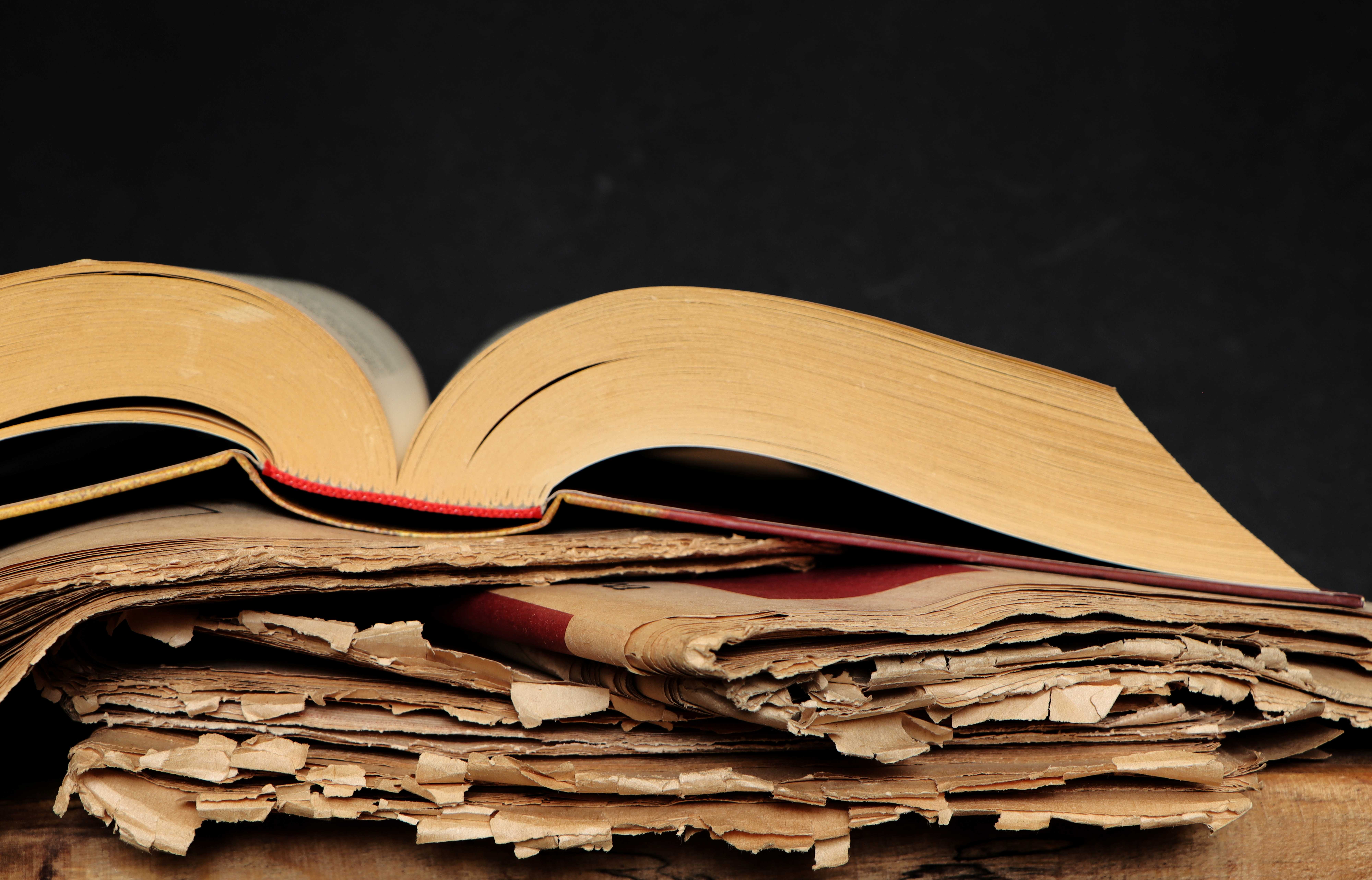
Historians became aware of the immense importance of press archives, particularly with the new approach adopted by the pioneers of the French Annales School, foremost among them the French historian Marc Bloch, who argued for broadening the concept of the historical document and not restricting it to what earlier historians had written. Instead, it should encompass other types, including any document containing information that could help write history. Press archives fall within this category (1). They perform the role of the “direct witness”, in the words of Abdallah Laroui in his book The Concept of History, while the historian assumes the role of the “narrator who comes afterwards”, again in Laroui’s formulation. In his view, this highlights the similarity between the functions of the journalist and the historian, even though they operate in different periods: the journalist is the historian of the moment, while the historian is the journalist of the past (2). This has left historians with rich archival material that has helped them write history from multiple perspectives, whether of major events or the margins and different social structures.
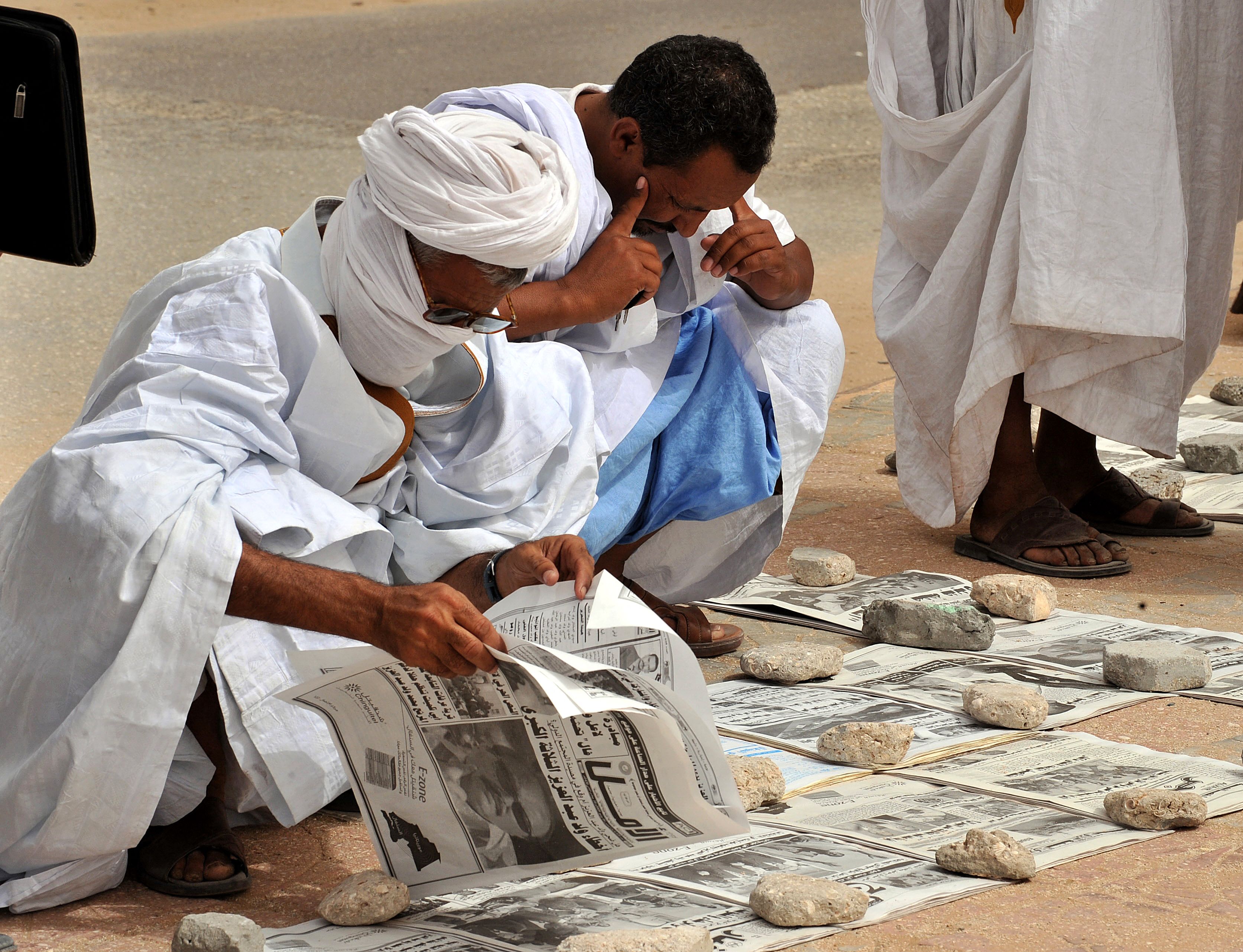
Through the Parisian example, René Mazedier shows how, from the late nineteenth century onwards, the press became a major force in shaping French public opinion (3). Press archives have also enabled historians to trace the development of modern nationalisms in Europe and some Asian countries. Benedict Anderson argues that the circulation of newspapers and their daily delivery of news to thousands of people helped unify their feelings and attitudes towards a range of issues, contributing to the formation of the idea of the nation-state and strengthening identification with the state rather than with religious or identity-based communities. Anderson cites Turkey, tracing the roots of Turkish nationalism to the emergence of an active vernacular press in Istanbul during the 1870s (4). This makes the press archive of that period important and essential material for writing its history.
What gives European press archival material its strength as a source for historical writing is that journalistic practice was institutionalised and subject to strict professional standards governing the reporting of news and the way it was presented, despite what may be said about editorial lines controlling the selection of news, the manner in which it was presented to readers, the terminology used, and other factors.
In this way, the French historian Pierre Renouvin highlights the importance of press bulletins prepared by the governments of the parties to the First and Second World Wars for understanding events and continually rewriting and critically reassessing their history as new press archival material emerges. He nevertheless stresses limitations that affected these bulletins, such as strict censorship of published information and its direction in ways that served one side or another. Yet this did not prevent the bulletins from containing important information relating to the daily developments of the war, its impact on different aspects of economic and social life, and the understanding of trends in public opinion. Through these bulletins, and the press more generally, the historian can reach what Renouvin calls the “general spirit” (5). Moreover, these bulletins enabled historians to distinguish between subjects that were openly discussed and those that remained unspoken for various reasons. Laroui considers this to be at the heart of the historian’s work: uncovering unannounced events by tracing their effects. (6)
What gives European press archival material its strength as a source for historical writing is that journalistic practice was institutionalised and subject to strict professional standards governing the reporting of news and the way it was presented, despite what may be said about editorial lines controlling the selection of news, the manner in which it was presented to readers, the terminology used, and other factors. Nevertheless, the clear identities of newspapers, their strong concern for their reputations, their competition to provide a journalistic service based on the accuracy and credibility of their reporting, and their efforts to secure the widest possible circulation through the traditional means available at the time provided historians with important archival material that greatly assisted them in writing multiple histories. Beyond that, the press became essential for encouraging certain fields of historical research, such as economic history, the history of mentalities, and local histories, as well as other branches of history that revealed the important roles played by elements marginalised in general histories in shaping major events. Those general histories had traditionally been written by historians of states, royal courts and governments, as well as through other writings left behind by elites.
Digital Media and Historians’ Concerns
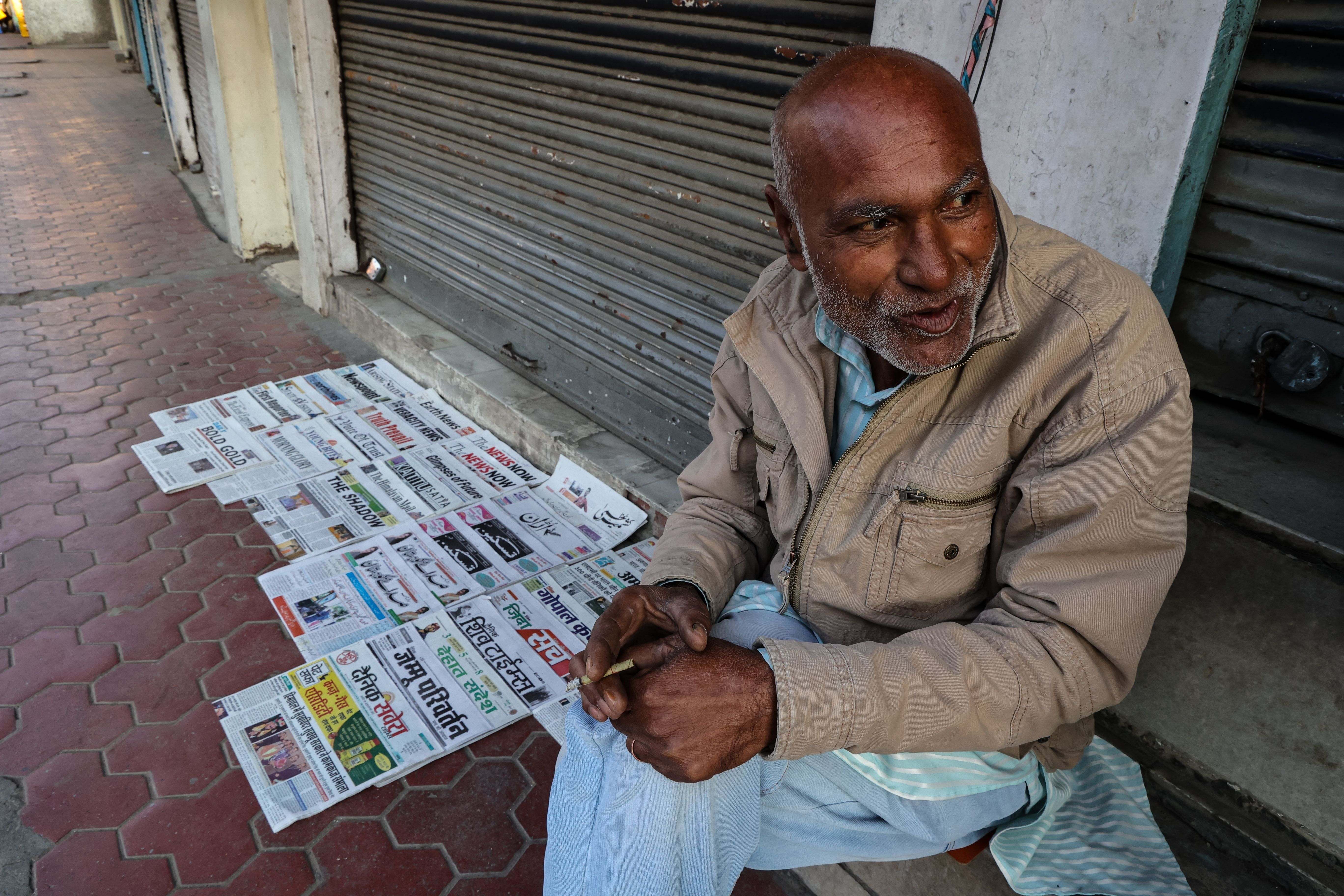
When relying on press archival material, the historian takes into account a set of conditions and standards, foremost among them that the journalistic source should be published under a known name and by identifiable journalists, as well as carrying a publication date, place of publication and other elements that reinforce the credibility of the information being used. This is what the print press provided in the past. The archives of the Spanish, French or English press, for example, show that from the mid-nineteenth century onwards each newspaper had a clear masthead identifying the publisher, members of the editorial board, place of publication, serial number, date and other elements reflecting the professionalism and responsibility of those running the newspaper. The historian therefore dealt with an identifiable source that bore ethical responsibility for what it presented, on which the historian could build an analysis and documentation of events.
Press archives revealed the important roles played by certain elements that general histories had marginalised in shaping the major events traditionally written about by historians of states, royal courts and governments, as well as in other writings left behind by elites.
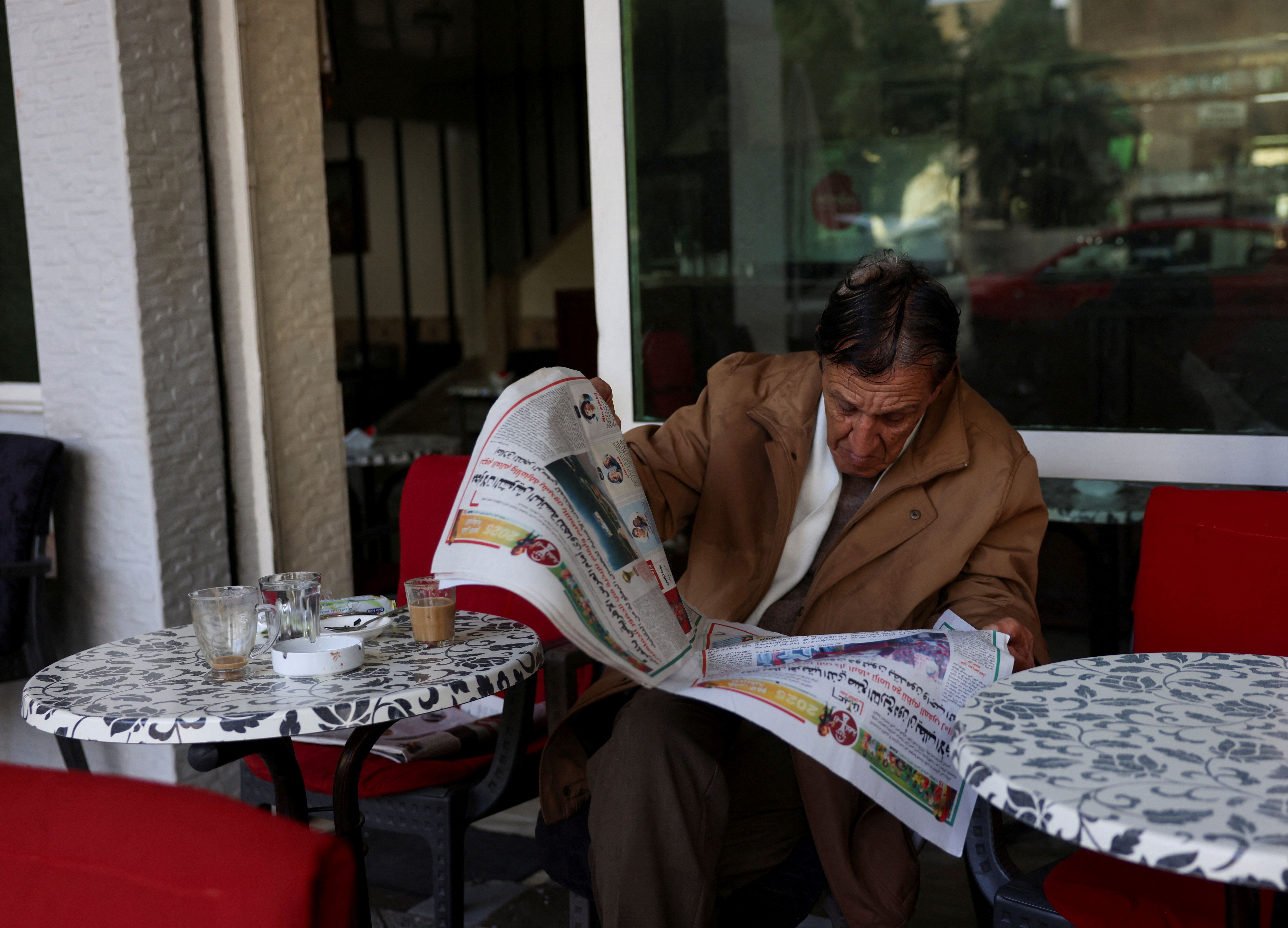
These considerations gave rise to the troubling question about the future of historical writing in light of the transformations that journalism has undergone and the continuing decline in the circulation of print newspapers. Newspapers have increasingly moved into the digital sphere, relying on electronic rather than print editions, while other journalistic genres and forms connected to the digital space have emerged, benefiting from the ease of access, the ease of publishing media content, and the ability to secure rapid and widespread distribution. Over the past decade, digital media has accumulated a vast body of material online. Events are now documented instantaneously from multiple angles and perspectives, while professional media overlaps with amateur media, extending to what is known as “citizen journalism”, which has turned every member of society into a “journalist” on the basis of their instantaneous documentation of events from the places where they occur.
The question of credibility, however, presents itself with increasing urgency amid the new transformations affecting the media field and the ways events and news are presented. This transformation has been accompanied by phenomena that have placed digital media under intense scrutiny over news verification and the deliberate distortion of events or the falsification of associated information. The ease of access to the digital sphere, together with the speed and enormous scale with which content reaches audiences, has also encouraged actors involved in events to intensify their online presence in ways that favour their own narrative or interpretation of events, even when it is inaccurate. This can be seen, for example, in the phenomenon of fake news, which operates according to the logic of circulation rather than the logic of truth, making it difficult in many cases to contain within the digital sphere.
In his book What Are Algorithms Dreaming Of?, Dominique Cardon raises important questions about the extent to which algorithms may control the writing of history in the future. Algorithms cause the most widely circulated narratives to be treated as the correct ones rather than those that are more accurate or better supported (7). This will have a major impact on the raw material that the digital sphere provides to future historians. Digital media’s reliance on algorithms to achieve broad distribution may also contribute to the formation of a digital memory based on the volume of engagement rather than the accuracy of information. It can strengthen certain narratives while excluding others, a tendency that may be reinforced by technologies that facilitate falsification and disinformation, such as video manipulation and the use of artificial intelligence. The production of media material in the digital sphere may therefore become governed by the logic of reach, engagement and profit at the expense of the logic of knowledge (8).
In the same context, the digital press archive presents another problem for the archive's durability because of its capacity for deletion and modification. Information may exist today only to be deleted or altered tomorrow for one reason or another, while the sources of some information may be unclear or unknown. Wolfgang Ernst highlights this difference between the traditional archive and the digital archive. The traditional archive is material and temporal, which gives it a degree of permanence, whereas the digital archive is changeable because it can be modified. Ernst argues that the digital archive does not “preserve the past”, but reproduces it with every act of retrieval. Time, in his view, thus becomes machine time rather than human time, changing the relationship between history and the document. In the digital environment, future history will depend on what algorithms permit to appear. (9)
The traditional archive is material and temporal, which gives it a degree of permanence, whereas the digital archive is changeable because it can be modified.
The digital sphere has provided media with an arena in which to compete in producing information and narratives by exploiting the possibilities that algorithms offer for publication on the widest possible scale. The pursuit of maximum engagement from the digital community has also pushed media to interpret historical events in ways that conform to its identity, gradually turning it into a producer of knowledge once it reaches a certain level of accumulation. It plays the role of an intermediary that reproduces narratives in forms that may distort, alter, exclude or reinforce them. Digital journalism therefore reshapes historical knowledge rather than fully liberating it [10]. In this context, Gérald Bronner presents a number of events, imagined, fabricated or entirely false, that achieved widespread circulation online and went on to influence political decisions and even contribute to shaping part of the world in which we live (11).
These negative aspects of digital media confront historians with a difficult question: whether press archives, and digital archives in particular, can remain important sources for writing history. Digital archival material carries significant risks relating to the credibility of the information it presents, and intensive reliance upon it may result in the production of falsified histories. This is particularly significant because, as journalism continues its accelerating transition from print to electronic media, this material will become a primary archival source for historians of future generations. We may consequently face falsified histories in proportion to the influence of irresponsible journalism and its strength online, especially since the historian may no longer have the tools to distinguish accurate information from falsehoods in the digital sphere after a long period has passed.

References
1) Marc Bloch, Apologie pour l’histoire ou Métier d’historien (Paris: Armand Colin, 1949).
2) Abdallah Laroui, The Concept of History, 4th ed. (Casablanca: Arab Cultural Centre, 2005), p. 67.
3) René Mazedier, Histoire de la presse parisienne (Paris: Éditions du Pavois, 1945).
4) Benedict Anderson, Imagined Communities: Reflections on the Origin and Spread of Nationalism, rev. ed. (London: Verso, 1991), p. 75.
5) Pierre Renouvin, “La presse et l'histoire. Un instrument de travail: le Bulletin de presse”, Matériaux pour l’histoire de notre temps, no. 49 (1998), p. 83.
6) Laroui, The Concept of History, p. 69.
7) Dominique Cardon, À quoi rêvent les algorithmes: Nos vies à l’heure des big data (Paris: Éditions du Seuil, 2015).
8) Shoshana Zuboff, The Age of Surveillance Capitalism: The Fight for a Human Future at the New Frontier of Power (New York: PublicAffairs, 2019).
9) Wolfgang Ernst, Digital Memory and the Archive (Minneapolis: University of Minnesota Press, 2013).
10) Luca Serafini, “The Old-New Epistemology of Digital Journalism: How Algorithms and Filter Bubbles Are (Re)creating Modern Metanarratives”, Humanities and Social Sciences Communications 10 (2023), p. 395.
11) Gérald Bronner, La démocratie des crédules (Paris: Presses Universitaires de France, 2013).
This article was originally published in Arabic on 01/09/2026