How Sources Shaped the Story of Gaza’s Aid-Site Killings

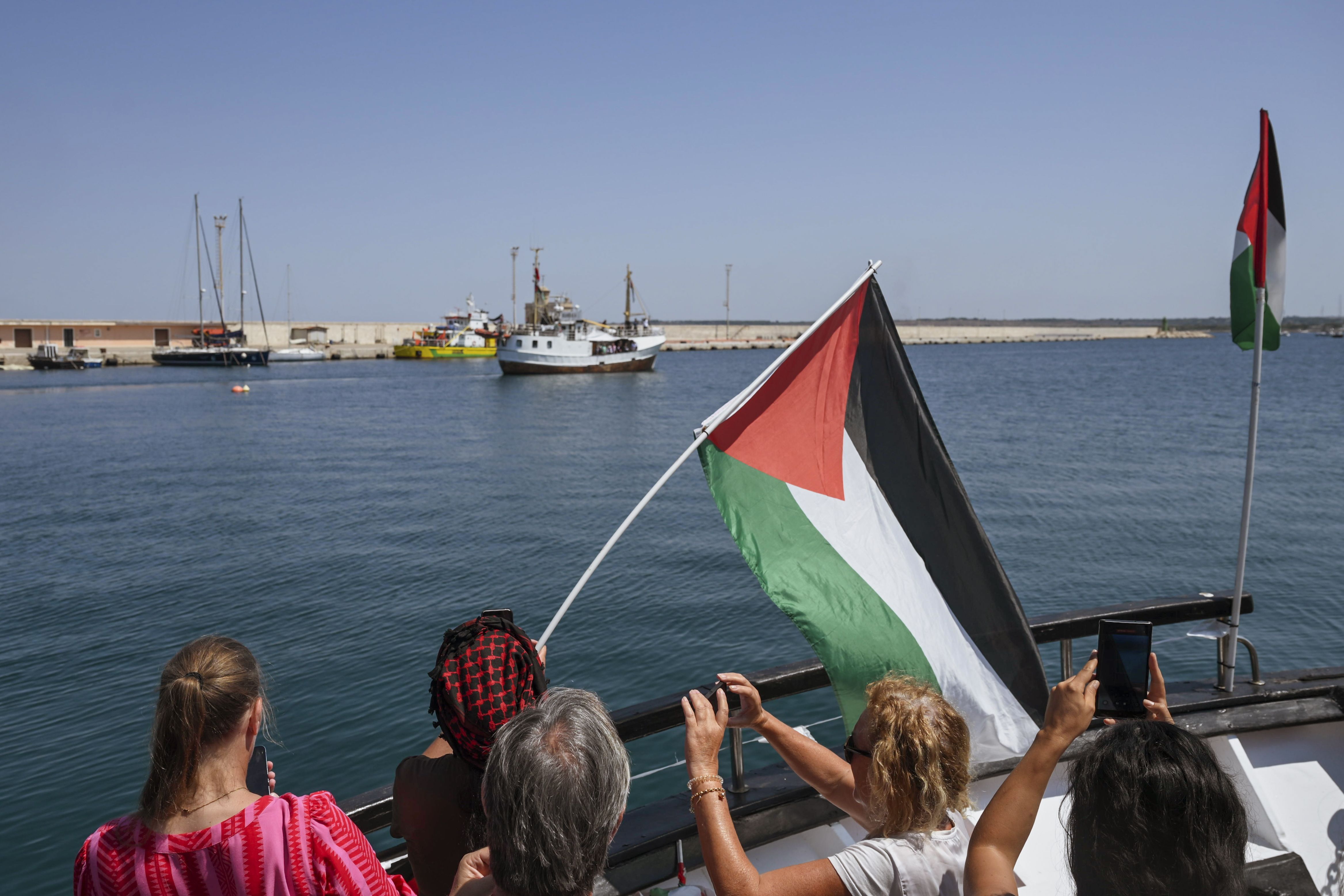
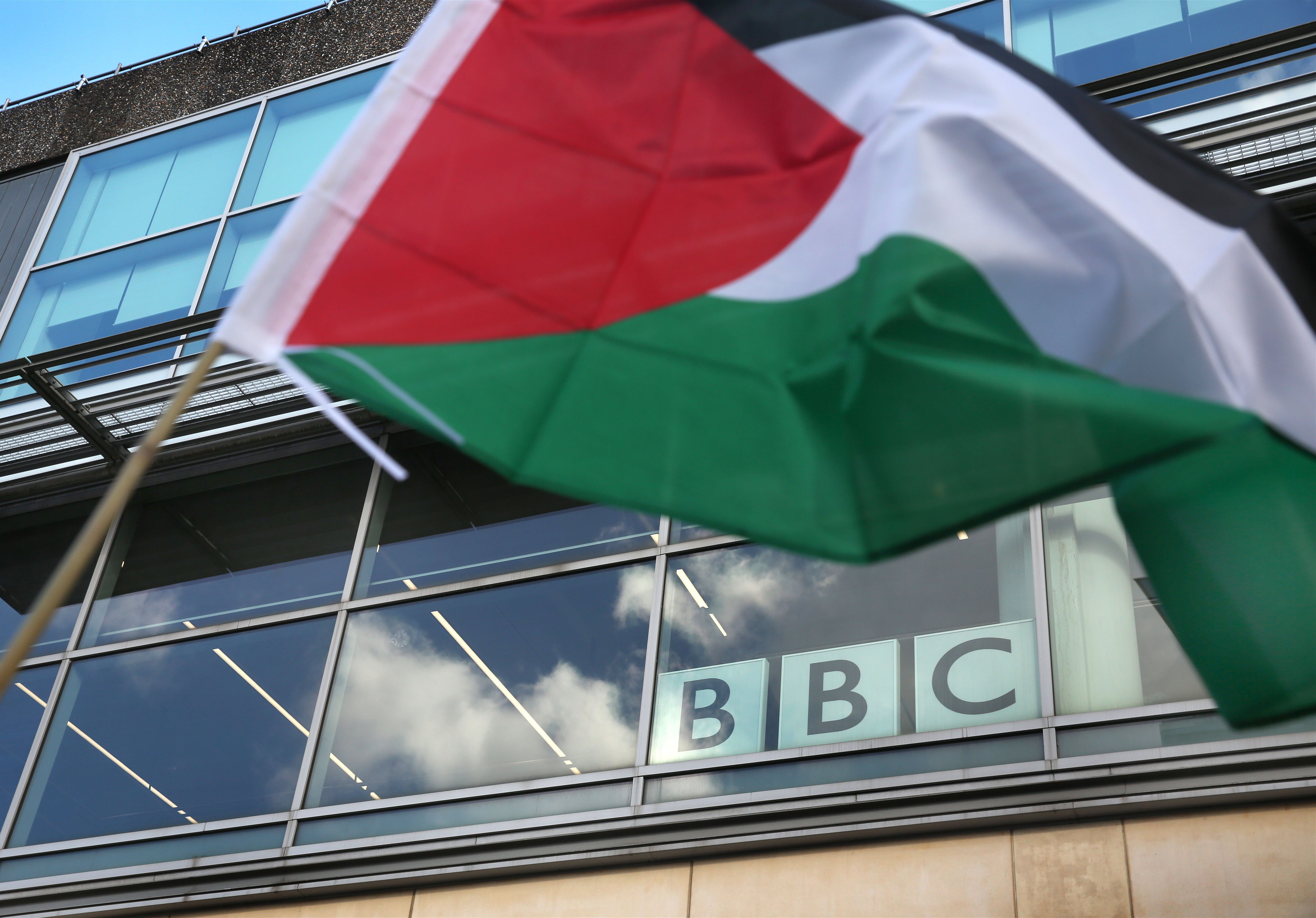
A demonstrator waves a Palestinian flag outside the BBC offices during a march protesting the network's coverage of the conflict in Gaza, with demonstrators accusing Western media of biased reporting and attempting to conceal the truth on the ground (Photo: Martin Pope/ZUMA Press Wire. Birmingham, England, Uk – Oct 2024)

How Sources Shaped the Story of Gaza’s Aid-Site Killings

In conflict reporting, the question is rarely only about what happened. It is also who gets to explain what happened. The findings here suggest that the answer to that question often shapes the story that audiences ultimately receive.

 

During the summer of 2025, at least 1,373 Palestinians were killed while trying to access food at aid distribution sites in Gaza, yet coverage of the same killings looked radically different depending on which outlet one read. A study of 158 articles across four major news organisations found that sourcing decisions often shaped whether those deaths were narrated as a humanitarian atrocity, a crowd-control incident, or a necessary response to disorder. The answer may lie in a routine editorial choice: who gets to explain the violence.

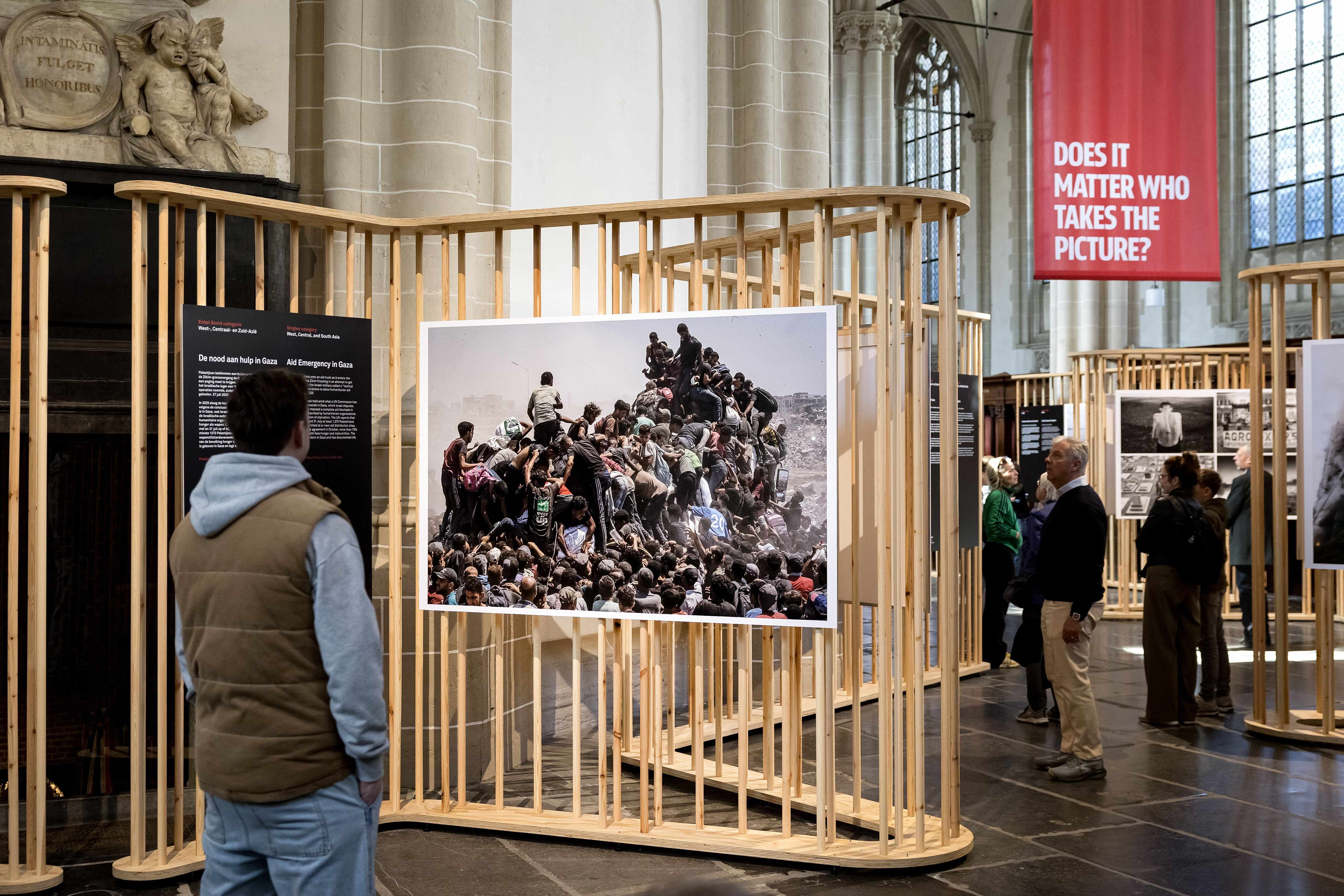
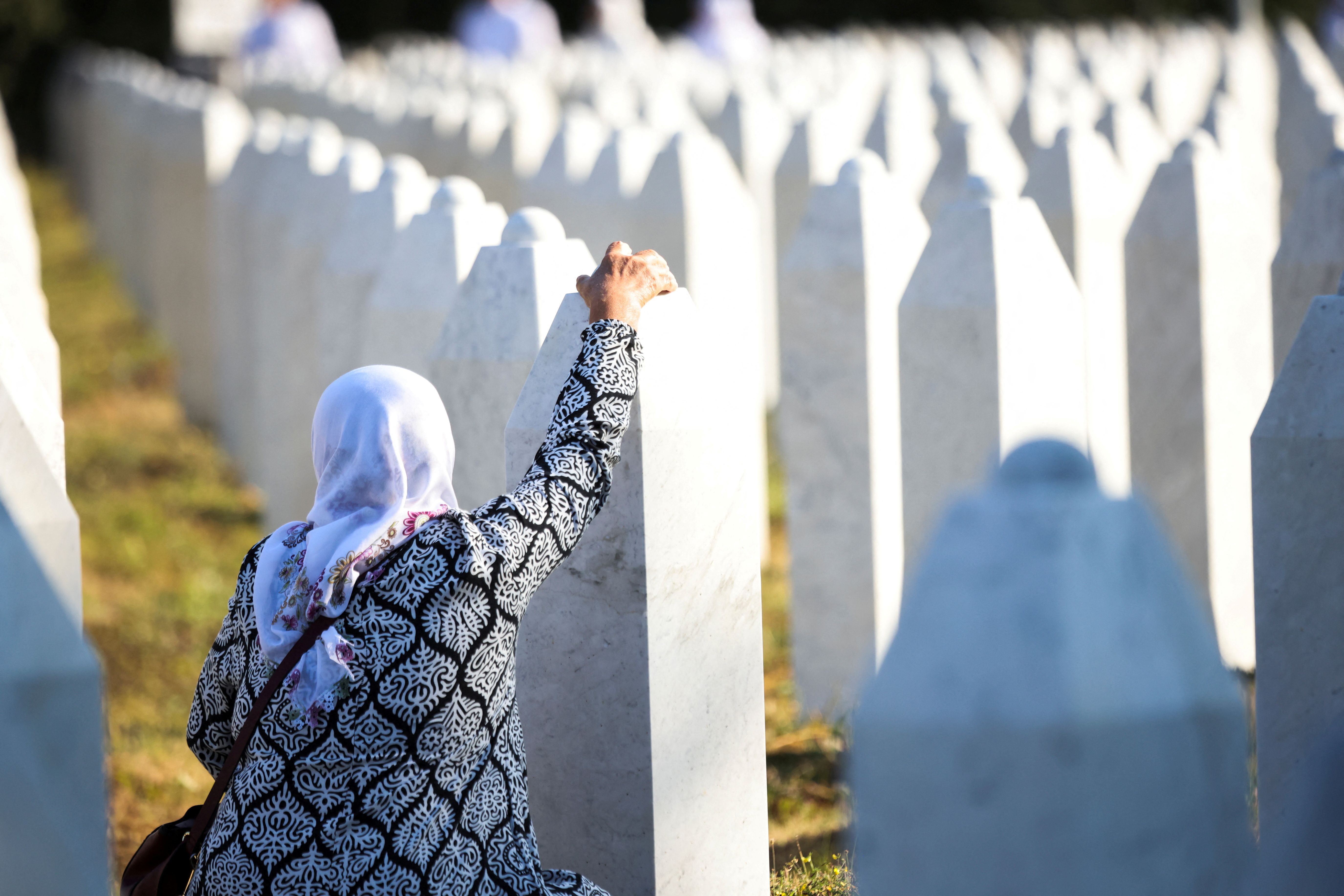
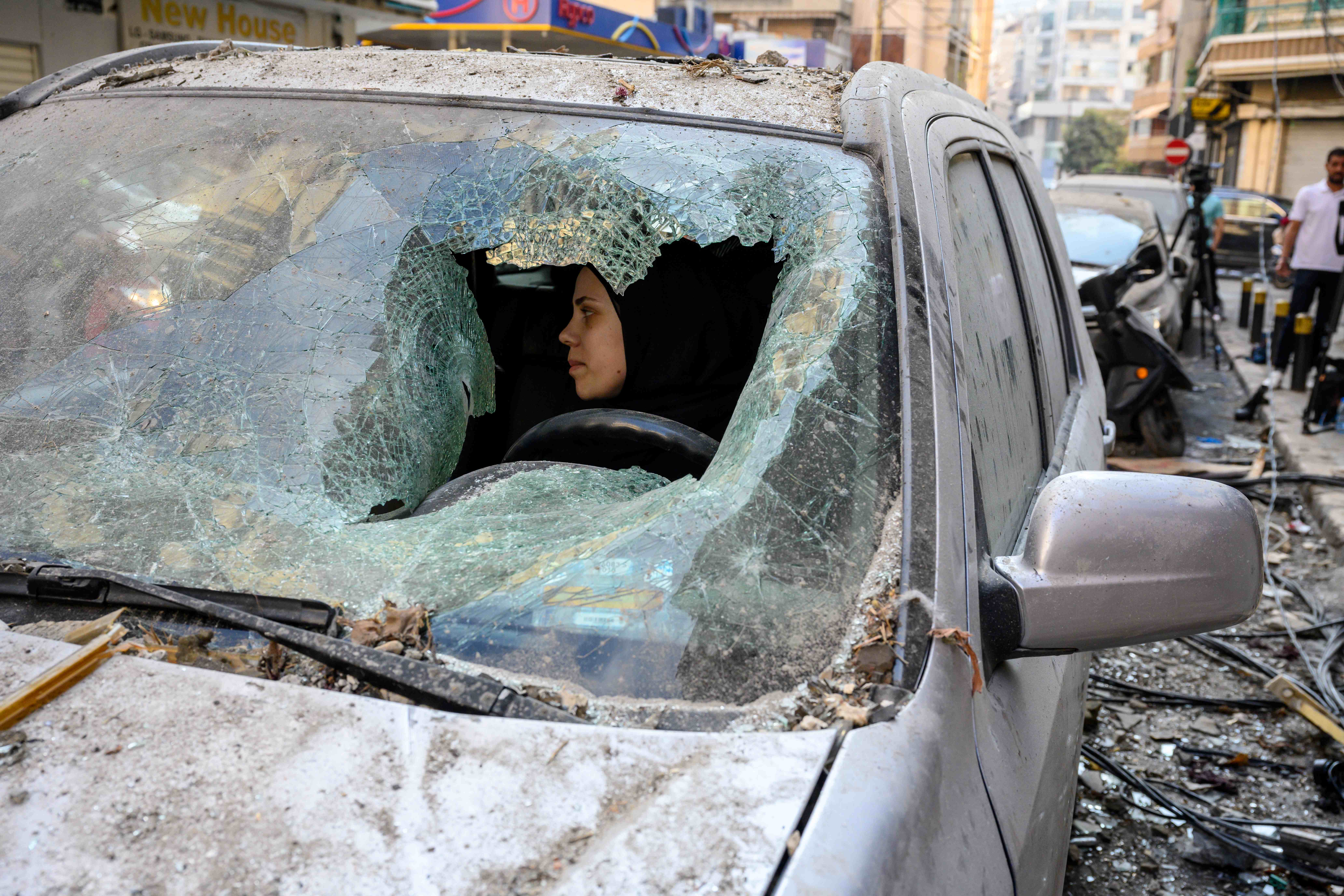
In the summer of 2025, Palestinians were being shot while trying to reach food. The aid distribution sites established across Gaza under a US and Israeli-backed scheme were intended to ease a deepening hunger crisis. Instead, people were being killed trying to reach them. By the end of July, the United Nations estimated that at least 1,373 Palestinians had been killed at or near those sites since late May.

Anyone following the story through different news outlets could have come away with very different explanations of what had happened. Some reports focused on starvation, blockade, and the desperation that brought crowds to those sites in the first place. Others focused on crowd disorder, security concerns, and Israeli military explanations for the shootings. 

To understand why the same events were being explained so differently, I examined all 158 articles published between 27 May and 31 July 2025 by Al Jazeera English, Al Arabiya English, BBC, and The New York Times. What emerged was less a simple divide between Arab and Western media than a recurring question about who was allowed to explain the violence.


The Same Event, Rewritten by Its Sources

The most striking finding had nothing to do with which outlet was more sympathetic to Palestinians or more favourable to Israel, but with who was allowed to explain what happened.

A New York Times article published on July 19 reported that Israeli soldiers had fired warning shots after Palestinians approached them and “did not comply with an order to halt". In the same article, Mohammed al-Hato, 33, said: “All I wanted was a sack of flour.” This was the same article describing the same killings, yet two very different explanations of what happened emerged.

Across the sample, articles relying exclusively on Israeli sources included justification frames in 96.6% of cases. Among articles relying exclusively on Palestinian sources, that figure was just 2.7%.

Across the sample, articles relying exclusively on Israeli sources included justification frames in 96.6% of cases. Among articles relying exclusively on Palestinian sources, that figure was just 2.7%.

The differences were not limited to what sources said but extended to how the shootings themselves were explained. Israeli officials tended to explain the shootings through the language of security threats, crowd control, and warning fire. Palestinian witnesses, medical workers, and officials explained them through hunger, aid shortages, and the dangers civilians faced trying to reach food. When only one side was asked to explain what happened, the resulting story often reflected that choice.

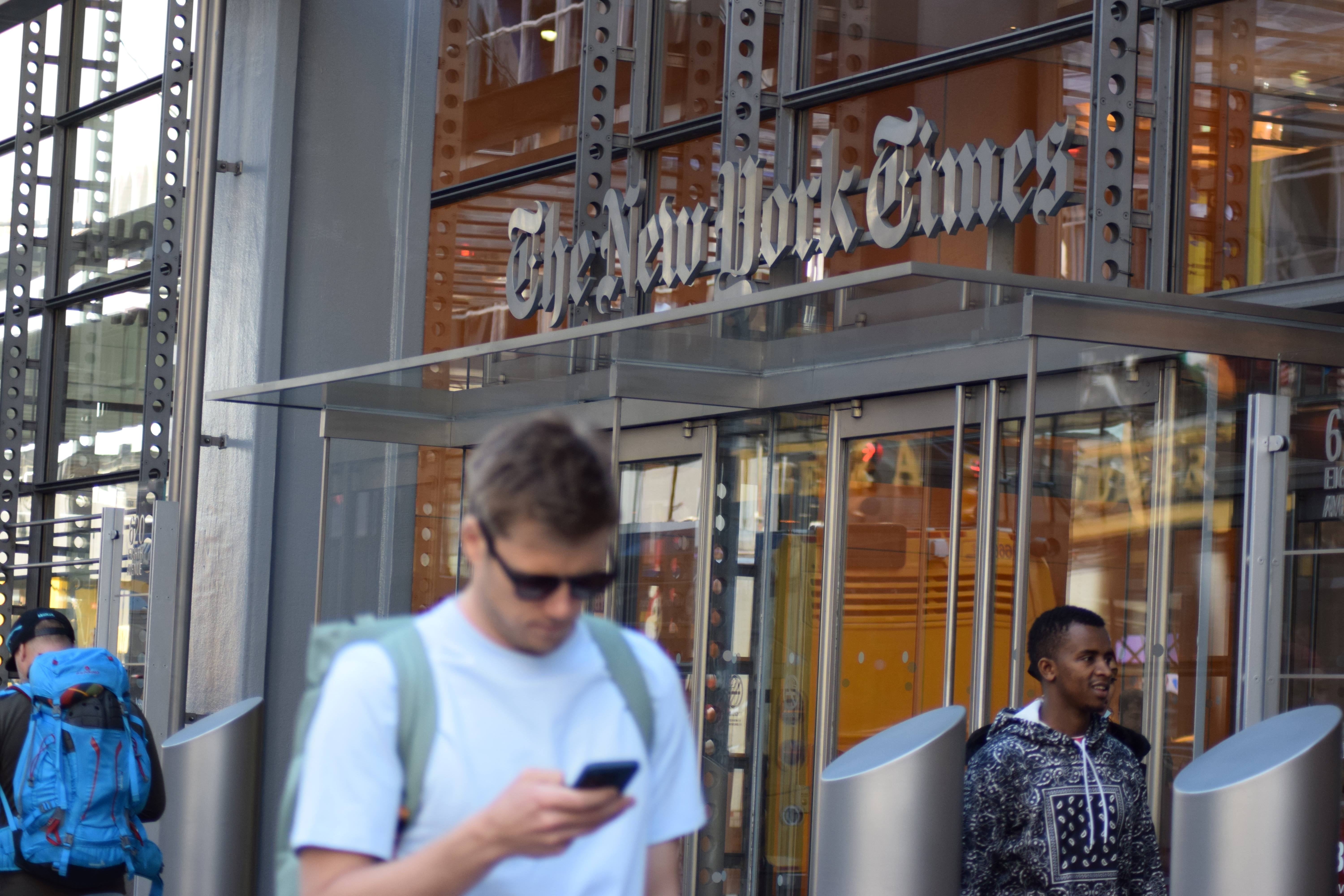
The pattern was visible at the outlet level too. More than a third of articles published by the BBC and The New York Times relied exclusively on Israeli sources. Among Al Jazeera English and Al Arabiya English, Israeli-only sourcing was almost non-existent. Those outlets relied far more heavily on Palestinian witnesses, officials, and medical workers.

This is not necessarily about intent, as journalists covering fast-moving events often depend on whoever is available and perceived as authoritative. But sourcing and framing are closely connected. Decisions about who is quoted and whose account is treated as credible shape the explanation that ultimately reaches readers.


A Name Is Not Enough

One of the assumptions behind many discussions of Gaza coverage is that humanising victims and justifying violence move in opposite directions. If an article names victims, describes their families, and tells readers something about who they were, it is often assumed the coverage will be more sympathetic to them.

The differences were not limited to what sources said but extended to how the shootings themselves were explained. Israeli officials tended to explain the shootings through the language of security threats, crowd control, and warning fire. Palestinian witnesses, medical workers, and officials explained them through hunger, aid shortages, and the dangers civilians faced trying to reach food. When only one side was asked to explain what happened, the resulting story often reflected that choice.

A BBC article published on July 25 showed how complicated that assumption can be. The piece named Abdullah Jendeia, 19, who “loved football” and had “dreams of opening a new business after the war". It also named Sela Mahmoud, 8, whose last words were “I want to eat a whole bowl of lentils until I’m full.” Both were killed while trying to access food. Yet the same article carried an IDF statement explaining that troops had fired warning shots “to remove an immediate threat". Personalisation and justification appeared side by side in the same story.

BBC included personal details about Palestinian victims in 73.3% of its articles. The New York Times did so in 68.1%. Al Jazeera English did so in 73.9%. These three outlets were broadly similar, but the real outlier was Al Arabiya English, which included personal details in only 34.3% of its coverage.

Yet personalisation did not necessarily alter the way the deaths were framed. Many of the same BBC and New York Times articles that named Palestinian victims and described their families also carried explanations that framed the shootings as responses to crowd disorder or security threats.

Humanisation and justification were not mutually exclusive. A victim could be named and individualised while still appearing inside a narrative that presented the circumstances of their death as understandable.


The Unexpected Split Inside Arab Media

Looking only at differences between Arab and Western media misses part of the picture, as important differences also emerged within Arab media itself.

An Al Jazeera English article centred on the stories of Ahmed Shaat, Khalil al-Khatib, and Mustafa Abu Eid, using family testimony and famine conditions to explain why Palestinians continued to risk their lives for food. An Al Arabiya English article covering another aid-site shooting also reported 32 Palestinian deaths and quoted eyewitness Mohammed al-Khalidi, but it additionally incorporated the Israeli military’s explanation of the events. The contrast suggests that coverage of Gaza’s aid-site killings was not divided neatly into Arab and Western narratives.

The broader pattern reflected those differences. Al Arabiya English included justification frames in 42.9% of its coverage, substantially more often than Al Jazeera English and closer to the levels observed in the Western outlets. What the findings show is that the category “Arab media” conceals important variation. The divisions in Gaza coverage did not stop at the boundary between Arab and Western outlets.

What the findings show is that the category “Arab media” conceals important variation. The divisions in Gaza coverage did not stop at the boundary between Arab and Western outlets.


What This Means for Conflict Reporting

The findings suggest that who gets quoted matters because different sources often provided fundamentally different explanations for the same event, and those explanations appeared to shape how the shootings were understood across outlets.

The coverage of Gaza’s aid-site killings also shows how difficult it is to separate sourcing from framing, since the people quoted in a story often help define what happened, why it happened, and who is seen as responsible. When different outlets rely on different sources, they can end up telling very different stories about the same event.

More than a third of articles published by BBC and The New York Times relied exclusively on Israeli sources. Among Al Jazeera English and Al Arabiya English, Israeli-only sourcing was almost non-existent.

The same is true of victim personalisation. Naming victims and documenting their lives can humanise suffering, but as the coverage examined here suggests, it does not necessarily determine how that suffering is explained. A victim can be named, remembered, and mourned while still appearing in a narrative that presents the circumstances of their death as understandable.

In conflict reporting, the question is rarely only about what happened. It is also who gets to explain what happened. The findings here suggest that the answer to that question often shapes the story that audiences ultimately receive.


مقالات ذات صلة

شهادات صحفيين في مؤسسات غربية حول تغطية حرب غزة.. الرواية الأخرى
نجمع في هذا المقال شهادات صحفيين وجهوا انتقادات لمؤسساتهم كما وردت في تقارير أو رسائل أو مقابلات صحفية. معظمهم أدلى بشهادته دون الكشف عن هويته خوفا من العواقب؛ لأن حرية التعبير تبدو مصانة إلى أن يصل الأمر حدود إسرائيل، عندئذ تظهر الإكراهات والحواجز، وتتبدل السياسات التحريرية، وتفعّل منظومة المعايير المزدوجة.

Al Jazeera Journalism Review
مجلة الصحافة نشرت في: 19 مارس, 2025
التحيّز بالحذف.. كيف تُفلتَر جرائم الاحتلال الإسرائيلي في وسائل إعلام غربية؟

لا تكتفي وسائل الإعلام الغربية في تغطيتها للحرب على غزة بالانحياز في اختيار ما تنشر، بل تمارس شكلاً أعمق من التحيز: التحيز عبر الحذف. الشهادات تُقصى، والمجازر تُهمش، وتُعاد صياغة الرواية لتخدم سردية واحدة. في هذا المقال، يتناول الزميل محمد زيدان عمل "حرّاس البوابة" في غرف التحرير الغربية، ومساهمتهم المباشرة في تغييب الصوت الفلسطيني، وتثبيت الرواية الإسرائيلية.

Mohammad Zeidan
محمد زيدان نشرت في: 7 يوليو, 2025
المصادر المجهّلة في نيويورك تايمز.. تغطية الحرب بعين واحدة

ينظر إلى توظيف المصادر المجهلة ضمن المعايير المهنية والأخلاقية بأنها "الخيار الأخير" للصحفيين، لكن تحليل بيانات لصحيفة نيويورك تايمز يظهر نمطا ثابتا يوظف "التجهيل" لخدمة سرديات معينة خاصة الإسرائيلية.

Mohammad Zeidan
محمد زيدان نشرت في: 5 سبتمبر, 2024

المزيد من المقالات

لماذ تبقى غزة تحت دائرة التعتيم الإعلامي؟

تفرض إسرائيل تعتيماً إعلامياً ممنهجاً على قطاع غزة عبر منع الصحافة الدولية من الدخول، بهدف حجب معالم الدمار الشامل والجرائم الإنسانية عن الرأي العام. وعبر عزل القطاع والتشكيك بالصحفي الفلسطيني، تسعى إسرائيل لإخفاء الأدلة الميدانية الشاهدة على الإبادة، واحتكار السردية عالمياً لتجنب أي مساءلة دولية مستقبلاً.

Ahmad Al-Agha
أحمد الأغا نشرت في: 1 يوليو, 2026
هل أصبح الذكاء الاصطناعي زميلاً خفياً في غرفة الأخبار؟

هل يسرق الذكاء الاصطناعي روح الصحافة أم يمنحها قوة وقدرات جديدة؟ يعيش الصحفيون صراعاً بين تسريع مهامهم وخشية غياب الإبداع، بالاعتماد الكبير على هذه التقنيات. وفي ظل غياب سياسات تنظيمية، يبرز التحدي الأهم: هل نفصح عن استخدامنا لها للجمهور؟ وما هي حدود الاستخدام التي تحافظ على مصداقية المهنة وثقة القراء؟

فرح راضي الدرعاوي Farah Radi Al-Daraawi
فرح راضي الدرعاوي نشرت في: 25 يونيو, 2026
لماذا اختفت الصحف الورقية في غزة؟

تستعرض المادة الأثر التدميري الممنهج الذي خلفته حرب الإبادة الجماعية على المؤسسات الإعلامية في قطاع غزة، حيث دمر الاحتلال أكثر من 150 مؤسسة إعلامية مما أدى إلى توقف كامل للمطابع وتحول الصحف إلى التغطية الإلكترونية بالكامل.

محمد أبو شحمة نشرت في: 9 يونيو, 2026
كأس العالم 2026: هل انتهت تغطية الأحداث الرياضية كما نعرفها؟

كيف تحولت بطولات كأس العالم من فضاء تحتكره المؤسسات الإعلامية التقليدية إلى بيئة رقمية متعددة المنصات، خصوصاً بعد مونديال قطر 2022 الذي شكل نقطة التحول الفاصلة بإنهاء زمن القناة الواحدة والمذيع التقليدي، لتبدأ حقبة يقودها صناع المحتوى، الخوارزميات، والجمهور التفاعلي.

محمد النخالة نشرت في: 7 يونيو, 2026
اليسار واليمين في جبهة واحدة ضد الصحافة في أمريكا الجنوبية

في أمريكا اللاتينية، تبدو الصحافة عالقة في مواجهة مفتوحة مع السلطة، سواء كانت يسارية أو يمينية. فمن المكسيك إلى الأرجنتين و فنزويلا، تتعرض وسائل الإعلام الناقدة للمضايقة والتشهير والملاحقة القضائية، بينما تحظى وسائل الإعلام القريبة من السلطة بالامتيازات. ويكشف هذا الواقع أن الخلاف الأيديولوجي بين اليسار واليمين لا يمنع تقاطعهما في الحساسية تجاه النقد الصحفي.

Noe Zavaleta
نوا زافاليتا نشرت في: 3 يونيو, 2026
"الأنسنة" وتجربة الشعور: حين تتجاوز وظائف القصة الصحفية استعطاف الجمهور

بين أنسنة القصة الإنسانية والاستعطاف المبني على المبالغات حدود فاصلة. من الهجرات والكوارث الطبيعية إلى التفاصيل اليومية لمعيش الناس تتجاوز القصة الصحفية الإنسانية جمود التغطيات الإخبارية بحثا عن المعنى و"تجربة الشعور".

جنى الدهيبي نشرت في: 24 مايو, 2026
كيف نُعد القصة الصحفية الإنسانية في البودكاست؟

هل يختلف إعداد قصة صحفية إنسانية للبودكاست عن باقي القوالب الأخرى؟ وماهي زوايا المعالجة التي تركز عليها؟ وكيف يمكن أن يصبح المستمع شريكا في تجربة السردية؟

وفاء خيري نشرت في: 20 مايو, 2026
"روح القذافي" والتركة الثقيلة للصحافة الليبية

لا يمكن فهم تحولات الصحافة الليبية في المرحلة الانتقالية دون تقديم مقاربة تاريخية تتقصى في جذور الإجهاز على دورها في المراقبة والمساءلة. حاول شباب ما بعد الثورة بناء تجارب ناشئة، لكن "روح القذافي" طاردت الحريات السياسية، وربما أجهضت حلم بناء صحافة جديدة في ليبيا.

محمد النعاس نشرت في: 17 مايو, 2026
ولادة على حد سكين!

قوة القصة الصحفية الإنسانية أنها تقترب من الألم الشخصي وتحاول أن تعالج حالة فردية حميمية. تقود إنعام النور القارئ إلى تلك اللحظات الحميمية القاسية: أم تقطع الحبل السري بسكين مطبخ، وأخرى تفقد زوجها برصاصة قبل أن تصل إلى المستشفى، وثالثة تحصي أنفاس طفلها خوفًا من أن تتوقف. خلف هذه القصص تقف أرقام ثقيلة: آلاف ولدوا خارج أي رعاية طبية أو تسجيل رسمي.

إنعام النور نشرت في: 12 مايو, 2026
كيف ننقذ قصص الهجرة من الغرق؟

اعتاد الجمهور على مشاهد غرق المهاجرين غير النظاميين إلى درجة أنها نادرا ما تحدث التأثير والتعاطف. كيف يمكن إبقاء قضية الهجرة حية في وسائل الإعلام؟ وماهي زوايا المعالجة المبتكرة التي تؤنسن قصص المهاجرين؟

صحفي مستقل ومدرب إعلامي، نشرت مقالاته في الغارديان، والجزيرة الإنجليزية، وبوليتيكو، وميدل إيست آي، وذا إندبندنت، وغيرها.
كارلوس زوروتوزا نشرت في: 7 مايو, 2026
مزهريات وحفاضات أطفال.. الحرب كما يرويها الناس لا الساسة!

هل يمكن لمزهريات تشهد على تاريخ عائلة، أو لحفاضات أطفال مفقودة، أن تتحول إلى قصص صحفية إنسانية مؤثرة؟ وكيف تتراجع لغة السياسة وخطاباتها الكبيرة، ليعلو صوت المأساة اليومية التي يعيشها الإنسان في الحرب؟ في غزة كانت مرام حميد الصحفية والإنسان والقصة.

Maram
مرام حميد نشرت في: 5 مايو, 2026
أنا زوجة إسماعيل الغول!

تروي ملك زريد، زوجة الصحفي إسماعيل الغول، شهادة إنسانية عن حياة مراسل اختار أن يبقى في قلب الحرب في قطاع غزة لينقل ما يجري للعالم. من خلف الكاميرا لم يكن الغول مجرد صحفي يظهر على الشاشة، بل أبا وزوجا عاش صراعا يوميا بين واجبه المهني وحنينه لعائلته. طوال أشهر الحرب وثق المجازر والحصار بصوت صار صدى لمعاناة غزة.

Rima Al-Qatawi
ريما القطاوي نشرت في: 15 أبريل, 2026
حوار مع أوليفييه كوش: كيف يختار شات جي بي تي مصادرنا الصحفية؟

في هذا الحوار، يحاول أستاذ الصحافة بجامعة السوربون أوليفييه كوش تفكيك سؤال: كيف يختار شات جي بي تي مصادر الأخبار التي يقترحها على المستخدمين؟ تكشف تجربته أن التوصيات تميل غالبا إلى وسائل إعلام كبرى، خاصة الأنغلوسكسونية، بينما يغيب حضور الصحافة المستقلة. ويرى كوش أن هذا النمط قد يحدّ من التعددية الإعلامية ويطرح تحديات جديدة أمام اقتصاد الصحافة.

سفيان البالي نشرت في: 12 أبريل, 2026
الصحافة كمعركة بقاء في السودان

مع اندلاع الحرب في السودان انهار المشهد الصحفي فجأة، بعدما دخلت قوات قوات الدعم السريع إلى العاصمة الخرطوم. وجد مئات الصحفيين أنفسهم بلا مؤسسات ولا رواتب ولا مأوى، وتفرّقوا بين نازح ولاجئ ومحاصر داخل مدينة تحولت إلى ساحة حرب. ومع توقف الصحف وتعطل المؤسسات، انحدرت حياة كثير منهم إلى صراع يومي من أجل الطعام والسكن، وسط غياب دعم حقيقي من الدولة أو المؤسسات المهنية، لتتحول المهنة إلى معركة بقاء.

سيف الدين البشير أحمد نشرت في: 8 أبريل, 2026
هل صنعت خطابات نتنياهو وترامب أجندة الإعلام الغربي؟

من خطابَي ترامب ونتنياهو لتبرير الحرب على إيران… إلى غرف الأخبار. هل تصنع الخطابات السياسية أجندة وسائل الإعلام في زمن الحروب؟ وكيف تساهم اللغة الإعلامية في شرعنة الحروب وصياغة "الرواية المقبولة" لدى الجمهور؟ وإلى أي مدى يمكن لخطاب الإعلام أن يؤطر الأحداث، ويعيد إنتاج الرواية الرسمية، ويؤثر في تشكيل الرأي العام؟

Shaimaa Al-Eisai
شيماء العيسائي نشرت في: 6 مارس, 2026
كيف تعيد غزة تعريف العمل الصحفي

مباشرة بعد الشروع في حرب الإبادة الجماعية أغلق الاحتلال الإسرائيلي غزة في وجه الصحفيين الدوليين، وتبنى نسقا إباديا ممنهجا ضد الصحفيين الفلسطينيين، أعاد "النشطاء" تعريف المهنة بتغطيات مفتوحة ومحدثة أحدثت نوعا من التوازن ضد الصحافة الغربية المنحازة.

آنا ماريا مونخاردينو نشرت في: 2 فبراير, 2026
قضايا الهجرة ومأزق التأطير في الصحافة الغربية

كيف تؤثر الصحافة الغربية في تشكيل سردية الهجرة؟ ما الأطر الصحفية الأكثر استخداما في تغطية قضاياها؟ وهل تغطية المظاهرات المناهضة للهجرة محايدة أم مؤدلجة؟ الزميلة سلمى صقر تحلل تغطيات لجانب من الصحافة الغربية تماهت مع خطاب العنصرية الذي يتبناه أقصى اليمين.

Salma Saqr
سلمى صقر نشرت في: 29 يناير, 2026
صحفي أم محلل؟

المسافة بين الصحافة والتحليل الرياضي دقيقة جدا، حقلان يلتقيان في تقديم المعلومات للجمهور، ويختلفان في الأدوات والمعارف. ما هي الحدود بينهما؟ ولماذا على الصحفيين الالتزام بمعايير مهنة الصحافة قبل "المغامرة" بالتحليل؟

همام كدر نشرت في: 18 يناير, 2026
مؤتمر الصحافة الاستقصائية.. الهجرة والمساءلة والحرية

في ماليزيا، اجتمع عشرات الصحفيين في المؤتمر العالمي للصحافة الاستقصائية لسرد تجاربهم الميدانية. بين تحقيقات الهجرة على خطوط الموت، ومعارك الخصوصية والتشريعات المقيّدة وحجب المعلومات، ما يزال الصحفيون الاستقصائيون يواجهون قوانين "الصمت" وإخفاء الحقيقة.

سماح غرسلي نشرت في: 15 يناير, 2026
الصحة شأن سياسي، وعلى الصحافة أن تكون كذلك

يدافع المقال عن أطروحة جوهرية مفادها أن الصحة، باعتبارها قضية مجتمعية مركزية، لا يمكن فصلها عن السياسات العامة والقرارات السياسية التي تحدد مآلاتها. ومن ثم، فإن دور الصحفي لا يقتصر على نقل المعلومات الطبية أو تبسيط المصطلحات للجمهور، بل يتجاوز ذلك إلى مساءلة السياسات الصحية بحس نقدي، وتحليل أبعادها الاجتماعية والاقتصادية والسياسية، بما يعيد النقاش إلى جوهره: الصحة كحق عام ومسؤولية سياسية قبل أن تكون شأنا تقنيا.

أنيس الجرماني نشرت في: 13 يناير, 2026
من سروليك إلى حنظلة.. الكاريكاتير كرمز إعلامي

من شخصية سروليك الإسرائيلي المدافعة عن الاحتلال إلى حنظلة الفلسطيني المقاوم والساخر، يبرز الكاريكاتير، كساحة أخرى للصراع على الذاكرة والمستقبل. كيف ظهرت هذه الشخصيات، وما رمزيتها الإعلامية؟ ولماذا ما يزال الكاريكاتير مؤثرا؟

سجود عوايص نشرت في: 11 يناير, 2026
الصحافة في موريتانيا.. ما خلف مؤشرات حرية التعبير

تحتل موريتانيا مرتبة الصدارة في مؤشر حرية التعبير الصادر عن "منظمة مراسلون بلاد" في العالم العربي، لكن خلف هذه الصورة، تواجه وسائل الإعلام والصحفيون تحديات كبيرة ترتبط بضبابية مفهوم "الصحفي"، وقدرتهم على تمثل أدوار المهنة في المساءلة والمحاسبة. ورغم الجهود الرسمية، فإن السمة الأساسية للمشهد الإعلامي الموريتاني هي: التأرجح.

 Ahmed Mohamed El-Moustapha
أحمد محمد المصطفى نشرت في: 7 يناير, 2026
المسافة بين البنادق والصحافة في كولومبيا

كيف يعمل الصحفيون والبنادق فوق رؤوسهم؟ ما حدود تحدي عصابات المخدرات والمنظمات الإجرامية؟ وهل المعلومة أهم من سلامة الصحفي؟ من الحدود الكولومبية- الفنزويلية، يروي أيمن الزبير، مراسل الجزيرة، لمجلة الصحافة تجارب صحفيين يبحثون عن الحقيقة "بقدر ما يسمح لها".

أيمن الزبير نشرت في: 29 ديسمبر, 2025
كيف تجعل الصحافة أزمة المناخ قضية الناس؟

بين استيراد منظومة مفاهيم ومصطلحات غربية لا تنسجم مع البيئة العربية، وإنكار الأزمة المناخية أو العجز عن تبسيطها وشرحها للناس، تبرز قيمة الصحافة في تنوير الجمهور وإظهار أن قضايا التغير المناخي تمس جوهر الحياة اليومية للإنسان العربي.

Bana Salama
بانا سلامة نشرت في: 24 ديسمبر, 2025