
News In the Race for Attention

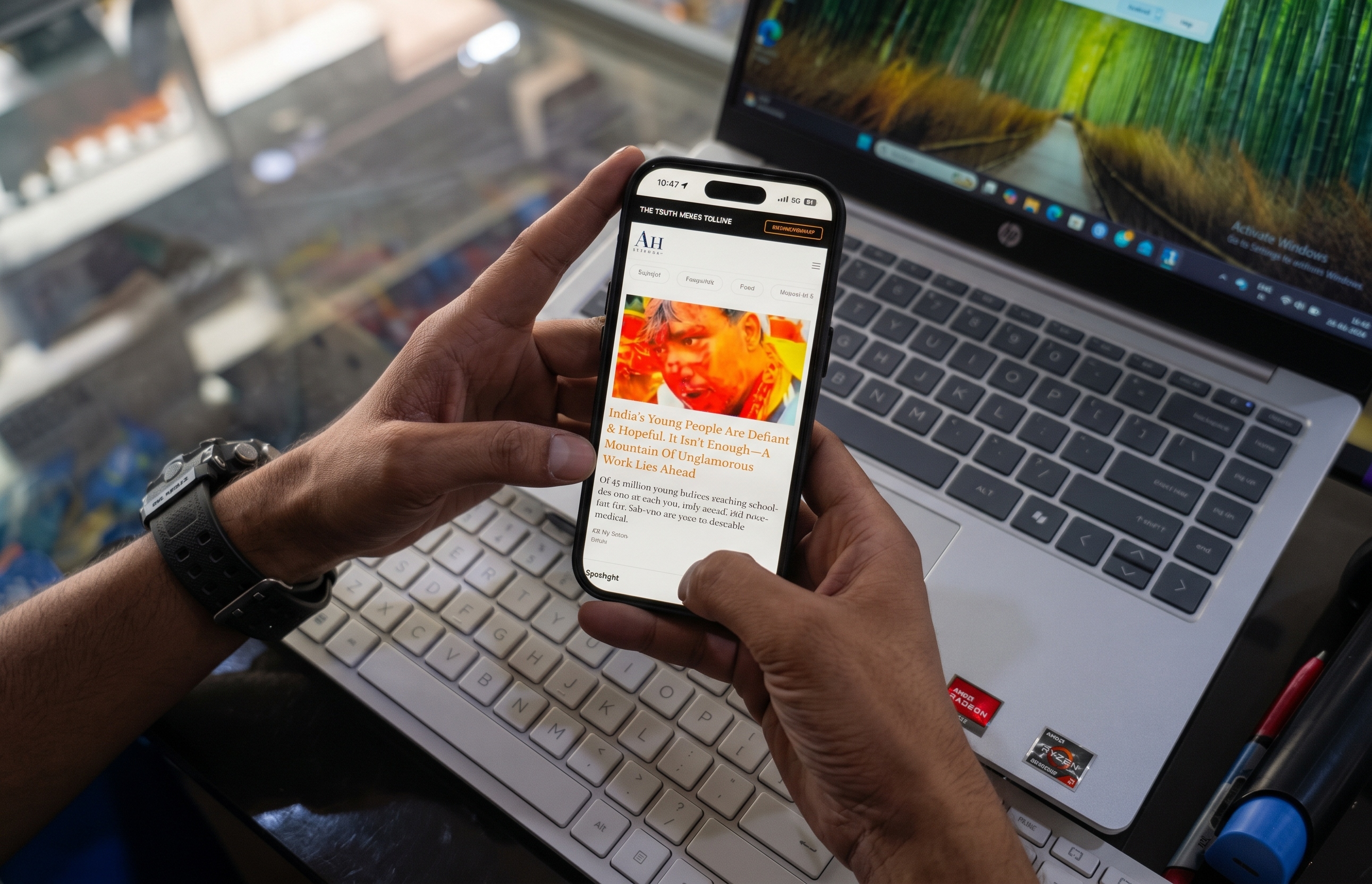
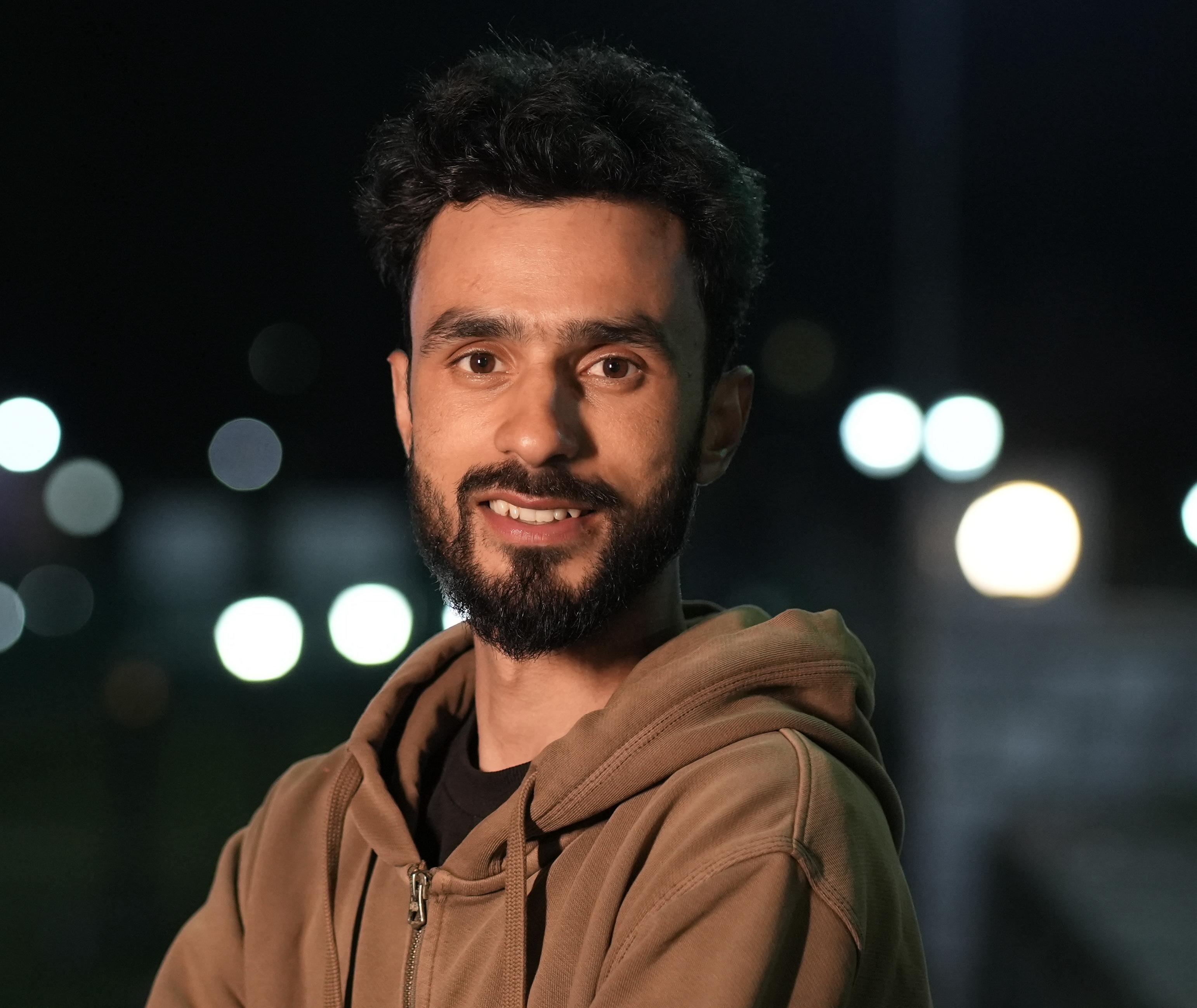
A reader accesses digital news coverage on a mobile device, highlighting the evolving landscape of digital journalism and media consumption. Photo: Sajad Hameed

News In the Race for Attention

As audiences turn to Reels, social media, and AI for news, journalists are adapting to new demands while trying to protect the depth and quality of their reporting 


DELHI, INDIA: On a hot afternoon in Delhi, freelance journalist Suhail Bhat works from his flat, trying to stay cool as he goes about his day. 

Like many freelance journalists, Bhat now has to do more than report and write stories. He also takes photographs, shoots videos, and creates social media content. The work has changed, and keeping up with it has become part of making a living as a journalist.  

“This field has become increasingly competitive, with many new journalists entering the profession and pitching stories,” he said. “This creates intense competition, and freelancers often face difficulties in getting their work commissioned.” 

“As a freelance journalist, sustainability now depends heavily on maintaining connections with multiple organisations and producing content suited to different platforms,” he said. 

For freelancers, the pressure is high. Reporting is no longer enough; journalists are expected to take photographs, shoot and edit videos, and present stories across different platforms and to different audiences. This shift is happening worldwide. More people get their news through social media and video platforms, changing how news organisations reach audiences. 

Nic Newman, Senior Research Associate at the Reuters Institute for the Study of Journalism at the University of Oxford and a lead author of the Digital News Report, called the shift a tipping point. 

In [Reuters] 2026 Digital News Report, we saw it as a tipping point. For the first time, more people say they get their news from social media and video platforms than from television.

As more people get news through social media, news organisations have less control over who sees their stories and how they reach them. “Publishers have less control and a weaker direct connection with their audiences,” Newman said. 

Bhat has seen this change in his daily work. “Earlier, most media organisations focused on long-form stories and detailed ground reporting,” he said. “But that has gradually changed.” 

He says reporters are expected to tell stories through videos, written reports, photo essays and social media posts. “Stories have become shorter, leaving less room for detail,” Bhat said. “Journalists now have to think about how to present a story visually from the start of their reporting.” 


When the algorithm enters the newsroom 

As more people get their news through social media feeds, journalists are also having to adapt to how these platforms work. 

Newman said algorithms play a major role in determining what people see, particularly among younger audiences. “If you put together social media, video networks and AI platforms, this is the majority behaviour,” he said. 

He said most algorithms are designed to keep people watching and scrolling for long periods of time. “If this approach is used for news, it may not be good,” Newman said. “It can give people a distorted view of the world.” 


India’s platform-first audience 

India is a clear example of this change. With so many people using mobile phones and social media, these platforms have become an important way for people to get their news. News organisations now compete for attention not just with each other, but also with content creators, influencers and independent journalists. 

Google reported that 76% of surveyed Gen Z users in India turn to YouTube to learn more when something is happening in the world. For young people scrolling through social media, a news story may appear alongside music videos, memes and posts from creators. News is now competing for attention with almost everything people see online.
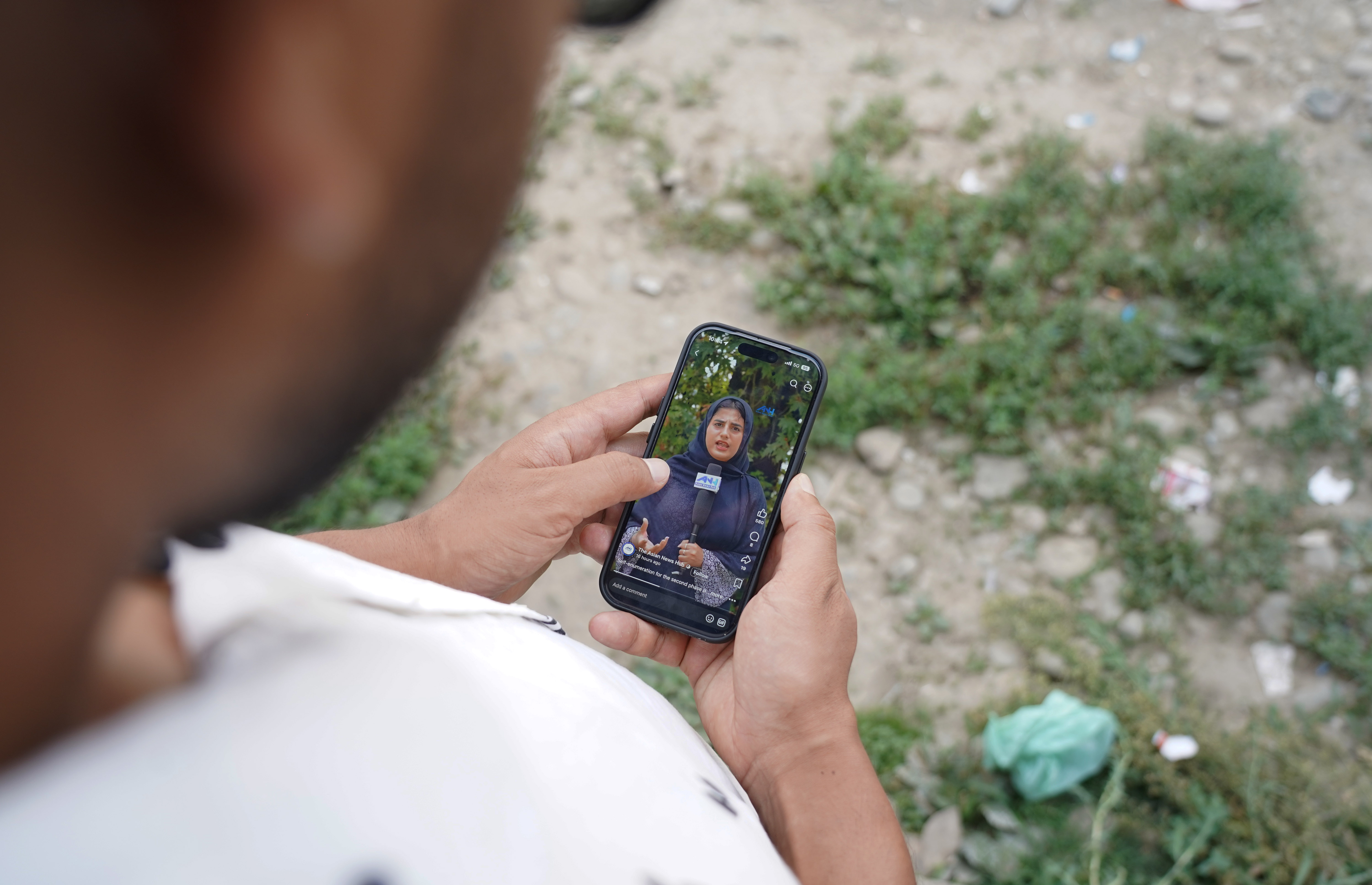
 

A user streams a digital news report on a smartphone, illustrating the shift toward mobile-first news consumption.  Photo by Sajad Hameed
A user streams a digital news report on a smartphone, illustrating the shift toward mobile-first news consumption. Photo by Sajad Hameed

Arun Kumar, a 22-year-old student in Delhi, said he often comes across news on Instagram and YouTube. If a story interests him, he looks for more details. Otherwise, he relies on short videos because they are quicker and easier to understand. 

Ashish Singh, 24, from Gurugram, said short videos usually give him a basic idea of what is happening. For important issues, however, he prefers to read the full story. “The short video gets my attention, but it doesn’t always give me the whole picture,” he said. 

For Delhi-based freelance journalist Aakriti Dhawan, the transformation isn't simply the death of long-form journalism. 

“It is not only about aspect ratio,” she said. “I need to keep in mind the duration, the type of content consumed, and what audience we are looking at for each format and duration.” 

“Visuals have become very important, especially for video and ground reporting. We have to think about what will grab people’s attention in the first three seconds”. Reporters also need enough footage and extra video clips to keep viewers watching. 


When speed competes with depth 

Bhat said speed has become a major part of journalism today. The popularity of Reels, short videos and quick data-based stories has put pressure on journalists to publish faster. 

He said this helps news reach people faster, but often leaves less room for detail and context. In-depth stories that require time and careful investigation are increasingly being pushed aside. 

Newman said the same problem is happening worldwide. 

He said short videos can help news reach people who might not actively look for it. They may come across a news story while scrolling through other content. But this can also mean that serious stories get less attention. “Serious content gets squeezed out of the picture,” he said. 


Not every newsroom is surrendering to the algorithm 

Betwa Sharma, managing editor of the independent Indian news platform Article 14, said social media matters because it helps the organisation reach readers. “We think carefully about how best to present and share our stories on different platforms, but we don’t shape our journalism around social media,” Sharma said. 

Sharma said Article 14 has also changed how its stories reach people on X. She said stories critical of the government, police or judiciary, as well as those covering rights and civil liberties, reached fewer people. 

But Sharma said Article 14 does not rush to publish stories or chase online engagement. Its reports often take days or weeks to research, edit and publish. 

In Jammu, Anuradha Bhasin, executive editor of the Kashmir Times, a regional news publication her father, journalist Ved Bhasin, founded in 1954, sees the transformation from a newsroom that still follows many traditions of old-school journalism. “We work with a very limited budget, but we remain committed to serious journalism and continue to follow the old-school approach,” Bhasin said. 

A user navigates a digital news portal on a laptop, illustrating the everyday consumption of global media in a connected world.  Photo by Sajad Hameed
A user navigates a digital news portal on a laptop, illustrating the everyday consumption of global media in a connected world. Photo by Sajad Hameed

She said the newsroom continues to focus on in-depth stories partly because it has limited resources to invest heavily in YouTube Shorts, Instagram and video. 

Bhasin said Kashmir Times is also trying to adapt to the changing media landscape by making serious journalism more appealing to readers. “We are trying to blend something that’s catchy with something serious,” she said. 

Bhasin said audience numbers and search rankings matter, but they do not decide what the newspaper publishes. “Everyone is about SEO, but we try to maintain a balance. What matters most to us is the quality of our content, and we do not compromise on that,” she said. 

Bhasin further said reporters now have more responsibilities, including shooting videos and working with photographers. She believes the same story can be presented in different formats to reach younger audiences, rather than creating separate content for them. 

Her newsroom shows that traditional journalism isn't disappearing; it's adapting to digital platforms. For smaller news organisations, the challenge is to continue detailed reporting while presenting stories in ways that suit the fast-moving online world. 


From the article to the feed 

Newman said social media platforms have changed over time. 

In the past, they worked more like a “post and refer” system. News organisations could share a story on Facebook and users would click on the link to read the full article on their website. 

That relationship has weakened over time. Social media platforms now focus more on content that keeps users on their apps, especially short videos. 

Newman said the number of people visiting news websites through platforms such as Facebook and X has fallen by roughly half over the past five years. He said AI platforms are creating a similar challenge by giving users answers directly instead of sending them to the news websites that first reported the information. 


As AI tools increasingly provide information directly to users, news organisations may need to focus more on original reporting and gathering information that others cannot easily provide. “The role of publishers will change slightly to being much more focused on doing the distinctive news gathering rather than necessarily the distribution."

The change is not just about making news shorter. It also changes how news is presented and reaches people. 

A reporter now has to think about the opening sentence of an article and the opening three seconds of a video. Editors have to consider headlines and thumbnails. Newsrooms have to understand audience analytics. Freelancers increasingly have to shoot and edit their own material. 

For Newman, the future is unlikely to belong exclusively to short-form video. “I think it is more multimedia,” he said. “More video, more audio definitely.” 

Back in Delhi, Bhat’s work reflects this change. In the past, journalists could focus mainly on reporting and writing. Today, they are also expected to handle cameras, record audio, edit videos, understand digital platforms, and track audience trends, all while trying to find and report stories.


مقالات ذات صلة

كيف أثّرت وسائل التواصل على التلفزيون في اليمن؟

"من القاعدة إلى القمة"، شعار أطّر معظم القنوات التلفزيونية اليمنية، وهي تتعامل مع وسائل التواصل الاجتماعي التي غيرت من طريقة معالجتها للأخبار. مشهد تلفزيوني متنوع، غير أن قنوات قليلة فقط هي التي استطاعت أن تجعل من رواد شبكات التواصل شريكا في صناعة المحتوى.
محمد الرجوي نشرت في: 28 أبريل, 2020
كيف تستفيد الصحافة من أدوات العلوم الاجتماعية؟

حينما سئل عالم الاجتماع الفرنسي بيير بورديو عن رأيه في مساهمة الضواحي في الانتخابات، أجاب أنه لا يمكن اختصار عقود كاملة من الاستعمار والمشاكل المعقدة في 10 دقائق. تظهر قيمة العلوم الاجتماعية في إسناد الصحافة حين تعالج قضايا المجتمع والسلطة والهوية في سبيل صحافة أكثر جودة.

Rehab Zaheri
رحاب ظاهري نشرت في: 21 أغسطس, 2024
تقاطعات الصحافة والعلوم الاجتماعية في الميدان

يمثل الميدان ذروة التقاطع بين الصحافة والعلوم الاجتماعية والإنسانية، ومع تعقد الظواهر، يرتدي الصحفي في الكثير من الأحيان عباءة السوسيولوجي دون أن يتخلى عن جوهر المهنة في المساءلة والبحث عن الحقائق المضادة لكل أشكال السلطة. إن هذا "اللجوء" لأدوات ومعارف العلوم الاجتماعية، يحسن جودة التغطية ويؤطر القصص بسياقاتها الأساسية.

Mohammed Ahddad
محمد أحداد نشرت في: 10 أغسطس, 2025

المزيد من المقالات

السيرة بعد الغياب.. حرب الرواية تلاحق الصحفيين الشهداء

عند استهداف الصحفيين في غزة، تنتشر الروايات المختلفة حول حياتهم، وآخرين يمرون كخبر عابرٍ في ظل الإبادة. يناقش المقال أهمية التوثيق لحكايات الصحفيين كما أرادوا روايتها دون أن تتأثر باتهامات الاحتلال أو تختزل حكايتهم دون انتباه للتفاصيل الإنسانية.

Rima Al-Qatawi
ريما القطاوي نشرت في: 14 أكتوبر, 2026
أسئلة مشروعة حول موثوقية مؤشر حرية الصحافة العالمي

يكشف تحليل مؤشر حرية الصحافة العالمي لعام 2026 عن فجوة مقلقة بين تصنيفات وسائل الإعلام العالمية والواقع العنيف الذي يواجهه الصحفيون في غزة. الأمر الذي يشكك بمصداقية المؤشر خصوصاً مع تزايد الانتقادات بأن منهجيته الغربية لا تُحصي الخسائر الفلسطينية بدقة ولا تحاسب المسؤولين عن "إبادة الصحفيين".

Sarah Samuel-Ayyash
سارة صامويل عياش نشرت في: 6 أكتوبر, 2026
"نازا".. يطلق النار ويبكي أم وثيقة صحفية للإدانة؟

يقدم الفيلم شهادات من داخل المنظومة العسكرية والأمنية الإسرائيلية حول آليات الاستهداف والقتل، ويعيد طرح سؤال قد يتجاوز قيمته السينمائية والإعلامية: ماذا يمكن أن تفعل هذه الشهادات بعد انتهاء العرض والتصفيق؟ يناقش المقال ما يضيفه "نازا" إلى التوثيق السابق، وإمكانية انتقال أثره من الشاشة إلى مسارات المساءلة القضائية.

Linda Shalash
لندا شلش نشرت في: 4 أكتوبر, 2026
البودكاست في غزة.. مساحة حرة من قيود الأخبار العاجلة

بعد تدمير المقار الإعلامية والإذاعات وتوقف المطابع، يتجه جيل جديد من الصحفيين إلى البودكاست كنافذة لاستعادة "حق الرواية". بالتزامن مع اليوم العالمي للبودكاست، نقترب أكثر من مشهد هذه الصناعة في غزة، وظروف العمل وتحديات الإنتاج في ظل الحصار والتهديد المستمر..

Ahmad Al-Agha
أحمد الأغا نشرت في: 30 سبتمبر, 2026
معضلة "تصريح العمل" وحياة اللاجئين المؤجلة في الأردن

تسلط الكاتبة الضوء على المعاناة اليومية للاجئين في الأردن، حيث يواجه الكثير من الفئات عوائق قانونية وتفضيلية تحرمهم من الحصول على تصاريح العمل. وفي ظل غياب قانون وطني للجوء وتراجع المساعدات الإنسانية، تتفاقم الأعباء المعيشية والديون، مما يدفع الأسر إلى حافة الفقر وفقدان الاستقرار.

هدى الحنايفة نشرت في: 27 سبتمبر, 2026
غوغل رئيسا للتحرير: هل نكتب للجمهور أم لمحركات البحث؟

محركات البحث لا تزال نقطة عبور مكينة للقرّاء نحو مواقع الصحافة، لكن العبور رهين باستيفاء الموقع شروطا صارمة تستند إلى بيانات دقيقة، هدفها تلبية رغبات جمهور محرك البحث لا الصحافة.

عصام واعيس نشرت في: 20 سبتمبر, 2026
جمالية المقال الصحفي.. حوار مع الصحفي مارتين كاباروس

عند دراسة الصحافة في أي جامعة بأمريكا اللاتينية أو إسبانيا أو في مركز الأبحاث والتعليم العالي المتخصص في العلوم الاجتماعية بالمكسيك، أو حتى في مؤسسة غابرييل غارسيا ماركيز في كولومبيا وفي فرنسا أيضا، فإن دراسة ومراجعة الأعمال الصحفية والأدبية لمارتين كابارّوس مسار إجباري. يقدم كاباروس، الذي رمى استقالته على ناشر نيويورك تايمز، في هذه المقابلة مع مجلة الصحافة دروسا من مساره الصحفي.

Noe Zavaleta
نوا زافاليتا نشرت في: 15 سبتمبر, 2026
الفيلم كتأريخ للإبادة.. حوار مع محمد الصواف

دون هاجس البحث عن الجوائز، يواصل محمد الصواف، توثيق جرائم الاحتلال بأفلام تسجيلية تستلهم واقع الإبادة ولا تتعالى عليه. "كل شخص يصلح أن يكون قصة"، عبارة تؤطر رؤية الصواف وفريق العمل من أجل إنجاز أفلام تتذكر الحرب ولو بعدة مئة عام.

هديل عطا الله نشرت في: 10 سبتمبر, 2026
هل تثق غرف الأخبار بالذكاء الاصطناعي كاتباً؟

ما الذي يخسره الصحفي عند تفويض عمله للذكاء الاصناعي بالكامل؟ وكيف تتعامل المؤسسات الإعلامية مع هذا التطور المتسارع في العمل اليومي؟ يعبر الكاتب عمرو الأنصاري في هذا المقال عن قلقه بأن الاعتماد المفرط على الذكاء الاصطناعي في تأدية المهام اليومية يعني أن الصحافة تقضي على نفسها وتعجل بغياب الدور الإنسانية لصالح الآلة.

عمرو أحمد الأنصاري نشرت في: 8 سبتمبر, 2026
هل سنكتب تاريخا مزوّرا في المستقبل؟

"الصحفي مؤرخ اللحظة"، هكذا وصفت الأدبيات التاريخية دور الصحافة بوصفها وثيقة قادرة أحيانا على مساءلة الروايات الرسمية. غير أن انتقالها من الورق إلى الفضاء الرقمي طرح إشكاليات جديدة حيث أصبح الأرشيف الصحفي الرقمي يثير تساؤلات حول موثوقيته، في ظل ما يشهده الفضاء الرقمي من تزييف للأخبار وإمكانيات متزايدة للتلاعب بالمحتوى.

Said El Hajji
سعيد الحاجي نشرت في: 1 سبتمبر, 2026
أولويات التعافي الإعلامي في غزة

في الحرب على غزة استهدف الاحتلال الإسرائيلي الإعلام الفلسطيني بشكل مباشر بهدف التعتيم وطمس الحقائق. يستعرض هذا المقال تحديات تعافي المشهد الإعلامي بعد تدمير المؤسسات واستشهاد مئات الصحفيين. فالتعافي هنا لا يقتصر على البناء المادي، بل يتطلب دعماً نفسياً ومهنياً للصحفيين، والانتقال من إعلام الأزمات نحو إعلام تحليلي يعزز السردية الفلسطينية ويدحض رواية الاحتلال.

سفيان الشوربجي نشرت في: 30 أغسطس, 2026
مسابقات التصوير و«الحياة الثانية» للصورة الصحفية

ما هي حدود استخدام الصور الصحفية الفائزة بالمسابقات العالمية؟ لا تنتهي حياة الصورة عند لحظة نشرها أو تتويجها في مسابقة؛ فقد تنتقل إلى المعارض والإعلانات ووسائل التواصل، وتظهر في سياقات قد تختلف عن لحظة التقاطها وقصد المصور. يتتبع المقال مفهوم «الحياة الثانية» للصورة الصحفية، ليسأل: من يملك حق تحديد سياق الصورة بعد خروجها من إطارها الأول؟ وكيف يمكن للمسابقات والمؤسسات الإعلامية أن توازن بين قوة الصورة ومسؤوليتها تجاه الأشخاص الذين تصوّرهم؟

Daniel Harper
دانيال هاربر نشرت في: 24 أغسطس, 2026
التسلسل الوظيفي في الصحافة التلفزيونية... من الرقابة إلى الجودة

يتناول المقال كيفية تحقيق الجودة في الصحافة التلفزيونية، وكيف أنها ثمرة لمنظومة عمل جماعية متكاملة ومترابطة، وليست مجرد نتاج للتنفيذ الفردي أو تعدد المهام. ويشكل "التسلسل الوظيفي" محوراً أساسياً في هذه المنظومة، حيث يستعيد دور "حارس البوابة" الذي يدقق المعلومات ويحمي الجمهور من الأخبار الزائفة والبروباغندا، وهو دور تبرز أهميته القصوى في البيئات المشحونة والمعقدة.

علي نجيب نشرت في: 16 أغسطس, 2026
خارج حسابات السوق.. خريجو الإعلام بجامعة دمشق وقلق السنة الأخيرة

يستعرض هذا التقرير الفجوة العميقة بين المناهج الأكاديمية في كلية الإعلام بجامعة دمشق ومتطلبات سوق العمل المتسارعة، مسلطاً الضوء على مخاوف الخريجين من ضعف التأهيل العملي ومحدودية الفرص.

عمر علاء الدين نشرت في: 12 أغسطس, 2026
الصحافة السورية الناشئة ومأزق الاستقلالية

برزت مؤسسات إعلامية سورية ترفع شعارات "الإعلام المستقل" والدفاع عن حريات الصحفيين. لكن خلف الكواليس، يواجه العاملون واقعاً مظلماً من العقود الغامضة والفصل التعسفي بـ "صفر تعويضات". هل تحولت هذه المنصات إلى بيئة تعيد إنتاج نظام القمع الذي ثارت ضده؟ وكيف انتهى المطاف بصحفيين في أروقة المحاكم لمقاضاة من ادعوا حمايتهم؟

ميس حمد نشرت في: 2 أغسطس, 2026
الوثائقيات القصيرة في زمن المنصات الرقمية

أحدثت منصات التواصل الاجتماعي وأدوات الإنتاج المحمولة تحولاً جذرياً كسر احتكار الشاشات التقليدية، مما أعاد بعث "الفيلم الوثائقي المصغر" كقالب مستقل يعتمد على التكثيف البصري والإيجاز. ويمتاز عن التقرير الإخباري بتركيزه على ترسيخ الأثر الشعوري والعمق الإنساني بدلاً من مجرد نقل المعلومة.

محمد البشتاوي نشرت في: 29 يوليو, 2026
قضية المهاجرين في ليبيا.. هل اجتاز الإعلام اختبار المهنية؟

يشهد الشارع الليبي حالة من الجدل بالتوازي مع تصاعد الحملات الرافضة لوجود المهاجرين وانتشار شائعات "التوطين"، ما وضع الإعلام المحلي أمام اختبار مهني حقيقي بين نقل مخاوف المواطنين المشروعة وبين تجنب خطاب التحريض وتداول المعلومات غير الموثوقة.

عماد المدولي نشرت في: 23 يوليو, 2026
البوسنية رميزة غورديتش.. وحكاية ابن بلا رأس منذ 30 سنة

تنشر القصة ضمن المجموعة الفائزة بجائزة الجزيرة لأفضل قصة صحفية إنسانية 2026

خالد أصلان نشرت في: 11 يوليو, 2026
صحافة بلا معدات... حصار آخر يخنق الصحفيين في غزة

يسلّط التقرير الضوء على أزمة "حظر المعدات الصحفية" في قطاع غزة كأداة لفرض حصار إعلامي من قبل الاحتلال الإسرائيلي، ومعاناة الصحفيين إثر ذلك في ممارسة عملهم أو وفقدان وظائفهم.

Amira Nassar
أميرة نصار نشرت في: 8 يوليو, 2026
لماذ تبقى غزة تحت دائرة التعتيم الإعلامي؟

تفرض إسرائيل تعتيماً إعلامياً ممنهجاً على قطاع غزة عبر منع الصحافة الدولية من الدخول، بهدف حجب معالم الدمار الشامل والجرائم الإنسانية عن الرأي العام. وعبر عزل القطاع والتشكيك بالصحفي الفلسطيني، تسعى إسرائيل لإخفاء الأدلة الميدانية الشاهدة على الإبادة، واحتكار السردية عالمياً لتجنب أي مساءلة دولية مستقبلاً.

Ahmad Al-Agha
أحمد الأغا نشرت في: 1 يوليو, 2026
هل أصبح الذكاء الاصطناعي زميلاً خفياً في غرفة الأخبار؟

هل يسرق الذكاء الاصطناعي روح الصحافة أم يمنحها قوة وقدرات جديدة؟ يعيش الصحفيون صراعاً بين تسريع مهامهم وخشية غياب الإبداع، بالاعتماد الكبير على هذه التقنيات. وفي ظل غياب سياسات تنظيمية، يبرز التحدي الأهم: هل نفصح عن استخدامنا لها للجمهور؟ وما هي حدود الاستخدام التي تحافظ على مصداقية المهنة وثقة القراء؟

فرح راضي الدرعاوي Farah Radi Al-Daraawi
فرح راضي الدرعاوي نشرت في: 25 يونيو, 2026
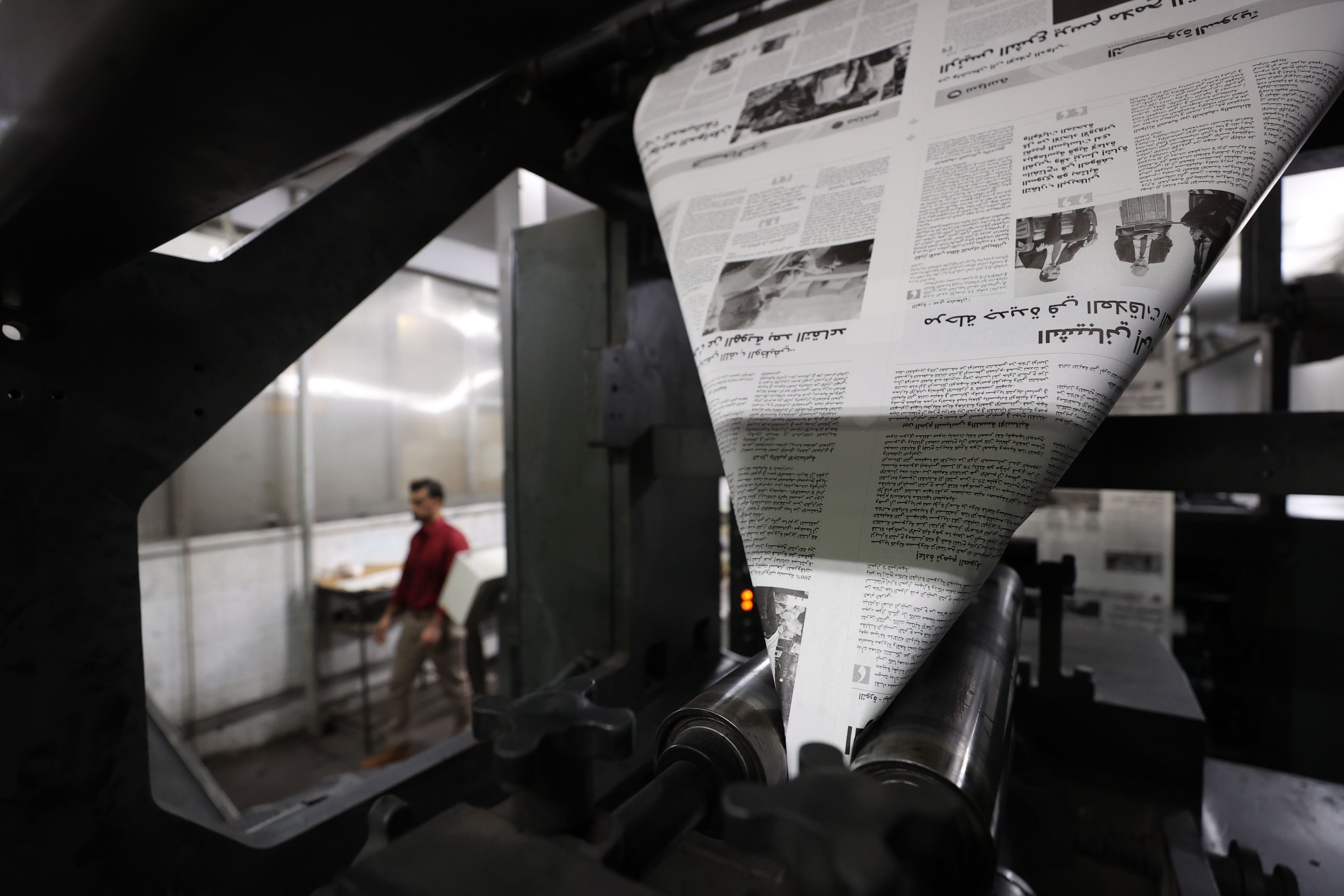
لماذا اختفت الصحف الورقية في غزة؟

تستعرض المادة الأثر التدميري الممنهج الذي خلفته حرب الإبادة الجماعية على المؤسسات الإعلامية في قطاع غزة، حيث دمر الاحتلال أكثر من 150 مؤسسة إعلامية مما أدى إلى توقف كامل للمطابع وتحول الصحف إلى التغطية الإلكترونية بالكامل.

محمد أبو شحمة نشرت في: 9 يونيو, 2026
كأس العالم 2026: هل انتهت تغطية الأحداث الرياضية كما نعرفها؟

كيف تحولت بطولات كأس العالم من فضاء تحتكره المؤسسات الإعلامية التقليدية إلى بيئة رقمية متعددة المنصات، خصوصاً بعد مونديال قطر 2022 الذي شكل نقطة التحول الفاصلة بإنهاء زمن القناة الواحدة والمذيع التقليدي، لتبدأ حقبة يقودها صناع المحتوى، الخوارزميات، والجمهور التفاعلي.

محمد النخالة نشرت في: 7 يونيو, 2026
اليسار واليمين في جبهة واحدة ضد الصحافة في أمريكا الجنوبية

في أمريكا اللاتينية، تبدو الصحافة عالقة في مواجهة مفتوحة مع السلطة، سواء كانت يسارية أو يمينية. فمن المكسيك إلى الأرجنتين و فنزويلا، تتعرض وسائل الإعلام الناقدة للمضايقة والتشهير والملاحقة القضائية، بينما تحظى وسائل الإعلام القريبة من السلطة بالامتيازات. ويكشف هذا الواقع أن الخلاف الأيديولوجي بين اليسار واليمين لا يمنع تقاطعهما في الحساسية تجاه النقد الصحفي.

Noe Zavaleta
نوا زافاليتا نشرت في: 3 يونيو, 2026