القصة الإنسانية
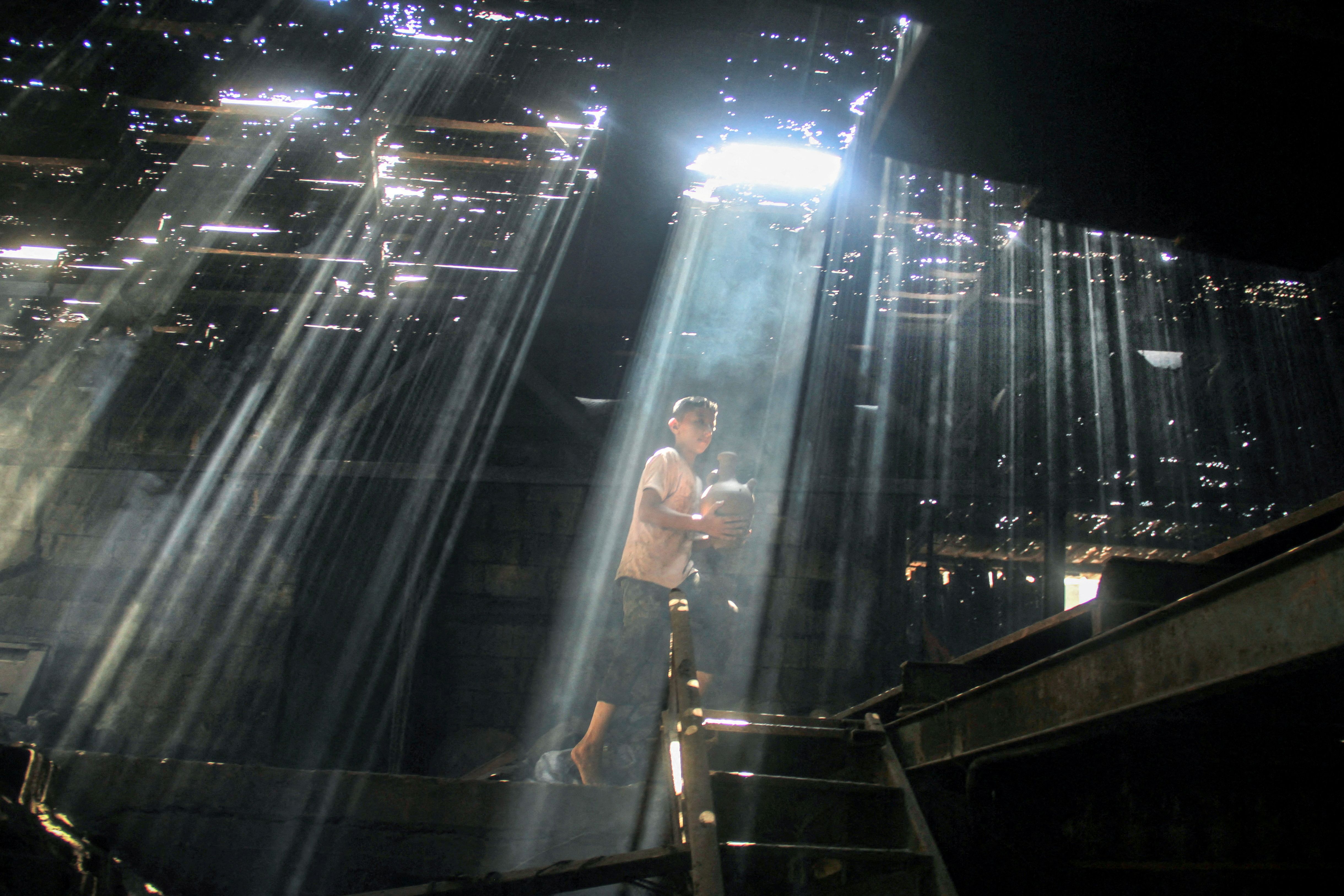
Journalism After the Genocide in Gaza: One War Has Ended, and Other Wars Have Begun!
The post-ceasefire reality for Gaza’s journalists reveals a challenging shift from documenting active daily bombardment to navigating an overwhelming landscape of community and structural ruin. The pressure on reporters appears set to escalate as they struggle to rebuild their own lives from absolute zero while fighting to ensure that ongoing human suffering, systemic displacement, and political marginalization are accurately documented and held to account.
Shipwrecked Narratives: How to Keep Migration Stories Afloat
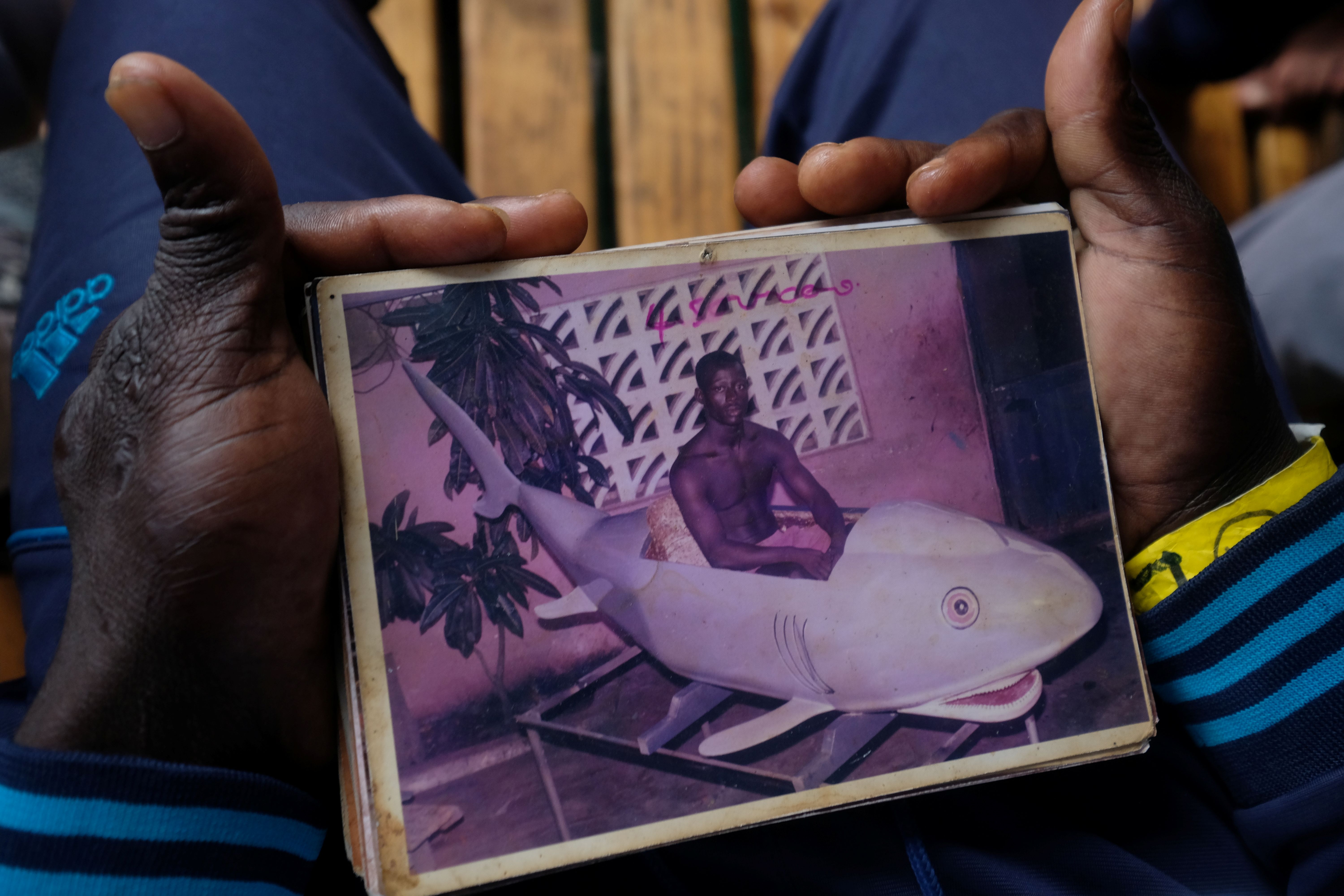
Migration stories don’t become real until you meet people in the journey: the carpenter carrying photos of his fantasy coffins, or the Libyan city worker burying the forgotten dead, or the Tatar woman watching her livelihood collapse at a militarised border. Following these surprising human threads is the only way journalism can cut through collective exhaustion and make readers confront a crisis they’ve been trained to ignore.
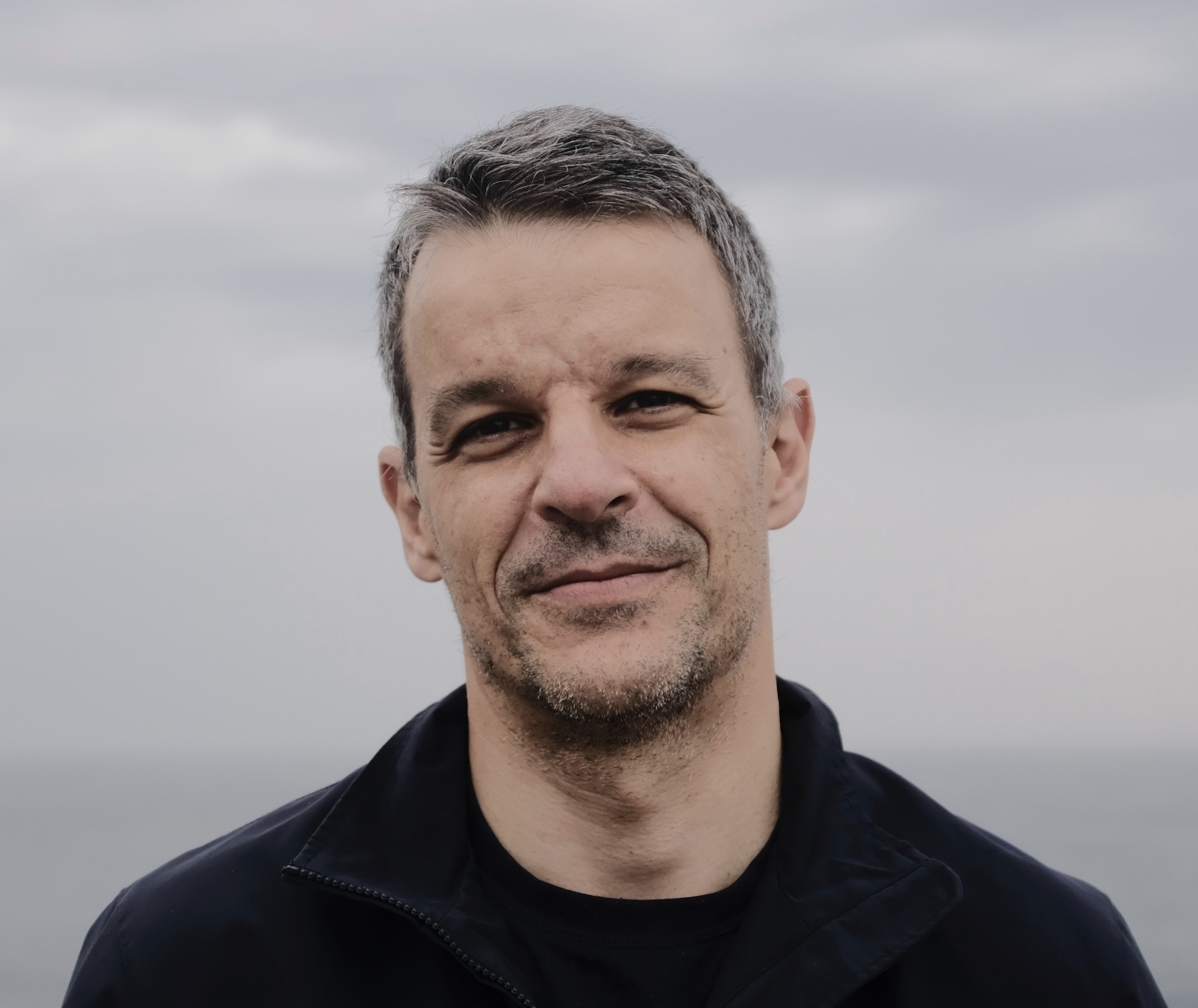
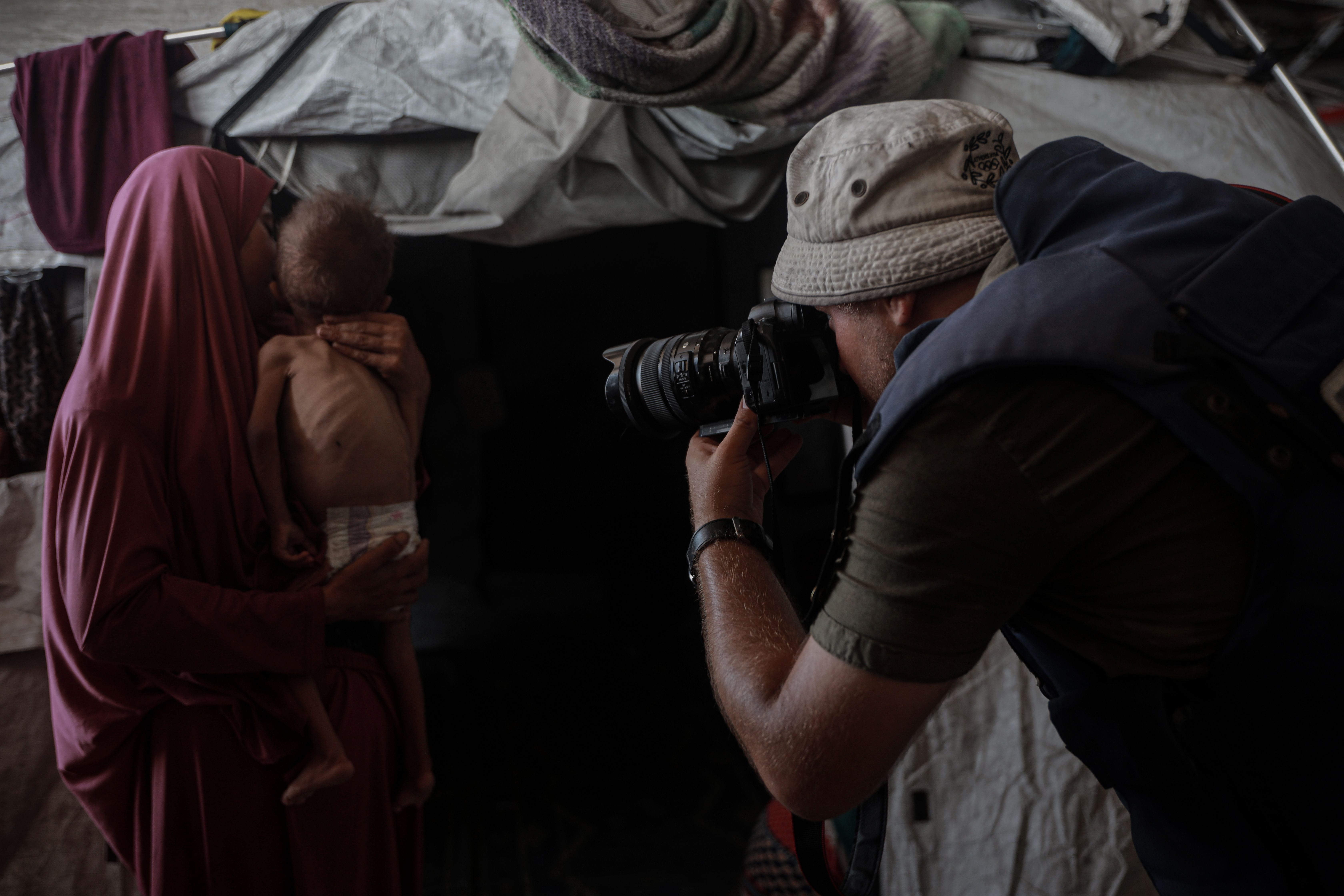
The Human Story in Gaza: The Deadly Dilemma of “Who Do We Tell About?”
In the accelerating context of genocide, is the “pace” of death in Gaza outstripping journalists’ ability to capture human stories? How can they be expected to take their time crafting narratives amid hunger, displacement, and death? And to what extent can postwar documentation hold journalistic value in preserving collective memory and pursuing accountability for the perpetrators?
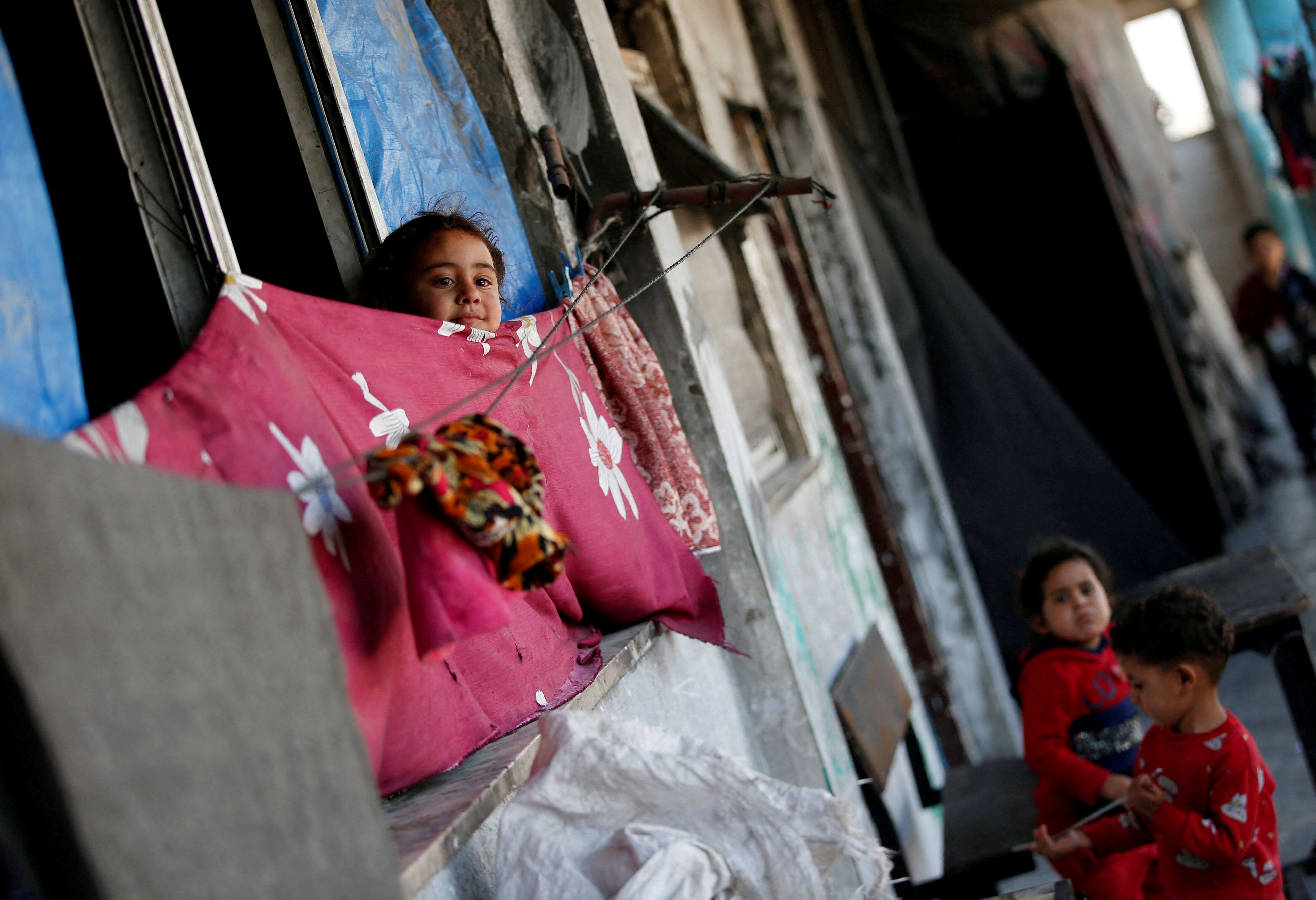
How to Tell the Stories of Gaza’s Children
Where does compassion end and journalism begin? How can one engage with children ethically, and is it even morally acceptable to conduct interviews with them? Palestinian journalist Reem Al-Qatawy offers a profoundly different approach to human-interest reporting. At the Hope Institute in Gaza, she met children enduring the harrowing aftermath of losing their families. Her experience was marked by intense professional and ethical challenges.