الإعلام وصناعة الموقف من الآخر

الإعلام وصناعة الموقف من الآخر

لم يجانب مدير شبكة الصحافة الأخلاقية إيدان وايت الصواب عندما قال "إن الصحافة يمكنها أن تعكس أحكام القيمة المنتشرة بالمجتمع"، مما يفرض على العاملين في القطاع الوعيَ بالصور النمطية التي توجد في غرف الأخبار وأثرها، إلا أنه قليلا ما يحمل الصحفيون والناشرون هذا الهم، بل إن "قلة فهمهم لخطر الصور النمطية وتأثيرها على الثقافة الشعبية، تعني بكل بساطة أن الإعلام يزيد الأمور سوءًا".
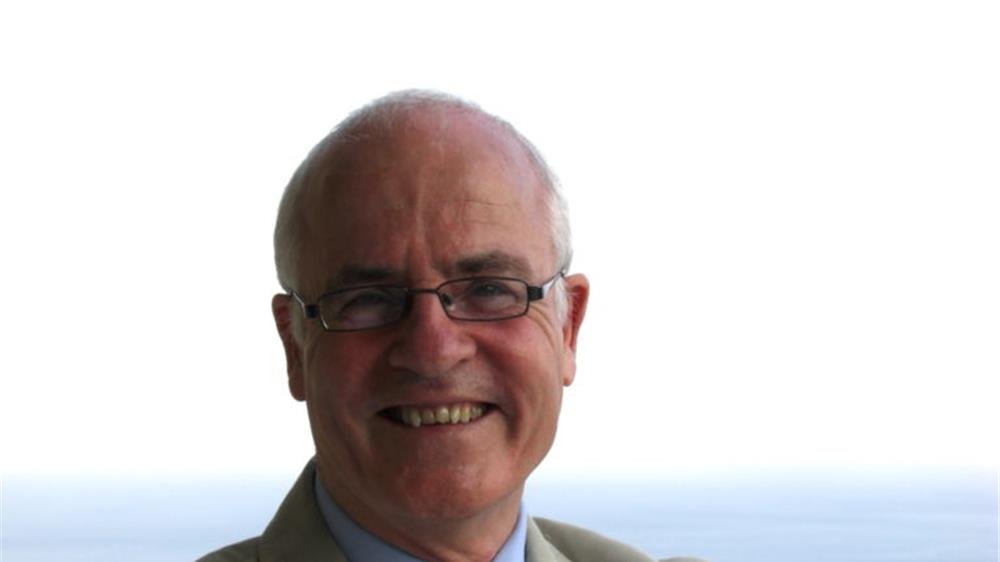
آيدن وايت. المصدر: موقع الصحافة الأخلاقية.

المرأة والصورة النمطية

وقع لي نقاش مع زميلين من الشرق الأوسط حول تحقيق مشترك أرادا إنجازه عن المغرب، وتحديداً عما اعتبراه شبكات الدعارة التي ترسل بعض بنات البلد إلى قطر عربي آخر. اتخذت موقفاً سلبياً من هذا المشروع وأعربت عن رفضي المطلق له، وكانت حججي تتمحور حول سؤال واحد: بما أن هذا هو التحقيق الأوّل لكما عن المغرب، فلماذا اختيار موضوع الدعارة؟ كان تساؤلي نابعاً من كمّ المواضيع التي كُتبت عن الدعارة في بلد ليس جنة جنسية كما يتخيله البعض، فهذه الظاهرة ليست علامة مسجلة باسم المغرب.

أعترف الآن أن حديثي حينها كان عاطفياً نوعاً ما وفيه انحياز إلى بلدي، لكن قناعتي لم تتغير، فهذا التمثُّل الذي يحمله الكثيرون عن انتشار الدعارة في المغرب، وأن هذا الأخير يمثل "كباريه" المنطقة؛ لم يكن ليأتي لولا التركيز الإعلامي الكبير على هذا الموضوع.

لا أريد هنا أن أناقش موضوع الدعارة، ولا أن أمارس التعتيم على واقع يوجد بالمغرب كما يوجد في غيره من البلدان، لكن أحاول هنا أن أُبيِّن الفرق بين تغطية إعلامية تبحث في كل الظواهر التي يعرفها المجتمع، وتغطية انتقائية تركز على موضوع واحد وحيدلا يمكن اعتباره بالمطلق ظاهرةً أساسية يُمكِن وضعها في قائمة الأكثر شيوعاً في البلد.

بالعودة إلى عام 2010، نجد أن المسلسل الكرتوني "أبو قتادة وأبو نبيل"الذي أنتجته قناة كويتية؛ سبّب سخطاً واسعا في المغرب بسبب حلقتين أظهرتا بطلي السلسلة في مدينة أكادير، وتحديداً في صالون منزل بعد تعرفهما على فتاتين من المدينة، وهما بصدد شرب كأسي قهوة وضعت فيهما والدة إحدى الفتاتين سائلاً بغرض السحر والشعوذة حتى يتم الزواج. كما خلّف هذا المسلسل تنديداً رسمياً من الحكومة المغربية وتأسفاً من نظيرتها الكويتية. وفي العام ذاته، ظهرت ممثلة مغربية في مسلسل "العار" المصري وهي تؤدي دور فتاة ليل وتعلن عن جنسيتها في أحد المشاهد.

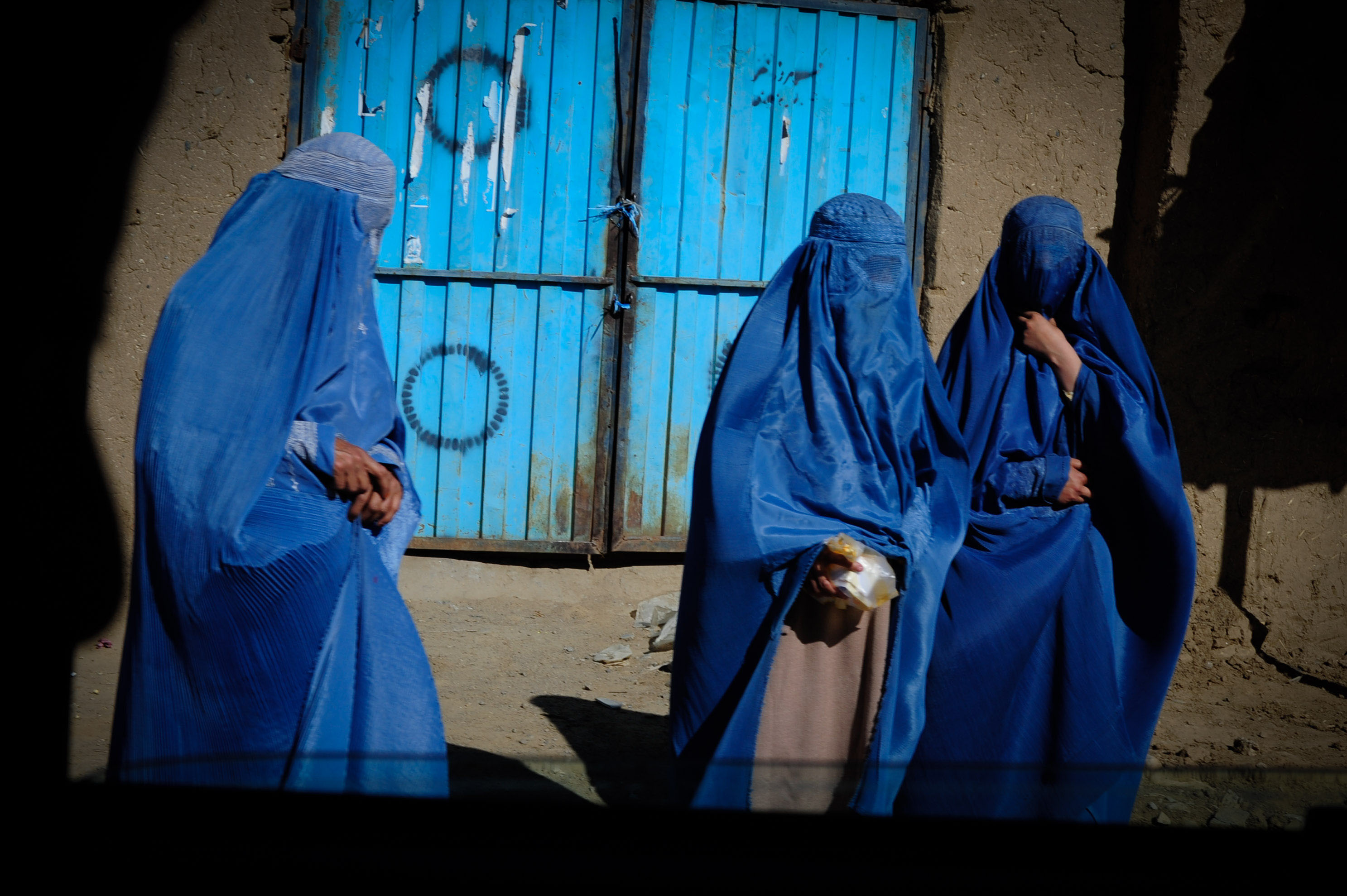
الشعوذة والدعارة ثُنائية استمرت في تنميط المرأة المغربية، وهذا ما تتحمله البرامج الكوميدية والدرامية. وتبقى هذه القضية محلّ نقاش إن تعلّق الأمر بأعمال تخيُّلية-ترفيهية، فالمسؤولية تبدو واضحة بشكل جليّ عندما تعمد إعلامية في أحد برامج "التوك شو" المصرية إلى الحديث عن أن اقتصاد المغرب قائم على الدعارة وأن نِسب الإيدز بين سكانه مُرتفعة. ورغم اعتذار الإعلامية في وقت لاحق بعد استنكار مغربي ومصري، فإن ما صرّحت به على الهواء مباشرة -بعفوية- يؤكد أن الفكرة السائدة بين بعض الإعلاميين العرب حول المرأة المغربية ليست وردية أبدا.

ترىالناشطة الإعلامية والحقوقية فتيحة أعرور أن الصورة النمطية للمرأة المغربية في الإعلام الشرقي تتمحور حول شكلَين، الأول: فتاة ليل، والثاني: مشعوذة، وهذه الطروحات ليست وليدة اليوم، بل هي رهينة بنظرة نمطية ضاربة في التاريخ، "فحتى القائدة الأمازيغية ديهيا وُصفت بالكاهنة إبان اكتساح شمال أفريقيا على عهد الخليفة الأموي عبد الملك بن مروان. فقوة ديهيا وشخصيتها الكاريزمية جعلت قادة جيوش بني أمية يشككون في قوتها ويرجعون ذلك إلى السحر والشعوذة".

وتتابع فتيحة أن التنميط المغلوط للمرأة المغربية لا يغفل أن واقع الفقر المزري يجعل عدداً من الفقيرات يمتهنَّ بيع الجسد سواء في الوطن أو بالهجرة إلى دول الشرق، كل هذا بتشجيع ضمني من الدولة في كثير من الأحيان، لكن مشكلة الصحافة في الشرق هي الارتكان إلى عقلية بائدة لم تتطوّر، والاحتكام إلى منطق السوق القائم على تسليع المرأة، إضافة إلى غياب ثقافة حقوق الإنسان وعدم الالتزام بأخلاقيات مهنة الصحافة.
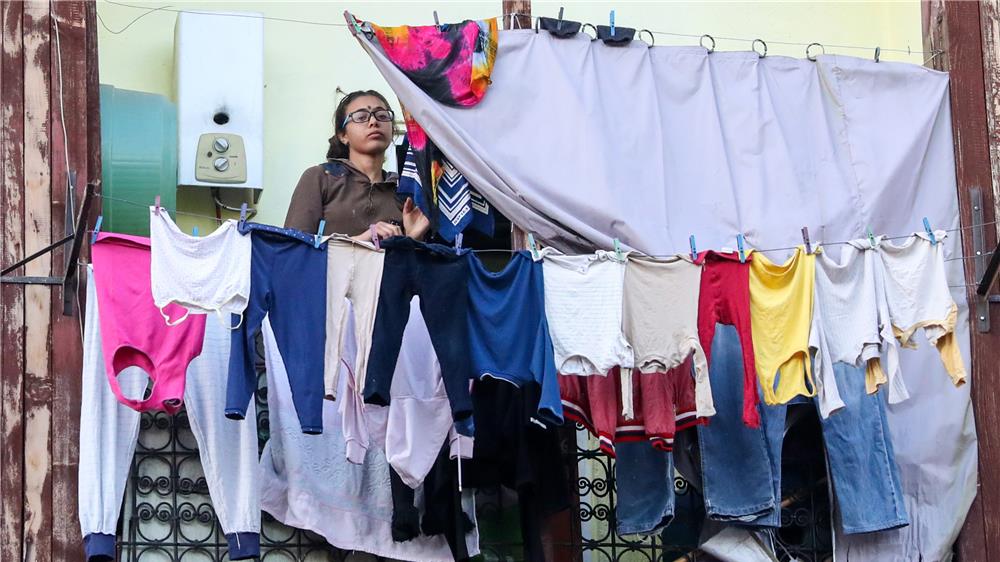
المرأة في المغرب أسيرة صورة نمطية في الصحافة العربية إما كفتاة ليل أو مشعوذة. تصوير: فاليري شريفولين - غيتي.

التنميط يستمر

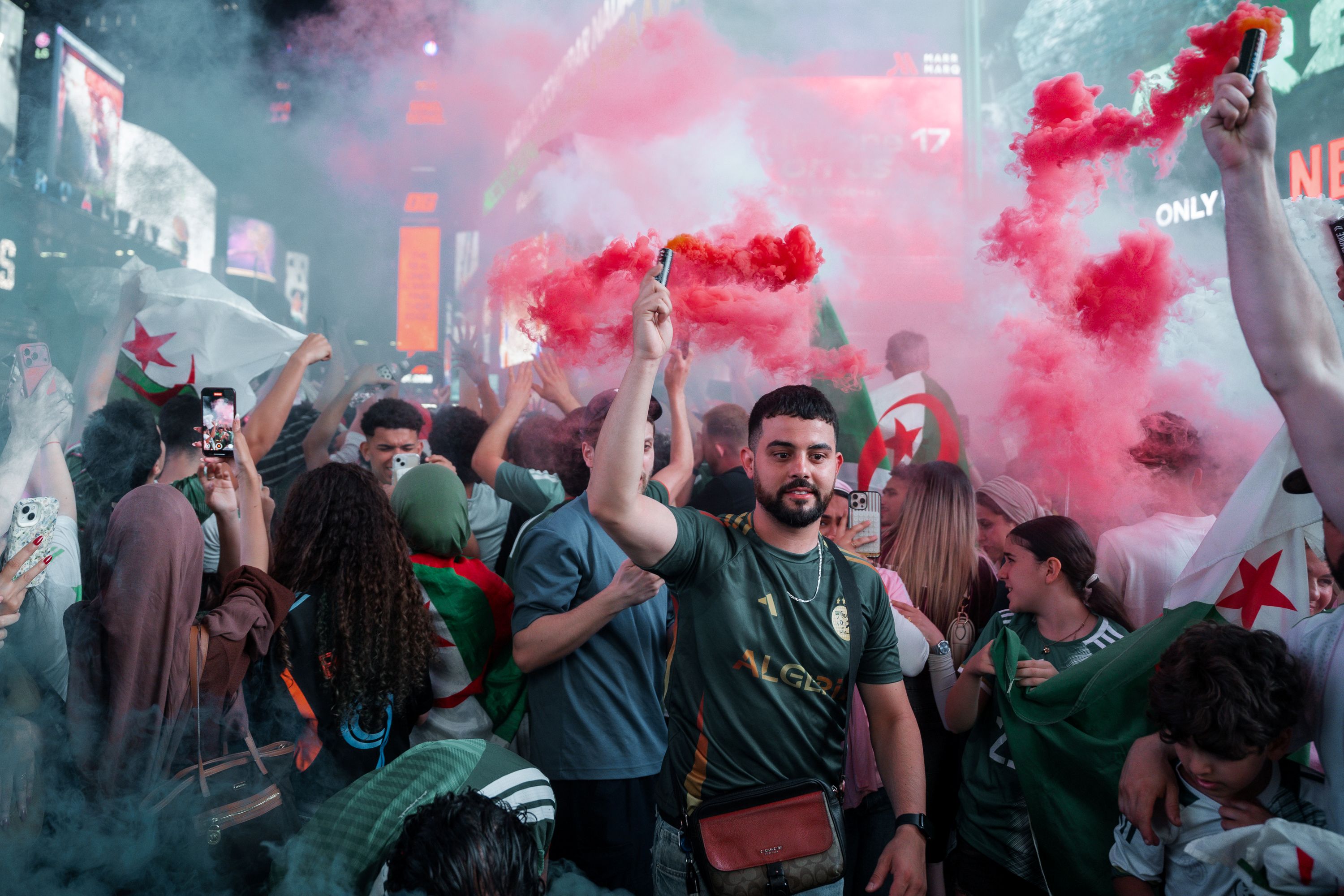
قبل ثماني سنوات، وفي حمى تصفيات مونديال كرة القدم عام 2010، وقعت مصر والجزائر في مجموعة واحدة، وكان واضحا منذ البداية أن المنافسة على بطاقة التأهل ستنحصر بينهما. لكن ما وقع قبل وأثناء المباراة الأخيرة، تجاوز كثيرا الجِلد المدوّر ووصل حد اجترار الكثير من الصور النمطية عن البلدين، في مهزلة حقيقية كان الإعلام حطبها الرئيسي.

ومع انتشار الشبكات الاجتماعية التي باتت تخلق نوعاً من الإعلام غير القابل للضبط واستيعاب أخلاقيات الصحافة وقواعدها، صارت الصور النمطية تترسخ أكثر، ومن ذلك انتشار وسم "أعيدوا السوريين إلى وطنهم" في تركيا بسبب تركيز بعض الصحف المحلية على جرائم ومخالفات يرتكبها سوريون، وكذلك ما قيل عن تضرر الاقتصاد المحلي بسبب وجودهم. وقد ساهمت هذه الحملة بشكل ما في جريمة قتل راحت ضحيتها سيدة سورية وطفلها صيف عام 2017، كما خلقت توتراً إعلامياً دفع بوزارة الداخلية التركية إلى التدخل والتأكيد أن هناك تضخيماً كبيراً يطال موضوع السوريين وأن نسبة تورطهم في المشاكل تبقى متدنية جدا.

صورة المهاجر

وبالاتصال بموضوع المهاجرين، فمن خلال بحث صغير في جلّ المواقع الإخبارية، نتبين أن أغلب الأخبار التي تخصّ المهاجرين القادمين من دول إفريقيا جنوب الصحراء، تتعلّق فقط بغير النظاميين أو الشرعيين منهم رغم وجود عدد كبير ممّن حصلوا على أوراق الإقامة، حيث تهيمن فيها أخبار الاقتحام والتسلّل والغرق وإلقاء القبض والجرائم، بينما تقل كثيراً النماذج الإيجابية لهؤلاء المهاجرين رغم تعددها. فبقصد أو بدونه، يكرّس الإعلام صوراً سلبية عن هؤلاء المهاجرين، ممّا يساهم في خلق رأي عام ينظر إليهم على كونهم عبئاً.

وعلاقة بهذا الأمر، يتحدث هشام رشيدي من جمعية "غادم" (GADEM) التي ترافق المهاجرين بالمغرب، أن الإعلام استُعمل على الدوام لتبرير سياسات أمنية تسعى للحد من الهجرة غير المنظمة. وفي الحالة المغربية تغيّرت الأمور نحو الأفضل بدءًا من عام 2013 في أعقاب استراتيجية أعلن عنها الملك لتسوية أوضاع المهاجرين، إذ ظهر تعامل إيجابي من جانب عدد من الصحفيين مع صورة المهاجر.

بيدَ أن العام 2017 شهد ردة ملحوظة في التعامل الإعلامي المغربي مع قضايا الهجرة إثر عودة المقاربة الأمنية، يقول هشام رشيدي لمجلة "الصحافة"، إذ صدرت تغطيات صحفية معادية للأجانب ذوي البشرة السوداء من جرائد ومواقع معروفة بارتباطاتها مع جزء من الأجهزة الأمنية، وطبعا هذه التغطيات تغذي بشكل مباشر مشاعر العداء للمهاجرين.

وأحيانا يقوم الإعلام حتى داخل البلد ذاته بتكريس صور نمطية عن فئات مجتمعية، وتحضرني في هذا السياق صورة الشاب أو المراهق في مجموعة من المسلسلات والأفلام التلفزيونية بالمغرب، فالمراهق في السلسلة الهزلية "دار سي مربوح" التي كانت تعرف نسب مشاهدة مرتفعة جدا بين الأسر المغربية؛ فاشل في دراسته وفي أيّ عمل يقوم به، ممّا يجعل أسرته تتبرّم منه على الدوام، بينما تظهر شقيقته التي هي في مثل سنه ناجحة في دراستها وتحظى بعطف وتشجيع والديها. ويستمر هذا المشهد طوال السلسلة التي تتجاوز 60 حلقة تلفزيونية.

ثنائيات نمطية

قبل أسابيع قليلة، خرجت المجلة الفرنسية "جون أفريك" بغلاف يحمل عنواناً بارزاً "الإرهاب وُلد بالمغرب"، وفي خلفية الغلاف يظهر العلم المغربي وصور المشتبه في تورّطهم بالهجوم الإرهابي في برشلونة. وقد حاولت المجلة تخفيف وقع العنوان بالإشارة في جملة صغيرة داخل الغلاف إلى أن المعنيين بالأمر وُلدوا بالمغرب، وتطرّفوا في أوروبا، حيث انضموا إلى داعش، لكن ذلك لم يمنع اندلاع موجة انتقادات واسعة وصلت حدّ تنديد الحكومة المغربية بالعنوان.

وكان مُثيراً للنقاش كيف أن المجلة رفضت التراجع عن هذا العنوان أو الاعتذار عنه، علمًا بأنه يحمل تعميماً خاطئاً عندما يربط ولادة الإرهاب ببلد معين، فالإرهاب ليس كائناً يعود أصله إلى بلد ما، بل هو ظاهرة معقدة يرتبط فيها المقدس بالظروف الاجتماعية والنفسية وبالعوامل السياسية، وإلا فما القول عندما نتحدث عن جهاديين نشؤوا في أسر مسيحية غربية وتحوّلوا إلى التطرّف كمغني الراب الألماني ديزو دوغ الذي يُعتقد أنه لا يزال يحارب في سوريا تحت اسم "أبو طلحة الألماني".

وبالحديث عن ثنائية "الإرهاب والإسلام"، تؤكد الأستاذة المساعدة لمادة التواصل في جامعة ميشيغان الأميركية منيبة سليم أنها توصّلت إلى أنه من شأن الطريقة التي تُقدم بها وسائل الإعلام الأميركية المسلمين؛ أن تغذي السلوكيات والسياسات المعادية لهم في الولايات المتحدة، فعدد من هذه الوسائل تصوّرهم أحياناً كإرهابيين. وبما أن الكثير من الأميركيين لا يعرفون المسلمين شخصياً، فما قد ينتج عن ذلك هو الاعتقاد بأن كل المسلمين إرهابيون.

الأستاذة التي استشهدت بغلاف شهير لجريدة "نيويورك بوست" يُظهر شخصاً طريح الأرض وتحته عبارة "القتلة المسلمون"، أحالت إلى دراسة أجرتها رفقة باحثين آخرين، تمحورت حول اختيار عيّنة من الأميركيين من غير المسلمين، وبعد ذلك جعلهم يشاهدون تصويراً سلبياً للمسلمين في وسائل الإعلام، ومن ثمَّ فتح المجال أمامهم لمُناقشة إحباط عملية إرهابية عام 2007 يُشتبه في أن وراءها مسلمين. وقد عبّر من خضعوا لهذه التجربة في نهايتها عن ظنهم بأن جميع المسلمين عنيفون، كما طالبوا بوضع قيود جديدة على المسلمين الأميركيين ومنعهم من بعض الحقوق كالتصويت، بل إنهم دعموا أيّ عمل عسكري تقوم به بلادهم ضد بلدان إسلامية لأجل تقليل تأثير الإسلام حتى لو كان هذا العمل سيَضع حياة المدنيين في خطر!

في دراسة أخرى أنجزها الباحث محمد الشرقاوي على موقع مركز الجزيرة للدراسات، حلل من خلالها تغطية ثلاث مؤسسات إعلامية أميركية لما يتعلّق بالمسلمين، خلُص في نتائجها إلى أن القنوات المحسوبة على اليمين المحافظ التي تعتمد على صحافة الرأي؛ باتت أكثر قدرة على التأثير في الرأي العام من المؤسسات الإعلامية التي تتمسك بالمهنية. وتُعدّ قناة "فوكس نيوز" أكبر أمثلة الإعلام اليميني الذي يكرّس نظرة نمطية تجاه المسلمين، ومن ذلك تعزيز عملية استبعادهم باعتبارهم غير مرغوب فيهم حتى لو كانوا أميركيين، وتغييبهم تماماً عن المشهد تمهيداً لشيطنتهم، والسماح بالنيل من سمعتهم تحت ذريعة حرية التعبير.

النجاة من الفخ

تَظهر العودة إلى المواثيق الأخلاقية أمراً ضرورياً ليس لمجرّد قراءتها بل للتشبع بها وتطبيقها على الميدان، فالميثاق الأخلاقي لجمعية الصحفيين المحترفين في أميركا -وهو واحد من أقدم النصوص الأخلاقية في القطاع- يؤكد على ضرورة الابتعاد عن التنميط القائم على العرق والجنس والسن والدين والقومية والعامل الجغرافي والتوجه الجنسي والإعاقة والمظهر الجسدي والحالة الأسرية. وينص التعديل الجديد في الميثاق على ضرورة أن يراجع الصحفيون السبل التي تؤثر فيها قيمهم على التغطية الإخبارية.

في ذات السياق يضع المركز الأوروبي للصحافة عدة إرشادات لتجاوز إمكانية الوقوع في ترسيخ الصور النمطية بالنسبة للأقليات، منها احترام الآخرين فيما يتعلّق بجنسهم وعرقهم وسنهم ودينهم وغير ذلك من الاختلافات، وعدم الحديث عن هذه الاختلافات في الإعلام إلا إذا كان للموضوع علاقة بذلك، والتعرّف على الصور النمطية التي يحملها الصحفي عن الآخرين حتى يبعدها عن عمله، وعدم سماح الصحفي لتجاربه الخاصة بالتأثير على التغطية، وإعطاء الأهمية ذاتها لكل الأطراف في القصة حتى لا يظهر أن هناك اختلالا للتوازن عندما يتعلّق الأمر بأطراف مختلفة التوجهات.

ويؤكد أستاذ الصحافة عبد الوهاب الرامي في حديث لمجلة "الصحافة" أن على الصحفيين إعمال بند "الحق في الاختلاف" المبني على أسس الديمقراطية في تعريفها الكوني الحقوقي، وأن تعمل المؤسسات الصحفية على تبني ميثاق لما يسمى "التنوع الإعلامي" الذي يتيح تغطية متوازنة لجميع فئات المجتمع، وأن يجعل الصحفي من "التحري" مرافقا له في عمله اليومي، ليس في جنس التحقيق فقط، بل في كل الأجناس الصحفية.

يمكن القول إن التشبع بالثقافة الكونية لحقوق الإنسان، والإيمان بأن دور الصحافة يتعدى أن تكون مجرّد قناة جوفاء تختص بإيصال الخبر إلى أداة لنشر القيم الديمقراطية والتربية على الحقوق والواجبات، سيتيحان للصحفيين المساهمة في تكسير الكثير من هذه الصور النمطية. قطعاً لن يكون الأمر مربحًا بمنطق السوق، لكنه سيكون مربحا كثيرًا للمهنة التي باتت محتاجة اليوم -وأكثر من أي وقت مضى- إلى جرعات من المسؤولية الأخلاقية، بدل اللهاث المستمر وراء "ما يطلبه المشاهدون".


المصادر:

(1) http://www.alwatan.com.sa/Nation/News_Detail.aspx?ArticleID=18555

(2) https://arabic.cnn.com/world/2017/08/29/jeune-afrique-morocco-cover

(3) https://theconversation.com/why-bad-news-for-one-muslim-american-is-bad-news-for-all-muslims-61358

(4) http://journals.sagepub.com/doi/abs/10.1177/0093650215619214

(5) http://studies.aljazeera.net/ar/mediastudies/2016/02/201622294251579654.html
More Articles

Shipwrecked Narratives: How to Keep Migration Stories Afloat

Migration stories don’t become real until you meet people in the journey: the carpenter carrying photos of his fantasy coffins, or the Libyan city worker burying the forgotten dead, or the Tatar woman watching her livelihood collapse at a militarised border. Following these surprising human threads is the only way journalism can cut through collective exhaustion and make readers confront a crisis they’ve been trained to ignore.
Karlos Zurutuza, a freelance journalist and a media trainer. His work has been published in The Guardian, Al Jazeera English, POLITICO, The Middle East Eye and The Independent, among others.
Karlos Zurutuza Published on: 30 Nov, 2025
What It Means to Be an Investigative Journalist Today

A few weeks ago, Carla Bruni, wife of former French president Nicolas Sarkozy, was seen removing the Mediapart logo from view. The moment became a symbol of a major victory for investigative journalism, after the platform exposed Gaddafi’s financing of Sarkozy’s election campaign, leading to his prison conviction. In this article, Edwy Plenel, founder of Mediapart and one of the most prominent figures in global investigative journalism, reflects on a central question: what does it mean to be an investigative journalist today?

Edwy Plenel
Edwy Plenel Published on: 27 Nov, 2025
A Sudanese Journalist in the Grip of the Rapid Support Forces

She was arrested, tortured, nearly raped, threatened with death, and subjected to degrading abuse. Her brother was brutally mistreated in an effort to locate her. In the end, her family had to pay a ransom to secure her release. She sought refuge abroad, but eventually returned to Sudan to continue documenting the war’s toll, particularly in El Fasher, a city now under siege. This is the harrowing account of a Sudanese journalist detained and tortured by the Rapid Support Forces.

Empty screen
Sudanese Female Journalist Published on: 3 Nov, 2025
Zapatismo and Citizen Journalism in Chiapas, Mexico

In Chiapas, independent journalists risk their lives to document resistance, preserve Indigenous memory, and challenge state and cartel violence. From Zapatista films to grassroots radio, media becomes a weapon for dignity, truth, and survival.

Ana Maria Monjardino
Ana Maria Monjardino Published on: 26 Oct, 2025
Journalists Under Occupation; Palestinian Journalists in the West Bank

Palestinian journalists in the West Bank face extreme physical danger, psychological trauma, and systemic targeting under Israeli occupation, yet continue to report with resilience, amplifying the voices of their people despite global indifference and media bias.

Synne Furnes Bjerkestrand
Synne Bjerkestrand Published on: 13 Oct, 2025
The Silent Death of Urdu Newspapers in India

With a 200-year history, Urdu newspapers in India are now facing a silent death—trapped in a cycle of decline where circulation has fallen by nearly 25%, advertising is absent, and government support is scarce. What vanishes is more than print: it is the erosion of a cultural and political lifeline that once bound Hindus, Muslims, and Sikhs in common debates and carried the voices of the marginalised into India’s public sphere.

Hanan Zaffa
Hanan Zaffar, Majid Alam Published on: 1 Oct, 2025
Why Are Young Journalists in Kashmir Quitting Before They Begin?

In Kashmir, mounting censorship, political pressure, and shrinking job prospects are forcing a generation of aspiring journalists to abandon the profession, many before they even get the chance to begin, leaving behind a media landscape stripped of dissent, debate, and independent voices.

Abrar Fayaz, Muqeet Mohammed Shah Published on: 23 Sep, 2025
Sudan’s Journalists Are Being Silenced: By Bullets, Exile, and Fear

The collapse of the media industry in Sudan has subjected journalists to physical threats, legal and professional challenges, with no functioning legal system to investigate crimes committed against the press.

Nalova Akua
Nalova Akua Published on: 17 Sep, 2025
Nepali Journalists Trapped Between “GenZ” Protest and State Crackdowns

Nepali journalists are under attack on two fronts: facing violence from protesters in the streets while also being targeted by government crackdowns, restrictive laws, and political interference that threaten press freedom.

Sumaiya Ali
Sumaiya Ali Published on: 12 Sep, 2025
I Don’t Want You to Be a Journalist, Mama”. Do Gaza’s Journalists Have the Luxury of Absence?

Does the Palestinian journalist in Gaza have the freedom to simply “step away”? How do they navigate the balance between their professional responsibilities and their family life? And to what extent does the duty to report justify the personal cost of being separated from one’s loved ones? Journalist Jenin Al-Wadiya sheds light on the deeply human details that rarely make it to the screen.

Jenin Al-Wadiya
Jenin Al-Wadiya Published on: 31 Aug, 2025
Intersections of Journalism and Social Sciences in the Field

The field is where journalism and the social sciences meet at their most dynamic edge. As the world grows more complex, journalists increasingly take on the role of sociologists, without abandoning their core mission to question power and expose uncomfortable truths. By drawing on the methods and insights of social science, journalism deepens its coverage, grounds stories in real-world contexts, and resists the temptation of surface-level narratives.

Mohammed Ahddad
Ahdad Mohamed Published on: 23 Aug, 2025
New Media Reforms in Bangladesh Introduced to Replace Hasina-Era Journalism

Bangladesh’s interim government, led by Muhammad Yunus, has launched ambitious media reforms to undo the legacy of Sheikh Hasina’s 15-year rule, which was marked by censorship, media monopolies, and the notorious Digital Security Act. However, despite promises of greater freedom, journalists remain wary, as self-censorship, restrictive laws, and public scepticism continue to cast doubt on genuine change.

Sumaiya Ali
Sumaiya Ali Published on: 17 Aug, 2025
Canadian Journalists for Justice in Palestine: A Call to Name the Killer, Not Just the Crime

How many journalists have to be killed before we name the killer? What does press freedom mean if it excludes Palestinians? In its latest strike, Israel killed an entire Al Jazeera news crew in Gaza—part of a systematic campaign to silence the last witnesses to its crimes. Canadian Journalists for Justice in Palestine (CJJP) condemns this massacre and calls on the Canadian government to end its complicity, uphold international law, and demand full accountability. This is not collateral damage. This is the targeted erasure of truth.

Samira Mohyeddin
Samira Mohyeddin Published on: 14 Aug, 2025
Monitoring of Journalistic Malpractices in Gaza Coverage

On this page, the editorial team of the Al Jazeera Journalism Review will collect news published by media institutions about the current war on Gaza that involves disinformation, bias, or professional journalistic standards and its code of ethics.

A picture of the Al Jazeera Media Institute's logo, on a white background.
Al Jazeera Journalism Review Published on: 11 Aug, 2025
Anas Al Sharif; Killed by Israel, but His Final Words Will Echo far Beyond His Death

For over a year and a half, Anas Jamal al-Sharif refused to leave northern Gaza, documenting the destruction and loss that others tried to hide. Tonight, Israel silenced his voice, but his final words, written on April 6, will echo far beyond his death.

Al Jazeera Journalism Review
Al Jazeera Journalism Review Published on: 11 Aug, 2025
The Human Story in Gaza: The Deadly Dilemma of “Who Do We Tell About?”

In the accelerating context of genocide, is the “pace” of death in Gaza outstripping journalists’ ability to capture human stories? How can they be expected to take their time crafting narratives amid hunger, displacement, and death? And to what extent can postwar documentation hold journalistic value in preserving collective memory and pursuing accountability for the perpetrators?

Mirvat Ouf
Mirvat Ouf Published on: 3 Aug, 2025
The Battle to Keep Journalists Alive in Gaza

Hungry journalists covering the story of starvation in Gaza, surviving on salt to stay alive, selling their work equipment to secure a “sack of flour” for their children, shedding the “shame” of publicly asking for food, and enduring the harshest media environment just to maintain “continuous coverage”.

Mona Khodor
Mona Khodor Published on: 26 Jul, 2025
Balancing Productivity and Privacy: How Female Journalists Use AI Chatbots

Female journalists in Jordan are harnessing AI chatbots to boost productivity, enhance digital safety, and find emotional support, but their growing reliance also raises critical concerns about privacy, ethics, and the responsible use of emerging technologies in journalism. This article explores how these tools are reshaping their workflows while navigating the challenges of trust and accountability.

Afnan Abu Yahia
Afnan Abu Yahia Published on: 20 Jul, 2025
In the War on Gaza: How Do You Tell a Human Story?

After nine months of genocidal war on Palestine, how can journalists tell human stories? Which stories should they focus on? And does the daily, continuous coverage of the war’s developments lead to a “normalisation of death”?

Yousef Fares
Yousef Fares Published on: 8 Jul, 2025
How Much AI is Too Much AI for Ethical Journalism

As artificial intelligence transforms newsrooms across South Asia, journalists grapple with the fine line between enhancement and dependency

Saurabh Sharma
Saurabh Sharma Published on: 1 Jul, 2025
How to Tell the Stories of Gaza’s Children

Where does compassion end and journalism begin? How can one engage with children ethically, and is it even morally acceptable to conduct interviews with them? Palestinian journalist Reem Al-Qatawy offers a profoundly different approach to human-interest reporting. At the Hope Institute in Gaza, she met children enduring the harrowing aftermath of losing their families. Her experience was marked by intense professional and ethical challenges.

Rima Al-Qatawi
Rima Al-Qatawi Published on: 26 Jun, 2025
How Is Western Media Framing the Famine Catastrophe in the Gaza Strip?

Can the media subject the issue of famine in Palestine to so-called professional balance even after UN agencies and the International Court of Justice have acknowledged it? Why have many Western media outlets avoided precise legal and ethical terms such as “famine” or “starvation,” opting instead for vague expressions like “food shortage” or “nutrition crisis”? Doesn’t this practice reflect a clear bias in favor of the Israeli narrative and serve to justify the policy of “systematic starvation”?

Fidaa Al-Qudra
Fidaa Al-Qudra Published on: 23 Jun, 2025
Newspapers: An Industry Adapting to Survive Through Digital Transformation

As digital transformation reshapes the media landscape, newspapers in Cameroon are navigating unprecedented challenges and opportunities. This evolution compels them to adapt their strategies to engage a new generation of readers amidst fierce online competition, decreasing government subsidies, and a decline in print sales.

Akem
Akem Nkwain Published on: 16 Jun, 2025
The Mental Toll on India’s Minority-Focused Freelance Journalists

Freelance journalists in India, particularly those reporting on marginalised communities and conflict zones like Kashmir, endure immense emotional and psychological strain, often without any institutional support. What are the hidden costs of reporting on violence, where telling the truth can come at a steep personal price?

Hanan Zaffa
Hanan Zaffar Published on: 10 Jun, 2025