5 أفلام قصيرة بتقنية 360 عن نساء ملهمات.. قد ترغب بمشاهدتها

5 أفلام قصيرة بتقنية 360 عن نساء ملهمات.. قد ترغب بمشاهدتها

للاحتفال بشهر المرأة، نقدم لكم خمسة أفلام وثائقية قصيرة بتقنية 360 درجة قد ترغبون بمشاهدتها وتضم قصص نساء ملهمات من أنحاء مختلفة من العالم.

من فتاة تتلقى تعليمها في ظل الظروف الصعبة في الأراضي المحتلة في فلسطين، إلى السيدات اللواتي يعملن في النجارة، متحديات المعايير الجنسانية في باكستان، ستأخذك هذه القصص بتقنية 360 درجة إلى عوالم مختلفة تتسم بالمرونة والقوة.

نساء باكستان العاملات في النجارة

في أعلى وادي هنزة في باكستان، يمكنك سماع أصوات المناشير والآلات في قلعة مليئة بأكثر من 100 امرأة تم تدريبهن على ممارسة النجارة والرسم والتلميع. تدار هذه الخدمة من قبل الآغاخان الخدمة الثقافية باكستان (AKCSP)، وغالبا ما تأتي هذه النساء من الأسر الفقيرة والخلفيات الاقتصادية الميسورة. نلتقي بشاهدة، اللتي تخبرنا عن هذه المجموعة وعن أهمية تمكين المرأة اقتصادياً للتخلص من الأدوار النمطية وليكن مصدر دخل لعائلاتهن.

تنظيف سواحل لبنان

نتتبع الشابة جوسلين كعدي، التي أسست مشروع"إعادة تدوير لبنان" في نوفمبر 2015 كاستجابة لأزمة النفايات المستمرة في لبنان. انطلاقاً من شغفها في القضايا البيئية، بدأت جوسلين المبادرة كمجموعة تنظيف شاطئية عبر دعوات من خلال الفيسبوك، لتتطور المبادرة فيما بعد انطلاقاً من منزلها في بيروت. تعبتر اليوم مبادرة "إعادة تدوير لبنان" إحدى المنظمات البيئية غير الربحية الرئيسية في البلاد، وتربط جميع المبادرات البيئية المختلفة ذات الصلة في لبنان.

صالون حلاقة في فلسطين يتحول لفصل دراسي

يتتبع هذا الفيديوفتاة فلسطينية تبلغ من العمر 7 سنوات، حنان مصممة على الاستمرار في الدراسة رغم التحديات التي تواجهها، إذ تسكن مع عائلتها في تجمع أبو النوار البدوي في الضفة الغربية المحتلة. ونتيجة لقيام قوات الاحتلال الإسرائيلية بهدم المدرسة الوحيدة في التجمع، يتوجب الآن على الأطفال الفلسطينيين المشي على الأقل 3 كيلومترات يوميًا للوصول إلى أقرب مدرسة، وهي الآن عبارة عن صالون حلاقة تحول إلى فصل دراسي لعدم وجود مساحة أفضل.

شعب البرازيل بلا خوف

في هذا الفيديو نلتقي ماري لين دوس سانتوس، ناشطة في مجال حقوق الإسكان في البرازيل. في إحدى ضواحي ساو باولو، بدأت ماري إلى جانب 300 شخص آخرين "شعب بلا خوف" بوضع يدهم على مساحة 6000 متر مربع من الأراضي التي تم التخلي عنها لمدة 40 عامًا. بسبب نقص المساكن والإيجارات المرتفعة، فإن الآلاف من البرازيليين يعانون من تأمين المنازل. في غضون ثلاثة أشهر فقط، انتقلت 8000 أسرة للمكان، وكان هدفهم شغل المكان واستعادة حقهم في السكن المناسب. هذا الفيديو بتقنية 360 درجة تم أيضًا تصويره وإنتاجه من قِبل النساء، بمن فيهن بريسيليا جيوديس ومارلين هابيرارد.

النفط في جداولنا

كانت لاسي فيليبس في السادسة عشرة من عمرها عام 2008 حين انفجر خط أنابيب لشركة "شل أويل" وتسبب في ضخ كمية ضخمة من النفط في مستنقعات المنغروف بالقرب من قريتها بودو في نيجيريا، طوال 77 يومًا. وامتد خط الأنابيب تحت صواف دلتا النيجر مدمراً بذلك النظام البيئي المتنوع، بما فيه المصائد والمزارع المحلية النابضة بالحياة. وهو ما دفع الأسر إلى إيجاد أماكن جديدة للعيش ودفع المجتمع الذي كان زاهراً إلى دوامة اقتصادية واجتماعية متدنية. بعد ما يقرب من عشر سنوات، تخرجت لاسي من الجامعة وعادت إلى بودو، حيث تُظهر لنا الدمار البيئي الذي أثر على مجتمعها وأيضًا تحكي لنا عن العمل الذي تقوم به مع الشابات لبعث الأمل في المنطقة، بينما يكافح المجتمع مع طريقه الطويل نحو الانتعاش.
 

More Articles

Syrian Canadian Journalist and Digital media specialist.
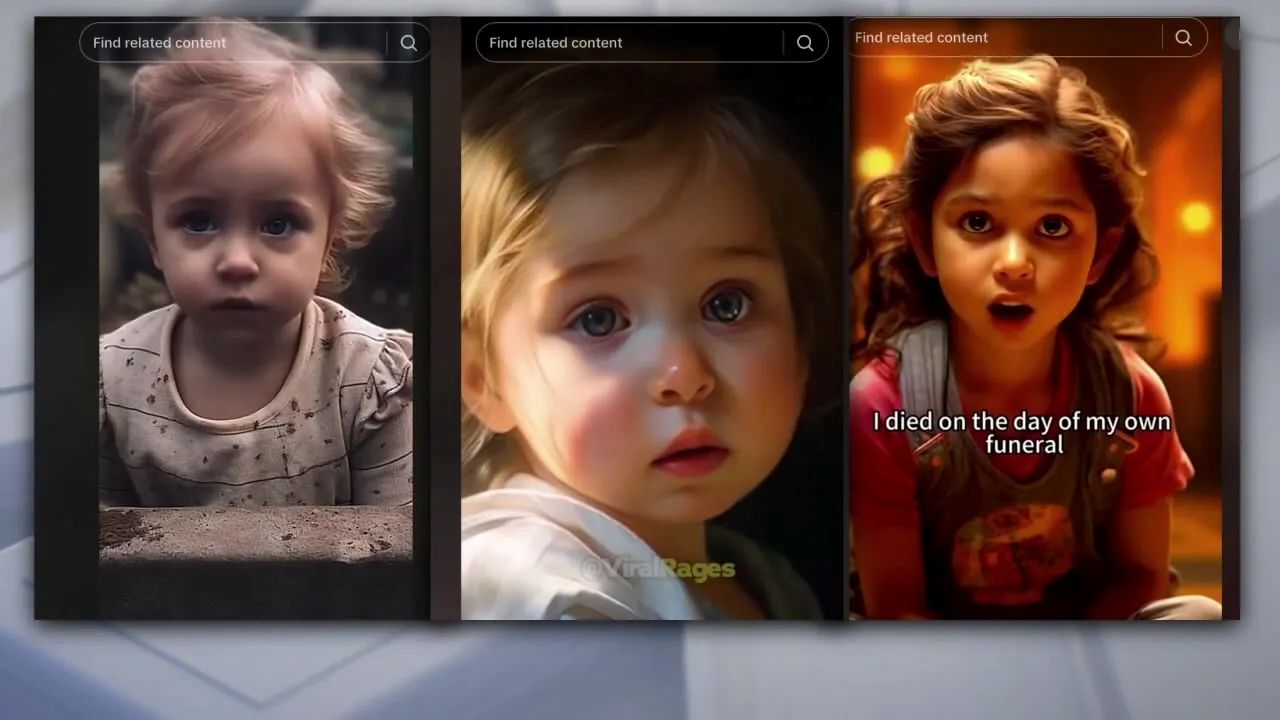
As artificial intelligence brings the dead back to life on screen, the article examines the troubling line between preserving victims’ memories and exploiting their suffering for digital engagement, raising urgent questions about consent, journalistic integrity, and accountability.

Khulod Hadaq Published on: 1 Nov, 2026
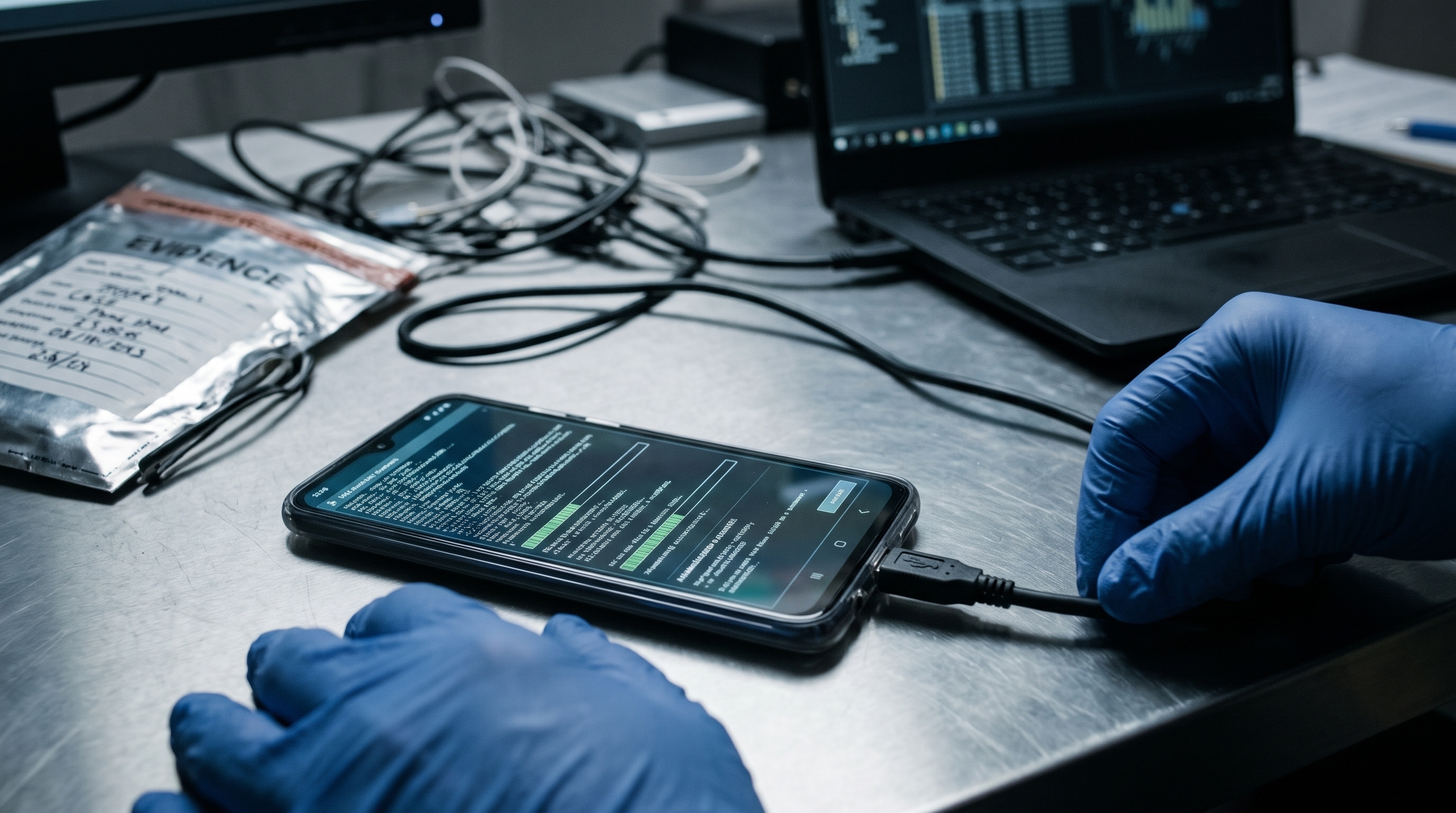
How to Protect Sources when Police Seize a Journalist’s Phone?

The increasing seizure of journalists' digital devices by authorities using advanced forensic tools and spyware poses a severe threat to source confidentiality and press freedom, forcing reporters to rely on strict digital hygiene and minimized data storage to mitigate risk.

Arsalan Bukhari, an independent journalist based in India
Arsalan Bukhari Published on: 27 Oct, 2026
Gaza’s Images in the World’s Memory

Among the thousands of images that have documented the genocide in Gaza, from famine and the demolition of residential towers to the faces of victims, some have appeared

Amira Nassar
Amira Nassar Published on: 24 Oct, 2026
News In the Race for Attention

As audiences turn to Reels, social media and AI for news, journalists are adapting to new demands while trying to protect the depth and quality of their reporting

Rehan Qayoom Mir. An independent journalist whose work has appeared in international and national outlets,
Rehan Qayoom Mir, Sajad Hameed Published on: 16 Oct, 2026
How Has Social Media Affected Television in Yemen?

Social media has transformed television in Yemen from a one-way broadcast medium into a more interactive, audience-driven system in which viewers help shape, source and even produce the content they watch.

Mohammed Alragawi Published on: 13 Oct, 2026
Why should journalists be cautious with Israeli sources?

Journalists should treat Israeli sources with particular scrutiny because anonymous briefings, military censorship, strategic leaks and recycled analysis can blur the line between verified information, speculation and propaganda, with real consequences for audiences on the ground.

Ahmad Al-Agha
Ahmad Al-Agha Published on: 7 Oct, 2026
Priorities for Media Recovery in Gaza

Rebuilding Gaza’s media requires more than restoring equipment and newsrooms: it means protecting and supporting journalists, rebuilding institutions, strengthening professional standards, and preserving journalism’s role as a living witness to the truth.

Sufian al-Shorbagy Published on: 4 Oct, 2026
Common Mistakes Made by Television Correspondents

Television correspondents earn trust not by being first or omniscient, but by reporting what they can verify, using images responsibly, resisting performance and speculation, and putting accuracy before speed.

Linda Shalash
Linda Shalash Published on: 1 Oct, 2026
Will We Write A Falsified History In The Future?

The digital transition of journalism has exposed a growing archive reliability gap, where online news documents are often subject to fake news, content manipulation, and a lack of verification mechanisms, challenging their role as official historical records.

Said El Hajji
Said El Hajji Published on: 24 Sep, 2026
Editorial Workflow in Television Journalism: From Oversight to Quality

Quality television journalism relies on cohesive teamwork rather than individual multitasking. A functional hierarchy is key, restoring the "gatekeeper" role by verifying facts and shielding the public from fake news and propaganda, especially in complex, high-tension environments.

Ali Najeeb Published on: 20 Sep, 2026
Nepal’s Deadly Floods Expose a Newsroom Safety Gap

Nepal’s deadly floods exposed a wider South Asian newsroom safety gap, where many journalists are often sent into dangerous assignments without formal risk assessments, adequate training, protective equipment, evacuation plans or mental-health support.

Hanan Zaffa
Hanan Zaffar Published on: 10 Sep, 2026
The migrant issue in Libya: did the media pass the test of professionalism?

Libya’s migration debate has become a test of whether the media can report legitimate public concerns without laundering rumours, fuelling hate, or turning vulnerable migrants into scapegoats.

Imad al-Madouli Published on: 2 Sep, 2026
The economics of truth: How Lack of Funding is Compromising Quality Journalism in Africa

Reporting and newsgathering cost money; they require time, patience and experienced personnel. However, globally limited funding is leading to a generally compromised journalism output.

Derick Matsengarwodzi
Derick Matsengarwodzi Published on: 30 Aug, 2026
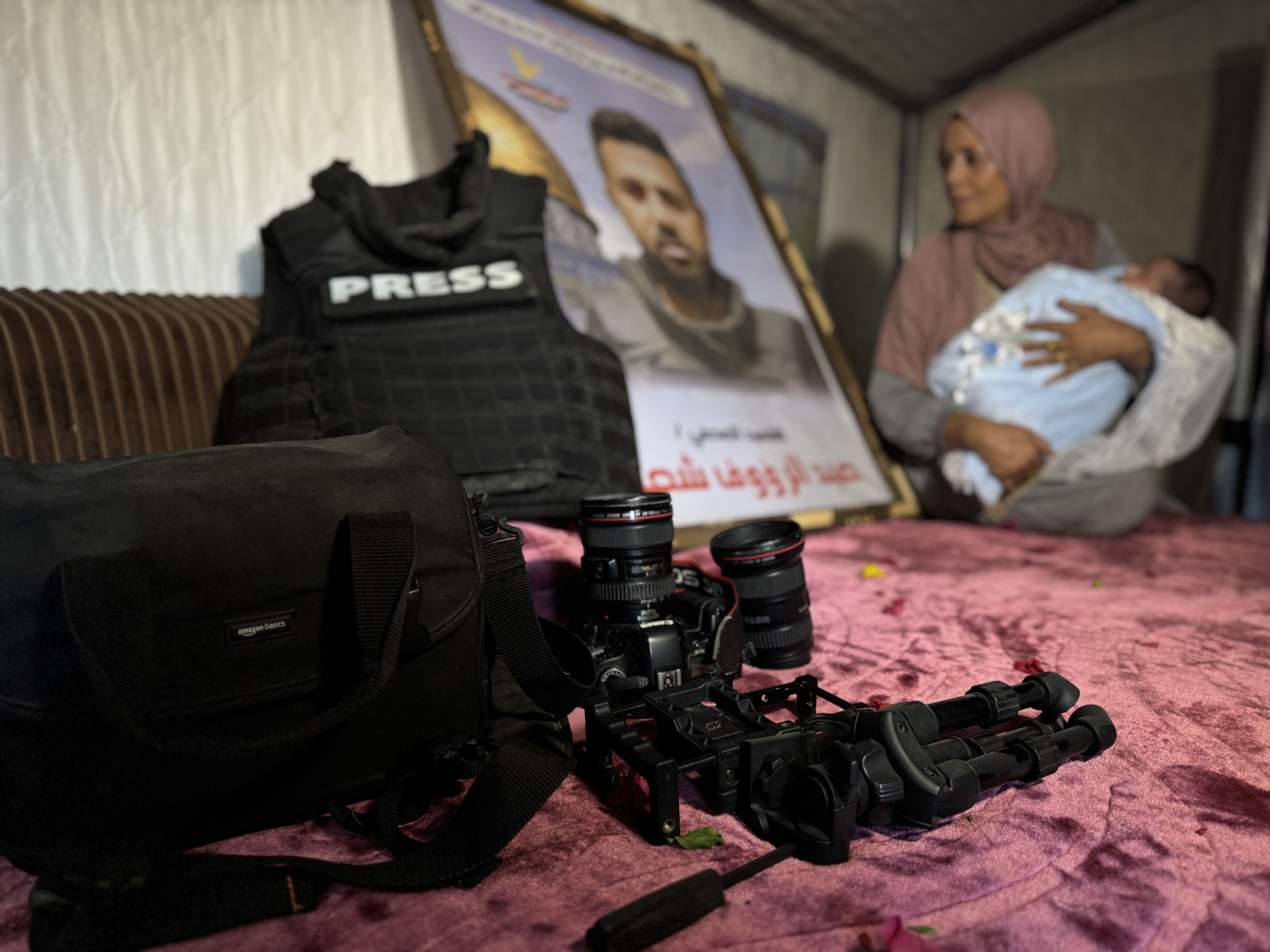
We survived… and stayed alive!

A Palestinian journalist and mother recounts surviving Gaza’s genocide, where the press vest became a target, motherhood became terror, and staying alive did not feel like salvation.

Yumna al-Sayyid Published on: 19 Aug, 2026
A Continuing Crisis, an Intermittent Story: What Makes Famine Newsworthy?

An analysis of 180 articles from the BBC, The Guardian, The New York Times and CNN found that coverage of hunger in Gaza frequently linked the crisis to political decisions and identified responsibility rather than treating it only as a humanitarian emergency. Tracking the same outlets through early August 2026 also shows that this coverage came in sharp waves, with periods of intense reporting separated by months of limited attention even as severe food insecurity persisted.

Djamil Kerrouche Published on: 16 Aug, 2026
Who Decides the News? Inside India's Algorithm-Driven Newsrooms 

Editors once decided which stories mattered based on evidence, public interest and ethics. Today, recommendation algorithms and engagement metrics increasingly shape editorial decisions, prioritising what keeps audiences scrolling.

Seerat-Un-Nisa Published on: 11 Aug, 2026
As in Rwanda: Can the Israeli Press Be Prosecuted for Participation in Genocide?

Israeli media incitement has helped frame Palestinian journalists as security threats, weakening their legal and professional protection and legitimising attacks against them. Legal accountability is possible through the ICC, universal jurisdiction, and professional pressure against journalists and outlets that incite violence.

Nasser Adnan Thabet Published on: 8 Aug, 2026
A Soldier with the Rank of Correspondent in the Israeli Army

Israeli military journalism developed through a deep fusion of media, censorship, and the army, turning correspondents into carriers of the official security narrative. This embedded model later influenced Western war reporting, where access to the battlefield often came at the cost of independence and critical distance.

Sujood Awais Published on: 4 Aug, 2026
The Phenomenon of “News Avoidance”: Have We Come to Know More Than We Should?

Audiences are increasingly avoiding the news as the constant flow of crises, violence, and tragic human stories creates psychological exhaustion and anxiety. Media outlets need to respond with more responsible editorial choices, stronger media literacy, and coverage that balances urgent events with constructive, humane, and less harmful storytelling.

Wessam Kamal Published on: 17 Jul, 2026
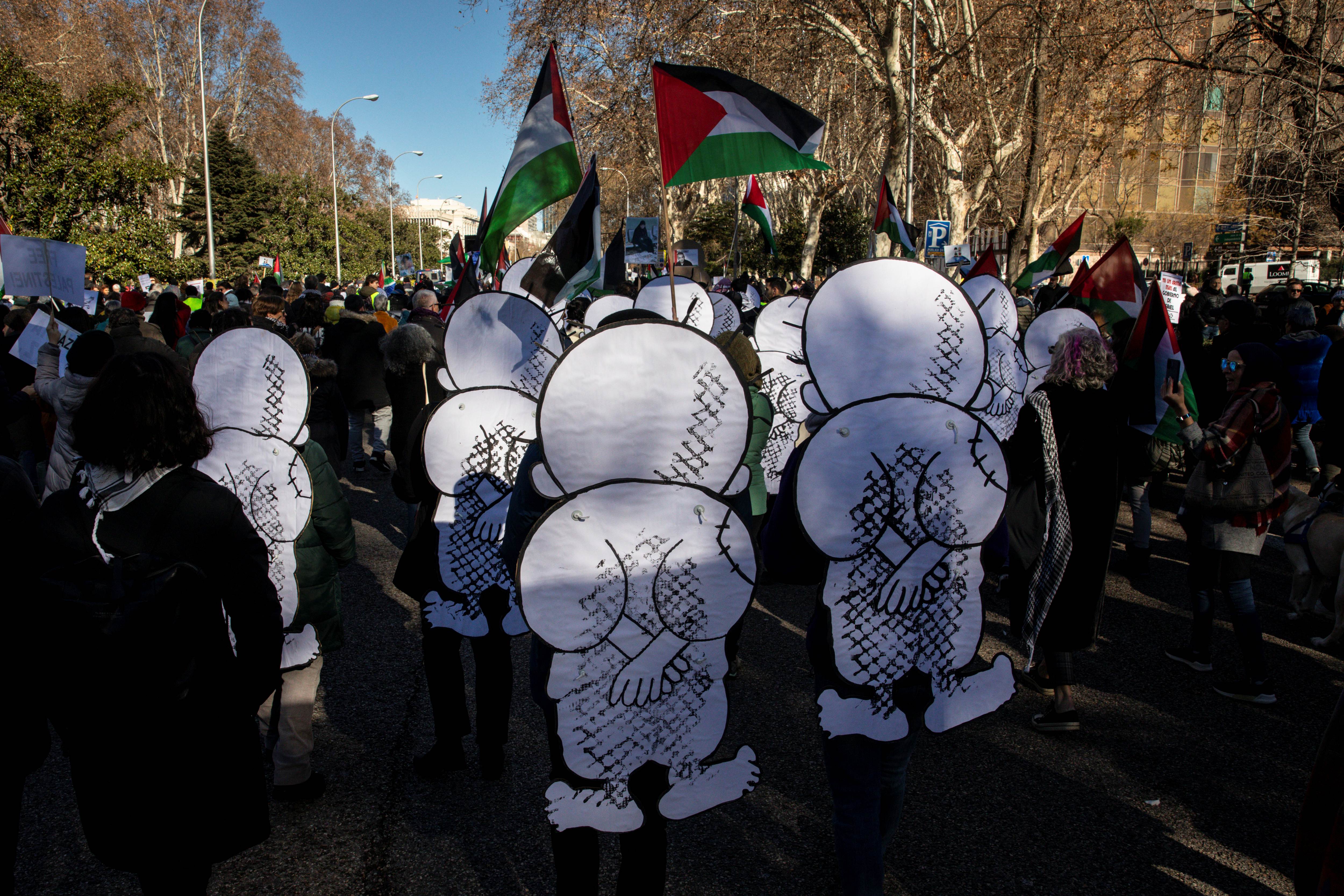
From Srulik to Handala: Caricature as a Media Symbol

From the pro-occupation Israeli character 'Srulik' to the resilient and satirical Palestinian 'Handala', caricature emerges as another battleground for memory and the future. How did these characters come to be, what is their media symbolism, and why does caricature remain so influential?

Sujood Awais Published on: 14 Jul, 2026
“Sometimes You Work for Years Without Pay” – Cameroonian Journalists Demand Safety Nets

While many journalists demonstrate admirable resilience in producing quality journalism under precarious conditions, resilience should not be the only safety net. Journalism deserves protection, because democracy depends on it.

Akem
Akem Nkwain Published on: 11 Jul, 2026
When Modi’s Managed Media Met Europe’s Press

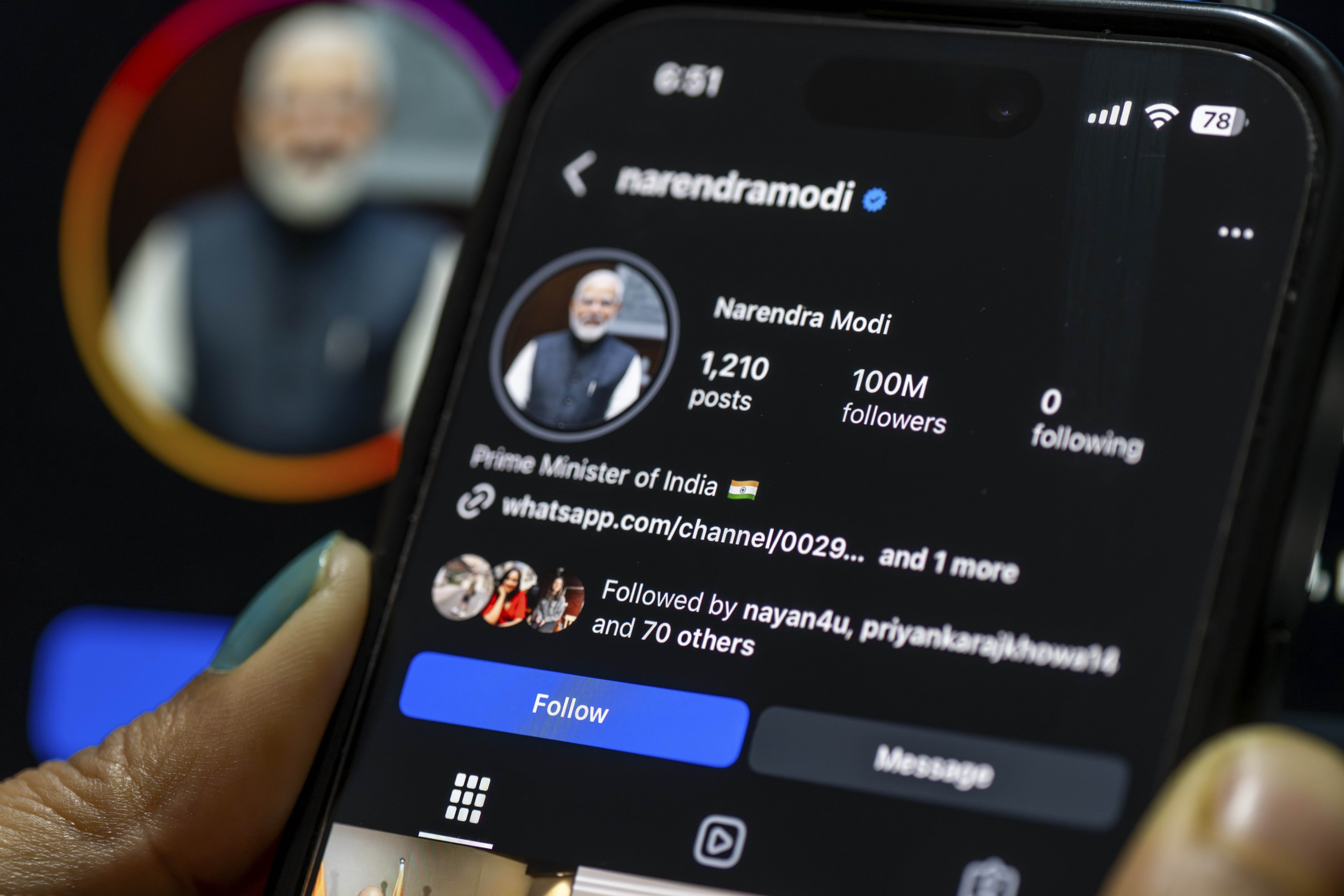
A brief, viral exchange in Oslo between Prime Minister Narendra Modi and a Norwegian journalist has exposed the widening gap between India's tightly controlled media environment and traditional adversarial press culture. Over the past decade, open, unscripted scrutiny has increasingly been replaced by carefully managed public relations, image-driven interviews, and direct digital reach. This systemic shift has reshaped the broader landscape of Indian news media, creating a culture of forced deference that prioritises political showmanship over holding power accountable.

Arsalan Bukhari, an independent journalist based in India
Arsalan Bukhari, Mehrunnisa Maryam Published on: 5 Jul, 2026
How Sources Shaped the Story of Gaza’s Aid-Site Killings

In conflict reporting, the question is rarely only about what happened. It is also who gets to explain what happened. The findings here suggest that the answer to that question often shapes the story that audiences ultimately receive.

Djamil Kerrouche Published on: 1 Jul, 2026
The Stringers Behind India’s Breaking News: No Contracts, Credit or Safety

Thousands of rural Indian freelance reporters, called "stringers," face low pay, police harassment, and total abandonment by the big TV networks that rely on them. These local journalists risk their lives to film breaking news like riots and rallies, but they work without contracts, insurance, or legal help when they get into trouble. This unfair system forces poor, small-town reporters to take on all the danger alone just to keep the national 24-hour news channels running.

Hanan Zaffa
Hanan Zaffar, Majid Alam Published on: 27 Jun, 2026