مشوار الاستقصاء يبدأ بكلمة

مشوار الاستقصاء يبدأ بكلمة

في بلد طافح بالفساد، قد يخسر فيه الصحفي حياته لمجرد محاولة كسر الصمت.. لم يكن سهلا عليّ التفكير في خوض غمار الاستقصاء وتضمين كلماتي صرخات تشير بوضوح نحو الفاسدين وتدينهم، وتشخص بعض مظاهر الخراب والفساد. لكن المحاولة بحد ذاتها تمثل تحديا لا يقبل القسمة على التقاعس والصمت من أجل قضاء مشوار العمل الصحفي تبعا لروتين الصحافة المتحزبة اليومية.

في مشواري الصحفي كنت كثيرا ما أتطلع إلى حكايات الصحفي الاستقصائي يسري فوده، التي عشت لحظاتها كثيرا حتى قبل كل التحولات التي مرت وعصفت بأوضاع بلادي.. وبعد كل حلقة من حلقات "سري للغاية" كان الطموح والشغف يعتريان أحلامي لما كنت أرى من جرأة في الطرح وابتعاد عن الخوف.

منذ العام 2004 خطّت أولى كلماتي الصحفية مشوارها مع إحدى الإذاعات المحلية في العراق، ومضت تتدرج يوما تلو الآخر في محطة بعد محطة، أتنقل فيها بين قنوات محلية أغلبها حمل سمة الحزبية وتجنب الحديث عن أي مفردة استقصائية.

أولى المحاولات الفعلية التي سُجلت لي كانت تقريرا عن المتسولين في العراق وعصابات الاستغلال التي تقف وراءهم عام 2012.

من هناك وجدت أن المشوار لا بد أن يمضي قدما بين طيات صحافة أحقق معها حلمي الأول بين سطور صحافة اللاخوف وكشف المستور في وطني العربي الذي لا يكشف فيه شيء إلا بشق الأنفس.

بعدها اتجهت إلى التقصي عن واقع انتخابات لنقابة الفنانين جرت في بغداد وامتلأت بالمخالفات والغموض. وما إن أشرت إلى المتسبب بها، حتى أصبحت ملاحقا بالاتهامات والتهديدات.

قررت لاحقا البحث في عالم تجارة الأعضاء البشرية، وكان أول خطوط البحث التي قادتني إلى الفكرة هو ما تداول في محل الحلاقة بين الشباب عن فتاة باعت كليتها لدفع قسط جامعتها.. استفزني الأمر وسوء الحال الذي وصلت به البلاد إلى هذا المستوى وغياب الرادعين الأخلاقي والقانوني، حينها اكتشفت أن الاستقصاء لا يتوقف على مصدر بحد عينه؛ فكل كلمة أو أي تجمع قد يكون مصدرا بعد التدقيق لأساس فكرة استقصائية. رفضت الوسيلة التي أعمل معها أي حديث في الموضوع أو القبول بإجراء تحقيق في هذا الشأن، لا سيما أن البحث احتوى أسماء شخصيات طبية معروفة.

لم أستسلم حتى وجدت في أحد الأيام إعلانا للتقدُّم لورشة استقصائية تعلِّم أساسيات الاستقصاء، وتمول إنتاج التحقيق بعدها، كما تتكفل بنشره. تقدّمت للمشاركة بما لدي من فكرة وبحث على أمل أن يرى تحقيقي الاستقصائي النور.

اُختِرتُ مع 12 صحفيا من بين مئات المتقدمين، استنادا إلى الفكرة التي طرحتُها وطريقة البحث. وهكذا، التحقت بالورشة ووجدت فيها كل الأدوات التي تؤهل ما لديّ من طاقة استقصائية ناقمة على واقع بلدي الذي نخره الفساد من كل جانب. عدتُ من الورشة محملا بكل ما حصلت عليه، وانطلقت رحلتي مع مشوار الاستقصاء في حينها عام 2015.

المشروع رقم واحد

كان بحثي الدائم عن كل الملفات المتعلقة بالفساد والخراب يقودني من فكرة إلى أخرى، حتى استوقفني في أحد الأيام تقرير أجريته عن واقع التعليم في العراق، وزرت خلاله بعض المدارس. ما صدمني هو وجود المدارس الطينية قائمة حتى هذا العام، رغم كل مليارات الموازنات الحكومية، وذهلت من رؤية البؤس البادي على وجوه الأطفال وهم يفترشون الأرض ببردها القارس وحرِّها اللاذع.

واقع مأساوي أن تجد أطفال بلدك دون حق التعليم الصحيح والمعاناة التي حرمتهم من حقوقهم. اطلعت على الإحصائيات المتوفرة في وزارة التخطيط والتربية لأجد أن هناك ما بين 1000 إلى 2000 مدرسة طينية في البلاد، وأن العراق بحاجة لأكثر من 20 ألف بناية مدرسية، وأن أكثر من مليون طفل متسرب من المدارس ولا يلتحق بالتعليم لأسباب عدة أبرزها عدم وجود مدرسة قريبة على محل سكناه. كما أن العراق الذي كان في سبعينيات القرن الماضي البلد العربي الوحيد الخالي من الأمية، أصبحت فيه نسبة الأمية اليوم تتجاوز 20%. كل تلك الإحصائيات كانت مهمة لبداية البحث والتحقيق.

من هنا انطلقت للبحث أكثر وطرحت الفكرة على شبكة أريج والصحفي يسري فوده الذي أعلن عن ورشة بإشرافه في "أريج".. كانت الفكرة مميزة، فهي تعالج واقع التعليم وتظهر أساس تخلفه وما نخره من فساد.

أوصلني البحث إلى الكثير من الخيوط والمصادر الممكنة وغير الممكنة، والأهم أني عمدتُ إلى عملية توثيق تمكنني من حبك خيوط التحقيق، وإدانة من ثبت بالبحث تورُّطه في سرقة حق أطفال العراق في الحصول على تعليم جيد.

كان لا بد أن أوثق كل مرحلة وكل خطوة مر بها البحث، على الأقل بمستند أو وثيقة تثبت صحة ما ذهبتُ إليه.

زعمتُ في التحقيق أن هناك مشروعا أطلقته الدولة عام 2011 لبناء أكثر من 1700 مدرسة في عموم العراق، وخصصت له ملايين الدولارات، وبعد خمس سنوات اختفت الأموال، والأسوأ من ذلك أن المشروع عمد إلى تهديم مئات المدارس بحجة إعادة بنائها، لكنها تحولت إلى أرض جرداء يتحسر عليها طلابها حتى اليوم.

أبرز المقاولات في هذا المشروع كانت لرجل متنفذ على صلة وثيقة بالكثير من الأحزاب. أودِعَ أكثر من 200 مليون دولار كدفعة 60% لهذا المقاول، شرط عدم سحبها من المصرف الذي أودعت فيه إلا بحضور الطرف الحكومي والمقاول. وثقتُ كل ذلك بالمستندات والعقود التي أثبتّ من خلالها توقيع وزير التربية وممثل الشركتين التي يملكهما المقاول، ثم وثقت عملية اختفاء الأموال ورفع الكتب الرسمية إلى الحكومة من قبل بعض المفتشين تؤكد اختفاء الأموال.

أثبتّ أولا عدم صلاحية إعطاء الدفعة الأولى بنسبة تبلغ 60% إلا عن طريق إدخال شريك حكومي، وهو ما قام به المقاول للحصول على هذا الحجم من الأموال. وهنا تبادر إلى ذهني إثبات كيفية إمكان اختفاء الأموال رغم شرط حضور الجانب الحكومي، وبعد البحث لأشهر وصلنا إلى وثيقة حكومية تثبت أن صاحب المصرف هو نفسه والد المقاول.

الخطوة الثانية كانت التأكيد.. وهنا بحثتُ أكثر عن مصادر سرية توفر لي ما أبحث عنه، وبعد البحث وصلت إلى وثائق سرية صادرة من البنك المركزي وهيئة النزاهة التي رفضت مطلقا التصريح لي أو مساعدتي، لكنني حصلت على وثائق رسمية منها تؤكد أن ذلك المقاول هو من سرق الأموال. ثم وصلت إلى وثائق رسمية أخرى تؤكد أن نسب الإنجاز في المشروع لم تتجاوز 15% من المشروع بأكمله.
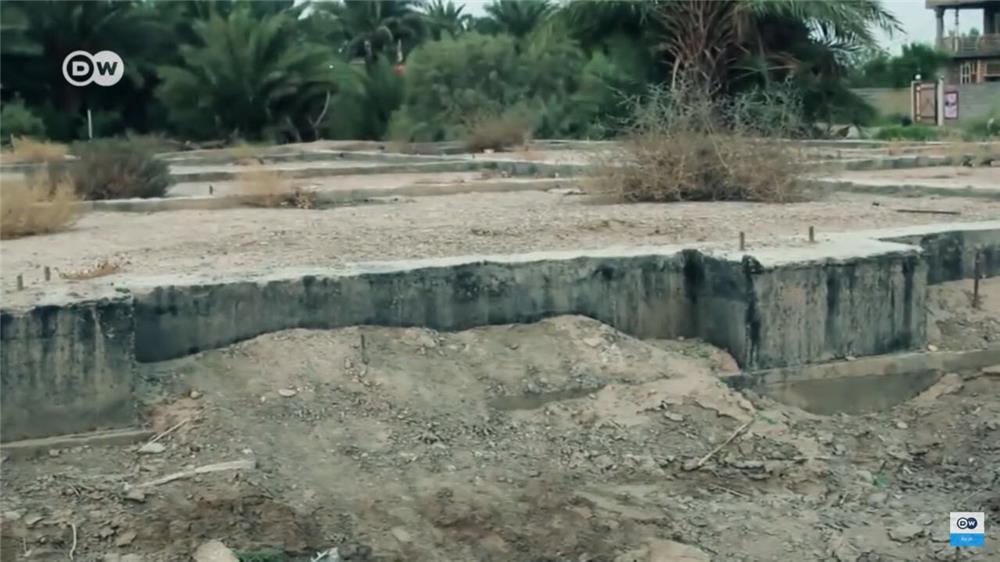
هيكل مدرسة وُضعت أساساتها قبل خمس سنوات، ورغم استلام المقاول للمبلغ ما زال الأساس على حاله.

حاولت البحث عن المقاول لمنحه حق الرد، ومن أجل أن يكون التحقيق مهنيا ومتكاملا، وهنا تمكنت من الحصول حتى على مستمسكاته الشخصية وعقود شركاته، لكن الرجل كان أشبه بالشبح.. لا صورة ولا عنوان؛ فكل عنوان أذهب إليه أجده قد تركه، حتى انتقلت إلى الأردن للبحث عنه هناك، حيث توصلت إلى عنوانه عبر الإنترنت، لكن لم يكن له أثر. وبعد محاولات التقيت بممثله القانوني وكان يسكن عمّان، وتم الاتفاق على تسجيل مكالمة له بعد تعذر حضوره. وخلال الحوار وثقت اعترافه بأنهم أخذوا الأموال، لاقيا باللوم على جهات أخرى، وطالبا سؤال المصرف الذي أودعت فيه الأموال عن كيفية سحبها دون وجود الطرف الحكومي.
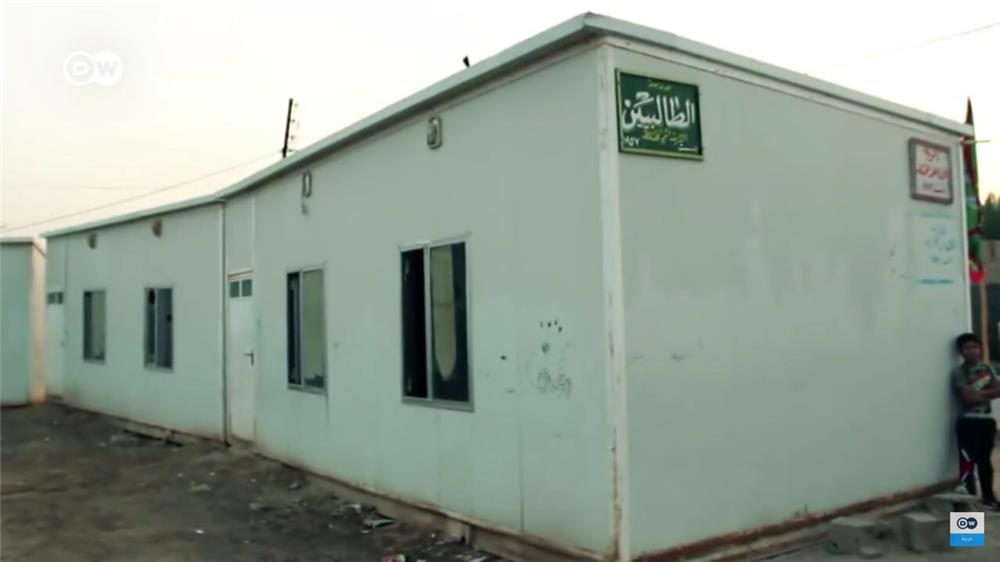
واقع مدرسة الطالبين بعد أن هُدمت في بداية المشروع لبناء مدرسة حديثة مكانها قبل خمس سنوات، لم تُبنَ المدرسة. وبعد سنوات من المعاناة، تبرَّع البعض بكرافانات ليدرس بها الطلاب.

لم أترك جهة إلا ذهبت إليها واستمعت لشهادات الجميع في وزارة التخطيط ووزارة التربية ووزارة الإعمار ووزارة الصناعة، والحالات من أطفال المدارس الذين تضرروا بسبب ذلك المشروع، وتنقلت بين أكثر من محافظة لأظهر واقع أطلال المدارس التي شيدت لتبقى على شكل هياكل تذكّر بحجم الهدر والفساد.

بعد شهر من عرض التحقيق على قناة "دويتشه فيله" (DW) في برنامج "السلطة الخامسة" مع يسري فوده، تحرك ملف التحقيق في المشروع، وأخيرا أصدر القضاء حكما بالسجن سبع سنوات على المقاول ومصادرة أمواله المنقولة وغير المنقولة. كان ذلك الحكم في معاقبة الجناة أهم الجوائز التي حصدتها في مشوار حياتي، لأن إرجاع الحق وكشف المتورطين هما أساس صحافة الاستقصاء التي أحلم بها وأساس الصحافة التي أحلم بها، صحافة التغيير، وخاصة في بلداننا العربية التي تعاني مشكلة أزلية تتمثل في الفساد الذي نشأ من مخلفته "الإرهاب" نتيجة الظلم والفقر والجوع والاضطهاد.

لابد من التأكيد أن الخوض في غمار الاستقصاء جاذب للمخاطر، لهذا عليك كصحفي أن تؤمن بفكرتك أولا لتتمكن بشجاعة من إنجازها.
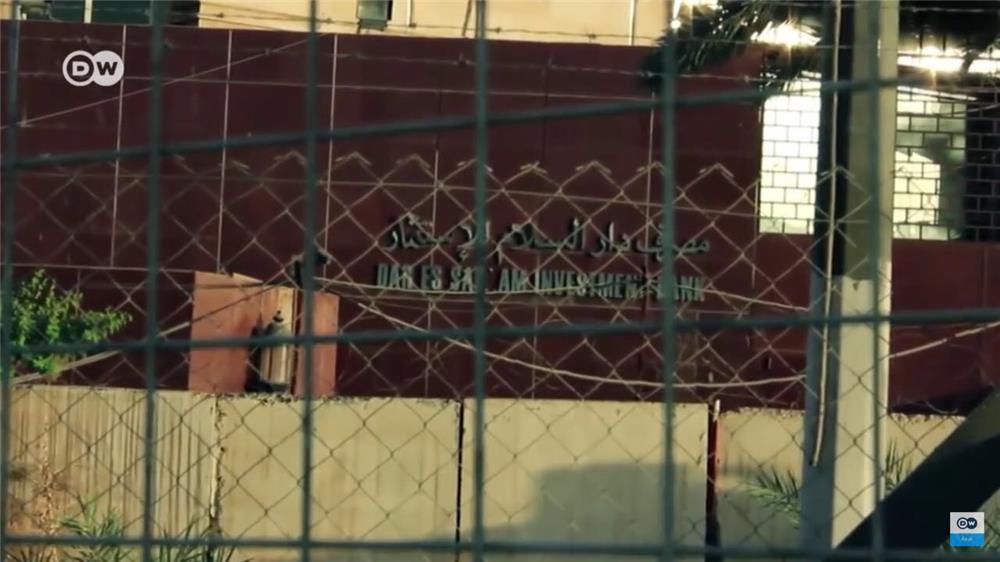
مصرف دار السلام الذي أودعت فيه الأموال من قبل وزارة التربية على ألَّا تُسلَّم للمقاول إلا بحضور جميع الأطراف. كشف التحقيق أن أكثر من 200 مليون دولار فيه اختفت وأن رئيس مجلس إدارته هو نفسه والد المقاول.

تعرضتُ لمحاولة اغتيال بإطلاق النار على مركبتي وكدت أفقد حياتي، ناهيك عن كمّ التهديدات التي تعرضت لها والتي أصبحت روتينا من بيروقراطية الحياة اليومية مع الصحافة، لكن وكما قلتها سابقا وأجيب عنها في كل مرة: هذا عملي وعليّ أن أكون أهلا له.

وكنتيجة أخرى للتحقيق، اعتُقل المقاول في العاصمة الأردنية من قبل الإنتربول بعد الحكم الصادر من القضاء العراقي، بحسب ما علمته خلال كتابتي هذا التقرير في ديسمبر/كانون الأول 2017.

أعيد جزء من الأموال المسروقة إلى الحكومة وأُعفي سبعة مدراء عامِّين وحقق التحقيق معظم أهدافه، لكن أطفال العراق ما زالوا يعانون الكثير من واقعهم المأساوي في مدارس طينية وحديدية، عدا عن أطفال المخيمات من النازحين، وهو ما يدفعني إلى البقاء في كلمة الاستقصاء والمضي بمشروعها الساعي إلى خلق صحافة رادعة ورقابية حقيقية تساهم في خلاص المجتمع العربي من كل آفاته الأزلية، وأولها وأهمها الفساد.
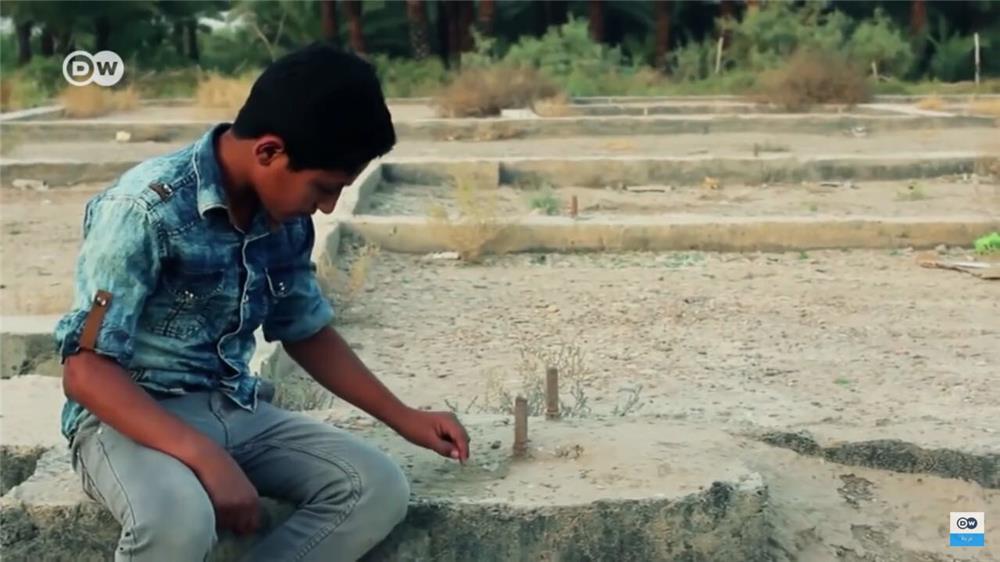
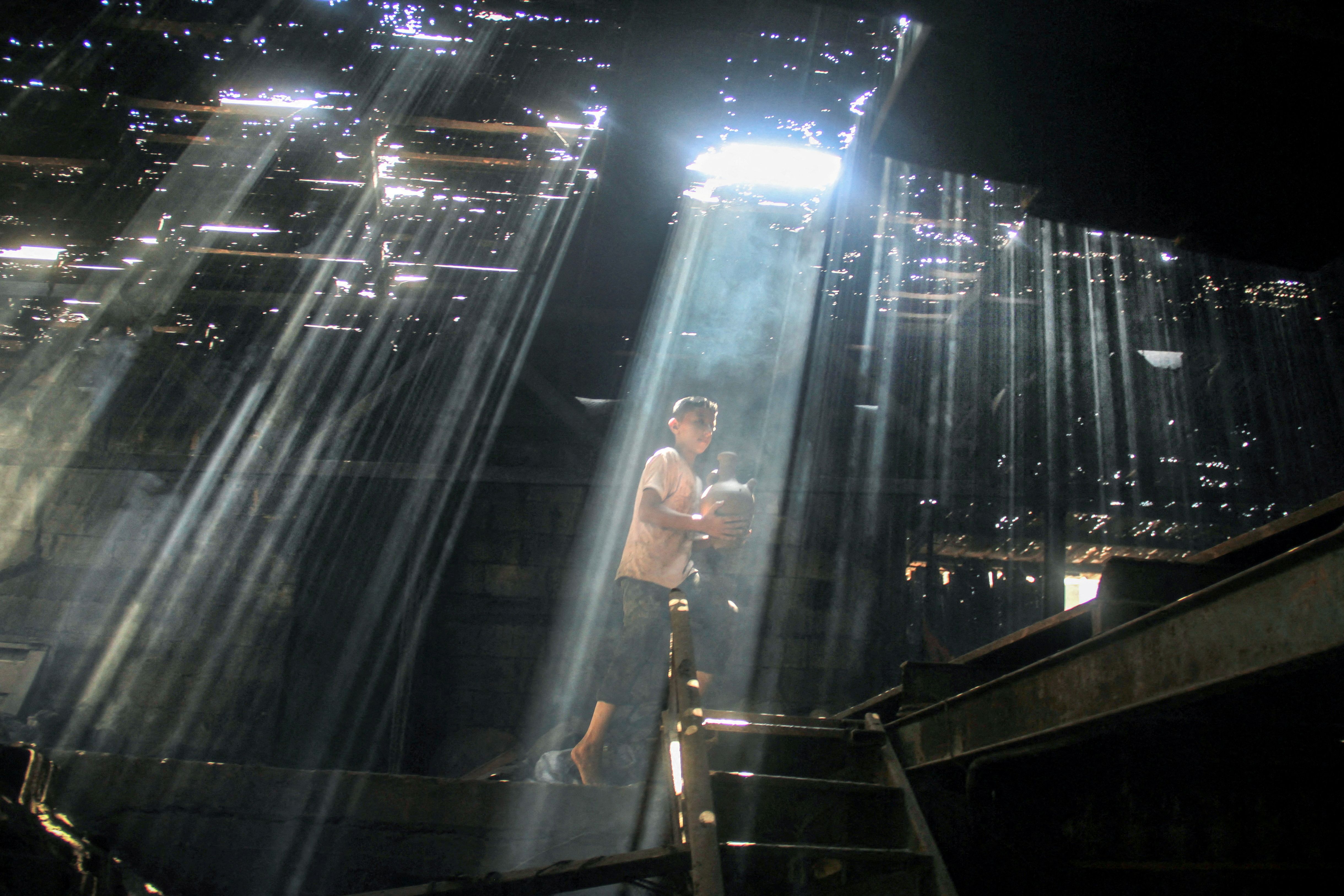
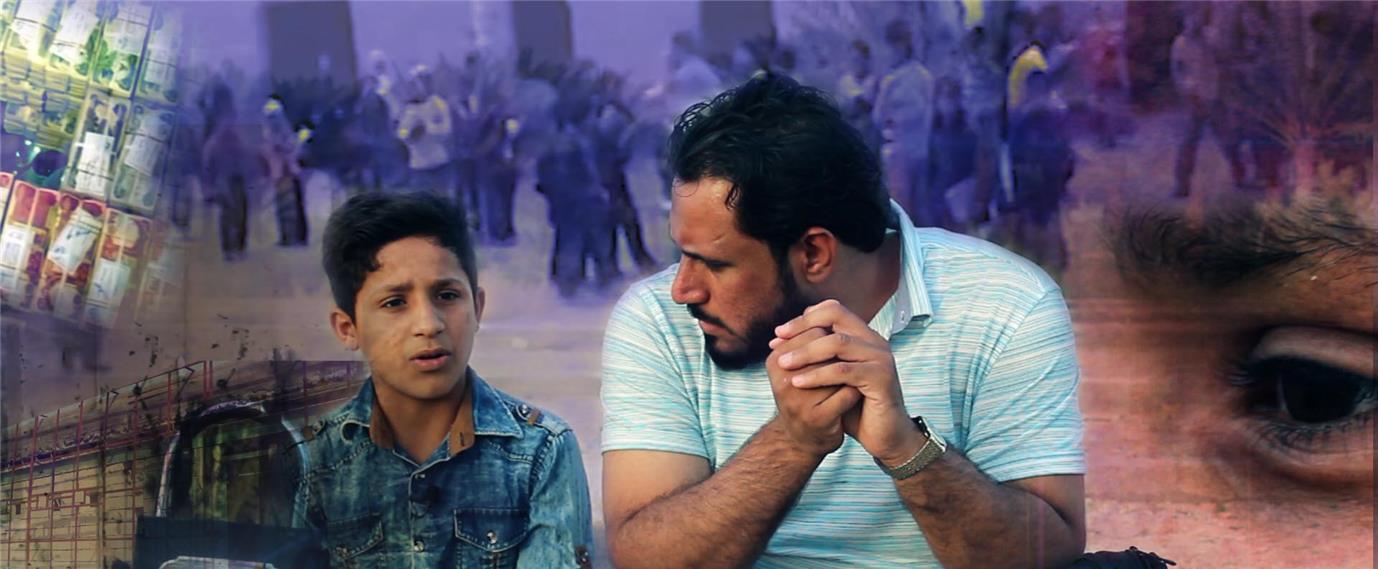
على أطلال مدرسته القديمة التي هُدمت قبل خمس سنوات في المشروع لتٌبنى أخرى مكانها، يتأمل الطفل كيف كان المشروع سبب حرمانه من الدراسة؛ إذ نُقل إلى مدرسة بعيدة، وفي الطريق تعرض لحادث سيارة حرمه من التعليم لبقية حياته.

حصل التحقيق على جائزة "سمير قصير 2017" في لبنان عن فئة المرئي، وترشح ضمن قائمة الأفلام الثلاثة النهائية لجائزة "ديغ" (DIG) الإيطالي العالمية في العام نفسه وحصل على جائزة لجنة التحكيم. كما نال جائزة "الضوء الساطع" في جوهانسبرغ التي تنظمها الشبكة الدولية للصحافة الاستقصائية كل عامين، ولأول مرة يحصل عربي على هذه الجائزة العالمية منذ تأسيسها.
More Articles

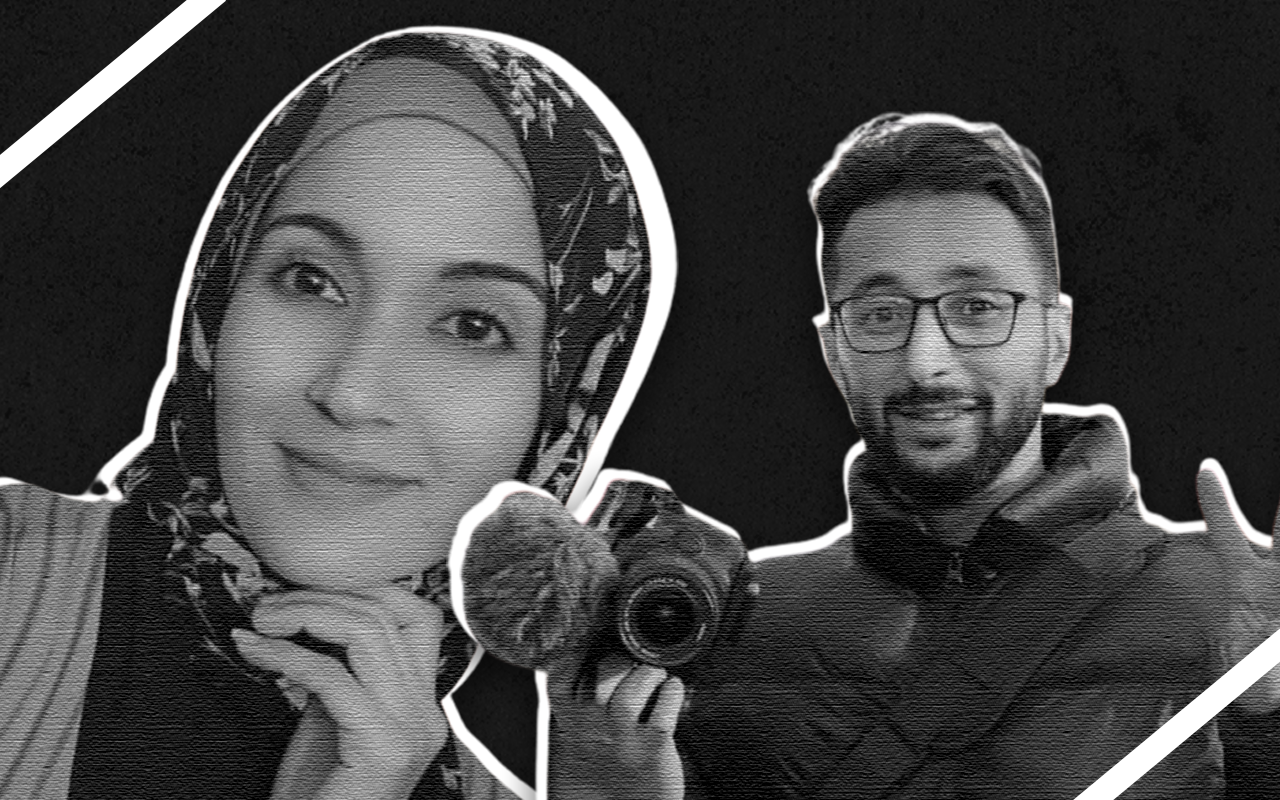
Mohamed al-Khalidi and Marwa Muslim: Forgotten in Life, Vindicated in Death

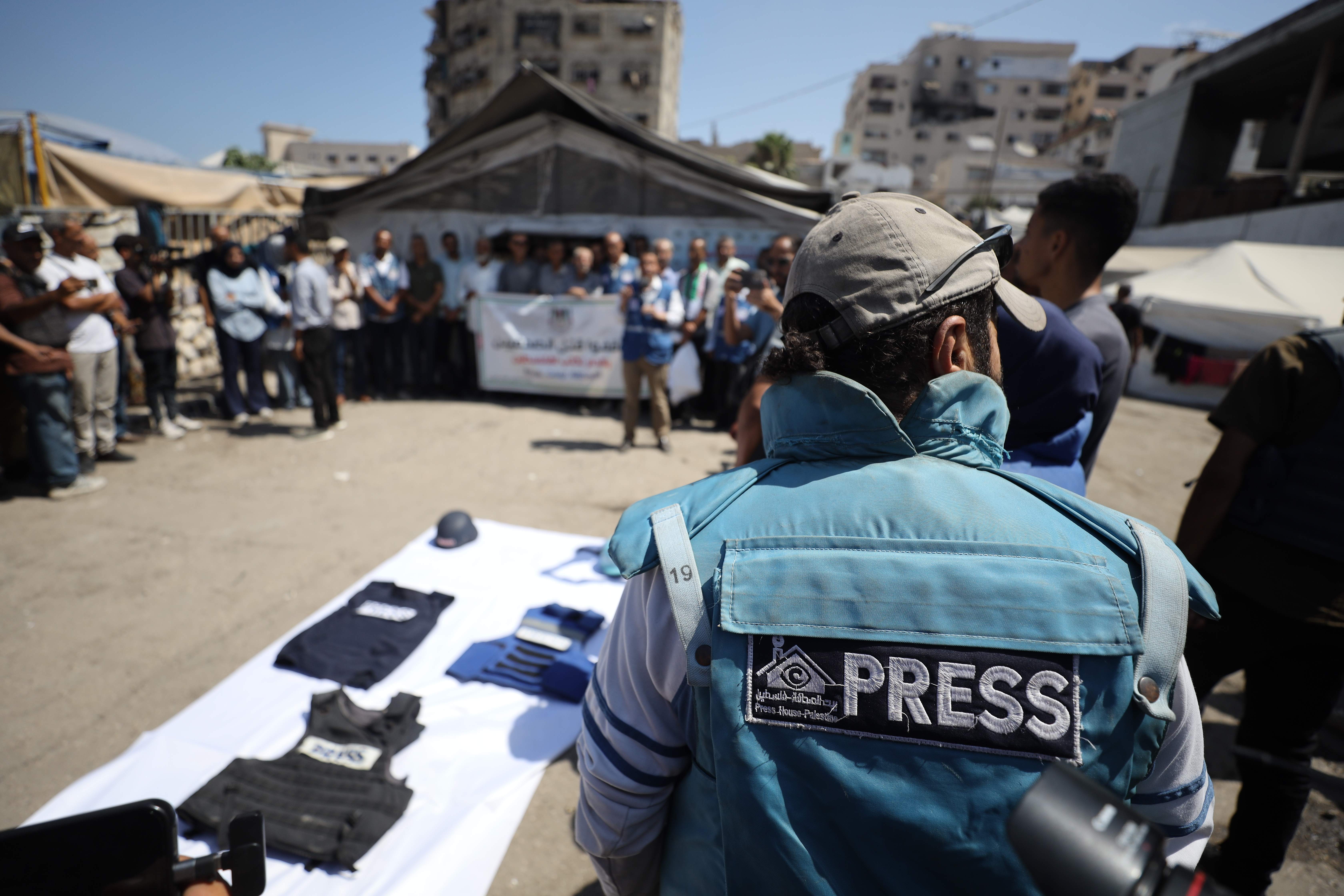
The occupation killed journalists Mohamed al-Khalidi and Marwa Muslim as part of a systematic pattern of targeting the press, but throughout their careers they also faced neglect, marginalisation, and a lack of recognition. Colleague Maysoun Kahil tells their story, and asks why Palestinian journalists are so often honoured only after death, rather than supported in life.

Maysoun Kahil Published on: 17 Jun, 2026
The Double Ordeal of Freelance Journalists in Gaza

Independent journalists in Gaza face a dangerous double battle. Working without institutional protection or financial safety nets, they risk their lives to report the reality of war, overcoming severe resource shortages and systemic neglect to ensure the world hears the truth.

Noor Abu Rokba Published on: 14 Jun, 2026
Reporting on People Who Cannot Leave

The arrest of an Afghan female athlete after appearing in a Dutch documentary highlights the dangers of reporting under authoritarian rule. It underscores a growing dilemma in journalism regarding how to amplify the voices of vulnerable people without accidentally turning them into targets for the regime.

Sayed Jalal
Sayed Jalal Shajjan Published on: 4 Jun, 2026
Journalism After the Genocide in Gaza: One War Has Ended, and Other Wars Have Begun!

The post-ceasefire reality for Gaza’s journalists reveals a challenging shift from documenting active daily bombardment to navigating an overwhelming landscape of community and structural ruin. The pressure on reporters appears set to escalate as they struggle to rebuild their own lives from absolute zero while fighting to ensure that ongoing human suffering, systemic displacement, and political marginalization are accurately documented and held to account.

Yousef Fares
Yousef Fares Published on: 17 May, 2026
The Vanishing Foreign Desk: What U.S. Media Cuts Mean for South Asia

Recent restructuring at Voice of America and The Washington Post marks a significant withdrawal from global journalism, particularly affecting coverage in South Asia. As these major institutions cut staff and close foreign bureaus, the loss of experienced expertise threatens the visibility of critical regional issues like human rights and climate change. This shift forces a move toward narrative independence for local media, yet leaves a dangerous gap in the global conversation that smaller newsrooms struggle to fill.

Sajid Raina
Tauseef Ahmad, Sajid Raina Published on: 8 May, 2026
US-Iran Islamabad Talks: How Journalists Report from Outside Closed Doors

The "Islamabad Talks" highlight a growing contradiction in modern diplomacy where journalists are physically present but denied direct access to negotiations. The pressure on transparency appears set to intensify as reporters are forced to trade traditional eyewitnessing for outside in investigation and geopolitical speculation.

Anam Hussain
Anam Hussain Published on: 2 May, 2026
Malawi Investigates Poor Pay and Working Conditions for Junior Journalists

Malawi’s investigation into poor pay for junior journalists exposes a deeper crisis where economic hardship is eroding media independence and forcing reporters to choose between ethical integrity and survival.

Benson Kunchezera Published on: 30 Apr, 2026
Why Anonymous Sources Are Fading from Indian Journalism

A generation of reporters-built careers on confidential sources, many now write without them.

Kamran Yousuf
Kamran Yousuf Published on: 19 Apr, 2026
From Print to Pixels: How Small-Town Journalists in Bihar Are Surviving Threats and Closures

As newspapers vanish across districts like Siwan, Gaya, and Purnea, reporters turn to mobile phones, digital start-ups and community networks to keep local journalism alive.

Rehan Qayoom Mir. An independent journalist whose work has appeared in international and national outlets,
Rehan Qayoom Mir, Sajad Hameed Published on: 12 Apr, 2026
AI, Copyright Reform and the Fragile Reinvention of Indian Journalism

India’s proposed AI copyright framework risks turning independent journalism into a pooled data resource, undermining the subscription-based models that sustain it. At a moment of political and economic fragility, the struggle over AI licensing is ultimately a struggle over who controls, values, and profits from journalistic work.

Arsalan Bukhari, an independent journalist based in India
Arsalan Bukhari Published on: 31 Mar, 2026
The Challenge of Reporting in Chechnya

Independent journalism no longer exists as a functioning practice inside Chechnya. What remains is a profession rebuilt in exile, forced to operate at a distance from the very place it is meant to cover.

Rushda Fathima Khan
Rushda Fathima Khan Published on: 29 Mar, 2026
Journalism in Gaza: A Struggle for Survival

In Gaza, journalism becomes inseparable from the life it documents: reporting continues not from a distance, but from within the same fear, grief, and instability it tries to record.

Nelly Al-Masri Published on: 25 Mar, 2026
From News Reporting to Documentation: Practical Lessons from Covering the War on Gaza

From the very first moment of the genocidal war waged by Israel on Gaza, Al Jazeera correspondent Hisham Zaqout has been a witness to hunger, devastation, war crimes, and the assassination of his colleagues in the field. It is a battle for survival and documentation, one that goes beyond mere coverage and daily reporting.

Hisham Zakkout Published on: 26 Jan, 2026
Polarised, Intimidated, Silenced: The Media Under Siege in Cameroon’s Election

Cameroon’s 2025 presidential election exposed a troubling paradox: a nation voting under the watchful eye of power, while its press remained silenced. From the arrest of a teenage reporter to bans on political debate and digital manipulation, freedom of expression is under siege, and journalism is on trial.

Shuimo Trust Dohyee
Shuimo Trust Dohyee, Ngweh Rita Published on: 22 Jan, 2026
Investigating the Assassination of My Own Father

As a journalist, reporting on the murder of my father meant answering questions about my own position as an objective observer.

Diana López Zuleta
Diana López Zuleta Published on: 16 Jan, 2026
Reporting Under Fire: The Struggle of African Journalists Facing Intimidation

African journalists who expose corruption and power now face a brutal mix of arrests, torture, digital surveillance, and lawsuits meant to drain their resources and silence them. From Ethiopia, Nigeria, Malawi, Benin, Sudan, Uganda, and Kenya to exile in Canada, reporting the truth has become an act of personal survival as much as public service.

Nigerian freelance Journalist John Chukwu
John Chukwu Published on: 4 Dec, 2025
Shipwrecked Narratives: How to Keep Migration Stories Afloat

Migration stories don’t become real until you meet people in the journey: the carpenter carrying photos of his fantasy coffins, or the Libyan city worker burying the forgotten dead, or the Tatar woman watching her livelihood collapse at a militarised border. Following these surprising human threads is the only way journalism can cut through collective exhaustion and make readers confront a crisis they’ve been trained to ignore.

صحفي مستقل ومدرب إعلامي، نشرت مقالاته في الغارديان، والجزيرة الإنجليزية، وبوليتيكو، وميدل إيست آي، وذا إندبندنت، وغيرها.
Karlos Zurutuza Published on: 30 Nov, 2025
What It Means to Be an Investigative Journalist Today

A few weeks ago, Carla Bruni, wife of former French president Nicolas Sarkozy, was seen removing the Mediapart logo from view. The moment became a symbol of a major victory for investigative journalism, after the platform exposed Gaddafi’s financing of Sarkozy’s election campaign, leading to his prison conviction. In this article, Edwy Plenel, founder of Mediapart and one of the most prominent figures in global investigative journalism, reflects on a central question: what does it mean to be an investigative journalist today?
Edwy Plenel
Edwy Plenel Published on: 27 Nov, 2025
A Sudanese Journalist in the Grip of the Rapid Support Forces

She was arrested, tortured, nearly raped, threatened with death, and subjected to degrading abuse. Her brother was brutally mistreated in an effort to locate her. In the end, her family had to pay a ransom to secure her release. She sought refuge abroad, but eventually returned to Sudan to continue documenting the war’s toll, particularly in El Fasher, a city now under siege. This is the harrowing account of a Sudanese journalist detained and tortured by the Rapid Support Forces.

Empty screen
Sudanese Female Journalist Published on: 3 Nov, 2025
Zapatismo and Citizen Journalism in Chiapas, Mexico

In Chiapas, independent journalists risk their lives to document resistance, preserve Indigenous memory, and challenge state and cartel violence. From Zapatista films to grassroots radio, media becomes a weapon for dignity, truth, and survival.

Ana Maria Monjardino
Ana Maria Monjardino Published on: 26 Oct, 2025
Journalists Under Occupation; Palestinian Journalists in the West Bank

Palestinian journalists in the West Bank face extreme physical danger, psychological trauma, and systemic targeting under Israeli occupation, yet continue to report with resilience, amplifying the voices of their people despite global indifference and media bias.

Synne Furnes Bjerkestrand
Synne Bjerkestrand Published on: 13 Oct, 2025
The Silent Death of Urdu Newspapers in India

With a 200-year history, Urdu newspapers in India are now facing a silent death—trapped in a cycle of decline where circulation has fallen by nearly 25%, advertising is absent, and government support is scarce. What vanishes is more than print: it is the erosion of a cultural and political lifeline that once bound Hindus, Muslims, and Sikhs in common debates and carried the voices of the marginalised into India’s public sphere.

Hanan Zaffa
Hanan Zaffar, Majid Alam Published on: 1 Oct, 2025
Why Are Young Journalists in Kashmir Quitting Before They Begin?

In Kashmir, mounting censorship, political pressure, and shrinking job prospects are forcing a generation of aspiring journalists to abandon the profession, many before they even get the chance to begin, leaving behind a media landscape stripped of dissent, debate, and independent voices.

Abrar Fayaz, Muqeet Mohammed Shah Published on: 23 Sep, 2025
Sudan’s Journalists Are Being Silenced: By Bullets, Exile, and Fear

The collapse of the media industry in Sudan has subjected journalists to physical threats, legal and professional challenges, with no functioning legal system to investigate crimes committed against the press.

Nalova Akua
Nalova Akua Published on: 17 Sep, 2025