صناعة وثائقي بتقنية الواقع الافتراضي مع مجتمع محلي: سرد قصة كفاح دلتا النيجر

صناعة وثائقي بتقنية الواقع الافتراضي مع مجتمع محلي: سرد قصة كفاح دلتا النيجر

يأخذ الفيلم المصور بتنقية الواقع الافتراضي مشاهده إلى قلب دلتا النيجر، ويسلط الضوء على نضال شابة، تدعى ليسي، في عاصمة النفط في نيجيريا، التي دُمرت بفعل تسربات النفط المتعددة خلال العقود الماضية. 

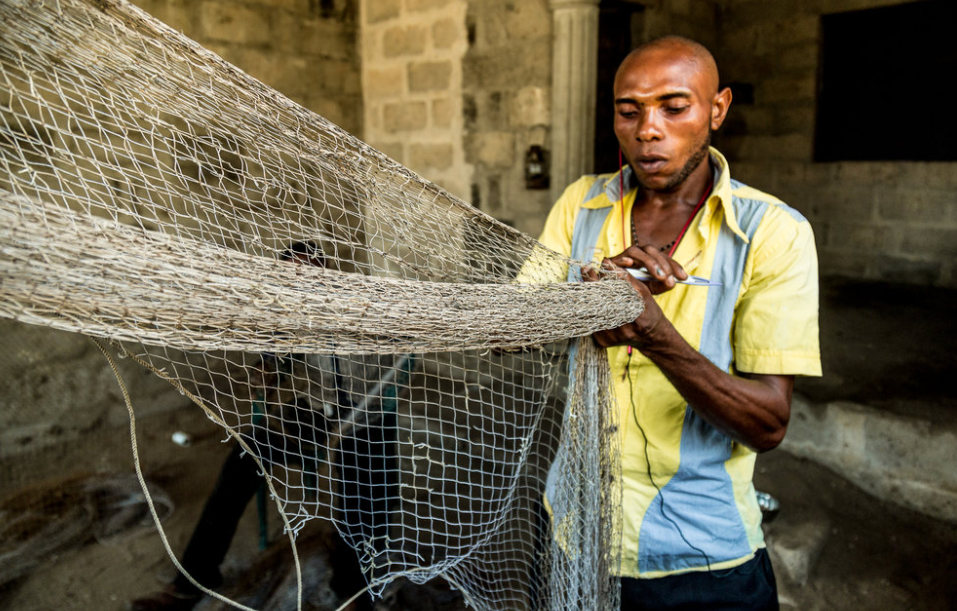
يتشابك الفيلم في نواحٍ كثيرة مع التاريخ الشخصي للفريق العامل على الوثائقي. غالبية الفريق كانوا من النيجيريين الذين استثمروا خلفياتهم وتجاربهم في القصة، بالإضافة إلى حماسهم لاستخدام تقنية الواقع الافتراضي كأداة لتقديم القصة إلى المنصات الدولية.

تقول المخرجة زهرة رسول إن "العمل مع الكثير من النيجيريين في الفيلم ساعد على فهم القضية بشكل أعمق وأدق".

"النفط في جداولنا" وثائقي شارك في إنتاجه أوزودينما ايويلا مؤلف كتاب "Beasts of No Nation" بمساعدة من Sustainability International وهي منظمة غير ربحية تعمل على التخفيف من حدة الفقر والفساد في إفريقيا.

قابلنا بعض أعضاء طاقم العاملين على الوثائقي للحديث عن تجاربهم وما حثهم على المشاركة في الفيلم.

بالنسبة إلى شنيري ناندي، المؤسس والرئيس التنفيذي لشركة Sustainability International، فإن التسريبات النفطية لعبت دوراِ كبيراً ليكون الوضع على ما هو عليه اليوم: "أصبح والداي مهندسان بيئيان بسبب تسرب النفط في الدلتا. لقد عاشا وهما يشهدان انتقال الدلتا من مرحلة الانسكاب النفطي إلى مرحلة التسرب النفطي. كان ذلك خلال طفولتهما، لقد استثمرا فيه، وهو جزء مما هم عليه الآن. لذلك عندما نعود، سيشرحان لنا عن السم في الأرض". 

وعن التقنية يقول ناندي "رأيت في تقنية الواقع الافتراضي وسيلة ليعيش الجميع هذه التجربة".   

أما أمارا أويانا فقد قدمت تجربتها في الفيلم وساعدت في التنسيق على أرض الواقع. مع خلفية في الهندسة الكيميائية، ساهمت أمارا في زيادة الوعي بانسكابات النفط وكيفية تأثيرها على الاقتصاد.  

في الماضي، قضت وقتاً جيداً في دلتا النيجر من خلال عملها في شركة إكسون موبيل، تقول "لقد رأيت شركات النفط والغاز، رأيت كسب المال. وعلى الجانب الآخر، رأيت كيف تعرض السكان للحرمان. كان من المهم العودة إلى الجانب الآخر، إلى الجانب المتأثر، لمعرفة كيف يمكننا إحداث فرق، وكيف يمكننا أن نكون جزءًا من الحل ". 
2

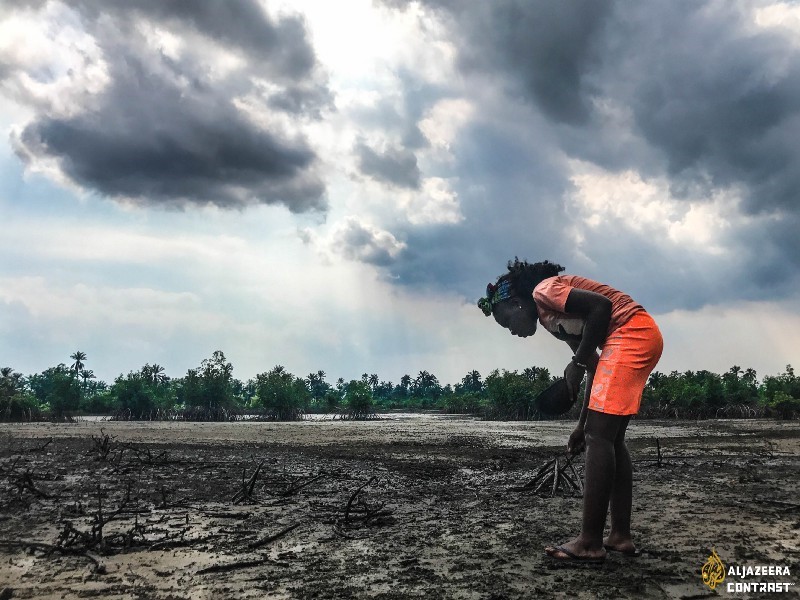
عادت ليسي فيليبس، الشخصية الرئيسية في الفيلم، إلى بلدتها التي دمرتها انسكابات النفط قبل عقد من الزمن تقريبًا.

ساهمت المشاركة في دعم المجتمعات المتضررة من شركات النفط، في تغيير الطريقة التي فهمت بها أمارا هذه القضية. "كانت لدي فكرة كبيرة عما كان يحدث، لكن بالتأكيد كانت تجربة العمل على فيلم النفط في جداولنا أكثر عمقاً وتخصصاً. أتاحت لي رؤية هؤلاء الناس بطريقة مختلفة، الناس أولا قبل كل شيء آخر". 

يتحدث ري أولونجا، الملحن الكلاسيكي للفيلم الذي يتخذ من لاجوس مقراً له، عن الطريقة التي تعمق بها الواقع الافتراضي في القضية بشكل أعمق وأكبر. "إنها قصة تعرض لها معظم النيجيريين، أرى هذا من حولي، وأعيش في لاغوس، وأزور الأصدقاء والعائلة في جميع أنحاء البلاد وأرى المعاناة. الفيلم يضفي طابعًا شخصيًا على أحد المشاركين وأنا سعيد لأنني شاركت في ذلك. لقد وجدت قصة ليسي ملهمة للغاية".   
2
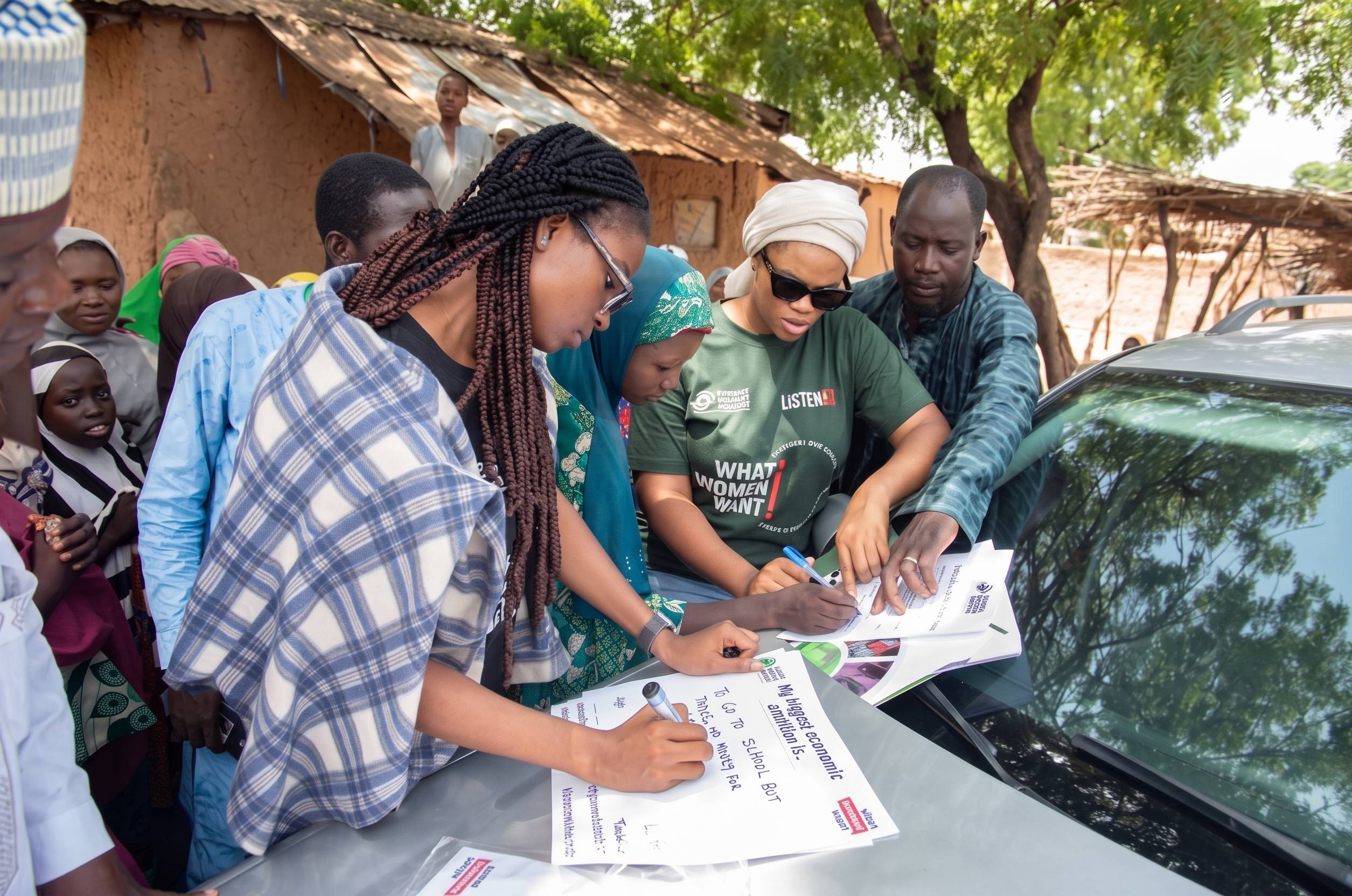
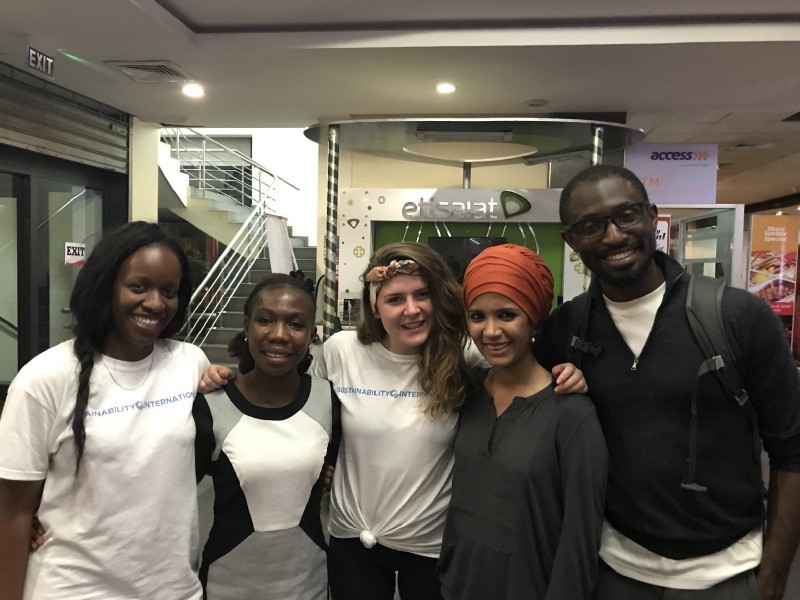
بعض أعضاء طاقم العمل: (من اليسار إلى اليمين) أمارا أويانا، ليسي فيليبس، أبيجيل مورغان، زهرة رسول، أوزودينما إيويلا

تدرك أمارا أيضًا أن الكثير من الناس، سواء داخل نيجيريا أو خارجها، لا يزالون غير قادرين على فهم القضية بشكل كامل. ولهذا السبب، ستوفر التجربة الافتراضية في هذا الفيلم "وسيلة لسد فجوة التعاطف هذه، ولإعادة الناس إلى دلتا النيجر للعيش من خلال هذه التجربة".

بالنسبة إلى أوكورو كاتشي، المخرج والناشط في الدلتا والمساهم في الفيلم الوثائقي، فإن الواقع الافتراضي كان أيضًا عاملاً رئيسيًا في زيادة أهمية الفيلم "لقد تم سرد قصة الانسكابات النفطية وتأثيراتها المستمرة على الأشخاص الذين يعيشون داخل مجال إنتاجها مرارًا وتكرارًا، ولكن لم يحدث أبدًا باستخدام وسيط أو تقنية كهذه". 

توفر التقنية الإحساس الغامر المطلوب للأشخاص الذين لم يروا قط أو تعرضوا لأي انسكاب نفطي لفهم آثاره بشكل أفضل على البيئة وحياة أفراد المجتمع الذين يعتمدون بشكل رئيسي على الصيد والزراعة من أجل الحصول على قوتهم اليومي". 

يأخذ فيلم "النفط في جداولنا" المشاهد بنظرة حميمية دقيقة حول كيف يعتبر نضال دلتا النيجر نضالاً طويل الأمد وشاملًا للجميع، وفي الوقت ذاته منبعاً للصمود والأمل.
 

More Articles

How Language and Local Context Can Make or Break an Investigation

Reporting across linguistic and cultural boundaries showed that effective journalism requires far more than literal translation, as fixing and local collaboration must function as vital verification processes that capture deep emotional, social, and political contexts without stripping away nuance, dignity, or underlying truths.
Nigerian freelance Journalist John Chukwu
John Chukwu Published on: 6 Sep, 2026
Indian Documentaries Are Finding Audiences, But Not a Sustainable Industry

Indian documentary filmmakers are gaining recognition and audiences, but weak financing, distribution, and exhibition infrastructure continue to make the practice difficult to sustain.

Monish Upadhyay independent journalist based out of India's New Delhi
Monish Upadhyay Published on: 5 Sep, 2026
We survived… and stayed alive!

A Palestinian journalist and mother recounts surviving Gaza’s genocide, where the press vest became a target, motherhood became terror, and staying alive did not feel like salvation.

Yumna al-Sayyid Published on: 19 Aug, 2026
How are Open Sources Changing Sports Journalism?

Open-source intelligence is turning sports journalism into a verification-heavy beat, where reporters must check fan videos, social posts, flight data, maps, prices and hashtags rather than simply cover matches. Sports events such as the 2026 World Cup will demand a wider journalistic eye: one that tracks fans, cities, transport, money, misinformation and organised digital campaigns without mistaking online noise for fact.

hassan khodary
Hassan Khodary Published on: 1 Aug, 2026
How Social Media is Reshaping Journalism in Kashmir?

As young audiences increasingly turn to social media for news, Kashmir's journalists are adapting to algorithm-driven storytelling while grappling with the rise of influencer journalism, shifting audience habits and new ethical challenges.

Abrar Fayaz, Muqeet Mohammed Shah Published on: 28 Jul, 2026
Asif Hamidi: Journalism Must Not Hide Crimes Behind 'Balance'

Asef Hamidi, Managing Director of Al Jazeera Arabic Channel, says the Gaza coverage was a professional duty, not activism, and that true objectivity means reporting crimes clearly rather than hiding behind false “balance”.

Mohammed Ahddad
Ahdad Mohamed Published on: 24 Jul, 2026
“Sometimes You Work for Years Without Pay” – Cameroonian Journalists Demand Safety Nets

While many journalists demonstrate admirable resilience in producing quality journalism under precarious conditions, resilience should not be the only safety net. Journalism deserves protection, because democracy depends on it.

Akem
Akem Nkwain Published on: 11 Jul, 2026
The Stringers Behind India’s Breaking News: No Contracts, Credit or Safety

Thousands of rural Indian freelance reporters, called "stringers," face low pay, police harassment, and total abandonment by the big TV networks that rely on them. These local journalists risk their lives to film breaking news like riots and rallies, but they work without contracts, insurance, or legal help when they get into trouble. This unfair system forces poor, small-town reporters to take on all the danger alone just to keep the national 24-hour news channels running.

Hanan Zaffa
Hanan Zaffar, Majid Alam Published on: 27 Jun, 2026
Mohamed al-Khalidi and Marwa Muslim: Forgotten in Life, Vindicated in Death

The occupation killed journalists Mohamed al-Khalidi and Marwa Muslim as part of a systematic pattern of targeting the press, but throughout their careers they also faced neglect, marginalisation, and a lack of recognition. Colleague Maysoun Kahil tells their story, and asks why Palestinian journalists are so often honoured only after death, rather than supported in life.

Maysoun Kahil Published on: 17 Jun, 2026
The Double Ordeal of Freelance Journalists in Gaza

Independent journalists in Gaza face a dangerous double battle. Working without institutional protection or financial safety nets, they risk their lives to report the reality of war, overcoming severe resource shortages and systemic neglect to ensure the world hears the truth.

Noor Abu Rokba Published on: 14 Jun, 2026
Reporting on People Who Cannot Leave

The arrest of an Afghan female athlete after appearing in a Dutch documentary highlights the dangers of reporting under authoritarian rule. It underscores a growing dilemma in journalism regarding how to amplify the voices of vulnerable people without accidentally turning them into targets for the regime.

Sayed Jalal
Sayed Jalal Shajjan Published on: 4 Jun, 2026
Journalism After the Genocide in Gaza: One War Has Ended, and Other Wars Have Begun!

The post-ceasefire reality for Gaza’s journalists reveals a challenging shift from documenting active daily bombardment to navigating an overwhelming landscape of community and structural ruin. The pressure on reporters appears set to escalate as they struggle to rebuild their own lives from absolute zero while fighting to ensure that ongoing human suffering, systemic displacement, and political marginalization are accurately documented and held to account.

Yousef Fares
Yousef Fares Published on: 17 May, 2026
The Vanishing Foreign Desk: What U.S. Media Cuts Mean for South Asia

Recent restructuring at Voice of America and The Washington Post marks a significant withdrawal from global journalism, particularly affecting coverage in South Asia. As these major institutions cut staff and close foreign bureaus, the loss of experienced expertise threatens the visibility of critical regional issues like human rights and climate change. This shift forces a move toward narrative independence for local media, yet leaves a dangerous gap in the global conversation that smaller newsrooms struggle to fill.

Sajid Raina
Tauseef Ahmad, Sajid Raina Published on: 8 May, 2026
US-Iran Islamabad Talks: How Journalists Report from Outside Closed Doors

The "Islamabad Talks" highlight a growing contradiction in modern diplomacy where journalists are physically present but denied direct access to negotiations. The pressure on transparency appears set to intensify as reporters are forced to trade traditional eyewitnessing for outside in investigation and geopolitical speculation.

Anam Hussain
Anam Hussain Published on: 2 May, 2026
Malawi Investigates Poor Pay and Working Conditions for Junior Journalists

Malawi’s investigation into poor pay for junior journalists exposes a deeper crisis where economic hardship is eroding media independence and forcing reporters to choose between ethical integrity and survival.

Benson Kunchezera Published on: 30 Apr, 2026
Why Anonymous Sources Are Fading from Indian Journalism

A generation of reporters-built careers on confidential sources, many now write without them.

Kamran Yousuf
Kamran Yousuf Published on: 19 Apr, 2026
From Print to Pixels: How Small-Town Journalists in Bihar Are Surviving Threats and Closures

As newspapers vanish across districts like Siwan, Gaya, and Purnea, reporters turn to mobile phones, digital start-ups and community networks to keep local journalism alive.

Rehan Qayoom Mir. An independent journalist whose work has appeared in international and national outlets,
Rehan Qayoom Mir, Sajad Hameed Published on: 12 Apr, 2026
AI, Copyright Reform and the Fragile Reinvention of Indian Journalism

India’s proposed AI copyright framework risks turning independent journalism into a pooled data resource, undermining the subscription-based models that sustain it. At a moment of political and economic fragility, the struggle over AI licensing is ultimately a struggle over who controls, values, and profits from journalistic work.

Arsalan Bukhari, an independent journalist based in India
Arsalan Bukhari Published on: 31 Mar, 2026
The Challenge of Reporting in Chechnya

Independent journalism no longer exists as a functioning practice inside Chechnya. What remains is a profession rebuilt in exile, forced to operate at a distance from the very place it is meant to cover.

Rushda Fathima Khan
Rushda Fathima Khan Published on: 29 Mar, 2026
Journalism in Gaza: A Struggle for Survival

In Gaza, journalism becomes inseparable from the life it documents: reporting continues not from a distance, but from within the same fear, grief, and instability it tries to record.

Nelly Al-Masri Published on: 25 Mar, 2026
From News Reporting to Documentation: Practical Lessons from Covering the War on Gaza

From the very first moment of the genocidal war waged by Israel on Gaza, Al Jazeera correspondent Hisham Zaqout has been a witness to hunger, devastation, war crimes, and the assassination of his colleagues in the field. It is a battle for survival and documentation, one that goes beyond mere coverage and daily reporting.

Hisham Zakkout Published on: 26 Jan, 2026
Polarised, Intimidated, Silenced: The Media Under Siege in Cameroon’s Election

Cameroon’s 2025 presidential election exposed a troubling paradox: a nation voting under the watchful eye of power, while its press remained silenced. From the arrest of a teenage reporter to bans on political debate and digital manipulation, freedom of expression is under siege, and journalism is on trial.

Shuimo Trust Dohyee
Shuimo Trust Dohyee, Ngweh Rita Published on: 22 Jan, 2026
Investigating the Assassination of My Own Father

As a journalist, reporting on the murder of my father meant answering questions about my own position as an objective observer.

Diana López Zuleta
Diana López Zuleta Published on: 16 Jan, 2026
Reporting Under Fire: The Struggle of African Journalists Facing Intimidation

African journalists who expose corruption and power now face a brutal mix of arrests, torture, digital surveillance, and lawsuits meant to drain their resources and silence them. From Ethiopia, Nigeria, Malawi, Benin, Sudan, Uganda, and Kenya to exile in Canada, reporting the truth has become an act of personal survival as much as public service.

Nigerian freelance Journalist John Chukwu
John Chukwu Published on: 4 Dec, 2025