The US is on its way to criminalising journalism

US disinfo outside
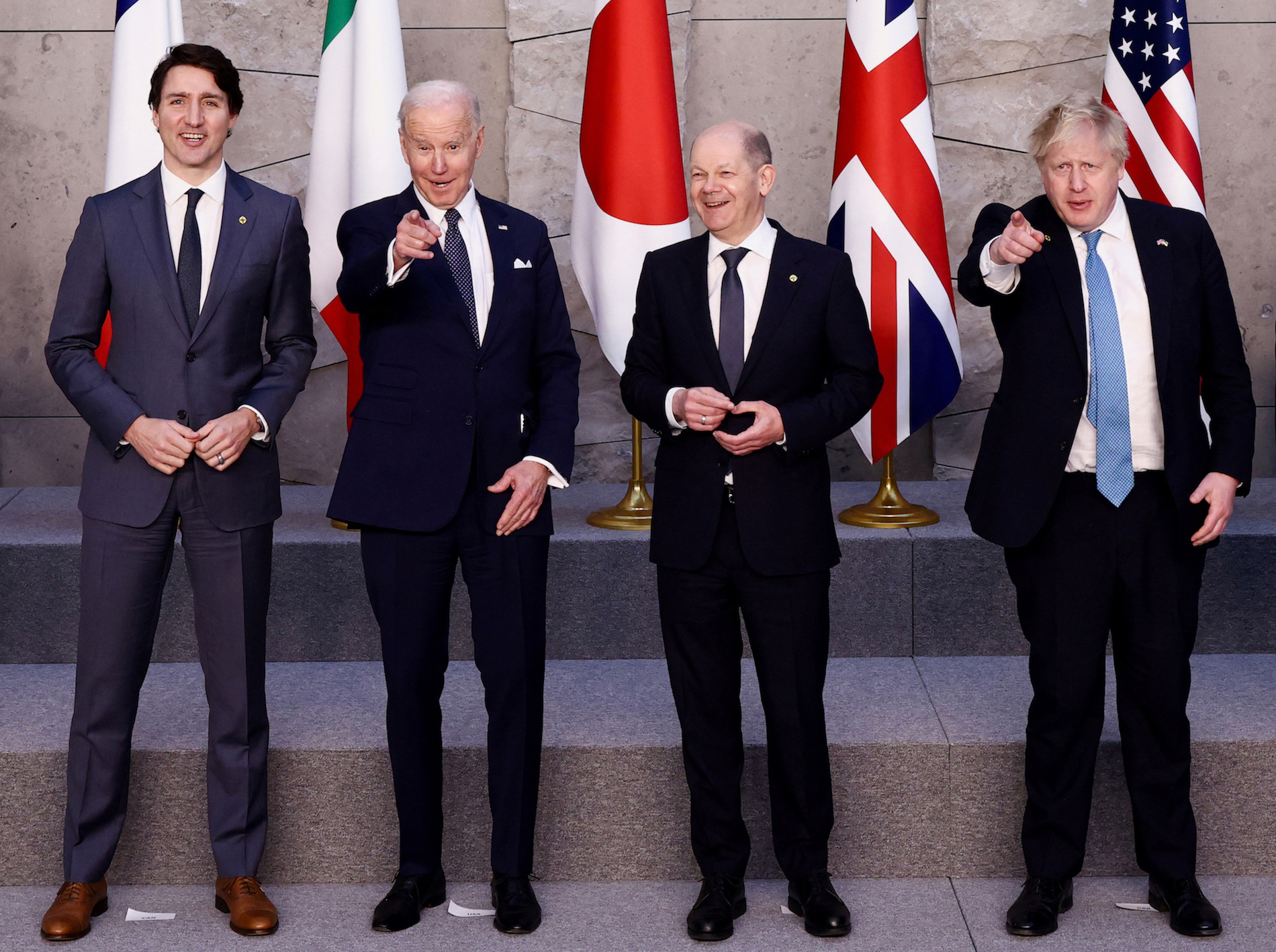
BRUSSELS, BELGIUM: US President Joe Biden and UK Prime Minister Boris Johnson pose for a G7 leaders family photo during a NATO summit on Russia's invasion of Ukraine, at the alliance's headquarters in Brussels, on March 24, 2022 in Brussels, Belgium. Both countries have introduced new mechanisms aimed at "debunking misinformation" about the Russian invasion [Henry Nicholls/Pool/Getty Images]

The US is on its way to criminalising journalism

Billed as a 'super fact checker', Joe Biden's new 'Disinformation Governance Board' is the first step on this path


The trial of Julian Assange and his almost certain extradition to the US should have been a much bigger news event. One explanation why it wasn't is that the general public both in the US and the UK is growing used to a crackdown from their governments on free thinking.

More and more energy is put into controlling narratives which emerge from an un-policed social media and a conventional media which has never produced more inept and lazy journalism than now.

The apex of a number of events including the Assange arrest, the banning of RT and Sputnik, as well as draconian media laws being proposed both in the UK and France, for example, is the announcement from Joe Biden’s administration of a new department which we are led to believe will a super “fact checker”, called the “Disinformation Governance Board”. It forms part of the Department of Homeland Security, no less.

The problem with such an organisation of course is that it will have the potential to do much more than what it says on the side of the tin. Such as being used by the government of the day to suppress any kind of reporting which it feels will do its own administration harm. 

In many ways, the new department does serve a need from many corners of society who are alarmed by how entirely fictitious claims - particularly circulated on social media - can become established “facts” once they gain traction. 

But on the other hand, are we really meant to trust that it won’t be abused by those in power? And isn’t its very creation a comical dichotomy of logic and supreme irony, in that it seems to have been triggered by the Ukraine crisis - a conflict which appears to be breaking records on made up stories, more, it could be argued, from the Western side than the Russian one?

Headed by a former communications advisor to the Ukrainian Foreign Ministry, Nina Jankowicz, one of the board’s first responsibilities will be to tackle head on “disinformation coming from Russia as well as misleading messages about the US-Mexico border,” according to CBS News. 

And so, these two big subjects are what Biden considers possible zones where the media are not reporting in a manner or style which suits him; in the case of Ukraine, it’s surely more a case of how long can the partisan reporting from the West’s media continue when more and more fake reports keep getting exposed and journalists so far haven’t worked out that in war zones, military hardware usually gets sold to arms dealers so that the billionaires still remain billionaires. 

What’s keeping Biden awake at night? Is it that he has succeeded in using Ukraine as an egregious distraction to his own failures domestically? Noam Chomsky put it well when describing what was happening in Washington during the second world war, which seems to fit with what we’re seeing now.

“You have to whip people into a frenzy and hysteria so that all people will care about is destroying the enemy and they will not care about domestic policies,” he once said. “It's an old story. It goes back to WWI. Back then the US media whipped Americans into such a frenzy of hate of Germans you couldn't play Beethoven and Americans went to war with enthusiasm to kill Germans.”

Biden, for the moment, has that frenzy to contend with as, indeed, does Boris Johnson in the UK.

According to Chomsky: “Thirty-five percent of Americans think we should enter the war. The US entering the war against Russia means a nuclear war and a nuclear war means destruction of everything. The US will be destroyed. Russia will be destroyed. The future of the world will be destroyed.”

If correct, those are rough odds and if mainstream media starts predicting them before the war shifts gear, then it will be the media which pushes Biden to fall on his own sword.

So far, Western media has been entirely complicit in shutting down any questions whatsoever about the nuances of the Russian invasion of Ukraine - either by “cancelling” those who ask difficult questions or by labelling them as “working for Putin”. 

The recent shut down of both Russia Today and Sputnik was not something spontaneous by the EU, nor many European governments, we should note. As far back as 2016, the European Parliament set up a committee to debunk online Russian “propaganda” from outlets such as Russian state-controlled RT.

The 'bureau of disinformation' will be a tool to encourage sloppy, compliant reporting from Ukraine and crush any lone wolves who want to report nuance


Western governments have been trying for a long time in fact to shut down any narrative which questions their own and so this new “disinformation” board is an extension of this approach, now aimed domestically. 

There’s never been a time when Western governments have wanted to control news more than now - even though most journalists writing about these vote-losing subjects (as Ukraine surely will be for Biden and probably Johnson) were already on board and playing the role required of them. 

In just one week in the UK and the US, two alarming reports from mainstream media giants serve as an example of just how sloppy and compliant western media has become to what London and Washington require from it. The Times newspaper thundered recently that the “Ghost of Ukraine” pilot - a “hero of the skies” who flew his fighter jet against all the odds and shot down Russian pilots - had been killed. It even named him, only for the air force of Ukraine to finally correct the report and admit that the entire story was a myth.

Interesting, though, that the old rule that media doesn’t normally attack media is pushed aside when Forbes magazine led the zealous charge in putting the boot in to the Times.

But is this the same Forbes magazine, once a paradigm of long hand journalism, which tweeted days later that the EU was “poised to ban Russian oil imports”? 

Really? Surely that should read “EU is preparing draft legislation which aims to ban Russian oil imports”. See the important nuance? 

Fake news isn’t just coming from the battlefield of Ukraine, although for those who have the time to google, there are a small number of outlets which are exposing the slick PR campaign which is actually cooking up stories. 

Fake news is also coming from news desks through benign, yet sloppy, “reporting” with little or no fact checking. The problem with the new department created by Biden is that it will probably not root out the fake news operators which serve his purpose, only those who do what proper journalists once did in abundance not so long ago: make a complete nuisance of themselves by asking awkward questions and unearthing scandals. 

Being a “pain in the arse” as a senior CNN producer said that I was, when I insisted on not doing a report about the King of Morocco “clinging” onto power as it would have been entirely untrue. 

The bureau of disinformation will be a tool to encourage sloppy, compliant reporting from Ukraine and crush any lone wolves who want to report nuance at the risk of being branded a Putin spy. 

It’s naive of America to believe that it is anything more than a re-election tool of Biden’s just as it is naive to assume that the recent arrest in Ukraine of blogger Gonzalo Lira was nothing to do with America’s control of the narrative coming from US reporters there - as the Chilean blogger was detained almost a couple of days after the Daily Beast tore him to pieces. 

Distasteful as some narratives may appear to be, they should still have the freedom to be heard.

The mindset of Biden and Johnson is to censor those who seek the “distasteful” truth.

To paraphrase Goethe, the truth can hurt and destroy those who look into its light for too long. The trick to remaining in power, which was always associated by Western media with the poorer Global South and its tyrants, was to remove those who held the torch. The news is that now this mantra is in the White House and Downing Street as well.

Martin Jay is a freelance journalist based in Morocco


The views expressed in this article are the author’s own and do not necessarily reflect Al Jazeera Journalism Review’s editorial stance
 

المزيد من المقالات

«ضع روحك على يدك وامشِ».. الاتصال الأخير مع الصحفية فاطمة حسونة

عبر مكالمات فيديو متقطعة، وخوف أن يكون كل اتصال هو الأخير مع المصورة الغزية فاطمة حسونة؛ تقدم المخرجة سيبيده فارسي تجربة توثيقية فريدة من داخل غزة لتصل إلى مهرجان كان. يقدم المقال قراءة لواقع عمل الفيلم كتوثيق مهم يتحدى الواقع الصعب للصحفيين في ظل الإبادة، وإشكاليات السرد والأسئلة الأخلاقية التي تفرض نفسها عند مشاهدته.

شفيق طبارة نشرت في:
شهادة صحفي في مواجهة فراغات وحشة الاكتئاب والحرب

بين الحرب والنزوح وصعوبات العمل، يروي الصحفي اليمني فخر العزب تجربته المؤلمة في مواجهة كل ذلك بينما يحاول أن يستمر في عمله الصحفي وإعالة أسرته. مذكراً بواقع صعب يعيشه الكثير من الصحفيين في مناطق الحروب والنزاعات، وأهمية توفير بيئة عمل تؤمن الحماية النفسية والمهنية.

فخر العزب نشرت في:
من قطر 2022 إلى أمريكا 2026.. كيف تكشف التغطية آليات التأطير الإعلامي

تستعيد المقالة حالة التباين في التغطية الإعلامية الغربية بين مونديال قطر 2022 ومونديال 2026. فبينما ركزت التغطية على القضايا الحقوقية والسياسية في نسخة قطر، اتجهت لتسليط الضوء على الجوانب الرياضية والتنظيمية في نسخة أمريكا، لتسائل كيفية عمل الأجندة الإعلامية وازدواجية المعايير.

محمد النخالة نشرت في:
من يثير الدهشة يجذب الانتباه.. الصحافة في مواجهة الغرائبية

يناقش المقال كيف تحوّلت الغرائبية والإثارة إلى رأس مال رقمي يسيطر على انتباه الجمهورعبر الخوارزميات وصنّاع المحتوى. ومن خلال الأبعاد العصبية والتاريخية لهذه الظاهرة، يكشف التحديات الوجودية التي تواجه الصحافة الجادة أمام منطق الاستعراض.

. سعيد ولفقير. كاتب وصحافي مغربي. ساهم واشتغل مع عددٍ من المنصات العربية منذ أواخر عام 2014.Said Oulfakir. Moroccan writer and journalist. He has contributed to and worked with a number of Arab media platforms since late 2014.

سعيد ولفقير نشرت في:
المراجعات الصحفية الثقافية.. كيف نقرأ النص؟

يخلط الصحفي المبتدئ بين المراجعة الصحفية الثقافية وبين مقال الرأي الذي يعكس انطباعه الشخصي، كما يختفي الخط الفاصل أحياناً بين المراجعة والنقد بما يقفد المقال بنيته الأساسية. في هذا المقال مدخل أولي تضعه الكاتبة حول المراجعات الصحفية وما يجب أن يعرفه الصحفي الذي يريد أن يكتب مراجعته الأولى.

رغدة جمال نشرت في:
السيرة بعد الغياب.. حرب الرواية تلاحق الصحفيين الشهداء

عند استهداف الصحفيين في غزة، تنتشر الروايات المختلفة حول حياتهم، وآخرين يمرون كخبر عابرٍ في ظل الإبادة. يناقش المقال أهمية التوثيق لحكايات الصحفيين كما أرادوا روايتها دون أن تتأثر باتهامات الاحتلال أو تختزل حكايتهم دون انتباه للتفاصيل الإنسانية.

Rima Al-Qatawi
ريما القطاوي نشرت في:
"الصحفي المواطن" وغواية "المواطن الصحفي"

تشهد الساحة الإعلامية مفارقة صعود "المواطن الصحفي" الذي يوثق الأحداث خارج الأطر المؤسسية، وتراجع "الصحفي المواطن" عن التزامه الاجتماعي والمهني أمام ضغوط الخوارزميات واقتصاد الانتباه. يفتح هذا التحول في الأدوار النقاش حول موقع مهنة الصحافة ودورها المسؤول في المجال العام.

نواف التميمي نشرت في:
"نازا".. يطلق النار ويبكي أم وثيقة صحفية للإدانة؟

يقدم الفيلم شهادات من داخل المنظومة العسكرية والأمنية الإسرائيلية حول آليات الاستهداف والقتل، ويعيد طرح سؤال قد يتجاوز قيمته السينمائية والإعلامية: ماذا يمكن أن تفعل هذه الشهادات بعد انتهاء العرض والتصفيق؟ يناقش المقال ما يضيفه "نازا" إلى التوثيق السابق، وإمكانية انتقال أثره من الشاشة إلى مسارات المساءلة القضائية.

Linda Shalash
لندا شلش نشرت في:
غوغل رئيسا للتحرير: هل نكتب للجمهور أم لمحركات البحث؟

محركات البحث لا تزال نقطة عبور مكينة للقرّاء نحو مواقع الصحافة، لكن العبور رهين باستيفاء الموقع شروطا صارمة تستند إلى بيانات دقيقة، هدفها تلبية رغبات جمهور محرك البحث لا الصحافة.

عصام واعيس نشرت في:
ملاحقة ضجيج المشاهير.. كيف تتآكل هوية المنصات الصحفية؟

أدت ملاحقة أخبار المشاهير والاعتماد المفرط على مؤشرات التفاعل الرقمية إلى تداخل الهويات التحريرية بين "القيمة الخبرية" وأخبار "الترند" والترفيه، ليتحول المحتوى في منصات كثيرة إلى مجرد صدى باهت لما تفرضه الخوارزميات ومتطلبات تحسين نسب المشاهدة.

خالد أصلان نشرت في:
الدراما الوثائقية.. السرد الجمالي بديلا للكاميرا المفقودة!

تثير الاستعانة بالدراما في الوثائقيات نقاشاً بين التوجس من التزييف والاحتفاء بملء فراغ الأرشيف البصري المفقود. ويقع هذا القالب الهجين في منطقة وسطى تدمج التأثير الوجداني بالواقع التوثيقي. ويتطلب توظيفه التزاماً بقيود أخلاقية صارمة منعا للتضليل. ومع صعود المنصات الرقمية، تجاوزت "الدكيودراما" قيود التلفزيون الصارمة لتنطلق نحو آفاق إبداعية وسينمائية جديدة.

هاني بشر نشرت في:
الفيلم الوثائقي بين الأرشيف والغياب

تتحقق القيمة الإستراتيجية للأرشيف البصري الفلسطيني في قدرته على حماية الهوية ومقاومة الطمس والنهب الممنهج من قبل الاحتلال الإسرائيلي. وتبرز هذه القيمة اليوم في غزة؛ حيث تلزم المسؤولية الأخلاقية صناع الأفلام بحفظ آلاف الفيديوهات اليومية وتحويلها من تدفق إخباري عابر إلى وثائقيات إنسانية تحمي الذاكرة الجمعية وتمنع تحول الإبادة إلى حدث منسي.

Bashar Hamdan, investigative producer and documentary filmmaker at Al Jazeera Media Network
بشار حمدان نشرت في:
الصحافة المغربية بين دعم الدولة وهيمنة السوق: هل ينقذ "اقتصاد المعلومة" المهنة؟

تعيش المؤسسات الإعلامية في المغرب أزمة هيكلية عميقة، ناتجة عن هشاشة نموذجها الاقتصادي بين الدعم الحكومي التاريخي ومنطق السوق غير المتكافئ. أدى هذا الوضع، مصحوباً بسيطرة رأس المال السياسي والاقتصادي، إلى فقدان الاستقلالية التحريرية وجعلها امتداداً لدوائر النفوذ ورأس المال. هل يمكن معالجة الأزمة بالانتقال نحو "اقتصاد المعلومة"؟

أنس الشعرة نشرت في:
أنسنة القصة؛ كيف نعيد الإنسان إلى مركز السرد؟

محمد الصواف، مخرج أفلام وثائقية، يعمل على القصص الإنسانية، وعاش حرب الإبادة الجماعية على غزة.. قد يسعف هذا المزيج النادر في تقديم تعريف للقصة الإنسانية نابع من التجربة الشخصية ومن المعايشة الميدانية اليومية، ومن الاعتراف بالإنسان محورا للسرد.

محمد الصواف نشرت في:
الجذور السياسية والرقمية لتغييب حرب السودان

يكشف المقال عن "مسافة صمت" قاسية تجاه حرب السودان، مع التراجع الكبير في التغطية عربياً وعالميًا. يعزو الكاتب هذا التغييب إلى أسباب عدة منها تفضيل الخوارزميات، والتهميش الجيوسياسي، وتدمير الإعلام المحلي.

Mohammed Babiker Al-Awad
محمد بابكر العوض نشرت في:
كأس العالم 2026: هل انتهت تغطية الأحداث الرياضية كما نعرفها؟

كيف تحولت بطولات كأس العالم من فضاء تحتكره المؤسسات الإعلامية التقليدية إلى بيئة رقمية متعددة المنصات، خصوصاً بعد مونديال قطر 2022 الذي شكل نقطة التحول الفاصلة بإنهاء زمن القناة الواحدة والمذيع التقليدي، لتبدأ حقبة يقودها صناع المحتوى، الخوارزميات، والجمهور التفاعلي.

محمد النخالة نشرت في:
اليسار واليمين في جبهة واحدة ضد الصحافة في أمريكا الجنوبية

في أمريكا اللاتينية، تبدو الصحافة عالقة في مواجهة مفتوحة مع السلطة، سواء كانت يسارية أو يمينية. فمن المكسيك إلى الأرجنتين و فنزويلا، تتعرض وسائل الإعلام الناقدة للمضايقة والتشهير والملاحقة القضائية، بينما تحظى وسائل الإعلام القريبة من السلطة بالامتيازات. ويكشف هذا الواقع أن الخلاف الأيديولوجي بين اليسار واليمين لا يمنع تقاطعهما في الحساسية تجاه النقد الصحفي.

Noe Zavaleta
نوا زافاليتا نشرت في:
من الأدلة إلى العواطف: كيف أعادت "الحقائق البديلة" تشكيل النقاش العام

يحلل كتاب "ما بعد الحقيقة: مصداقية الخطاب العلمي في عصر الحقائق البديلة" تحول النقاش العام، حيث أصبحت العاطفة والهويات السياسية تتقدم على الحقائق الموضوعية في تشكيل الرأي العام. ينطلق الكتاب من صعود الشعبوية والثورة الرقمية اللذان أسهما في انتشار "الحقائق البديلة" عبر وسائل التواصل الاجتماعي، مستفيدين من التحيزات المعرفية و الإغراق المعلوماتي وغرف الصدى.

أحمد نظيف نشرت في:
"الأنسنة" وتجربة الشعور: حين تتجاوز وظائف القصة الصحفية استعطاف الجمهور

بين أنسنة القصة الإنسانية والاستعطاف المبني على المبالغات حدود فاصلة. من الهجرات والكوارث الطبيعية إلى التفاصيل اليومية لمعيش الناس تتجاوز القصة الصحفية الإنسانية جمود التغطيات الإخبارية بحثا عن المعنى و"تجربة الشعور".

جنى الدهيبي نشرت في:
كيف نُعد القصة الصحفية الإنسانية في البودكاست؟

هل يختلف إعداد قصة صحفية إنسانية للبودكاست عن باقي القوالب الأخرى؟ وماهي زوايا المعالجة التي تركز عليها؟ وكيف يمكن أن يصبح المستمع شريكا في تجربة السردية؟

وفاء خيري نشرت في:
عن سوء الفهم بين الإعلام والدبلوماسية

لماذا يتولد الانطباع بأن التغطية الإعلامية للحروب تميل إلى سرديات التصعيد أكثر من إبراز المسارات الدبلوماسية؟ وهل العلاقة بين الإعلام والدبلوماسية تقوم على تعارض فعلي، أم أنها ناتجة عن اختلاف في الوظيفة والإيقاع؟ وكيف تؤثر طبيعة اللغة في كل منهما على فهم الجمهور للأحداث؟

Said Al-Azri
سعيد العزري نشرت في:
هل يمكن للذكاء الاصطناعي أن يصبح مخرجا للأفلام الوثائقية؟

يفتح الذكاء الاصطناعي آفاقًا واسعة في صناعة الأفلام الوثائقية، من فرز الأرشيف وتحليل الصور إلى تسريع عمليات الإنتاج. لكن جوهر الفيلم الوثائقي لا يقوم على التقنية وحدها، بل على رؤية المخرج وقدرته الإبداعية على طرح الأسئلة وبناء المعنى. فالتجربة الإنسانية والارتجال والتأمل عناصر يصعب اختزالها في خوارزميات أو قوالب جاهزة. هل يمكن للذكاء الاصطناعي، مثلا، أن يخرج فيلما مثل "فاشية عادية"؟

Bashar Hamdan, investigative producer and documentary filmmaker at Al Jazeera Media Network
بشار حمدان نشرت في:
ملفات إبستين وإستراتيجية الإغراق الإخباري

تكشف ملفات إبستين مفارقة كبرى: وفرة المعلومات لا تعني فهما أعمق للقضايا، فإغراق الجمهور بملايين الوثائق دون تنظيم يزرع الشك في مصداقيتها. هنا يستعيد الصحفي دوره كمنقب عن المعنى، يفرز ويختار، في مواجهة تدفق مقصود قد يُستخدم لإخفاء ما هو أهم.

Ilya إيليا توبر 
إيليا توبر  نشرت في:
الصحافة بعد إبادة غزة.. انتهت حرب وبدأت حروب أخرى!

ماهي أولويات الصحفيين بعد حرب الإبادة الجماعية في فلسطين؟ كيف يمكن للصحافة أن تتحول إلى أداة لتوثيق جرائم الحرب ورواية القصص الإنسانية؟ يوسف فارس، الذي وثق مئات القصص الإنسانية خلال الحرب على غزة، يعترف أن حرب الإبادة بنسقها اليومي، كانت أكثر سهولة من التفكير في قصص في اليوم التالي للحرب.

Yousef Fares
يوسف فارس نشرت في: