As newspapers vanish across districts like Siwan, Gaya, and Purnea, reporters turn to mobile phones, digital start-ups and community networks to keep local journalism alive.
Bihar, INDIA: It was a hot sweltering afternoon in Bihar, a Delhibased journalist on assignment felt a surge of tension when local Hindurights activists surrounded him and questioned his intentions.
The encounter ended without violence, but he remembers the fear clearly.
“I realised that even asking basic questions could put you in danger,” he says. “It is not just about covering news, but it is about surviving in an environment where press freedom feels fragile.”
Across Bihar’s districts of Siwan, Gaya and Purnea, this kind of pressure is alarmingly common. But it is not only political intimidation that is squeezing local journalism but the very ecosystem of printed news is collapsing, driven by declining circulation, shrinking revenue and deep political interference in how stories are reported.
Amid this, many journalists are persisting reporting from mobile phones, makeshift offices, WhatsApp groups and fledgling digital startups to keep communities informed.
This feature examines how smalltown journalism in Bihar is being battered on multiple fronts like economic, political and social and how journalists are adapting, surviving and innovating against the odds.
I realised that even asking basic questions could put you in danger, he says. It is not just about covering news, but it is about surviving in an environment where press freedom feels fragile.
News Deserts and the Collapse of Local Print
For decades, Bihar’s small towns had vibrant local newsrooms, printed daily or weekly newspapers that covered municipal issues, crime, politics, education and social affairs with a community lens.
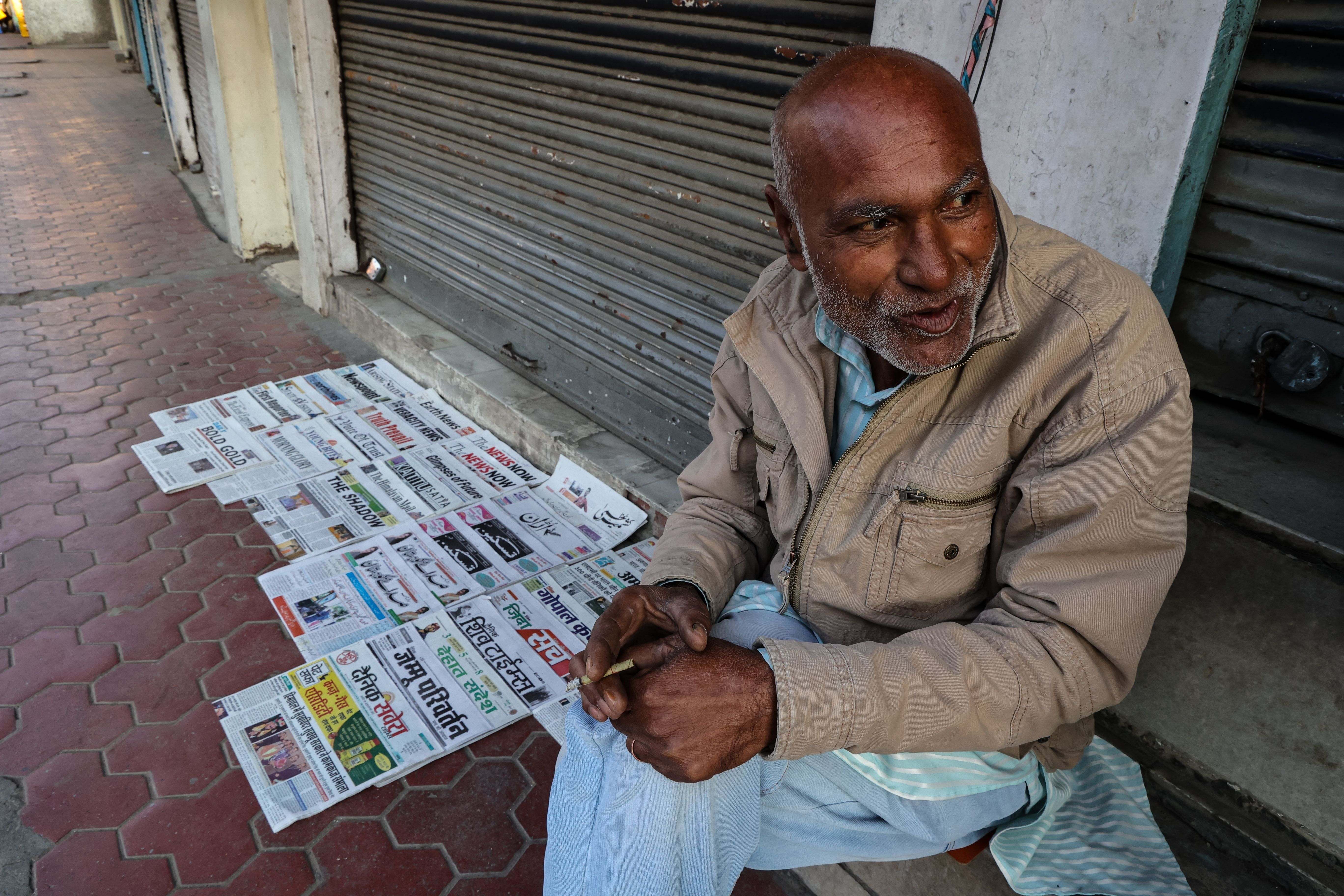
Today, many of those papers are struggling or have simply folded, leaving what media researchers call “news deserts” like areas with little to no local reporting capacity in districts like Siwan, Gaya and Purnea. The reasons are structural. Local newspapers depend heavily on advertising revenue, but as commercial advertisers have declined in the state’s rural economies, most papers have become financially unviable.
Many have also become dependent on government advertising, which often comes with strings attached; editors report that space for critical reporting shrinks when revenue is tied to official patronage.
Former editor Amit Singh* recalls the last edition he produced in Purnea told Al Jazeera that it was not just about money. “Threats from local power brokers and politicians made continuing impossible,” he says.
Research on press freedom in India further shows that local reporting is especially vulnerable to pressure from political and administrative forces. A recent study of criminal cases against journalists found that 58% of journalists in small towns were arrested compared to only 24% in major metropolitan centres and they were far less likely to secure legal protection when charged in connection with their work.
National reports also paint a broader landscape of risk: in 2023, five journalists were killed and 226 were targeted by either state actors, political leaders, activists or criminals, according to a Press Councillinked India Press Freedom Annual Report.
In Bihar, the implications are stark. Without robust local newsrooms, communities lack reliable reporting on governance, public services, corruption or social issues leaving a vacuum that is easily filled by misinformation and rumour.
Zubair Ahmad* a Professor of Mass Communication from New Delhi said, without local journalism, misinformation spreads easily. People have fewer sources to hold power accountable and civic engagement suffers.
Today, many of those papers are struggling or have simply folded, leaving what media researchers call “news deserts” like areas with little to no local reporting capacity in districts like Siwan, Gaya and Purnea.
Innovation in the Ruins: Digital Hustle and Mobile Reporting
Yet amid the closures of printed newsrooms and the rising pressure on journalists, a quiet revolution is taking place: Bihar’s reporters are adapting to mobilefirst, digitally rooted journalism.
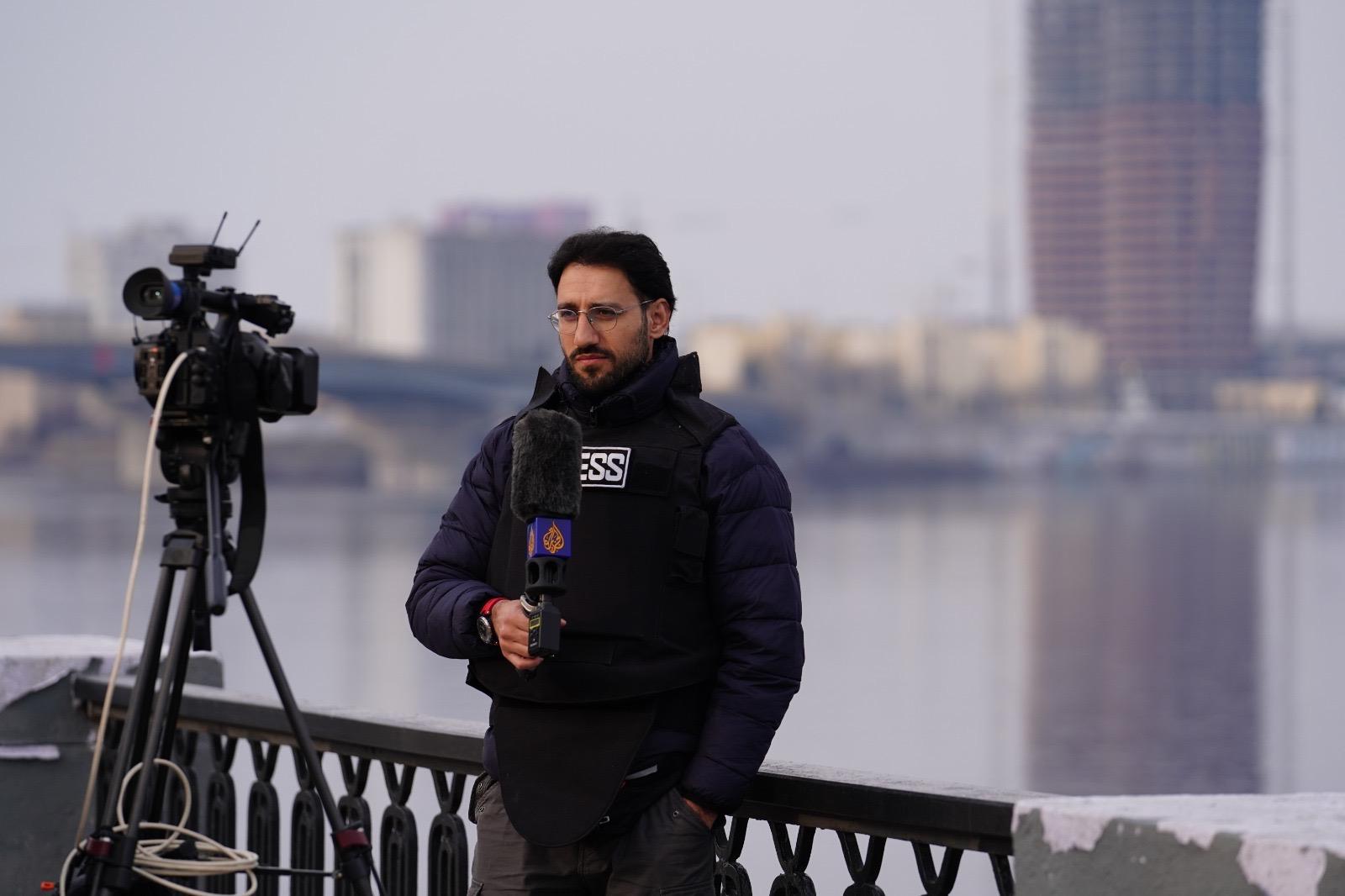
In Gaya, Tanzil Asif, the founder of the hyperlocal digital platform MAIN MEDIA, has built a model rooted in immediacy, community interaction and lowcost technology. Reporting without a formal office or printing press, Asif and his team rely on mobile phones, WhatsApp, YouTube and Facebook to publish stories daily.
“If something happens in the district, we are on it before anyone else,” he says.
Funding is a major challenge, but Asif says community support has been critical. He explains that ‘MAIN MEDIA’ runs on a mix of membership subscriptions, crowdfunding and occasional grants from journalism support foundations such as the Indian Public Spirited Media Foundation (IPSMF) in Bangalore.
“We appeal directly to our audience to support us. Without public support, this work is impossible,” he says.
Digital technology has also reshaped how news is verified and disseminated.
In Siwan Bihar, a college student and freelance reporter Dinesh Kumar* says, he gathers, verifies and shares information via voice notes and mobile video. Short video bulletins and WhatsApp updates often reach readers faster than traditional newspapers ever could.
A recent study of criminal cases against journalists found that 58% of journalists in small towns were arrested compared to only 24% in major metropolitan centres and they were far less likely to secure legal protection when charged in connection with their work.
“People still want credible news, even if newspapers are gone. Our challenge is delivering it efficiently,” says another young contributor helping with video bulletins.
For many journalists, digital reporting is not just an alternative but it is a lifeline.
Freelance reporter Umesh Kumar says that when he moved from Delhi to Bihar intending to work in a newsroom, he found traditional papers offered “no space for news critical of the administration”. "Freelancing… was not a choice but a compulsion,” he says.
Digital adaptability also helps counter misinformation. Asif further recalls a series his platform ran in 2023, which debunked misleading claims published in regional newspapers about population shifts in Muslim villages, claims that were not supported by ontheground observation.
“There was not a single instance where a Hindu family left the village. Yet local papers propagated the narrative. We had to counter that,” he says.
While digital tools are enabling new forms of journalism, they also bring their own risks from online harassment to algorithmdriven misinformation that competes for attention. Still, many see this shift as transformative: a way to sustain journalism where print has failed.
“We often face pressure from the administration to remove news, and if we don’t, FIRs are filed on fabricated charges. Threats and pressure are common in reporting,” says Kumar, the independent journalist based in Bihar.
The Human Cost: Risks, Intimidation and Violence
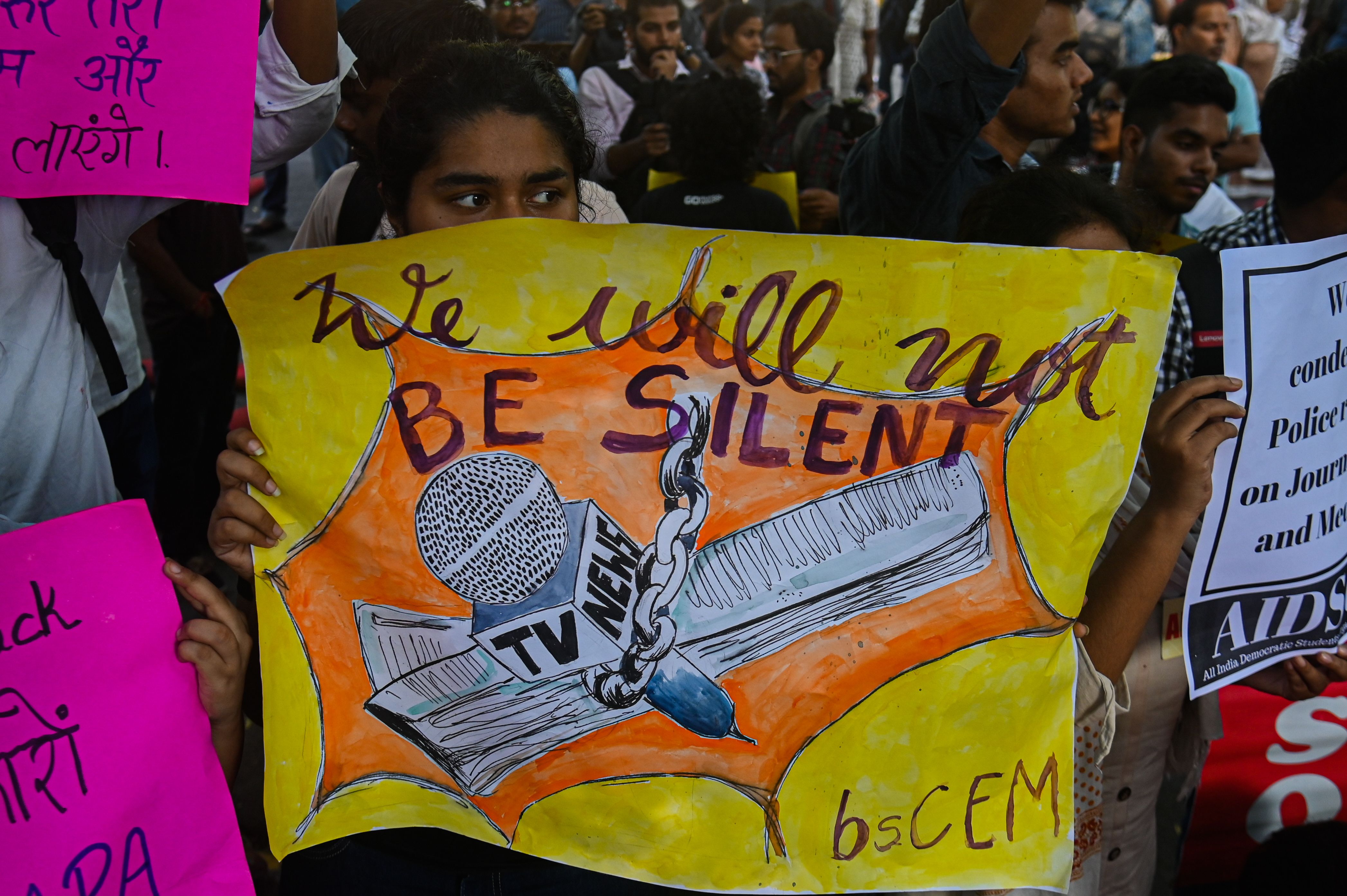
Covering crises, corruption and community issues in Bihar carries real personal risk for reporters. Assaults, threats, legal harassment and political pressure are common for journalists trying to report independently.
Another journalist recalls a time when his reporting on a corruption scandal triggered direct intimidation:
“I had to move my sources online, use encrypted messaging and report carefully. It is stressful, but we continue because the community depends on us.”
This stress is not unique to Bihar. Reporting from across India illustrates a dangerous environment for journalists: according to pressfreedom organisations, at least six journalists were killed and 108 were attacked in 2021, with Bihar among the states where media personnel were targeted.
Nationwide, harassment takes many forms, summons to police stations, FIRs on spurious charges, raids on offices, and even violence.
We often face pressure from the administration to remove news, and if we don’t, FIRs are filed on fabricated charges. Threats and pressure are common in reporting, says Kumar, the independent journalist based in Bihar.
A recent India Press Freedom Annual Report noted 148 journalists were targeted by state actors and 78 by nonstate actors, including political actors and criminals, underscoring the breadth of pressure faced by media workers.
Local cases reflect this broader trend. In Siwan in 2016, journalist Rajdev Ranjan was murdered in a driveby shooting while reporting on powerful local figures, a stark example of how investigative reporting can provoke lethal reprisals.
The risk is not only physical. Zabair Ahmad*, a journalist, also recalls bearing the psychological toll of online and social harassment after a conversation with a victim’s family was clipped and shared on social media, accusing him of misconduct.
“I was stressed for days. On some occasions, I even considered quitting journalism,” he says.
Research shows this kind of criminalisation disproportionately affects smalltown journalists. In a study of criminal cases against journalists in India, local and regional reporters were far more likely to face arrest and far less likely to secure legal protections, reinforcing a chilling effect on independent reporting.
Yet, even under these conditions, journalists persist, forming informal networks for safety, sharing verification practices and leaning on national associations such as the Digipub Foundation and the Press Club of India for support when intimidation escalates.
I had to move my sources online, use encrypted messaging and report carefully. It is stressful, but we continue because the community depends on us.
Audience and Civic Impact
For the communities these reporters serve, the shift from print to digital has changed how people access information and why they depend on it.
Lakshmi Devi, a shopkeeper in Purnea, says she no longer buys newspapers. “I get all my news from the WhatsApp group. I trust them more than anything else,” she explains.
College student Ankit Mehta in Gaya also prefers digital updates on YouTube and social media. “It is fast, visual and reliable. I don’t even think about newspapers anymore,” he says.
Digital news travels quickly, especially for breaking developments.
Asif points to a day when a major political announcement by Chief Minister Nitish Kumar spread instantly via Tweets and screenshots long before any printed edition could have reached households.
“Why wait for morning papers when news spreads immediately from the primary source?”
But this rapid spread also carries the risk of misinformation. Without local verification, rumours can propagate unchecked.
This is why hyperlocal reporters those embedded in the communities they cover remain crucial: they act as filters and factcheckers in an environment crowded with signals but sparse in credibility.
Broader Implications: Democracy at Stake
Bihar’s media transformation reflects wider trends in India and globally: as traditional outlets decline, mobilefirst reporting, hyperlocal news platforms and digital innovation become central to how communities stay informed.
However, international press freedom indices highlight persistent challenges. India has repeatedly ranked low on global press freedom lists, with watchdogs noting that economic pressures, political influence and legal harassment undermine independent journalism.
Local reporters further say whether through WhatsApp bulletins, video updates or digital newsletters are redefining the practice of journalism in places where print can no longer sustain itself.
As evening falls in Siwan, journalists edit reports on local governance and sends it out to WhatsApp subscribers. Notifications ping as villagers read, respond and share the story with a form of newsroom unseen a decade ago.
Across Gaya, Tanzil Asif monitors reach and engagement, ensuring his team’s stories counter misinformation and build trust. Freelancers continue reporting critical local news, navigating political pressures and administrative hurdles with care.
Names marked with* have been changed to protect the identities of individuals who requested anonymity due to safety concerns and potential legal repercussions.