Al Jazeera Journalism Review

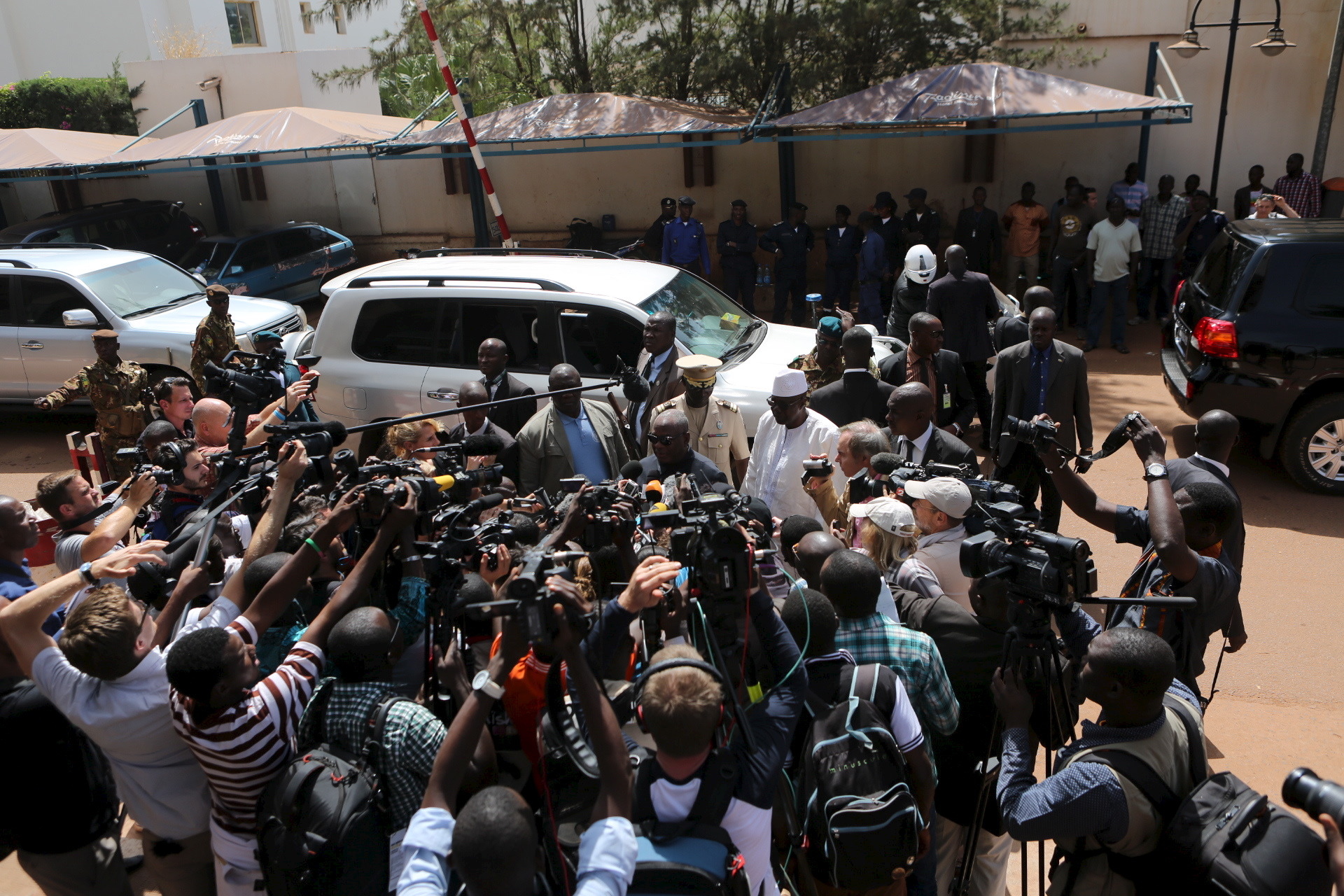
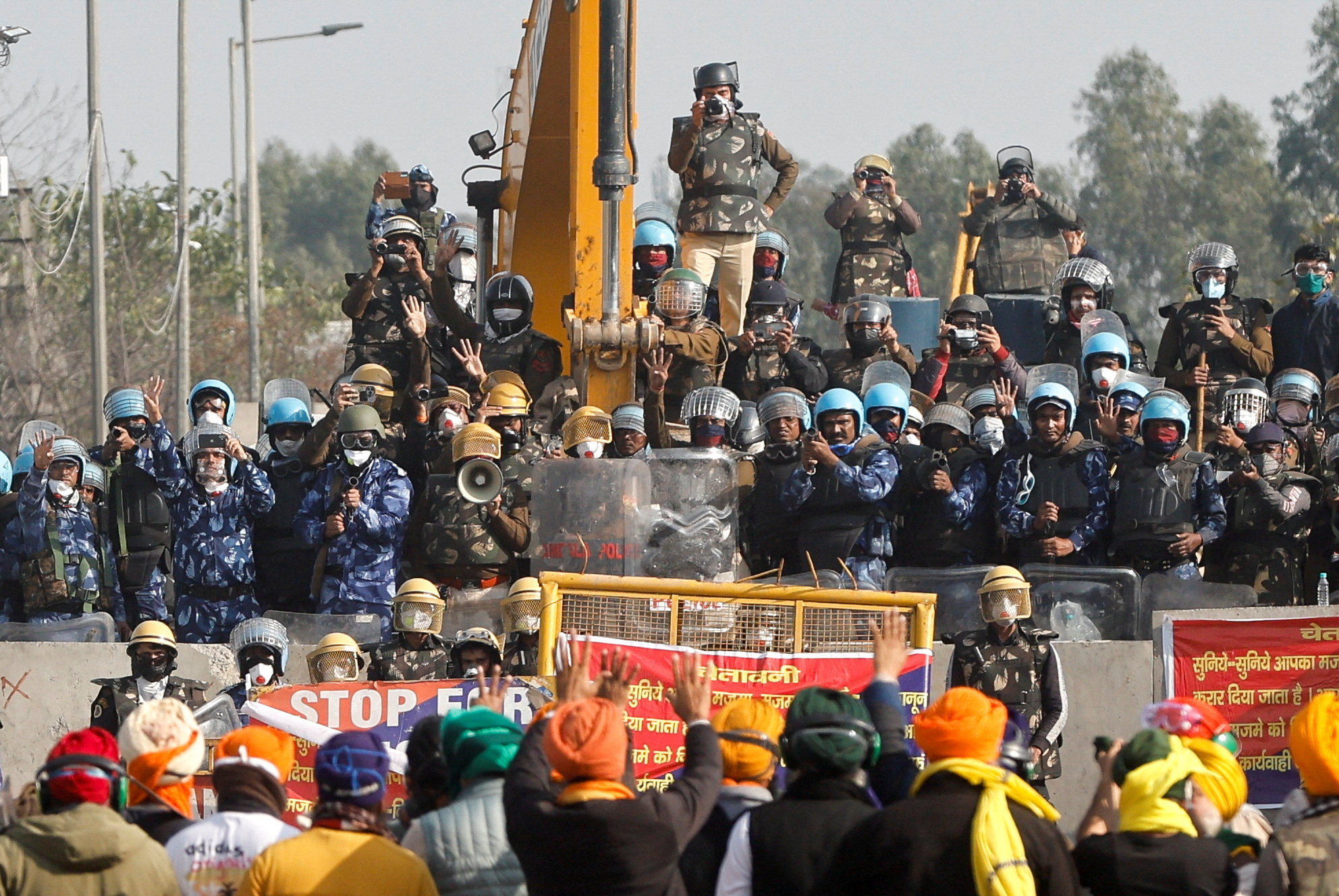
Student protesters celebrate at Jantar Mantar following the resignation of India's Union Education Minister Dharmendra Pradhan, following days of nationwide protests over alleged irregularities in the country's education system. Demonstrators held placards reading ''Jeet'' (''Victory''), waved the Indian national flag, and climbed police barricades after the announcement. (Photo: Amit Shukla/JNA via ZUMA Press Wire. New Delhi, India – Jul 25, 2026)
Student protesters celebrate at Jantar Mantar following the resignation of India's Union Education Minister Dharmendra Pradhan, after days of nationwide protests over alleged irregularities in the country's education system. Demonstrators held placards reading ''Jeet'' (''Victory''), waved the Indian national flag, and climbed police barricades after the announcement. (Photo: Amit Shukla/JNA via ZUMA Press Wire. New Delhi, India – Jul 25, 2026)

Independent Digital Media Outstripped Legacy Journalism on India's Youth Uprising

India’s youth uprising showed that independent digital journalism can now break stories, build audiences, and challenge legacy media’s power to decide what the nation sees, though sustaining that independence remains the harder battle.


On July 20, as India’s monsoon parliamentary session opened, Parliament Street in New Delhi disappeared beneath a sea of bodies. Tens of thousands of young people had gathered to protest systemic exam leaks and institutional corruption, demanding the resignation of Education Minister Dharmendra Pradhan, led by the satirical youth body Cockroach Janata Party (CJP). In the middle of the crowd, amidst the haze of tear gas and the thrum of police sirens, a young journalist stood holding a microphone, her colleague crouching nearby with a handheld camera. 

This describes the kind of independent journalism seen on the streets of Delhi covering one of the largest protests in recent times: rigorous, on-the-ground reporting that, this time, was not led by legacy prime-time Indian media, but by independent journalists whose work was defined by a simple imperative: be there. 

While mobile video footage circulated rapidly across social media platforms, major television networks were slower to provide sustained live coverage of a mobilisation that had been assembling for weeks at nearby Jantar Mantar. 

The delayed coverage of dissenting voices by broadcast networks highlighted long-standing critiques of India’s media landscape. According to Reporters Without Borders (RSF), India ranked 157th out of 180 countries in its 2026 World Press Freedom Index, down from 140th in 2014. RSF and media analysts attribute the decline to concentrated corporate ownership, political pressure, and escalating economic and legal challenges faced by independent outlets. 

This describes the kind of independent journalism seen on the streets of Delhi covering one of the largest protests in recent times: rigorous, on-the-ground reporting that, this time, was not led by legacy prime-time Indian media, but by independent journalists whose work was defined by a simple imperative: be there. 

The Reuters Institute’s 2025 Digital News Report similarly notes that major broadcast media ownership in India remains concentrated among a small number of industrial conglomerates that generally align with the ruling administration. Concurrently, independent journalists critical of government policies frequently encounter legal hurdles and harassment online. These structural dynamics have eroded public trust in legacy broadcast television as the primary venue for public grievance and crisis reporting. 

The numbers alone do not explain July 20, but they frame a pivotal question: What happens when the institutions traditionally entrusted with documenting a public crisis are no longer the only ones capable of doing so? 

On Parliament Street, the answer was immediately visible. The reporter with the microphone was hardly the only person documenting the day. Protesters were filming. Content creators were livestreaming. Independent journalists were publishing directly from the ground. Footage moved across social platforms while conventional newsrooms were still deciding how prominently the protest belonged in their rundowns. 


The Story Before It Became a Story 

The student movement, initially organised online under the banner of the Cockroach Janata Party (CJP), gradually expanded from digital satire into a large-scale physical mobilisation demanding the resignation of Union Education Minister Dharmendra Pradhan. 

Mainstream television outlets largely overlooked the early weeks of the demonstration. Digital outlet Peek TV began reporting from Jantar Mantar on June 6. Priyanshi Sharma, a journalist and founder of the outlet, says the initial decision to cover it was partly driven by curiosity: was an internet-born movement actually going to translate into a sustained presence on the ground? 

Soon, however, the newsroom’s decision to keep returning became a story in itself. As Peek TV continued its coverage, Sharma says journalists and viewers began asking why the outlet was still interested in a protest that appeared to have little public traction. 

“Some people also asked us, ' Why are you covering this? Nobody even cares about this anymore. Are you guys official media partners of the CJP or are you getting paid by them to do this?” she recalls. Even senior journalists, she says, called and advised them to stop. PeekTV nevertheless continued, despite believing that the protesters’ demands were unlikely to be met. 

The reason was less about predicting the protest’s eventual scale than about a principle of journalism. 

“Hunger strikes should not be normalised,” Sharma says. “If somebody is starving themselves just to be heard by their government, that should not be normalised in a democracy.” 

By June 28, the protest had acquired a figure capable of changing its political and media gravity. Activist Sonam Wangchuk began an indefinite hunger strike at Jantar Mantar. Yet even as Wangchuk’s hunger strike gave the demonstration a new focal point, Sharma says mainstream coverage remained limited. 

The crowds included unaffiliated students, parents and older citizens, alongside organised student groups. Sharma recalls meeting a young person from Odisha who could not afford the journey to Delhi but was determined to attend. The protest was becoming a story before much of the national media had decided to tell it. “It was clear that we can’t stop covering this because so many people found their voice in this protest,” Sharma explains. 

At this protest, people realised they don’t even need legacy media. Till now, people didn’t like legacy media, but they still thought they needed legacy media to bring attention to certain issues. At this protest, people realised they don’t even need legacy media.


In the Face of It 

By July 20, the scale of the protest made it impossible for mainstream Indian media to overlook. 

Sharma describes the initial absence of legacy coverage as deliberate rather than accidental. “I think that was an active choice, that they blocked it out for the first few days. They didn’t even acknowledge that something like this was happening.” Eventually, the protest became too large to ignore. 

“The media couldn’t block this out anymore because at this point it was too apparent for you to ignore. You just risk looking irrelevant.” 

But the arrival of television cameras introduced another contest: not over whether the protest existed, but over what it meant. While independent media documented both protester violence, such as stone-pelting and damaged police vehicles, and police tactics, including tear gas and physical force, mainstream television disproportionately emphasised the former. 

The distinction, for Sharma, was not between showing one side and showing another. It was about proportion. “We also showed the damaged police cars. But alongside, we also showed the police brutality,” she says. “There was less stone-pelting and less violence by protesters compared to the brutality of the police. So we showed everything in that proportion.” 

The difference was not merely editorial. It was visible on the ground. Several mainstream broadcast crews were heckled and confronted by protesters chanting “godi media”, a colloquial term used to describe outlets perceived as overly subservient to the government. The hostility was itself symptomatic of a deeper collapse of trust: for many protesters, the problem was no longer simply what a particular channel had reported, but what they believed the institution represented. 

Several mainstream broadcast crews were heckled and confronted by protesters chanting “godi media”, a colloquial term used to describe outlets perceived as overly subservient to the government. The hostility was itself symptomatic of a deeper collapse of trust: for many protesters, the problem was no longer simply what a particular channel had reported, but what they believed the institution represented. 


The Language of Gen-Z 

The remarkable thing about the youth movement was that its participants did not merely reject particular stories. They increasingly rejected the machinery producing them. 

Gen Z’s information ecosystem stood intact before the physical protest gained momentum. The Cockroach Janata Party emerged from internet satire; its language was deliberately irreverent, its political identity shaped through memes and social media, and its following accumulated online before spilling into the streets. The movement therefore did not require television to manufacture a sense of collective participation. People could watch the same video, share the same joke, circulate the same demand and arrive at Jantar Mantar having already experienced the protest digitally. 

The Reuters Institute’s 2026 India report captures the broader transformation: a majority of respondents said they found news online, more than half used social media for news, while television remained at 44%. Traditional and digital media now operate in the same ecosystem, with video platforms hosting both established newsrooms and independent journalists. 

And this is precisely where independent journalists such as Peek TV, alongside digital political commentators and reporters such as Samdish Singh, have found an audience that television increasingly struggles to retain. 

For decades, television’s ability to make an event nationally visible gave legacy media an enormous amount of agenda-setting power. The protest demonstrated what happens when that monopoly weakens. A movement could gather, document itself and build an audience without first receiving permission from a television newsroom. 

The remarkable thing about the youth movement was that its participants did not merely reject particular stories. They increasingly rejected the machinery producing them. 


The Cost of Independence 

But someone still has to pay for this independence. The logistics of Peek TV’s coverage illustrate how the basic mechanics of journalism change when they are not supported by a colossal newsroom infrastructure. 

After July 20, Sharma worked on the ground with a lean crew of four: two journalists and two camera operators. Internet blackouts broke their normal workflow. Unable to transmit raw footage back to an editorial desk, the reporters edited videos on their phones, got into a car and drove through the city searching for a usable cell signal. 

“After shooting, Vedanta [PeekTV’s co-founder] and I only used to edit our videos on our phones, and just go out in a car, looking for Internet,” Sharma recalls. “We would go around looking for signals… and just post from our phones.” It is an absurd physical image of the modern press: a journalist leaving the protest site not to escape the story, but to find enough connectivity to publish it. 

Amid this chaos, camaraderie ebbed on the ground. When Peek TV  lacked personnel to operate a camera, Sharma received copious support. “Sometimes I’ve gotten a fellow journalist. Sometimes I’ve gotten that help from budding content creators. Sometimes I’ve gotten that help from protesters also,” she says. 

On the ground, the conventional boundaries between reporter, creator, witness and audience became porous. “There’s no competition that way on the field when it comes to ground movements,” Sharma says. 

This network model marks a striking departure from traditional rival newsrooms competing for exclusive footage. The digital protest ecosystem operates less like an industry and more like a fluid network. 

Amid this chaos, camaraderie ebbed on the ground. When Peek TV lacked personnel to operate a camera, Sharma received copious support. “Sometimes I’ve gotten a fellow journalist. Sometimes I’ve gotten that help from budding content creators. Sometimes I’ve gotten that help from protesters also.” 

But there is little reason to romanticise independent media’s financial realities. A small newsroom’s flexibility is its greatest asset, but its size is also its greatest vulnerability. Independent outlets lack the safety net required for long-term investigative work, sustained field presence or legal defence. As Sharma points out, digital ad revenue is thin, many outlets reject corporate sponsorships to preserve editorial independence, and audiences remain hesitant to pay for news they consider a public good. 

The question, then, is not whether independent media has defeated legacy media. It has not. Nor is it whether television has become irrelevant. The more consequential shift is that the public no longer appears to regard legacy media as the only bridge between an event and the nation watching it. 

For years, the power of a newsroom lay partly in its ability to decide what counted as a national story. “At this protest, people realised they don’t even need legacy media,” Sharma says. “Till now, people didn’t like legacy media, but they still thought they needed legacy media to bring attention to certain issues. At this protest, people realised they don’t even need legacy media.” 

But Sharma is wary of declaring victory. “We have bad memory as a society,” she says. “In a few days, we might forget that all of this happened and we might go back to our usual routines, almost not caring.” 

That caution matters. The future of Indian journalism will not be decided simply by whether independent journalists can outpace television in honest reporting. It will depend on whether they can build institutions capable of surviving after the crowds leave, the algorithms move on, and the cameras are switched off. 

In the end, this episode made one thing clear: the truth can no longer be gatekept. The old gatekeepers haven't disappeared, but they’ve certainly realised the gates are no longer the only way in. 


Related Articles

Why are journalists in India turning to YouTube?

Indian journalists say the platform is a more democratic and uncensored place to work, but is the growing trend of YouTubers calling themselves journalists a cause for concern?

Saurabh Sharma
Saurabh Sharma Published on: 2 Jan, 2023
AI, Copyright Reform and the Fragile Reinvention of Indian Journalism

India’s proposed AI copyright framework risks turning independent journalism into a pooled data resource, undermining the subscription-based models that sustain it. At a moment of political and economic fragility, the struggle over AI licensing is ultimately a struggle over who controls, values, and profits from journalistic work.

Arsalan Bukhari, an independent journalist based in India
Arsalan Bukhari Published on: 31 Mar, 2026
Why Anonymous Sources Are Fading from Indian Journalism

A generation of reporters-built careers on confidential sources, many now write without them.

Kamran Yousuf
Kamran Yousuf Published on: 19 Apr, 2026
Amid Increasing Pressure, Journalists in India Practice More Self-Censorship

In a country where nearly 970 million people are participating in a crucial general election, the state of journalism in India is under scrutiny. Journalists face harassment, self-censorship, and attacks, especially under the current Modi-led government. Mainstream media also practices self-censorship to avoid repercussions. The future of journalism in India appears uncertain, but hope lies in the resilience of independent media outlets.

Hanan Zaffa
Hanan Zaffar, Jyoti Thakur Published on: 25 Apr, 2024
‘Leading the voiceless’ - how low-caste Indian journalists are crowdfunding their own newsrooms

Dalit representation in Indian media organisations is very low. Some journalists from the lowest Hindu caste are finding innovative ways to start up their own news platforms

Saurabh Sharma
Saurabh Sharma Published on: 13 Feb, 2023
Indian farmers launch activist media outlets as narrative wars continue

In the midst of the narrative wars between Indian farmers and the Indian government, farmers have created media outlets and centers to combat what they see as unfavorable media coverage.

A picture of the author, Baba Tamim.
Baba Tamim Published on: 31 Mar, 2021
‘It takes courage to be a journalist in India’ - charting the collapse of press autonomy

THE LONG READ: With a rising number of journalists in India receiving ‘summons’ from the police and even finding themselves in prison just for doing their jobs, we ask - why has the profession come under so much pressure in recent years?

Abeer Khan Published on: 21 Apr, 2022
‘No less than a fight for survival’ - life for mobile journalists in India

THE LONG READ: Mobile phones have made a career in the media more accessible to independent journalists. But they have also made it easier to exploit them

Saurabh Sharma
Saurabh Sharma Published on: 2 Aug, 2022
‘I reported the truth - and was taken to jail’ - the journalists in prison in India

Indian journalist Siddique Kappan has been released after more than two years in prison just for doing his job. We talked to him and others who have been arrested or imprisoned

Saurabh Sharma
Saurabh Sharma Published on: 15 Feb, 2023

More Articles

The BBC Says It’s “Impartial.” But Its Own Staff Say Otherwise

BBC journalists and media professionals accuse the BBC’s leadership — and board member Robbie Gibb in particular — of blocking truthful reporting on Israel/Palestine through censorship, political bias, and a culture of fear that betrays the BBC’s duty to report “without fear or favour.”

Al Jazeera Journalism Review
Al Jazeera Journalism Review Published on: 2 Jul, 2025
Philippine Activists Fight Archive Erasure and Revive Dictatorship-Era Memories

In the Philippines, archivists fight to preserve evidence of the country’s bloodied past, in hope that it will provide lessons for the future.

Tristan James Biglete
Tristan James Biglete Published on: 27 May, 2025
‘A Massacre Unlike Any Before’: French Journalists Break Silence on Colleagues Killed in Gaza

Leading French and international institutions—foremost among them Reporters Without Borders and Agence France-Presse—have signed a letter published in Le Monde condemning the Israeli occupation’s actions against Palestinian journalists. In an unprecedented tone, journalists described the ongoing events as a 'massacre' unparalleled in the history of the profession.
Al Jazeera Journalism Review
Al Jazeera Journalism Review Published on: 16 Apr, 2025
Is India Targeting Independent Media Through Tax Status Revocation?

In a move that’s sent shockwaves through India’s independent media landscape, tax authorities have revoked The Reporters’ Collective's non—profit status, claiming journalism doesn’t serve a “public purpose.” Critics warn this unprecedented action, echoed in similar crackdowns on other outlets, is part of a broader campaign to throttle investigative journalism and stifle dissent financially.
Bilal Kuchay
Bilal Kuchay Published on: 27 Mar, 2025
The Occupation’s War on Journalism in the West Bank

Every day here is a turning point; every moment, every step outside the house could mean returning safely—or not. A journalist may be injured or arrested at any time.” This statement by journalist Khaled Bdeir succinctly captures the harsh reality of practicing journalism in the West Bank, particularly after October 7.

Hoda Abu Hashem
Hoda Abu Hashem Published on: 26 Jan, 2025
Why Are Journalists Being Silenced in Kashmir?

Since the revocation of Article 370 in 2019, press freedom in Indian-administered Kashmir has sharply declined, with local journalists facing harassment, surveillance, and charges under anti-terror laws, while foreign correspondents are denied access or deported for critical reporting. These measures, aimed at controlling the region’s narrative and projecting normalcy, have drawn widespread criticism from international watchdogs, who warn of increasing suppression of both domestic and foreign media.

headshot
AJR Correspondent Published on: 27 Nov, 2024
MSNBC Deletes Interview with Journalist Criticising Western Media’s Bias Towards Israeli Narrative

MSNBC deleted an interview with journalist Jeremy Scahill after he criticised American media’s biased portrayal of Israeli actions in Gaza, condemning the framing of civilian casualties as "self-defence." Scahill argued that any discussion of Gaza’s leaders must address the broader context of occupation and longstanding injustices faced by Palestinians.

A picture of the Al Jazeera Media Institute's logo, on a white background.
Al Jazeera Journalism Review Published on: 27 Oct, 2024
Voting in a Time of Genocide

The upcoming U.S. presidential election occurs against the backdrop of the ongoing genocide in Gaza, with AJ Plus prioritising marginalised voices and critically analysing Western mainstream media narratives while highlighting the undemocratic aspects of the U.S. electoral system.

Tony Karen توني كارون
Tony Karon Published on: 22 Oct, 2024
Failing Gaza: Pro-Israel Bias Uncovered Behind the Lens of Western Media

Journalists at CNN and the BBC expose the inner workings of their newsrooms, a year into Israel’s war on Gaza.

A picture of the Al Jazeera Media Institute's logo, on a white background.
Al Jazeera Journalism Review Published on: 8 Oct, 2024
Guns, Threats, and Poverty: The Daily Struggles of an African Journalist

The welfare of African journalists continues to deteriorate, from poor wages to security risks, arrests, detention, and even death. This common, ongoing trend generally affects the wellbeing of journalists during their discharge of duties, and these overlooked difficulties tend to affect the quality and output of their work.

Derick Matsengarwodzi
Derick Matsengarwodzi Published on: 26 Sep, 2024
Monitoring of Journalistic Malpractices in Gaza Coverage

On this page, the editorial team of the Al Jazeera Journalism Review will collect news published by media institutions about the current war on Gaza that involves disinformation, bias, or professional journalistic standards and its code of ethics.

A picture of the Al Jazeera Media Institute's logo, on a white background.
Al Jazeera Journalism Review Published on: 5 Sep, 2024
India’s Social Media Crackdown; Broader Implications for Journalism

India’s crackdown on X-Twitter accounts documenting hate crimes highlights the increased risks faced by journalists who report on these issues. The suppression of such accounts significantly hampers the ability of journalists to access and report critical information on hate crimes.

Rushda Fathima Khan
Rushda Fathima Khan Published on: 3 Sep, 2024
Challenges for Female Journalists in Crisis Zones of Cameroon

Testimonies of what female journalists in Cameroon are facing and how they are challenging these difficulties.

Akem
Akem Nkwain Published on: 30 Jul, 2024
Are Podcasts the Future of African Broadcasting?

The surge of podcasts across Africa is a burgeoning trend, encompassing a wide array of themes and subjects, and swiftly expanding across various nations.

Derick Matsengarwodzi
Derick Matsengarwodzi Published on: 11 Jul, 2024
A Report on Systematic Retaliation Against Journalists Criticizing the War on Gaza

A report from the National Writers Union details incidents and testimonies about approximately 100 journalists who faced retaliatory actions from their institutions due to their positions on the ongoing Israeli war on Gaza and their public criticism of the mainstream Western media's failure to adequately cover this war.

Mohammad Zeidan
Mohammad Zeidan Published on: 27 May, 2024
Press Freedom in Multiple EU Countries on the "Verge of Collapse" Reports Show

The European Civil Liberties Union's Media Freedom 2024 report highlights a decline in press freedom and media pluralism in several EU countries, with calls for comprehensive reforms. The report also points out biases in Western media coverage of the Israeli offensive in Gaza, including restrictions on certain terms and unbalanced reporting. It raises concerns about diminishing media pluralism, journalist prosecution and surveillance, and declining public trust in the media.

A picture of the Al Jazeera Media Institute's logo, on a white background.
Al Jazeera Journalism Review Published on: 13 May, 2024
Elections and Misinformation – India Case Study

Realities are hidden behind memes and political satire in the battle for truth in the digital age. Explore how misinformation is influencing political decisions and impacting first-time voters, especially in India's 2024 elections, and how journalists fact-check and address fake news, revealing the true impact of misinformation and AI-generated content.

Safina
Safina Nabi Published on: 30 Apr, 2024
Amid Increasing Pressure, Journalists in India Practice More Self-Censorship

In a country where nearly 970 million people are participating in a crucial general election, the state of journalism in India is under scrutiny. Journalists face harassment, self-censorship, and attacks, especially under the current Modi-led government. Mainstream media also practices self-censorship to avoid repercussions. The future of journalism in India appears uncertain, but hope lies in the resilience of independent media outlets.

Hanan Zaffa
Hanan Zaffar, Jyoti Thakur Published on: 25 Apr, 2024
Journalism in chains in Cameroon

Investigative journalists in Cameroon sometimes use treacherous means to navigate the numerous challenges that hamper the practice of their profession: the absence of the Freedom of Information Act, the criminalisation of press offenses, and the scare of the overly-broad anti-terrorism law.

Nalova Akua
Nalova Akua Published on: 12 Apr, 2024
The Perils of Journalism and the Rise of Citizen Media in Southeast Asia

Southeast Asia's media landscape is grim, with low rankings for internet and press freedom across the region. While citizen journalism has risen to fill the gaps, journalists - both professional and citizen - face significant risks due to government crackdowns and the collusion between tech companies and authorities to enable censorship and surveillance.

AJR Contributor Published on: 6 Apr, 2024
Orientalism, Imperialism and The Western Coverage of Palestine

Western mainstream media biases and defence of the Israeli narrative are connected to orientalism, racism, and imperialism, serving the interests of Western ruling political and economic elites. However, it is being challenged by global movements aiming to shed light on the realities of the conflict and express solidarity with the Palestinian population.

Joseph Daher
Joseph Daher Published on: 1 Apr, 2024
Ethical Dilemmas of Photo Editing in Media: Lessons from Kate Middleton’s Photo Controversy

Photoshop—an intelligent digital tool celebrated for enhancing the visual appearance of photographs—is a double-edged sword. While it has the power to transform and refine images, it also skillfully blurs the line between reality and fiction, challenging the legitimacy of journalistic integrity and the credibility of news media.

Anam Hussain
Anam Hussain Published on: 26 Mar, 2024
Silenced Voices: The Battle for Free Expression Amid India’s Farmer’s Protest

The Indian government's use of legal mechanisms to suppress dissenting voices and news reports raises questions about transparency and freedom of expression. The challenges faced by independent media in India indicate a broader narrative of controlling the narrative and stifling dissenting voices.

Suvrat Arora
Suvrat Arora Published on: 17 Mar, 2024
Targeting Truth: Assault on Female Journalists in Gaza

For female journalists in Palestine, celebrating international women's rights this year must take a backseat, as they continue facing the harsh realities of conflict. March 8th will carry little celebration for them, as they grapple with the severe risks of violence, mass displacement, and the vulnerability of abandonment amidst an ongoing humanitarian crisis. Their focus remains on bearing witness to human suffering and sharing stories of resilience from the frontlines, despite the personal dangers involved in their work.

Fatima Bashir
Fatima Bashir Published on: 14 Mar, 2024