يوميات صحفي في دمشق يوم التحرير

يوميات صحفي في دمشق يوم التحرير

وسط أخبار متلاحقة في معركة "ردعِ العدوان" التي أدت إلى سقوط نظام بشار الأسد بسوريا كانون الأول / ديسمبر عام 2024، كنت أدوّن بعض الملاحظات في محادثة خاصة بي على تطبيق واتس أب، وعلى مشارف محافظةِ حمص تتعالى أصوات الانفجارات والقذائف وهدير الأسلحة المختلفة التي كانت تقطع لحظات النعاس في تلك الليلة، ومع بزوغ ساعات الصباح الأولى، جاء خبر انتظرناه طويلا: "سقوط نظام الأسد".

لبعض اللحظات شعرت - كغيري من السوريين "مُهجّرا في مخيمات الشمال السوري وعشتُ سنوات الحرب" - برغبة عارمة في الاحتفال، ثم تذّكرت في غمرة هذا الفرح، أني هنا بصفتي صحفيا، وأني بحاجة لضبط مشاعري. وما خطرَ لي، آنذاك، ليس الهتاف في الشارع مع ملايين السوريين، بل كيف سأوثّق هذه اللحظة التاريخية: ما الصور التي يجب أن أوثقها؟ من هم الشهود الذين علي البحث عنهم، وما الخطّة التي تضمن لي عدم ضياع التفاصيل وسط الحماس الجماعي؟

رتبت الكاميرا، وتأكدت من شحن البطاريات والهاتف الشخصي مُتذكرا بعض الملاحظات، ومُدركاً أنّ طريقَ دمشق ليس مسارا جغرافيا فقط، بل انتقالا من موقع المُشاهد إلى موقع الشاهد، وكنت أحس بمزيد من المسؤولية، لأكون صحفيا لا تجره عواطف اللحظة، بقدر السعي إلى الموازنة بين ذاكرةٍ مليئة بالدمار وبين واجب التوثيق الذي قد يُصبح لاحقاً شهادةً للتاريخ.

لبعض اللحظات شعرت - كغيري من السوريين "مُهجّرا في مخيمات الشمال السوري وعشتُ سنوات الحرب" - برغبة عارمة في الاحتفال، ثم تذّكرت في غمرة هذا الفرح، أني هنا بصفتي صحفيا، وأني بحاجة لضبط مشاعري.


الرحلة عبر المعرّة

في الطريق إلى دمشق، عادت بي الذاكرة إلى مشهد لم أستطع تجاوزه. معرة النعمان، مدينتي التي هجّرت منها عام 2019، لم تكن مجرّد محطة على الطريق، بل جرحا عميقا. بيوت مهدمة، حقول يابسة، أشجار مقطوعة… كنت مذهولا من هول المشهد. كابن للمدينة، كنت أستعيد صور التهجير والقصف الروسي والإيراني الذي محا ملامح الحياة منها.

إلا أنّ مهمتي جعلتني أتعامل مع المكان بطريقة مختلفة، فبدأت التقطُ الصور للبيوت المدمرة باحثاً عن تفاصيل تُدين الجُناة أكثر؛ مثل حرق الأشجار واقتلاعها، كتابات قديمة على جدران تُشير إلى أنها اتُخذت مقرّات لهم محاولا اكتشاف ما وراء الدمار، وما يمكن أن يكون شهادة موثّقة على ما فعلهُ نظام الأسد البائد وحلفاؤه في ريف إدلب الجنوبي.


الطريق إلى دمشق

عندما اقتربت من العاصمة دمشق، تحوّلت الطريق إلى خارطة مفتوحةٍ لعقد من الحرب، فبين النقاط العسكريّة المهجورة حديثا ودبابات محترقة على الأطراف، وبين مشاهد الجنود بملابس ممزقة يرفعون أيديهم استسلاما، بدا لي المشهد بعين المنتصر تارة، وتارة أخرى امتحانا مهنيا كذلك، توقفتُ بشكلّ متقطّع.. التقطت صورا سريعة لجندي مرمي مع خوذتهِ، وطريقٍ ترابيّة مخرّبة بعد الانسحاب العشوائي، لافتات قديمة لنظامِ الأسد ملطخّة بالرصاص، حرصت جداً أن تكون الصور وثائق لا مجرد انفعالات، ثم تساءلت للحظة: أيحق لي نشر صور للجثث، هل سأجعل ملامحهم مادة خبرية أم سأحترم كرامة الموتى؟ فتحت هاتفي مجددا وكتبت في المحادثة الخاصة بي "توثيق فقط..".

 والحقيقة أنني شعرت بالخوف، فقد استعدت ما فعله نظام الأسد بالمدنيين السوريين الذين طالبوا بالحرية فاعتقلوا وأعدموا. في تلك اللحظة، كمراسل صحفي، لازمني هاجس أن أكون هدفا لأي مجموعة لم تستسلم بعد أو بقايا عناصر منفلتة. لكنني ذكرت نفسي بأن دوري لا يقتصر على العودة سالما، بل على العودة بمادة توثق وتشهد على كل ما جرى.

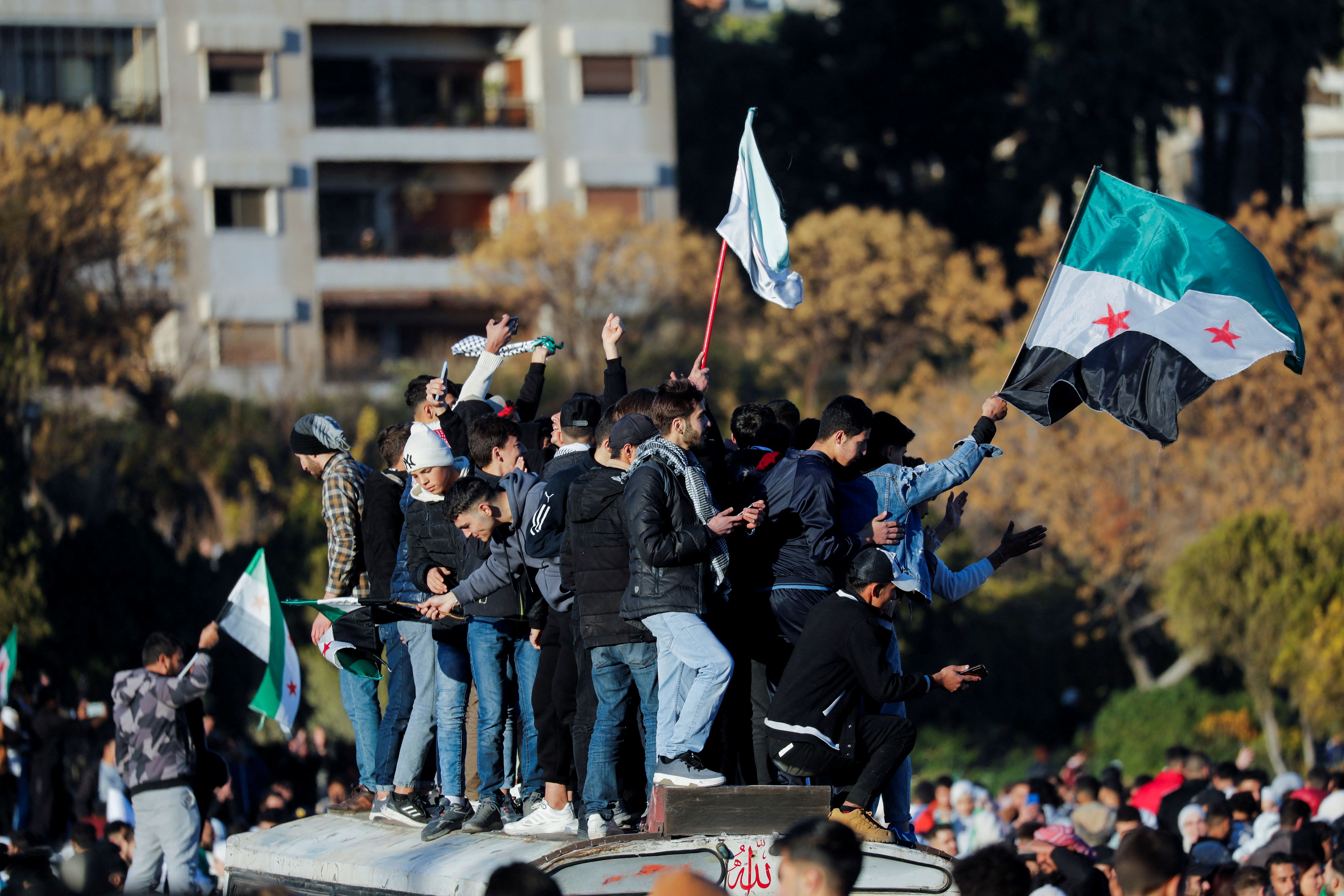
الرابعة عصرا على مشارفِ دمشق، بدأت التفاصيلُ وكأنها تستعدُ لقيامةٍ خاصة بها، اختلطت الأهازيج بأصوات التكبيرات مع أصواتِ الرصاص احتفالا بالتحرير، مئات المقاتلين والمدنيين يملؤون الطرقات، البعض يقفون على حافة الفرح والخوف، آخرون يهتفون ويركضون ودبابات تجتمع في ساحةِ الأمويين، كأنما الجميع يريدُ أن يتأكد هل المشهد حقيقي؟

حاولت أن أهتم بتفاصيلِ الجدران وشعارات النظام البائد التي لم تُمح بعد، مع مظاهر الأهالي والناس الخائفين، لكن كنت حريصا على التركيز على ما قد لا يلتفت إليه الآخرون بعدما انهارت منظومة خوف كاملة. لكن السؤال ظل يطاردني: هل أكتب اليوم بصفتي واحدا من المنتصرين أم شاهدا مُحايدا؟  وقد اخترت أن أكون الإثنين في آنٍ واحد ابن المدينة الذي يفرح، والصحفي الذي يوثّق، فمهمة الصحفي لا تقتصر على نقل ما جرى فقط، بل نقل وتوثيق كيف جرى وكيف ظهر من منظور الناس والأهالي وفي العدسةِ معاً، كي لا يتلاشى كل شيء في ضبابِ النسيان.

ثمة صورة واحدة لاحقتني كثيرا، مشاهد الجنود الهاربين الذين اعتدنا أن نشاهدهم يقصفون مدننا، فهذه المرة كانوا يركضون في طرقات المدن هاربين، لم أشاهدها كصورةٍ لانكسار عسكري فحسب، بل كانت علامة لتبدل المعادلة التي حكمت سوريا بعد عقود من الاستبداد.


نحو صيدنايا

صباح اليومِ الثاني، واجهت قرارا صعبا بالاتجاه نحو سجن صيدنايا الذي لم يكن اسم سجن فقط، بل كان رمزاً للرعب في ذاكرةِ السوريين ، وكمراسلٍ موقن بأنّ الفرصةَ لا تتكرر، سألت نفسي ما الذي سأكتبه عن مسلخٍ بشري لم يُسمح بتغطيته يوماً أو نشر أي معلومة عنه؟

خلال رحلة الطريق، شاهدت القرى التي تحيط بصيدنايا وكأنها تنعتق من الاستبداد، جُدرانٌ كُتب عليها عبارات موالية، وأعلام النظام البائد ما زالت معلّقة، وعيون متوجسّة مما هو آتٍ، مُجدداً فتحت محادثتي الخاصة بـواتس أب، وكتبت: "التوثيق هنا ليس التقاط صور فحسب، بل علينا أن نسأل كيف نقوم بتحويل ما كان في السابق خبراً بعيداً لشهادةٍ حيّة"، حاولت أن أتذكر شهادات لناجين قرأت عنهم أو سمعت قصصهم خلال السنوات السابقة، من أصوات المعذبين، وأسماء المفقودين، قصص عن السجن الأحمر. الآن أنا أمام البوابة الحديدية ذاتها، اختلطت علي المشاعر للوهلة الأولى. كان السجن جامداً ومخيفاً، المئات من الأهالي يبحثون عن ذويهم، وكان عليّ أن أعتمد حينها على أدواتي البسيطة عبر الملاحظة الدقيقة، وأخذ الصور بزوايا واسعة، الانطباعات التي التقطها من أهالي المنطقة والأهالي الذين وصلوا باكراً من الشمال السوري يبحثون عن أي شيء لذويهم المعتقلين، مشهد مرعب واختبار حقيقي للمهنة، فهل أكتب والتقط ما أراه، أم أستحضر ذاكرةَ من مروا من هنا ولم يخرجوا؟

مزجت بين العنصرين، الملاحظة العينية وما رسخ في الذاكرة الجماعية، وحاولت وسطَ كثيرٍ من المشاعر أن أركز على الوثائق المرميّة في ممر الدخول للسجن، ألتقط وأدون، دموع الأهالي وبحثهم كان يكفي لأن تنكسر، لكن مسؤولية نقل الحقيقة لازمتني خلال طريقي، بحثت في دهاليز السجن، كنت أستنشق رائحة الموت في كل مكان من السجن، الجنازير وأدوات التعذيب والدماء على الجدران الداخلية، الطوابق السفلية كانت ممتلئة بالورقيات التي حاولت توثيقها ما استطعت، بقايا من أشلاءِ المعتقلين على جدران ذلك المكان والمكبس البشري، مجموعات الدفاع المدني السوري وصلت للبحث في الطوابق السفلية عن ناجين، مشاهد جعلت من كل لحظة شهادة ووثيقة على المسلخ البشري "سجن صيدنايا".

بينما كانت الوثائق تتطاير في أروقة السجن، وجب علي العثور عليها وتصويرها، حتى ولو بالفيديو؛ على أمل اكتشاف أوراق تدين الجناة أو تحمل أسماء متورطين في القتل والتعذيب. التقطت صورا لوثائق تعود لأيام ما قبل تحرير بعض المناطق، تتضمن إحصاءات دخول وخروج المعتقلين شهريا. الدخول ربما يشير إلى نقل من سجون أخرى أو اعتقال جديد، أما الخروج فكان غالبا يعني الضحايا المدفونين في مقابر جماعية متفرقة في مناطق سيطرة نظام الأسد سابقا.

كانت الأرقام صادمة حقا، إذ وثقت بيانات تتحدث عن وجبات الطعام المقدمة للمعتقلين: "حبّة بطاطا مسلوقة وكسرة خبز". والمفارقة أن عدد هذه الوجبات بلغ 3245 وجبة، وربما أكثر وفق وثائق أخرى، في حين لم يتجاوز عدد المعتقلين عند تحرير السجن ــ بحسب روايات أهالي بلدة صيدنايا المجاورة ــ نحو 600 معتقل فقط، ما يكشف عن أعداد مرعبة من الضحايا الذين جرى تصفيتهم منذ بداية معركة "ردع العدوان".

كان السجن جامداً ومخيفاً، المئات من الأهالي يبحثون عن ذويهم، وكان عليّ أن أعتمد حينها على أدواتي البسيطة عبر الملاحظة الدقيقة، وأخذ الصور بزوايا واسعة، الانطباعات التي التقطها من أهالي المنطقة والذين وصلوا باكراً من الشمال السوري يبحثون عن أي شيء له علاقة بأبنائهم، مشهد مرعب واختبار حقيقي للمهنة، فهل أكتب والتقط ما أراه، أم أستحضر ذاكرةَ من مروا من هنا ولم يخرجوا؟

يختلف معنى الصحافة في الميدان عنه في قاعات الدراسة أو غرف التحرير ليصبح المعنى أكثر تعقيدا في منعطفاتٍ تاريخيةٍ كبرى، فأنا لم أكن شاهداً على حدثٍ تاريخي فقط، بل كنت جزءا منه، حاملاً في داخلي ذاكرة مدينةٍ محروقة مع الواجبِ المهني الذي فرض عليّ أن أكون هادئاً في لحظات الصخب، مُدركاً أنّ التحدّي في أن أكون ابن المكان والصحفي المحترف؛ فشعور الفقد والتهجير يلازمني في كل مشاهد الخراب، إلا أني بصفتي صحفيا، كان عليّ تحويل ذلك الألم إلى نصوص وصور يمكن أن تُقرأ بوصفها وثائق حقيقية، لا عبارة عن انفعالات شخصيّة.


صورة معلّقة

ثمة صورة واحدة لاحقتني كثيرا، مشاهد الجنود الهاربين الذين اعتدنا أن نشاهدهم يقصفون مدننا، فهذه المرة كانوا يركضون في طرقات المدن هاربين، لم أشاهدها كصورةٍ لانكسار عسكري فحسب، بل كانت علامة لتبدل المعادلة التي حكمت سوريا بعد عقود من الاستبداد. لقد سألت نفسي كصحفي، هل أصفُ الوجوه التي بانت عليها ملامح الهزيمة، أم أقرؤها كرمزٍ لانتهاء حقبة الخوف؟ تأكدت من أنّ الصورة لا تهمني بقدر دلالتها، فالهروب ما كان مجرّد نهاية الجنود، إنما نهاية سردية بشكل كاملٍ لسلطة مطلقة لم تعد قائمة، فهي شهادة مزدوجة، توثيق لحدث آني وإشارة لتحول رمزي تاريخي، ففي لحظات الانهيار الكبرى لا تكون مهمة الصحافة التقاط الصورة الخام، بل بالكشفِ عن معناها وتركها معلقة في ذاكرةِ الناس للإعلان عن بدايةِ صفحة جديدة ضمن تاريخ جديد.
 

Tags

More Articles

Shipwrecked Narratives: How to Keep Migration Stories Afloat

Migration stories don’t become real until you meet people in the journey: the carpenter carrying photos of his fantasy coffins, or the Libyan city worker burying the forgotten dead, or the Tatar woman watching her livelihood collapse at a militarised border. Following these surprising human threads is the only way journalism can cut through collective exhaustion and make readers confront a crisis they’ve been trained to ignore.
Karlos Zurutuza, a freelance journalist and a media trainer. His work has been published in The Guardian, Al Jazeera English, POLITICO, The Middle East Eye and The Independent, among others.
Karlos Zurutuza Published on: 30 Nov, 2025
What It Means to Be an Investigative Journalist Today

A few weeks ago, Carla Bruni, wife of former French president Nicolas Sarkozy, was seen removing the Mediapart logo from view. The moment became a symbol of a major victory for investigative journalism, after the platform exposed Gaddafi’s financing of Sarkozy’s election campaign, leading to his prison conviction. In this article, Edwy Plenel, founder of Mediapart and one of the most prominent figures in global investigative journalism, reflects on a central question: what does it mean to be an investigative journalist today?

Edwy Plenel
Edwy Plenel Published on: 27 Nov, 2025
A Sudanese Journalist in the Grip of the Rapid Support Forces

She was arrested, tortured, nearly raped, threatened with death, and subjected to degrading abuse. Her brother was brutally mistreated in an effort to locate her. In the end, her family had to pay a ransom to secure her release. She sought refuge abroad, but eventually returned to Sudan to continue documenting the war’s toll, particularly in El Fasher, a city now under siege. This is the harrowing account of a Sudanese journalist detained and tortured by the Rapid Support Forces.

Empty screen
Sudanese Female Journalist Published on: 3 Nov, 2025
Zapatismo and Citizen Journalism in Chiapas, Mexico

In Chiapas, independent journalists risk their lives to document resistance, preserve Indigenous memory, and challenge state and cartel violence. From Zapatista films to grassroots radio, media becomes a weapon for dignity, truth, and survival.

Ana Maria Monjardino
Ana Maria Monjardino Published on: 26 Oct, 2025
Journalists Under Occupation; Palestinian Journalists in the West Bank

Palestinian journalists in the West Bank face extreme physical danger, psychological trauma, and systemic targeting under Israeli occupation, yet continue to report with resilience, amplifying the voices of their people despite global indifference and media bias.

Synne Furnes Bjerkestrand
Synne Bjerkestrand Published on: 13 Oct, 2025
The Silent Death of Urdu Newspapers in India

With a 200-year history, Urdu newspapers in India are now facing a silent death—trapped in a cycle of decline where circulation has fallen by nearly 25%, advertising is absent, and government support is scarce. What vanishes is more than print: it is the erosion of a cultural and political lifeline that once bound Hindus, Muslims, and Sikhs in common debates and carried the voices of the marginalised into India’s public sphere.

Hanan Zaffa
Hanan Zaffar, Majid Alam Published on: 1 Oct, 2025
Why Are Young Journalists in Kashmir Quitting Before They Begin?

In Kashmir, mounting censorship, political pressure, and shrinking job prospects are forcing a generation of aspiring journalists to abandon the profession, many before they even get the chance to begin, leaving behind a media landscape stripped of dissent, debate, and independent voices.

Abrar Fayaz, Muqeet Mohammed Shah Published on: 23 Sep, 2025
Sudan’s Journalists Are Being Silenced: By Bullets, Exile, and Fear

The collapse of the media industry in Sudan has subjected journalists to physical threats, legal and professional challenges, with no functioning legal system to investigate crimes committed against the press.

Nalova Akua
Nalova Akua Published on: 17 Sep, 2025
Nepali Journalists Trapped Between “GenZ” Protest and State Crackdowns

Nepali journalists are under attack on two fronts: facing violence from protesters in the streets while also being targeted by government crackdowns, restrictive laws, and political interference that threaten press freedom.

Sumaiya Ali
Sumaiya Ali Published on: 12 Sep, 2025
I Don’t Want You to Be a Journalist, Mama”. Do Gaza’s Journalists Have the Luxury of Absence?

Does the Palestinian journalist in Gaza have the freedom to simply “step away”? How do they navigate the balance between their professional responsibilities and their family life? And to what extent does the duty to report justify the personal cost of being separated from one’s loved ones? Journalist Jenin Al-Wadiya sheds light on the deeply human details that rarely make it to the screen.

Jenin Al-Wadiya
Jenin Al-Wadiya Published on: 31 Aug, 2025
Intersections of Journalism and Social Sciences in the Field

The field is where journalism and the social sciences meet at their most dynamic edge. As the world grows more complex, journalists increasingly take on the role of sociologists, without abandoning their core mission to question power and expose uncomfortable truths. By drawing on the methods and insights of social science, journalism deepens its coverage, grounds stories in real-world contexts, and resists the temptation of surface-level narratives.

Mohammed Ahddad
Ahdad Mohamed Published on: 23 Aug, 2025
New Media Reforms in Bangladesh Introduced to Replace Hasina-Era Journalism

Bangladesh’s interim government, led by Muhammad Yunus, has launched ambitious media reforms to undo the legacy of Sheikh Hasina’s 15-year rule, which was marked by censorship, media monopolies, and the notorious Digital Security Act. However, despite promises of greater freedom, journalists remain wary, as self-censorship, restrictive laws, and public scepticism continue to cast doubt on genuine change.

Sumaiya Ali
Sumaiya Ali Published on: 17 Aug, 2025
Canadian Journalists for Justice in Palestine: A Call to Name the Killer, Not Just the Crime

How many journalists have to be killed before we name the killer? What does press freedom mean if it excludes Palestinians? In its latest strike, Israel killed an entire Al Jazeera news crew in Gaza—part of a systematic campaign to silence the last witnesses to its crimes. Canadian Journalists for Justice in Palestine (CJJP) condemns this massacre and calls on the Canadian government to end its complicity, uphold international law, and demand full accountability. This is not collateral damage. This is the targeted erasure of truth.

Samira Mohyeddin
Samira Mohyeddin Published on: 14 Aug, 2025
Monitoring of Journalistic Malpractices in Gaza Coverage

On this page, the editorial team of the Al Jazeera Journalism Review will collect news published by media institutions about the current war on Gaza that involves disinformation, bias, or professional journalistic standards and its code of ethics.

A picture of the Al Jazeera Media Institute's logo, on a white background.
Al Jazeera Journalism Review Published on: 11 Aug, 2025
Anas Al Sharif; Killed by Israel, but His Final Words Will Echo far Beyond His Death

For over a year and a half, Anas Jamal al-Sharif refused to leave northern Gaza, documenting the destruction and loss that others tried to hide. Tonight, Israel silenced his voice, but his final words, written on April 6, will echo far beyond his death.

Al Jazeera Journalism Review
Al Jazeera Journalism Review Published on: 11 Aug, 2025
The Human Story in Gaza: The Deadly Dilemma of “Who Do We Tell About?”

In the accelerating context of genocide, is the “pace” of death in Gaza outstripping journalists’ ability to capture human stories? How can they be expected to take their time crafting narratives amid hunger, displacement, and death? And to what extent can postwar documentation hold journalistic value in preserving collective memory and pursuing accountability for the perpetrators?

Mirvat Ouf
Mirvat Ouf Published on: 3 Aug, 2025
The Battle to Keep Journalists Alive in Gaza

Hungry journalists covering the story of starvation in Gaza, surviving on salt to stay alive, selling their work equipment to secure a “sack of flour” for their children, shedding the “shame” of publicly asking for food, and enduring the harshest media environment just to maintain “continuous coverage”.

Mona Khodor
Mona Khodor Published on: 26 Jul, 2025
Balancing Productivity and Privacy: How Female Journalists Use AI Chatbots

Female journalists in Jordan are harnessing AI chatbots to boost productivity, enhance digital safety, and find emotional support, but their growing reliance also raises critical concerns about privacy, ethics, and the responsible use of emerging technologies in journalism. This article explores how these tools are reshaping their workflows while navigating the challenges of trust and accountability.

Afnan Abu Yahia
Afnan Abu Yahia Published on: 20 Jul, 2025
In the War on Gaza: How Do You Tell a Human Story?

After nine months of genocidal war on Palestine, how can journalists tell human stories? Which stories should they focus on? And does the daily, continuous coverage of the war’s developments lead to a “normalisation of death”?

Yousef Fares
Yousef Fares Published on: 8 Jul, 2025
How Much AI is Too Much AI for Ethical Journalism

As artificial intelligence transforms newsrooms across South Asia, journalists grapple with the fine line between enhancement and dependency

Saurabh Sharma
Saurabh Sharma Published on: 1 Jul, 2025
How to Tell the Stories of Gaza’s Children

Where does compassion end and journalism begin? How can one engage with children ethically, and is it even morally acceptable to conduct interviews with them? Palestinian journalist Reem Al-Qatawy offers a profoundly different approach to human-interest reporting. At the Hope Institute in Gaza, she met children enduring the harrowing aftermath of losing their families. Her experience was marked by intense professional and ethical challenges.

Rima Al-Qatawi
Rima Al-Qatawi Published on: 26 Jun, 2025
How Is Western Media Framing the Famine Catastrophe in the Gaza Strip?

Can the media subject the issue of famine in Palestine to so-called professional balance even after UN agencies and the International Court of Justice have acknowledged it? Why have many Western media outlets avoided precise legal and ethical terms such as “famine” or “starvation,” opting instead for vague expressions like “food shortage” or “nutrition crisis”? Doesn’t this practice reflect a clear bias in favor of the Israeli narrative and serve to justify the policy of “systematic starvation”?

Fidaa Al-Qudra
Fidaa Al-Qudra Published on: 23 Jun, 2025
Newspapers: An Industry Adapting to Survive Through Digital Transformation

As digital transformation reshapes the media landscape, newspapers in Cameroon are navigating unprecedented challenges and opportunities. This evolution compels them to adapt their strategies to engage a new generation of readers amidst fierce online competition, decreasing government subsidies, and a decline in print sales.

Akem
Akem Nkwain Published on: 16 Jun, 2025
The Mental Toll on India’s Minority-Focused Freelance Journalists

Freelance journalists in India, particularly those reporting on marginalised communities and conflict zones like Kashmir, endure immense emotional and psychological strain, often without any institutional support. What are the hidden costs of reporting on violence, where telling the truth can come at a steep personal price?

Hanan Zaffa
Hanan Zaffar Published on: 10 Jun, 2025