من الحارات إلى "القارات".. كيف أصبحت صحفيا للجزيرة؟

من الحارات إلى "القارات".. كيف أصبحت صحفيا للجزيرة؟

لعل البعض قد يستهجن العنوان قليلاً، وربما يجد البعض الآخر غضاضةً في كلمة "حارات"، لكنها باختصار هي الحقيقة، حقيقة أنني كنت أرسل أخباراً من بعض الحارات والأحياء في عاصمة الشرق السوري المنسية، دير الزور، ومن الحدود العراقية-السورية ثم حلب وإدلب وبعدها من حواري عنتاب وأورفا وصولاً إلى تغطيات صحفية لقناة الجزيرة في ثلاث قارات. لكن كيف بدأت القصة؟


"نحتاج فدائيا يتحدث العربية والإنجليزية"

في منتصف عام 2011، وبعد أن بُح صوتي في قيادة المظاهرات الكبرى في ميادين وساحات دير الزور، وكتابة الهتافات الثورية، اقتحم الجيش السوري المحافظة للمرة الأولى برتل كان قوام طلائعه 90 دبابة ومدرعة وعدداً من فرق المشاة من بينها فرق للوحدات الخاصة والحرس الجمهوري.

في تلك اللحظة أدركت - بيقينٍ لا شك فيه - أن الخروج في أي مظاهرة يعني الموت، وأنه لا مكان للرومانسية أو للتفاؤل الساذج بالوقوف أعزَل أمام الدبابات لاستدرار عاطفة قائديها. فهذه ليست ساحة تيان آن من، ولن يكون المصير كمصير رجل الدبابة الصيني الذي شاهده العالم كله وكان ملهما لنقل ما يجري في سوريا ساعتئذ.

كانت أغلب المدن السورية الثائرة - آنذاك - قد اقتحمها الجيش وتطور الأمر فيها إلى الصدام المسلح منذ الأيام الأولى، إذ تساوى عند الكثير من أولئك الموت والحياة وهان عليهم الظهور أو الحديث على وسائل الإعلام والخروج بالصوت والصورة، أما عندنا في دير الزور فقد كان الأمر عسيرا حتى وإن سبق للبعض من أبنائها المغتربين أن ظهروا عبر برامج الاتصال من خارج البلاد متحدثين عن الحال هناك.

دار النقاش سريعاً بيننا بأن سبب الضعف في نقل ما جرى عندنا في المدينة هو عدم وجود متحدث بالعربية والإنجليزية يتجنب البكاء والشكوى مثلما كان يطلع من بعض المحافظات، باستخدام هاتف ورقم واحد غير مسجل يستخدمه شخص واحد حتى لا يتعرض الجميع إلى التهلكة.

ولأن الناس ربما رؤوا في أني أمتلك هذه الصفات، استقر الرأي عليَّ، وأيضا لأني قد هجرت بيت والدي رحمه الله منذ اندلاع الحراك كما كنت مطلوباً كمئات آلاف السوريين للأفرع الأمنية، ولأنني أيقنت أن لا سبيل لمواصلة تعليمي الجامعي في مثل تلك الظروف.

كانت أول مداخلة لي أثناء مداهمة الجيش وتمشيطه للأحياء واحدًا تلو الآخر. في ذلك الوقت كنت في منزل خالي، وكانت المداخلة مع الجزيرة الإنجليزية.
انتهت المكالمة في اللحظة نفسها التي ارتفعت فيها الأصوات وعمّ الاضطراب في المبنى؛ فقد بدأ الجيش بتفتيش الحي الذي يقع فيه بيت جدي وأخوالي.
لكن العناية الإلهية صرفتهم عن بيتنا، من غير حولٍ منا ولا قوة.


ولادة أوس العربي

كنت أشاهد مداخلة لناشط صار من المشاهير في إحدى القنوات العربية، فبكى قبل أن تقاطعه المذيعة بطريقة تشبه تعنيف الأم لابنها عند إفراطه بالبكاء، مطالبة إياه بالكف عن النحيب لأنها لم تفهم ما يقول. سرعان ما بدأت تسأله عن تفاصيل لم يألفها هو وناشطو الثورة، إذ شعرت بمبالغة في روايته. منذ ذلك اليوم عزمت ألا أقول إلا ما رأيت بعيني، وألا ألتفت للأخبار المتداولة في المدينة حتى أتحقق منها بنفسي، سواء كانت تفريقًا بالقوة أم إطلاقًا للنار. وقد ظهرت فيما بعد في الكثير من وسائل الإعلام.

لكن مغالبة المشاعر لم تكن أمرا يسيرا. ما زلت أذكر ظهوري على قناة الجزيرة العربية ضمن نشرة هذا المساء حين تحدثت عن مجزرة بعثة المراقبين الدوليين. وأمام عيني قتل الصديق والأخ حذيفة غدير رحمه الله في قلب مدينة دير الزور وأمام لجنة المراقبين.

لم أدرك أثناء المداخلة أنني انسقت إلى تفاصيل كثيرة غلبت فيها المشاعر، في حين كان الأجدر أن أكتفي بسرد خبر الجريمة التي ارتكبها الأسد ونظامه.

لأسباب أمنية لا تخفى على من يعيش تجربة المواطن الصحفي في العالم العربي كان لابد من اختيار اسم لا يمت للبيئة ولا لأسماء العوائل المشهورة، خاصة وأن المدينة تركيبتها عشائرية، وزج أي اسم بغير احتياط لغرض التمويه قد يعرض حياة الآخرين للخطر. كان لصديقي مثنى ابن شقيقة اسمه أوس، وكان الأمين العام للجامعة العربية آنذاك هو نبيل العربي. مزجنا بين الاسمين، فصرت أوس العربي.

لكن مغالبة المشاعر لم تكن أمرا يسيرا. ما زلت أذكر ظهوري على قناة الجزيرة العربية ضمن نشرة هذا المساء حين تحدثت عن مجزرة بعثة المراقبين الدوليين. وأمام عيني قتل الصديق والأخ حذيفة غدير رحمه الله في قلب مدينة دير الزور وأمام لجنة المراقبين.

لم يقتصر التنكر والتخفي على الاسم فقط، بل رحنا نبتدع طرقاً أخرى من شأنها أن تخفي هويتنا. تغيير الصوت أثناء الحديث على الهاتف كان خيارنا الأول وإن بدا الصوت مضحكا في بعض الأحيان. كانت حينها باكورة ثورة أجهزة الهاتف الصينية التي كانت تغير صوت المتحدث لكن الكثير من القنوات كانت تشتكي من ذلك وتطالبنا بوقف استخدامها.


عمار الحاج

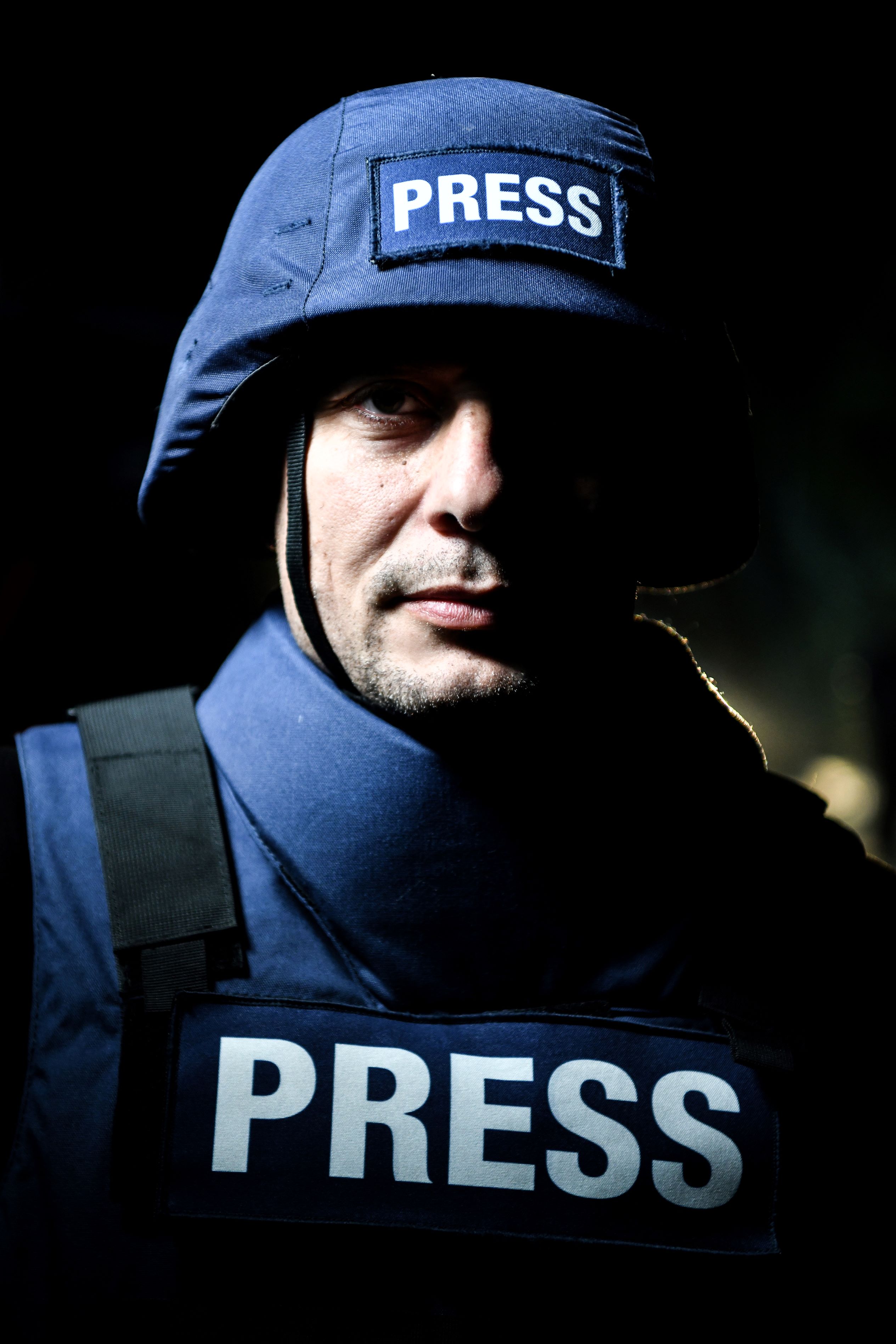
منذ أواخر سنة 2011، أصبحت صحفيا في شبكة الجزيرة، كنت أظهر بصفة شاهد العيان ثم اختفت تلك الصفة. لم أتلق أي تدريب – حينها - لكنني كنت قد بدأت بإرسال الصور والأخبار المكتوبة والظهور في المداخلات الصوتية بشكل منتظم، واستمررت بهذه الوتيرة حتى منتصف عام 2012 حين استدعيت للمرة الأولى إلى تركيا. قابلني الاستاذ تيسير علوني الذي كان من تواصل معي باسم الجزيرة منذ البداية ثم أشرف على تغطية الثورة حقبة من الزمن. زودني بعدها بالمعدات وأجرى لي تدريبا سريعا، وقال لي حان وقت الظهور على الشاشة: الآن وعليك اختيار اسم جديد.

لأسباب أمنية لا تخفى على من يعيش تجربة المواطن الصحفي في العالم العربي كان لابد من اختيار اسم لا يمت للبيئة ولا لأسماء العوائل المشهورة، خاصة وأن المدينة تركيبتها عشائرية، وزج أي اسم بغير احتياط لغرض التمويه قد يعرض حياة الآخرين للخطر. كان لصديقي مثنى ابن شقيقة اسمه أوس، وكان الأمين العام للجامعة العربية آنذاك هو نبيل العربي. مزجنا بين الاسمين، فصرت أوس العربي.

حين عدت إلى سوريا، كان الهاجس الأكبر يطاردني: منزلنا يقع قبالة فرع أمن الدولة، وعيون المخابرات لا يعجزها أن تعرف من أكون أو أين أسكن. كنت أخشى أن يُختطف والدي وإخوتي الذين سبق أن اعتقلوا جميعاً إبّان الثورة، لإجباري على تسليم نفسي، كما حدث مع كثير من الناشطين.
اضطرت عائلتي إلى الرحيل نحو دمشق، التي كانت آنذاك تمتلئ بالملايين من المهجّرين من مختلف المحافظات. هناك غيّرت اسمي إلى عمار الحاج، واتخذت كل ما يمكن من احتياطات، من إطالة الشعر أحياناً إلى قصّه حيناً آخر، ومن تلك اللحظة بدأت حكايتي رسميّاً مع الجزيرة.

من النشاط إلى الاحتراف

كان الفارق شاسعا بين ظهورنا بصفتنا ناشطين وشهود عيان على الشاشات، وظهور المندوب أو المراسل الرسمي للقناة المسؤول عن كلمة رسمية أو عن توصيف طرف في بيئات الحروب أو الثورات المسلحة.

لقد كان النشطاء - وإن كانوا محقين من وجهة النظر الثورية على الأقل - ينعتون عناصر النظام بالمجرمين والقتلة ونعوت أخرى يتعالى المقام عن ذكرها، لكن هذا ليس عمل الصحفي المحكوم بقواعد مهنية وأخلاقية صارمة لكن لا يعني أيضا الانحياز إلى القتلة.

لم يعد بوسعي أيضا قبول أي صورة من الكتائب المنتشرة في المدينة قبل أن أسأل وأتحقق من تاريخها ومكانها وسياقها. كنت أفعل ذلك حتى قبل انضمامي إلى الجزيرة، لكن الحرص الآن أصبح مضاعفا.

بعد انضمامي إلى الجزيرة، لم أعد ابن البيئة التي أعيش فيها فحسب، بل العارف بفصائلها وكتائبها ومدى الأخطار المحيطة بها، والمطلع على مناطق انتشار النظام والمناطق المحظورة. فقد أصبحت مطالبا بالتوجه إلى أماكن لم تطأها قدمي من قبل، حتى في أيام السلم. ولأن عملي صار يفرض علي التعامل مع أشخاص، وإن كانوا من الثوار، كان لزاما أن أتوخى أقصى درجات الحذر، فأستفسر عنهم وعن تبعيتهم ومواقع تمركزهم، ثم أتحقق من ذلك عبر من أثق بهم من أبناء مناطقهم.

الخوف في تلك المرحلة تضاعف، لم يعد مصدره النظام وأجهزته الأمنية وحدها، بل أيضا من بعض من لا يرضيهم أداؤك أو أداء مؤسستك ممن يدعون الانتساب إلى الثورة. وهذا بدوره كان يدفعك إلى مزيد من الالتزام بالحياد، حتى في منشوراتك الشخصية على وسائل التواصل الاجتماعي التي لم تكن قد شهدت بعد ما نشهده اليوم من انفلات وتحول غريب.

ومع كل هذا الحرص، لم أسلم من الخطر، فقد تعرضت للاختطاف من قبل تنظيم الدولة الإسلامية رغم التزامي بكل ما أوصيت به آنفا. كانت الحادثة محض صدفة، ولمن يرغب في معرفة تفاصيلها، فليعد إلى روايتي "أسير الوالي: مذكرات مراسل الجزيرة في سجون تنظيم الدولة".


الخوف في تلك المرحلة تضاعف، لم يعد مصدره النظام وأجهزته الأمنية وحدها، بل أيضا من بعض من لا يرضيهم أداؤك أو أداء مؤسستك ممن يدعون الانتساب إلى الثورة. وهذا بدوره كان يدفعك إلى مزيد من الالتزام بالحياد، حتى في منشوراتك الشخصية على وسائل التواصل الاجتماعي التي لم تكن قد شهدت بعد ما نشهده اليوم من انفلات وتحول غريب.

لقد أيقنت حين بدأت العمل مع الجزيرة صواب التزامي بالاحتياط في نقل الأخبار، فعلى عكس ديدن كثير من الناشطين وشهود العيان الذين يغفلون دون سوء نية – غالباً - عن هذه الأمور: لا خبر إلا و يجب نسبه للمصدر، لا داعي للإسهاب في المداخلة إلا للتذكير بالأحداث الجارية، ولا سبيل للمراسل للاستطراد في التحليل و تقديم النتائج و العظات، فهذا ليس من شأنه - وإن كان هناك مجال للتحليل - فلا بد أن يبدأ أولا بعرض الوقائع، ثم الإشارة - مثلا - إلى أنه إذا آلت الأمور إلى كذا، فسيكون السياق على النحو التالي.

تعلمت أيضا أن المراسل ومظهره لا يجب أن يسبق الخبر، لا ثياب ملفتة ولا حلي و لا حتى قصات شعر غريبة تدفع المشاهد للتأمل في أشياء أخرى، ونسيان ما الذي كان يتحدث عنه، والأهم  أن يكون المراسل على مسافة واحدة من كل الأطراف لأن حياديته هي طوق نجاته.

تعلمت مهارات أخرى، خصوصا في التصوير، فذلك الشغف غير المحدود لدى الناشطين باستخدام لقطات التقريب والإبعاد (زووم إن وزووم آوت) يختفي تماما في عالم الصحافة المهنية، لأنها أداة فنية تُستخدم وفق شروط محددة، لا بشكل عشوائي كما كان يفعل كثير من الناشطين. فكل صورة لها وظيفة محددة في الغالب، وكذلك الجمل الافتتاحية والختامية، ولقطات البداية والنهاية، والكتابة للصورة لا عنها. كل ذلك كان غائبا عن أذهاننا خلال فترة عملنا كناشطين.


ما لا ينسى

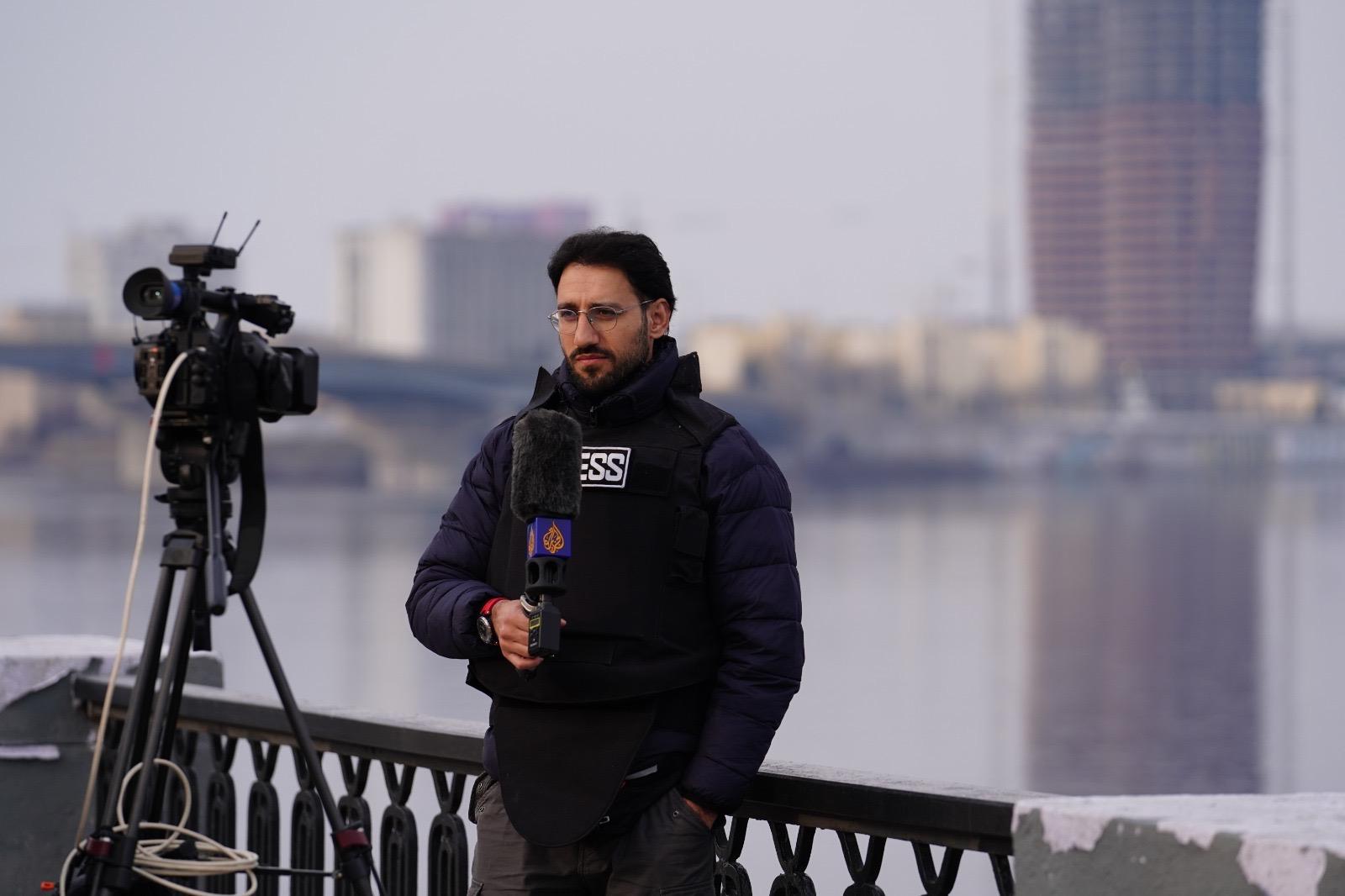
أستطيع أن أعدد ما لا حصر له من الدروس والعبر و الأخطاء والتجارب التي مررت بها خلال ثلاثة عشر عاما من عملي مع الجزيرة، و يمكن أن أسوق ما لا يحصى من الأمثلة عن ضرورة الالتزام بالحياد في مختلف البيئات في نقل الخبر لكن إن كان لابد من ذكر مثال واحد، فلعلي أستحضر تغطية ليلة محاولة الانقلاب في تركيا عام 2016.

يومها كنت أقف مع زميلي المصور خيري في ساحة تقسيم، حين وصل مئات الجنود وعدد من العربات إلى وسط الساحة. كانت المظاهرات آنذاك في حي الفاتح في إسطنبول، أو أمام مبنى الأمنيات القريب، تطالب برحيل العسكر. كنت أتحدث عن ذلك، لكنني في الوقت نفسه، فاجأت زميلي المذيع حين قلت: "وعلى الرغم من ذلك، أرى العشرات وربما المئات من الأتراك قد التفوا حول الجيش وأخذوا يحيّونه ويؤيدون الانقلاب". استدرك زميلي ظانا أنني أخطأت، لكنني أكدت له ما رأيته، وأوضحت بالصورة ما جرى.


كانت المظاهرات آنذاك في حي الفاتح في إسطنبول، أو أمام مبنى الأمنيات القريب، تطالب برحيل العسكر. كنت أتحدث عن ذلك، لكنني في الوقت نفسه، فاجأت زميلي المذيع حين قلت: "وعلى الرغم من ذلك، أرى العشرات وربما المئات من الأتراك قد التفوا حول الجيش وأخذوا يحيّونه ويؤيدون الانقلاب". استدرك زميلي ظانا أنني أخطأت، لكنني أكدت له ما رأيته، وأوضحت بالصورة ما جرى.

 لقد تعرضت للشتم، ساعتها، من بعض المتضامنين مع الرئيس اردوغان ومحبيه، لكن كان لابد من الإشارة إلى ما رأيته، أما إنكاره لن يرفع من قيمتي كصحفي وإنسان كما لن يحط منها أيضا.

 الأمر ذاته تكرر في أوكرانيا، حين كنا نغطي القصف الروسي الذي استهدف بعض المنازل والمدارس. كانت وسائل الإعلام الأوكرانية تتحدث عن عشرات القتلى، بينما لم يكن يُنتشل سوى عدد محدود من الجثث. كما كانت تشير إلى أن الأهداف جامعات ومنشآت مدنية، في حين كنا نشاهد استخراج أسلحة وجثث لعناصر من الجيش. ومع ذلك، فإن وجودنا في أوكرانيا لم يمنعنا من نقل الصورة كما هي، دون تبني أي رواية، سوى ما تنقله الكاميرا إلى المشاهد.

هذه بعض الدروس والمسيرة مستمرة.
Tags

More Articles

Shipwrecked Narratives: How to Keep Migration Stories Afloat

Migration stories don’t become real until you meet people in the journey: the carpenter carrying photos of his fantasy coffins, or the Libyan city worker burying the forgotten dead, or the Tatar woman watching her livelihood collapse at a militarised border. Following these surprising human threads is the only way journalism can cut through collective exhaustion and make readers confront a crisis they’ve been trained to ignore.
Karlos Zurutuza, a freelance journalist and a media trainer. His work has been published in The Guardian, Al Jazeera English, POLITICO, The Middle East Eye and The Independent, among others.
Karlos Zurutuza Published on: 30 Nov, 2025
What It Means to Be an Investigative Journalist Today

A few weeks ago, Carla Bruni, wife of former French president Nicolas Sarkozy, was seen removing the Mediapart logo from view. The moment became a symbol of a major victory for investigative journalism, after the platform exposed Gaddafi’s financing of Sarkozy’s election campaign, leading to his prison conviction. In this article, Edwy Plenel, founder of Mediapart and one of the most prominent figures in global investigative journalism, reflects on a central question: what does it mean to be an investigative journalist today?

Edwy Plenel
Edwy Plenel Published on: 27 Nov, 2025
A Sudanese Journalist in the Grip of the Rapid Support Forces

She was arrested, tortured, nearly raped, threatened with death, and subjected to degrading abuse. Her brother was brutally mistreated in an effort to locate her. In the end, her family had to pay a ransom to secure her release. She sought refuge abroad, but eventually returned to Sudan to continue documenting the war’s toll, particularly in El Fasher, a city now under siege. This is the harrowing account of a Sudanese journalist detained and tortured by the Rapid Support Forces.

Empty screen
Sudanese Female Journalist Published on: 3 Nov, 2025
Zapatismo and Citizen Journalism in Chiapas, Mexico

In Chiapas, independent journalists risk their lives to document resistance, preserve Indigenous memory, and challenge state and cartel violence. From Zapatista films to grassroots radio, media becomes a weapon for dignity, truth, and survival.

Ana Maria Monjardino
Ana Maria Monjardino Published on: 26 Oct, 2025
Journalists Under Occupation; Palestinian Journalists in the West Bank

Palestinian journalists in the West Bank face extreme physical danger, psychological trauma, and systemic targeting under Israeli occupation, yet continue to report with resilience, amplifying the voices of their people despite global indifference and media bias.

Synne Furnes Bjerkestrand
Synne Bjerkestrand Published on: 13 Oct, 2025
The Silent Death of Urdu Newspapers in India

With a 200-year history, Urdu newspapers in India are now facing a silent death—trapped in a cycle of decline where circulation has fallen by nearly 25%, advertising is absent, and government support is scarce. What vanishes is more than print: it is the erosion of a cultural and political lifeline that once bound Hindus, Muslims, and Sikhs in common debates and carried the voices of the marginalised into India’s public sphere.

Hanan Zaffa
Hanan Zaffar, Majid Alam Published on: 1 Oct, 2025
Why Are Young Journalists in Kashmir Quitting Before They Begin?

In Kashmir, mounting censorship, political pressure, and shrinking job prospects are forcing a generation of aspiring journalists to abandon the profession, many before they even get the chance to begin, leaving behind a media landscape stripped of dissent, debate, and independent voices.

Abrar Fayaz, Muqeet Mohammed Shah Published on: 23 Sep, 2025
Sudan’s Journalists Are Being Silenced: By Bullets, Exile, and Fear

The collapse of the media industry in Sudan has subjected journalists to physical threats, legal and professional challenges, with no functioning legal system to investigate crimes committed against the press.

Nalova Akua
Nalova Akua Published on: 17 Sep, 2025
Nepali Journalists Trapped Between “GenZ” Protest and State Crackdowns

Nepali journalists are under attack on two fronts: facing violence from protesters in the streets while also being targeted by government crackdowns, restrictive laws, and political interference that threaten press freedom.

Sumaiya Ali
Sumaiya Ali Published on: 12 Sep, 2025
I Don’t Want You to Be a Journalist, Mama”. Do Gaza’s Journalists Have the Luxury of Absence?

Does the Palestinian journalist in Gaza have the freedom to simply “step away”? How do they navigate the balance between their professional responsibilities and their family life? And to what extent does the duty to report justify the personal cost of being separated from one’s loved ones? Journalist Jenin Al-Wadiya sheds light on the deeply human details that rarely make it to the screen.

Jenin Al-Wadiya
Jenin Al-Wadiya Published on: 31 Aug, 2025
Intersections of Journalism and Social Sciences in the Field

The field is where journalism and the social sciences meet at their most dynamic edge. As the world grows more complex, journalists increasingly take on the role of sociologists, without abandoning their core mission to question power and expose uncomfortable truths. By drawing on the methods and insights of social science, journalism deepens its coverage, grounds stories in real-world contexts, and resists the temptation of surface-level narratives.

Mohammed Ahddad
Ahdad Mohamed Published on: 23 Aug, 2025
New Media Reforms in Bangladesh Introduced to Replace Hasina-Era Journalism

Bangladesh’s interim government, led by Muhammad Yunus, has launched ambitious media reforms to undo the legacy of Sheikh Hasina’s 15-year rule, which was marked by censorship, media monopolies, and the notorious Digital Security Act. However, despite promises of greater freedom, journalists remain wary, as self-censorship, restrictive laws, and public scepticism continue to cast doubt on genuine change.

Sumaiya Ali
Sumaiya Ali Published on: 17 Aug, 2025
Canadian Journalists for Justice in Palestine: A Call to Name the Killer, Not Just the Crime

How many journalists have to be killed before we name the killer? What does press freedom mean if it excludes Palestinians? In its latest strike, Israel killed an entire Al Jazeera news crew in Gaza—part of a systematic campaign to silence the last witnesses to its crimes. Canadian Journalists for Justice in Palestine (CJJP) condemns this massacre and calls on the Canadian government to end its complicity, uphold international law, and demand full accountability. This is not collateral damage. This is the targeted erasure of truth.

Samira Mohyeddin
Samira Mohyeddin Published on: 14 Aug, 2025
Monitoring of Journalistic Malpractices in Gaza Coverage

On this page, the editorial team of the Al Jazeera Journalism Review will collect news published by media institutions about the current war on Gaza that involves disinformation, bias, or professional journalistic standards and its code of ethics.

A picture of the Al Jazeera Media Institute's logo, on a white background.
Al Jazeera Journalism Review Published on: 11 Aug, 2025
Anas Al Sharif; Killed by Israel, but His Final Words Will Echo far Beyond His Death

For over a year and a half, Anas Jamal al-Sharif refused to leave northern Gaza, documenting the destruction and loss that others tried to hide. Tonight, Israel silenced his voice, but his final words, written on April 6, will echo far beyond his death.

Al Jazeera Journalism Review
Al Jazeera Journalism Review Published on: 11 Aug, 2025
The Human Story in Gaza: The Deadly Dilemma of “Who Do We Tell About?”

In the accelerating context of genocide, is the “pace” of death in Gaza outstripping journalists’ ability to capture human stories? How can they be expected to take their time crafting narratives amid hunger, displacement, and death? And to what extent can postwar documentation hold journalistic value in preserving collective memory and pursuing accountability for the perpetrators?

Mirvat Ouf
Mirvat Ouf Published on: 3 Aug, 2025
The Battle to Keep Journalists Alive in Gaza

Hungry journalists covering the story of starvation in Gaza, surviving on salt to stay alive, selling their work equipment to secure a “sack of flour” for their children, shedding the “shame” of publicly asking for food, and enduring the harshest media environment just to maintain “continuous coverage”.

Mona Khodor
Mona Khodor Published on: 26 Jul, 2025
Balancing Productivity and Privacy: How Female Journalists Use AI Chatbots

Female journalists in Jordan are harnessing AI chatbots to boost productivity, enhance digital safety, and find emotional support, but their growing reliance also raises critical concerns about privacy, ethics, and the responsible use of emerging technologies in journalism. This article explores how these tools are reshaping their workflows while navigating the challenges of trust and accountability.

Afnan Abu Yahia
Afnan Abu Yahia Published on: 20 Jul, 2025
In the War on Gaza: How Do You Tell a Human Story?

After nine months of genocidal war on Palestine, how can journalists tell human stories? Which stories should they focus on? And does the daily, continuous coverage of the war’s developments lead to a “normalisation of death”?

Yousef Fares
Yousef Fares Published on: 8 Jul, 2025
How Much AI is Too Much AI for Ethical Journalism

As artificial intelligence transforms newsrooms across South Asia, journalists grapple with the fine line between enhancement and dependency

Saurabh Sharma
Saurabh Sharma Published on: 1 Jul, 2025
How to Tell the Stories of Gaza’s Children

Where does compassion end and journalism begin? How can one engage with children ethically, and is it even morally acceptable to conduct interviews with them? Palestinian journalist Reem Al-Qatawy offers a profoundly different approach to human-interest reporting. At the Hope Institute in Gaza, she met children enduring the harrowing aftermath of losing their families. Her experience was marked by intense professional and ethical challenges.

Rima Al-Qatawi
Rima Al-Qatawi Published on: 26 Jun, 2025
How Is Western Media Framing the Famine Catastrophe in the Gaza Strip?

Can the media subject the issue of famine in Palestine to so-called professional balance even after UN agencies and the International Court of Justice have acknowledged it? Why have many Western media outlets avoided precise legal and ethical terms such as “famine” or “starvation,” opting instead for vague expressions like “food shortage” or “nutrition crisis”? Doesn’t this practice reflect a clear bias in favor of the Israeli narrative and serve to justify the policy of “systematic starvation”?

Fidaa Al-Qudra
Fidaa Al-Qudra Published on: 23 Jun, 2025
Newspapers: An Industry Adapting to Survive Through Digital Transformation

As digital transformation reshapes the media landscape, newspapers in Cameroon are navigating unprecedented challenges and opportunities. This evolution compels them to adapt their strategies to engage a new generation of readers amidst fierce online competition, decreasing government subsidies, and a decline in print sales.

Akem
Akem Nkwain Published on: 16 Jun, 2025
The Mental Toll on India’s Minority-Focused Freelance Journalists

Freelance journalists in India, particularly those reporting on marginalised communities and conflict zones like Kashmir, endure immense emotional and psychological strain, often without any institutional support. What are the hidden costs of reporting on violence, where telling the truth can come at a steep personal price?

Hanan Zaffa
Hanan Zaffar Published on: 10 Jun, 2025