الفيلم الوثائقي القصير.. الذاكرة المضادة للإبادة

الفيلم الوثائقي القصير.. الذاكرة المضادة للإبادة

في الحروب لا تُقاس الحقيقة بحجم الصور والفيديوهات التي تُبث، بل بما ينجو منها من النسيان بعد أن تُطفأ الكاميرا، وبما يظل حاضرا ليصبح شاهدا على ما جرى.

وفي الحروب، تمتلئ الشاشات باللقطات الحيّة وبالمشاهد المتتالية للقتل والقصف والتدمير، وبلحظات إنسانية كثيرة. لكن مع زحمة الأحداث وسباق العواجل تتبخر الكثير من قصص الناس بسبب ضغط البث، ليس المستمر أو المفتوح فحسب، بل الذي يفرض التنويع في التغطية التي تسعى لنقل الحدث وملاحقة كل ما هو خاص وحصري، بينما تغيب الكثير من تفاصيل الألم والمعاناة، إلا ضمن الحدود التي تحتملها النشرات.

وهكذا بدت الحرب "الإسرائيلية" على غزة التي اندلعت في أكتوبر 2023، اختبارا لقدرة الصورة - كذاكرة - على الصمود في وجه السيل الإخباري المتلاحق وانشغال التغطيات بالعدّ اليومي للمجازر والضحايا وبالتحليل للأحداث.

ومع حضور بعض التفاصيل الإنسانية في تقارير نشرات الأخبار من خلال تغطيات المراسلين الميدانية في محاولة لإيصال صوت الضحايا والمتضررين من الحرب، فإنها تظل ضمن الإطار الإخباري الذي يفرض زمنا محدودا يٌكثّف فيه التعبير عن الحدث نفسه وليس عما وراء الصورة.


"في زحمة الأخبار"

مع غياب الوثائقيات أو قلّتها خلال التغطيات، يكمن التحدي في كيفية كسر الإيقاع الإخباري المعتاد بقصص تأخذ المشاهد إلى مساحات أكثر عمقا وتأملا، وعدم الاكتفاء بالحدث نفسه لفهم أثر ما يجري على الإنسان، وتوثيق ذلك مكانيا وزمانيا حتى لا يتلاشى في بحر الأخبار.

وبينما تجيب الأخبار على "ماذا حدث؟" و"وأين ومتى حدث؟" فيصبح الحدث نفسه هو الموضوع، فإن الوثائقي لا يسعى فقط للإجابة على السؤال "لماذا حدث ذلك؟"، بل مهمّته الغوص فيما وراء الحدث وتجاوُز ذلك إلى إبراز كيف عاشه الناس، ناقلا أحاسيسهم ومشاعرهم وخوفهم وفرحهم وقلقهم، وهو ما لا يُمكن أن تستوعبه نشرات الأخبار إلا بلحظات سريعة. بعض هذه المشاعر يمكن أن تستوعبها وسائل التواصل الاجتماعي بشكل سطحي دون التعمّق في دواخل الناس كما ينبغي أن يكون في الفيلم الوثائقي.

لذلك تظهر أهمية الفيلم الوثائقي القصير الذي يعتمد على نفس أدوات الفيلم الطويل من بحث وتصوير ومونتاج، ويتقاطع مع الخبر أو التقرير الإخباري في الاختصار والمدة أحيانا. لكن مُخرجه ليس كالصحفي الذي يبحث عن المعلومة التي لها الأولوية في التغطية، بل يبحث عن التفاصيل في الوجوه، والكلام والصمت، وفي الخسارات الصغيرة التي لا تتصدر العناوين لكنها تكشف جوهر المأساة.

فمع تتابع الأخبار وزخمها، يُخشى من أن يفقد المُشاهد حسّه الإنساني تجاه ما يجري؛ فالصور المتكررة قد تُولِّد نوعا من اللامبالاة، والوجع القادم عبر الشاشات قد يصير مألوفا، لكن يأتي الفيلم الوثائقي القصير ليحاول ترتيب العلاقة بين الصورة والمتلقي وليخلق تواصلا بينه وبين أبطال الفيلم.

 الفيلم الوثائقي القصير يعتمد على نفس أدوات الفيلم الطويل من بحث وتصوير ومونتاج، ويتقاطع مع الخبر أو التقرير الإخباري في الاختصار والمدة أحيانا. لكن مُخرجه ليس كالصحفي الذي يبحث عن المعلومة، بل يبحث عن التفاصيل في الوجوه، والكلام والصمت، وفي الخسارات الصغيرة التي لا تتصدر العناوين لكنها تكشف جوهر المأساة.


"يطيل عمْر الحكاية"

في الأيام الأولى من الحرب على غزة التي امتدت عامين، انتشرت مقاطع مصورة لامرأة فقدت أطفالها جميعا في قصف استهدف المنزل الذي لجأت إليه. اختارت وسائل الإعلام ما يخدم تغطيتها الإخبارية؛ فاكتفت بعرض مشاهد قصيرة لدموعها ونحيبها مع ذكر الحدث الذي تسبّب في الفاجعة.

لكن في مقطع آخر كانت الأمّ تودّع أطفالها بكلمات تمزق القلب؛ تحدثهم كما لو أنهم ما زالوا أحياء، وتغمس كل جملة بقدر من الوجع لا يُحتمل. مثل هذا الرثاء الطويل لا يجد مكانا في التغطيات الإخبارية، رغم أن بعضا من هذا الألم تسرّب إلى منصات التواصل الاجتماعي. ومع ذلك، فإن حكاية هذه الأم - كغيرها من قصص المفجوعين - تُطوى مع نهاية الخبر.


ما يجعل الفيلم الوثائقي القصير مهمّا هنا هو أنه سيطيل عمْر الحكاية وسيقدّم فهما أعمق للعلاقة بين الإنسان والحدث نفسه. سيمنحها بعدا إنسانيا يتجاوز اللحظة، وسيفتح الباب أمام تتبّع حكايتها في فيلم طويل لاحقا؛ فمشهد الرثاء سينتهي خلال دقائق لكن الوحدة التي ستعيشها هذه المرأة خارج إطار الصورة لن يصلنا إن لم يُوثَّق كما يجب؛ فنحن نوثّق حتى لا ننسى أن أطفالها ليسوا مجرد أرقام.

الكاميرا في الوثائقي القصير لا تكتفي بنقل مشاهد القصف أو النزوح، بل تحاول تسليط الضوء على هذه التجربة الصعبة نفسها؛ على معاناة عائلة نازحة فقدت بيتها، أو طبيب يقاوم العجز في المستشفى الذي يوشك على الانهيار، أو ناجٍ يحاول انتشال عائلته من تحت الأنقاض. واللحظة هنا ليست الحدث، إنما هي امتداد للمشاعر وما يعيشه هؤلاء الناس وكيف ينعكس على حياتهم.

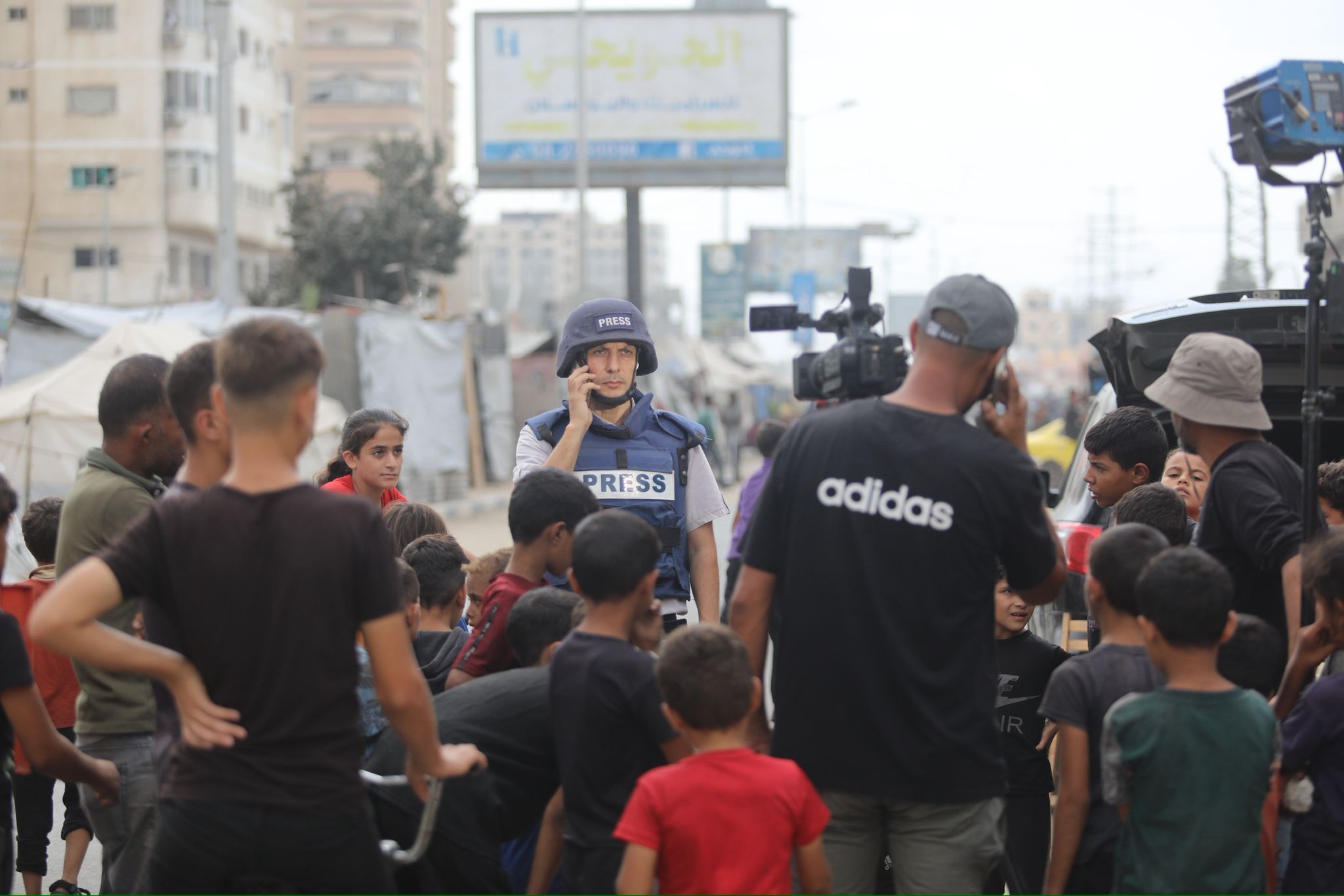
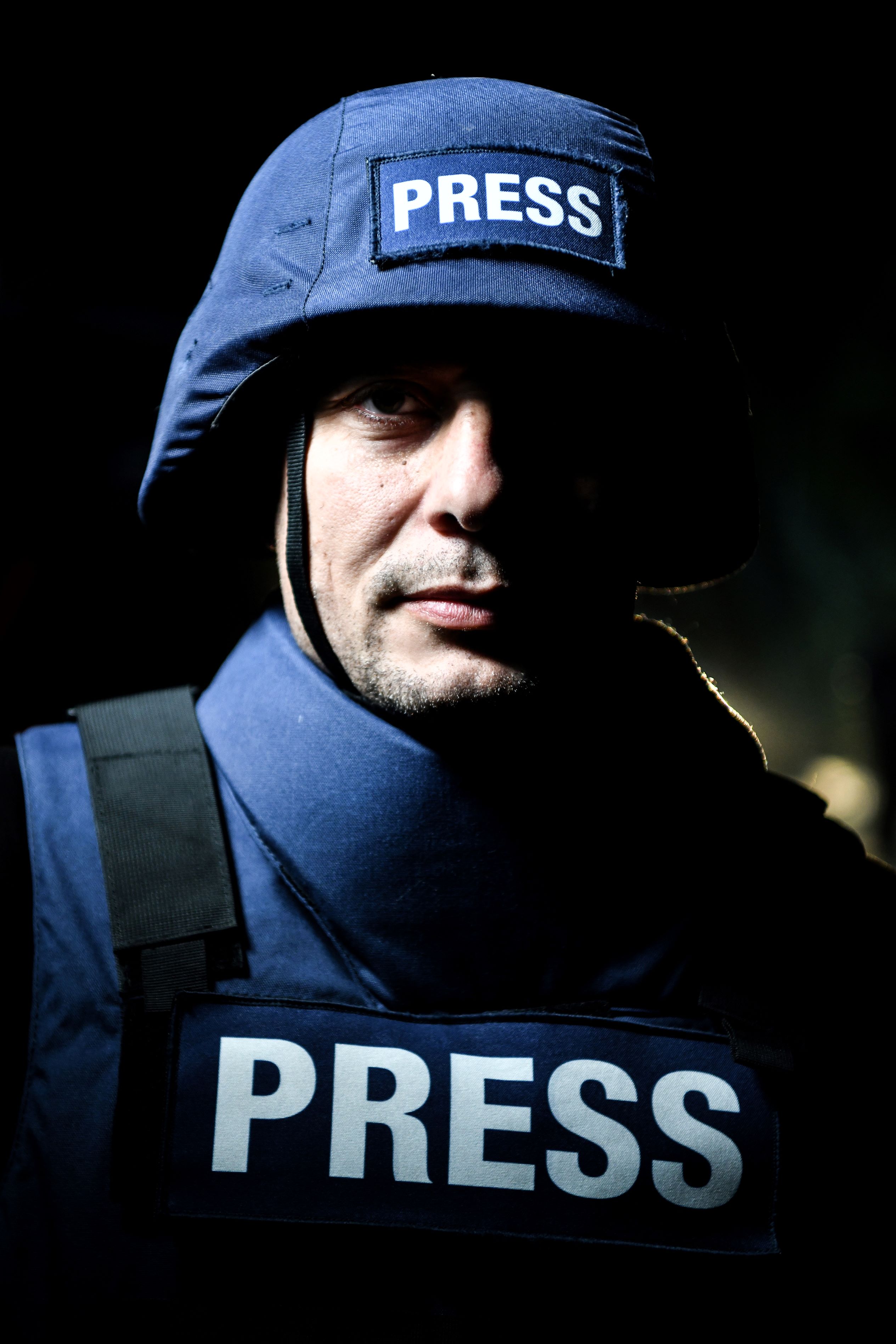
وقد ذهبت الجزيرة الإنجليزية في أحد الأفلام الوثائقية القصيرة أبعد من ذلك؛ فلم تكتف بتقديم البُعد الإنساني في الفيلم الوثائقي "مهمة إنقاذ في غزة" - الذي يرافق أفراد الدفاع المدني خلال يوم واحد، ويبرز كيف تدفعهم إنسانيتهم للاستمرار رغم إدراكهم أن كلّ مَهمّة قد تكون الأخيرة في حياتهم - بل صنعت لاحقا وثائقيا قصيرا عن المصور إبراهيم العطلة الذي رافق رجال الدفاع المدني ليكون جزءا من هذه الحكاية الإنسانية؛ فكان هذا الوثائقي كما كتب في التعريف على اليوتيوب: "تحيّة لرجل خاطر بحياته ليظهر قسوة الواقع كما هو". في نهايته يبكي إبراهيم الذي لم يتحمل ما شاهده من ألم؛ لأنه - كما يقول في الفيلم - تخّيل أن القصف يستهدف والدته، وأن الولد الذي حمله في سيارة الإسعاف بعد أن أنقذه رجال الدفاع المدني هو ابنه، فإبراهيم خلال التصوير لم يكتفِ بدوره مصوّرا، بل شارك في عمليات الإنقاذ.  وهكذا، فإن الفيلم لا يدور حول ما يواجه إبراهيم فقط، بل يُظهر المشاعر التي تسيطر عليه: خوفه وقلقه ولحظات ضعفه وإنسانيته التي تدفعه هو الآخر للاستمرار في نقل معاناة بلده.


للحرب حكاية أخرى

من المبرر أن يتعامل الصحفي مع قصص الناس ضمن إيقاع خبري سريع، وأن يُهمل أدوات السرد الوثائقي ورواية القصص من زاوية أخرى، وتوزيع اللحظات بصريا ودراميا؛ لأن المهمّ في عمله هو حكاية الحرب نفسها، لكن هناك دوما حكاية أخرى للحرب، وهنا تظهر قيمة الوثائقي..

والفيلم الوثائقي يتطلب من صانعه أمورا لا تقتصر على ضرورة وعيه العميق بأن يفكر بعين الصحفي الباحث عن الدقة والمعلومة، وأن يرى بعين المخرج ما لا يراه أحد، وأن يحفّر عميقا وراء الحدث، بل يتطلب - كذلك - صبرا ونفسا أطول في التعامل مع الصور وكيفية إعادة تجميعها ضمن إيقاع بصري وعاطفي للحدث من خلال أبطال قصته. وليس مطلوبا منه أن يبحث عن الأرقام والإحصائيات حتى لا يقع في فخّ التقرير الصحفي، بل إن الإنسان هو همّه الأوّل، وهذا ما يفسّر لماذا تحتاج غرف الأخبار اليوم إلى صُنّاع وثائقيات ينبشون في التفاصيل المخفية بنفس القدر الذي تحتاج فيه إلى صحفيين ومراسلين ميدانيين.

يخبرني صديق لي من غزة أن من أوجُه المعاناة التي يعيشها الكثير من النازحين في الخيام، هي عدم قدرتهم على إسناد ظهورهم على قماش الخيمة. مشكلة قد تبدو بسيطة للكثيرين أمام هول المأسأة الكبرى، لكنها ليست بالسهلة لرجل عجوز أو امرأة حامل أو شاب مريض، وهذه حكاية لن تسمعها في الأخبار، وإن ذُكرت فستمر سريعا في تقرير صحفي عن معاناة النزوح. لكنها في الفيلم ستعيد الاعتبار للإنسان بصفته مركزا للحكاية نعيش معه أدق تفاصيل معاناته.

الفيلم الوثائقي يتطلب من صانعه أمورا لا تقتصر على ضرورة وعيه العميق بأن يفكر بعين الصحفي الباحث عن الدقة والمعلومة، وأن يرى بعين المخرج ما لا يراه أحد، وأن يحفّر عميقا وراء الحدث، بل يتطلب صبرا ونفسا أطول في التعامل مع الصور وكيفية إعادة تجميعها ضمن إيقاع بصري وعاطفي للحدث من خلال أبطال قصته.

الأخبار والتقارير الإخبارية تتلاشى بسرعة؛ ففي كل يوم تحدث مجزرة جديدة تزيح عن الشاشة مجزرة الأمس، لكن الفيلم الوثائقي القصير يعيد لتفاصيل المجازر حقها في الذاكرة، وحقها في أن يظل ضحاياها شهودا على أكبر جرائم الإبادة في العصر الحديث.

الأفلام يمكن أن تحوّل الحدث إلى شهادة إنسانية متكاملة لا تنقل الألم فقط بل طريقة مقاومته، ولا تكتفي بتوثيق ما حصل مع الضحايا، بل تقدّمهم بشرا من لحم ودم تستحق حكايتهم أن تُروى.

في عدد من الأفلام التي خرجت من غزة خلال العامين الماضيين، برزت قدرة الوثائقي القصير على تقديم رواية تواجه بروباغندا الاحتلال وتفكّك روايته المضلِّلة وتقدم سردية توثيقية مضادة بعدسة صُناع أفلام عاشوا هم أيضا الحرب وانعكس ثقلها عليهم، فمثلّت هذه الحرب اختبارا قاسيا لقدرتهم على الاستمرار في التوثيق وسْط الدمار والمعاناة وفي ظل الافتقار إلى الإمكانات الإنتاجية.

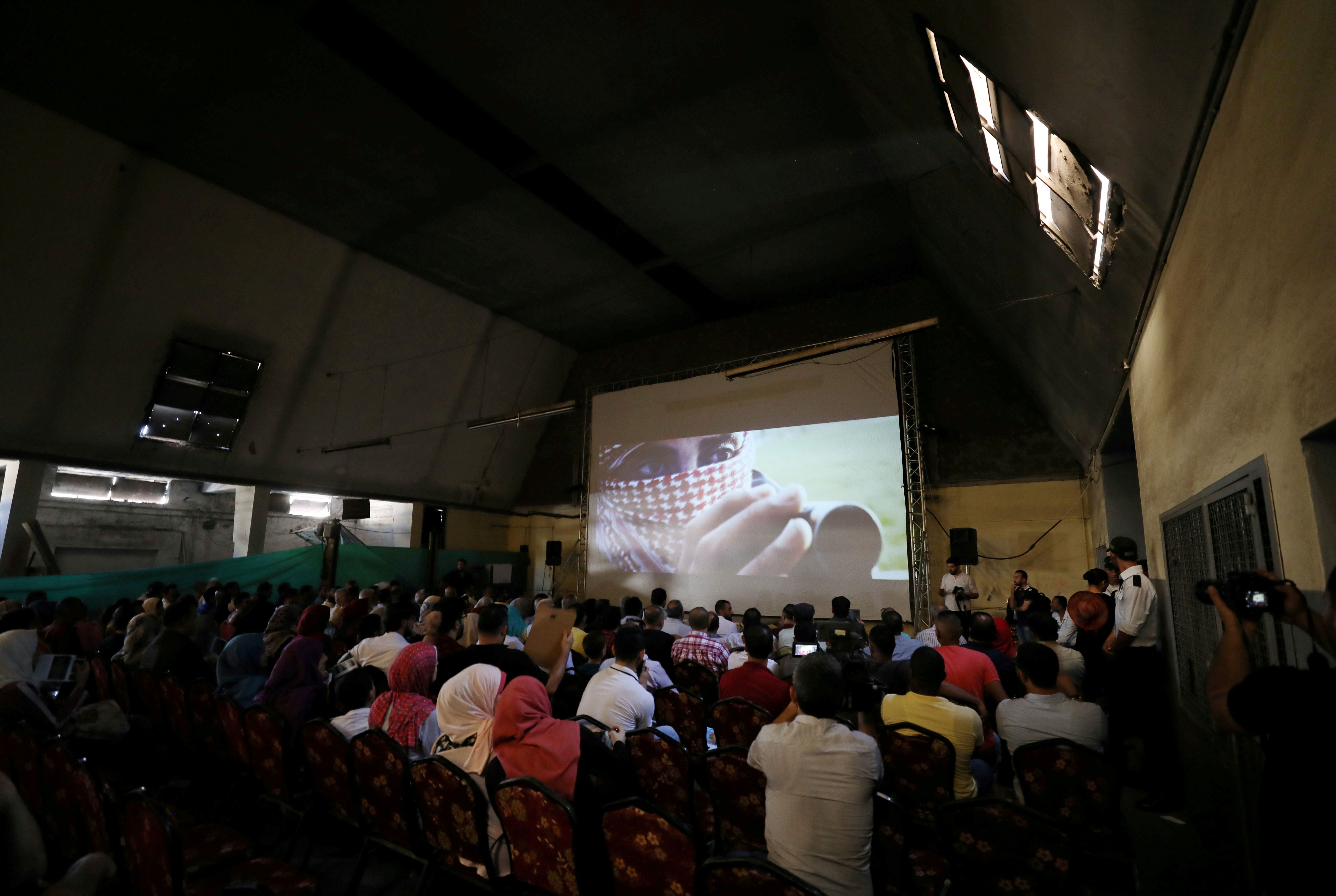
وإسرائيل لم تستهدف الصحفيين فقط، بل طال الاستهداف صانعي الأفلام الوثائقية في محاولة لمنع تشكيل الصورة وبنائها على نحو يخدم الرواية الفلسطينية الكاملة، وللحدّ من انتشارها أيضا، لكن نجح بعضهم من خلال أفلامهم في زيادة موجات التضامن الإنساني مع غزة حول العالم، وشاهدنا كيف غزت العديد من هذه الأفلام العديد من المهرجانات السينمائية.

يخبرني صديق لي من غزة أن من أوجُه المعاناة التي يعيشها الكثير من النازحين في الخيام، هي عدم قدرتهم على إسناد ظهورهم على قماش الخيمة. مشكلة قد تبدو بسيطة للكثيرين أمام هول المأسأة الكبرى، لكنها ليست بالسهلة لرجل عجوز أو امرأة حامل أو شاب مريض، وهذه حكاية لن تسمعها في الأخبار، وإن ذُكرت فستمر سريعا في تقرير صحفي عن معاناة النزوح.


قصة نور طبيل

ضمن محاولة صُناع الأفلام في غزة توثيقَ تفاصيل حرب الإبادة الجماعية، أريد أن أحكي تجربة شخصية، بدأت منذ الأيام الأولى للحرب؛ فعلى مدار عامين عملنا على إنتاج قصص قصيرة لا تتجاوز دقائق معدودة، نسلط فيها الضوء على حكايات الناس، ولا نسعى فيها فقط لتتبع المعاناة، بل للتنقيب وراء الصورة، وكانت اللمسات الفنية الوثائقية حاضرة - كما هي اللحظات الإنسانية - في التصوير وفي المونتاج وفي الإخراج، وكذلك في زاوية التناول التي ابتعدت قدر الإمكان عن الحبكة التقليدية للتقارير الإخبارية.

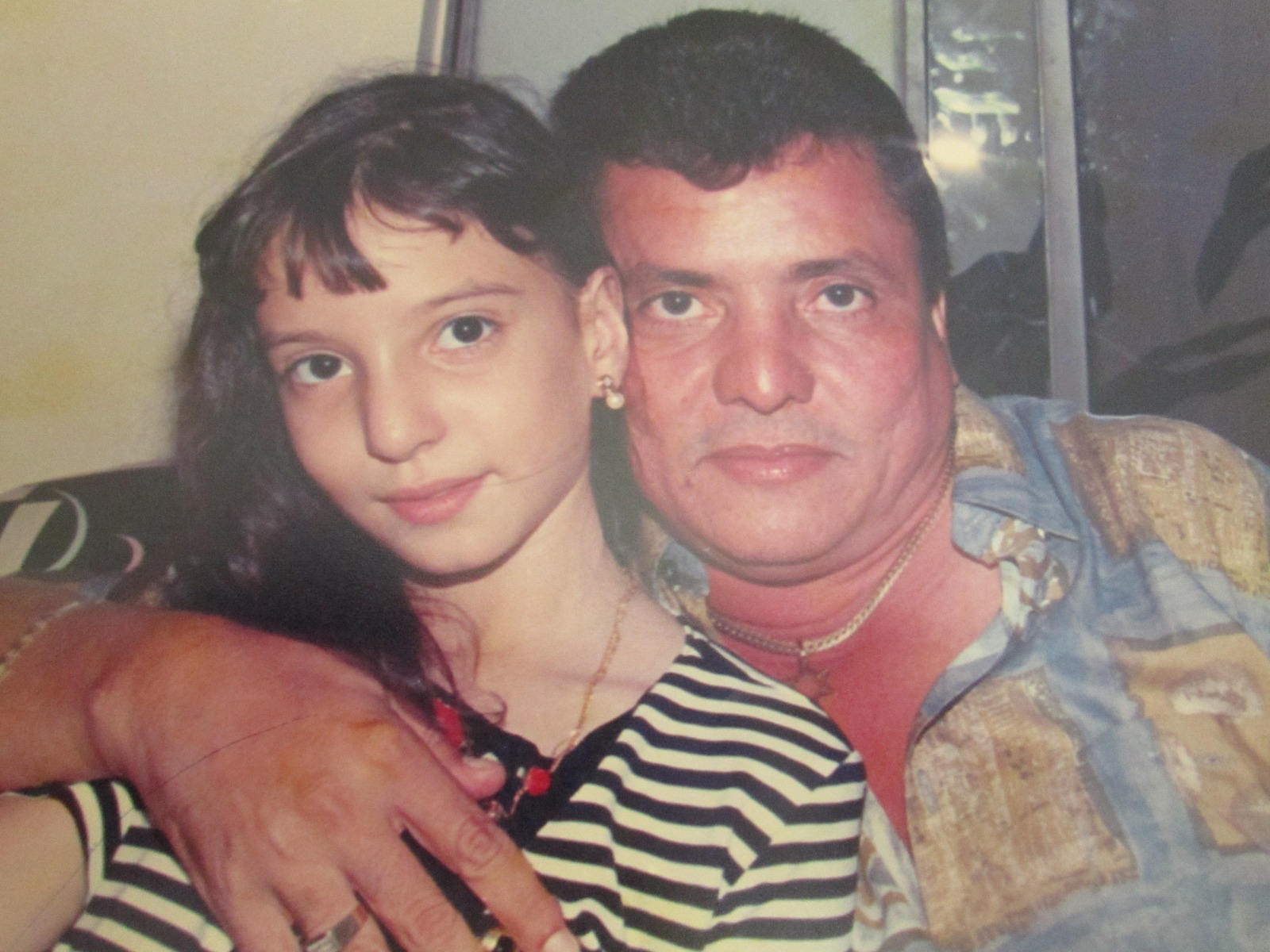
في قصة الطفلة نور طبيل (5) ذات الأعوام التسعة التي كانت بمثابة العيون والآذان لوالديها الأصمَّين، ومنقذتهما عند اقتراب صوت الخطر، لم يكن اللافت دورها فقط في إرشادهما إلى الأمان، بل أيضا ما قالته خلال اللقاء: إنها كانت تخفي خوفها أثناء القصف لتطمئنهما وتساعدهما في العثور على مكان آمن. حضور نور أمام الكاميرا كان مؤثرا، وقدرتها على التعبير عن مشاعرها رغم صغر سنها لافتة واستثنائية.

هذه القصة التي عرضت وقدمت العالم الذي تعيش فيه نور، فتح الباب أمام تناولها في فيلم وثائقي أطول، يحكي عن نور الطفلة التي كبرت قبل أوانها بصفتها بطلة الحكاية.


أرشيف الذاكرة ووثيقة إدانة

الأفلام الوثائقية القصيرة يُمكن أن تتحول أيضا إلى وثائق إثبات وإدانة للاحتلال الذي كان يمارس القتل يوميا أمام أنظار العالم كله، وما يُميزها عن الخبر أو التقرير أن الشهادات فيها أعمق وأقوى ويمكن أن تؤسس لأرشيف حقوقي بصري يسهم أيضا في بناء الذاكرة الجمعية الفلسطينية، وهي ليست مجرد مقاطع صغيرة تُصاغ بإيقاع سريع تُشبه تلك المقاطع التي تُنتج لصالح المنصات الرقمية ويُختزل فيها المحتوى بكتابته على الشاشة وموسيقى مشوقة ورسائل فورية لتصبح أشبه بالوجبات الإعلامية السريعة التي يبتلعها الجمهور في دقائق وقد ينساها بعد ساعات، وإن كان ذلك لا يلغي أهمية هذه المقاطع؛ لما تمتاز به من تكثيف للمحتوى وإبقاء القضية حاضرة على الدوام، إلا أن الطابع العام فيها سيطغى لاحقا على الطابع الإنساني الخاص، بفعل كثرة المواد وتشابهها، فلا يبقى في الذاكرة سوى بعض الحكايات التي حظيت بترويج أكبر من غيرها.

في المقابل، فإن الفيلم الوثائقي القصير يقاوم هذا النمط السريع فلا يلهث وراء المشاهدات والإعجابات، بل يمنح المتلقي وقتا للتأمل، ويجعله شريكا في التفكير لا مجرد متفرج على المأساة، وهو صالح للعرض في كل زمان ومكان يمكن أن يستعيد الحضور أمام سطوة السرعة، مع الأخذ بعين الاعتبار أن من وظائف الفيلم الوثائقي هو أن يفسر لا أن يثير التعاطف فقط، مع عدم إغفال الكرامة الإنسانية للضحية بالانجرار وراء استثمار المعاناة بصريا دون سياق يوضح الأسباب ومن يتحمل مسؤولية هذا الألم الذي نراه في الصورة.

الخبر يُبقي الحدث حاضرا وحيا، أما الوثائقي فيمنحه حياة أطول ومعنى أعمق، ولعل وجود فريق وثائقي متعاون مع غرف الأخبار يمكن أن يخلق توازنا بين اللحظة والذاكرة التي يجب أن تُحفظ، فوظيفة الإعلام لا تقتصر على الإخبار، بل أيضا على الفهم والتوثيق، وبمعنى آخر، فإن الفيلم الوثائقي القصير هو الامتداد الطبيعي للخبر في بعده الإنساني.


امتداد الخبر في بعده الإنساني

تجربة الحرب على غزة كشفت أن الدمج بين الوثائقي والتغطية الإخبارية ليس ترفا بل ضرورة مهنية. وهو ليس منافسا للتغطية الإخبارية بل مكمل لها.

الخبر يُبقي الحدث حاضرا وحيا، أما الوثائقي فيمنحه حياة أطول ومعنى أعمق، ولعل وجود فريق وثائقي متعاون مع غرف الأخبار يمكن أن يخلق توازنا بين اللحظة والذاكرة التي يجب أن تُحفظ، فوظيفة الإعلام لا تقتصر على الإخبار، بل أيضا على الفهم والتوثيق، وبمعنى آخر، فإن الفيلم الوثائقي القصير هو الامتداد الطبيعي للخبر في بعده الإنساني.
وفي زمن تتسارع فيه الأخبار وتبهت التفاصيل، يبقى الوثائقي القصير هو الفن الذي يعيد للصحافة التلفزيونية معناها الأول: أن تكون شهادة على الإنسان، لا على الحدث فقط، وعلى الحقيقة حتى لا تتحول إلى مجرد مشهد عابر.
More Articles

Reporting Under Fire: The Struggle of African Journalists Facing Intimidation

African journalists who expose corruption and power now face a brutal mix of arrests, torture, digital surveillance, and lawsuits meant to drain their resources and silence them. From Ethiopia, Nigeria, Malawi, Benin, Sudan, Uganda, and Kenya to exile in Canada, reporting the truth has become an act of personal survival as much as public service.
Nigerian freelance Journalist John Chukwu
John Chukwu Published on: 4 Dec, 2025
Shipwrecked Narratives: How to Keep Migration Stories Afloat

Migration stories don’t become real until you meet people in the journey: the carpenter carrying photos of his fantasy coffins, or the Libyan city worker burying the forgotten dead, or the Tatar woman watching her livelihood collapse at a militarised border. Following these surprising human threads is the only way journalism can cut through collective exhaustion and make readers confront a crisis they’ve been trained to ignore.

Karlos Zurutuza, a freelance journalist and a media trainer. His work has been published in The Guardian, Al Jazeera English, POLITICO, The Middle East Eye and The Independent, among others.
Karlos Zurutuza Published on: 30 Nov, 2025
What It Means to Be an Investigative Journalist Today

A few weeks ago, Carla Bruni, wife of former French president Nicolas Sarkozy, was seen removing the Mediapart logo from view. The moment became a symbol of a major victory for investigative journalism, after the platform exposed Gaddafi’s financing of Sarkozy’s election campaign, leading to his prison conviction. In this article, Edwy Plenel, founder of Mediapart and one of the most prominent figures in global investigative journalism, reflects on a central question: what does it mean to be an investigative journalist today?

Edwy Plenel
Edwy Plenel Published on: 27 Nov, 2025
A Sudanese Journalist in the Grip of the Rapid Support Forces

She was arrested, tortured, nearly raped, threatened with death, and subjected to degrading abuse. Her brother was brutally mistreated in an effort to locate her. In the end, her family had to pay a ransom to secure her release. She sought refuge abroad, but eventually returned to Sudan to continue documenting the war’s toll, particularly in El Fasher, a city now under siege. This is the harrowing account of a Sudanese journalist detained and tortured by the Rapid Support Forces.

Empty screen
Sudanese Female Journalist Published on: 3 Nov, 2025
Zapatismo and Citizen Journalism in Chiapas, Mexico

In Chiapas, independent journalists risk their lives to document resistance, preserve Indigenous memory, and challenge state and cartel violence. From Zapatista films to grassroots radio, media becomes a weapon for dignity, truth, and survival.

Ana Maria Monjardino
Ana Maria Monjardino Published on: 26 Oct, 2025
Journalists Under Occupation; Palestinian Journalists in the West Bank

Palestinian journalists in the West Bank face extreme physical danger, psychological trauma, and systemic targeting under Israeli occupation, yet continue to report with resilience, amplifying the voices of their people despite global indifference and media bias.

Synne Furnes Bjerkestrand
Synne Bjerkestrand Published on: 13 Oct, 2025
The Silent Death of Urdu Newspapers in India

With a 200-year history, Urdu newspapers in India are now facing a silent death—trapped in a cycle of decline where circulation has fallen by nearly 25%, advertising is absent, and government support is scarce. What vanishes is more than print: it is the erosion of a cultural and political lifeline that once bound Hindus, Muslims, and Sikhs in common debates and carried the voices of the marginalised into India’s public sphere.

Hanan Zaffa
Hanan Zaffar, Majid Alam Published on: 1 Oct, 2025
Why Are Young Journalists in Kashmir Quitting Before They Begin?

In Kashmir, mounting censorship, political pressure, and shrinking job prospects are forcing a generation of aspiring journalists to abandon the profession, many before they even get the chance to begin, leaving behind a media landscape stripped of dissent, debate, and independent voices.

Abrar Fayaz, Muqeet Mohammed Shah Published on: 23 Sep, 2025
Sudan’s Journalists Are Being Silenced: By Bullets, Exile, and Fear

The collapse of the media industry in Sudan has subjected journalists to physical threats, legal and professional challenges, with no functioning legal system to investigate crimes committed against the press.

Nalova Akua
Nalova Akua Published on: 17 Sep, 2025
Nepali Journalists Trapped Between “GenZ” Protest and State Crackdowns

Nepali journalists are under attack on two fronts: facing violence from protesters in the streets while also being targeted by government crackdowns, restrictive laws, and political interference that threaten press freedom.

Sumaiya Ali
Sumaiya Ali Published on: 12 Sep, 2025
I Don’t Want You to Be a Journalist, Mama”. Do Gaza’s Journalists Have the Luxury of Absence?

Does the Palestinian journalist in Gaza have the freedom to simply “step away”? How do they navigate the balance between their professional responsibilities and their family life? And to what extent does the duty to report justify the personal cost of being separated from one’s loved ones? Journalist Jenin Al-Wadiya sheds light on the deeply human details that rarely make it to the screen.

Jenin Al-Wadiya
Jenin Al-Wadiya Published on: 31 Aug, 2025
Intersections of Journalism and Social Sciences in the Field

The field is where journalism and the social sciences meet at their most dynamic edge. As the world grows more complex, journalists increasingly take on the role of sociologists, without abandoning their core mission to question power and expose uncomfortable truths. By drawing on the methods and insights of social science, journalism deepens its coverage, grounds stories in real-world contexts, and resists the temptation of surface-level narratives.

Mohammed Ahddad
Ahdad Mohamed Published on: 23 Aug, 2025
New Media Reforms in Bangladesh Introduced to Replace Hasina-Era Journalism

Bangladesh’s interim government, led by Muhammad Yunus, has launched ambitious media reforms to undo the legacy of Sheikh Hasina’s 15-year rule, which was marked by censorship, media monopolies, and the notorious Digital Security Act. However, despite promises of greater freedom, journalists remain wary, as self-censorship, restrictive laws, and public scepticism continue to cast doubt on genuine change.

Sumaiya Ali
Sumaiya Ali Published on: 17 Aug, 2025
Canadian Journalists for Justice in Palestine: A Call to Name the Killer, Not Just the Crime

How many journalists have to be killed before we name the killer? What does press freedom mean if it excludes Palestinians? In its latest strike, Israel killed an entire Al Jazeera news crew in Gaza—part of a systematic campaign to silence the last witnesses to its crimes. Canadian Journalists for Justice in Palestine (CJJP) condemns this massacre and calls on the Canadian government to end its complicity, uphold international law, and demand full accountability. This is not collateral damage. This is the targeted erasure of truth.

Samira Mohyeddin
Samira Mohyeddin Published on: 14 Aug, 2025
Monitoring of Journalistic Malpractices in Gaza Coverage

On this page, the editorial team of the Al Jazeera Journalism Review will collect news published by media institutions about the current war on Gaza that involves disinformation, bias, or professional journalistic standards and its code of ethics.

A picture of the Al Jazeera Media Institute's logo, on a white background.
Al Jazeera Journalism Review Published on: 11 Aug, 2025
Anas Al Sharif; Killed by Israel, but His Final Words Will Echo far Beyond His Death

For over a year and a half, Anas Jamal al-Sharif refused to leave northern Gaza, documenting the destruction and loss that others tried to hide. Tonight, Israel silenced his voice, but his final words, written on April 6, will echo far beyond his death.

Al Jazeera Journalism Review
Al Jazeera Journalism Review Published on: 11 Aug, 2025
The Human Story in Gaza: The Deadly Dilemma of “Who Do We Tell About?”

In the accelerating context of genocide, is the “pace” of death in Gaza outstripping journalists’ ability to capture human stories? How can they be expected to take their time crafting narratives amid hunger, displacement, and death? And to what extent can postwar documentation hold journalistic value in preserving collective memory and pursuing accountability for the perpetrators?

Mirvat Ouf
Mirvat Ouf Published on: 3 Aug, 2025
The Battle to Keep Journalists Alive in Gaza

Hungry journalists covering the story of starvation in Gaza, surviving on salt to stay alive, selling their work equipment to secure a “sack of flour” for their children, shedding the “shame” of publicly asking for food, and enduring the harshest media environment just to maintain “continuous coverage”.

Mona Khodor
Mona Khodor Published on: 26 Jul, 2025
Balancing Productivity and Privacy: How Female Journalists Use AI Chatbots

Female journalists in Jordan are harnessing AI chatbots to boost productivity, enhance digital safety, and find emotional support, but their growing reliance also raises critical concerns about privacy, ethics, and the responsible use of emerging technologies in journalism. This article explores how these tools are reshaping their workflows while navigating the challenges of trust and accountability.

Afnan Abu Yahia
Afnan Abu Yahia Published on: 20 Jul, 2025
In the War on Gaza: How Do You Tell a Human Story?

After nine months of genocidal war on Palestine, how can journalists tell human stories? Which stories should they focus on? And does the daily, continuous coverage of the war’s developments lead to a “normalisation of death”?

Yousef Fares
Yousef Fares Published on: 8 Jul, 2025
How Much AI is Too Much AI for Ethical Journalism

As artificial intelligence transforms newsrooms across South Asia, journalists grapple with the fine line between enhancement and dependency

Saurabh Sharma
Saurabh Sharma Published on: 1 Jul, 2025
How to Tell the Stories of Gaza’s Children

Where does compassion end and journalism begin? How can one engage with children ethically, and is it even morally acceptable to conduct interviews with them? Palestinian journalist Reem Al-Qatawy offers a profoundly different approach to human-interest reporting. At the Hope Institute in Gaza, she met children enduring the harrowing aftermath of losing their families. Her experience was marked by intense professional and ethical challenges.

Rima Al-Qatawi
Rima Al-Qatawi Published on: 26 Jun, 2025
How Is Western Media Framing the Famine Catastrophe in the Gaza Strip?

Can the media subject the issue of famine in Palestine to so-called professional balance even after UN agencies and the International Court of Justice have acknowledged it? Why have many Western media outlets avoided precise legal and ethical terms such as “famine” or “starvation,” opting instead for vague expressions like “food shortage” or “nutrition crisis”? Doesn’t this practice reflect a clear bias in favor of the Israeli narrative and serve to justify the policy of “systematic starvation”?

Fidaa Al-Qudra
Fidaa Al-Qudra Published on: 23 Jun, 2025
Newspapers: An Industry Adapting to Survive Through Digital Transformation

As digital transformation reshapes the media landscape, newspapers in Cameroon are navigating unprecedented challenges and opportunities. This evolution compels them to adapt their strategies to engage a new generation of readers amidst fierce online competition, decreasing government subsidies, and a decline in print sales.

Akem
Akem Nkwain Published on: 16 Jun, 2025