من الخبر إلى التوثيق.. دروس عملية من تغطية الحرب على غزة

من الخبر إلى التوثيق.. دروس عملية من تغطية الحرب على غزة

 حين نسأل كيف غطينا الحرب على قطاع غزة في ظل كل ما يحيط بنا من ظروف قاسية واستهداف مباشر، وسعي الاحتلال لمنع خروج أي صوت أو صورة من القطاع، فإن السؤال لا يتعلق بالتقنيات الصحفية بقدر ما يتعلق بفلسفة البقاء؛ فخلال أكثر من سبعمئة يوم، خضنا أطول تغطية صحفية متواصلة في التاريخ الحديث شهوداً فضلا عن كوننا صحفيين.
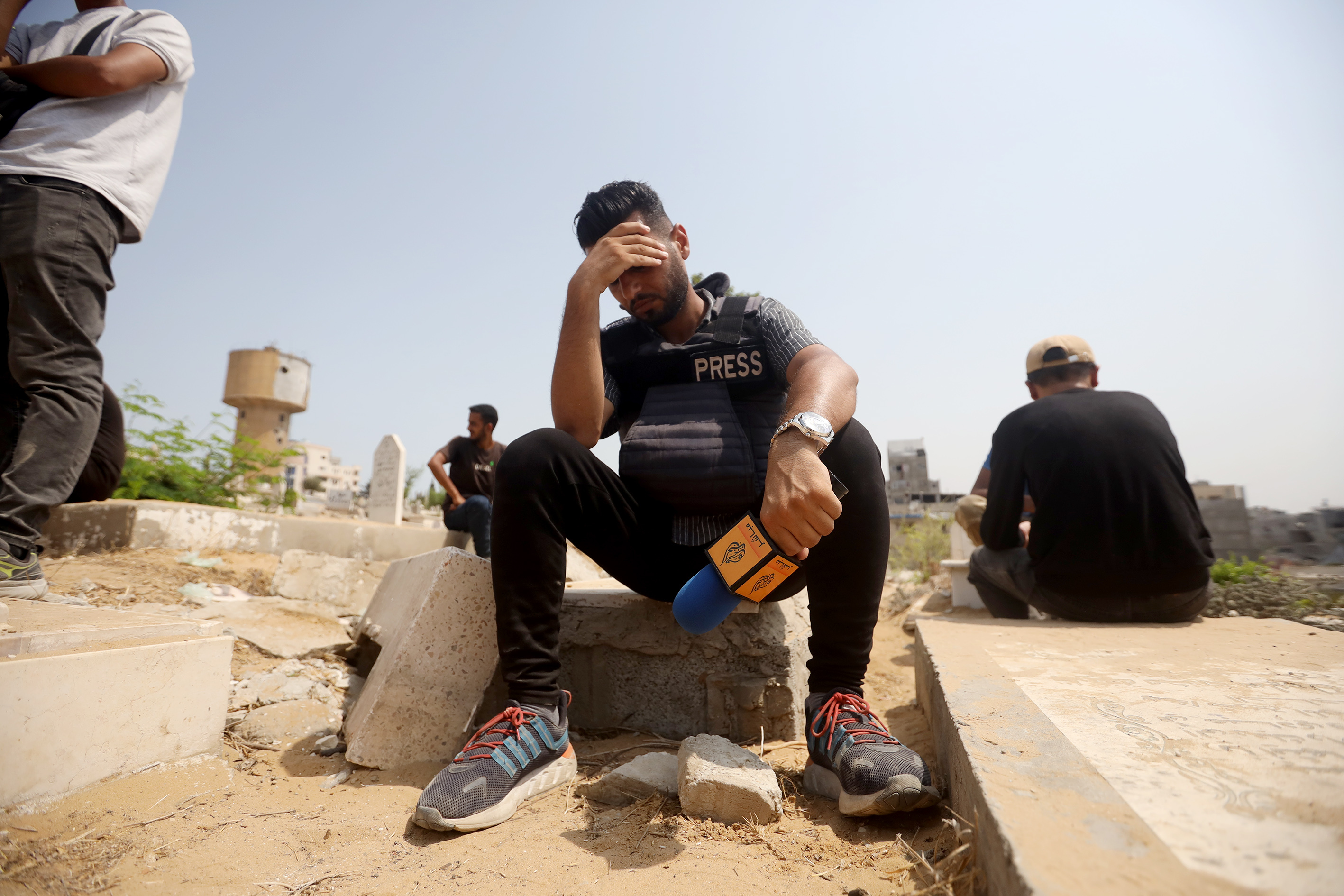
وخلال هذه الحرب مررنا بتجارب فريدة، وطورنا خبراتنا للبقاء على قيد الحياة ومواصلة العمل، في وقت كنا نفقد كل يوم زميلا صحفيا، حيث قتل الاحتلال منهم أكثر من 255 صحفيا بشكل ممنهج وتحريض مسبق لأنهم شهود الحقيقة.
وها أنا اليوم أكتب جزء من تجربتي العملية التي عشت فصولها على مدار عامين في غزة.


شهود على الإبادة
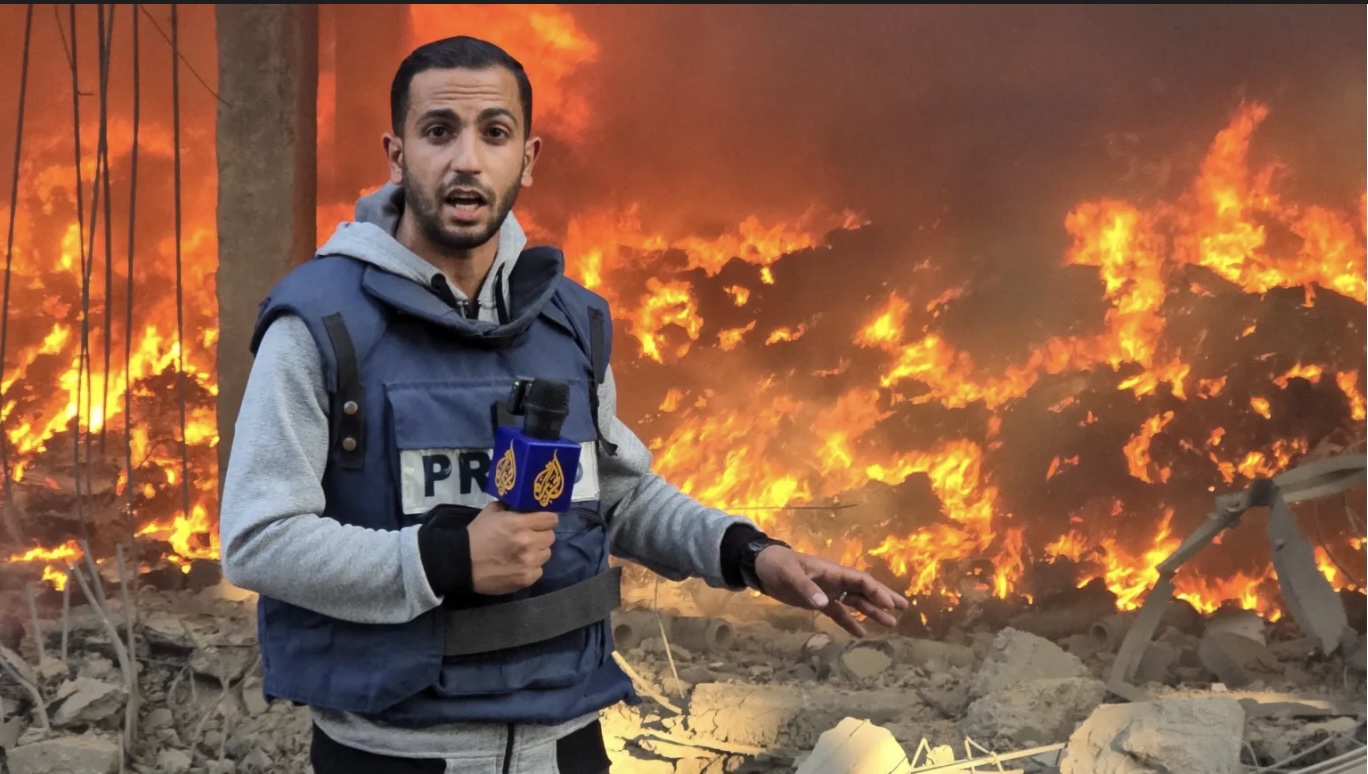
منذ البدء بالحرب على غزة، كنا نتنقل بين الشوارع لرصد القصف ونقل الحدث، ولكن مع تحول الاحتلال يوماً بعد آخر إلى إبادة كل ما في غزة، تغير الهدف، ولم يعد السبق مهماً بقدر ما كان التوثيق هو الأهم، وبات دور الصحفي توثيق حدث تاريخي، وشهادات شعب يباد.
هذا التحول هو حجر الزاوية في تغطية الحروب الممتدة، إنه التحول من السؤال ماذا حدث اليوم؟ إلى كيف سأوثق ما حدث لاستخدامه كدليل إدانة، ومن أجل هذه المهمة اشتغل صحفيو غزة بناء على مجموعة من التدابير الجديدة.
كان لزاماً علينا تجاوز إحصائيات الضحايا؛ ففي هذا النوع من التغطيات، تأسرنا الأرقام وتوقعنا في فخ يجرّد الحدث من إنسانيته، ولذا كان العمل الأهم هو مقاومة تحويل الضحايا إلى مجرد أرقام، وذلك عبر ذكر أسمائهم وقصصهم والبحث عن تفاصيل استشهادهم.
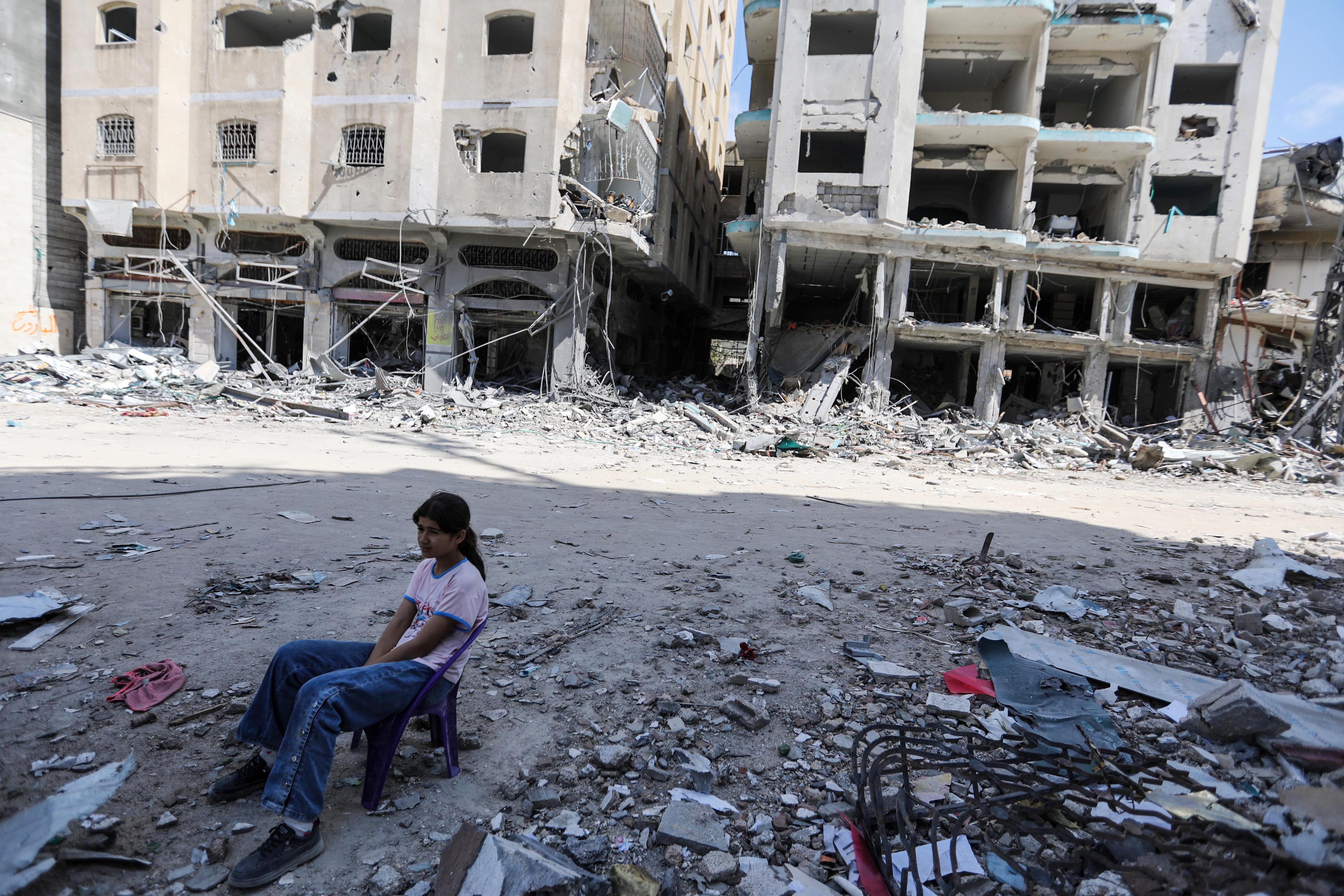
وانتقل تركيزنا إلى البحث عن التفصيل الصغير الذي يروي القصة كاملة، وعدم الاكتفاء باللقطات الواسعة للدمار، والبحث عن تفاصيل تكسر حاجز الاعتياد وتجبر المشاهد على التفكير، أدركنا ضرورة ألا نوثق الدمار فحسب، بل نوثق الحياة كذلك، حياة ما قبل الحرب والدمار، كنا نعرض صور وفيديوهات لقطاع غزة قبل الحرب، جنباً إلى جنب مع مشهد الركام، فهذا التناقض له أثر قوي ويرسخ في ذاكرة المشاهد.
الأهم من ذلك كله، هو التعامل مع الفيديوهات على أنها دليل، فعند تصوير موقع القصف، كنا نحرص على توثيق المكان والزمان بدقة، وتصوير بقايا الأسلحة والصواريخ المستخدمة، وشهادات المصابين والناجين من عمليات القصف، هذا الإجراء يحول المادة المصورة أو البث المباشر من مادة إخبارية إلى وثيقة أو دليل.

 كان لزاماً علينا تجاوز إحصائيات الضحايا؛ ففي هذا النوع من التغطيات، تأسرنا الأرقام وتوقعنا في فخ يجرّد الحدث من إنسانيته، ولذا كان العمل الأهم هو مقاومة تحويل الضحايا إلى مجرد أرقام، وذلك عبر ذكر أسمائهم وقصصهم والبحث عن تفاصيل استشهادهم.


السلامة أولا

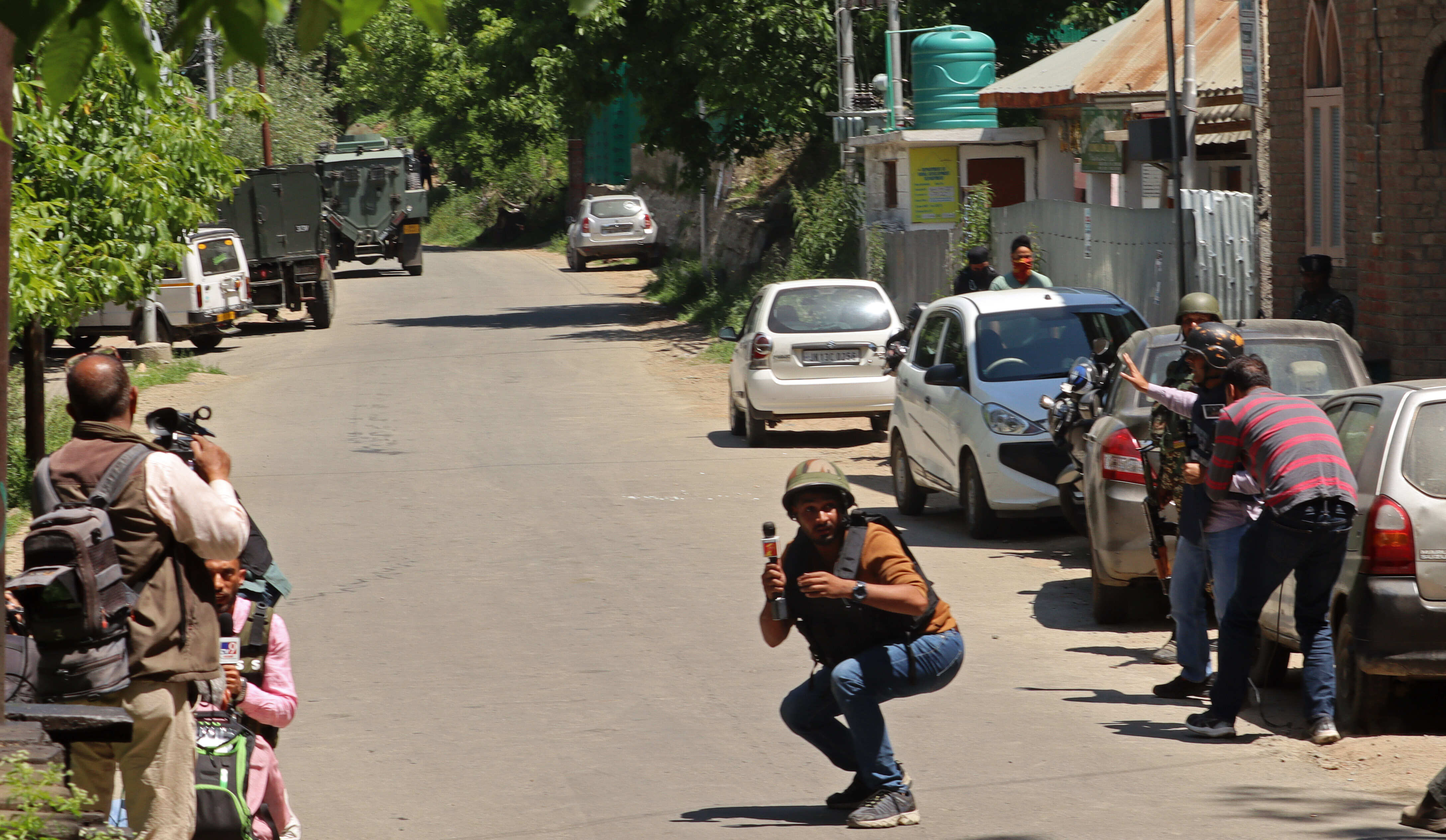
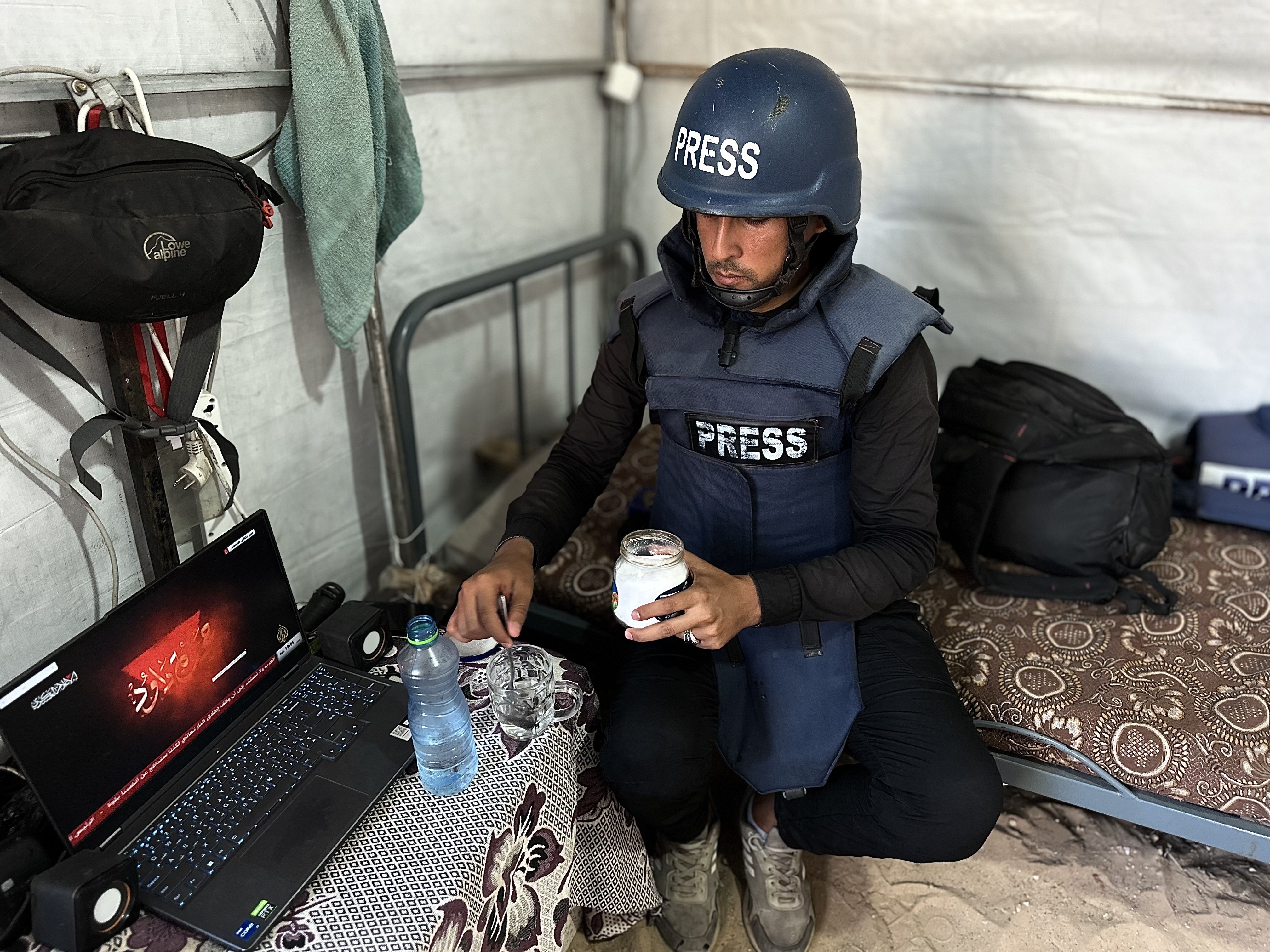
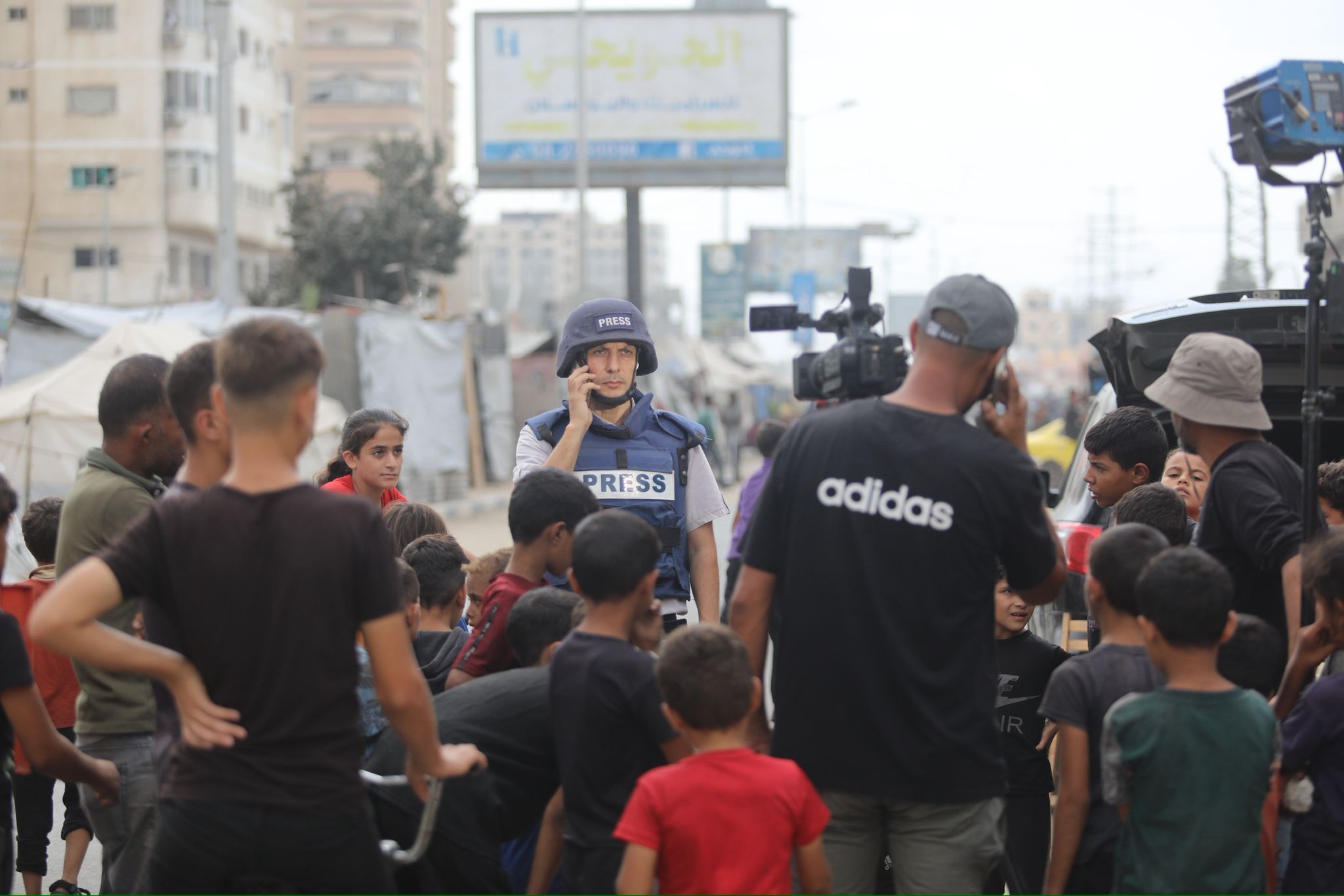
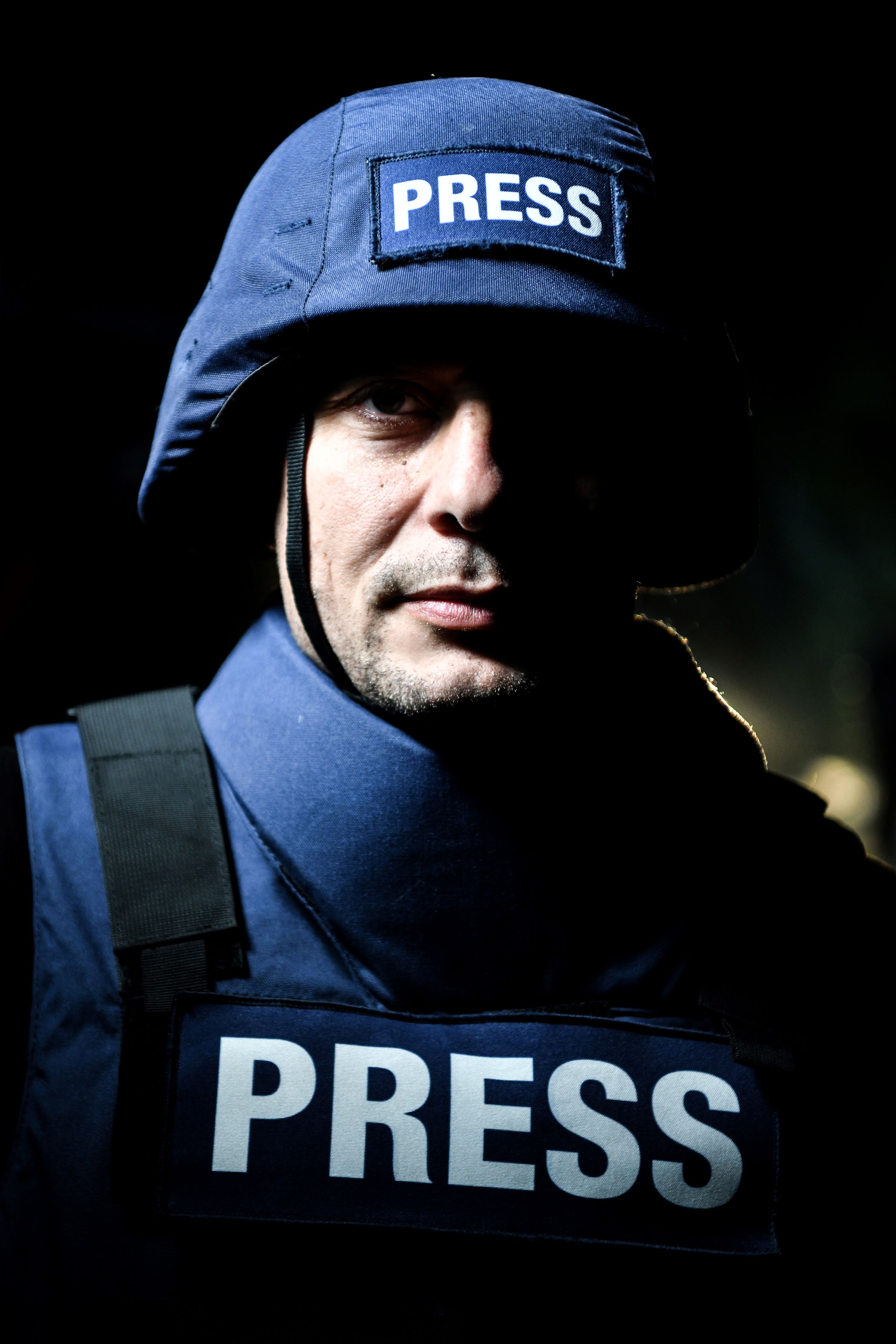
عند الحديث عن السلامة المهنية، فأنت تتحدث عن شيء مفقود، ففي غزة لم يكن هناك مكان آمن، بل إن قوات الاحتلال تجاوزت كل الخطوط الحمراء، فقصفت المستشفيات ودور العبادة، وكل المؤسسات حيوية كانت أم صحفية، بل استهدفت الطواقم الطبية والدفاع المدني والصحفيين، وباتت السترة والخوذة مجرد رموز لا تمثل أي حماية للصحفيين، بل إن التجربة بينت أن ارتداءها قد يشكل خطرا عليك أكثر من أنها وسائل للحماية.

لذا أدركنا أن السلامة الحقيقية تكمن في الحالة الذهنية، لا في المعدات، وبات من المهم للبقاء على قيد الحياة، إفراد بعض الوقت للتخطيط، والتحليل الميداني، والعمل على الانضباط الصارم. تطلب هذا الأمر فهم الوعي الظرفي الذي يشير إلى القدرة على فهم ما يحدث حولك، وتفسير معاني تلك المعلومات، والتنبؤ بما قد يحدث في المستقبل القريب، ويشمل ذلك مراقبة البيئة باستمرار، والانتباه، وتقييم الوضع، وقد كان ذلك من خلال قراءة ما يدور حولنا، وسؤال السكان المحليين باستمرار، أو سائقي الإسعاف ورجال الدفاع المدني، لكن الصحفي يجب أن يشك دائماً ويتساءل، هل الشوارع فارغة بشكل غير معتاد؟ هل تحليق الطائرات المسيرة مختلف هذه المرة؟ هل صوت الطائرات المسيرة أعلى؛ مما قد ينبئ بغارة؟ هذه كلها مؤشرات خطر قد تسبق القصف أو عمليات التوغل.

ويضاف إلى ذلك، استيعاب أن الظروف الميدانية تتغير باستمرار، فالطريق الذي تتجه منه لمكان ما، قد لا يكون سالكا للعودة، والتنقل في ساعات المساء ليس خيارا متاحا، وما تجده اليوم في السوق أو ما هو متوفر من معدات لن يكون متاحاً غداً في ظل الحصار الإسرائيلي المطبق على القطاع، فلا تؤجل شيئاً للغد وتوقع أن يحدث الأسوأ، وأنجز جميع مهامك اليوم.
نتيجة لذلك، حرصنا على ألا نضع كل معداتنا في سيارة واحدة أو حتى في مكان واحد، سواء كان ذلك خيمة أو مكتبا أو سيارة، كنا نوزعها على أفراد الفريق وفي مواقع مختلفة، وهذا يضمن أنه في حال تعرض جزء من الفريق للاستهداف، يمكن للجزء الآخر الاستمرار في العمل.
ولأن استمرار التغطية مرتبطة أيضا بتوفير مقومات الحياة، وليس المعدات وبالتالي يجب على الفريق أن يخطط لتخزين كميات كافية من الغذاء والماء والوقود والعلاج، والأهم، القدرة على نقل هذه الكميات، ففي الحروب الطويلة، يصبح تأمينها جزءا من العمل الصحفي.
ولعل النقطة الأهم في منظومة السلامة هذه، هي ضرورة وجود قائد للفريق، فالديمقراطية في لحظات الخطر تساوي الموت، فاختلاف الآراء حول هل ننسحب الآن أم ننتظر يمكن أن يكون الفارق بين الحياة والموت، ويجب الاتفاق على القائد مسبقاً، والاتفاق كذلك على أن قراره يجب أن يطاع فوراً وبدون نقاش في لحظة الخطر، ويأتي النقاش لاحقاً بعد العودة إلى منطقة آمنة.

أدركنا أن السلامة الحقيقية تكمن في الحالة الذهنية، لا في المعدات، وبات من المهم للبقاء على قيد الحياة، إفراد بعض الوقت للتخطيط، والتحليل الميداني، والعمل على الانضباط الصارم.


أخلاقيات صحفية تحت النار

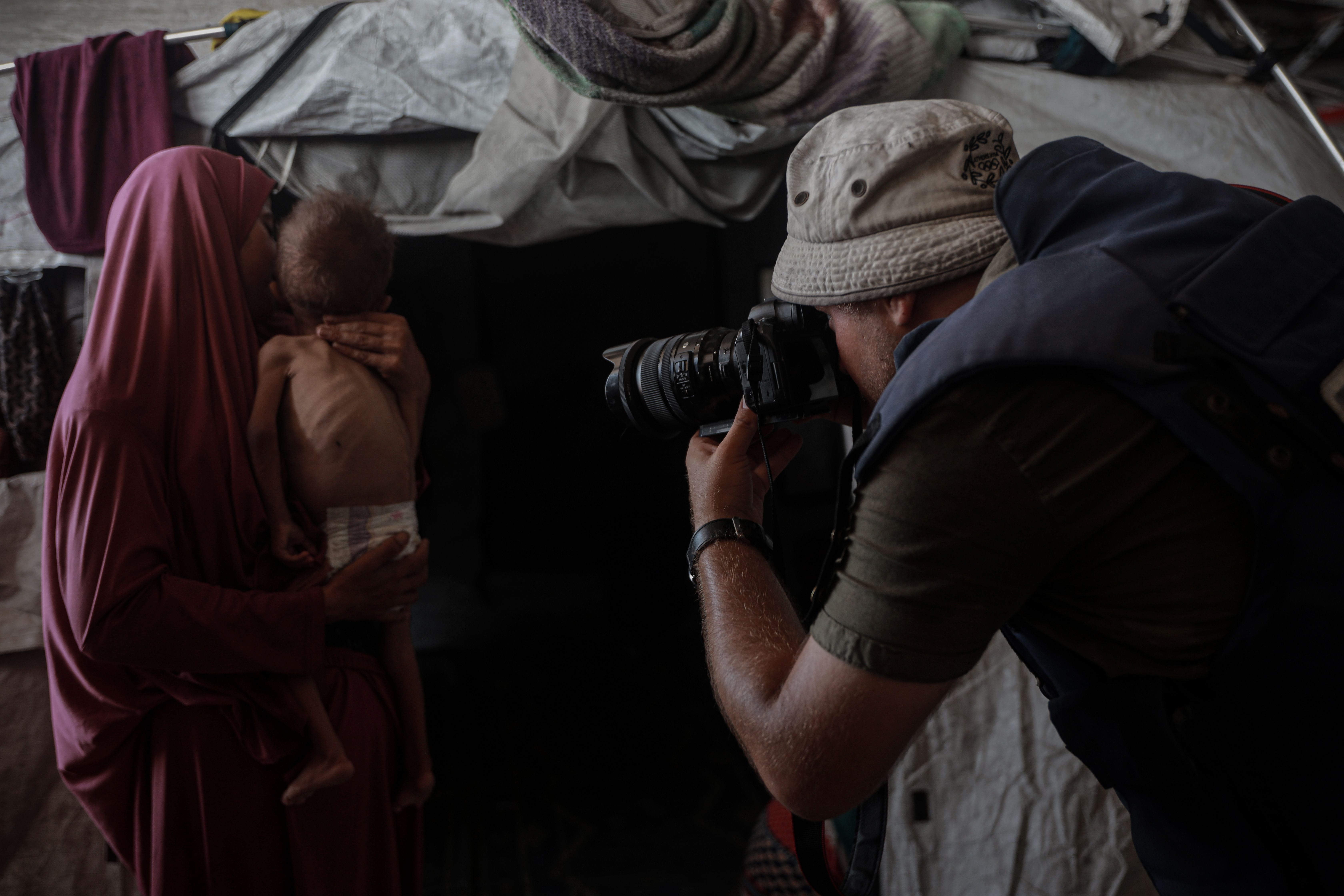
خلال الحرب على غزة، الشهداء والمصابون ليسوا غرباء، هم جيران، أصدقاء، وأحيانا أفراد من العائلة، وبالتالي، فإن مفهوم أخلاقيات الصحافة والموضوعية، قد يكون مختلفا ونسبيا ويسري عليها عدة اعتبارات. ولعل القاعدة الأسمى هي أن كرامة الضحية فوق كل اعتبار، حيث كنا نتساءل دائماً، هل تصوير هذا الوجه الدامي ضروري للقصة، أم أنه مجرد استغلال للصدمة؟ وهل هذا المشهد يوثق الجريمة، أم ينتهك كرامة الضحية؟

لهذا، بدلا من التركيز على ملامح الضحية، ركزنا على تفاصيل المشهد كاملة: المسعفون ورجال الدفاع المدني يعملون بتفانٍ لإنقاذ الأرواح، الشهداء والمصابون يُنقلون بوسائل بدائية، والدمار الواسع الناتج عن استخدام صواريخ ضخمة. كان ذلك، في رأينا، توثيقًا للجريمة بشكل أعمق وأقوى، من دون استغلال الألم الإنساني الفردي.

وحتى في خضمّ الحدث، كانت هناك طريقة للحصول على الموافقة عبر الاقتراب دون تصوير مسبق؛ فمجرد نظرة عين أو إيماءة كانت كافية للبدء بالتصوير. وفي المقابل، كان التوقف عن التصوير واجبا فوريا إذا طلب ذلك من المصابين أو من أهالي المنطقة التي تعرضت للقصف، أو حتى داخل المستشفى؛ لأن إنسانية الصحفي جزء لا يتجزأ من مهنيته.

لعل النقطة الأهم في منظومة السلامة هي ضرورة وجود قائد للفريق، فالديمقراطية في لحظات الخطر تساوي الموت، فاختلاف الآراء حول هل ننسحب الآن أم ننتظر يمكن أن يكون الفارق بين الحياة والموت.

ولعل أصعب المواقف تلك التي كان يصاب فيها الأطفال، وفي كثير من الأوقات اتخذت قرارا بعدم إجراء مقابلات مع الأطفال إلا في حالات خاصة جداً، وحتى عند إجراء مقابلات، لا نسأل الطفل عن شعوره بعد فقد عائلته، أو بعض الأسئلة التي تكون قاسية على طفل دون أي أساس مهني، بل يمكن سؤاله عما حدث، عمن يبحث، وإتاحة الفرصة له ليروي قصته بكلماته هو.

الموبايل هو الحل

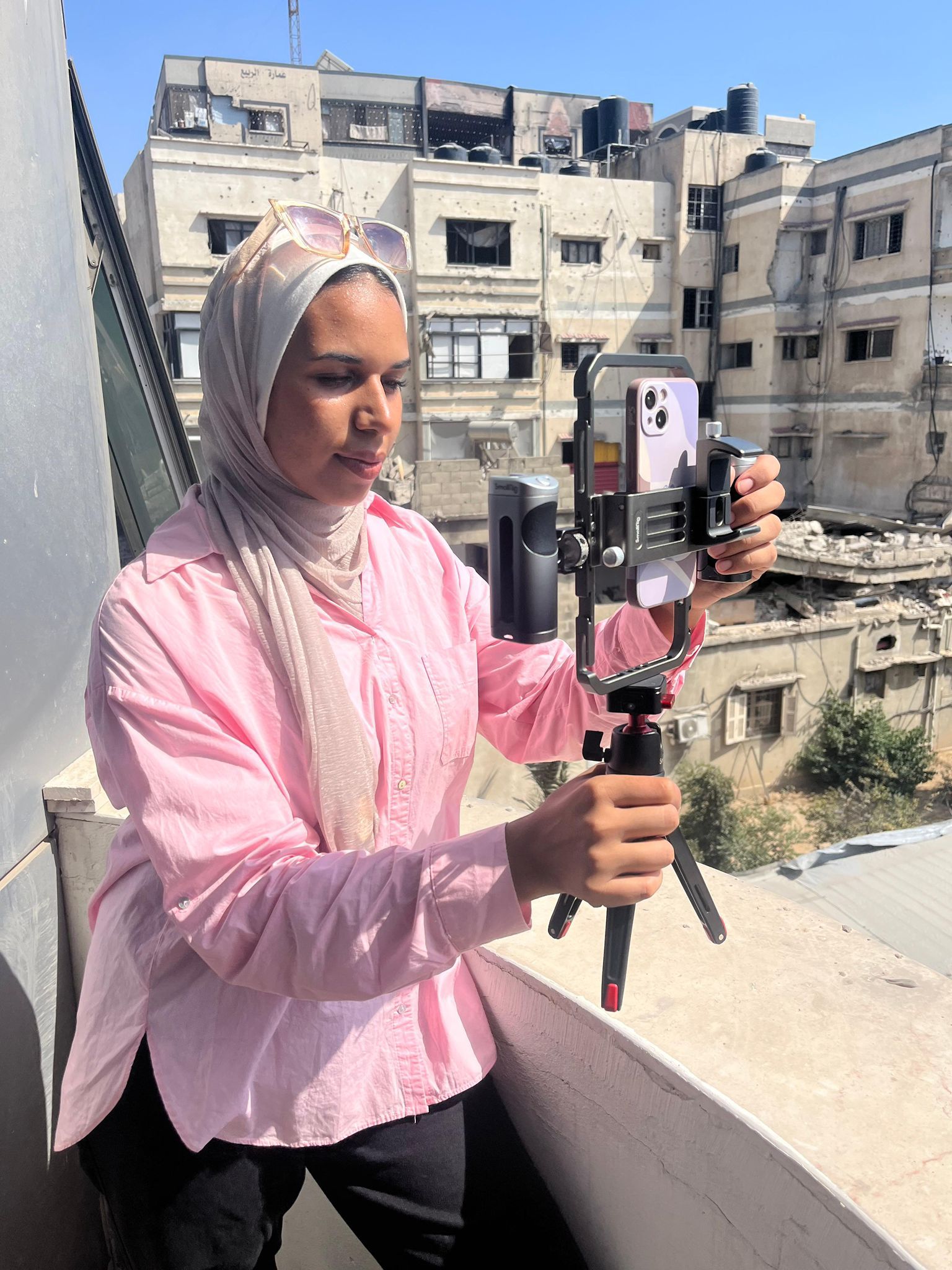
شكل تدمير المكاتب وانقطاع الكهرباء والإنترنت عائقاً أساسياً أمام التغطية، وبات الهاتف المحمول هو غرفة الأخبار المتكاملة. منذ عامين، لم ألمس ورقة، وأغلب الأحيان تقاريري، تصويري، ومونتاجي يتم بهذا الموبايل، لكن هذا يتطلب إعداداً مسبقاً.
القاعدة هي أنه لا وقت للتجربة في الميدان، لذا يجب ضبط إعدادات كاميرا الموبايل مسبقاً، يجب أيضاً تحميل تطبيق مونتاج والتدرب عليه، ففي وقت الأزمة، لا وقت للتعلم، ويجب أن تكون قادراً على القص والدمج ووضع تعليق صوتي وتصدير تقريرك في دقائق.
اكتشفنا أن الفيديو الرديء بصريا لكنه واضح الصوت يمكن استخدامه، أما الفيديو المتقن بصريًا وصوته مشوش فهو عديم الفائدة. لذلك، يُعد وجود ميكروفون مخصص للهاتف ضرورة لا ترفا، إلى جانب امتلاك مخزن طاقة (باور بانك)، خاصة في ظل انقطاع الكهرباء طوال فترة الحرب. كما أن وجود شاحن شمسي صغير أو شاحن سيارة قد يشكل إنقاذًا حقيقيًا في مثل تلك الظروف.
وفي ظل انعدام الإنترنت، من المهم دائماً أن تتوفر في الموبايل خدمة الشريحة الإلكترونية (eSIM)، فقد تكون الحل الوحيد للتواصل، كما أن تبادل الموارد مع زملاء آخرين قد يتوفر لديهم إنترنت فضائي هو مفتاح إيصال القصة للعالم، وأخيراً، بمجرد العودة من الميدان، أول ما تفعله هو تفريغ موادك على "هارديسك" خارجي، مع ضرورة الاشتراك في خدمة سحابية لرفع الملفات بشكل مستمر، فلا يجب ترك المواد على الهاتف فقط.

هذه الخلاصات التي تعلمتها في حرب كان كل يوم فيها صراعاً من أجل البقاء، والاستمرار على قيد التغطية، حرب علمتنا أن أهم معدات الصحفي ليست الكاميرا باهظة الثمن، بل هي قدرته على الصمود، والابتكار، والإصرار على مواصلة العمل.
More Articles

Investigating the Assassination of My Own Father

As a journalist, reporting on the murder of my father meant answering questions about my own position as an objective observer.
Diana López Zuleta
Diana López Zuleta Published on: 16 Jan, 2026
Reporting Under Fire: The Struggle of African Journalists Facing Intimidation

African journalists who expose corruption and power now face a brutal mix of arrests, torture, digital surveillance, and lawsuits meant to drain their resources and silence them. From Ethiopia, Nigeria, Malawi, Benin, Sudan, Uganda, and Kenya to exile in Canada, reporting the truth has become an act of personal survival as much as public service.

Nigerian freelance Journalist John Chukwu
John Chukwu Published on: 4 Dec, 2025
Shipwrecked Narratives: How to Keep Migration Stories Afloat

Migration stories don’t become real until you meet people in the journey: the carpenter carrying photos of his fantasy coffins, or the Libyan city worker burying the forgotten dead, or the Tatar woman watching her livelihood collapse at a militarised border. Following these surprising human threads is the only way journalism can cut through collective exhaustion and make readers confront a crisis they’ve been trained to ignore.

Karlos Zurutuza, a freelance journalist and a media trainer. His work has been published in The Guardian, Al Jazeera English, POLITICO, The Middle East Eye and The Independent, among others.
Karlos Zurutuza Published on: 30 Nov, 2025
What It Means to Be an Investigative Journalist Today

A few weeks ago, Carla Bruni, wife of former French president Nicolas Sarkozy, was seen removing the Mediapart logo from view. The moment became a symbol of a major victory for investigative journalism, after the platform exposed Gaddafi’s financing of Sarkozy’s election campaign, leading to his prison conviction. In this article, Edwy Plenel, founder of Mediapart and one of the most prominent figures in global investigative journalism, reflects on a central question: what does it mean to be an investigative journalist today?

Edwy Plenel
Edwy Plenel Published on: 27 Nov, 2025
A Sudanese Journalist in the Grip of the Rapid Support Forces

She was arrested, tortured, nearly raped, threatened with death, and subjected to degrading abuse. Her brother was brutally mistreated in an effort to locate her. In the end, her family had to pay a ransom to secure her release. She sought refuge abroad, but eventually returned to Sudan to continue documenting the war’s toll, particularly in El Fasher, a city now under siege. This is the harrowing account of a Sudanese journalist detained and tortured by the Rapid Support Forces.

Empty screen
Sudanese Female Journalist Published on: 3 Nov, 2025
Zapatismo and Citizen Journalism in Chiapas, Mexico

In Chiapas, independent journalists risk their lives to document resistance, preserve Indigenous memory, and challenge state and cartel violence. From Zapatista films to grassroots radio, media becomes a weapon for dignity, truth, and survival.

Ana Maria Monjardino
Ana Maria Monjardino Published on: 26 Oct, 2025
Journalists Under Occupation; Palestinian Journalists in the West Bank

Palestinian journalists in the West Bank face extreme physical danger, psychological trauma, and systemic targeting under Israeli occupation, yet continue to report with resilience, amplifying the voices of their people despite global indifference and media bias.

Synne Furnes Bjerkestrand
Synne Bjerkestrand Published on: 13 Oct, 2025
The Silent Death of Urdu Newspapers in India

With a 200-year history, Urdu newspapers in India are now facing a silent death—trapped in a cycle of decline where circulation has fallen by nearly 25%, advertising is absent, and government support is scarce. What vanishes is more than print: it is the erosion of a cultural and political lifeline that once bound Hindus, Muslims, and Sikhs in common debates and carried the voices of the marginalised into India’s public sphere.

Hanan Zaffa
Hanan Zaffar, Majid Alam Published on: 1 Oct, 2025
Why Are Young Journalists in Kashmir Quitting Before They Begin?

In Kashmir, mounting censorship, political pressure, and shrinking job prospects are forcing a generation of aspiring journalists to abandon the profession, many before they even get the chance to begin, leaving behind a media landscape stripped of dissent, debate, and independent voices.

Abrar Fayaz, Muqeet Mohammed Shah Published on: 23 Sep, 2025
Sudan’s Journalists Are Being Silenced: By Bullets, Exile, and Fear

The collapse of the media industry in Sudan has subjected journalists to physical threats, legal and professional challenges, with no functioning legal system to investigate crimes committed against the press.

Nalova Akua
Nalova Akua Published on: 17 Sep, 2025
Nepali Journalists Trapped Between “GenZ” Protest and State Crackdowns

Nepali journalists are under attack on two fronts: facing violence from protesters in the streets while also being targeted by government crackdowns, restrictive laws, and political interference that threaten press freedom.

Sumaiya Ali
Sumaiya Ali Published on: 12 Sep, 2025
I Don’t Want You to Be a Journalist, Mama”. Do Gaza’s Journalists Have the Luxury of Absence?

Does the Palestinian journalist in Gaza have the freedom to simply “step away”? How do they navigate the balance between their professional responsibilities and their family life? And to what extent does the duty to report justify the personal cost of being separated from one’s loved ones? Journalist Jenin Al-Wadiya sheds light on the deeply human details that rarely make it to the screen.

Jenin Al-Wadiya
Jenin Al-Wadiya Published on: 31 Aug, 2025
Intersections of Journalism and Social Sciences in the Field

The field is where journalism and the social sciences meet at their most dynamic edge. As the world grows more complex, journalists increasingly take on the role of sociologists, without abandoning their core mission to question power and expose uncomfortable truths. By drawing on the methods and insights of social science, journalism deepens its coverage, grounds stories in real-world contexts, and resists the temptation of surface-level narratives.

Mohammed Ahddad
Ahdad Mohamed Published on: 23 Aug, 2025
New Media Reforms in Bangladesh Introduced to Replace Hasina-Era Journalism

Bangladesh’s interim government, led by Muhammad Yunus, has launched ambitious media reforms to undo the legacy of Sheikh Hasina’s 15-year rule, which was marked by censorship, media monopolies, and the notorious Digital Security Act. However, despite promises of greater freedom, journalists remain wary, as self-censorship, restrictive laws, and public scepticism continue to cast doubt on genuine change.

Sumaiya Ali
Sumaiya Ali Published on: 17 Aug, 2025
Canadian Journalists for Justice in Palestine: A Call to Name the Killer, Not Just the Crime

How many journalists have to be killed before we name the killer? What does press freedom mean if it excludes Palestinians? In its latest strike, Israel killed an entire Al Jazeera news crew in Gaza—part of a systematic campaign to silence the last witnesses to its crimes. Canadian Journalists for Justice in Palestine (CJJP) condemns this massacre and calls on the Canadian government to end its complicity, uphold international law, and demand full accountability. This is not collateral damage. This is the targeted erasure of truth.

Samira Mohyeddin
Samira Mohyeddin Published on: 14 Aug, 2025
Monitoring of Journalistic Malpractices in Gaza Coverage

On this page, the editorial team of the Al Jazeera Journalism Review will collect news published by media institutions about the current war on Gaza that involves disinformation, bias, or professional journalistic standards and its code of ethics.

A picture of the Al Jazeera Media Institute's logo, on a white background.
Al Jazeera Journalism Review Published on: 11 Aug, 2025
Anas Al Sharif; Killed by Israel, but His Final Words Will Echo far Beyond His Death

For over a year and a half, Anas Jamal al-Sharif refused to leave northern Gaza, documenting the destruction and loss that others tried to hide. Tonight, Israel silenced his voice, but his final words, written on April 6, will echo far beyond his death.

Al Jazeera Journalism Review
Al Jazeera Journalism Review Published on: 11 Aug, 2025
The Human Story in Gaza: The Deadly Dilemma of “Who Do We Tell About?”

In the accelerating context of genocide, is the “pace” of death in Gaza outstripping journalists’ ability to capture human stories? How can they be expected to take their time crafting narratives amid hunger, displacement, and death? And to what extent can postwar documentation hold journalistic value in preserving collective memory and pursuing accountability for the perpetrators?

Mirvat Ouf
Mirvat Ouf Published on: 3 Aug, 2025
The Battle to Keep Journalists Alive in Gaza

Hungry journalists covering the story of starvation in Gaza, surviving on salt to stay alive, selling their work equipment to secure a “sack of flour” for their children, shedding the “shame” of publicly asking for food, and enduring the harshest media environment just to maintain “continuous coverage”.

Mona Khodor
Mona Khodor Published on: 26 Jul, 2025
Balancing Productivity and Privacy: How Female Journalists Use AI Chatbots

Female journalists in Jordan are harnessing AI chatbots to boost productivity, enhance digital safety, and find emotional support, but their growing reliance also raises critical concerns about privacy, ethics, and the responsible use of emerging technologies in journalism. This article explores how these tools are reshaping their workflows while navigating the challenges of trust and accountability.

Afnan Abu Yahia
Afnan Abu Yahia Published on: 20 Jul, 2025
In the War on Gaza: How Do You Tell a Human Story?

After nine months of genocidal war on Palestine, how can journalists tell human stories? Which stories should they focus on? And does the daily, continuous coverage of the war’s developments lead to a “normalisation of death”?

Yousef Fares
Yousef Fares Published on: 8 Jul, 2025
How Much AI is Too Much AI for Ethical Journalism

As artificial intelligence transforms newsrooms across South Asia, journalists grapple with the fine line between enhancement and dependency

Saurabh Sharma
Saurabh Sharma Published on: 1 Jul, 2025
How to Tell the Stories of Gaza’s Children

Where does compassion end and journalism begin? How can one engage with children ethically, and is it even morally acceptable to conduct interviews with them? Palestinian journalist Reem Al-Qatawy offers a profoundly different approach to human-interest reporting. At the Hope Institute in Gaza, she met children enduring the harrowing aftermath of losing their families. Her experience was marked by intense professional and ethical challenges.

Rima Al-Qatawi
Rima Al-Qatawi Published on: 26 Jun, 2025
How Is Western Media Framing the Famine Catastrophe in the Gaza Strip?

Can the media subject the issue of famine in Palestine to so-called professional balance even after UN agencies and the International Court of Justice have acknowledged it? Why have many Western media outlets avoided precise legal and ethical terms such as “famine” or “starvation,” opting instead for vague expressions like “food shortage” or “nutrition crisis”? Doesn’t this practice reflect a clear bias in favor of the Israeli narrative and serve to justify the policy of “systematic starvation”?

Fidaa Al-Qudra
Fidaa Al-Qudra Published on: 23 Jun, 2025