Independent journalism no longer exists as a functioning practice inside Chechnya. What remains is a profession rebuilt in exile, forced to operate at a distance from the very place it is meant to cover.
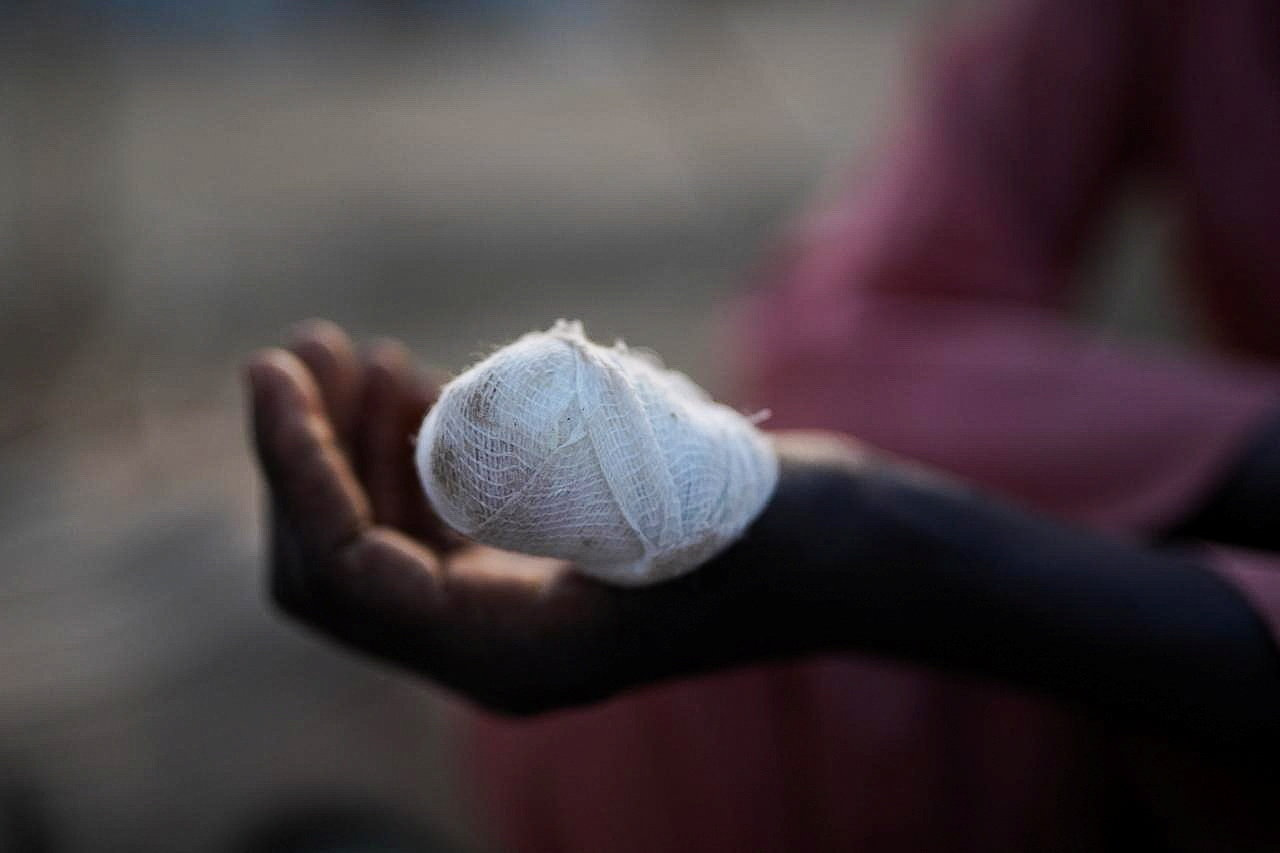
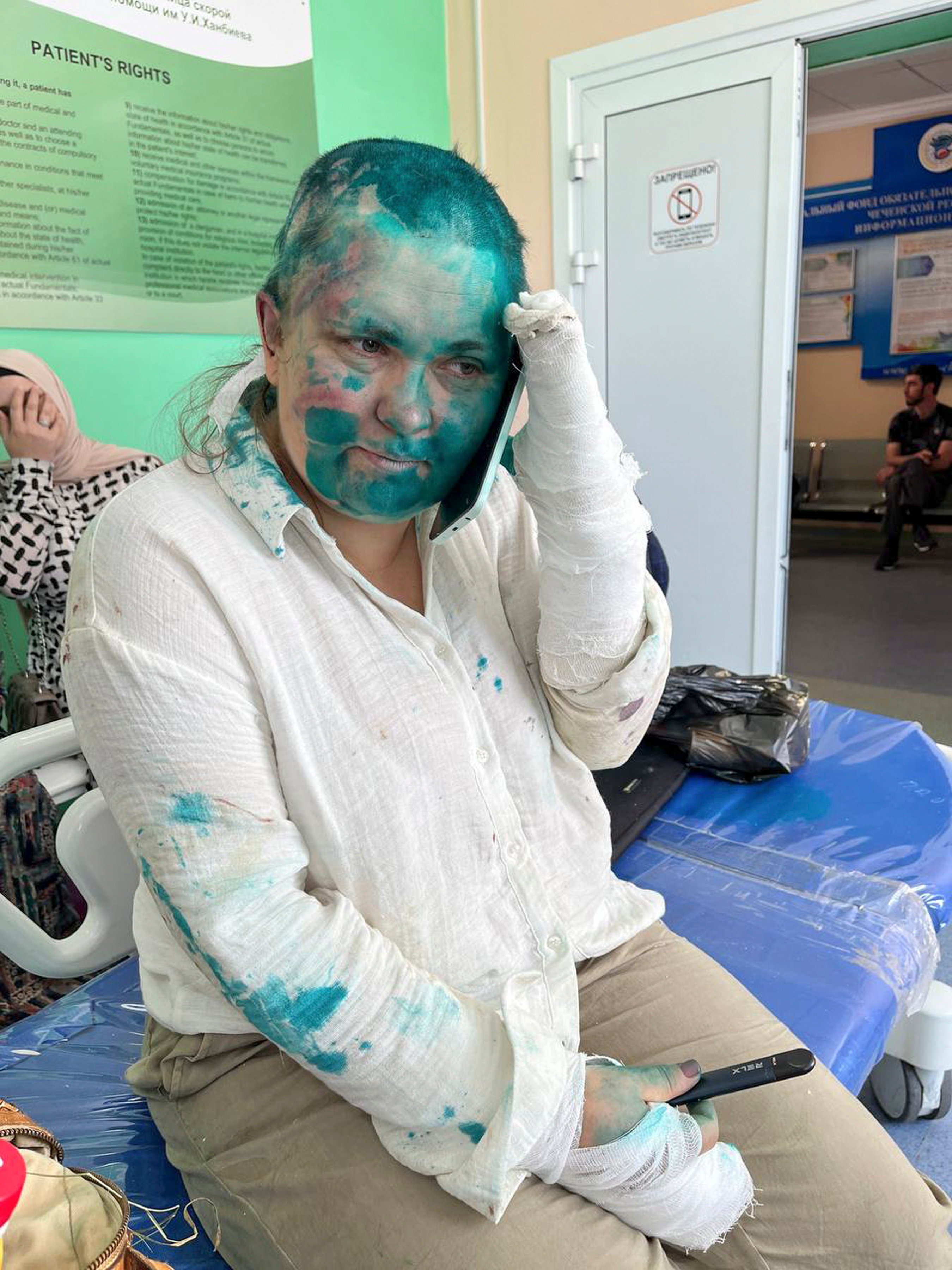
In July 2023, Elena Milashina, one of Russia's most seasoned investigative reporters, was pulled from her car on a road to Grozny, beaten, had her fingers broken, and her head shaved. Her attackers left her with a message: “Don't write anything.” The attack was not an anomaly. It was the latest point in a decades-long pattern in which the act of reporting on Chechnya has itself become a criminal act in the eyes of the republic's authorities.
The Media Landscape Inside Chechnya
All local media in Chechnya operate under direct state or government control. There is no opposition press, no independent broadcaster, and no news agency that functions outside official structures. Reporters Without Borders has described independent journalism in Chechnya as "almost completely eradicated," and includes Kadyrov on its list of "Predators of Press Freedom." The Organisation for Security and Cooperation in Europe (OSCE) Rapporteur's Report under the Moscow Mechanism, published in 2018, concluded that "hardly anybody in Chechnya feels free to speak about human rights problems anymore" and that "the repressive state apparatus is free to act as it wants." Nothing in the years since has meaningfully changed that assessment.
Today, independent journalism inside Chechnya does not exist as a functioning practice. What remains is a patchwork of exiled reporters, encrypted tip lines, diaspora networks, and anonymous testimonies, a profession forced to reinvent itself around the basic problem of not being able to go anywhere near the place it is supposed to cover.
In print, the Chechen government publishes Vesti Respubliki, a Russian-language newspaper, alongside the bi-weekly Stolitsa Plyus. Television and radio are dominated by Chechen Television and Radio Company (ChGTRK), which runs both Grozny TV and Radio Groznyy under the authority of the Chechen government, and GTRK Vaynakh, the regional arm of Russia's federal state broadcaster VGTRK, which operates both a television channel and Radio Vaynakh. News agencies are equally captured: Chechnya Today and Grozny Inform are both government-run outlets. Kadyrov's personal Telegram channel, which has millions of followers, sits alongside these institutions as the republic's de facto news wire.
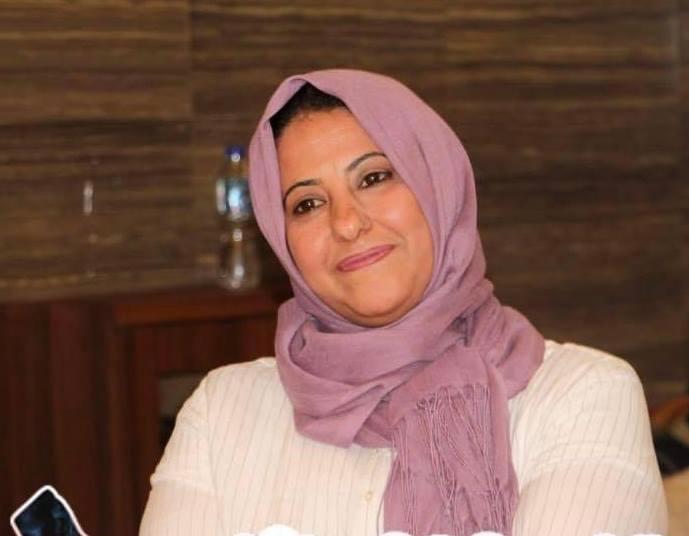
What this means in practice is that entire categories of stories cannot be told from inside the republic. Stories involving abuses by security forces, arbitrary detentions, or enforced disappearances simply never appear in local reporting. Even mundane civil complaints, about water outages, road conditions, or electricity, carry risk. "Even complaining about grocery prices can get you into trouble," says Loujaine Laamal, a researcher at the Université Libre de Bruxelles who studies Chechen politics and the diaspora.
When speaking about everyday problems becomes dangerous, abuses by security forces will naturally remain invisible.
The legal architecture reinforces this silence. In July 2021, a Grozny district court banned the opposition Telegram channel 1ADAT across Russia. Security forces were subsequently reported to be checking residents' phones on the street for subscriptions to banned channels. The journalist Zhalaudi Geriyev, a contributor to the Moscow-based independent news site Kavkazsky Uzel, was convicted in 2016 on drug possession charges that Reporters Without Borders called "clearly trumped-up." The Supreme Court confirmed a three-year sentence despite the absence of evidence beyond a confession that Geriyev said was extracted under torture, a pattern documented extensively by Amnesty International and the UN Committee Against Torture, which has noted that complaints of torture in Chechen courts are routinely dismissed without investigation.
Official statistics tell a story of their own. In January 2026, Russia's Interior Ministry reported that Chechnya had the lowest crime rate of any Russian region — 16 crimes per 10,000 residents, more than seven times below the national average. Elizaveta Chukharova, a staff writer at OC Media who covers the North Caucasus, reported on those figures with a critical caveat: the official statistics exclude the abductions, extrajudicial killings, torture, and honour crimes that human rights organisations document on a regular basis. Complaints against law enforcement officers in Chechnya are often refused at the point of filing, and those who attempt to submit them can themselves face retaliation.
The Destruction of Independent Reporting
Independent journalism in Chechnya was not always absent. During the wars of the 1990s and 2000s, a small number of reporters and human rights defenders created what the Committee to Protect Journalists has called an irreplaceable body of evidence about the conflict. Natalya Estemirova, a researcher for Memorial and a contributor to Novaya Gazeta, spent years documenting killings, arsons, disappearances, and torture by Chechen security forces. Her Grozny apartment served as a hub for visiting journalists and investigators. On July 15, 2009, four men forced her into a car as she left for work. Her body was found hours later in neighbouring Ingushetia, shot five times.
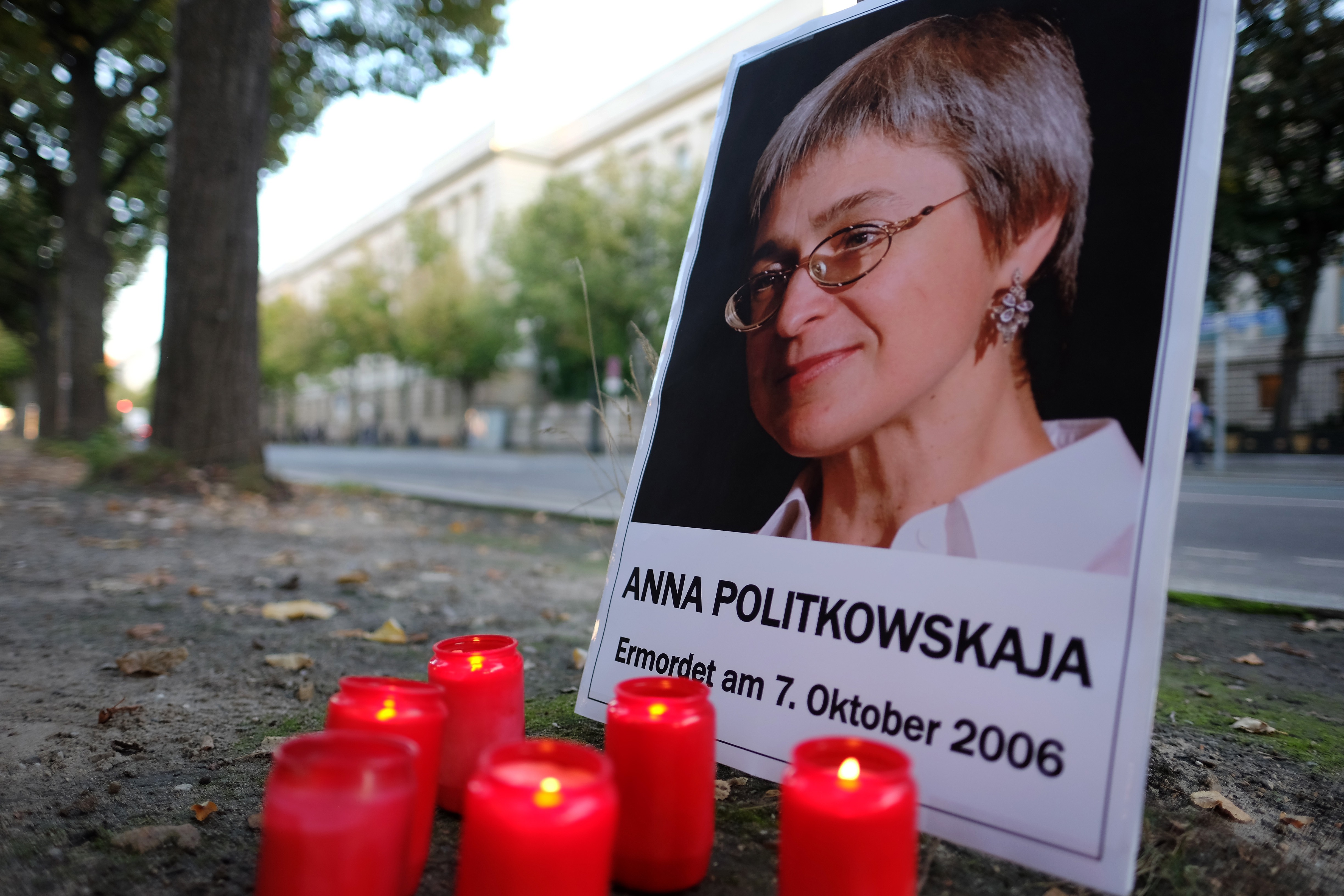
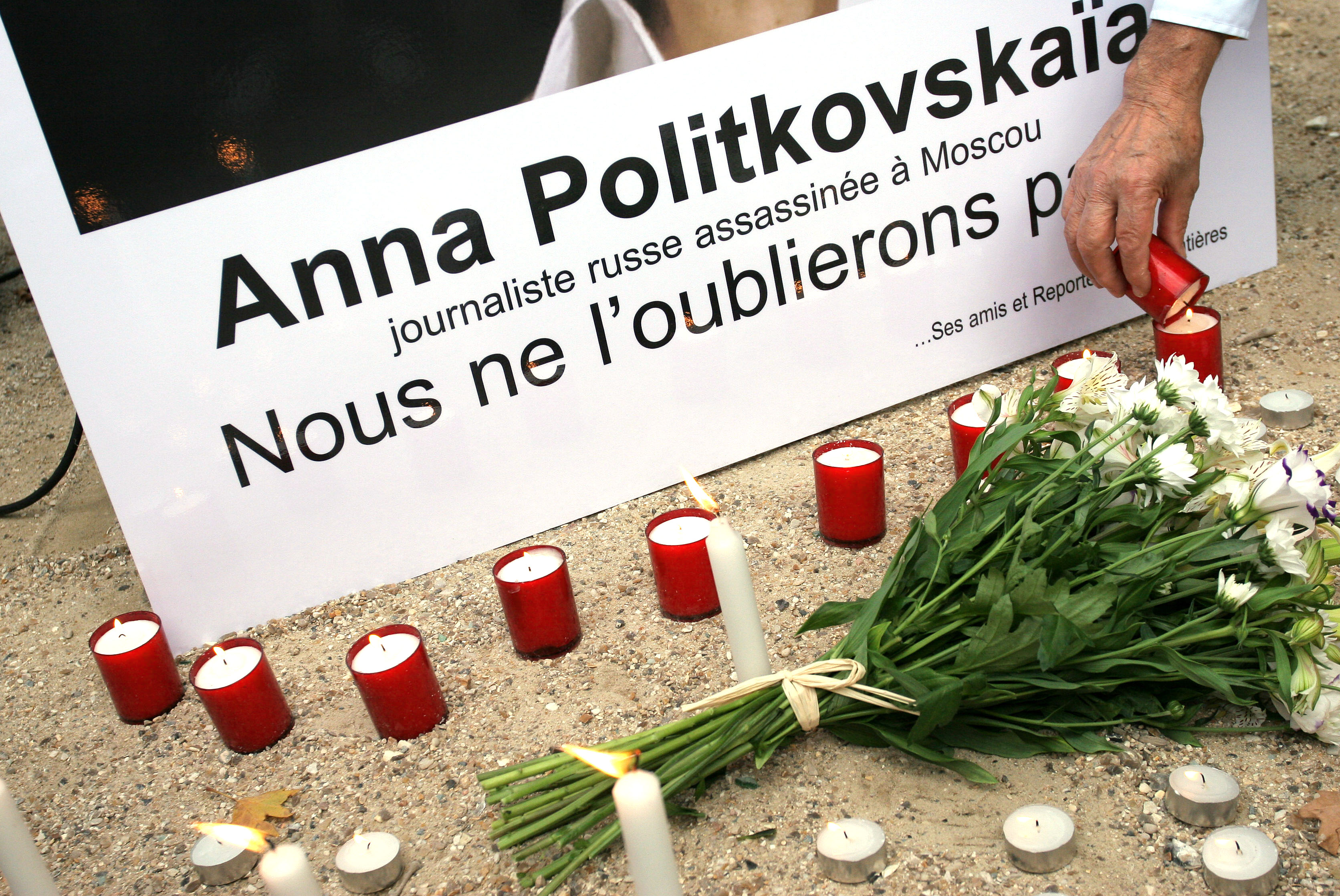
Estemirova's murder effectively ended on-the-ground reporting from inside Chechnya. The Grozny branch of the rights group Memorial suspended activities for nearly six months. Novaya Gazeta announced an indefinite halt to reporting trips to the republic. Her death, the CPJ wrote at the time, "crippled reporting in Chechnya". Three years earlier, in 2006, investigative journalist Anna Politkovskaya, who had spent her career documenting the same abuses, was shot dead in her Moscow apartment building. Her final article, published posthumously, described the alleged torture of Chechen civilians by military units loyal to Kadyrov.
The pattern of violence was matched by a systematic narrowing of legal space. Outlets were shut down or absorbed into the state apparatus. Journalists who refused to self-censor were warned, threatened, or prosecuted. Milashina herself had to flee Russia on multiple occasions, in 2017, 2020, and finally in 2022, after Kadyrov publicly labelled her a "terrorist" in a Telegram post and called for her arrest. The CPJ has documented that Kadyrov's reaction to each killing or forced departure of a journalist followed the same formula: a broad promise to investigate, a diminishment of the victim, and a dismissal of any official involvement.
Why Reporting Is Treated as a Threat
Understanding why Chechnya's authorities pursue journalists as aggressively as they do requires understanding the function of information control within the regime.
Kadyrov has consistently framed critical journalists and opposition voices not as political actors but as enemies of the Chechen people and security threats. By deploying the language of counter-terrorism, the regime is able to criminalise reporting itself. The 2021 judicial ban on 1ADAT, for example, was based not on the channel's publications but on comments in a chat room, a legal manoeuvre that effectively extended liability to anyone who shared, subscribed to, or communicated via the platform.
Kadyrov's legitimacy rests on two interdependent pillars: Moscow's backing and the projection of internal stability. Independent journalism threatens both, by exposing the reality that contradicts the official image.
Public humiliation has been developed as a parallel instrument of control. The republic's state television regularly airs programmes in which individuals, accused of criticising the authorities, posting online content, or engaging in practices deemed immoral, are made to publicly recant. In January 2026, Chechen Press Minister Akhmed Dudaev announced that bloggers who portrayed Chechnya negatively would be brought to Grozny and subjected to coverage in state media, labelling them as individuals who "bring shame" on the Chechen people. A month earlier, Kadyrov had warned Chechens living abroad that he would "behead anyone who has written something," comments prompted in part by drone attacks on Grozny but directed explicitly at critics living in Europe.
Laamal describes the effect as a double deterrence. "Public humiliations are meant to send a clear message," she explains. "They are also designed to condemn the person to social death and cast shame on the entire family, both close and extended." For a reporter or source, the calculation is not simply about personal safety; it is about the consequences for every relative still living inside the republic.
Covering Chechnya From the Outside
The practical result of this environment is that almost all meaningful coverage of Chechnya is now produced from outside Russia. The outlets that continue to report on the republic, OC Media, Meduza, Kavkazsky Uzel, Novaya Gazeta Europe, Kavkaz Realii, operate from Tbilisi, Riga, Prague, Berlin, and elsewhere. Their reporters cannot travel to the republic and, in most cases, cannot enter Russia at all.
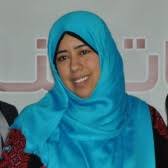
Chukharova, who was born in Vladikavkaz and now lives in Prague, left Russia in December 2020 following pressure from the FSB while freelancing for Radio Svoboda. Since then, she has had no way to return. "The most we can do is talk to people via video calls," she says, "but that is no substitute for face-to-face communication." She notes that sources inside Chechnya remain frightened even when promised anonymity, partly because the fear is not irrational; it is shaped by direct experience of what happens to those who speak.
Stories that depend on sustained human contact, understanding community dynamics, attending legal proceedings, and observing daily life are largely beyond reach for exiled reporters.
The distance also shapes what kinds of stories can be told. Data and documents that are publicly available in other contexts are increasingly restricted in Russia. Open mapping tools, court records, and administrative filings that once allowed for external verification of events inside the republic have become harder to access.
The editorial challenge is compounded by a broader problem of international attention. Both Chukharova and Laamal note that when Western media do cover Chechnya, the coverage tends to reproduce the regime's preferred image of rebuilt cities, celebrity visits, a leader who presents himself as a strongman maintaining order, rather than investigating what lies beneath it. "Foreign media often support outright nationalists," Chukharova says. "People write about the region's problems without any real understanding of them. They quote so-called experts who also have no grasp of the issues." The result, she argues, is a form of misinformation that, while not produced by Russian propaganda, serves similar ends.
Reporting Without Access: Methods and Their Limits
Given the impossibility of on-the-ground reporting, the journalists and researchers who continue to cover Chechnya have developed workarounds that are functional but imperfect by design.
The standard practice is cross-verification using at least two independent sources for any given claim. This is straightforward in principle and often extremely difficult in practice.
Sources inside Chechnya are reluctant to speak even on encrypted platforms, and many will only communicate with journalists they know personally, a relationship that, for exiled reporters, can take years to build,” Chukharova says, noting that language is also a prerequisite that often goes unacknowledged: without access to Chechen, a journalist cannot build the kind of trust that makes sources willing to take risks. "Language is essential for building trust," she says, "though even that is not enough."
Documentation collectives operating outside Chechnya have become important nodes in this network. NIYSO, an exiled opposition movement that grew out of the earlier channel 1ADAT, has developed a systematic practice of collecting and publishing testimonies from residents inside the republic. Its coverage spans anything that state media would not report, from abductions, disappearances, and abuses by security forces, to more routine grievances such as water and electricity outages, price increases, and local administrative failures. The group also reported on the April 2025 case in which the body of 17-year-old Eskerkhan Khumashev was publicly displayed in Achkhoy-Martan following his death at the hands of police, footage that was verified by geolocation and subsequently picked up by France24 and other international outlets.
For journalists working on these stories, groups like NIYSO function as a starting point rather than an endpoint. Their reports require the same verification applied to any source: triangulation, contact with residents in the relevant area, and cross-referencing with open data. "Sources such as NIYSO require verification," Chukharova says. "We are in contact with them; they always specify, marked 'not for publication', where they obtained particular information. Knowing the locality, we can find people and ask what they know about the matter."
The risks embedded in this reporting ecosystem extend to the sources themselves. In 2020, Salman Tepsurkaev, a chat moderator for the 1ADAT channel, was kidnapped after security forces traced a PayPal payment linked to his phone. Tepsurkaev was abducted, publicly humiliated, tortured, and is missing to this day.
The regime's control is not simply a matter of restricting physical access. It is built into every layer of the information environment: who can speak, who can be found, what can be recorded, and what price is paid for any of it.
The case has since become a reference point for the digital security practices that journalists and advocacy groups working on Chechnya now routinely advise their sources to follow. The deeper methodological challenge, Laamal argues, is ethical as much as practical. "Our sources share sensitive information with us, and we have a duty to protect their identity at all costs," she says. "This responsibility raises ethical questions, because in cases like this, the moral and physical integrity of the person we're talking to is at stake." In environments like Chechnya, she adds, journalists cannot apply the same fact-checking standards used in open societies. "We will never be able to apply the same kind of fact-checking that we would use for information coming from Western Europe."
What this means is that the gap between what happens in Chechnya and what can be reliably reported remains significant and structurally enforced.