Al Jazeera Journalism Review

Common Mistakes Made by Television Correspondents
Television correspondents earn trust not by being first or omniscient, but by reporting what they can verify, using images responsibly, resisting performance and speculation, and putting accuracy before speed.
Latest Articles
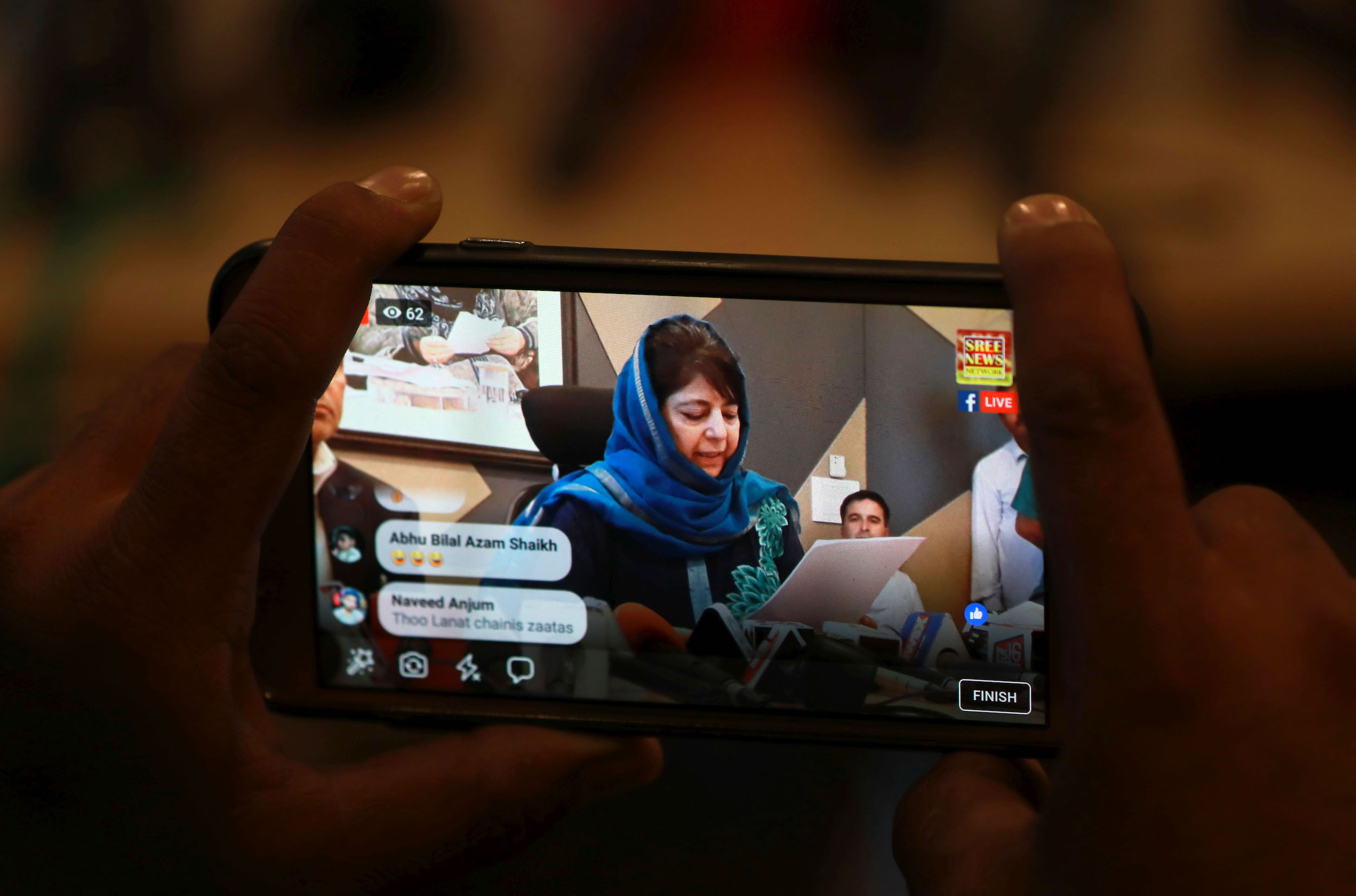
‘No less than a fight for survival’ - life for mobile journalists in India
THE LONG READ: Mobile phones have made a career in the media more accessible to independent journalists. But they have also made it easier to exploit them

When covering refugee stories makes you a figure of hate
A wave of anti-migrant sentiment is gripping South Africa and those journalists covering it, who are migrants themselves, have become a particular target

A short history of ‘click-bait’ journalism
From the ‘Great Moon Hoax’ of 1835, ‘Yellow Journalism’ has been around longer than you might imagine. But can it survive forever?

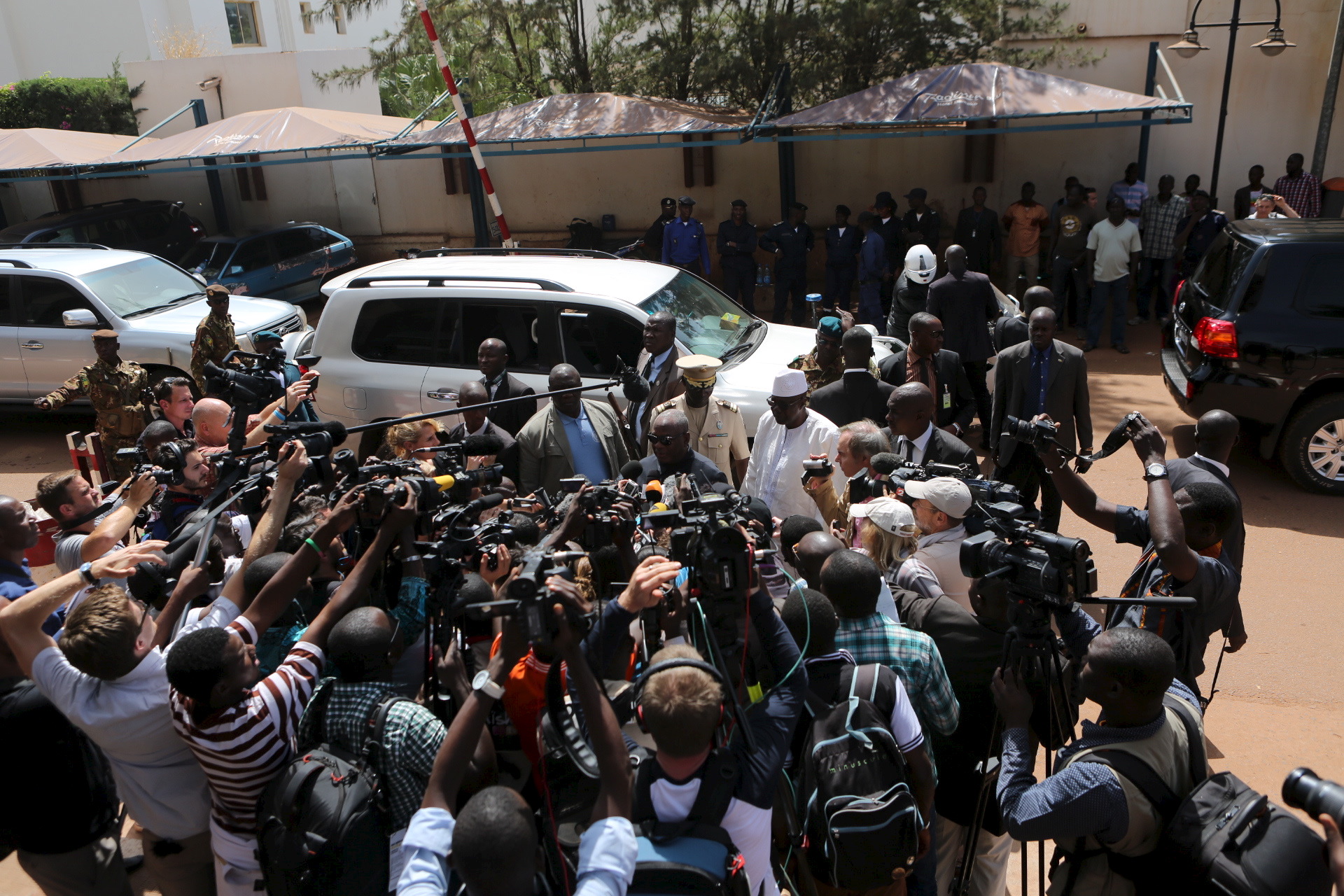
Nigeria - a model for a free African media?
Journalism under military governments in Africa is under threat, but journalists can learn from Nigerian media’s experience of standing up to people in power

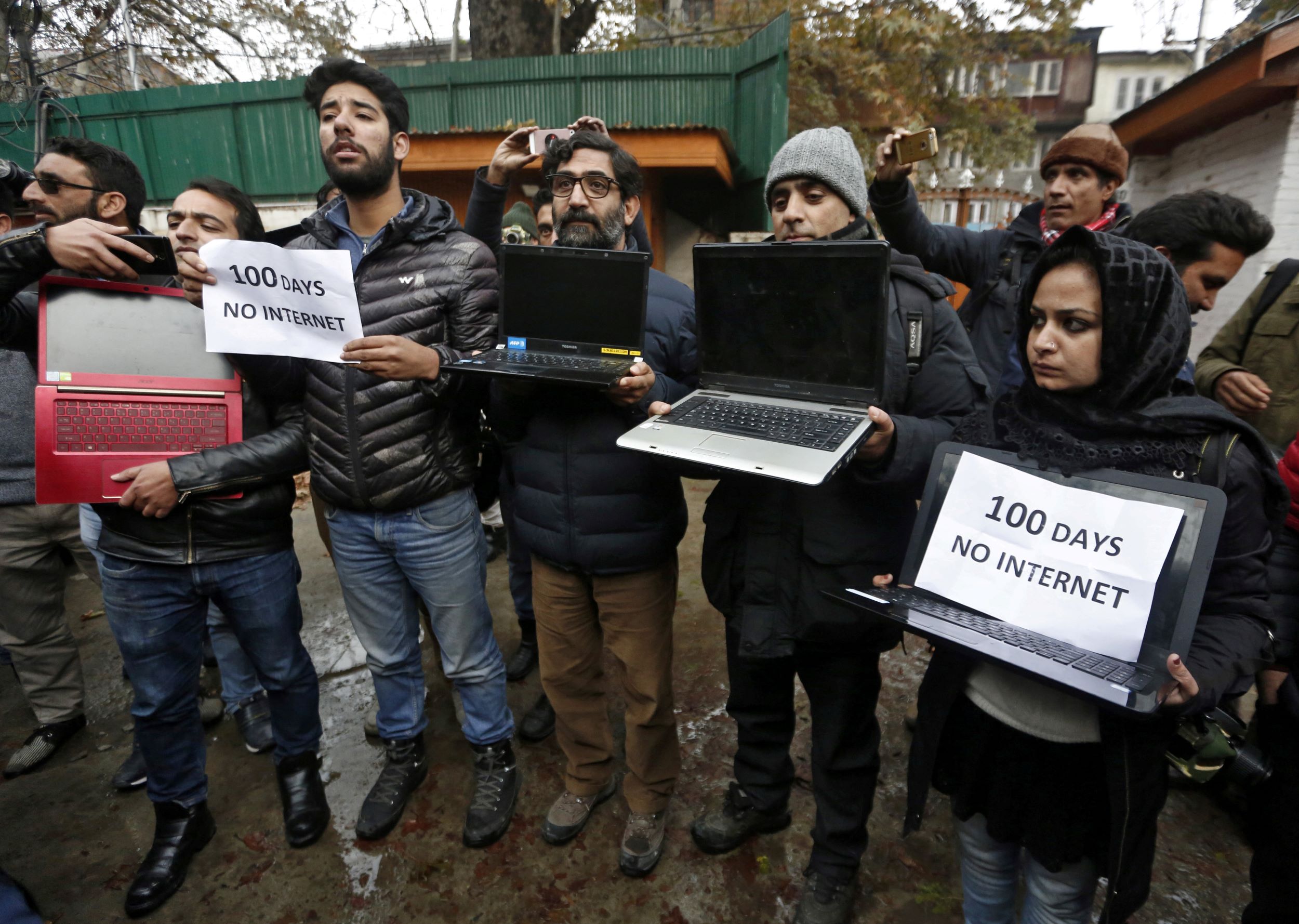
How do journalists work under information blockades?
THE LONG READ: Internet blockades are used by governments to stifle dissent, unrest and even the reporting of war. We take an in-depth look at this phenomenon and highlight ways journalists can carry on working regardless
Journalism needs clear standards when it comes to ‘deplatforming’
Currently, 'deplatforming' of people with views considered hateful is applied in a haphazard way. This just adds to the problem of hate speech

Opinion
Jean-Pierre Afadhali
How to Protect News and Information Integrity During Elections
An analysis of threats to Kenya’s media landscape ahead of the August 2027 elections finds that AI deepfakes, synthetic media, and coordinated online campaigns threaten voter choice and democratic…

Hani Bishr
Docudrama: Aesthetic Narration as an Alternative to the Missing Camera!
The use of drama in documentaries sparks a debate between fears of fabrication and the celebration of filling gaps left by missing visual archives. This hybrid format occupies a middle ground,…
Anas al-Shaara
Moroccan Journalism Between State Support and Market Dominance: Can the “Information Economy” Save the Profession?
Moroccan journalism remains trapped between state dependency and market pressure, and its survival may depend on turning information into sustainable public value rather than cheap content for…
Diaries
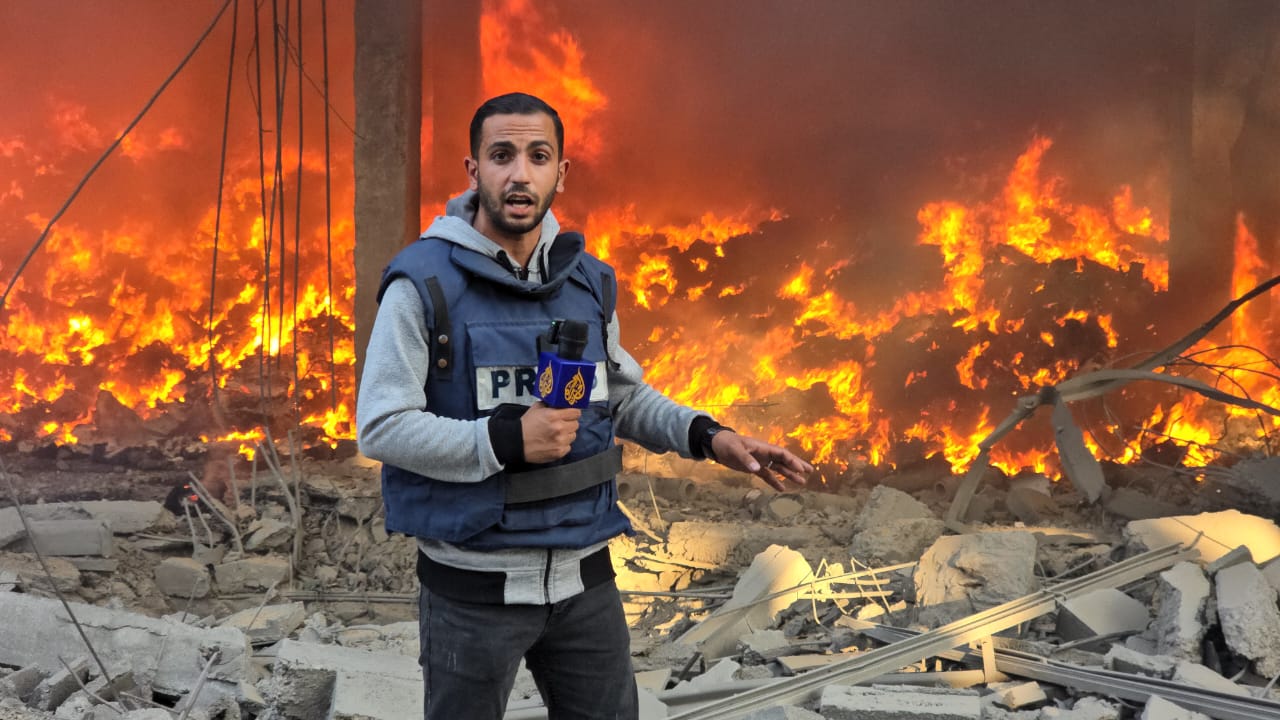
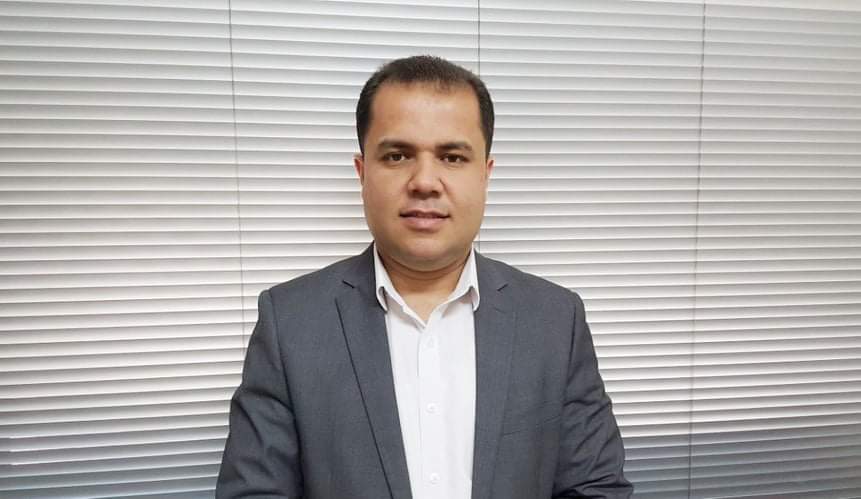
Anas al-Sharif: “I am the owner of a cause before I am a journalist”
From documenting the occupation's crimes on social media platforms to covering the war of genocide on Al Jazeera, journalist Anas Al-Sharif defied harsh field conditions and the lenses of snipers. He lost his father and a number of his loved ones, yet he chose to convey the "Palestinian narrative to the world." In this interview, we get to know the face and features of a Palestinian journalist stripped of protection and faithful to the belief that "coverage continues."

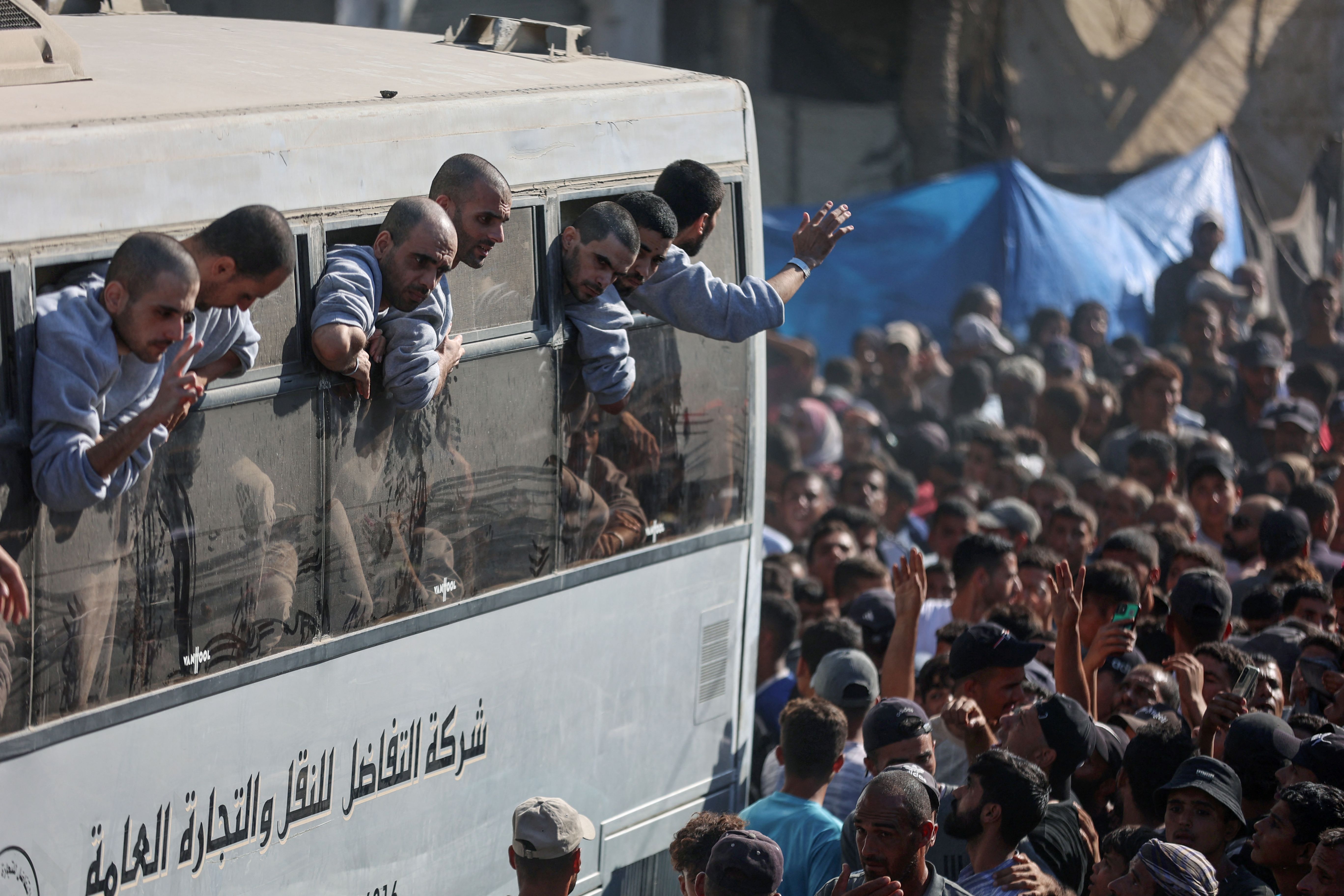
In Gaza… Testimonies That Have Not Been Told
Beyond the frontline dangers, reporting during the Israeli war involves enduring arrest, torture, systematic incitement, and assassination. This reality forces journalists into a relentless struggle to keep reporting from the depths of mass displacement, starvation, and a complete breakdown of daily infrastructure.
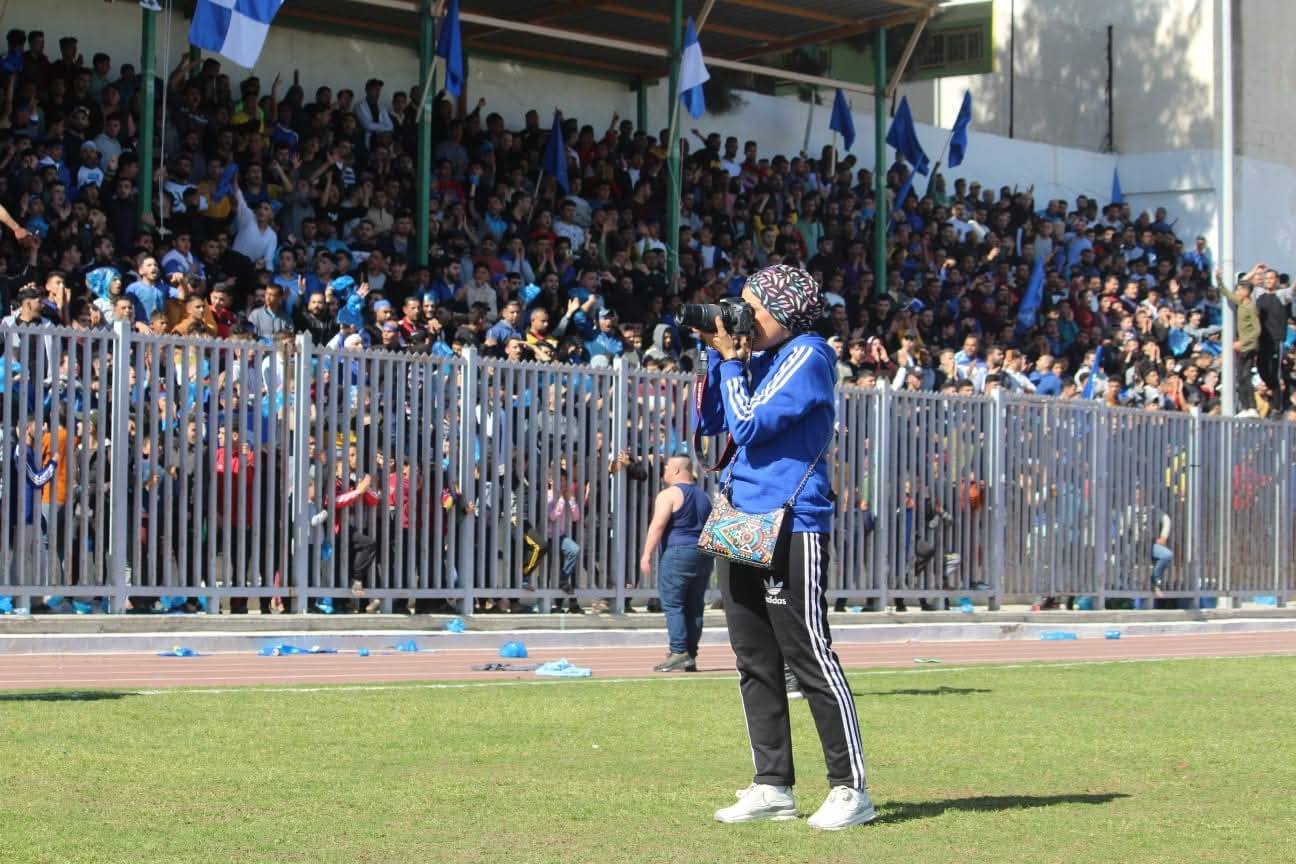
Journalism in Gaza: A Struggle for Survival
In Gaza, journalism becomes inseparable from the life it documents: reporting continues not from a distance, but from within the same fear, grief, and instability it tries to record.
Reports
Common Mistakes Made by Television Correspondents
Television correspondents earn trust not by being first or omniscient, but by reporting what they can verify, using images responsibly, resisting performance and speculation, and putting accuracy before speed.
Will We Write A Falsified History In The Future?
The digital transition of journalism has exposed a growing archive reliability gap, where online news documents are often subject to fake news, content manipulation, and a lack of verification mechanisms, challenging their role as official historical records.
Editorial Workflow in Television Journalism: From Oversight to Quality
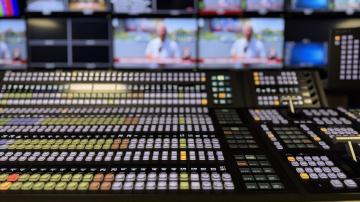
Quality television journalism relies on cohesive teamwork rather than individual multitasking. A functional hierarchy is key, restoring the "gatekeeper" role by verifying facts and shielding the public from fake news and propaganda, especially in complex, high-tension environments.

Nepal’s Deadly Floods Expose a Newsroom Safety Gap
Nepal’s deadly floods exposed a wider South Asian newsroom safety gap, where many journalists are often sent into dangerous assignments without formal risk assessments, adequate training, protective equipment, evacuation plans or mental-health support.

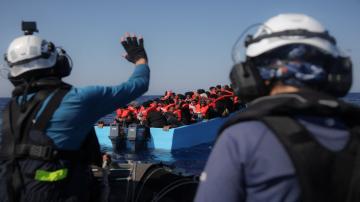
The migrant issue in Libya: did the media pass the test of professionalism?
Libya’s migration debate has become a test of whether the media can report legitimate public concerns without laundering rumours, fuelling hate, or turning vulnerable migrants into scapegoats.

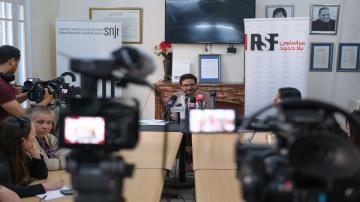
The economics of truth: How Lack of Funding is Compromising Quality Journalism in Africa
Reporting and newsgathering cost money; they require time, patience and experienced personnel. However, globally limited funding is leading to a generally compromised journalism output.