دينامية "الاقتباس": التأثير المتبادل بين الصحافة والعلوم الاجتماعية

دينامية "الاقتباس": التأثير المتبادل بين الصحافة والعلوم الاجتماعية


إنّ العلاقة بين الصحافة والعلوم الاجتماعية تخضع لصيروة جدلية متلازمة ومستمرة في آن؛ فهي محكومة على الدوام بضرورة الغايات والوسائل، وهو ما يجعلها تتقاطع دائمًا على مستوى الأدوات التي يستثمرها الباحث والصحفي. وفي صميم هذه العلاقة تنبثق مسألة "الاقتباس" التي تشكل نقطة التقاء بينهما، بوصفها آلية إبستمولوجية، وليست مجرد عملية نقل وانتقال للمعلومات فقط، بل هي جزء أساس في فهم تطورها وتفاعلها. ومن هذا المنطلق، يحاجج هذا المقال عن "الاقتباس" بوصفه ضرورة لفهم التطورات الحاصلة في الصحافة والعلوم الاجتماعية اليوم، ومن جهة أخرى يسعى إلى إبراز محددات العلاقة، من خلال التمايزات الدلالية والمنهجية والميدانية بين الحقلين.

في طبيعة الاقتباس ودلالاته:

تحضر مسألة "الاقتباس" بوصفها آلية إبستمولوجية بين الحقول والعلوم بصفة ضرورية. ولمّا كانَ جوهر العلوم هو "الاقتباس" فإنّ الأنساق العلمية الكبرى التي تفرعت وراء أزمة العلوم الأوروبية (1) قد خضعت لهذا "الاقتباس" متأثرة بصلابة العلوم الطبيعية ومناهجها ونتائجها، هكذا تطورت العلوم الاجتماعية أيضًا، ولقد كانت فكرة "الاقتباس" مرحلة مفصلية في بنائها. 

على هذا النحو، امتد نقاش وصل حد السجال بين الباحثين في حقل العلوم الاجتماعية وغيرها حول مدى التأثير الذي تمارسه هذهِ العلوم على حقول أخرى مثل: الصحافة التي تستمدُ حدودها (تعريفها) من جهةِ الممارسة فقط، هكذا في المجمل ما تخلصُ إليهِ النقاشات بينهم. (2)

لن يكونَ الجدَلُ مثمرًا في ظل أحكام مترسبة حول ما يمكنُ أن تكونَ عليه الصحافة اليوم إذا انزاحت عن وظائفها التقليدية المعهودة التي استقرت بالقوةِ والفعل، وهو ما تعجزُ عنه الرؤى المتمترسة حول "نقاء العلوم"، (3) وردّ أو ر فض فاعلية الاقتباس. 

كما لن يكونَ النقاش جديرًا - في سياق المقالة - لدحض تلكَ الحجج؛ لأن التأثير والتأثر تحصيل حاصل، ويزدادُ حضوره كلّما تحرر "العقل" الإبستمولوجي من فكرة "النقاء المنهجي" ومما قد يعيق دينامية "الاقتباس". وعلى هذا الأساس، فإن قضية الصحافة والعلوم الاجتماعية من القضايا التي ينبغي النظر فيها ضمن سياق إعادة إنتاج أبنية نظرية جديدة تكتسي فيها علاقة الحقلين تواشجًا نظريًا ومنهجيًا، قياسًا على التحولات في البنى الاجتماعية وفي التحولات الرقمية اليوم. 

في غمرة هذه الدعوة، ينبغي التركيز على ديناميات الاقتباس لا التماهي - كما قد يُفهم - لأن "الاقتباس" هو ما يمكّن من إعادة النظر وتقليبهِ بوصفه ممارسة ضرورية لإبراز هذه التقاطعات الحيوية المثمرة. 

ولإعطاء بُعدٍ عملي لهذا التوجّه/ الدعوة فإن المناهج الاجتماعية وما تتيحهُ من أدوات، تساهم في تفسير العديد من المعطيات وتأويلها وإعادةِ إنتاجها بوصفها حقائق اجتماعية تعدُ مدخلاً حقيقيًا للاقتباس وللتعاطي النظري والمنهجي والمفاهيمي مع هذه العلاقة. 

ومن هذا المنطلق؛ فإن النظر في الممارسات المهنية لمختلف الوضعيات الميدانية في عمل الصحفيين اليوم، من شأنها تفسير جملة من آليات الاقتباس التي تؤطر عملهم، وتجسدُ ذلكَ التداخل البيني بين الحقول. 

إنّ عملية "الاقتباس" بين الصحافة والعلوم الاجتماعية ليست فعلاً ميكانيكيا للنقل بين الحقول، بل هي إعادة بناء وتأويل مستمر للمعرفة، حيث تتجاوز الحدود التقليدية بين العلوم؛ فالصحافة في سعيها إلى فهم الواقع وتفسيره تستفيد من أدوات البحث الاجتماعي، ولكنها تتعامل معها ضمن سياقات مرنة وقيمية تختلف عن تلك التي تهيمن على الممارسات العلمية الأكاديمية.


في ضرورة الاقتباس:

تعتمدُ الصحافة على نتائج العلوم الاجتماعية لتفسير مختلف الظواهر التي تتعاطى معها، وتلجأ في كثير من الأحيان في إطار وظيفتها "التبسيطية" وإيصال المعلومة إلى اختزال العديدِ من المفاهيم ووضعها في دائرة غير منسجمة مع دلالاتها المرادة منها، وهو ما يثير ردود فعلٍ رافضة لهذا "الاختزال"، وهذا هو جوهر الاعتراض (4) على هذهِ الممارسة، بيد أنّ هذا الاعتراض ينطلق من خلفيات تفسيرية منافية لدينامية الحقول، كما أنّ هذا التوجه يمنع من رؤية البنى الداخلية التي تفرزها الممارسة الصحفية وتسهم في إعادة قراءة ظواهر وتفسيرها بناء على نتائج أعمال صحفية بلورت إعادة إنتاج حقائق اجتماعية أو ثقافية أو غيرها. 

إنّ "الاقتباس" ليسَ فعًلا "تسويغيًا" لمحاولة وضْع الصحافة داخل دينامية رمزية تعيد ترتيب ما هو أعلى وما هو أسفل، إنها هيمنة ضيقة فقط! تتأسس على ضرورتين: 

  • الضرورة المنهجية: تتمثل في الأدوات التي تستعمل في الإنتاج الصحفي اليوم، من سرد ومقابلات ومنهجيات التحليل الكمي والكيفي. 
  • الضرورة السيوسيولوجية: أصبح الحقل الصحفي ذاته مجالاً لإنتاجِ ظواهر من داخل بنيته، وهو ما جعله محلاً للدرس والتفسير والتنبؤ، وهو ما يعني أنه يفرز ويساهم في إنتاج دينامية معرفية تساهم في إغناء حقول العلوم الاجتماعية.

تشكل هذهِ الضروراتُ دلالاتٍ مركزيةً في فهم "الاقتباس" وتطوير تفاعلاتهِ أيضًا، بما يجعلُ من الصحافة حقلاً تتقاطعُ فيه المقاربات والنظريات، كما يسمحُ ذلك بإعادة إنتاجِ هذه الأدوات واختبارها بما يضمنُ ماهية الصحافة المرنة، أي تلكَ التي تخضعُ لدينامية متفاعلة بفعل السياقات والتحولات. 

تعتمدُ الصحافة على نتائج العلوم الاجتماعية لتفسير مختلف الظواهر التي تتعاطى معها، وتلجأ في كثير من الأحيان في إطار وظيفتها "التبسيطية" وإيصال المعلومة إلى اختزال العديدِ من المفاهيم ووضعها في دائرة غير منسجمة مع دلالاتها المرادة منها، وهو ما يثير ردود فعلٍ رافضة لهذا "الاختزال"، وهذا هو جوهر الاعتراض على هذهِ الممارسة.


"التعقيد" وديناميات الحقلين:

لفهمِ التحولات التي تسري بينَ العلوم والحقول خاصة في العلوم الإنسانية والاجتماعية، ينبغي استحضار بُعد "التعقيد" (5)- بوصفه منهجًا مؤسسًا - في التعاطي مع موضوع الصحافة والعلوم الاجتماعية أساسًا، وعليه يتأسس أي نقاش بينهما. 

إن استحضار هذا البعد يعني الانتصار للنزعة الاتصالية أو الاستمرارية ومنازعة المدرسة الانفصالية، وهو مدخل لتقويم علاقة العلوم الاجتماعية بالصحافة، بكونها جزءا لا يتجزأ من صيرورة العلوم أو على الأقل مختبرًا حيويًا لتجريب مجموع النظريات والأدوات التي تميز العلوم الاجتماعية. 

لقد كان روبرت بارك (Robert Park) (6) الصحفي ومؤسس مدرسة شيكاغو للسوسيولوجيا مؤمنًا بأن "الأخبار هي شكل أولي من أشكال المعرفة؛ فهي بمثابة إعلان عن الأحداث بدلاً من تفسيرها، كما أنها [الأخبار] تُمثل معرفة (غير منهجية، حدسية، أقرب إلى الحس السليم) بدلاً من المعرفة المُعمقة بشيء ما (شكلية، تحليلية، منهجية، علمية)". (7)

من هذا الاقتباس، تأتي دعوة إعادة التصور الذي بني عن الصحافة وإعادة النظر فيه، قياسًا إلى "التعقيد". هكذا ينفتحُ منعطف آخر في طبيعة هذه العلاقة، ويعيدُ أيضا تعريف الصحفي اليوم، ليسَ بوصفه ناقلاً للمعلومة وفقط، بل فاعلاً فيها، خصوصا في ظل "سيولة" المعلومة وتدفقها؛ إذ أصبحَ بمكنةِ الجميع تلقي المعلومة وحملها، بيدَ أن الصحافي هو من يستطيع وضعها في سياقها وقراءتها وتحليلها، وهي كلها ممارسات من صميم المعرفة، لكنها معرفة مُحددة بالإطار المهني الذي يشتغلُ فيهِ الصحفي. 

لقد كان روبرت بارك (Robert Park) الصحفي ومؤسس مدرسة شيكاغو للسوسيولوجيا مؤمنًا بأن "الأخبار هي شكل أولي من أشكال المعرفة؛ فهي بمثابة إعلان عن الأحداث بدلاً من تفسيرها، كما أنها تُمثل معرفة (غير منهجية، حدسية، أقرب إلى الحس السليم) بدلاً من المعرفة المُعمقة بشيء ما (شكلية، تحليلية، منهجية، علمية)".


الأدوات: اشتراك في "الفعل" لا في "الصفة":

يتطابق البحث بينَ الصحفي والباحث في العلوم الاجتماعية من جهةِ فهم الواقعِ ومحاولة تفسيره، هذا هو جوهر عمل الباحث الذي يتقصدُ "الفعل الاجتماعي" بوصفهِ "تصورًا وتمثلا" أي ظاهرة ينبغي تحليلها وتفسيرها وتأويلها، أمّا الصحفي فيوجدُ أحيانا في قلبِ الفعل والحدث الذي يُترجَم إلى: الإخبار أو التبليغ. هكذا يتمايزانِ في مقاربةِ الواقع الاجتماعي وفي النتائج أيضًا: العلوم الاجتماعية تنتجُ معرفة تراكمية، بينما تتوقف نتائج الصحافة على التأثير، وهذا بحد ذاتهِ ملمحٌ جوهري ينبغي التفكير فيه وفي مسألة العلوم الاجتماعية خاصة في السياق العربي؛ أي عن مدى تأثيرها في المجتمع. 

إنّ هذا التمايز أساس لفهمِ جذور التنازع بين الصحافة والعلوم الاجتماعية، بيدَ أنّ ما هو ثابت بين الحقلين هو الاشتراك في استثمار أدوات البحث الاجتماعي، أي من حيث الاستعمال والاستثمار، وهو ما يعني على مستوى التوصيف أنهما يشتركان في "الفعل" لا في "الصفة"؛ وهكذا نجد الإنتاجات والمحتويات الصحفية تستثمر الأدوات الاجتماعية في معالجة العديدِ من الظواهر مثل استعمال المقابلات والملاحظة والسرد الاجتماعي والأنثربولوجي في القصة الصحفية الإنسانية وتحليل الوثائق ... وغيرها من الأدوات التي تسعف الصحافي في أداء عملهِ بعمق وبتأثير. 

لا تُغيّب مسألةُ استعمال الأدوات الاجتماعية سواء في الصحافة أو العلوم الاجتماعية ما يصطلح عليه بـ"سلطة المنهج"؛ فالضرورة الإبستمولوجية والمنهجية تقتضي منَ الباحث التقيد بالأدوات المستعملة في البحث، وهو ما يضعه في امتحانٍ صعب حدَّ التناقض أمامَ الظواهر الاجتماعية التي قد تنفلتُ من "سلطة المنهج"، إلاّ أنّ الأداة في الاستعمال الصحفي تخضعُ لمحددات مرنة - نسبيًا - ومن جهة أخرى تخضع لإطار وتحديد مسبق (الخط التحريري، الضغوط السياسية والإكراهات الاقتصادية، الإكراه الزمني) فالشرطُ هنا معياري وليسَ قيمي، إذ يظل الأول مقرونًا ورهينًا بالصحافة، بينما الثاني هو مُحدد ملازم لماهية العلوم الاجتماعية. 

يتطابق البحث بين الصحفي والباحث في العلوم الاجتماعية من جهة فهم الواقع ومحاولة تفسيره، هذا هو جوهر عمل الباحث الذي يتقصد "الفعل الاجتماعي" بوصفه "تصورًا وتمثلا" أي ظاهرة ينبغي تحليلها وتفسيرها وتأويلها، أمّا الصحفي فيوجدُ أحيانا في قلبِ الفعل والحدث الذي يُترجَم إلى: الإخبار أو التبليغ. هكذا يتمايزان في مقاربة الواقع الاجتماعي وفي النتائج أيضًا.

خاتمة: 

إنّ عملية "الاقتباس" بين الصحافة والعلوم الاجتماعية ليست فعلاً ميكانيكيا للنقل بين الحقول، بل هي إعادة بناء وتأويل مستمر للمعرفة، حيث تتجاوز الحدود التقليدية بين العلوم؛ فالصحافة في سعيها إلى فهم الواقع وتفسيره تستفيد من أدوات البحث الاجتماعي، ولكنها تتعامل معها ضمن سياقات مرنة وقيمية تختلف عن تلك التي تهيمن على الممارسات العلمية الأكاديمية.

 وبينما تسعى العلوم الاجتماعية إلى بناء معرفة تراكمية معمقة، تهدف الصحافة إلى التأثير الفوري وإيصال المعلومة للجمهور، مما يعكس التفاوت في النتائج بين الحقلين، إلا أنّ هذا التفاوت لا يمنع من التفاعل البيني المثمر. وبناءً عليه، يمكننا القول إنّ "الاقتباس" بين الحقلين يعكس حقيقة حيوية هي أن المعرفة تتطور وتتوسع عبر التفاعل المتبادل بين الحقول، وهو ما يسهم في إغناء كل منهما بشكل مستمر، ويعكس ضرورة التفكير النقدي في استثمار الأدوات المعرفية المشتركة وفي العلاقة بين الحقلين أيضا. 


المراجع: 

  1.  يتناول الفيلسوف الألماني إدموند هوسرل (Edmound Husserl)، في كتابه: أزمة العلوم الأوروبية والفينومينولوجيا الترنسدنتالية. الأزمة التي يمر بها الفكر الأوروبي المعاصر، من خلال تحليله لتراجع دور العلوم الطبيعية في فهم المعنى الحقيقي للوجود الإنساني، حيث عبر عن قلقه من أن العلوم الحديثة قد تبتعد عن أسئلة المعنى والحقيقة الوجودية، متأثرة بالمادية والتقليدية.
  2. Bastin, Gilles. “Le journalisme et les sciences sociales. Trouble ou problème?” Sur le journalisme 5, no. 2 (2016).
  3. Bastin, “Le journalisme et les sciences sociales,” 48.
  4. Bastin, “Le journalisme et les sciences sociales,” 53.
  5. Morin, Edgar. Introduction à la pensée complexe. Paris: Points Essais, 2014.
  6.  روبرت بارك، من أشد المدافعين عن الإطار المؤسساتي للصحافة الاجتماعية، فالصحافة وفقا لمنظوره، تساعد في تحقيق التوازن بين الأفراد والمؤسسات، طبق نظرية النسقية في الصحافة، ويرى أن الإعلام جزء من النظام الاجتماعي الأكبر، ويعمل كوسيط يربط بين مختلف مكونات المجتمع. وقد بدأ حياته المهنية كصحفي ثم مدرسا للفلسفة وعلم الاجتماع، في جامعة هارفارد، لمزيد من التفاصيل حول نظريته، العودة إلى كتاب الصحفي والسوسيولوجي، الذي نشر بالفرنسية في عام 2008، وقدم له إيدوي بلينيل: https://www.sa-autrement.com/livre/9782020970976-le-journaliste-et-le-sociologue-robert-e-park/ 
  7. Weaver, David H., and Maxwell E. McCombs. “Journalism and Social Science: A New Relationship?” The Public Opinion Quarterly 44, no. 4 (1980): 485.
 

More Articles

The Epstein Files and the Art of Drowning the Truth

The mass release of millions of files related to Jeffrey Epstein serves as a metaphor for a wider crisis of the digital age: an overabundance of information that obscures rather than illuminates the truth. In an era where data floods replace traditional censorship, citizens risk becoming less informed, underscoring the vital role of professional journalism in filtering noise into meaningful knowledge.
Ilya إيليا توبر 
Ilya U Topper Published on: 12 Feb, 2026
Reporting the Spectacle: Myanmar’s Manufactured Elections

Myanmar’s recent elections posed a profound challenge for journalists, who were forced to navigate between exposing a sham process and inadvertently legitimising it. With media repression intensifying, reporting became an act of resistance against the junta’s effort to control information and silence independent voices.

Annie Zaman
Annie Zaman Published on: 7 Feb, 2026
Public Hostility Toward Legacy Media in Bangladesh

The December 2025 arson attacks on Prothom Alo and The Daily Star marked a turning point for journalism in Bangladesh. As public anger replaces state control as the primary threat, reporters are reassessing personal safety, editorial judgement, and professional credibility in a political transition where journalism itself is increasingly treated as an enemy.

Arsalan Bukhari, an independent journalist based in India
Arsalan Bukhari Published on: 4 Feb, 2026
Migration Issues and the Framing Dilemma in Western Media

How does the Western press shape the migration narrative? Which journalistic frames dominate its coverage? And is reporting on anti-immigration protests neutral or ideologically charged? This analysis examines how segments of Western media echo far-right rhetoric, reinforcing xenophobic discourse through selective framing, language, and imagery.

Salma Saqr
Salma Saqr Published on: 31 Jan, 2026
From News Reporting to Documentation: Practical Lessons from Covering the War on Gaza

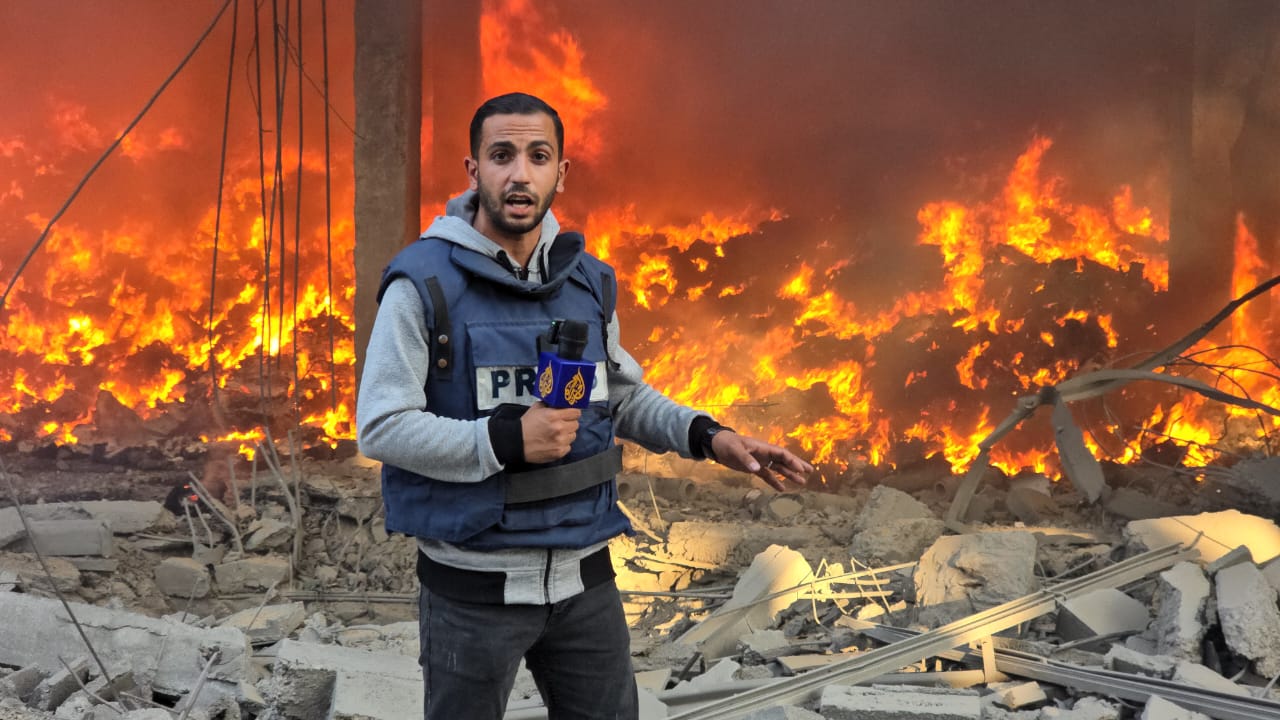
From the very first moment of the genocidal war waged by Israel on Gaza, Al Jazeera correspondent Hisham Zaqout has been a witness to hunger, devastation, war crimes, and the assassination of his colleagues in the field. It is a battle for survival and documentation, one that goes beyond mere coverage and daily reporting.

Hisham Zakkout Published on: 26 Jan, 2026
Investigating the Assassination of My Own Father

As a journalist, reporting on the murder of my father meant answering questions about my own position as an objective observer.

Diana López Zuleta
Diana López Zuleta Published on: 16 Jan, 2026
What Image of Gaza Will the World Remember?

Will the story of Gaza be reduced to official statements that categorise the Palestinian as a "threat"? Or to images of the victims that flood the digital space? And how can the media be transformed into a tool for reinforcing collective memory and the struggle over narratives?

Hassan Obeid
Hasan Obaid Published on: 13 Jan, 2026
Bridging the AI Divide in Arab Newsrooms

AI is reshaping Arab journalism in ways that entrench power rather than distribute it, as under-resourced MENA newsrooms are pushed deeper into dependency and marginalisation, while wealthy, tech-aligned media actors consolidate narrative control through infrastructure they alone can afford and govern.

Sara Ait Khorsa
Sara Ait Khorsa Published on: 10 Jan, 2026
Generative AI in Journalism and Journalism Education: Promise, Peril, and the Global North–South Divide

Generative AI is transforming journalism and journalism education, but this article shows that its benefits are unevenly distributed, often reinforcing Global North–South inequalities while simultaneously boosting efficiency, undermining critical thinking, and deepening precarity in newsrooms and classrooms.

Carolyne Lunga
Carolyne Lunga Published on: 2 Jan, 2026
Intifada 2.0: Palestinian Digital Journalism from Uprising to Genocide

From underground newsletters during the Intifadas to livestreams from Gaza, Palestinian journalism has evolved into a decentralised digital practice of witnessing under occupation. This article examines how citizen journalists, fixers and freelancers have not only filled gaps left by international media, but fundamentally transformed how Palestine is reported, remembered and understood.

Zina Q.
Zina Q. Published on: 24 Dec, 2025
How Can Journalism Make the Climate Crisis a People’s Issue?

Between the import of Western concepts and terminology that often fail to reflect the Arab context, and the denial of the climate crisis, or the inability to communicate it in clear, accessible terms, journalism plays a vital role in informing the public and revealing how climate change directly affects the fabric of daily life in the Arab world.

Bana Salama
Bana Salama Published on: 19 Dec, 2025
Inside Vietnam’s Disinformation Machine and the Journalists Exposing It from Exile

Vietnam’s tightly controlled media environment relies on narrative distortion, selective omission, and propaganda to manage politically sensitive news. Exiled journalists and overseas outlets have become essential in exposing these practices, documenting forced confessions and smear campaigns, and preserving access to information that would otherwise remain hidden.

AJR Contributor Published on: 15 Dec, 2025
What It Means to Be an Investigative Journalist Today

A few weeks ago, Carla Bruni, wife of former French president Nicolas Sarkozy, was seen removing the Mediapart logo from view. The moment became a symbol of a major victory for investigative journalism, after the platform exposed Gaddafi’s financing of Sarkozy’s election campaign, leading to his prison conviction. In this article, Edwy Plenel, founder of Mediapart and one of the most prominent figures in global investigative journalism, reflects on a central question: what does it mean to be an investigative journalist today?

Edwy Plenel
Edwy Plenel Published on: 27 Nov, 2025
In-Depth and Longform Journalism in the AI Era: Revival or Obsolescence?

Can artificial intelligence tools help promote and expand the reach of longform journalism, still followed by a significant audience, or will they accelerate its decline? This article examines the leading AI tools reshaping the media landscape and explores the emerging opportunities they present for longform journalism, particularly in areas such as search and content discovery.

. سعيد ولفقير. كاتب وصحافي مغربي. ساهم واشتغل مع عددٍ من المنصات العربية منذ أواخر عام 2014.Said Oulfakir. Moroccan writer and journalist. He has contributed to and worked with a number of Arab media platforms since late 2014.
Said Oulfakir Published on: 24 Nov, 2025
Leaked BBC Memo: What Does the Crisis Reveal?

How Should We Interpret the Leak of the “BBC Memo” on Editorial Standards? Can we truly believe that the section concerning U.S. President Donald Trump was the sole reason behind the wave of resignations at the top of the British broadcaster? Or is it more accurately seen as part of a broader attempt to seize control over editorial decision-making? And to what extent can the pressure on newsrooms be attributed to the influence of the Zionist lobby?

 Mohammed Abuarqoub. Journalist, trainer, and researcher specializing in media affairs. He holds a PhD in Communication Philosophy from Regent University in the United States.محمد أبو عرقوب صحفي ومدرّب وباحث متخصص في شؤون الإعلام، حاصل على درجة الدكتوراه في فلسفة الاتّصال من جامعة ريجينت بالولايات المتحدة الأمريكية.
Mohammed Abuarqoub Published on: 20 Nov, 2025
Crisis of Credibility: How the Anglo-American Journalism Model Failed the World

Despite an unprecedented global flood of information, journalism remains strikingly impotent in confronting systemic crises—largely because the dominant Anglo-American model, shaped by commercial imperatives and capitalist allegiances, is structurally incapable of pursuing truth over power or effecting meaningful change. This critique calls for dismantling journalism’s subordination to market logic and imagining alternative models rooted in political, literary, and truth-driven commitments beyond the confines of capitalist production.

Imran Muzaffar
Imran Muzaffar, Aliya Bashir, Syed Aadil Hussain Published on: 14 Nov, 2025
Why Has Arab Cultural Journalism Weakened in the Third Millennium?

The crisis of cultural journalism in the Arab world reflects a deeper decline in the broader cultural and moral project, as well as the collapse of education and the erosion of human development. Yet this overarching diagnosis cannot excuse the lack of professional training and the poor standards of cultural content production within newsrooms.

Fakhri Saleh
Fakhri Saleh Published on: 10 Nov, 2025
Podcasters, content creators and influencers are not journalists. Are they?

Are podcasters, content creators, and influencers really journalists, or has the word 'journalist' been stretched so thin that it now covers anyone holding a microphone and an opinion? If there is a difference, where does it sit? Is it in method, mission, accountability, or something else? And in a media landscape built on noise, how do we separate a journalist from someone who produces content for clicks, followers or sponsors

Derick Matsengarwodzi
Derick Matsengarwodzi Published on: 7 Nov, 2025
The Power to Write History: How Journalism Shapes Collective Memory and Forgetting

What societies remember, and what they forget, is shaped not only by historians but by journalism. From wars to natural disasters, the news does not simply record events; it decides which fragments endure in collective memory, and which fade into silence.

Daniel Harper
Daniel Harper Published on: 30 Oct, 2025
Journalism in Spain: Why Omitting Ethnicity May Be Doing More Harm Than Good

In Spain, a well-intentioned media practice of omitting suspects’ ethnic backgrounds in crime reporting is now backfiring, fuelling misinformation, empowering far-right narratives, and eroding public trust in journalism.

Ilya إيليا توبر 
Ilya U Topper Published on: 10 Sep, 2025
Interview with Zina Q. : Digital Cartography as a Tool of Erasure in Gaza

Amid Israel’s war on Gaza, Zina Q. uncovers how Google Maps and satellite imagery are being manipulated; homes relabelled as “haunted,” map updates delayed, and evidence of destruction obscured, revealing digital cartography itself as a weapon of war. By exposing these distortions and linking them to conflicts from Sudan to Ukraine, she demonstrates how control over maps and AI surveillance influences not only what the world sees, but also what it remembers.

Al Jazeera Journalism Review
Al Jazeera Journalism Review Published on: 6 Sep, 2025
Canadian Journalists for Justice in Palestine: A Call to Name the Killer, Not Just the Crime

How many journalists have to be killed before we name the killer? What does press freedom mean if it excludes Palestinians? In its latest strike, Israel killed an entire Al Jazeera news crew in Gaza—part of a systematic campaign to silence the last witnesses to its crimes. Canadian Journalists for Justice in Palestine (CJJP) condemns this massacre and calls on the Canadian government to end its complicity, uphold international law, and demand full accountability. This is not collateral damage. This is the targeted erasure of truth.

Samira Mohyeddin
Samira Mohyeddin Published on: 14 Aug, 2025
Protecting Palestinian Journalists Should be First Priority - Above Western Media Access

Why demand entry for foreign reporters when Palestinian journalists are already risking—and losing—their lives to tell the truth? Real solidarity means saving journalists' lives, amplifying their voices, and naming the genocide they expose daily.

Synne Furnes Bjerkestrand
Synne Bjerkestrand, Kristian Lindhardt Published on: 10 Aug, 2025
The Washington Post: When Language Becomes a Veil for Pro-Israel Bias

How did The Washington Post's coverage differ between Israel’s bombing of Gaza hospitals and Iran’s strike on an Israeli hospital? Why does the paper attempt to frame Palestinian victims within a “complex operational context”? And when does language become a tool of bias toward the Israeli narrative?

Said Al-Azri
Said Al-Azri Published on: 6 Aug, 2025