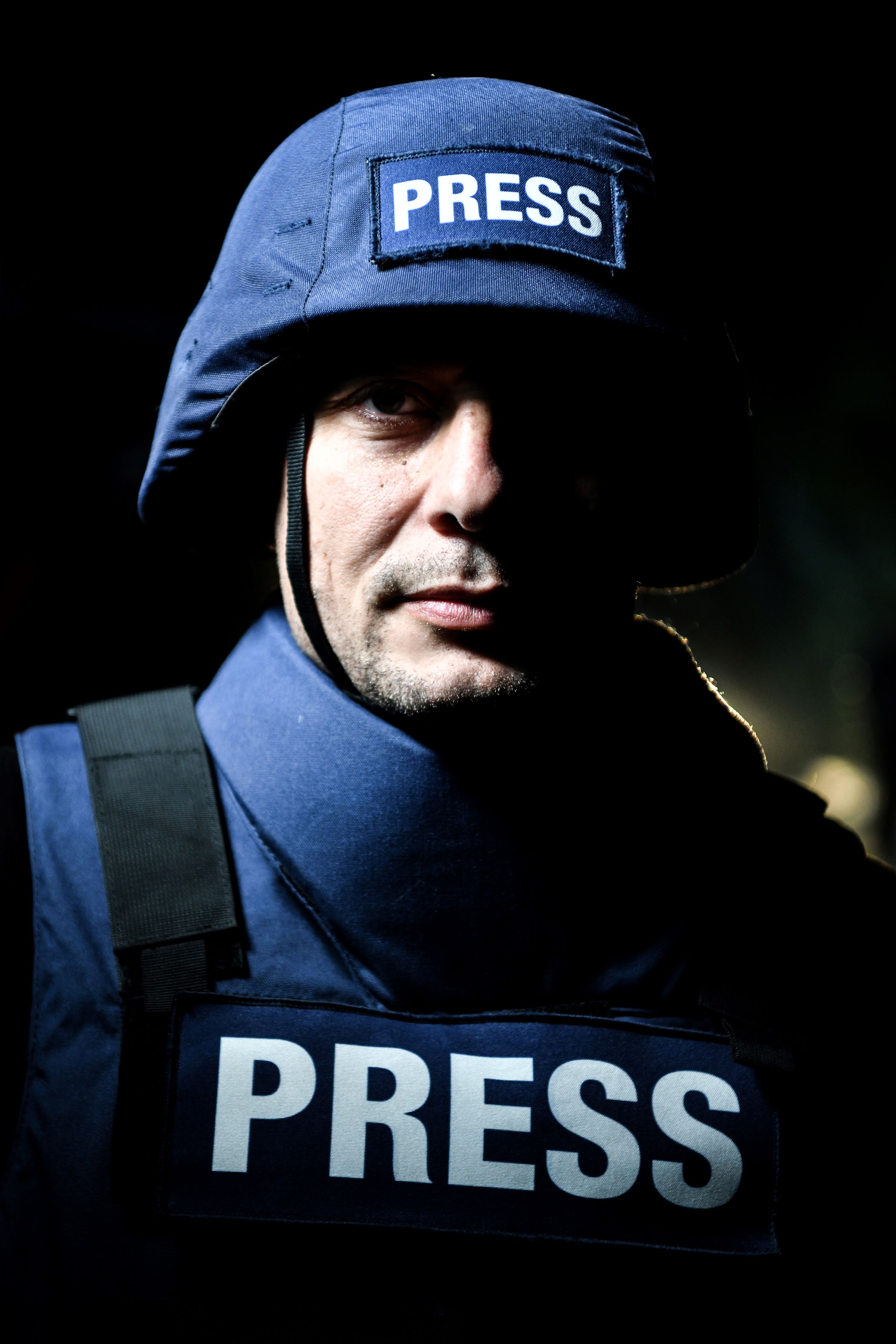
African journalists who expose corruption and power now face a brutal mix of arrests, torture, digital surveillance, and lawsuits meant to drain their resources and silence them. From Ethiopia, Nigeria, Malawi, Benin, Sudan, Uganda, and Kenya to exile in Canada, reporting the truth has become an act of personal survival as much as public service.
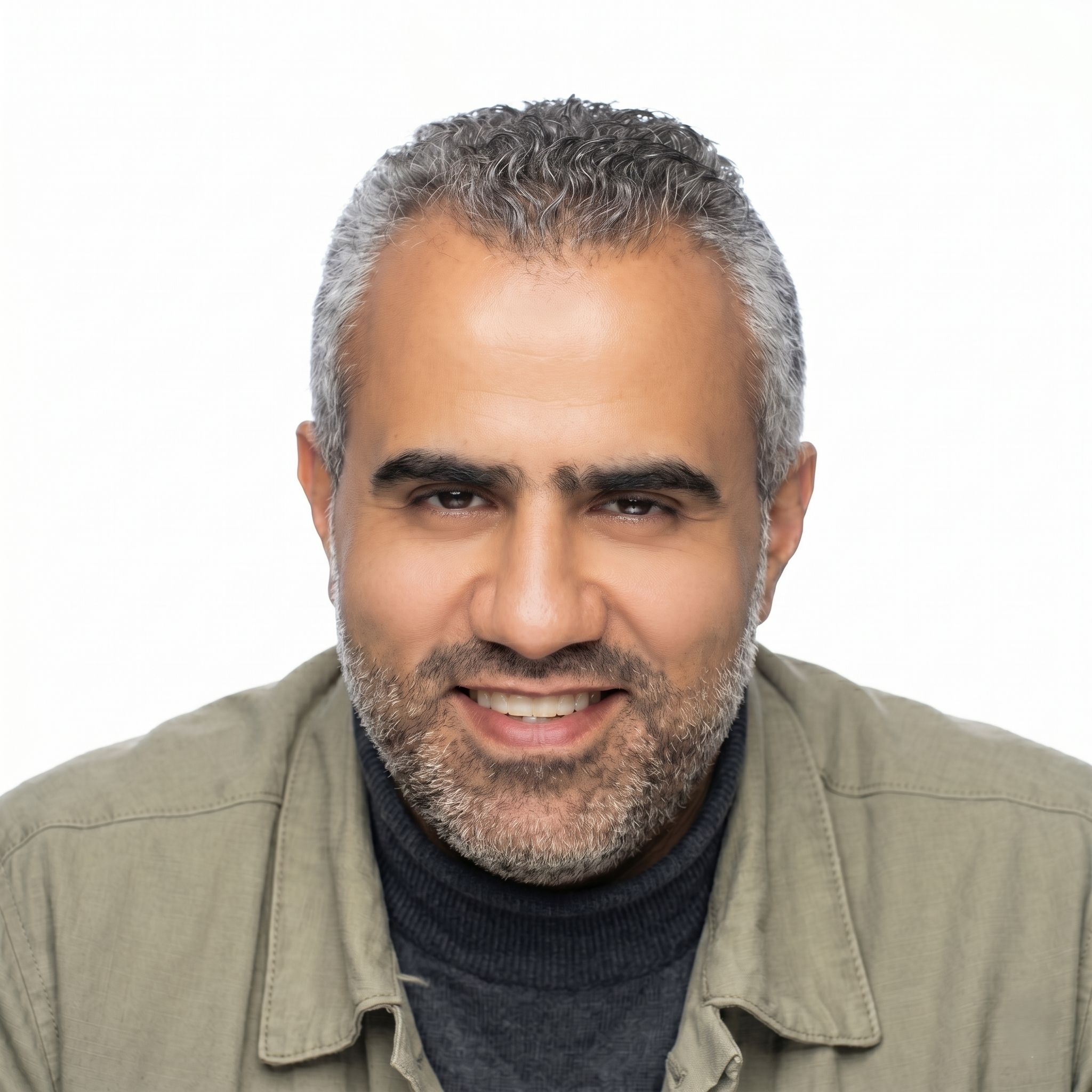
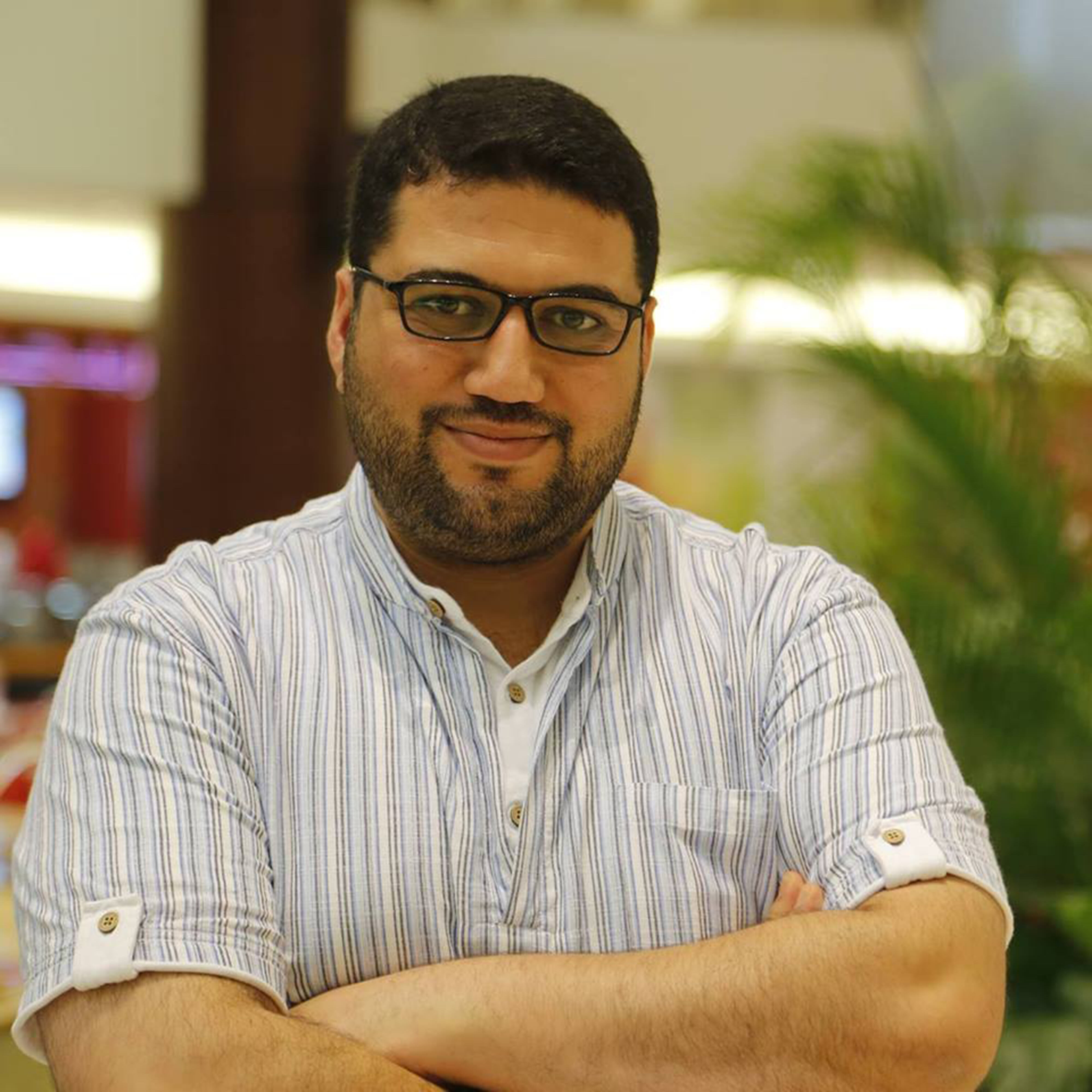
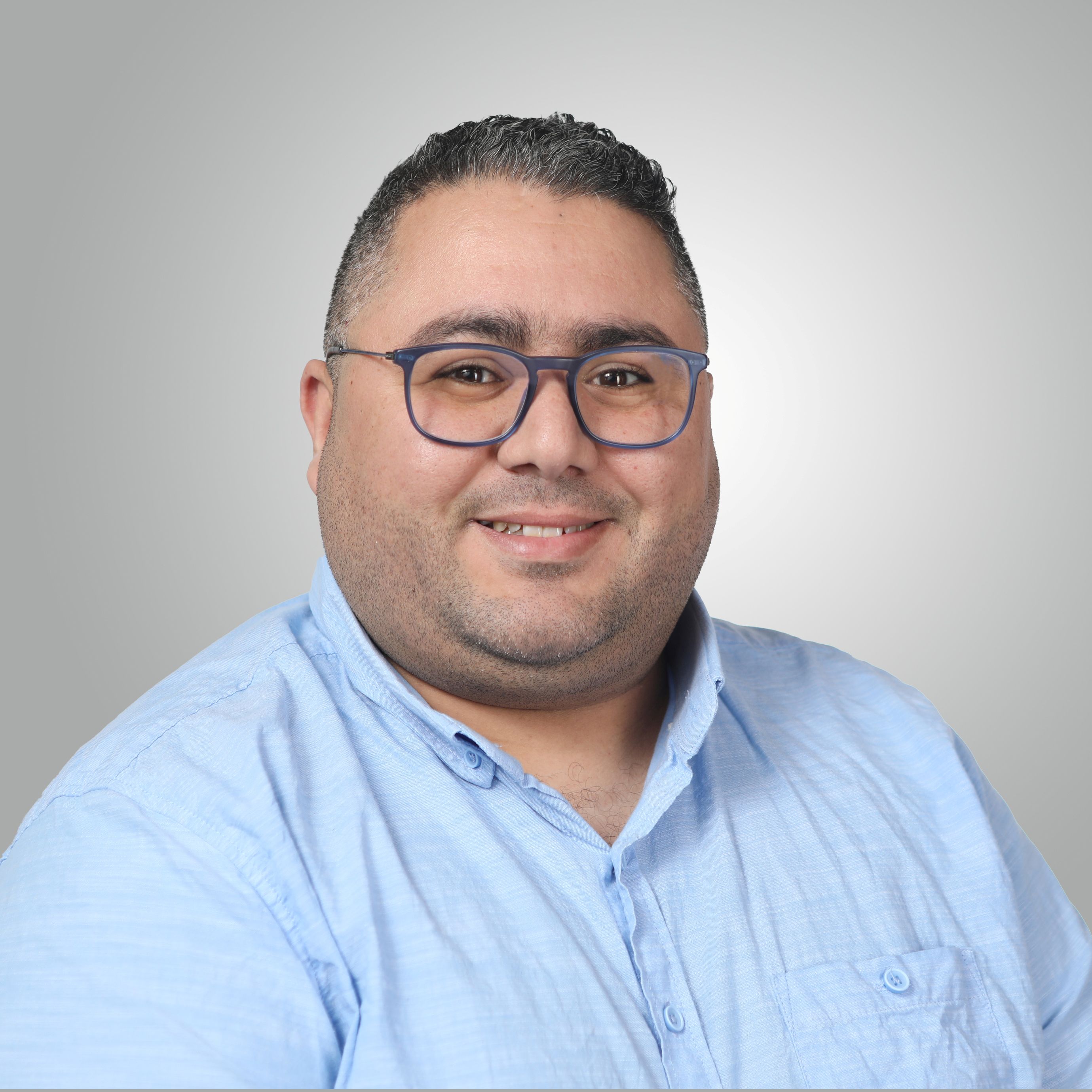
In 2019, Ermias Mulugeta, an Ethiopian investigative journalist and media trainer, embarked on a perilous investigation that exposed a high-profile drug trafficking network involving powerful figures.
To execute this dangerous assignment, “I had to infiltrate into where the drugs were actually auctioned and distributed to other countries,” he recalls. “If they found out I was there to observe, they would have killed me.”
Mulugeta’s reporting triggered a brutal wave of intimidation. “I began receiving several calls, intimidating text messages after the investigation,” he says. Soon, he noticed the same people following him wherever he went. Amid the escalating danger, he still summoned the courage to continue exposing corruption in Ethiopia’s power circles.
His ordeal intensified in the summer of 2021 when he was arrested and beaten by men from the intelligence office in Addis Ababa. The men whisked him away to an unknown location, where he was tortured for six hours.
“They beat me like a crazy idiot. They were grabbing me, slapping me, and pointing a gun at me,” he recounts. After pleading for hours to know his offence, they told him he had defamed someone in a report. “They said I had defamed a person,” he recalls.
Despite repeatedly asking who he had allegedly defamed so he could make amends, they refused to tell him. Eventually, they took him to a police station and released him late at night, after news of his arrest had already spread widely on social media.
Mulugeta’s experience captures the peril faced by journalists across Africa, where exposing corruption or questioning authority can invite harassment, arrest, or worse. Ethiopia ranks alongside Eritrea as sub-Saharan Africa’s worst jailer of journalists, according to a research by the Committee to Protect Journalists (CPJ).
Even in relatively democratic states, laws designed to regulate cyberspace or combat “false information” have become tools of suppression. Busola Ajibola, Deputy Director of Center for Journalism Innovation and Development (CJID) – an African media think tank promoting investigative journalism, media literacy, and democratic accountability – told AJR that Nigeria’s Cybercrime Act of 2015, though amended, continues to be used to target journalists. “Between last year and now, we have tracked 17 cases where the Cybercrime Act has been used against journalists,” Ajibola notes.
Following his ordeal, Mulugeta left Ethiopia, and now lives in Canada. “In Ethiopia, when I see a police vehicle approach, I feel threatened. I don’t feel safe,” he says. “And that mentality followed me all the way to Canada.”
Across the continent, journalists share similar experiences – marked by fear, self-censorship, and state surveillance that continues to narrow the boundaries of free expression.
When Truth Becomes a Target
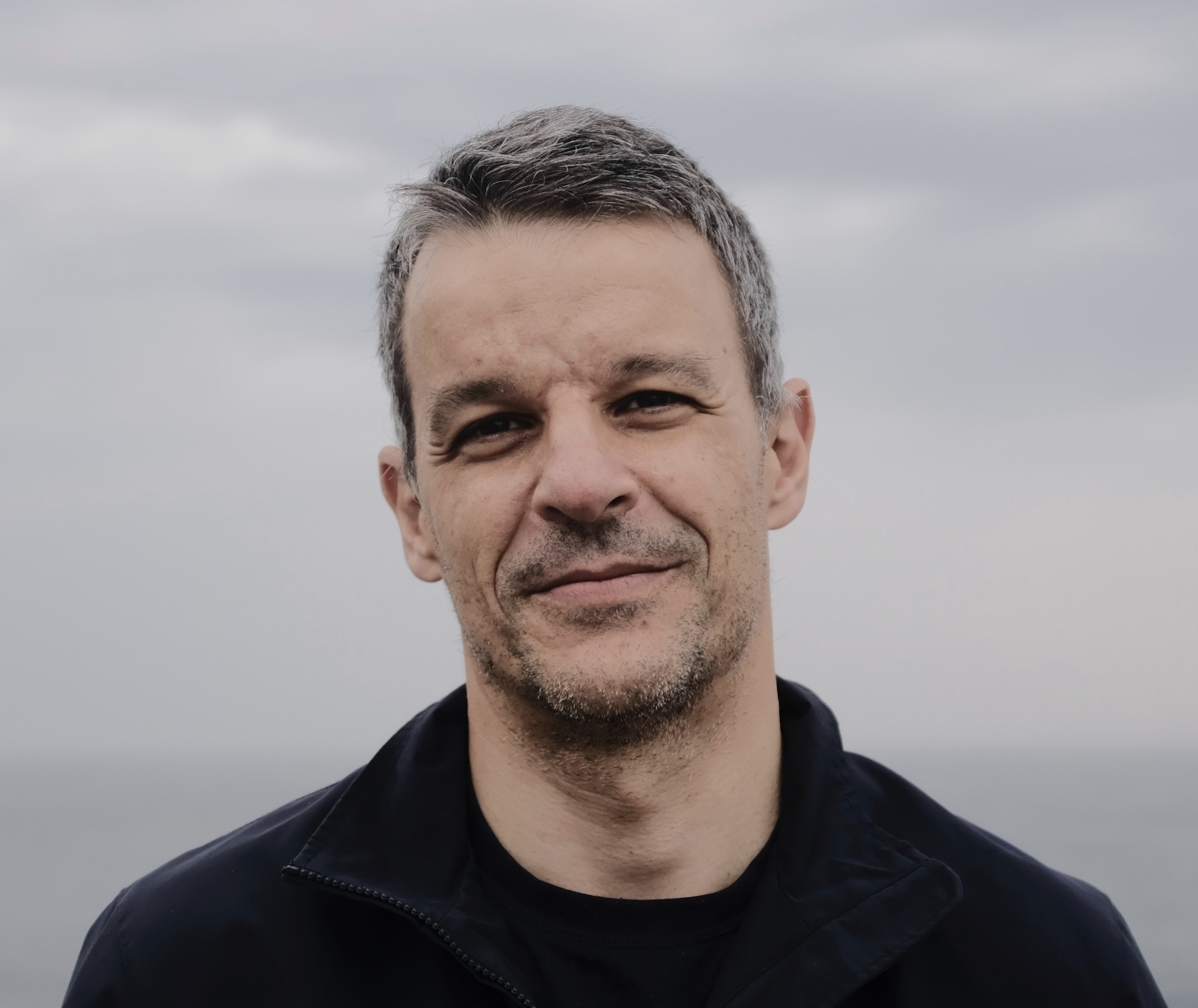
In Malawi, on October 10, 2025, intimidation struck in broad daylight when a group of youths stormed the premises of the Malawi Broadcasting Corporation (MBC) in Blantyre. They forced George Kasakula, the Director-General of the public broadcaster, to deliver a live on-air apology to President Peter Mutharika, and the country’s ruling party, the Democratic Progressive Party (DPP).
“They threatened me with their presence,” Kasakula recounts. “These are masked killer men, seven of them, coming to my office, surrounding me. They forced me to do something against my will.”
His offence was a comment he made during a presidential campaign broadcast, where he suggested that the 85-year-old Mutharika was too old to govern.
The attackers’ action presented a stark illustration of how fragile editorial independence can be when political power controls state media. Reporters Without Borders has noted that political influence over the media restricts press freedom in Malawi, where reporters face threats, online intimidation, and physical assaults often from party loyalists or law enforcement officers.
The greatest danger is not the threat of arrest, but the internalisation of fear, Ajibola asserts. “Once fear sets in, self-censorship becomes the norm"
Kasakula’s ordeal is not an isolated incident, but part of a wider pattern. Across Africa, governments are increasingly weaponising intimidation to control narratives and punish critical reporting.
In Nigeria, Kehinde Adegboyega, journalist and Executive Director of the Human Rights Journalists Network Nigeria, says even mild criticism can invite surveillance or arrest. “Reporting on corruption or security attracts hostility from both government and private power,” he explains. “Political actors and security agencies use legal and informal pressures such as arrests, lawsuits, or denial of accreditation to silence critical voices, particularly around elections or corruption probes.”
The pressure, he adds, is not only legal. Online harassment and smear campaigns are common tactics to discredit reporters and discourage scrutiny.
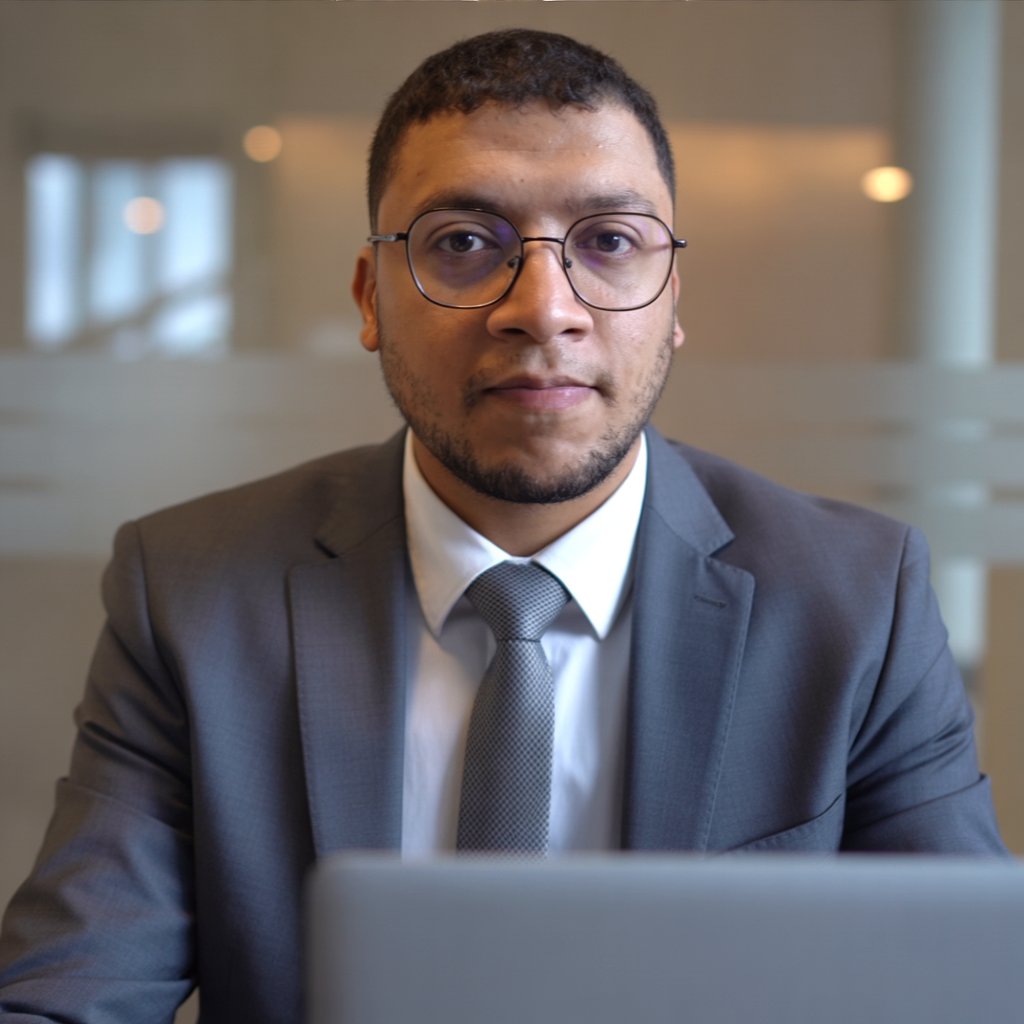
In Benin Republic, once celebrated for its vibrant media landscape, press freedom is also under strain. Loukoumane Worou Tchehou, editor-in-chief of a major radio station, says self-censorship has become routine.
“Even advertisers and political figures try to influence our editorial choices,” he says. “Sometimes, we have to drop stories to protect our reporters.”
Tchehou recalls being summoned several times by the High Authority for Audiovisual and Communication (HAAC), Benin’s media regulator, after publishing reports on the security situation in northern Benin. He adds that a colleague at a sister station was arrested under humiliating conditions for reporting on a confirmed robbery.
The greatest danger is not the threat of arrest, but the internalisation of fear, Ajibola asserts. “Once fear sets in, self-censorship becomes the norm,” she says.
Reporting At A Price
Leima Eljali Abubakr, a Sudanese journalist now in exile in Uganda, told UNESCO that since the outbreak of war in Sudan on April 15, 2023, journalists have faced daily life-threatening dangers including arbitrary arrests, torture, death threats, and enforced disappearances. Many have been killed in the line of duty. UNESCO also reports that nearly nine out of ten journalist killings worldwide go unpunished.
In May 2024, Nigerian police arrested Daniel Ojukwu, an investigative reporter with the Foundation for Investigative Journalism, following his report on alleged financial misconduct by a government official. He was detained for nine days under the Cybercrime Act.
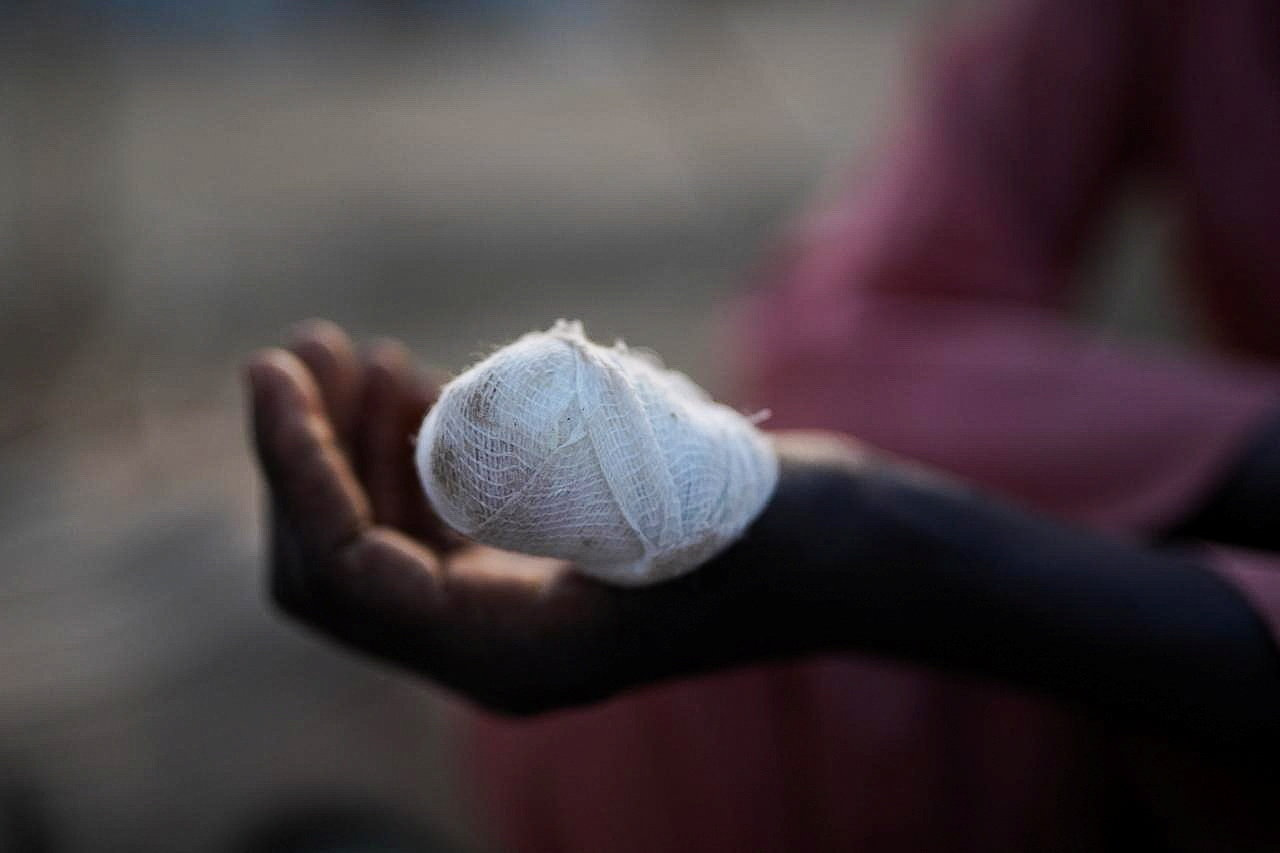
In Uganda, journalist Ibrahim Miracle was brutally assaulted on February 26, 2025, by two masked officers from the country’s Joint Anti-Terrorist Task Force while reporting in Kampala. The attack left him hospitalised with severe injuries.
Figures from Reporters Without Borders (RSF) and CPJ show that at least 67 journalists were imprisoned in Africa as of late 2024, a near-record high. The trend reflects a continent-wide erosion of press freedom, where digital surveillance, disinformation laws, and physical intimidation are used as instruments of control.
The cost of reporting is now dangerously high. Many journalists live in fear, work anonymously, or rely on encrypted communication. Some abandon the profession altogether.
According to Ajibola, the intimidation African journalists face extends beyond physical attacks. She explained that many journalists and newsrooms are burdened by numerous lawsuits, forcing them to spend a lot of money defending themselves in court for reporting the truth.
“The goal of those who initiate the lawsuits is not to win. They just want to punish journalists, and financially drain, and gag them,” she says. “They fight to ensure that they are not able to continue doing accountability reporting.”
The cost of reporting is now dangerously high. Many journalists live in fear, work anonymously, or rely on encrypted communication. Some abandon the profession altogether. Yet amid the fear, solidarity networks are emerging through cross-border collaborations led by the Organised Crime and Corruption Reporting Project (OCCRP) and Global Investigative Journalism Network (GIJN), and regional journalist unions offering legal aid and digital-security training.
Resilience Amid Repression
For many journalists, survival now means leaving home. Some go into exile; others retreat into silence. Whereas a few continue to report.
From his home in Canada, Mulugeta still contributes to Ethiopian outlets, verifying information through trusted contacts on the ground. He remains determined to fulfill his duty to the Ethiopian people.
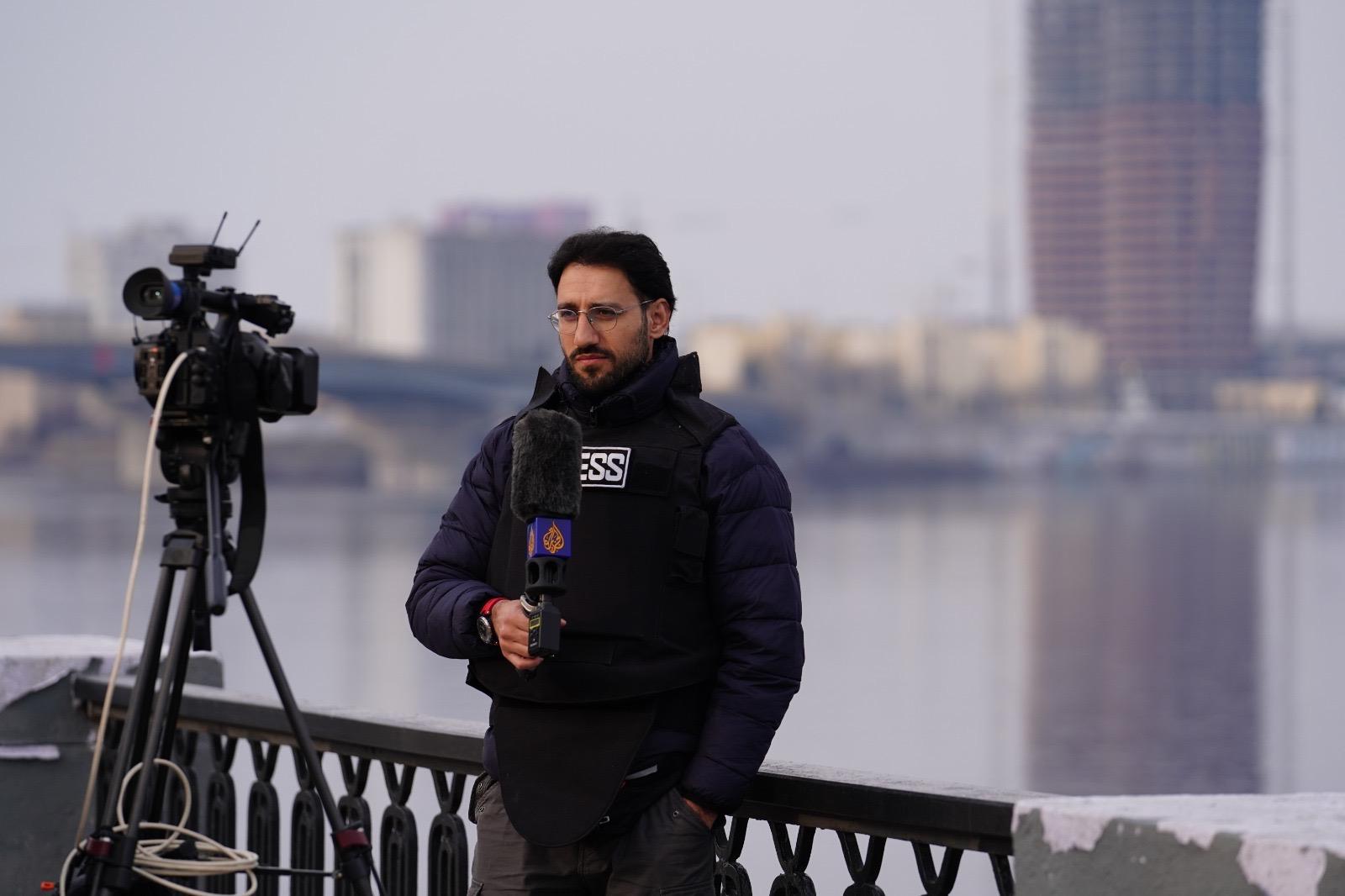
In Kenya, where democracy is relatively stronger, TV journalist Nancy Onyancha still navigates subtle pressures from political actors and advertisers. “During the GenZ protests (in Kenya), political leaders called for boycotts of media houses that aired stories about the demonstrations,” she says. “There’s constant manipulation depending on which party a media house supports.”
For women journalists, these pressures are compounded by gendered attacks online. “I’ve faced bullying over my personal life,” she adds. “Kenya still lacks clear laws on digital harassment.”
Despite these challenges, she sees progress. “More women are taking leadership roles, which gives them confidence to speak up. Media bodies here are offering some protection.”
Across Africa, networks of solidarity are growing. In Nigeria, Adegboyega’s organisation provides training and legal support. In Benin, Tchehou’s team now consults lawyers before publishing high-risk investigations. And, in Kenya, professional associations train women to respond to online abuse.
For every journalist who speaks out, dozens more retreat into silence. Yet amid the challenges, there is quiet defiance, and a shared belief that truth must outlive repression.
“Journalism is my calling,” Mulugeta says. “I will keep reporting from where I am.”