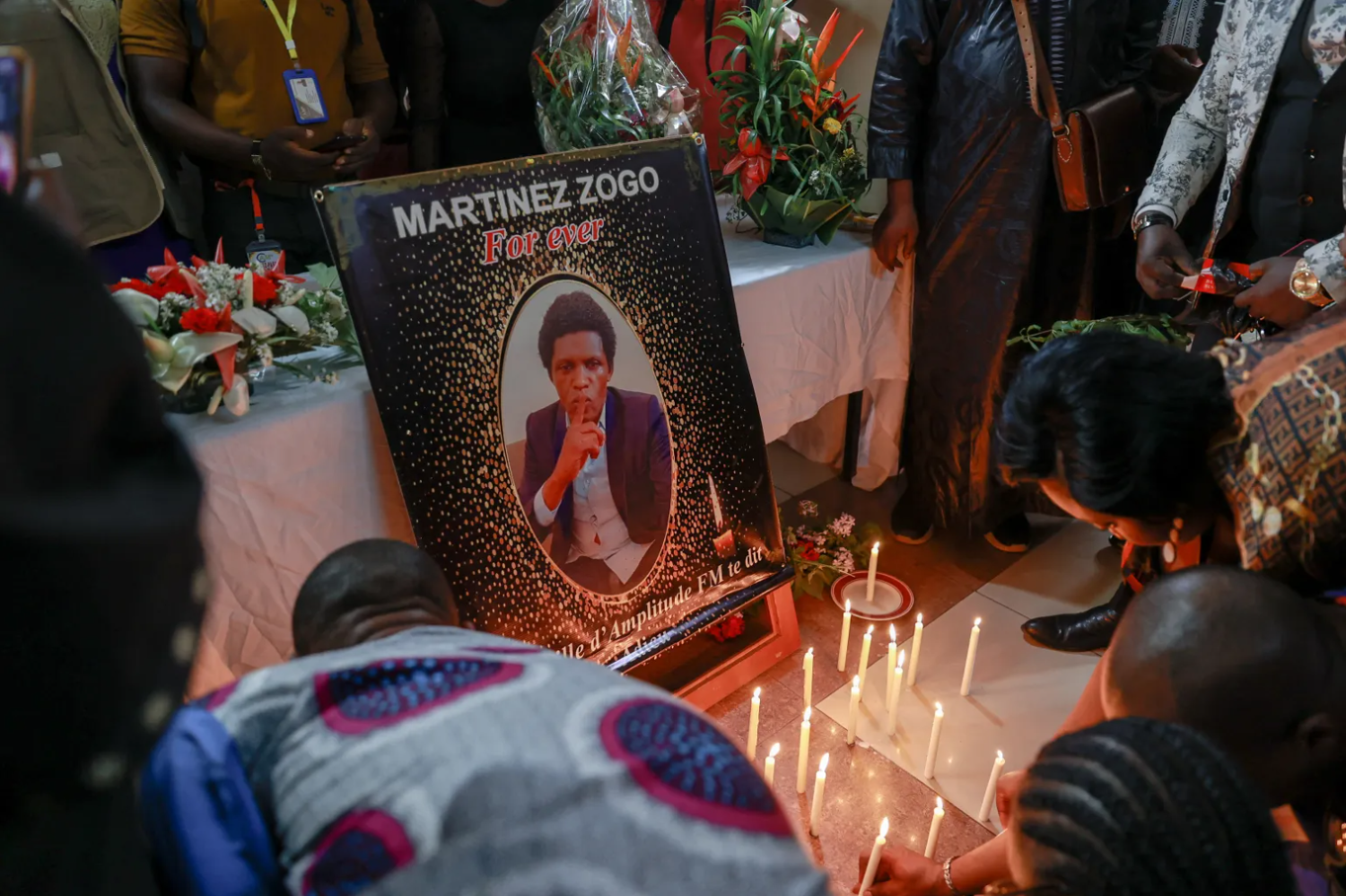
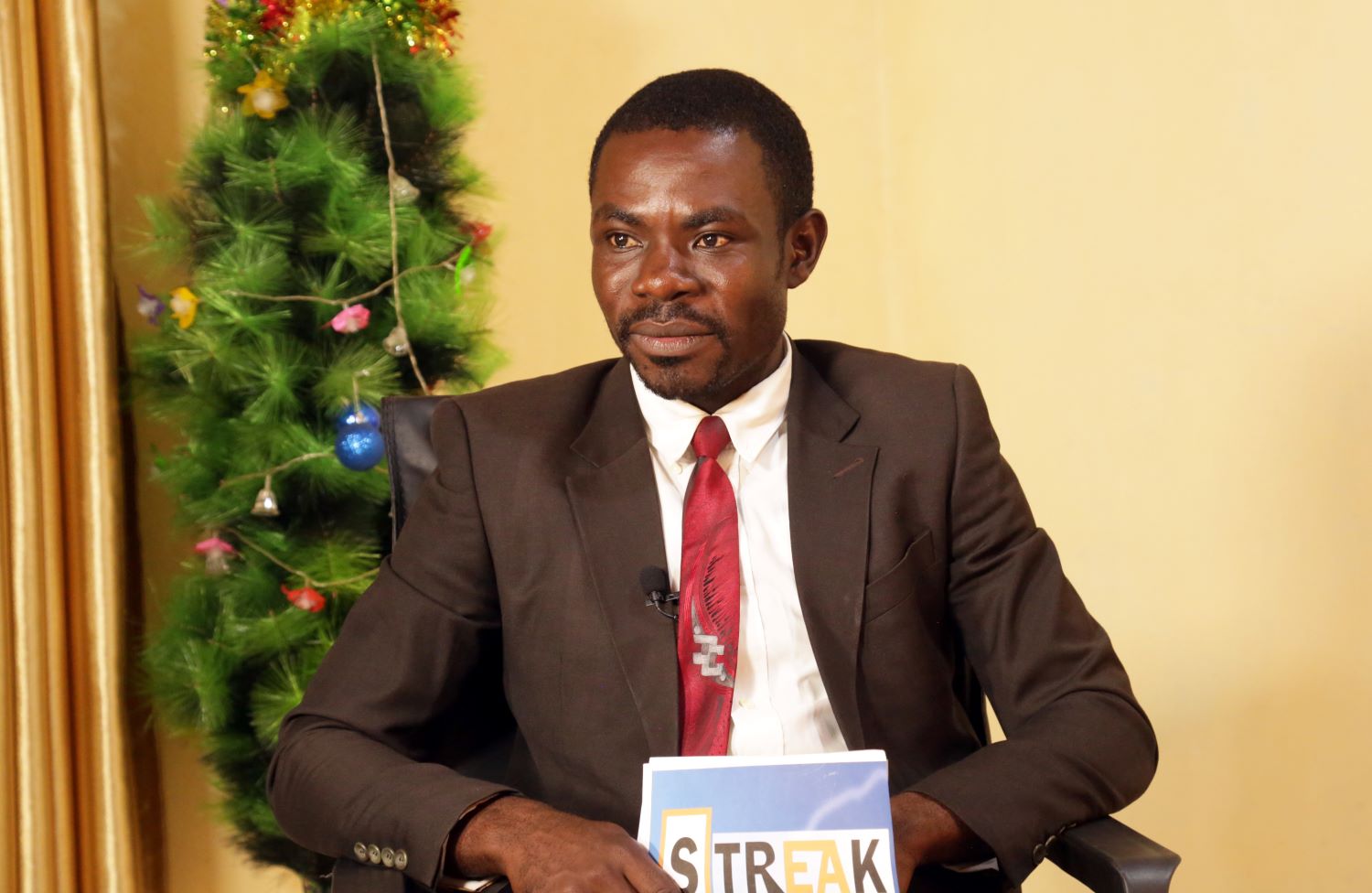
While many journalists demonstrate admirable resilience in producing quality journalism under precarious conditions, resilience should not be the only safety net. Journalism deserves protection, because democracy depends on it.
“I have seen firsthand a colleague [journalist] fall ill and be unable to pay bills or access healthcare because there’s no health insurance scheme to cover the cost. In most of these instances, we [colleagues] make a voluntary contribution, sometimes as little as 1,000 FCFA ($1.77) or 2,000 FCFA ($3.54), to support the colleague’s share of the medical costs.
Though it’s some form of solidarity, it’s always an ugly and demeaning situation, especially for senior colleagues who have put in years of hard work,” says Andrew Nsoseka.
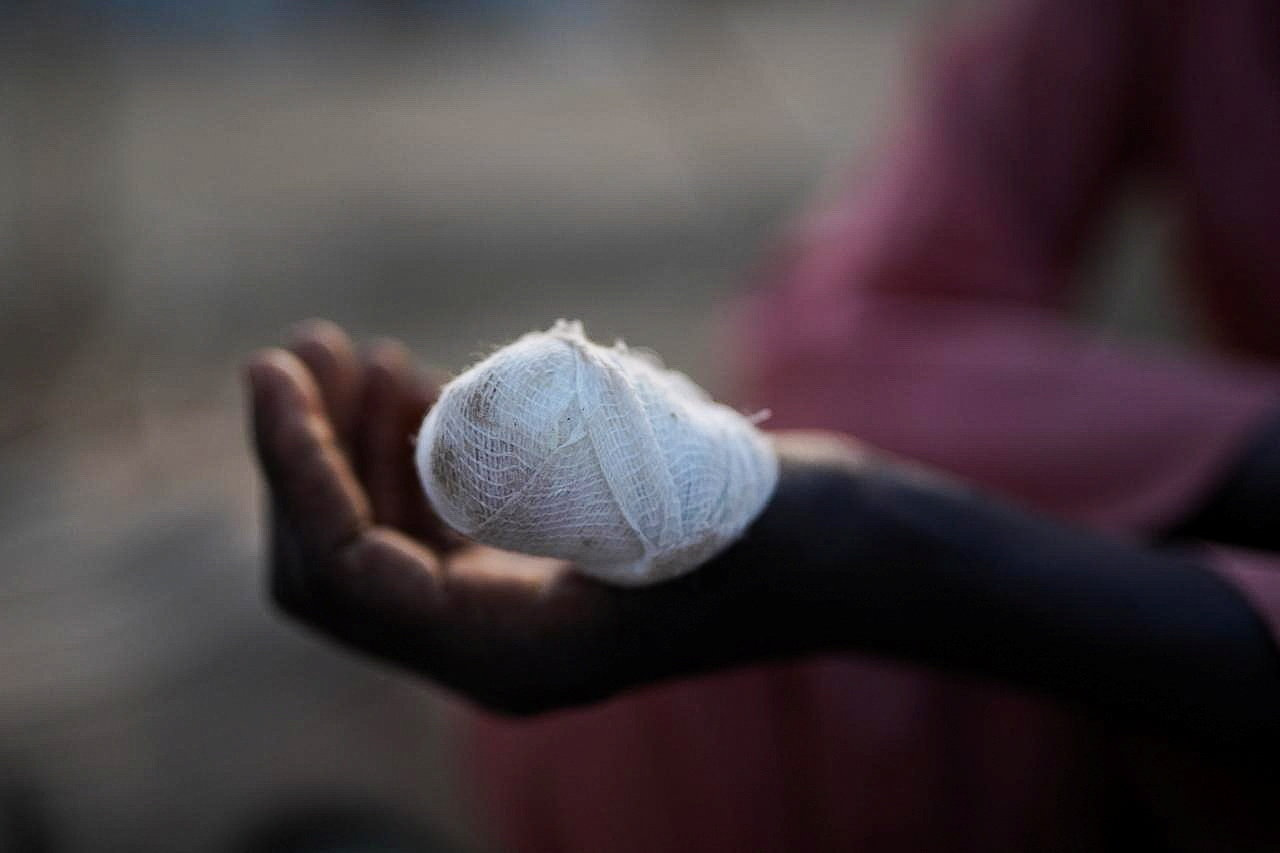
His observation may sound isolated, but sadly, it is the reality for most journalists in the private press in Cameroon. With no formal work contracts, no insurance schemes, and no institutional support, illness or injury, even during official assignments, means recovery depends on a journalist’s meagre pay cheque, family contributions, and goodwill.
It is disturbing that journalists are democracy’s watchdogs, yet they themselves remain unprotected.
With no formal work contracts, no insurance schemes, and no institutional support, illness or injury, even during official assignments, means recovery depends on a journalist’s meagre paycheck, family contributions, and goodwill.
Overview of the Problem
Across Cameroon and much of Africa, journalists work under precarious conditions. Freelancers and staff alike often lack labour contracts, health insurance, or pension schemes. Political hostility compounds this vulnerability: reporters are detained, harassed, and silenced with little recourse. Unlike other professions with statutory protections, journalists are left to fend for themselves in the labour market.
The International Federation of Journalists (IFJ) notes that these circumstances are widespread and systemic. Journalists are regularly underpaid, denied contracts, stripped of social rights, and exposed to workplace risks without safety or health assurances. “This catastrophe is structural and purposeful, rather than incidental,” the IFJ stresses.
“Many media outlets deliberately exploit freelancing and internship placements, keeping journalists on for extended periods without granting full employment status. These reporters perform the same work as staff but are denied fair pay, job security, and the full range of labour rights.” The IFJ concludes that this conduct amounts to exploitation and must be addressed urgently.
Concurring with the IFJ, Nsoseka says, “As someone who works for the private press in Cameroon, I sometimes go for several months without pay and am not registered in any social or health insurance schemes.”
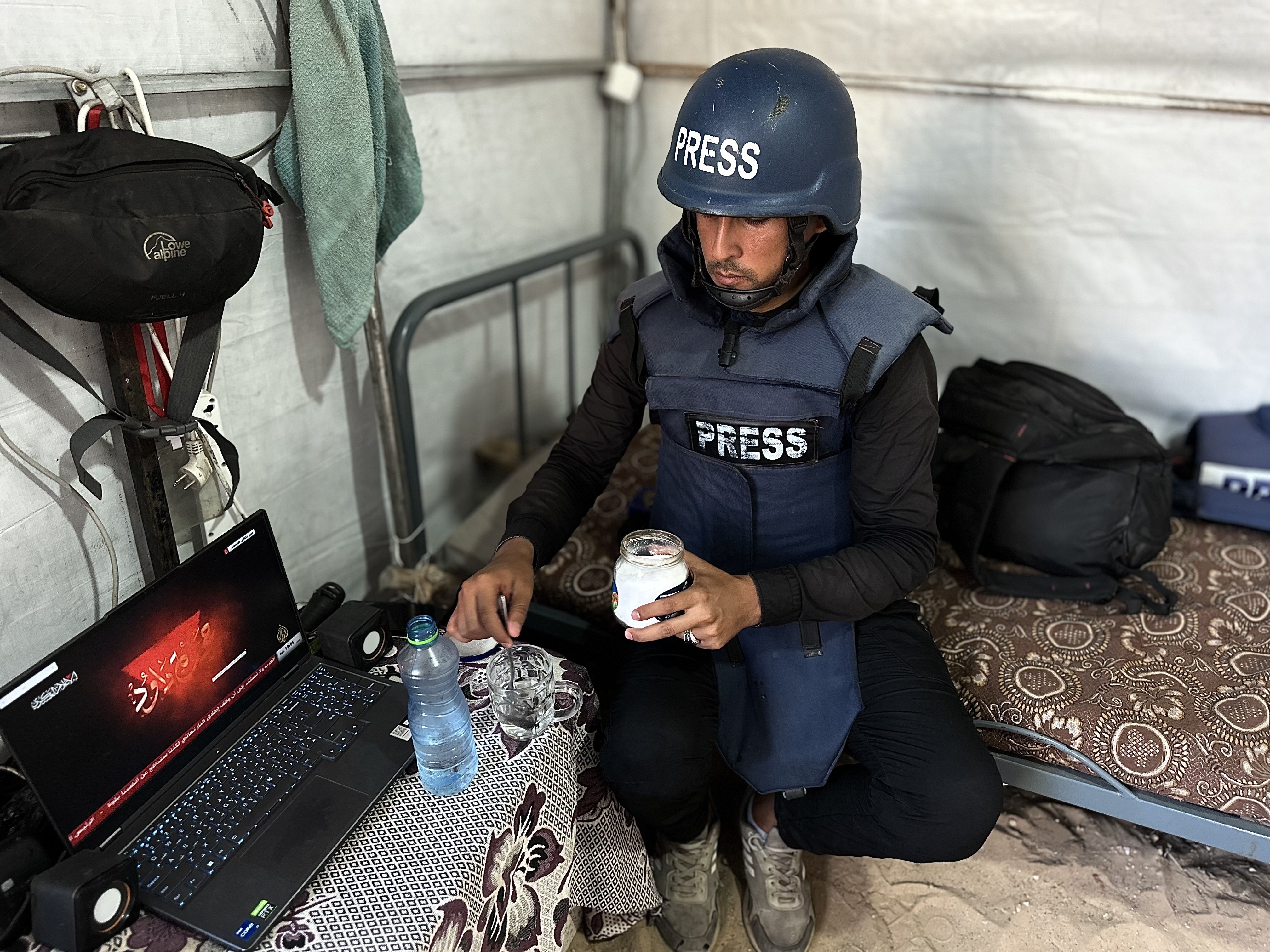
Nsoseka is a journalist and desk editor at the Buea-based biweekly newspaper The Post, in Cameroon’s embattled Southwest Region. He has worked throughout his career in the private press. Working with no safety nets is already difficult. Adding the layer of armed conflict makes precarity even sharper; he and his colleagues navigate danger with only a pen and notebook as their weapons.
Risk Without Nets “Working without a formal labour contract is a hard thing to accept, but, in our context, we’ve just learned to live with it. Working without a contract means anything can happen; you can be shown the door at any time. And in such instances, accrued salary arrears won’t be paid, because sometimes you work for three years only to realise that two of those years were without pay,” says Nsoseka.
Like him, Rifor recalls the financial pressure. “I was ill and needed an emergency surgical procedure. Given that healthcare is funded through out-of-pocket payments, when the deposit was requested, I had to call friends and family to come to my aid and save my life. Because of the lack of social protection, it was tedious paying the bills all at once.”
Besides the hurdles to timely and quality care, Rifor says that without safety nets, journalists are forced to accept any working conditions. “Without contracts, one is compelled to accept exploitation, deepening vulnerability.”
Macwalter Njapteh Refor is a journalist at Cameroon’s English-language daily, The Guardian Post.
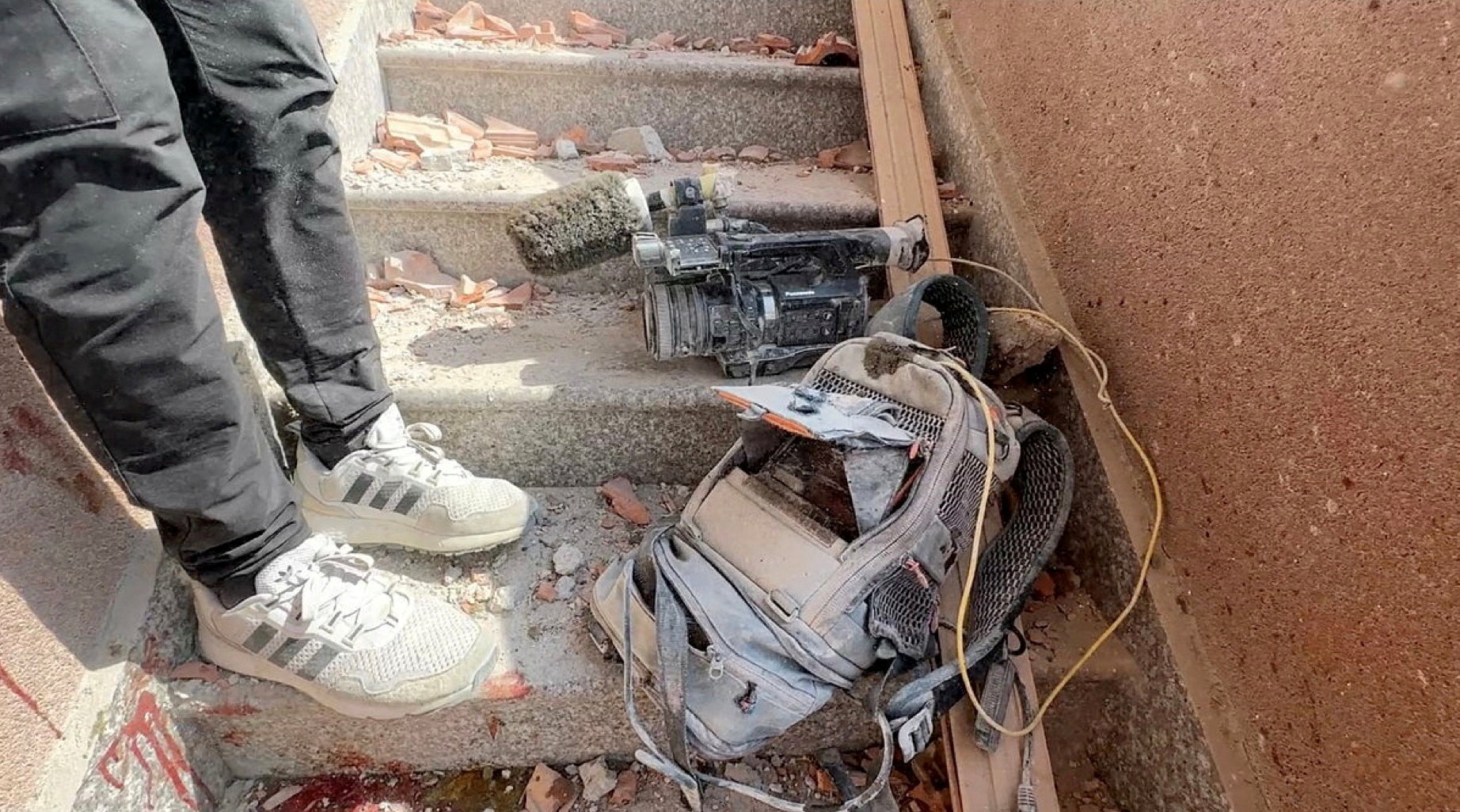
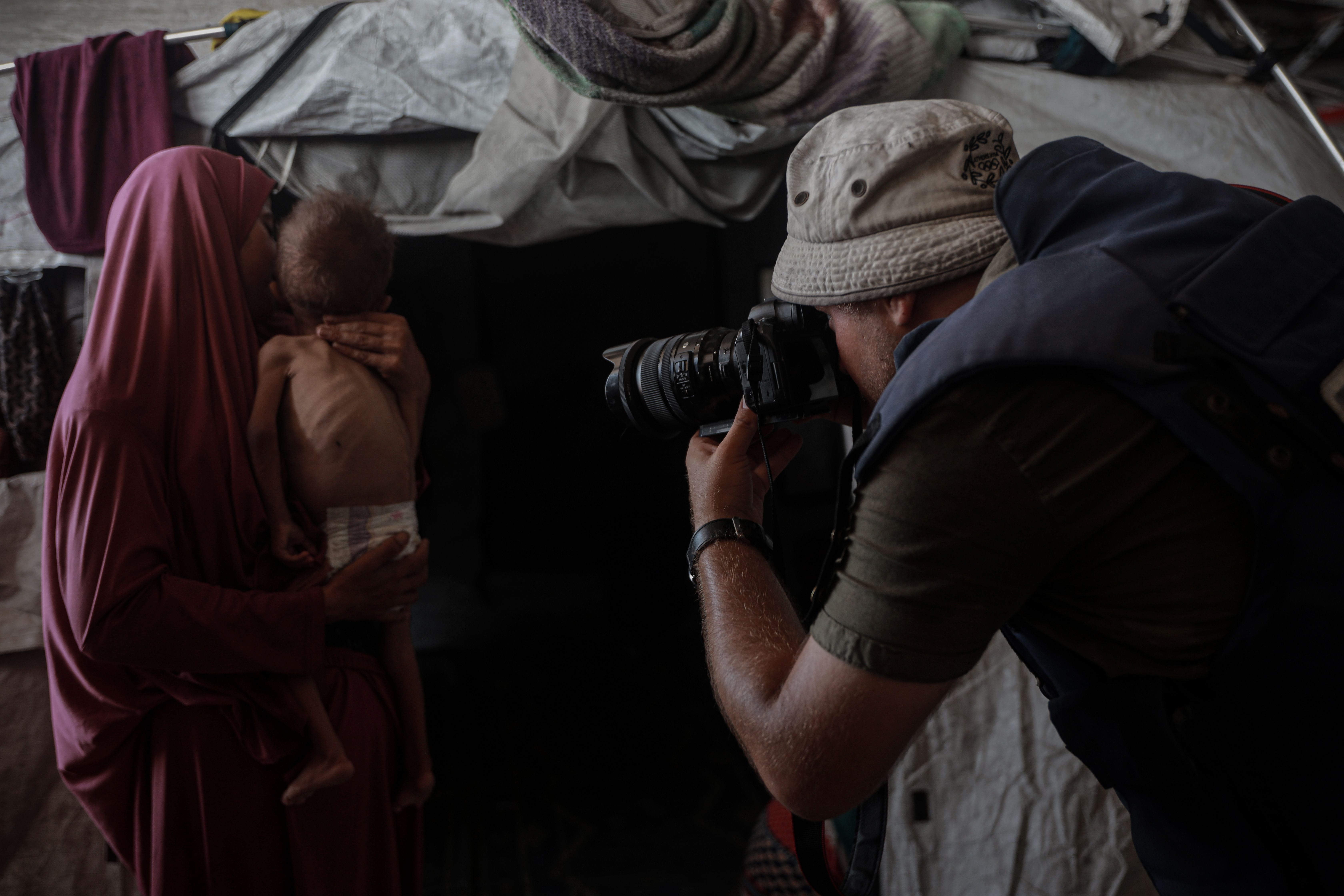
As highlighted by Nsoseka and Rifor, everyday reporting without safety nets comes at a cost: harassment from security forces and political actors, physical injury during protests, psychological trauma from witnessing violence, and financial instability due to irregular pay.
My job requires that we hold people to account. That alone puts us in dangerous positions because those you want to hold accountable are often the same people doing wrong. They won’t be afraid to add you to the next wrong thing they do. Seeing that there’s no protection for you and no reward for the work, it becomes discouraging. At the end of the day, it’s easy to abandon the stories altogether.
Consequence for Journalism
Precarity narrows editorial choices. Sensitive beats, corruption, human rights abuses, and environmental degradation are abandoned, deemed too slippery and risky to pursue.
“My job requires that we hold people to account. That alone puts us in dangerous positions because those you want to hold accountable are often the same people doing wrong. They won’t be afraid to add you to the next wrong thing they do. Seeing that there’s no protection for you and no reward for the work, it becomes discouraging. At the end of the day, it’s easy to abandon the stories altogether,” says Nsoseka.
“When I look at the work I have to do and assess the risks involved, there are times I identify a great story, but I just tell myself this is not worth my life. First, you’re not adequately paid, or paid at all, and you’re doing it for the sake of society. But as we’re constantly reminded in the armed conflict in my region, no story is worth your life. This pushes one into selective storytelling, reporting only what guarantees some safety.”
Rifor echoes, "Precarity and the absence of safety nets take a toll on my reporting. There are human-interest stories I may not report because of the risk involved. At times, I completely change the angle because pursuing it may expose me to attacks.”
This weakens journalism’s role as a democratic safeguard. When reporters cannot afford to tell the truth, accountability itself is compromised.
There are human-interest stories I may not report because of the risk involved. At times, I completely change the angle because pursuing it may expose me to attacks.
Role of Unions and Associations
Journalism associations could play a transformative role: establishing emergency funds for injured reporters, providing legal aid for those detained, and advocating for inclusion in national social protection schemes. Yet many unions remain underfunded, fragmented, or politically constrained, says Boris Landry, publisher of The National Post.
Cameroon has an estimated 30 to 50 journalism associations and trade unions. Such a fragmented media landscape has weakened collective advocacy, leaving journalists at a disadvantage.
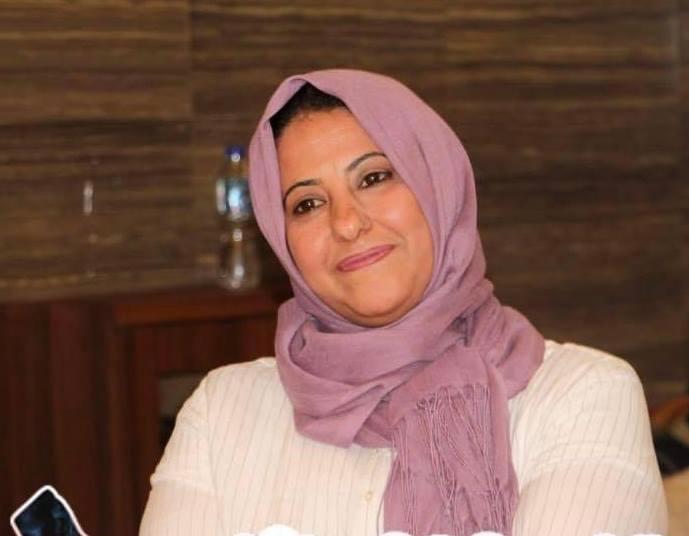
Journalist Mary Nkemngong Efuet says journalism associations can play a cardinal role “in synergy with the national communication council by establishing a database of reporters that’ll enable them to create insurance accounts for their members. This could be covered from the annual membership fees paid by association members. The insurance accounts will accord a degree of protection to local reporters. Therefore, journalists should seek to belong to journalism associations. This is not for fun, but for a safety net and networking.”
Journalism associations can play a cardinal role “in synergy with the national communication council by establishing a database of reporters that’ll enable them to create insurance accounts for their members. This could be covered from the annual membership fees paid by association members.
Policy Prescription
A viable policy scheme must be inclusive and enforceable. Nsoseka believes only economically viable press organs should be allowed to operate, with the requisite responsibility to provide safety nets for staff.
“We should have media houses that can pay salaries regularly, insure their workers, and provide good benefits. If all this is taken care of, we’ll have better journalistic practice in Cameroon.”
“It will take strong political will to have a vibrant social protection scheme for journalists. We can make all kinds of propositions, but there won’t be tangible results if there are no enforceable frameworks spelt out by the government for media owners to abide by,” says Francis Ajumane, journalist and president of the Yaoundé chapter of the Cameroon Association of English-Speaking Journalists (CAMSEJ).
According to Kouekam, a safety-net policy would significantly improve the lives of journalists.
“Addressing weak financial support and inadequate media financing is the most pressing need. If journalism cannot pay its practitioners, there can be no talk of health insurance or safety nets. The absence of financing explains why protections are missing. But if journalism is properly funded, instituting safety nets for journalists becomes possible,” Kouekam explains.
He illustrates the challenge with his own newsroom: “Imagine a media house like mine, struggling to pay the salaries of more than 17 journalists while also covering printing costs, office expenses, and other overheads. At the end of the day, contributing to safety nets risks putting us out of business. There are months when revenue from the newspaper does not even reach 100,000 FCFA. In other months, we may earn more, but the income is quickly redistributed to cover debts accumulated during periods of no revenue. It becomes a vicious cycle.”
What Should Be Done, Urgently
Meeting the most urgent gaps facing journalists is the way forward, says Ajumane.
“First, journalists must be guaranteed formal labour contracts. Too many work for little or no pay because contracts simply do not exist. Health protection is another critical gap that must be addressed. Equally urgent is access to legal support: most journalistic infractions in Cameroon are punishable by law, yet when a journalist is liable, there is no coverage or assistance.
A legal framework should also be established to protect both journalists and their sources. Psychosocial and mental health support is essential, especially for those reporting in crisis-plagued zones. Finally, media organisations must adopt high-risk safety training protocols before deploying journalists to conflict areas,” Ajumane stresses.
Like Ajumane, Peter Tiako Ngangum, a media researcher, says there is a need for greater solidarity to ensure the safety of journalists. “Cross-border cooperation and collaboration, including information sharing, as well as ensuring that journalists are insured and provided with physical security, could help combat impunity against them.
Governments, media houses, and international organisations must act now. Protecting journalists is not charity. It is a democratic necessity. Without safety nets, the truth itself is at risk.”
Ngala Hansel proposes collective bargaining and policy advocacy. “Unions must push harder for employment contracts, fair pay, health insurance, and pensions. Governments and civil society should recognise journalism as a vital public service and include it in social protection frameworks.”
Ngala Hansel is a journalist and political affairs editor at Cameroon News Agency.
Protecting journalists is not charity. It is a democratic necessity. Without safety nets, the truth itself is at risk.
Local Solutions
While journalism bodies like the IFJ stress the urgent need for structural reforms, Cameroonian journalists themselves are proposing practical and homegrown solutions. Ngala Hansel insists that “solutions must begin with [journalists], not outsiders.”
One immediate step, he argues, is the creation of a solidarity fund managed by unions. Journalists should contribute something as small as 2,000 FCFA ($3.54) monthly. In times of arrest, accident, or dire financial need, you can withdraw from it if you’ve been consistent. That way, we stop depending only on goodwill collections.”
Such a scheme would formalise the ad hoc contributions colleagues make and provide a more dignified safety net, he insists.
Ngala also emphasises the need for journalists to broaden their skill sets. “Ordinary storytelling is no longer enough. Journalism is fast-changing. We must move into niche areas like environmental, health, legal, and aviation reporting, as well as strengthen our investigative reporting. These are the areas machines like AI cannot mimic.”
“By diversifying our expertise, we’ll remain indispensable and less vulnerable to the gross exploitation facing journalism,” he says.
Beyond skills, he calls for entrepreneurial innovation. “Journalism alone won’t pay the bills anymore. We have to think of communication consultancies, media training services, or research centres that fuse journalism with public health, governance, or technology. Multiple streams of income reduce dependence on one employer and improve resilience.”
Efeut, on the other hand, echoes this urgency, grounding it in practical steps journalists can take today. “To begin, journalists should endeavour to get registered with the Ministry of Communication and the National Press Card Commission so they can get their press cards. This confirms your journalism identity and offers you national backing.”
She adds that reporters must also seek insurance independently: “Given that most Cameroonian journalists serve as technical freelance reporters with no defendable contracts, reporters must go out of their way and get registered with insurance companies. This gives some degree of social protection to the individual.”
Besides seeking safety nets independently, Efeut is blunt about the need for a paradigm shift in the present-day training for journalists. “Journalism institutions should be more practical than theoretical in training by tailoring their courses to suit contemporary needs. Reporters should be taught the relevance of affiliation and not just news reporting. Most reporters don’t seek safety nets because they don’t even know what they are. And to be honest, you cannot get/want what you don’t know.”
Effuet and Ngala, like other journalists advancing such proposals, highlight that while political will and financing remain critical, journalists themselves can organise, innovate, and adapt. Local solutions rooted in solidarity are the most immediate path toward dignified social protection for journalists.
By and large, while many journalists demonstrate admirable resilience in producing quality journalism under precarious conditions, resilience should not be the only safety net. Journalism deserves protection, because democracy depends on it.