
In Malawi, smartphones are putting journalism within reach of young women and underserved communities, allowing them to tell stories once overlooked by mainstream media, but raising urgent questions about accuracy, ethics and the pressure to publish first.
For some journalists in Malawi, the newsroom is no longer defined by a desk, a camera bag or a room filled with broadcasting equipment. However, it can fit inside a pocket.
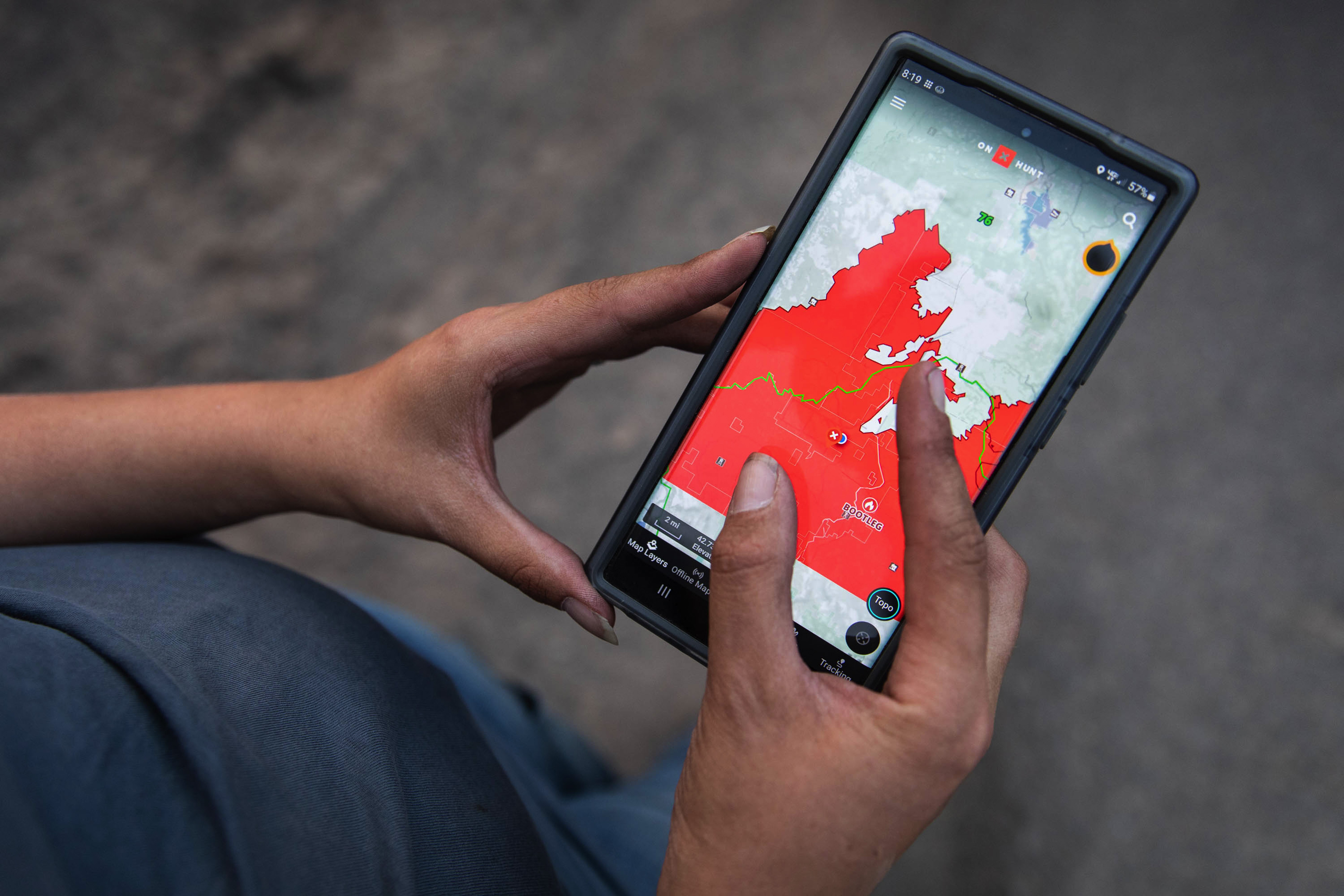
For example, a smartphone, once primarily a tool for calls, messaging and social media, has become a reporting device capable of recording interviews, taking photographs, filming events, writing stories, editing video and transmitting material to an editor or directly to audiences.
This growing practice, known as mobile journalism, or MoJo, is changing how news is gathered and distributed in Malawi.
Unlike traditional journalism, which can require cameras, audio recorders, production crews, editing suites and established broadcast or print deadlines, mobile journalism allows a single reporter to perform many of these tasks using one device.
For journalists working in fast-moving situations, the difference can be significant.
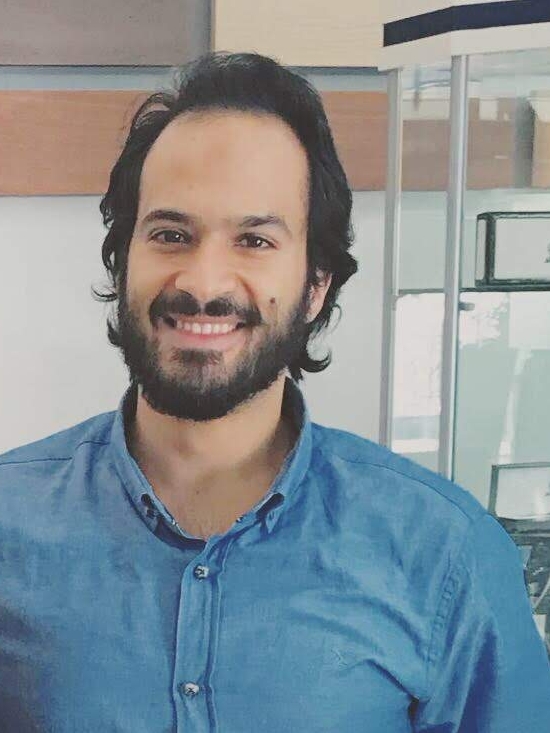
“Mobile journalism is the art of using a smartphone to gather, edit and publish news,” says Aubrey Ligomeka, Founder and Executive Director of the Mobile Journalism Initiative (MJI).
Ligomeka describes MoJo as faster, cheaper, lighter and more flexible than conventional approaches to reporting.
For example, a journalist equipped with a smartphone can arrive at an event, gather information, record interviews, capture photographs and video, write a story and transmit the material without waiting for a full production crew.
The transformation is particularly important in a country where news events can happen far from established media centres. Mobile journalism gives journalists and community reporters the possibility of bringing stories from those places to wider audiences more quickly.
But the smartphone newsroom is not without problems. The same speed that makes mobile journalism attractive can also create pressure to publish before information has been properly verified. Questions about misinformation, privacy, ethics, professionalism and unequal access to technology are becoming increasingly important.
The rise of MoJo, therefore, is not simply a story about technology. It is a story about who gets to report, who gets heard and how quickly information moves through Malawian society.
From the newsroom to the palm of a hand
Traditional journalism has historically depended on specialised equipment and teams.
A television news crew, for example, may require a camera operator, reporter, sound equipment and additional production resources.
Radio journalists may need recording equipment before gathering interviews in the field. Photographers rely on cameras and related equipment, while newspapers have traditionally worked around reporting, editing and publication schedules.
Mobile journalism compresses many of these functions into a single device.
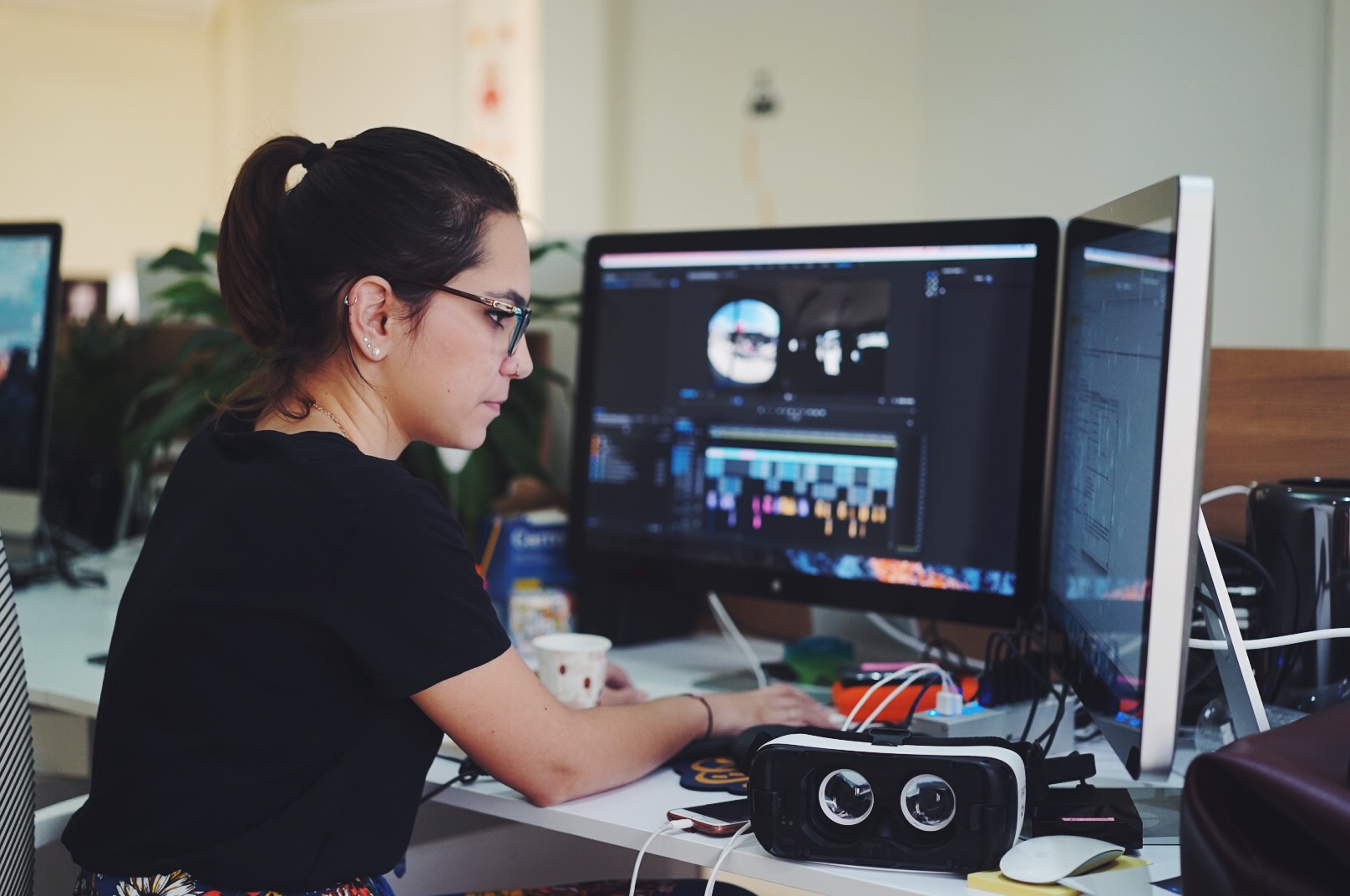
A modern smartphone can record high-quality audio and video, take photographs, provide access to editing applications, allow journalists to write stories and connect to audiences through social media platforms and messaging applications.
The same speed that makes mobile journalism attractive can also create pressure to publish before information has been properly verified. Questions about misinformation, privacy, ethics, professionalism and unequal access to technology are becoming increasingly important.
For Ligomeka, that flexibility has changed his own approach to reporting.
“I can record audio and video, take photos, write, edit and send raw material to the newsroom or post online immediately,” he says.
The result is a reporting process that can begin and end in the field. Instead of returning to a newsroom before material can be edited or transferred, a journalist can begin processing information almost immediately. For breaking news, those minutes can make a difference.
Ligomeka says he primarily uses his smartphone for breaking news and real-time reporting, as well as community stories. He also uses it for interviews and live events when there is a need to report quickly.
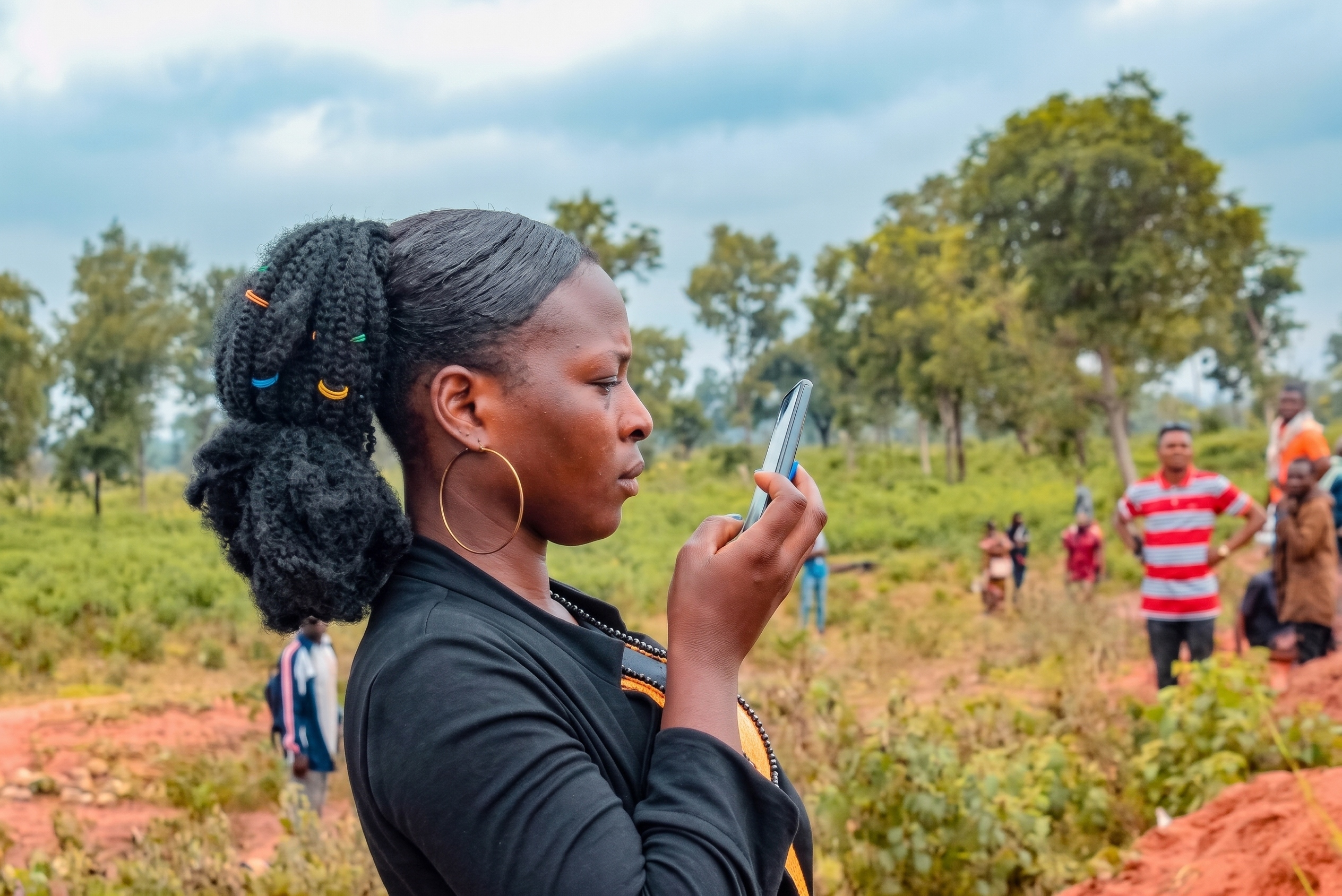
This is valuable for community-based journalism. Events that might once have waited for the arrival of a professional media crew can now be documented by someone already at the scene. Ligomeka says he was already on the ground when the protest took place. With his smartphone, he recorded video, interviewed witnesses and sent the material to his editor or posted it online.
The ability to report from the scene meant that information could begin reaching audiences before a larger media crew arrived. That is one of the defining characteristics of MoJo, the reporter does not necessarily have to wait for the newsroom to come to the story.
The challenge is that mobile journalism operates in an environment where audiences expect immediate updates.
Breaking news in the age of social media
The growth of mobile journalism has coincided with the expansion of social media as a source and distribution channel for news. Platforms such as Facebook, TikTok and WhatsApp have become part of the digital information environment through which people encounter breaking events, videos, photographs and commentary. For journalists, these platforms provide another way of reaching audiences.
Ligomeka says reporters can send updates within minutes through WhatsApp and publish through Facebook, online radio and television platforms.
“MoJo has made news almost instant,” he says.
That speed can be an advantage during major events. A journalist can provide an initial report from the scene while continuing to gather more information.
For audiences, it can mean that they no longer must wait for the next newspaper edition or scheduled broadcast to learn about an event.
The pressure to be first can sometimes compete with the responsibility to be accurate.
Instead of returning to a newsroom before material can be edited or transferred, a journalist can begin processing information almost immediately. For breaking news, those minutes can make a difference.
Social media allows information to spread rapidly, but the speed of distribution does not guarantee that the information is correct. A photograph may be taken out of context. A video may be old but presented as a new event.
A witness account may contain inaccurate information. An unverified claim can reach thousands of people before a journalist has had an opportunity to establish the facts.
For professional journalists, therefore, having a smartphone does not remove the traditional responsibilities of journalism.
Verification; however, remains essential. A reporter working with a smartphone still must identify sources, check claims, seek different perspectives where appropriate and distinguish confirmed information from allegations or developing reports.
The challenge is that mobile journalism operates in an environment where audiences expect immediate updates.
The journalist may be working simultaneously as reporter, camera operator, interviewer, editor and social media publisher. The convenience of the technology can increase productivity, but it can also increase the pressure placed on an individual journalist.
The smartphone makes publication easier. It does not make verification easier.
Social media allows information to spread rapidly, but the speed of distribution does not guarantee that the information is correct. A photograph may be taken out of context. A video may be old but presented as a new event.
Giving communities a voice
Beyond breaking news, mobile journalism could have an important role in community reporting.
Traditional media organisations cannot always have journalists physically present everywhere. Communities far from major urban centres can struggle to attract regular media coverage, particularly when stories require travel, equipment and additional production costs.
A community reporter with a smartphone can document local issues, interview residents and share material with a newsroom or publish through an appropriate digital platform. This creates opportunities for stories that might otherwise receive limited attention. It also changes the relationship between communities and media organisations.
Instead of communities depending entirely on outside journalists to arrive and tell their stories, trained community reporters can participate directly in the production of news.
For young people, the smartphone may therefore become an entry point into journalism.
Ligomeka's work is focused partly on this possibility.
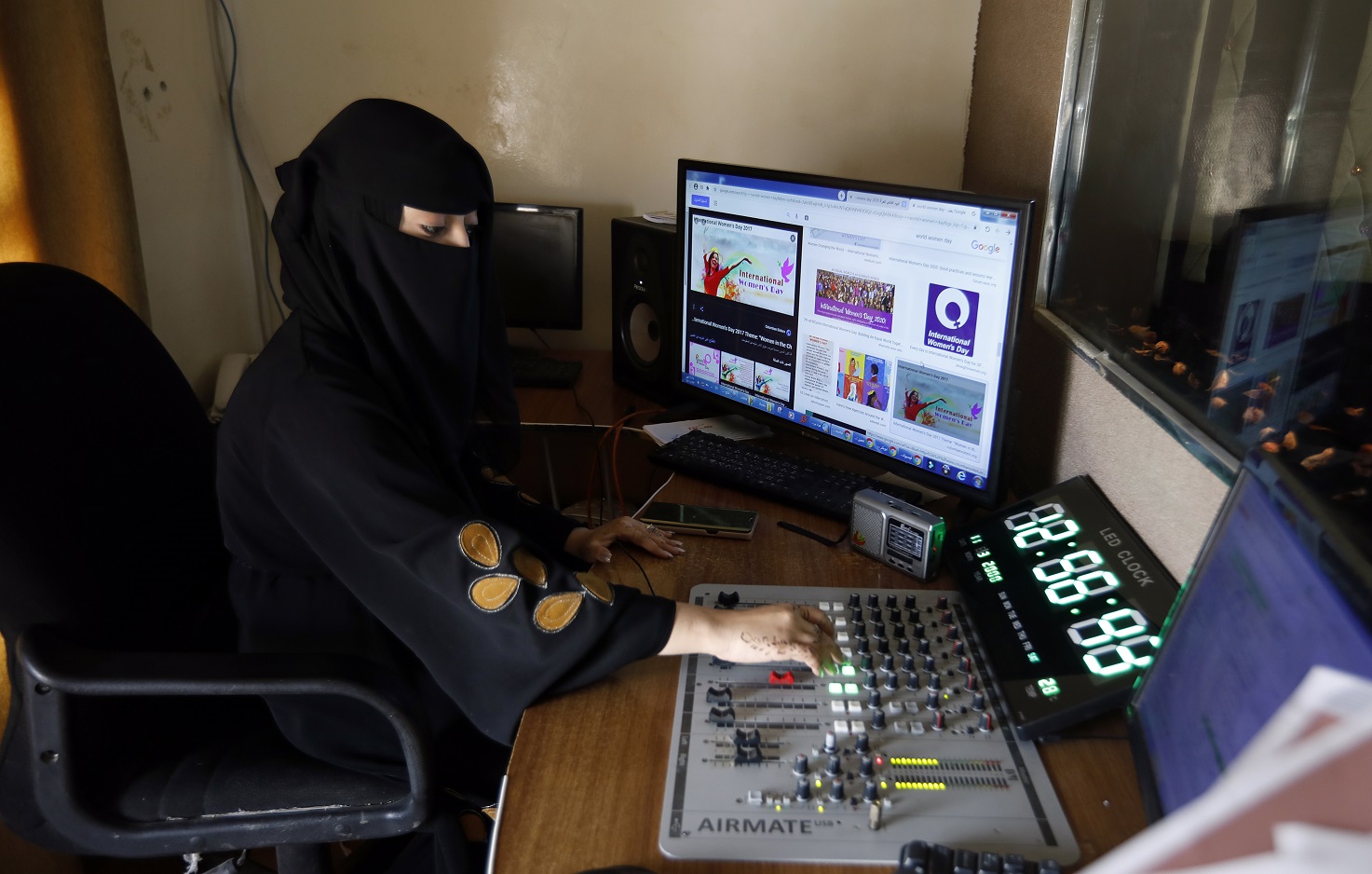
He founded the Mobile Journalism Initiative, a youth-led organisation that aims to train young girls and female journalists affiliated with community radio stations in essential mobile journalism skills.
He also works as a contractual partner for the Media Institute of Southern Africa (MISA) Malawi, where he trains young girls in MoJo skills.
The emphasis on young women is significant because mobile journalism can potentially create new pathways into media for people who may not have access to expensive broadcasting equipment or conventional newsroom opportunities.
Instead of communities depending entirely on outside journalists to arrive and tell their stories, trained community reporters can participate directly in the production of news.
Training remains important
Owning a smartphone does not automatically make someone a journalist. Effective mobile reporting requires skills in interviewing, storytelling, recording, editing, verification, ethics and digital publishing.
The technology may be accessible, but journalism still requires professional judgement.
Ligomeka's organisation is also working on an online platform called EmpowerHer TV, which he says will showcase MoJo content produced by trained participants.
The project is looking for partners as it develops the digital platform.
If successful, initiatives of this kind could create additional spaces for young reporters and community journalists to publish stories produced using mobile technology.
The smartphone may make journalism more accessible, but access to smartphones themselves is not equal.
A reporter needs a functioning smartphone, but also electricity to charge it, internet connectivity to transmit material and money to purchase data. In areas with poor network coverage, even the most capable smartphone can become an unreliable reporting tool.
The cost of mobile data can also influence how often journalists can upload video, photographs or live reports. Video files can consume significant amounts of data, making frequent digital publishing expensive for journalists working with limited resources.
Electricity is another consideration. A journalist covering an event for several hours needs enough battery power to continue recording, communicating and transmitting information.
The quality of the smartphone itself also matters
Not every journalist or community reporter has access to a high-end device with advanced cameras, large storage capacity and strong battery performance. This can create another layer of inequality in digital journalism.
Ligomeka acknowledges that network and data challenges can still slow down reporting, particularly in rural areas. This means that mobile journalism should not be presented as a complete replacement for traditional journalism. Instead, the two approaches can complement each other.
A smartphone can get a reporter to the scene quickly, while established newsrooms can provide editorial oversight, verification, wider distribution and professional support.
The technology changes the tools of journalism, but the fundamental purpose of journalism remains.
Not every journalist or community reporter has access to a high-end device with advanced cameras, large storage capacity and strong battery performance. This can create another layer of inequality in digital journalism.
When being first meets being right
Perhaps the biggest challenge facing MoJo is not technological at all. It is editorial.
The ability to publish immediately creates a temptation to prioritise speed over accuracy. For journalists, this requires discipline.
An unverified video may attract thousands of views, but correcting a false report later may not undo the damage caused by the original publication. The same applies to photographs of private individuals, sensitive interviews or footage from traumatic events.
Privacy and consent therefore become increasingly important in mobile reporting.
Because smartphones are small journalists can record events quickly. But ease of recording does not eliminate ethical responsibilities.
Journalists must still consider whether people understand how their images, voices or personal information will be used.
Professionalism also becomes important when journalists publish directly to social media.
The boundaries between journalism and ordinary social media posting can become blurred.
While a journalist may use a personal account to share breaking information, audiences may not always distinguish between confirmed reporting, eyewitness material, commentary and speculation.
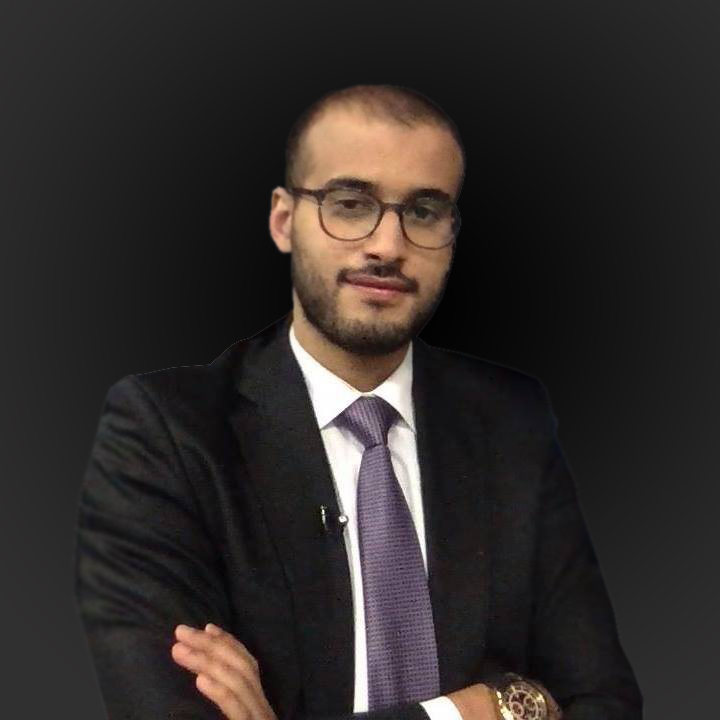
According to the Malawi Institute of Southern Africa (MISA Malawi) Felix Washon they have helped journalists make use of their mobile gadget to the full capacity.
"This is important especially in countries like Malawi where most media house are resource-constrained, both human resource and material resources. I read of waiting to buy big studio cameras which are expensive, journalist can capture content using smartphones and share on digital platforms, it’s quick and cost-effective," he told Al Jazeera Journalism Review.
While a journalist may use a personal account to share breaking information, audiences may not always distinguish between confirmed reporting, eyewitness material, commentary and speculation.
He said through Mojo, Misa Malawi has also trained citizen journalists to be able to share what is happening in their communities with media houses and their platforms. They are equipping journalists with skills on how to reduce misinformation and the act of telling the story the way it is.
While a journalist may use a personal account to share breaking information, audiences may not always distinguish between confirmed reporting, eyewitness material, commentary and speculation.
Washon added that Mojo has had an impact on changing how newsrooms/journalist should be able to tell story in real-time.
"Use of mobile app to edit videos and photos that are of good quality and publish on their media houses. The idea behind it was to ensure that even in resource constrained newsrooms they can still tell the digital story that is appealing and passes all journalistic standards," he said.
He advised that Journalists need to make clear what they know, what they have witnessed and what remains unconfirmed. Misa Malawi said the challenge is especially relevant in breaking-news situations, where facts can develop rapidly.
He said Mobile journalism may allow one person to do the work of several traditional production roles, but it can also place more responsibility on one individual.
Washon further said the reporter must decide what to record, whom to interview, what information to trust, what to publish and when to publish it.
The journalist remains responsible for the journalism
Despite these challenges, the growth of mobile journalism represents an important change in the Malawian media landscape. It reduces some of the financial and logistical barriers associated with gathering news. It gives journalists greater flexibility and allows stories to move from the field to audiences in minutes.
For community reporters, it can provide a way to bring local concerns into wider public conversations. For young people, it can offer an opportunity to develop practical media skills without first having access to a full broadcasting studio. And for audiences in Malawi and the diaspora, it can provide more immediate access to events taking place across the country. But the future of mobile journalism will depend on more than smartphones. It will require training, reliable internet connectivity, affordable data, access to electricity and continued attention to journalism ethics and professional standards.
Ligomeka's work through MJI reflects one attempt to build those skills, particularly among young women and community radio journalists. His vision for EmpowerHer TV also points towards a broader possibility, a media environment in which communities are not merely consumers of news but participants in producing it.
The smartphone has already changed the mechanics of journalism. A reporter can now carry a camera, recorder, notebook, editing tool and publishing platform in a single device.
As Malawi's media landscape continues to become more digital, the central question will not simply be whether journalists can publish faster. It will be whether they can remain accurate, ethical and accountable while doing so.
Mobile journalism has made the distance between an event and its audience shorter than ever. The next challenge is ensuring that the information travelling that distance is trustworthy.
In that sense, the future of journalism in Malawi may fit inside a smartphone, but the values that make it journalism cannot be downloaded with an application.