
التحرش في غرف التحرير.. الجريمة التي لا تتقادم

التحرش في غرف التحرير.. الجريمة التي لا تتقادم

كان مساء صيفيا شحّت فيه الأخبار، فتسرب الملل إليّ وزميلي في العمل وأغرقنا في كلام بعيدا عن الصحافة وضغطها، وأخذتنا تفرعاته إلى حديث عن العطلة وعن برامجها حتّى بلغنا منعرج الحديث عن السهرات الليلية وعن جدلية الحرّية والتحرّر.

من الحريّة إلى التحرر، قادتنا الكلمات إلى العلاقات بين الرجل والمرأة، ولم أكن أعلم حينها أن حديثي العفوي عن الحب سيثير رغبة كامنة لدى زميلي في العمل؛ فالأمر بالنسبة لي لا يعدو أن يكون تعبيرا عن وجهة نظري، ولكن بالنسبة له إشارة ليقترب منّي أكثر فأكثر.

فيما أنا أواصل الحديث عن الحب وعن حقّ المرأة في اختيار شريكها وعن سلطان العشق على العقول، وجدته يغادر مقعده وينحني قبالتي حيث أجلس على مقعدي، ويضع يديه على كتفي ويحاول تقبيلي، سرى الخدر في كامل جسدي من وقع الصدمة ولكنني دفعته إلى الأمام صارخة: "ماذا تفعل؟"

وكم كان جوابه حينها مستفزّا: "أريد أن أقبّلك"، وبكل برود بثّ أنفاسه من جديد في وجهي حتّى كاد يلتصق بي فدفعته من جديد. حينها فقط صار بيّنا أنّني لا أريد قبلته التي صورتها تأويلاته الخاطئة لكلماتي، واكتفى باعتذار بارد كأنفاسه، مرجعا تصرّفه الأرعن لطريقة حديثي، جواب يمكن أن يدفعك لارتكاب جريمة قتل دون أن تحس.

ولم يكتف بذلك، بل ارتدى ثوب الناصح لينبهني ألا أتكلّم بتلك التلقائية عن الحب وعن العلاقة بين المرأة والرجل حتّى لا أكون في مرمى سهام المتحرشين، والحقيقة، أنه منذ ذلك الوقت، صرتُ أنتقي العبارات وأنا أحادث الزملاء عن مواضيع خاصة بعيدا عن روتين الأخبار، وكلّما غلبتني عفويّتي استجرت بفعلة زميلي منها.

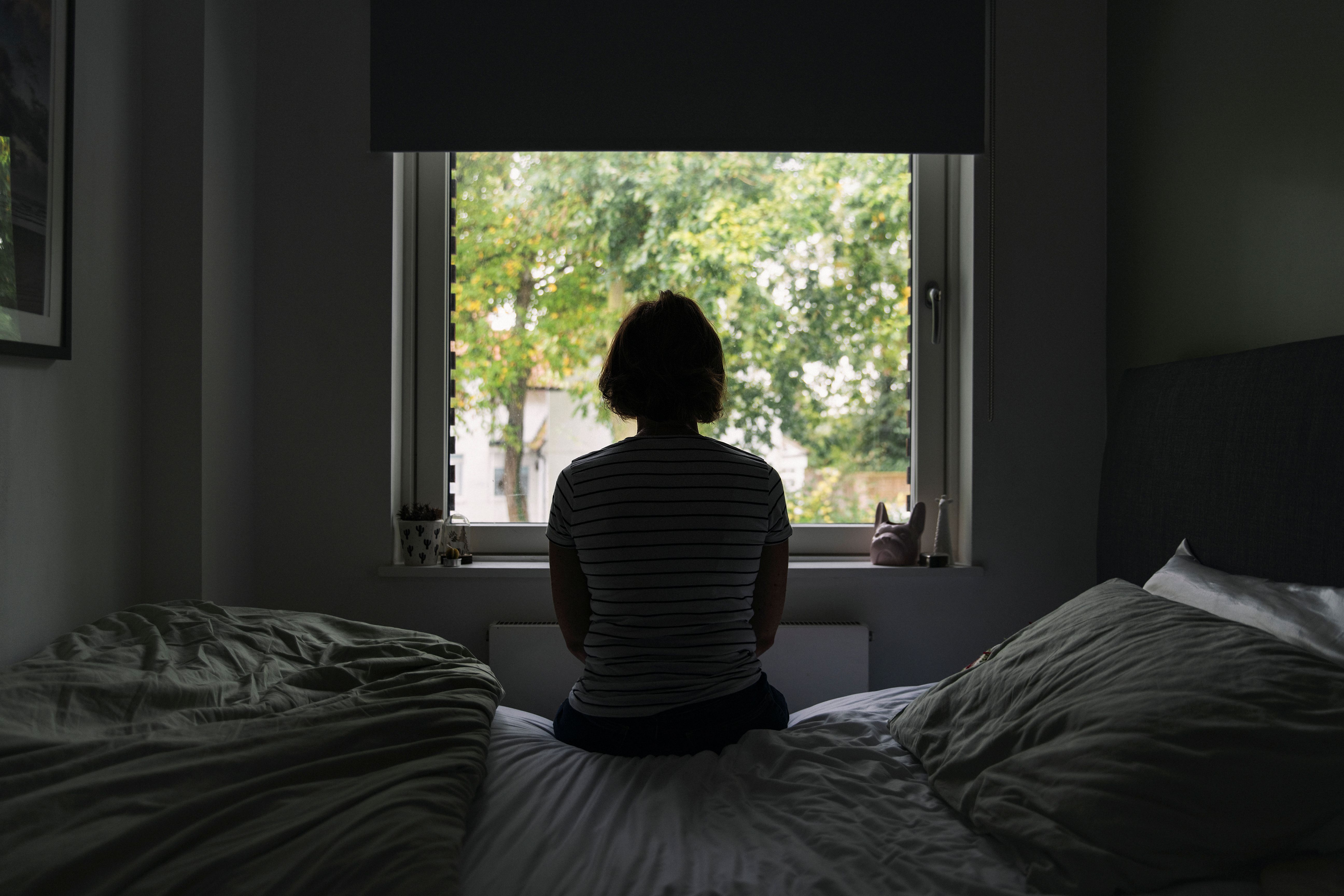
ورغم مرور سنوات على هذه الواقعة، ما زالت تتجسّد أمامي بكل تفاصيلها حينما تسرد زميلات حوادث تحرّش تعرّضن لها في غرف التحرير. قصص موجعة تزعزع نفسية المرأة الصحافية التي تجد نفسها في منزلة لا تحسد عليها، فإما أن تغادر عملها أو تطبّع مع التحرش.

الوقع النفسي الذي يتركه التحرش لا يتلاشى بالتقادم. يبقى محفورا في نفوس صحافيات جهرت بعضهن بما تعرّضن له وخسرن عملهن، فيما انسحبت أخريات في صمت، ورضخت أخريات للأمر الواقع في مؤسسات إعلامية تغضّ البصر عن التحرّش في عقر مقراتها.

والتحرش الجنسي من بين التابوهات الاجتماعية المسكوت عنها، تحوّل "الضحيّة" إلى "متهمة" حينما تشهّر بمُمارِسة هذا الفعل حتى وإن كانت صحافية وكان فضاء التحرّش مقر عملها، الأمر الذي قاست إحدى الصحافيات ويلاته الاجتماعية والاقتصادية والنفسية.

سنوات طويلة مرّت على حادثة التحرّش التي تعرّضت لها حينما طالبت بتسوية وضعيتها المهنية، ولم تكن تتوقع يوما أن تمكينها من حقّها المهني سيكون مقابل تلبية نزوات أحد رؤساء التحرير المباشرين لها في الجريدة الورقية حيث تعمل.

وهي تستعيد تفاصيل الحادثة، تحاول في كل مرة، عبثا، تهذيب الكلمات وترتيبها، وهي التي تحمل إلى اليوم وجع مغادرتها لعملها بعد أن تمادى رئيس التحرير في مضايقتها، والضغط عليها لتنفيذ رغبته مقابل تزكيتها لترسيمها بالمؤسسة.

"رافقيني إلى منزلي وسيكون كل شيء على ما يرام"، كان يوميا يعيد الجملة نفسها على مسمعها، وكانت في كل مرّة تبتكر أسلوبا جديدا للتهرب من نظراته وكلماته، حتّى صار يرفض المواضيع التي تقترحها في اجتماعات التحرير، الأمر الذي بات يهدد وجودها في المؤسسة.

وأمام إمعان المتحرّش في مضايقتها وتجميدها بطريقة مقنّعة عن العمل، تخلّت عن أسلوب الهرب منه ومن مضايقاته وقررت مواجهته، وانتهى الأمر إلى شجار بلغ مداه كل العاملين بالمؤسسة، لتجد نفسها بلا حقوق مهنية بعد عملها في المكان ذاته تسع سنوات.

كانت نهاية رفضها لمقايضة حقها المهني بالتحرش الجنسي بقاءها بلا عمل ومعاناتها من اضطرابات نفسية، خاصة حينما صدتها الجهات التي قصدتها لمساندتها في معركتها ضد المتحرّش، حتّى إن بعضا ممن ولّت وجهها شطرهم طلبوا منها السكوت عن الأمر حتّى لا تشوّه سمعتها.

ورغم أنها خاضت المعركة لوحدها دون سند في الوسط المهني، باستثناء تعاطف زميلاتها، لم تستسلم، وشهّرت بالمتحرّش وسط دعم معنوي من زوجها الذي روت له كل تفاصيل الحادثة، وكان متفهّما لوضعها ولوقع ما تعرّضت له من ظلم في نفسها.

في ذلك الوقت، قاست الصحافية اكتئابا حادّا أثر على علاقتها بالمحيطين بها، ولكنّها لم تندم، اختارت البطالة ولم تسكت عن التحرّش الذي ما زال نقطة سوداء ترتسم أمامها كلما تناهى إلى مسمعها حديث عن تحرش في صفوف الصحافيات، أو عادت بالذاكرة إلى الوراء.

وتفاصيل التحرّش عموما، تظلّ عالقة بأذهان من يتعرّضن له خاصة إذا ما مارسه شخص ذو سلطة ونفوذ، وقد تخف وطأة حضور هذه التفاصيل حينما تتخطّى الأنثى حاجز الخوف بالإفصاح عن التحرش.

تجليات التحرّش وأساليبه تختلف من متحرّش إلى آخر، ويتراوح بين النظرات والكلمات والإيحاءات واللمسات، كما تختلف انفعالات النساء في مواجهته، ولكنهن يلتقين عند نفس شعور الوجع، خاصة إذا كن من الفئة التي تبتلع هذه الممارسة خشية مواجهة المجتمع.

ولئن ظلّ التعاطي مع موضوع التحرش الذي يطول الصحافيات في غرف التحرير "مناسباتيا". وظلت التشريعات والقوانين حبرا على ورق، فإنّ بعض الصحافيات اليوم بتن يثرن هذا الموضوع بهدف إيجاد حلول جذرية لظاهرة كامنة مسكوت عنها في كثير من المؤسسات الإعلامية.

وفيما تغالب الأثر النفسي لحادثة تحرّش تعرّضت لها في أوّل مقابلة لها مع مديرها المباشر في قناة تلفزيونية، لا تتوانى صحافية أخرى عن فضح المتحرشين وكأنها تنتقم في شخوصهم من ذلك "الرجل" الذي تحرّش بها وألحق بها وجعا نفسيا لن يمّحي.

في دقائق معدودات تبدّد حلمها في العثور على عمل وهي التي عانت البطالة طويلا، وتحوّل فرحها كابوسا كلّما تذكّرت الحادثة التي جعلتها تفرض مسافات أمان بينها وبين الرجل، مهما كانت صفته خاصة في العمل، فهي تتوقع السيئ قبل الحسن.

"ما أجمل نهديك" تتلو الكلمات وتبلع ريقها. تستحضر ما قاله مديرها المباشر في أوّل لقاء معه، بعد أن خاضا نقاشا عن محتوى الفيديوهات التي تقدّم فيها قراءات سياسية، فيما كانت تنتظر رأيا حول أدائها، لكن في الضفة الأخرى متحرّش يترصّد تفاصيل جسدها.

بعد أن سعت جاهدة إلى استيعاب كلماته، أعربت له عن استيائها من تصرّفه غير اللائق وغير المهني قبل أن تغادر المكان دون التفاتة، وتودّع عملا فارقته قبل أن تناله لأنّها اختارت مواجهة المتحرّش ورفضت السكوت عن صنيعه.

هي ليست الوحيدة التي خسرت عملا لأنها اشترت نفسها وأبت إلا أن تواجه زميلها أو مديرها المتحرّش، ولم تتحجّج بالبطالة لتسكت عن كلمات أحدثت شرخا في نفسها، كما تروي، وهي التي اختصر محدّثها سنوات دراستها وتجربتها المهنية في جسمها.

إذن فالحياة المهنية للصحافيات اللواتي يتعرّضن للتحرّش في مهب الخطر، إن هن تمرّدن على نواميس المجتمع وجهرن بتعرضهن للتحرّش في مؤسسات عملهن، يبذلن مجهودا في تقديم مادة صحفية جيّدة، ولكن نظرات بعض الذكور لا ترى غير تفاصيل أجسادهن.

وفي الغالب، تعجز بعض الصحافيات عن إثبات التحرش الجنسي، ذلك أن المتحرّش يتعمّد تصفّح صور ذات إيحاءات جنسية أحيانا، أو يلامس كتفيها أو أجزاء من جسدها بطريقة غير بريئة، خاصة إذا ما اختلى بها أو سألها عن ماضيها.

محاولات تحرّش تصفها صحافية بالمقنّعة لأنه يصعب إثباتها، ولأنها مرتبطة بإيحاءات وإيماءات تجعل مديرها في العمل ينتقد تأويلها لكلماته ونظراته في كل مرّة تواجهه بمحاولات التحرّش، حتّى إن الأمر بلغ به حد نعتها بالسطحية في أكثر من مناسبة.

"أريد أن تكسري الحاجز بيننا، يجب أن تليّني من طبعك قليلا في التعامل معي، وأنا في المقابل أكون سندك وأساعد في الارتقاء الوظيفي"، بعض من العبارات التي يردّدها على مسامعها كلّما اجتمعت به في مكتبه، عبارات يرفقها بنظرات غير بريئة ومستفزّة.

وما يؤذي الصحافية أكثر أنّها حينما تحتج على كلمات مديرها يتهمها بأنّها أساءت الفهم، وأنّها أوّلت كلماته بطريقة خاطئة، وهي اليوم مضطرة لتجاوز تلميحاته ونظراته التي تكاد تخترق جسدها، الأمر الذي لاحظه زملاؤها في أكثر من مناسبة.

ورغم قناعتها أنّ مديرها متحرّش، تعزّزها شهادات زميلاتها، إلا أنّها لا تملك أن تواجهه إلا بردود مبعثرة يغلب عليها الانفعال لما تنطوي عليه كلماته من وقع سيئ في نفسها، خاصة إذا ما صاحبتها تلميحات جنسية مستفزة.

ورغم معاناتها من اضطرابات نفسية، إلا أنّ الصحافية لم تغادر عملها أو تسكت عن التحرّش، بل تعلّمت أن تواجه المتحرش بلغة يفهمها.

القصص كثيرة، لكن لا بد أن أحكي قصة الصحافية التي يستغل فيها مسؤول تحرير خلو المكان إلا من زميلته "المتحرّرة"، ويغادر مقعده ليلقي بكل ثقله على كتفيها من الخلف ويمرر يده على رقبتها وصدرها.

وفيما هو يمعن في تصفّح جسدها، كانت هي تغرق في وجوم مدقع، لا تقوى حتّى على التنفس بطريقة طبيعية وفق روايتها، وصمتت عن التحرّش لأن تهتمها الجاهزة أنّها "متحرّرة"، ولباسها "الفاضح" هو السبب في استثارة المسؤول.

وإن كان الزميل نفسه يمارس التحرّش مع زميلات أخريات، إلا أن الأمر لا يتعدّى النظرات والإيحاءات بشهادتهن، فيما تخطّى كل الحدود معها لأن "المتحرّرة" في نظره متاحة لكل الرجال أنّى أرادوا أن يمارسوا التحرّش، وكأنّها دعوة لاستباحة جسدها.

عقد من الزمن يمر على الحادثة دون أن تنساها، وما زالت تعاني من تبعاتها إلى اليوم، زاد في معاناتها أنّها لم تتكلّم أو تفضح المتحرّش خوفا من أن تسمع الكلمات ذاتها التي تتردّد على مسمعها حينما تشكو تعرّضها لمعاكسة في الشارع، فما بالك والأمر حدث في غرفة التحرير!

أمثلة التحرّش المسلّط على الصحافيات في غرف الأخبار كثيرة، وردود أفعالهن مختلفة بين مطبّعة معه أو رافضة في صمت، والثغرات المتعلّقة بهذا الفعل الذي لفّه الكتمان والتعتيم عديدة في المؤسسات الإعلامية، وعادة ما ينتهي الأمر بتحوّل "الضحية" إلى "متّهمة".


More Articles

Inside Vietnam’s Disinformation Machine and the Journalists Exposing It from Exile

Vietnam’s tightly controlled media environment relies on narrative distortion, selective omission, and propaganda to manage politically sensitive news. Exiled journalists and overseas outlets have become essential in exposing these practices, documenting forced confessions and smear campaigns, and preserving access to information that would otherwise remain hidden.
AJR Contributor Published on: 15 Dec, 2025
What It Means to Be an Investigative Journalist Today

A few weeks ago, Carla Bruni, wife of former French president Nicolas Sarkozy, was seen removing the Mediapart logo from view. The moment became a symbol of a major victory for investigative journalism, after the platform exposed Gaddafi’s financing of Sarkozy’s election campaign, leading to his prison conviction. In this article, Edwy Plenel, founder of Mediapart and one of the most prominent figures in global investigative journalism, reflects on a central question: what does it mean to be an investigative journalist today?

Edwy Plenel
Edwy Plenel Published on: 27 Nov, 2025
In-Depth and Longform Journalism in the AI Era: Revival or Obsolescence?

Can artificial intelligence tools help promote and expand the reach of longform journalism, still followed by a significant audience, or will they accelerate its decline? This article examines the leading AI tools reshaping the media landscape and explores the emerging opportunities they present for longform journalism, particularly in areas such as search and content discovery.

. سعيد ولفقير. كاتب وصحافي مغربي. ساهم واشتغل مع عددٍ من المنصات العربية منذ أواخر عام 2014.Said Oulfakir. Moroccan writer and journalist. He has contributed to and worked with a number of Arab media platforms since late 2014.
Said Oulfakir Published on: 24 Nov, 2025
Leaked BBC Memo: What Does the Crisis Reveal?

How Should We Interpret the Leak of the “BBC Memo” on Editorial Standards? Can we truly believe that the section concerning U.S. President Donald Trump was the sole reason behind the wave of resignations at the top of the British broadcaster? Or is it more accurately seen as part of a broader attempt to seize control over editorial decision-making? And to what extent can the pressure on newsrooms be attributed to the influence of the Zionist lobby?

 Mohammed Abuarqoub. Journalist, trainer, and researcher specializing in media affairs. He holds a PhD in Communication Philosophy from Regent University in the United States.محمد أبو عرقوب صحفي ومدرّب وباحث متخصص في شؤون الإعلام، حاصل على درجة الدكتوراه في فلسفة الاتّصال من جامعة ريجينت بالولايات المتحدة الأمريكية.
Mohammed Abuarqoub Published on: 20 Nov, 2025
Crisis of Credibility: How the Anglo-American Journalism Model Failed the World

Despite an unprecedented global flood of information, journalism remains strikingly impotent in confronting systemic crises—largely because the dominant Anglo-American model, shaped by commercial imperatives and capitalist allegiances, is structurally incapable of pursuing truth over power or effecting meaningful change. This critique calls for dismantling journalism’s subordination to market logic and imagining alternative models rooted in political, literary, and truth-driven commitments beyond the confines of capitalist production.

Imran Muzaffar
Imran Muzaffar, Aliya Bashir, Syed Aadil Hussain Published on: 14 Nov, 2025
Why Has Arab Cultural Journalism Weakened in the Third Millennium?

The crisis of cultural journalism in the Arab world reflects a deeper decline in the broader cultural and moral project, as well as the collapse of education and the erosion of human development. Yet this overarching diagnosis cannot excuse the lack of professional training and the poor standards of cultural content production within newsrooms.

Fakhri Saleh
Fakhri Saleh Published on: 10 Nov, 2025
Podcasters, content creators and influencers are not journalists. Are they?

Are podcasters, content creators, and influencers really journalists, or has the word 'journalist' been stretched so thin that it now covers anyone holding a microphone and an opinion? If there is a difference, where does it sit? Is it in method, mission, accountability, or something else? And in a media landscape built on noise, how do we separate a journalist from someone who produces content for clicks, followers or sponsors

Derick Matsengarwodzi
Derick Matsengarwodzi Published on: 7 Nov, 2025
The Power to Write History: How Journalism Shapes Collective Memory and Forgetting

What societies remember, and what they forget, is shaped not only by historians but by journalism. From wars to natural disasters, the news does not simply record events; it decides which fragments endure in collective memory, and which fade into silence.

Daniel Harper
Daniel Harper Published on: 30 Oct, 2025
Journalism in Spain: Why Omitting Ethnicity May Be Doing More Harm Than Good

In Spain, a well-intentioned media practice of omitting suspects’ ethnic backgrounds in crime reporting is now backfiring, fuelling misinformation, empowering far-right narratives, and eroding public trust in journalism.

Ilya إيليا توبر 
Ilya U Topper Published on: 10 Sep, 2025
Interview with Zina Q. : Digital Cartography as a Tool of Erasure in Gaza

Amid Israel’s war on Gaza, Zina Q. uncovers how Google Maps and satellite imagery are being manipulated; homes relabelled as “haunted,” map updates delayed, and evidence of destruction obscured, revealing digital cartography itself as a weapon of war. By exposing these distortions and linking them to conflicts from Sudan to Ukraine, she demonstrates how control over maps and AI surveillance influences not only what the world sees, but also what it remembers.

Al Jazeera Journalism Review
Al Jazeera Journalism Review Published on: 6 Sep, 2025
Canadian Journalists for Justice in Palestine: A Call to Name the Killer, Not Just the Crime

How many journalists have to be killed before we name the killer? What does press freedom mean if it excludes Palestinians? In its latest strike, Israel killed an entire Al Jazeera news crew in Gaza—part of a systematic campaign to silence the last witnesses to its crimes. Canadian Journalists for Justice in Palestine (CJJP) condemns this massacre and calls on the Canadian government to end its complicity, uphold international law, and demand full accountability. This is not collateral damage. This is the targeted erasure of truth.

Samira Mohyeddin
Samira Mohyeddin Published on: 14 Aug, 2025
Protecting Palestinian Journalists Should be First Priority - Above Western Media Access

Why demand entry for foreign reporters when Palestinian journalists are already risking—and losing—their lives to tell the truth? Real solidarity means saving journalists' lives, amplifying their voices, and naming the genocide they expose daily.

Synne Furnes Bjerkestrand
Synne Bjerkestrand, Kristian Lindhardt Published on: 10 Aug, 2025
The Washington Post: When Language Becomes a Veil for Pro-Israel Bias

How did The Washington Post's coverage differ between Israel’s bombing of Gaza hospitals and Iran’s strike on an Israeli hospital? Why does the paper attempt to frame Palestinian victims within a “complex operational context”? And when does language become a tool of bias toward the Israeli narrative?

Said Al-Azri
Said Al-Azri Published on: 6 Aug, 2025
In the War on Gaza: How Do You Tell a Human Story?

After nine months of genocidal war on Palestine, how can journalists tell human stories? Which stories should they focus on? And does the daily, continuous coverage of the war’s developments lead to a “normalisation of death”?

Yousef Fares
Yousef Fares Published on: 8 Jul, 2025
How Much AI is Too Much AI for Ethical Journalism

As artificial intelligence transforms newsrooms across South Asia, journalists grapple with the fine line between enhancement and dependency

Saurabh Sharma
Saurabh Sharma Published on: 1 Jul, 2025
How to Tell the Stories of Gaza’s Children

Where does compassion end and journalism begin? How can one engage with children ethically, and is it even morally acceptable to conduct interviews with them? Palestinian journalist Reem Al-Qatawy offers a profoundly different approach to human-interest reporting. At the Hope Institute in Gaza, she met children enduring the harrowing aftermath of losing their families. Her experience was marked by intense professional and ethical challenges.

Rima Al-Qatawi
Rima Al-Qatawi Published on: 26 Jun, 2025
Do Foreign Journalists Matter in Covering Genocide? A Look into Bosnia, Rwanda, and Gaza

How did foreign journalists cover the killings in both Bosnia-Herzegovina and Rwanda? Did they contribute to conveying the truth and making an impact? Would the entry of foreign journalists into the Gaza Strip change the reality of the ongoing genocide? And would their coverage of the famine and massacres add to the daily coverage of local journalists? Why is the local press's coverage of wars seen as deficient compared to Western journalism, even though they incur greater losses and casualties?

Saber Halima
Saber Halima Published on: 20 Jun, 2025
How Palestine Is Forcing Journalists to Reexamine Objectivity and Decolonize

This article argues that the Palestinian context exposes the colonial roots of traditional journalism and calls for a decolonial approach that centers marginalized voices, promotes collaborative reporting, and demands structural change within newsrooms to uphold journalistic integrity.

Sanne Breimer
Sanne Breimer Published on: 12 Jun, 2025
The Role of Social Science Tools in Enhancing Journalism

When French sociologist Pierre Bourdieu was asked about the contribution of the suburbs to elections, he replied that decades of colonialism and complex problems cannot be summarised in 10 minutes. The value of social sciences in supporting journalism is demonstrated when they address issues of society, power, and identity for the sake of better journalism.

Rehab Zaheri
Rehab Zaheri Published on: 6 Jun, 2025
Digital Dependency: Unpacking Tech Philanthropy’s Grip on Local News in the MENA

AI-driven journalism initiatives in the Middle East, often backed by philanthropic media development projects, are reshaping local newsrooms under the influence of global tech giants. These efforts, while marketed as support, risk deepening power asymmetries, fostering digital dependency, and reactivating colonial patterns of control through algorithmic systems and donor-driven agendas.

Sara Ait Khorsa
Sara Ait Khorsa Published on: 3 Jun, 2025
Journalism Colleges in Somalia: A Battle for Survival

Journalism colleges in Somalia are struggling to survive due to outdated curricula, lack of practical training, insufficient funding, and a shortage of qualified educators, leading to declining student enrollment and interest. Despite efforts by institutions like Mogadishu University and Hormuud University to revive journalism education, these challenges persist, threatening the future of journalism in the country.

Al-Shafi Abtidon
Al-Shafi Abtidon Published on: 30 May, 2025
Philippine Activists Fight Archive Erasure and Revive Dictatorship-Era Memories

In the Philippines, archivists fight to preserve evidence of the country’s bloodied past, in hope that it will provide lessons for the future.

Tristan James Biglete
Tristan James Biglete Published on: 27 May, 2025
News Fatigue and Avoidance: How Media Overload is Reshaping Audience Engagement

A study conducted on 12,000 American adults revealed that two-thirds feel “exhausted” by the overwhelming volume of news they receive. Why is the public feeling drained by the news? Are audiences actively avoiding it, and at what psychological cost? Most importantly, how can the media rebuild trust and reconnect with its audience?

Othman Kabashi
Othman Kabashi Published on: 25 May, 2025
Weaponized Artificial Intelligence: The Unseen Threat to Fact-Checking

How has artificial intelligence emerged as a powerful tool during wartime, and what strategies are fact-checkers adopting to confront this disruptive force in newsrooms? The work of fact-checkers has grown significantly more challenging during the genocide in Palestine, as the Israeli occupation has relied heavily on artificial intelligence to disseminate misinformation.

Ahmad Al-Arja
Ahmad Al-Arja Published on: 18 May, 2025