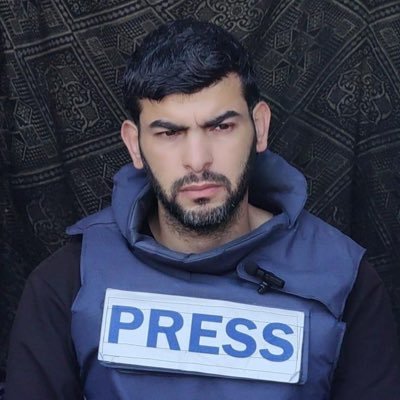
الصحافة بعد إبادة غزة.. انتهت حرب وبدأت حروب أخرى!

الصحافة بعد إبادة غزة.. انتهت حرب وبدأت حروب أخرى!

Listen to the article

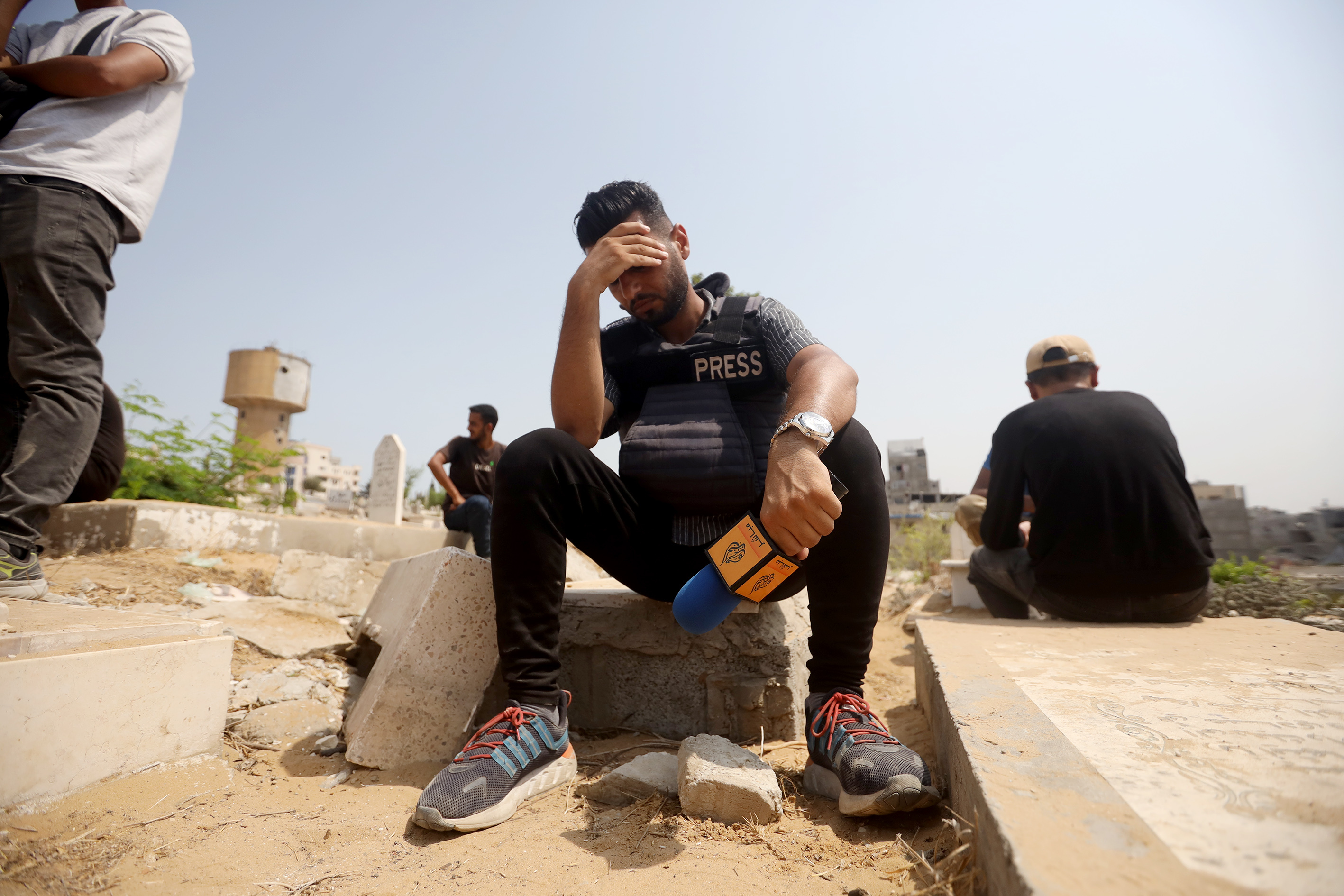
يتكشف لنا يوميا أن تغطية حرب الإبادة بنسقها اليومي، كانت أكثر يسرا بالنسبة لمهمات الصحفي ومسؤولياته في ترتيب العمل من اليوم التالي لوقف إطلاق النار. كان تركيزنا ينصب طوال 471 يوما على تغطية جرائم الاحتلال وما تخلفه من تداعيات فظيعة: نحصي الشهداء والمصابين، ونرصد الدمار والخراب، ونروي قصص الفقد واليتم، ونحكي الأمل الذي تحمله النفوس بأن تتوقف الحرب. كنا نشتغل في دائرة مغلقة من المهمات، مسيجة بالموت وإبادة الإنسان والمكان وفرص النجاة منها.

أما اليوم، فقد دخل صحفيو غزة بعد وقف إطلاق النار في حالة أقرب إلى التيه بشأن الأولويات، ليس فقط لأننا عدنا إلى وضع مطالبين فيه بالوقوف أمام مسؤولياتنا الشخصية تجاه أبنائنا وعائلاتنا وصرنا ملزمين تجاههم بتأمين المسكن ومتطلبات الحياة كافة من تحت الصفر -بعد أن وضعناها في الحرب في الدرجة الثانية من سلم الاهتمام- بل لأن الواجبات والمسؤوليات التي تفرضها عليك مهنة الصحافة أضحت أكثر اتساعا وتداخلا وتعقيدا، ويجب الوقوف عندها والتفكير فيها جيدا.

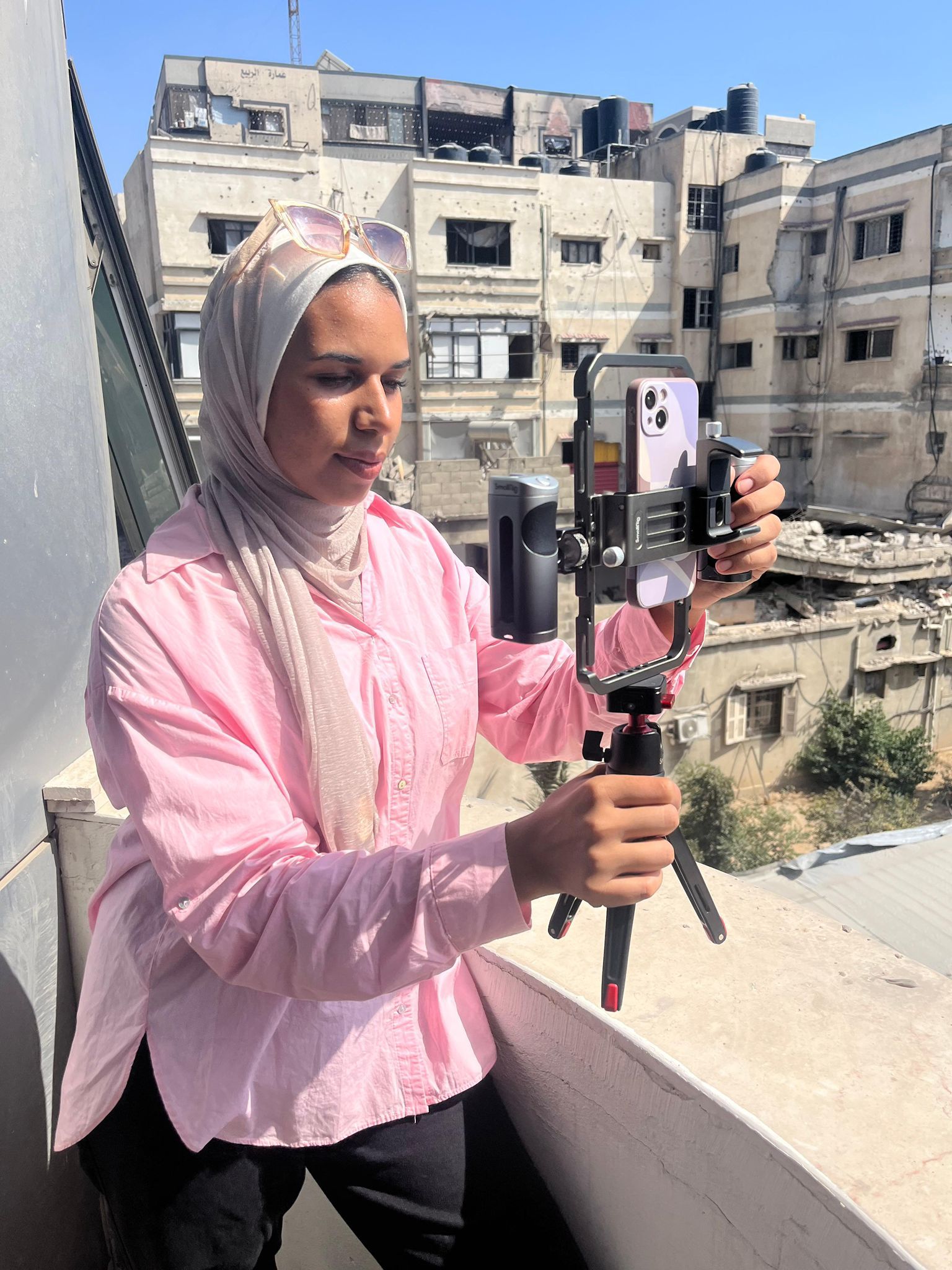
من جهة، نحن أمام قدر هائل من الدمار والخراب كشفه الانسحاب الإسرائيلي، وأمام تكشف يومي لآثار حرب الإبادة القاسية؛ إذ لم تكن الإبادة لفظة فارغة، إنها واقع على الأرض يعيش الآن الأهالي في غزة تبعاته القاسية كل دقيقة، ونشهد مرحلة يمكن أن نقول عنها، إنها: انتقال من الموت إلى صناعة الحياة من العدم. تُضاف إلى ذلك ملفات مركزية لها علاقة بحرب الإبادة، وأمام مستجدات سياسية كبيرة على صعيد القضية الفلسطينية عموما وعلى صعيد مستقبل قطاع غزة خصوصا. فكم تبدو مهمة مواكبة هذه التحولات معقدة، ومتشعبة، ويصعب على الصحفي أمامها، أن يرتب أولوياته في العمل، وهو أمر يتطلب قدرا كبيرا من الجهد والتفكير؛ لأن التركيز على جانب وإغفال آخر يعني الحكم بالإلغاء والتهميش على جزء جوهري من المشهد. هنا، أتذكر كم يصدق القول الدارج في غزة الآن: "انتهت حرب وبدأت حروب كبرى!"

 دخل صحفيو غزة بعد وقف إطلاق النار في حالة أقرب إلى التيه بشأن الأولويات، ليس فقط لأننا عدنا إلى وضع مطالبين فيه بالوقوف أمام مسؤولياتنا الشخصية تجاه أبنائنا وعائلاتنا وصرنا ملزمين تجاههم بتأمين المسكن ومتطلبات الحياة كافة من تحت الصفر، بل لأن الواجبات والمسؤوليات التي تفرضها عليك مهنة الصحافة أضحت أكثر اتساعا وتداخلا وتعقيدا.

 إذًا، نحن الآن أمام تحول في مهمات الصحافة والصحفيين في غزة ومسؤولياتهم، لنحاول معا فهم ما الدور الذي يجب أن تضطلع به الصحافة أمام فصول مختلفة من حدث فارق في التاريخ الحديث، وفي مستقبل الفلسطينيين. ولننطلق من النقاش الدائر منذ اليوم الأول لوقف إطلاق النار، بشأن التركيز في التغطية على سبيل المثال على ردة فعل الشارع على وقف إطلاق النار أو الموقف من فعاليات تسليم الأسرى الإسرائيليين، والبحث عن مكانة الفلسطينيين بين ثنائيات الهزيمة والانتصار.


يأتي هذا النقاش في وقت نشهد فيه معاناة يومية للأهالي إثر التدمير الشامل لكل مظاهر الحياة، ومعاناة الناس مع ملفات معقدة مثل وجود أكثر من 10 آلاف مفقود ومغيب قسريا، وآلاف الشهداء الذين يبحث الأهالي عن جثامينهم تحت الركام، ومقابر الأموات التي محيت عن وجه الأرض، ومليون إنسان يعيشون على هامش الخراب، بلا مساكن ولا خيم ولا مياه صالحة للشرب ولا أدنى متطلبات الحياة، وإطلاق سراح أسرى فلسطينيين كان محكوما عليهم بالموت في محبسهم، وإعلان فصائل المقاومة عن استشهاد قادتها. بالموازاة مع ذلك، ينبغي الانتباه إلى مشاريع التآمر والتصفية الأمريكية المتمثلة في مشاريع الاقتلاع والتهجير وردة الفعل الشعبية عليها، والهواجس الكبرى التي يعيشها الغزيون من عودة الحرب وعرقلة الإعمار وتعطل الحياة المدنية من تعليم وصحة واقتصاد، وشكل المستقبل المرتقب. ويكفي هنا مراجعة التغطية، لفهم، كيف يُغيِّب التركيز على جانب محدد، جوانب كثيرة مركزية، فكيف يتعامل الصحفي مع كل هذه الملفات المعقدة؟

بناء على تجربة شخصية ميدانية، أتصور أن أهم الإرشادات لتحديد أولويات الصحفيين تتمثل في:

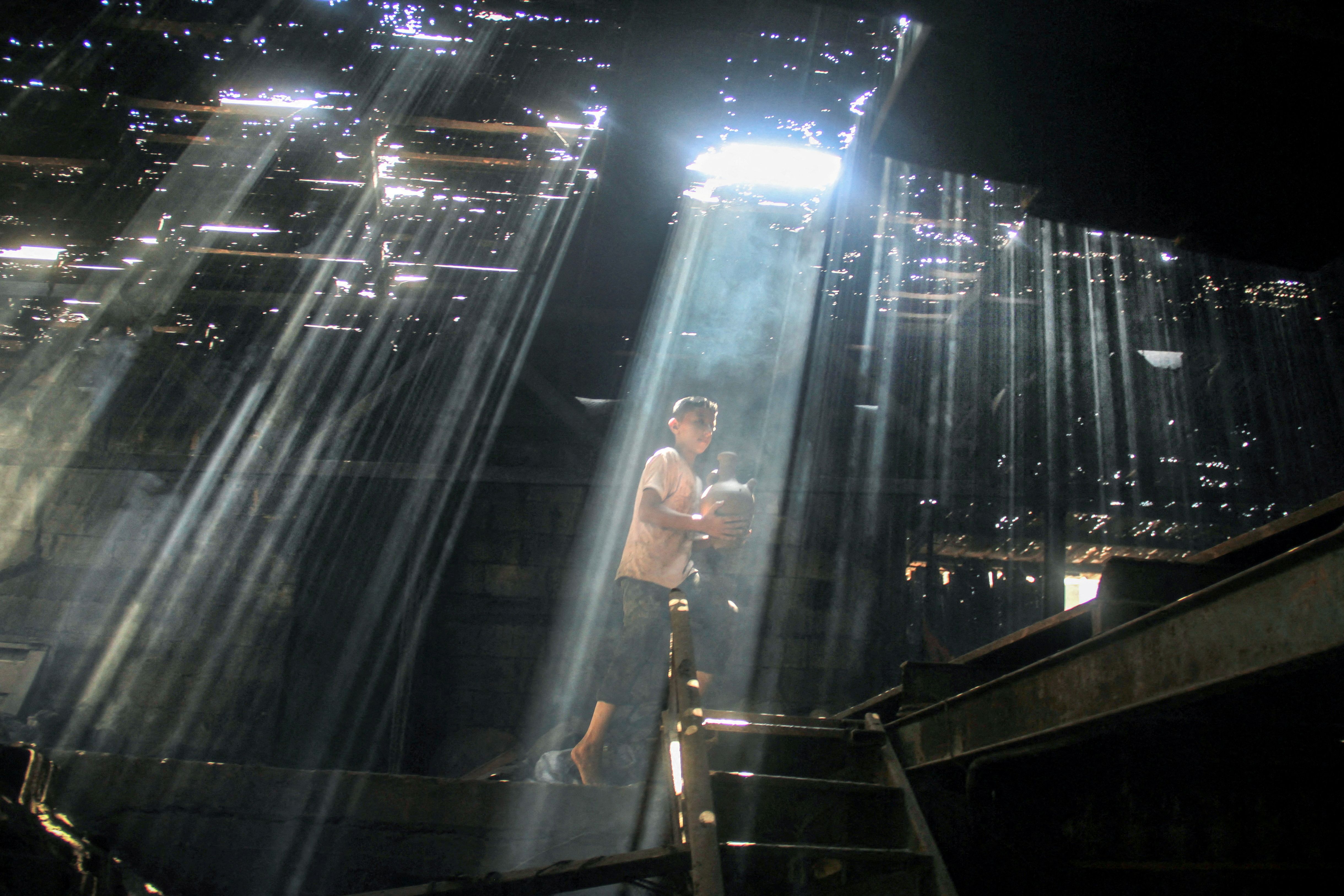
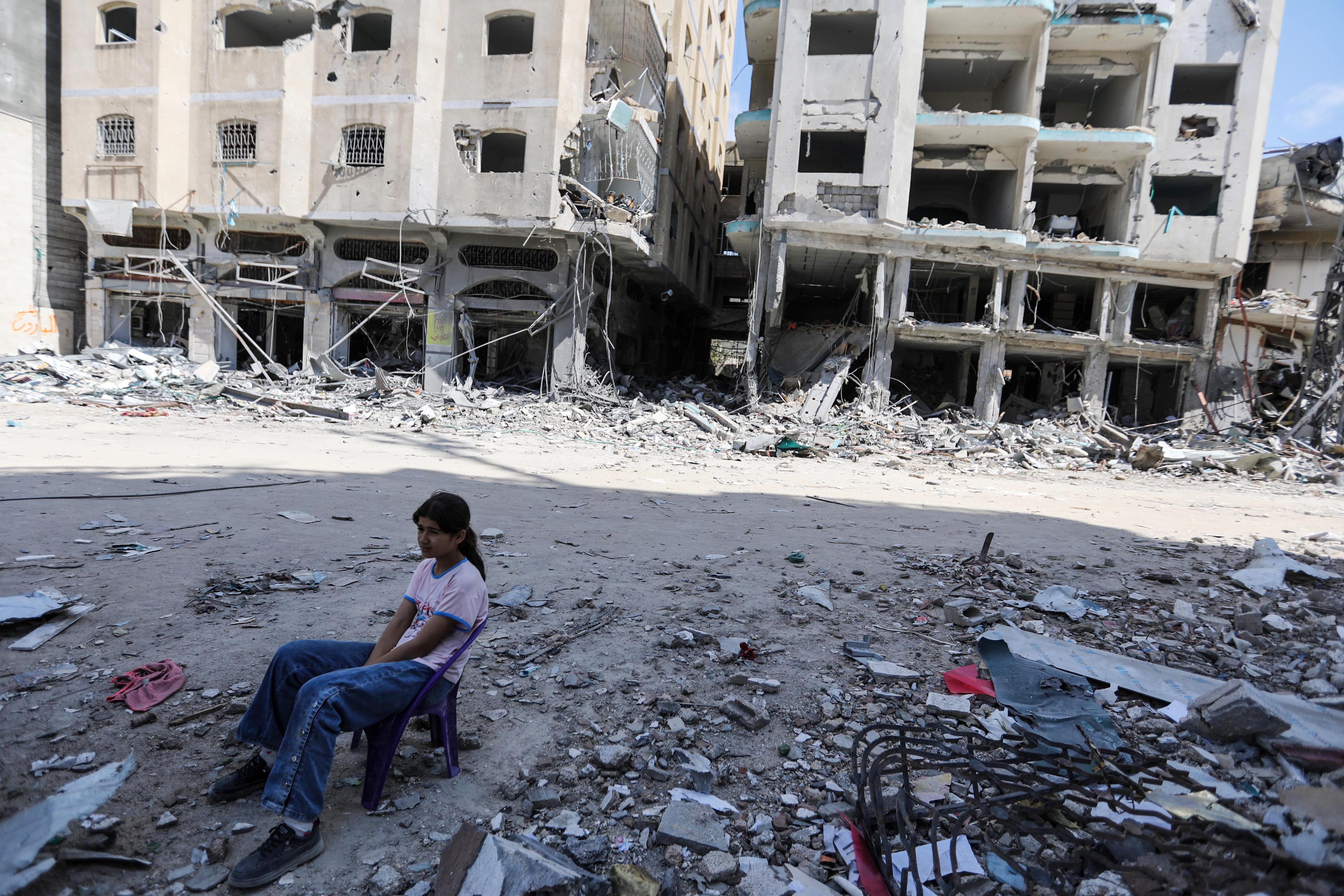
- التركيز على آثار حرب الإبادة واستمرار الفلسطينيين في غزة في مقاومة تبعاتها وتمسكهم بالبقاء على أرضهم في ظل الطرح الإسرائيلي - الأمريكي الذي انتقل بالقضية الفلسطينية من التسوية إلى التصفية.  وهنا، تبرز قيمة إظهار الأحياء المدمرة التي يعمرها الأهالي أو يحاولون إصلاحها، بما يحمله ذلك من رسائل التشبث بالأرض والبلاد أيّا كانت ظروفها، من دون إغفال معنى الجريمة التي تعرضوا لها، وضرورة المطالبة بتقديم الإغاثة العاجلة ومتطلبات الحياة الآدمية، ومن دون نزع  المشهد الحياتي والإنساني من بُعديه السياسي والحقوقي، كأن الخراب الذي خلفته حرب الإبادة كان نتيجة كارثة طبيعية، لا نتيجة فعل إجرامي مارسه جيش احتلال دموي بدعم  يكاد يكون مطلق من الدول الغربية في مقدمتها الإدارة الأمريكية. ولعل القصة الإنسانية هي الإطار الأنسب للاقتراب من معاناة الناس وتتبع الضحايا في معيشهم اليومي.

تبرز قيمة إظهار الأحياء المدمرة التي يعمرها الأهالي أو يحاولون إصلاحها، بما يحمله ذلك من رسائل التشبث بالأرض، من دون إغفال معنى الجريمة التي تعرضوا لها أو نزع  المشهد الحياتي والإنساني من بُعديه السياسي والحقوقي، كأن الخراب الذي خلفته حرب الإبادة كان نتيجة كارثة طبيعية، لا نتيجة فعل إجرامي مارسه جيش احتلال دموي بدعم من القوى الغربية.


  -  تكثيف العمل على صناعة وتخليد الأيقونات التي تحفر نفسها في العقل والوجدان والشعور الإنساني؛ لأن الشعوب والحضارات تنتهي عندما تعجز عن تخليد تضحياتها ونماذجها البشرية المشرفة. وفي الحالة الغزية، كل قصص الضحايا يمكن تخليدها في مساحات أيقونية وتعميمها على المستوى الدولي من خلال كثافة الكتابة والتوثيق المصور. في الأزقة وفي مراكز الإيواء، ثمة مئات الآلاف من القصص التي لم تُروَ بعد. لقد حفظ العالم أسماء مثل هند رجب، وحمزة أبو حليمة، وطفل متلازمة داون محمد بهار، والدكتور رفعت العرعير، والصحفي وائل الدحدوح، والدكتور محمد أبو سلمية، والدكتور حسام أبو صفية، وتحولت أسماء بعضهم إلى عناوين لمؤسسات وهيئات حقوقية تلاحق المجرمين وتطالب بتقديمهم للعدالة، ولم يكن ذلك ليتم، لولا دور الصحافة وجهودها.


-  مواصلة استدعاء الصورة الحضارية المشرقة لغزة ما قبل الإبادة، من جامعات ومراكز ثقافية ومكتبات عامة ومطاعم وفنادق وقصص نجاح، رغم الحصار الطويل وسياسة العزل التي كان يفرضها الاحتلال على القطاع طوال السنوات التي سبقت حرب الإبادة. وينبغي مقارنتها، لا بمشاهد الدمار فقط، بل بمحاولات استعادة الحياة والتمرد على الخراب؛ المطاعم والمقاهي التي استعادت نشاطها، والمدارس الخاصة والشركات التي بدأت بترميم نفسها، هذه المشاهد تنفي الفكرة التي يراد تعميمها بأن غزة ليست سوى موقع للهدم والاستثمار العقاري، وترسِّخ الارتباط والتفاعل والانتماء والتمسك بالبلاد والمسيرة الحضارية للمدينة، التي سبقت الإبادة وستليها.

لابد من تكثيف العمل على صناعة وتخليد الأيقونات التي تحفر نفسها في العقل والوجدان والشعور الإنساني؛ لأن الشعوب والحضارات تنتهي عندما تعجز عن تخليد تضحياتها ونماذجها البشرية المشرفة. وفي الحالة الغزية، كل قصص الضحايا يمكن تخليدها في مساحات أيقونية وتعميمها على المستوى الدولي من خلال كثافة الكتابة والتوثيق المصور.

-  تقديم المطالب الحياتية مثل المطالبة بالتعليم والطعام والمسكن والإغاثة العاجلة والعلاج للجرحى والمرضى وإعادة تأهيل الحياة، ضمن سقف سياسي مرتفع، والحذر ما أمكن من التوقف عند الجزئيات البسيطة مثل دخول غاز الطهي لأول مرة على اعتبار أنها منجزات ومكرمات من الاحتلال؛ فمتطلبات الحياة الكريمة هي حق آدمي بشري، يدان الاحتلال ويُجرَّم دوليا بسبب عرقلته لها، وتقرير المصير والتمسك بالحقوق الوطنية هو نسق شعبي مستدام لا يجب مقايضته بأي شيء.

هذه الملفات الكبيرة والمعقدة التي على الصحافة وصحفيي غزة أن يتعاملوا معها بمسؤولية عالية؛ لأن الواقع والتجربة يقولان إن الصحافة هي حجر الأساس لكل البدايات، إذ رأينا كيف تستند المؤسسات الحقوقية والتحركات الدولية إلى الوثائق التي يقدمها الصحفي المرابط في الميدان، وكيف أسهمت في بناء حراكات وحفظ الحق الفلسطيني والدفاع عنه، وهو أمر يذكر بمركزية الصحافة وحساسية دورها.
 

Related Articles

In the War on Gaza: How Do You Tell a Human Story?

After nine months of genocidal war on Palestine, how can journalists tell human stories? Which stories should they focus on? And does the daily, continuous coverage of the war’s developments lead to a “normalisation of death”?

Yousef Fares
Yousef Fares Published on: 8 Jul, 2025

More Articles

From News Reporting to Documentation: Practical Lessons from Covering the War on Gaza

From the very first moment of the genocidal war waged by Israel on Gaza, Al Jazeera correspondent Hisham Zaqout has been a witness to hunger, devastation, war crimes, and the assassination of his colleagues in the field. It is a battle for survival and documentation, one that goes beyond mere coverage and daily reporting.
Hisham Zakkout Published on: 26 Jan, 2026
Polarised, Intimidated, Silenced: The Media Under Siege in Cameroon’s Election

Cameroon’s 2025 presidential election exposed a troubling paradox: a nation voting under the watchful eye of power, while its press remained silenced. From the arrest of a teenage reporter to bans on political debate and digital manipulation, freedom of expression is under siege, and journalism is on trial.

Shuimo Trust Dohyee
Shuimo Trust Dohyee, Ngweh Rita Published on: 22 Jan, 2026
Investigating the Assassination of My Own Father

As a journalist, reporting on the murder of my father meant answering questions about my own position as an objective observer.

Diana López Zuleta
Diana López Zuleta Published on: 16 Jan, 2026
Reporting Under Fire: The Struggle of African Journalists Facing Intimidation

African journalists who expose corruption and power now face a brutal mix of arrests, torture, digital surveillance, and lawsuits meant to drain their resources and silence them. From Ethiopia, Nigeria, Malawi, Benin, Sudan, Uganda, and Kenya to exile in Canada, reporting the truth has become an act of personal survival as much as public service.

Nigerian freelance Journalist John Chukwu
John Chukwu Published on: 4 Dec, 2025
Shipwrecked Narratives: How to Keep Migration Stories Afloat

Migration stories don’t become real until you meet people in the journey: the carpenter carrying photos of his fantasy coffins, or the Libyan city worker burying the forgotten dead, or the Tatar woman watching her livelihood collapse at a militarised border. Following these surprising human threads is the only way journalism can cut through collective exhaustion and make readers confront a crisis they’ve been trained to ignore.

Karlos Zurutuza, a freelance journalist and a media trainer. His work has been published in The Guardian, Al Jazeera English, POLITICO, The Middle East Eye and The Independent, among others.
Karlos Zurutuza Published on: 30 Nov, 2025
What It Means to Be an Investigative Journalist Today

A few weeks ago, Carla Bruni, wife of former French president Nicolas Sarkozy, was seen removing the Mediapart logo from view. The moment became a symbol of a major victory for investigative journalism, after the platform exposed Gaddafi’s financing of Sarkozy’s election campaign, leading to his prison conviction. In this article, Edwy Plenel, founder of Mediapart and one of the most prominent figures in global investigative journalism, reflects on a central question: what does it mean to be an investigative journalist today?

Edwy Plenel
Edwy Plenel Published on: 27 Nov, 2025
A Sudanese Journalist in the Grip of the Rapid Support Forces

She was arrested, tortured, nearly raped, threatened with death, and subjected to degrading abuse. Her brother was brutally mistreated in an effort to locate her. In the end, her family had to pay a ransom to secure her release. She sought refuge abroad, but eventually returned to Sudan to continue documenting the war’s toll, particularly in El Fasher, a city now under siege. This is the harrowing account of a Sudanese journalist detained and tortured by the Rapid Support Forces.

Empty screen
Sudanese Female Journalist Published on: 3 Nov, 2025
Zapatismo and Citizen Journalism in Chiapas, Mexico

In Chiapas, independent journalists risk their lives to document resistance, preserve Indigenous memory, and challenge state and cartel violence. From Zapatista films to grassroots radio, media becomes a weapon for dignity, truth, and survival.

Ana Maria Monjardino
Ana Maria Monjardino Published on: 26 Oct, 2025
Journalists Under Occupation; Palestinian Journalists in the West Bank

Palestinian journalists in the West Bank face extreme physical danger, psychological trauma, and systemic targeting under Israeli occupation, yet continue to report with resilience, amplifying the voices of their people despite global indifference and media bias.

Synne Furnes Bjerkestrand
Synne Bjerkestrand Published on: 13 Oct, 2025
The Silent Death of Urdu Newspapers in India

With a 200-year history, Urdu newspapers in India are now facing a silent death—trapped in a cycle of decline where circulation has fallen by nearly 25%, advertising is absent, and government support is scarce. What vanishes is more than print: it is the erosion of a cultural and political lifeline that once bound Hindus, Muslims, and Sikhs in common debates and carried the voices of the marginalised into India’s public sphere.

Hanan Zaffa
Hanan Zaffar, Majid Alam Published on: 1 Oct, 2025
Why Are Young Journalists in Kashmir Quitting Before They Begin?

In Kashmir, mounting censorship, political pressure, and shrinking job prospects are forcing a generation of aspiring journalists to abandon the profession, many before they even get the chance to begin, leaving behind a media landscape stripped of dissent, debate, and independent voices.

Abrar Fayaz, Muqeet Mohammed Shah Published on: 23 Sep, 2025
Sudan’s Journalists Are Being Silenced: By Bullets, Exile, and Fear

The collapse of the media industry in Sudan has subjected journalists to physical threats, legal and professional challenges, with no functioning legal system to investigate crimes committed against the press.

Nalova Akua
Nalova Akua Published on: 17 Sep, 2025
Nepali Journalists Trapped Between “GenZ” Protest and State Crackdowns

Nepali journalists are under attack on two fronts: facing violence from protesters in the streets while also being targeted by government crackdowns, restrictive laws, and political interference that threaten press freedom.

Sumaiya Ali
Sumaiya Ali Published on: 12 Sep, 2025
I Don’t Want You to Be a Journalist, Mama”. Do Gaza’s Journalists Have the Luxury of Absence?

Does the Palestinian journalist in Gaza have the freedom to simply “step away”? How do they navigate the balance between their professional responsibilities and their family life? And to what extent does the duty to report justify the personal cost of being separated from one’s loved ones? Journalist Jenin Al-Wadiya sheds light on the deeply human details that rarely make it to the screen.

Jenin Al-Wadiya
Jenin Al-Wadiya Published on: 31 Aug, 2025
Intersections of Journalism and Social Sciences in the Field

The field is where journalism and the social sciences meet at their most dynamic edge. As the world grows more complex, journalists increasingly take on the role of sociologists, without abandoning their core mission to question power and expose uncomfortable truths. By drawing on the methods and insights of social science, journalism deepens its coverage, grounds stories in real-world contexts, and resists the temptation of surface-level narratives.

Mohammed Ahddad
Ahdad Mohamed Published on: 23 Aug, 2025
New Media Reforms in Bangladesh Introduced to Replace Hasina-Era Journalism

Bangladesh’s interim government, led by Muhammad Yunus, has launched ambitious media reforms to undo the legacy of Sheikh Hasina’s 15-year rule, which was marked by censorship, media monopolies, and the notorious Digital Security Act. However, despite promises of greater freedom, journalists remain wary, as self-censorship, restrictive laws, and public scepticism continue to cast doubt on genuine change.

Sumaiya Ali
Sumaiya Ali Published on: 17 Aug, 2025
Canadian Journalists for Justice in Palestine: A Call to Name the Killer, Not Just the Crime

How many journalists have to be killed before we name the killer? What does press freedom mean if it excludes Palestinians? In its latest strike, Israel killed an entire Al Jazeera news crew in Gaza—part of a systematic campaign to silence the last witnesses to its crimes. Canadian Journalists for Justice in Palestine (CJJP) condemns this massacre and calls on the Canadian government to end its complicity, uphold international law, and demand full accountability. This is not collateral damage. This is the targeted erasure of truth.

Samira Mohyeddin
Samira Mohyeddin Published on: 14 Aug, 2025
Monitoring of Journalistic Malpractices in Gaza Coverage

On this page, the editorial team of the Al Jazeera Journalism Review will collect news published by media institutions about the current war on Gaza that involves disinformation, bias, or professional journalistic standards and its code of ethics.

A picture of the Al Jazeera Media Institute's logo, on a white background.
Al Jazeera Journalism Review Published on: 11 Aug, 2025
Anas Al Sharif; Killed by Israel, but His Final Words Will Echo far Beyond His Death

For over a year and a half, Anas Jamal al-Sharif refused to leave northern Gaza, documenting the destruction and loss that others tried to hide. Tonight, Israel silenced his voice, but his final words, written on April 6, will echo far beyond his death.

Al Jazeera Journalism Review
Al Jazeera Journalism Review Published on: 11 Aug, 2025
The Human Story in Gaza: The Deadly Dilemma of “Who Do We Tell About?”

In the accelerating context of genocide, is the “pace” of death in Gaza outstripping journalists’ ability to capture human stories? How can they be expected to take their time crafting narratives amid hunger, displacement, and death? And to what extent can postwar documentation hold journalistic value in preserving collective memory and pursuing accountability for the perpetrators?

Mirvat Ouf
Mirvat Ouf Published on: 3 Aug, 2025
The Battle to Keep Journalists Alive in Gaza

Hungry journalists covering the story of starvation in Gaza, surviving on salt to stay alive, selling their work equipment to secure a “sack of flour” for their children, shedding the “shame” of publicly asking for food, and enduring the harshest media environment just to maintain “continuous coverage”.

Mona Khodor
Mona Khodor Published on: 26 Jul, 2025
Balancing Productivity and Privacy: How Female Journalists Use AI Chatbots

Female journalists in Jordan are harnessing AI chatbots to boost productivity, enhance digital safety, and find emotional support, but their growing reliance also raises critical concerns about privacy, ethics, and the responsible use of emerging technologies in journalism. This article explores how these tools are reshaping their workflows while navigating the challenges of trust and accountability.

Afnan Abu Yahia
Afnan Abu Yahia Published on: 20 Jul, 2025
In the War on Gaza: How Do You Tell a Human Story?

After nine months of genocidal war on Palestine, how can journalists tell human stories? Which stories should they focus on? And does the daily, continuous coverage of the war’s developments lead to a “normalisation of death”?

Yousef Fares
Yousef Fares Published on: 8 Jul, 2025
How Much AI is Too Much AI for Ethical Journalism

As artificial intelligence transforms newsrooms across South Asia, journalists grapple with the fine line between enhancement and dependency

Saurabh Sharma
Saurabh Sharma Published on: 1 Jul, 2025