
The Power to Write History: How Journalism Shapes Collective Memory and Forgetting

Old book open and stacked over some old newspapers, implying journalism's role in history

The Power to Write History: How Journalism Shapes Collective Memory and Forgetting

What societies remember, and what they forget, is shaped not only by historians but by journalism. From wars to natural disasters, the news does not simply record events; it decides which fragments endure in collective memory, and which fade into silence.


As the final year of the Second World War raged, the mechanisms of Nazi Germany’s efforts to exterminate the Jewish population were in full effect. Although the Holocaust today is undeniable to us in its evidence, the extent to which Nazi atrocities were occurring was not public until journalistic outlets such as the Swiss publication Neue Zürcher Zeitung, The Times of London and The New York Times published a report made by two escapees from the death camp Auschwitz about their experiences.

In his book ‘The Escape Artist’, Jonathan Freedland describes how the media coverage of the Vrba-Wetzler report forced the Holocaust into public consciousness as it was unfolding, despite political and media hesitation at the time.

The role of journalism has long been a bulwark against denial, preserving memory and insisting the world be witness. Tanja Bosch, Professor of the Centre for Film and Media Studies at the University of Cape Town, explained the link between memory and journalism by writing in a 2019 publication:

“There is a strong link between collective memory production and journalistic practice, based on the proposition that journalists produce first drafts of history by using the past in their reportage. It serves as one of society’s main mechanisms for recording and remembering, and in doing so helps shape collective memory.”


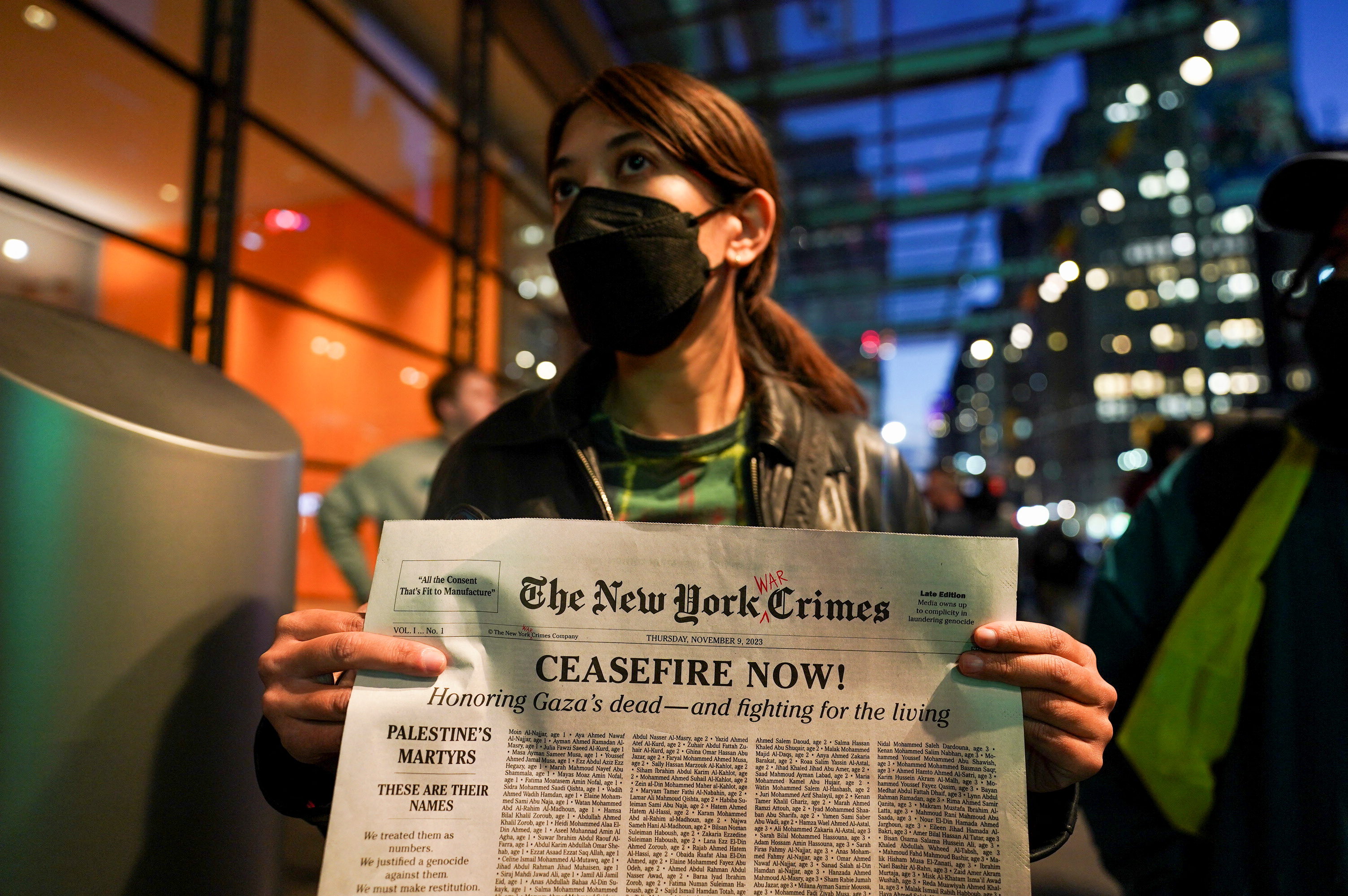
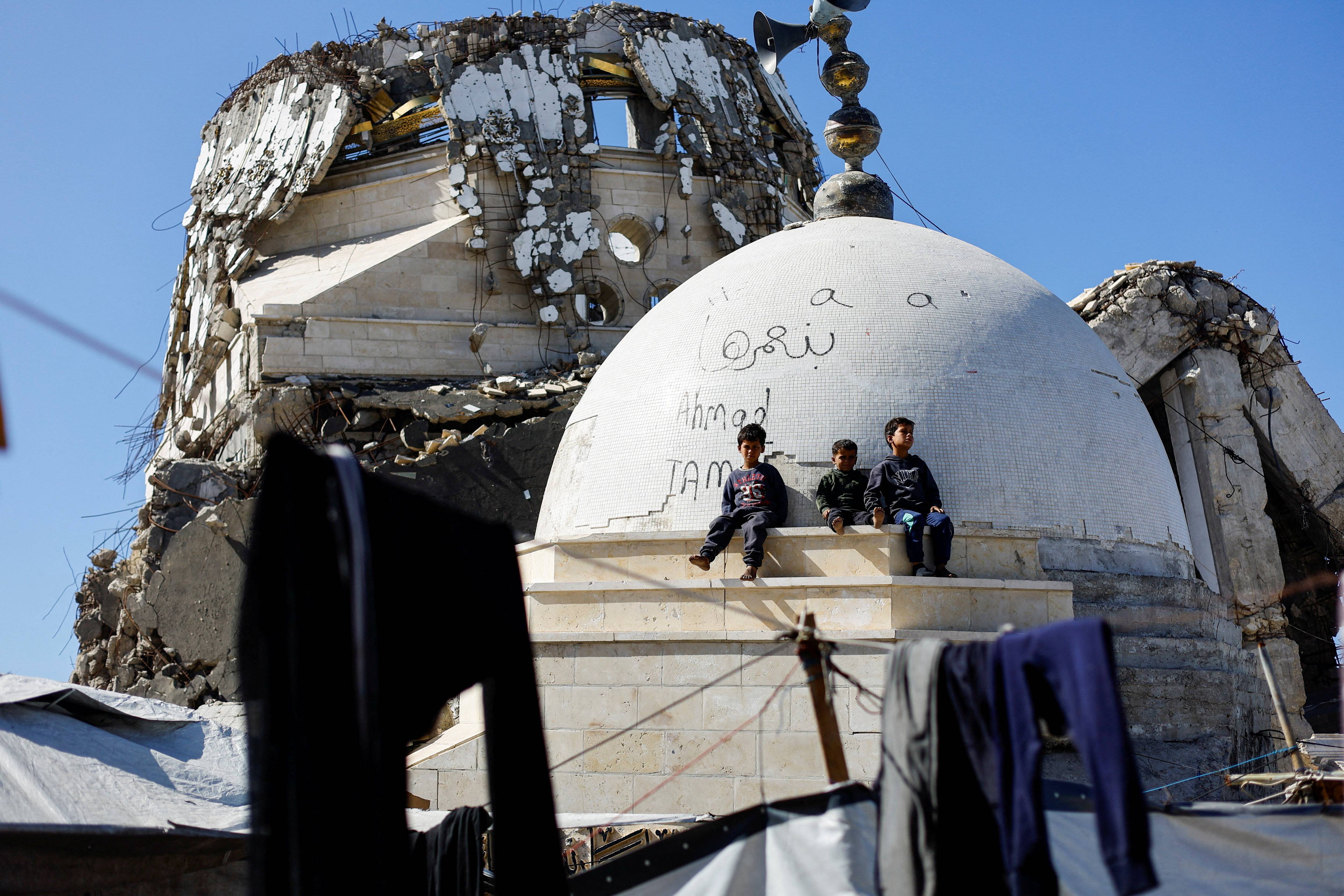
Gaza today demonstrates a painful parallel. Standing as one of the most internationally reported conflicts today, yet no international press is permitted entry, even as local journalists are killed in unprecedented numbers.

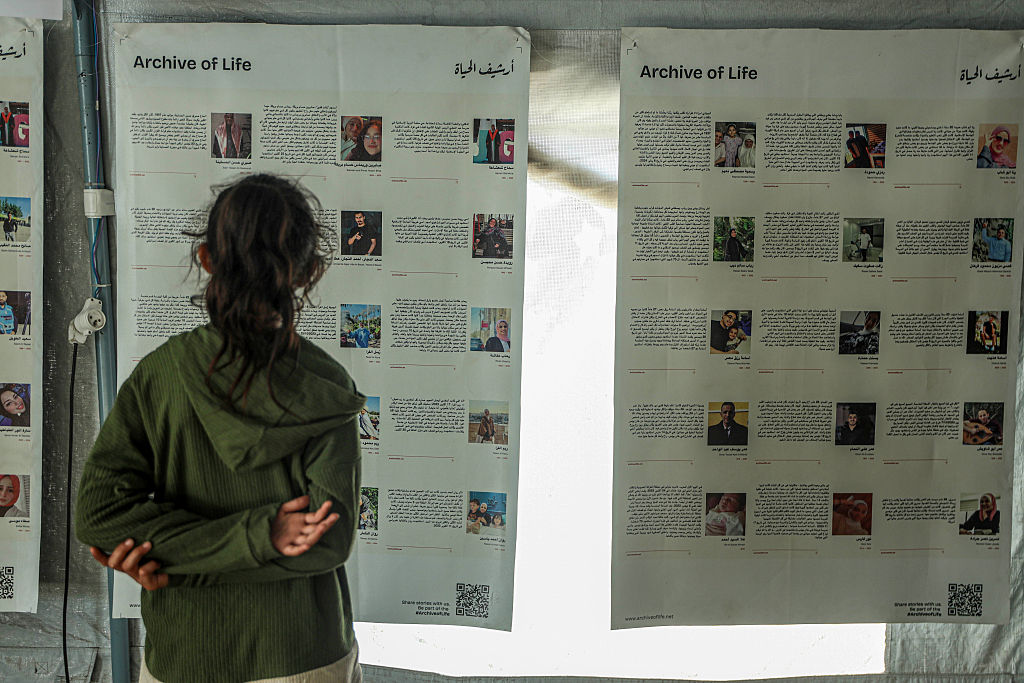
Yet, through the work of journalists, and the use of social media by locals, the atrocities of what the ICC has deemed a genocide are unfolding before us, the memory of which will pass into the consciousness of future generations and societies for decades to come.

News coverage generates active perception building of places, concepts and people within an audience. Depending on the event being reported and the type of coverage, a specific memory or perception is endowed in the consciousness of the public. This dynamic extends beyond war zones. Even in natural disasters, what is remembered often depends on the angle of media coverage.

Narratives of a hierarchy of states can also be projected through media coverage. An article in the Multidisciplinary Digital Publishing Institute about media coverage of the 2022 Pakistan floods explored how global north media paid little attention to the long-term systemic impacts of the flood, only concentrating on the immediate crises. This reinforced ideas of dependency and helplessness, focusing on charity and disaster, helping create a post-colonial narrative of a 1st and 3rd world.

Journalists perhaps would not think of themselves as such influencers of societal perception, but references to the past help journalists make sense of the present and provide shorthand explanations, contextualising today’s events. Journalist and author Professor Barbie Zelizer describes the role of the journalist and memory in a piece called ‘Journalism’s Memory Work’:

“Recounting the present is laced with an intricate repertoire of practices that involve an often-obscured engagement with the past. This renders journalism a key agent of memory work, even if journalists themselves are averse to admitting it as part of what they do.”


Journalism as a Tool to Forget

Memory, and its erasure, is also a result of journalism's use as a tool of recollection within societies across the world. Following the Bosnian War of the 1990s, national news media was divided ‘ethnically, not ethically’ between Serbs, Croats and Bosnians, whereby selective memory ignored certain events, such as Srebrenica genocide denial remaining common in Republika Srpska’s Serb-controlled outlets. Due to the brevity of most news outlets, there is little capacity to bring light to everything, but what is not included can often be just as telling.

PhD candidate Veronique Labonte, of the Graduate School of International Studies, explains the role of memory as a tool in Bosnia and Herzegovina, saying:

“Journalists and media activists often become custodians of memory, archiving fragments of experience that would otherwise be excluded from the historical record. - Narratives of war and its aftermath influence identities, relationships between groups, and the very possibilities for political and social change. - The politics of memory in Bosnia demonstrates how journalism is not only a record of events but also an active force in shaping the moral imagination of publics. What is remembered and how it is told influences whether societies lean toward justice or denial.”


Similarly, in Chile during the 1970s and 1980s, the media was heavily influenced by the authoritarian government of General Pinochet, whose regime enacted many human rights violations. Many of these crimes were not published or investigated until after the fall of the regime in the 1990s, when the remembrance of the thousands of ‘disappeared’ persons persisted as an act of rebellion against the dictatorship. As the academic Rosemary Barbera described in an essay called Community Remembering: Fear and Memory in a Chilean Shanty Town:

“Knowledge is a significant form of power, and when memory can be controlled, knowledge is likewise controlled and becomes subjugated. Being denied memory is a form of abuse. Being able to remember becomes a political act.”


Selective memory is not just a legacy of authoritarian regimes; it continues to shape global coverage of conflict today. For example, the results of a survey by the Israel Democracy Institute found that 78% of Jewish Israelis thought that Israel is making efforts to avoid causing suffering to the Palestinian population. From this we can perhaps question what Israeli media chooses to ‘remember’.  


Why We Will Not Remember Some Conflicts

Although media coverage is often a reflection of a pre-existing geopolitical precedent, it also is subject to the interest of the viewers. Attention is often given to conflicts involving major powers and alliances that can carry broad implications for international diplomacy, security and economies, such as trade routes and foreign investment.

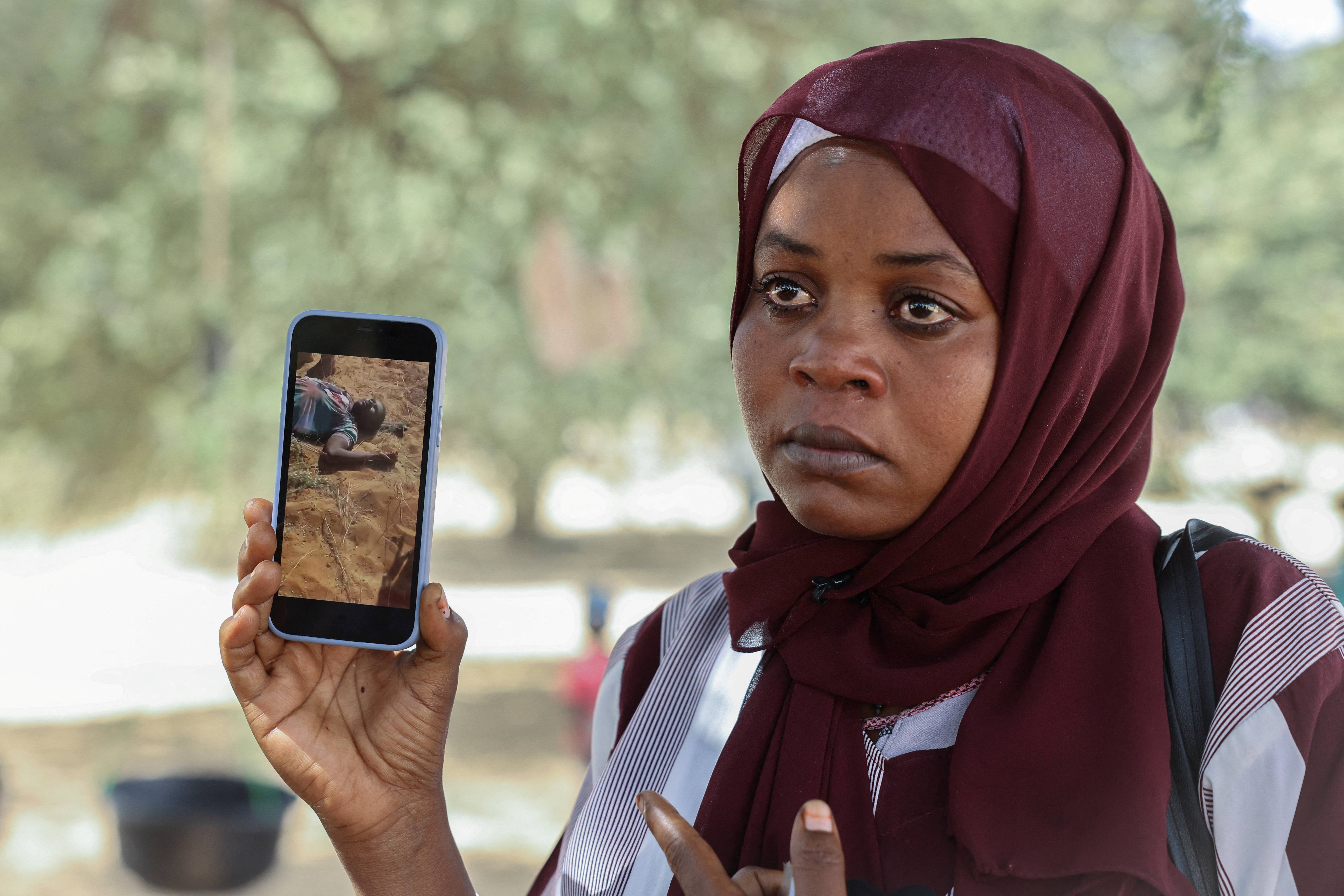
This means that a core issue with the contemporary information environment is that many of the world’s most deadly conflicts/crises remain under-represented in global news, such as those in South Sudan, Haiti, the Congo and Yemen.

Dr Zahera Harb, Director of Journalism Postgraduate Studies at City St George's, University of London, speaking with Al Jazeera Media Institute said,

“It’s not about journalists; it’s media organisations, their owners, and the political systems they operate within that dictate which conflicts matter. Political proximity, not geography, drives attention. Audiences can care about Yemen or Sudan if you give them the human element, the context, and the explanation of why events are happening.”


The 2025 Global Peace Index Report found that global news coverage of conflicts disproportionately focused on highly developed or upper-middle-income countries. By contrast, wars in less economically developed states, such as Ethiopia and Burkina Faso, each with more than 20,000 recorded civilian deaths, received far less attention. In Ethiopia, this imbalance was further reinforced by a government-imposed media blackout designed to restrict reporting on the civil conflict.

Breaking news amid immediate and ongoing conflicts/humanitarian crises has also meant a saturation of ‘negativity’ among the public. Audiences suffering a ‘negativity’ bias and news fatigue surrounding conflicts is also another factor of why attention fades around certain events. One research report concludes that news headlines became more negative between 2000 and 2019 within popular US media, with another study concluding that negative wording within articles correlated with higher audience traffic, incentivising further negative wording in reporting.

Founder and Media Strategist for solutions journalism organisation Inclusive Journalism, Sanne Breimer, said in a statement to Al Jazeera Journalism Review that,

“Journalism has been so explicitly focused on what is going wrong in the world that we’re actually not doing service to the people. There are processes, peace talks, and everyday coping strategies that rarely get covered. If a conflict is new, then it’s breaking news. The longer it continues, the more the news angle disappears. That has to do with a narrow focus of what we nowadays think journalism is and should be.”


Today, choices about what is told and what is ignored will shape not only tomorrow’s history books but also the conscience of future generations. If journalism is, as Philip Graham once said, the “first rough draft of history”, then its greatest responsibility is not just to inform but to remember and to resist the quiet violence of forgetting.




مقالات ذات صلة

أدوار الإعلام العماني في زمن التغيرات المناخية

تبرز هذه الورقة كيف ركز الإعلام العماني في زمن الكوارث الطبيعية على "الإشادة" بجهود الحكومة لتحسين سمعتها في مقابل إغفال صوت الضحايا والمتأثرين بالأعاصير وتمثل دوره في التحذير والوقاية من الكوارث في المستقبل.
Shaimaa Al-Eisai
شيماء العيسائي نشرت في:
شبكة MSNBC تحذف مقابلة مع صحفي انتقد تحيّز الإعلام الغربي للرواية الإسرائيلية

الأمر ليس متعلقا بالموضوعية هنا. كيف يمكن لأي منا أن يشاهد هذه الإبادة الجماعية تحدث في بث مباشر، ثم نصمت على مناورات السياسيين الذين يترشحون للرئاسة حيال ذلك من دون أن نصرخ ونقول إن هذا كلّه يجب أن يتوقف؟ نحن نشاهد إبادة جماعية أمام الشاشات، ويؤسفني أن أقول إنه على هذه الشبكة أتيحت الفرصة لأشخاص روجوا للدعاية الإسرائيلية ودافعوا عنها".

Al Jazeera Journalism Review
مجلة الصحافة نشرت في:
التحيّز بالحذف.. كيف تُفلتَر جرائم الاحتلال الإسرائيلي في وسائل إعلام غربية؟

لا تكتفي وسائل الإعلام الغربية في تغطيتها للحرب على غزة بالانحياز في اختيار ما تنشر، بل تمارس شكلاً أعمق من التحيز: التحيز عبر الحذف. الشهادات تُقصى، والمجازر تُهمش، وتُعاد صياغة الرواية لتخدم سردية واحدة. في هذا المقال، يتناول الزميل محمد زيدان عمل "حرّاس البوابة" في غرف التحرير الغربية، ومساهمتهم المباشرة في تغييب الصوت الفلسطيني، وتثبيت الرواية الإسرائيلية.

Mohammad Zeidan
محمد زيدان نشرت في:

المزيد من المقالات

بعد الخبر: مسؤولية الصحفي والمؤسسة الإعلامية تجاه ذاكرة الحروب

ما الذي تتركه الصحافة للأجيال اللاحقة لفهم ما جرى؟ وكيف تتعامل المؤسسة مع أخبارها وصورها وشهاداتها باعتبارها مواد قد تعيش أطول من عمرها الإخباري؟ التزام الدقة والأمانة في النقل ليست التزامات للحظة النشر وحدها، بل هي ما يقرر لاحقا صلاحية المادة الصحفية لفهم الحرب أو إسهامها في تشويهها. وهذه المسؤولية مشتركة بين الصحفي والمؤسسة من خلال اتخاذ إجراءات تحريرية تساهم في حفظ الأرشيف.

رامي خريس نشرت في:
جامعة بيرزيت.. تجربة فلسطينية ناجحة في تطوير مناهج تدريس الصحافة

يوجَه الكثير من الانتقاد إلى كليات الصحافة بشأن عدم قدرتها على مواكبة التحول الرقمي واحتياجات "السوق". جامعة بيرزيت طورت مناهج تدريس الصحافة. صالح مشارقة، يشرح في هذا المقال أبرز معالم هذا التحديث.

صالح مشارقة نشرت في:
المقابلات الإثنوغرافية وإشكالية الموضوعية في الإعلام

يراجع المقال الفروق بين المقابلة الصحفية التقليدية والمقابلة الإثنوغرافية، مركّزًا على أثر السياق والعلاقة مع الضيف/ المقابَل في تشكيل السرد. ويقترح المقابلة الإثنوغرافية كخيار مهني يوسّع أدوات الصحفي، عبر الإنصات للتجربة الإنسانية في بيئتها الطبيعية، واحترام تعقيد الحكايات وتعدّد الأصوات دون اشتراطات "الموضوعية" أو تقديم إجابات وفقاً للتوقعات أو التعليمات التحريرية.

Khaldoun Shami PhD
خلدون شامي نشرت في:
«ضع روحك على يدك وامشِ».. الاتصال الأخير مع الصحفية فاطمة حسونة

عبر مكالمات فيديو متقطعة، وخوف أن يكون كل اتصال هو الأخير مع المصورة الغزية فاطمة حسونة؛ تقدم المخرجة سيبيده فارسي تجربة توثيقية فريدة من داخل غزة لتصل إلى مهرجان كان. يقدم المقال قراءة لواقع عمل الفيلم كتوثيق مهم يتحدى الواقع الصعب للصحفيين في ظل الإبادة، وإشكاليات السرد والأسئلة الأخلاقية التي تفرض نفسها عند مشاهدته.

شفيق طبارة نشرت في:
شهادة صحفي في مواجهة فراغات وحشة الاكتئاب والحرب

بين الحرب والنزوح وصعوبات العمل، يروي الصحفي اليمني فخر العزب تجربته المؤلمة في مواجهة كل ذلك بينما يحاول أن يستمر في عمله الصحفي وإعالة أسرته. مذكراً بواقع صعب يعيشه الكثير من الصحفيين في مناطق الحروب والنزاعات، وأهمية توفير بيئة عمل تؤمن الحماية النفسية والمهنية.

فخر العزب نشرت في:
من قطر 2022 إلى أمريكا 2026.. كيف تكشف التغطية آليات التأطير الإعلامي

تستعيد المقالة حالة التباين في التغطية الإعلامية الغربية بين مونديال قطر 2022 ومونديال 2026. فبينما ركزت التغطية على القضايا الحقوقية والسياسية في نسخة قطر، اتجهت لتسليط الضوء على الجوانب الرياضية والتنظيمية في نسخة أمريكا، لتسائل كيفية عمل الأجندة الإعلامية وازدواجية المعايير.

محمد النخالة نشرت في:
من يثير الدهشة يجذب الانتباه.. الصحافة في مواجهة الغرائبية

يناقش المقال كيف تحوّلت الغرائبية والإثارة إلى رأس مال رقمي يسيطر على انتباه الجمهورعبر الخوارزميات وصنّاع المحتوى. ومن خلال الأبعاد العصبية والتاريخية لهذه الظاهرة، يكشف التحديات الوجودية التي تواجه الصحافة الجادة أمام منطق الاستعراض.

. سعيد ولفقير. كاتب وصحافي مغربي. ساهم واشتغل مع عددٍ من المنصات العربية منذ أواخر عام 2014.Said Oulfakir. Moroccan writer and journalist. He has contributed to and worked with a number of Arab media platforms since late 2014.
سعيد ولفقير نشرت في:
المراجعات الصحفية الثقافية.. كيف نقرأ النص؟

يخلط الصحفي المبتدئ بين المراجعة الصحفية الثقافية وبين مقال الرأي الذي يعكس انطباعه الشخصي، كما يختفي الخط الفاصل أحياناً بين المراجعة والنقد بما يقفد المقال بنيته الأساسية. في هذا المقال مدخل أولي تضعه الكاتبة حول المراجعات الصحفية وما يجب أن يعرفه الصحفي الذي يريد أن يكتب مراجعته الأولى.

رغدة جمال نشرت في:
السيرة بعد الغياب.. حرب الرواية تلاحق الصحفيين الشهداء

عند استهداف الصحفيين في غزة، تنتشر الروايات المختلفة حول حياتهم، وآخرين يمرون كخبر عابرٍ في ظل الإبادة. يناقش المقال أهمية التوثيق لحكايات الصحفيين كما أرادوا روايتها دون أن تتأثر باتهامات الاحتلال أو تختزل حكايتهم دون انتباه للتفاصيل الإنسانية.

Rima Al-Qatawi
ريما القطاوي نشرت في:
"الصحفي المواطن" وغواية "المواطن الصحفي"

تشهد الساحة الإعلامية مفارقة صعود "المواطن الصحفي" الذي يوثق الأحداث خارج الأطر المؤسسية، وتراجع "الصحفي المواطن" عن التزامه الاجتماعي والمهني أمام ضغوط الخوارزميات واقتصاد الانتباه. يفتح هذا التحول في الأدوار النقاش حول موقع مهنة الصحافة ودورها المسؤول في المجال العام.

نواف التميمي نشرت في:
"نازا".. يطلق النار ويبكي أم وثيقة صحفية للإدانة؟

يقدم الفيلم شهادات من داخل المنظومة العسكرية والأمنية الإسرائيلية حول آليات الاستهداف والقتل، ويعيد طرح سؤال قد يتجاوز قيمته السينمائية والإعلامية: ماذا يمكن أن تفعل هذه الشهادات بعد انتهاء العرض والتصفيق؟ يناقش المقال ما يضيفه "نازا" إلى التوثيق السابق، وإمكانية انتقال أثره من الشاشة إلى مسارات المساءلة القضائية.

Linda Shalash
لندا شلش نشرت في:
غوغل رئيسا للتحرير: هل نكتب للجمهور أم لمحركات البحث؟

محركات البحث لا تزال نقطة عبور مكينة للقرّاء نحو مواقع الصحافة، لكن العبور رهين باستيفاء الموقع شروطا صارمة تستند إلى بيانات دقيقة، هدفها تلبية رغبات جمهور محرك البحث لا الصحافة.

عصام واعيس نشرت في:
ملاحقة ضجيج المشاهير.. كيف تتآكل هوية المنصات الصحفية؟

أدت ملاحقة أخبار المشاهير والاعتماد المفرط على مؤشرات التفاعل الرقمية إلى تداخل الهويات التحريرية بين "القيمة الخبرية" وأخبار "الترند" والترفيه، ليتحول المحتوى في منصات كثيرة إلى مجرد صدى باهت لما تفرضه الخوارزميات ومتطلبات تحسين نسب المشاهدة.

خالد أصلان نشرت في:
الدراما الوثائقية.. السرد الجمالي بديلا للكاميرا المفقودة!

تثير الاستعانة بالدراما في الوثائقيات نقاشاً بين التوجس من التزييف والاحتفاء بملء فراغ الأرشيف البصري المفقود. ويقع هذا القالب الهجين في منطقة وسطى تدمج التأثير الوجداني بالواقع التوثيقي. ويتطلب توظيفه التزاماً بقيود أخلاقية صارمة منعا للتضليل. ومع صعود المنصات الرقمية، تجاوزت "الدكيودراما" قيود التلفزيون الصارمة لتنطلق نحو آفاق إبداعية وسينمائية جديدة.

هاني بشر نشرت في:
الفيلم الوثائقي بين الأرشيف والغياب

تتحقق القيمة الإستراتيجية للأرشيف البصري الفلسطيني في قدرته على حماية الهوية ومقاومة الطمس والنهب الممنهج من قبل الاحتلال الإسرائيلي. وتبرز هذه القيمة اليوم في غزة؛ حيث تلزم المسؤولية الأخلاقية صناع الأفلام بحفظ آلاف الفيديوهات اليومية وتحويلها من تدفق إخباري عابر إلى وثائقيات إنسانية تحمي الذاكرة الجمعية وتمنع تحول الإبادة إلى حدث منسي.

Bashar Hamdan, investigative producer and documentary filmmaker at Al Jazeera Media Network
بشار حمدان نشرت في:
الصحافة المغربية بين دعم الدولة وهيمنة السوق: هل ينقذ "اقتصاد المعلومة" المهنة؟

تعيش المؤسسات الإعلامية في المغرب أزمة هيكلية عميقة، ناتجة عن هشاشة نموذجها الاقتصادي بين الدعم الحكومي التاريخي ومنطق السوق غير المتكافئ. أدى هذا الوضع، مصحوباً بسيطرة رأس المال السياسي والاقتصادي، إلى فقدان الاستقلالية التحريرية وجعلها امتداداً لدوائر النفوذ ورأس المال. هل يمكن معالجة الأزمة بالانتقال نحو "اقتصاد المعلومة"؟

أنس الشعرة نشرت في:
أنسنة القصة؛ كيف نعيد الإنسان إلى مركز السرد؟

محمد الصواف، مخرج أفلام وثائقية، يعمل على القصص الإنسانية، وعاش حرب الإبادة الجماعية على غزة.. قد يسعف هذا المزيج النادر في تقديم تعريف للقصة الإنسانية نابع من التجربة الشخصية ومن المعايشة الميدانية اليومية، ومن الاعتراف بالإنسان محورا للسرد.

محمد الصواف نشرت في:
الجذور السياسية والرقمية لتغييب حرب السودان

يكشف المقال عن "مسافة صمت" قاسية تجاه حرب السودان، مع التراجع الكبير في التغطية عربياً وعالميًا. يعزو الكاتب هذا التغييب إلى أسباب عدة منها تفضيل الخوارزميات، والتهميش الجيوسياسي، وتدمير الإعلام المحلي.

Mohammed Babiker Al-Awad
محمد بابكر العوض نشرت في:
كأس العالم 2026: هل انتهت تغطية الأحداث الرياضية كما نعرفها؟

كيف تحولت بطولات كأس العالم من فضاء تحتكره المؤسسات الإعلامية التقليدية إلى بيئة رقمية متعددة المنصات، خصوصاً بعد مونديال قطر 2022 الذي شكل نقطة التحول الفاصلة بإنهاء زمن القناة الواحدة والمذيع التقليدي، لتبدأ حقبة يقودها صناع المحتوى، الخوارزميات، والجمهور التفاعلي.

محمد النخالة نشرت في:
اليسار واليمين في جبهة واحدة ضد الصحافة في أمريكا الجنوبية

في أمريكا اللاتينية، تبدو الصحافة عالقة في مواجهة مفتوحة مع السلطة، سواء كانت يسارية أو يمينية. فمن المكسيك إلى الأرجنتين و فنزويلا، تتعرض وسائل الإعلام الناقدة للمضايقة والتشهير والملاحقة القضائية، بينما تحظى وسائل الإعلام القريبة من السلطة بالامتيازات. ويكشف هذا الواقع أن الخلاف الأيديولوجي بين اليسار واليمين لا يمنع تقاطعهما في الحساسية تجاه النقد الصحفي.

Noe Zavaleta
نوا زافاليتا نشرت في:
من الأدلة إلى العواطف: كيف أعادت "الحقائق البديلة" تشكيل النقاش العام

يحلل كتاب "ما بعد الحقيقة: مصداقية الخطاب العلمي في عصر الحقائق البديلة" تحول النقاش العام، حيث أصبحت العاطفة والهويات السياسية تتقدم على الحقائق الموضوعية في تشكيل الرأي العام. ينطلق الكتاب من صعود الشعبوية والثورة الرقمية اللذان أسهما في انتشار "الحقائق البديلة" عبر وسائل التواصل الاجتماعي، مستفيدين من التحيزات المعرفية و الإغراق المعلوماتي وغرف الصدى.

أحمد نظيف نشرت في:
"الأنسنة" وتجربة الشعور: حين تتجاوز وظائف القصة الصحفية استعطاف الجمهور

بين أنسنة القصة الإنسانية والاستعطاف المبني على المبالغات حدود فاصلة. من الهجرات والكوارث الطبيعية إلى التفاصيل اليومية لمعيش الناس تتجاوز القصة الصحفية الإنسانية جمود التغطيات الإخبارية بحثا عن المعنى و"تجربة الشعور".

جنى الدهيبي نشرت في:
كيف نُعد القصة الصحفية الإنسانية في البودكاست؟

هل يختلف إعداد قصة صحفية إنسانية للبودكاست عن باقي القوالب الأخرى؟ وماهي زوايا المعالجة التي تركز عليها؟ وكيف يمكن أن يصبح المستمع شريكا في تجربة السردية؟

وفاء خيري نشرت في:
عن سوء الفهم بين الإعلام والدبلوماسية

لماذا يتولد الانطباع بأن التغطية الإعلامية للحروب تميل إلى سرديات التصعيد أكثر من إبراز المسارات الدبلوماسية؟ وهل العلاقة بين الإعلام والدبلوماسية تقوم على تعارض فعلي، أم أنها ناتجة عن اختلاف في الوظيفة والإيقاع؟ وكيف تؤثر طبيعة اللغة في كل منهما على فهم الجمهور للأحداث؟

Said Al-Azri
سعيد العزري نشرت في: