Freelancers in Kashmir Fear Losing Access as Verification Tightens

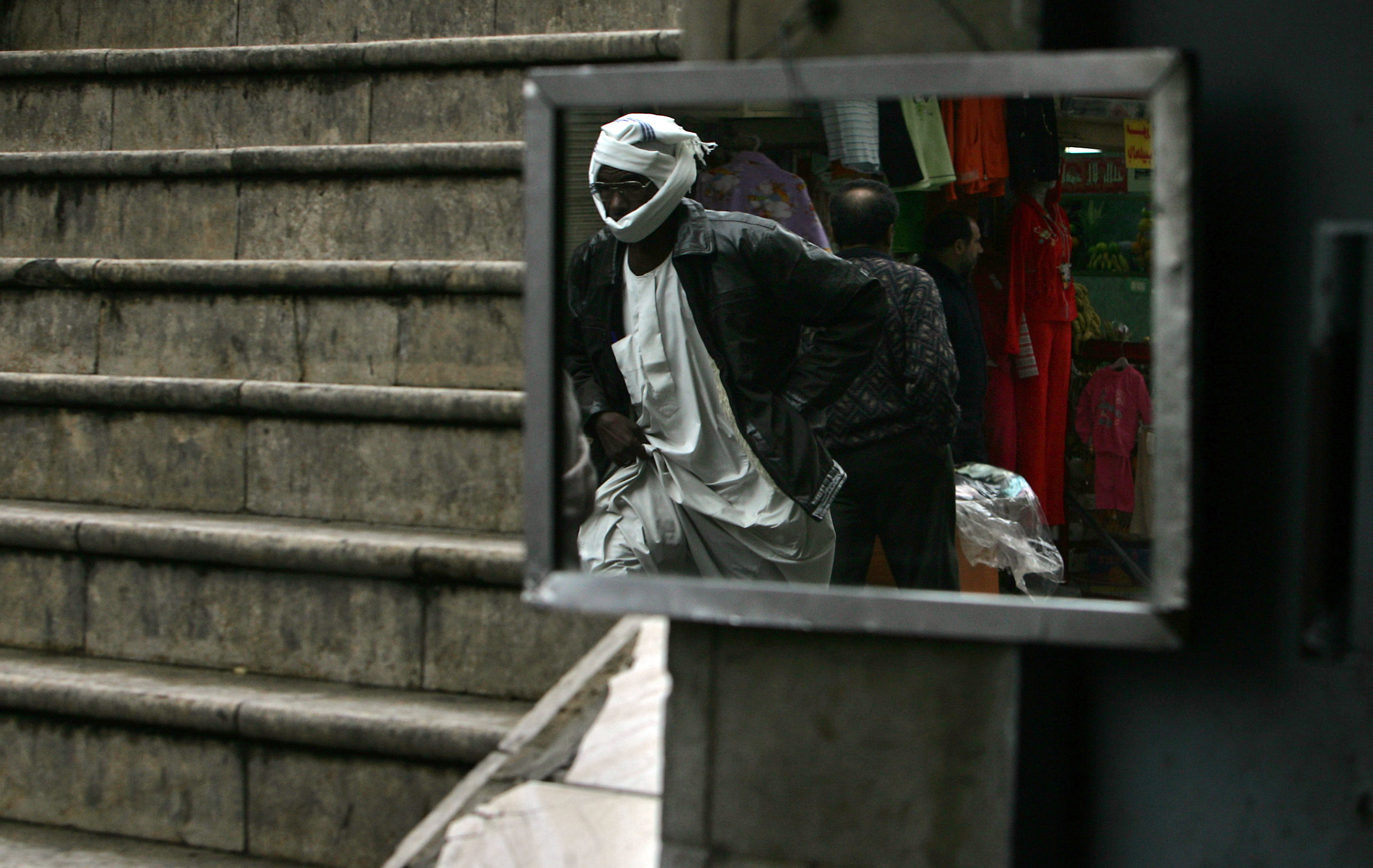
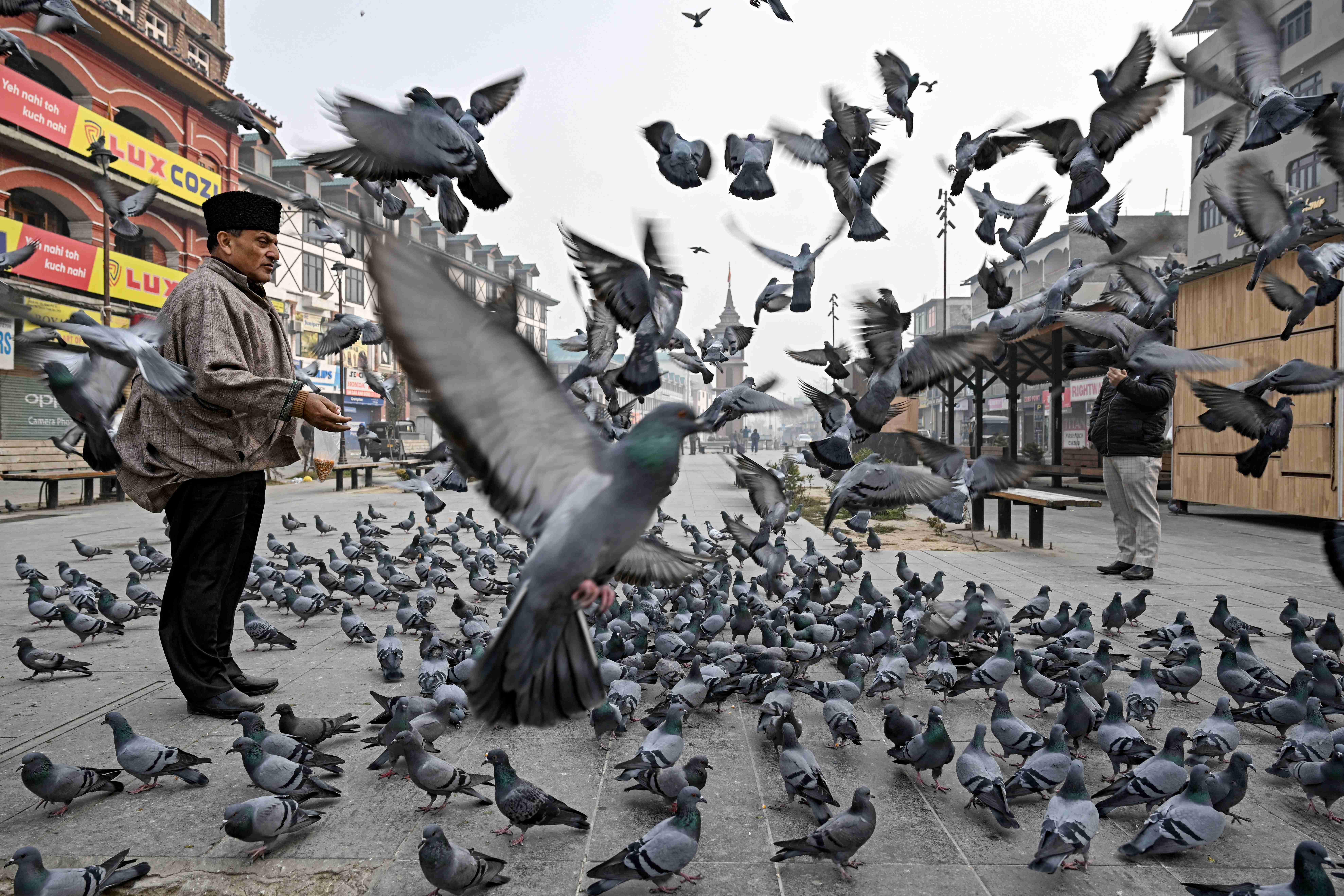
A man feeds a flock of pigeons on a cold morning in Srinagar on December 3, 2025. (Photo by Tauseef MUSTAFA / AFP)
Srinagar, India (Photo byTAUSEEF MUSTAFA / AFP)

Freelancers in Kashmir Fear Losing Access as Verification Tightens

Kashmir’s new “verification drive” claims to root out impostors, yet its heavy bureaucratic demands mainly sideline the independent freelancers who still dare to report in a shrinking media landscape. But here’s the unsettling question that hangs over the Valley like fog at dawn: who really benefits when the storytellers without institutional shields are pushed out of the frame?


Srinagar: The Kashmir Department of Information and Public Relations (DIPR), a government media body that also oversees the private media sector in the Valley, recently launched a large-scale verification drive to identify so-called ‘fake journalists’, leaving several reputed freelance journalists in limbo.

The Kashmir government’s circular requires journalists to submit documents, including an Aadhaar (a 12-digit ID number) or PAN card (Permanent Account Number, tax identification number), office ID, an appointment letter, contact details, six months’ salary or bank statements, and links to the digital or social media platforms of the media organisation they work for, such as Facebook, YouTube, and X (Twitter).

The circular claims the move aims to safeguard journalism, prevent fake journalists, and ensure transparency for genuine media professionals in the district.


A Verification Drive Built for Salaried Newsrooms

In India, the Aadhaar card is a twelve-digit unique identity number that can be obtained voluntarily by all residents of India based on their biometrics and demographic data, similar to a U.S. Social Security number. The PAN card, on the other hand, serves as a tax identification number, essential for financial transactions and income tax filings. Both documents are indispensable for modern life in India.

While journalists working with mainstream media or regular newspapers rushed to submit the required documents, freelance journalists in the Valley struggled to comply, noting they do not receive regular salary slips or formal letters from the organisations they contribute to.

Approximately 150 students graduate with bachelor’s and master’s degrees in media studies from three universities in Kashmir each year. However, finding suitable jobs in mainstream media is difficult, forcing most of them to turn to freelancing.

“After I completed my master’s in media studies, I got a job at a reputed newspaper, but they paid me only 6,000 rupees ($73) per month. For me, that felt like exploitation, and I left within a month,” said Junaid Ahmad, 27. He then turned to freelancing, where he completed two stories on the environmental crisis within a month and earned 30,000 rupees ($365), which gave him the confidence to continue pursuing freelance journalism.

Junaid said he visited the Information Department and showed them screenshots of his international bylines, but he was told to submit the documents they requested; otherwise, he would not be allowed to cover any government-related functions or events in Kashmir. “Freelancing is not valid for us,” he was told.


Freelancers Pushed to the Margins

For young journalists like Ilhaq Ahmad, 26, who has been in the field for two years, the policy is troubling for freelancers because they do not have immediate access to the documents being requested.

This step, Ilhaq says, does not address the core problems in the media sector. Instead, it appears to restrict freelance journalists who report events on the ground.

“As a freelancer, I now have to think twice before covering any story, because if questioned, I would have nothing to prove my profession,” he said, adding that the administration should review the policy and introduce a fair system that supports genuine journalists while addressing the issue of unverified individuals in the field.


Sajad Lone, another journalist, said the verification drive should focus on educational background. “Just as lawyers need an LLB and doctors require an MBBS, professional journalists should also study media or journalism to ensure ethics, accountability, integrity, and balanced reporting. Proper training and education are essential in this regard,” he added.

“Those harming the profession are all non-professional journalists who lack ethics training,” he said. “The administration should focus on them in the verification drive. Kashmir has produced many freelancers who have reported on the environment, climate change, and rural life, bringing untold stories to global media platforms,” he added.

“Kashmir”, Lone said, “is already facing a severe media crisis marked by shrinking space for independent journalism, intense financial and political pressures, and a climate of fear and self-censorship. This crisis has resulted in job insecurity, low pay, and the departure of many qualified journalists from the profession.”


Press Freedom in a Shrinking Space

Notably, India is ranked 151st out of 180 countries in the World Press Freedom Index 2025. This is an improvement from its 2024 ranking, but it is still considered to be in a "very serious" category for press freedom by the reporting organisation, Reporters sans Frontières (RSF).  

In 2020, the Jammu and Kashmir Media Policy empowered the government to closely monitor news content for “anti-national activities” and “fake news”, while linking compliance to the allocation of government advertising. The move drew strong criticism for enabling officials to shape narratives and exert financial pressure on newsrooms in an already sensitive region.

The policy was widely seen as an effort to curb independent journalism and a direct challenge to free speech in a conflict-hit area that has witnessed some of the world’s longest internet shutdowns in a democracy.

Press freedom organisations, including Reporters Without Borders (RSF), described the policy as “Orwellian” and a form of “prior censorship”, warning that it could further shrink the space for critical reporting.

For Aqib Ahmad Khan, a young journalist who often covers armed encounters between security forces and militant groups, the challenge has become more complicated since he turned freelance.

During such incidents, he said he was frequently asked to show an identity card, something he no longer possesses as a freelancer. “In Kashmir, for the security forces, freelancers don’t ‘exist’. You must carry a proper ID card while reporting from sensitive locations,” he said.

“Now the same administration is making it worse by rejecting freelancers altogether.”

Khan said that while a crackdown on “fake journalists” was necessary, the current approach fails to target the actual problem.


In Jammu and Kashmir, the administration defines a “fake journalist” as someone who poses as a media professional without authorisation, registration, or professional credentials, often to engage in unethical activities.

“But what can a genuine freelance journalist do if he is unable to submit all these documents the administration demands?” Khan asked. “By their standards, I am also fake, simply because I don’t fit into their procedure.”

As a freelance journalist, Rashid Andrabi said he works across multiple newsrooms because “that is how this side of the profession functions.” The government’s new requirement, he added, seems to assume that every journalist has a single employer.

“It shuts out freelancers by design,” Rashid said.

“It tells us that unless we fit into a fixed structure, our work does not count.”

He acknowledged that misuse of the journalist title exists in Kashmir, but argued that the solution cannot be to demand documents freelancers simply do not have.

“The basic test is simple: stories, bylines, and editors who can verify the work. If someone has no reporting footprint, no published stories, no editorial trail, then the problem is already clear,” he said.

Rashid, who previously worked as a sub-editor at the well-known weekly magazine Kashmir Life and is now freelancing, said that if the aim is to identify fake journalists, the system should be based on verifiable work.

“Look at what people have produced over time. That will expose pretenders faster than anything else,” he said. “A policy that ignores freelancers is not a filter; it only weakens the profession.”

Rashid, who has multiple bylines across media organisations that regularly publish freelance work, said the administration must recognise this reality of the industry.

Meanwhile, an official responsible for collecting documents at one of the stations in Kashmir, speaking on condition of anonymity, said that freelancers should make a joint representation to Lieutenant Governor Manoj Sinha, the top administrator appointed by New Delhi after the abrogation of Article 370 in 2019.

 

المزيد من المقالات

أي صورة ستبقى في الذاكرة العالمية عن غزة؟

أي صورة ستبقى في المخيلة العالمية عن غزة؟ هل ستُختصر القصة في بيانات رسمية تضع الفلسطيني في خانة "الخطر"؟ أم في صور الضحايا التي تملأ الفضاء الرقمي؟ وكيف يمكن أن تتحول وسائل الإعلام إلى أداة لترسيخ الذاكرة الجماعية وصراع السرديات؟

Hassan Obeid
حسن عبيد نشرت في: 30 نوفمبر, 2025
ظاهرة "تجنب الأخبار".. هل بتنا نعرف أكثر مما ينبغي؟
رصدت الكثير من التقارير تفشي ظاهرة "تجنب الأخبار" بسبب الضغوط النفسية الشديدة وصلت حد الإجهاد النفسي نتيجة تلقي كميات ضخمة من الأخبار والمعلومات. ما تأثيرات هذه الظاهرة على غرف الأخبار؟ وكيف يمكن التعامل معها؟

وسام كمال نشرت في: 16 نوفمبر, 2025
الصحافة الثقافية.. تاريخ المجتمع والسلطة والتحولات الكبرى

تطورت الصحافة الثقافية في العالم العربي في سياق وثيق الارتباط بالتحولات السياسية والاجتماعية، ورغم كل الأزمات التي واجهتها فإن تجارب كثيرة حافظت على أداء دورها في تنوير المجتمع. ما هي خصائص هذه التجارب ومواضيعها، وكيف تمثلت الصحافة الثقافية وظيفتها في التثقيف ونشر الوعي؟

علاء خالد نشرت في: 13 نوفمبر, 2025
حرب السودان.. حين يُجرَّد الصحفيون من المهنة

"يُلقي الصحفيون السودانيون باللوم على المنظمات الدولية المعنيّة بِحرّيّة الصحافة، متهمين إياها بالتقاعس عن دعمهم والاكتفاء بتقديم مساعدات محدودة في الأسابيع الأولى للحرب، ثم تُرِك نحو 500 صحفي سوداني يصارعون ظروفا معيشية قاسية بلا دخل ثابت". عن وضعية الصحافة والصحفيين السودانيين يكتب محمد سعيد حلفاوي لمجلة الصحافة.

محمد سعيد حلفاوي نشرت في: 9 نوفمبر, 2025
الصحافة المتأنية في زمن الذكاء الاصطناعي: فرصة صعود أم بوادر أفول؟

هل يمكن أن تساهم أدوات الذكاء الاصطناعي في ترويج وانتشار الصحافة المتأنية التي ما تزال تحظى بنسبة مهمة من متابعة الجمهور، أم ستسهم في اندثارها؟ يقدّم الزميل سعيد ولفقير قراءة في أبرز الأدوات، ويبحث في الفرص الجديدة التي يمكن أن يتيحها الذكاء الاصطناعي للصحافة المتأنية، خاصة في مجال خيارات البحث.

. سعيد ولفقير. كاتب وصحافي مغربي. ساهم واشتغل مع عددٍ من المنصات العربية منذ أواخر عام 2014.Said Oulfakir. Moroccan writer and journalist. He has contributed to and worked with a number of Arab media platforms since late 2014.
سعيد ولفقير نشرت في: 4 نوفمبر, 2025
كما في رواندا.. هل يمكن ملاحقة الصحافة الإسرائيلية بتهمة المشاركة في الإبادة الجماعية؟

"إرهابيون"، "وحوش"، "منتمون إلى حماس يجب قتلهم"، وتوصيفات أخرى لاحقت الصحفيين الفلسطينيين في الإعلام الإسرائيلي. أنس الشريف، صحفي الجزيرة، كان واحدا ممن تعرضوا لحملة ممنهجة انتهت باغتياله في غزة. ماهي أنماط التحريض الإعلامي ضد الصحفيين الفلسطينيين في إعلام الاحتلال؟ وهل يمكن متابعة الصحفيين والمؤسسات الإعلامية أمام العدالة الدولية كما حدث في رواندا؟

ناصر عدنان ثابت نشرت في: 2 نوفمبر, 2025
البروباغندا بين الضمير المهني والأجندة المفروضة

حين فكرت وسائل الإعلام في صياغة مواثيق التحرير والمدونات المهنية، كان الهدف الأساسي هو حماية حرية التعبير. لكن التجربة بينت أنها تحولت إلى "سجن كبير" يصادر قدرة الصحفيين على مواجهة السلطة بكل أشكالها. وهكذا يلبس "الأخ الأكبر" قفازات ناعمة ليستولي على ما تبقى من مساحات لممارسة مهنة الصحافة.

فرح راضي الدرعاوي Farah Radi Al-Daraawi
فرح راضي الدرعاوي نشرت في: 15 أكتوبر, 2025
عن تداعي الصحافة الثقافية.. أعمق من مجرد أزمة!

ترتبط أزمة الصحافة الثقافية في العالم العربي بأزمة بنيوية تتمثل في الفشل في بناء الدولة ما بعد الاستعمار، وقد نتج عن ذلك الإجهاز على حرية التعبير ومحاصرة الثقافة واستمرار منطق التبعية والهيمنة والنتيجة: التماهي التام بين المثقف والسلطة وانتصار الرؤية الرأسمالية التي تختزل الثقافة في مجرد "سلعة".ما هي جذور أزمة الصحافة الثقافية؟ وهل تملك مشروعا بديلا للسلطة؟

هشام البستاني نشرت في: 12 أكتوبر, 2025
آليات التكامل بين الدعاية العسكرية والعمليات الميدانية ضد الصحفيين الفلسطينيين في غزة

مراكز استخبارات ومنظمات ضغط وإعلام إسرائيلية عملت منذ بداية حرب الإبادة الجماعية على غزة بالتوازي مع آلة الحرب في استهداف الصحفيين مهنيًا ومعنويًا. الإعلام الإسرائيلي، بنسختيه العبرية والإنجليزية، عزّز روايات المؤسستين العسكرية والأمنية وروّجها عالميًا، عبر حملات تشويه ممنهجة أغرقت الصحفيين باتهامات فضفاضة بلا أدلة. كيف أصبح استهداف الصحفيين إستراتيجية ممنهجة؟ وما آليات التنسيق بين الدعاية العسكرية وقتل الصحفيين الفلسطينيين؟

إبراهيم الحاج نشرت في: 8 أكتوبر, 2025
جندي برتبة مراسل أو صحافة على مقاس الجيش الإسرائيلي

يقدّم المقال قراءة تاريخية في أثر المراسل العسكري الإسرائيلي وأدواره المتماهية مع الفعل الحربي منذ ما قبل النكبة، عبر نقل أخبار العصابات الصهيونية وخلق حالة من التماهي بين الصحافة والعنف. وقد تحولت هذه "الوظيفة" لاحقا إلى أداة لتدويل الرواية الإسرائيلية، قبل أن تصبح مرجعًا أساسيًا في تغطية الحروب مثل العراق وأوكرانيا.

سجود عوايص نشرت في: 1 أكتوبر, 2025
دينامية "الاقتباس": التأثير المتبادل بين الصحافة والعلوم الاجتماعية

تقارب هذه المقالة مسألة "الاقتباس" بوصفها ضرورة إبستمولوجية ومنهجية، وتدعو إلى تجاوز الثنائية الصارمة بين الحقلين من خلال تبني منهج "التعقيد" الذي يسمح بفهم تداخلهما ضمن تحولات البنى الاجتماعية والمهنية. كما يجادل المقال بأن هذا التفاعل لا يُضعف استقلالية أي من الحقلين، بل يُغنيهما معرفيًا، ويمنح الصحافة مرونة أكبر في إنتاج المعنى داخل عالم تتسم فيه المعلومة بالسيولة والتدفق.

أنس الشعرة نشرت في: 28 سبتمبر, 2025
الصحفي السوري بين المنفى والميدان

كيف عاش الصحفي السوري تجربة المنفى ؟ وما هي ملامح التجربة الصحفية السورية بعد ثورة 2011: هل كانت أقرب إلى النشاط أم إلى المهنة؟ الزميل محمد موسى ديب يحاول في هذا المقال قراءة هوية المهنة المتأرجحة بين المنفى والميدان خاصة في ظل حكم نظام الأسد.

محمد موسى ديب نشرت في: 23 سبتمبر, 2025
تدقيق المعلومات والذكاء الاصطناعي والشراكة "الحذرة"

هل ستساعد أدوات الذكاء الاصطناعي مدققي المعلومات، أم ستضيف عليهم أعباء جديدة خاصة تلك التي تتعلق بالتحقق من السياقات؟ ما أبرز التقنيات التي يمكن الاستفادة منها؟ وإلى أي مدى يمكن أن يبقى الإشراف البشري ضروريا؟

خالد عطية نشرت في: 14 سبتمبر, 2025
نجونا… وبقينا على قيد الحياة!

في العادة يعرف الصحفيون بمساراتهم وصفاتهم المهنية، لكن يمنى السيد، الصحفية التي عاشت أهوال الحرب في غزة، تعرف نفسها بـ: ناجية من الإبادة. وربما يفسد أي اختصار أو تقديم عفوية هذه الشهادة/ البوح الذي يمتزج فيه الصحفي بالإنساني وبالرغبة الغريزية في النجاة..

يمنى السيد نشرت في: 10 سبتمبر, 2025
محمد الخالدي ومروة مسلم.. "منسيون" أنكرتهم الحياة وأنصفهم الموت

قتل الاحتلال الصحفيان محمد الخالدي ومروة مسلم ضمن نسق ممنهج لاستهداف الصحفيين، لكن في مسيرتهما المهنية واجها الإنكار وقلة التقدير. الزميلة ميسون كحيل تحكي قصتهما.

ميسون كحيل نشرت في: 4 سبتمبر, 2025
الصحافة ومناهج البحث الاجتماعية

عكس ما يشاع من تنافر نظري بين الصحافة والعلوم الاجتماعية، فإنهما يتداخلان على نحو معقد ومفيد لكليهما، خاصة بالنسبة للصحافة التي لا ينبغي أن تتعلق فقط بتغطية الحقائق، بل أن تنشغل أيضا بالتحقيق بشكل منهجي في الظواهر المجتمعية لإعلام الجمهور وتثقيفه. يجيب المقال عن سؤال محوري: كيف يمكن أن نُجسّر الهوة بين الصحافة والعلوم الاجتماعية؟

أحمد نظيف نشرت في: 2 سبتمبر, 2025
المحنة المزدوجة للصحفيين الفريلانسرز بغزة

لا يتوفرون على أي حماية، معرضون للقتل والمخاطر، يواجهون الاستهداف المباشر من الاحتلال، يبحثون عن حقوقهم في حدها الأدنى.. عن المحنة المزدوجة للصحفيين الفريلانسرز في غزة تروي الزميلة نور أبو ركبة قصة أربعة صحفيات وصحفيين مستقلين.

نور أبو ركبة نشرت في: 26 أغسطس, 2025
"لا أريدك صحفية يا ماما".. هل يملك صحفيو غزة ترف الغياب؟

هل يملك الصحفي الفلسطيني في غزة حرية "الغياب"؟ وكيف يوازن بين حياته المهنية والعائلية؟ وإلى أي مدى يمثل واجب التغطية مبررا لـ "التضحية" بالأسرة؟ هذه قصص ترويها الزميلة جنين الوادية عن تفاصيل إنسانية لا تظهر عادة على الشاشة.

Jenin Al-Wadiya
جنين الوادية نشرت في: 24 أغسطس, 2025
اللغة تنحاز: كيف روت الصحافة السويدية حرب غزة؟

أظهرت نتائج تحقيق تحليلي أنجزته أنجزته صحيفة Dagens ETC على عينة من 7918 مادة خبرية منشورة في بعض المؤسسات الإعلامية السويدية انحيازا لغويا واصطلاحيا ممنهجا لصالح الروائية الإسرائيلية حول حرب الإبادة الجماعية المستمرة على غزة.

عبد اللطيف حاج محمد نشرت في: 19 أغسطس, 2025
الصحفي الفلسطيني كعدو "يجب قتله" في الإعلام الإسرائيلي

بعد اغتيال الصحفي أنس الشريف، ظهر الصحفي الفلسطيني في الإعلام الإسرائيلي كهدف عسكري مشروع ضمن إستراتيجية مصممة لإسكات شهود الحقيقة. يرصد هذا المقال جزءا من النقاشات في مؤسسات إعلامية عبرية تحرض وتبرر قتل الصحفيين في غزة.

Anas Abu Arqoub
أنس أبو عرقوب نشرت في: 14 أغسطس, 2025
تقاطعات الصحافة والعلوم الاجتماعية في الميدان

يمثل الميدان ذروة التقاطع بين الصحافة والعلوم الاجتماعية والإنسانية، ومع تعقد الظواهر، يرتدي الصحفي في الكثير من الأحيان عباءة السوسيولوجي دون أن يتخلى عن جوهر المهنة في المساءلة والبحث عن الحقائق المضادة لكل أشكال السلطة. إن هذا "اللجوء" لأدوات ومعارف العلوم الاجتماعية، يحسن جودة التغطية ويؤطر القصص بسياقاتها الأساسية.

Mohammed Ahddad
محمد أحداد نشرت في: 10 أغسطس, 2025
فيليب ماير وولادة "صحافة الدقّة".. قصّة كتاب غيّر الصحافة الأمريكية

شهدت الصحافة منذ ستينيات القرن الماضي تحولًا نوعيًا في أساليبها وأدواتها، كان من رواده الصحفي والأكاديمي الأمريكي فيليب ماير، فيما عُرف لاحقًا بـ"صحافة الدقة". في هذا المقال، نعود إلى كتاب ماير الموسوم بالعنوان ذاته، والذي قدّم فيه دعوة جريئة لتبني أدوات البحث العلمي في العمل الصحفي، خاصة تلك المشتقة من حقل العلوم الاجتماعية.

Mohammad Zeidan
محمد زيدان نشرت في: 3 أغسطس, 2025
رصد وتفنيد التغطيات الصحفية المخالفة للمعايير المهنية في الحرب الحالية على غزة

في هذه الصفحة، سيعمد فريق تحرير مجلة الصحافة على جمع الأخبار التي تنشرها المؤسسات الصحفية حول الحرب الحالية على غزة التي تنطوي على تضليل أو تحيز أو مخالفة للمعايير التحريرية ومواثيق الشرف المهنية.

Al Jazeera Journalism Review
مجلة الصحافة نشرت في: 31 يوليو, 2025
واشنطن بوست أو حين تصبح اللغة غطاء للانحياز إلى إسرائيل

كيف اختلفت التغطية الصحفية لواشنطن بوست لقصف الاحتلال لمستشفيات غزة واستهداف إيران لمستشفى إٍسرائيلي؟ ولماذا تحاول تأطير الضحايا الفلسطينيين ضمن "سياق عملياتي معقد؟ ومتى تصبح اللغة أداة انحياز إلى السردية الإسرائيلية؟

Said Al-Azri
سعيد العزري نشرت في: 30 يوليو, 2025