In a media landscape where French dominance dictates policy and airtime, English-speaking reporters in Cameroon are forced into a relentless cycle of improvisation, translation, and professional exhaustion. From the "desert-like" scarcity of English-speaking experts to newsrooms that offer no institutional support, this analysis explores how linguistic inequality hollows out the journalistic process, leaving vital stories untold and the promise of a bilingual nation unfulfilled.
It’s 14:00 GMT (2:00 PM) in Yaoundé. In just 30 minutes, Sports Hour, a popular English-language programme that airs every Wednesday on Royal FM 88.8, goes live. As usual, the scheduled guests have yet to arrive, though none has officially cancelled.
With the clock ticking, Biwah scrolls through his contact list, searching for someone who not only speaks English but can also weigh in on the day’s topic. “In situations like this, there’s usually no time to stick to a preplanned theme. I find an available guest, settle on a topic they’re comfortable with, and we go live,” he explains. There are no allowances for delay; his boss expects a show, no matter what.
For Biwah and other English-speaking journalists producing content in Cameroon’s French-dominant regions, this is a weekly ritual. Securing English-speaking sources is often the first hurdle, and the pressure to keep programmes and publications running is relentless. In a media landscape where French shapes policy and public discourse, every episode becomes an exercise in resilience, improvisation, and quiet determination.
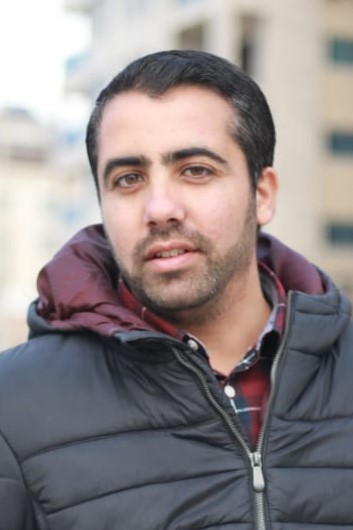
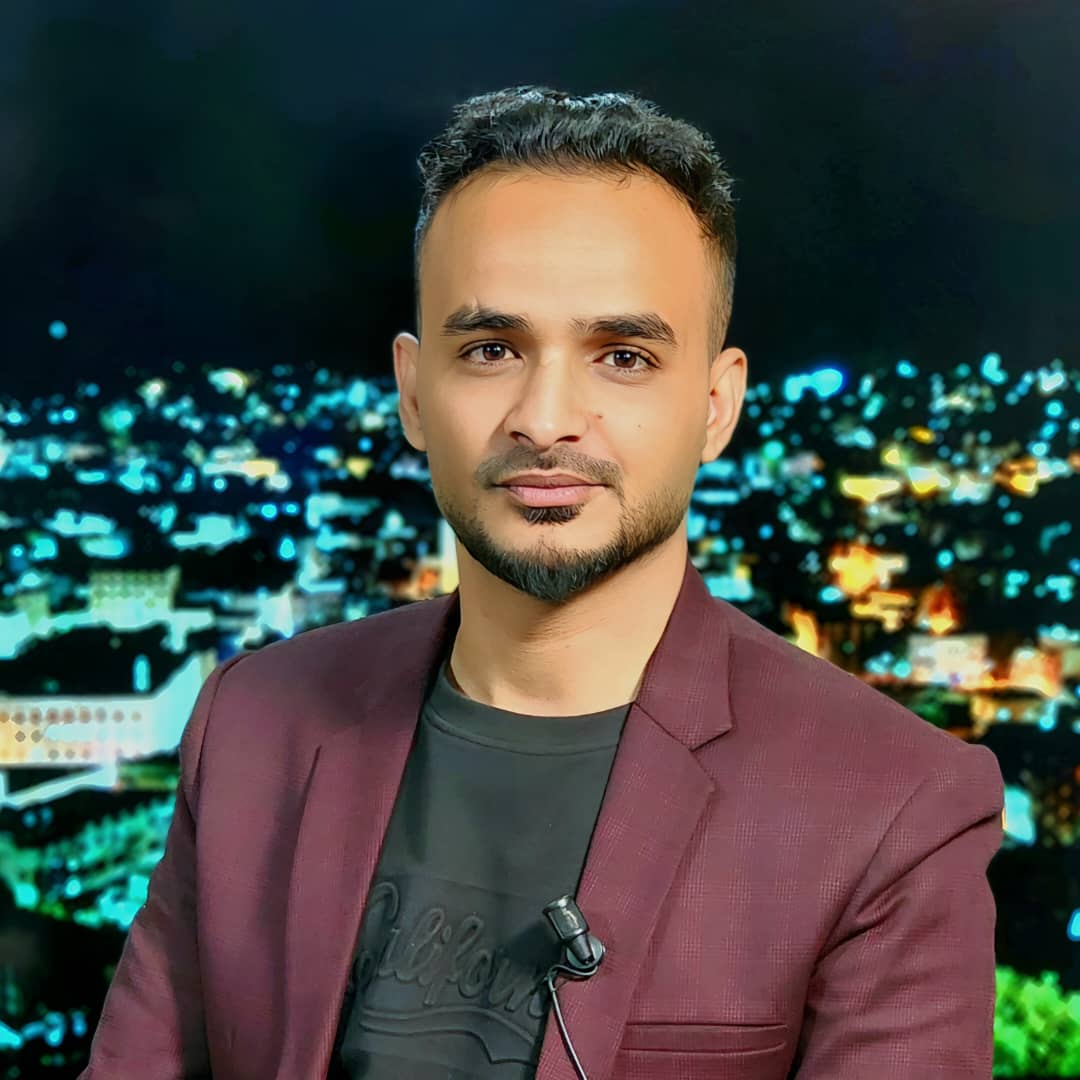
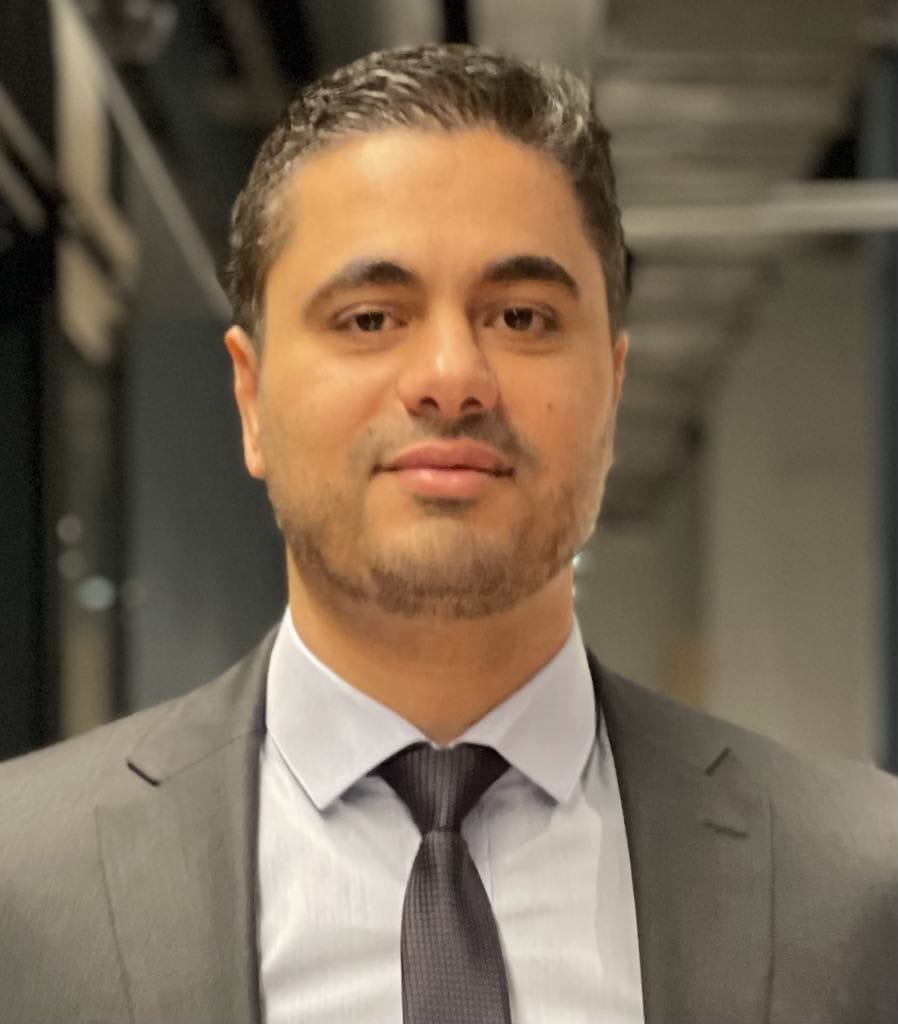
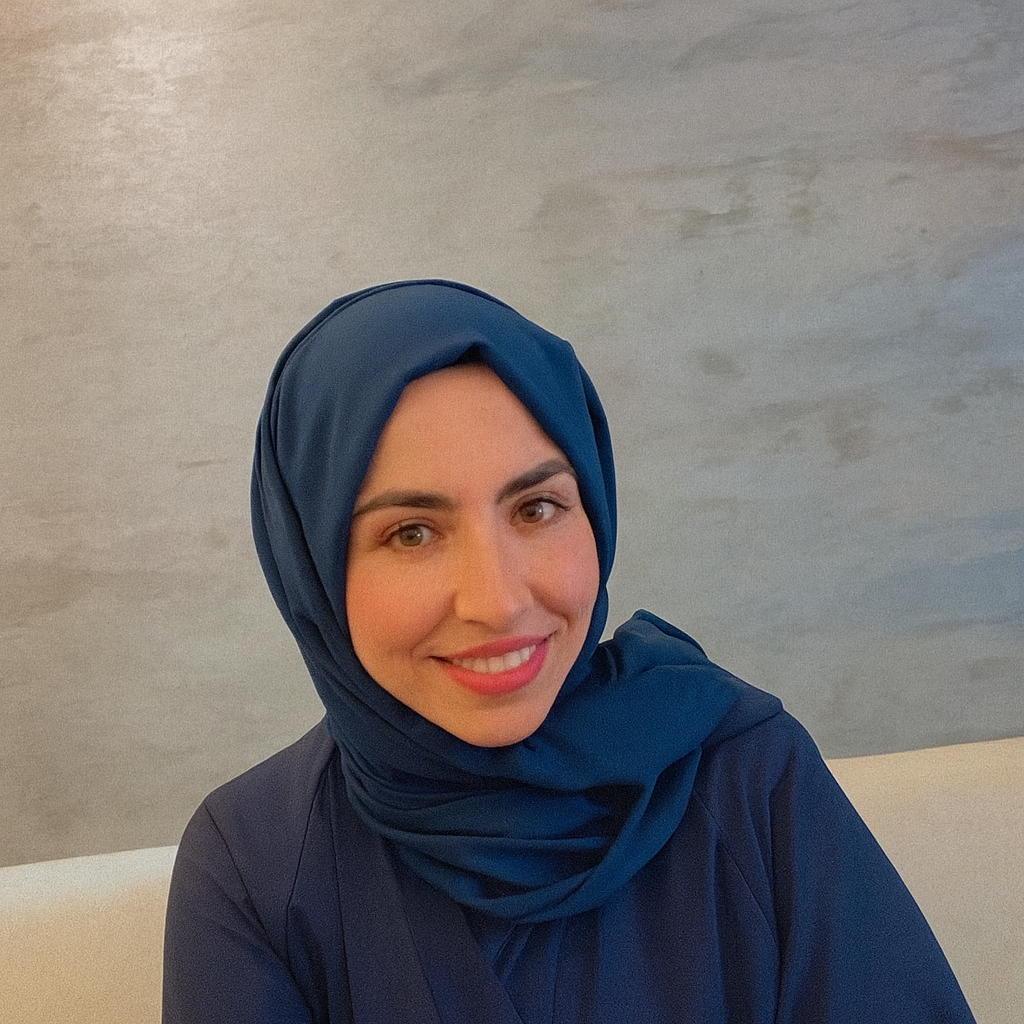
Biwah Bryan is an English-speaking sports journalist and host of Sports Hour, based in Yaoundé.
Where it Started: Language Divide in Cameroonian Media
Cameroon’s bilingualism – French and English – traces back to its colonial partition between France and Britain after Germany’s defeat in World War I. Although the dual-language policy was designed to foster national unity, its implementation has been uneven, particularly within the media sector.
French dominates state-owned outlets such as CRTV and Cameroon Tribune, where airtime, editorial resources, and training opportunities are heavily skewed toward French-language content. Studies indicate that more than 80 percent of CRTV’s programming is broadcast in French, with less than 20 percent in English. In print, French-language newspapers outnumber English-language publications by nearly four to one. While this disparity partly reflects demographics – around 80 percent of Cameroonians are Francophone – it also mirrors institutional priorities.
Efforts to address the imbalance, including the creation of the National Commission for the Promotion of Bilingualism and Multiculturalism (NCPBM) in 2017, have yielded limited results. English-speaking journalists, particularly those working in Francophone cities, often operate with minimal institutional backing. Instead, they depend on personal networks, improvisation, and digital tools to source guests and produce stories.
The NCPBM itself has acknowledged “persistent inequalities in bilingual practice,” noting that state media have yet to achieve equitable representation of both languages. Though the Commission has conducted sensitisation tours and issued reports, critics argue that its measurable impact on media structures remains modest. Bilingualism may be promoted in principle, but in practice, state-owned media continues to favour French.
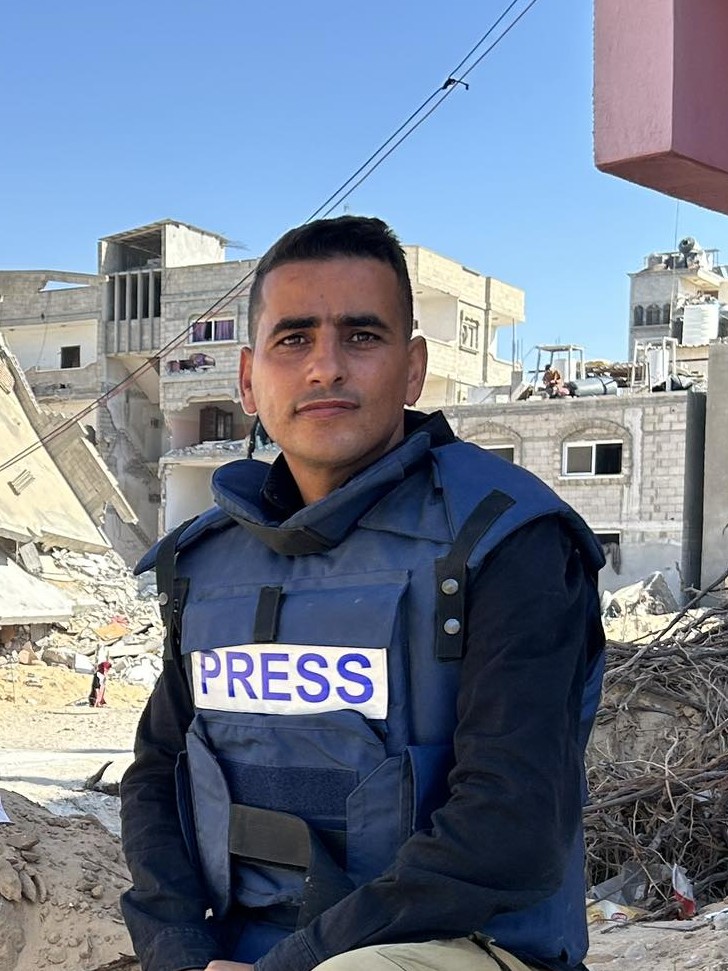
For Lebga, sourcing English-speaking experts is a daily struggle. “I often travel back to English-speaking regions to find specialists: political scientists, and agricultural experts,” he says. “I rely on colleagues there to help identify suitable interviewees. If I can’t find anyone fluent in English, I conduct the interview in French and translate the responses, which becomes especially difficult with complex subjects like climate change or agriculture.” At times, he turns to translation apps, but they frequently miss nuance and context.
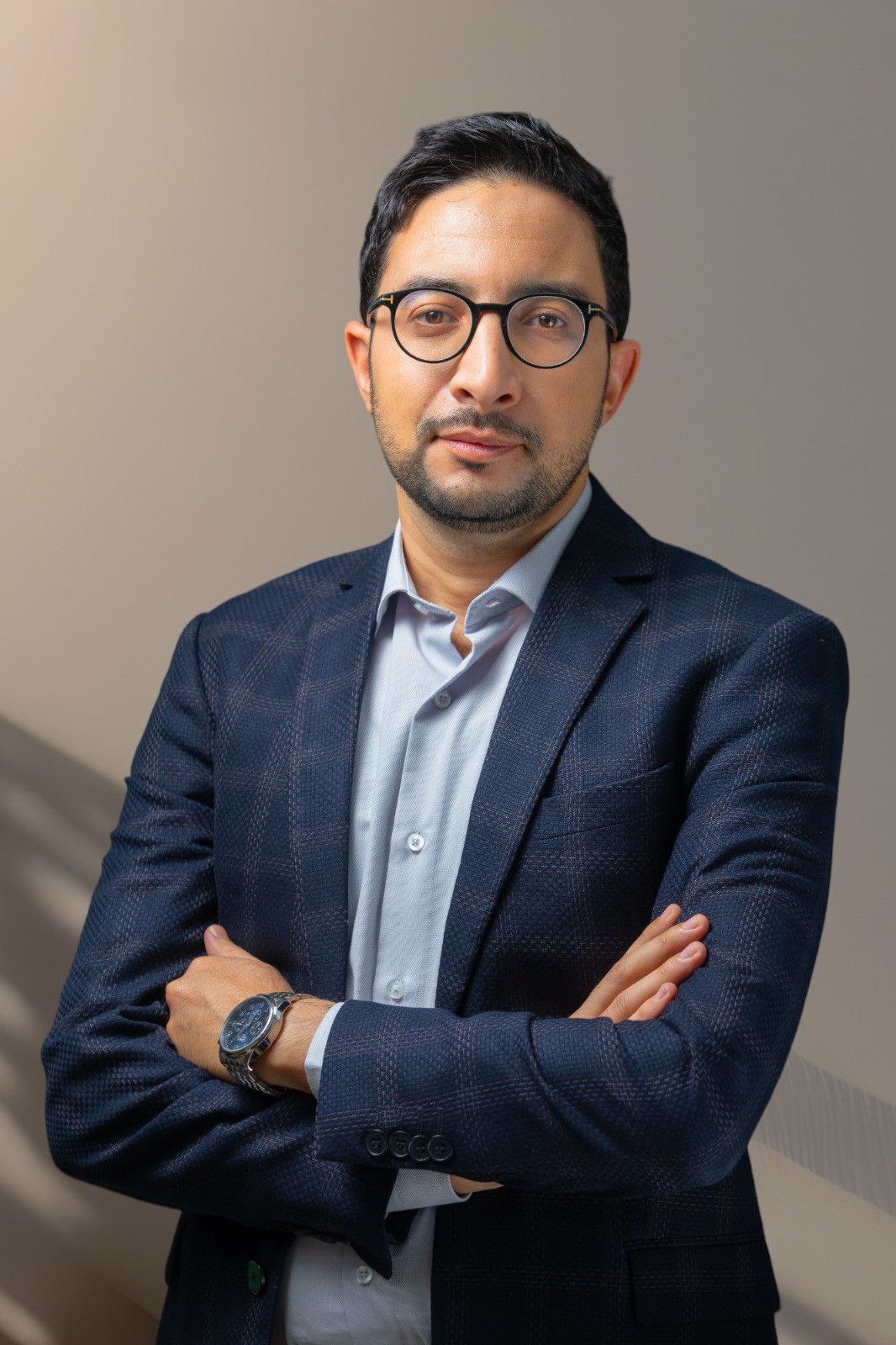
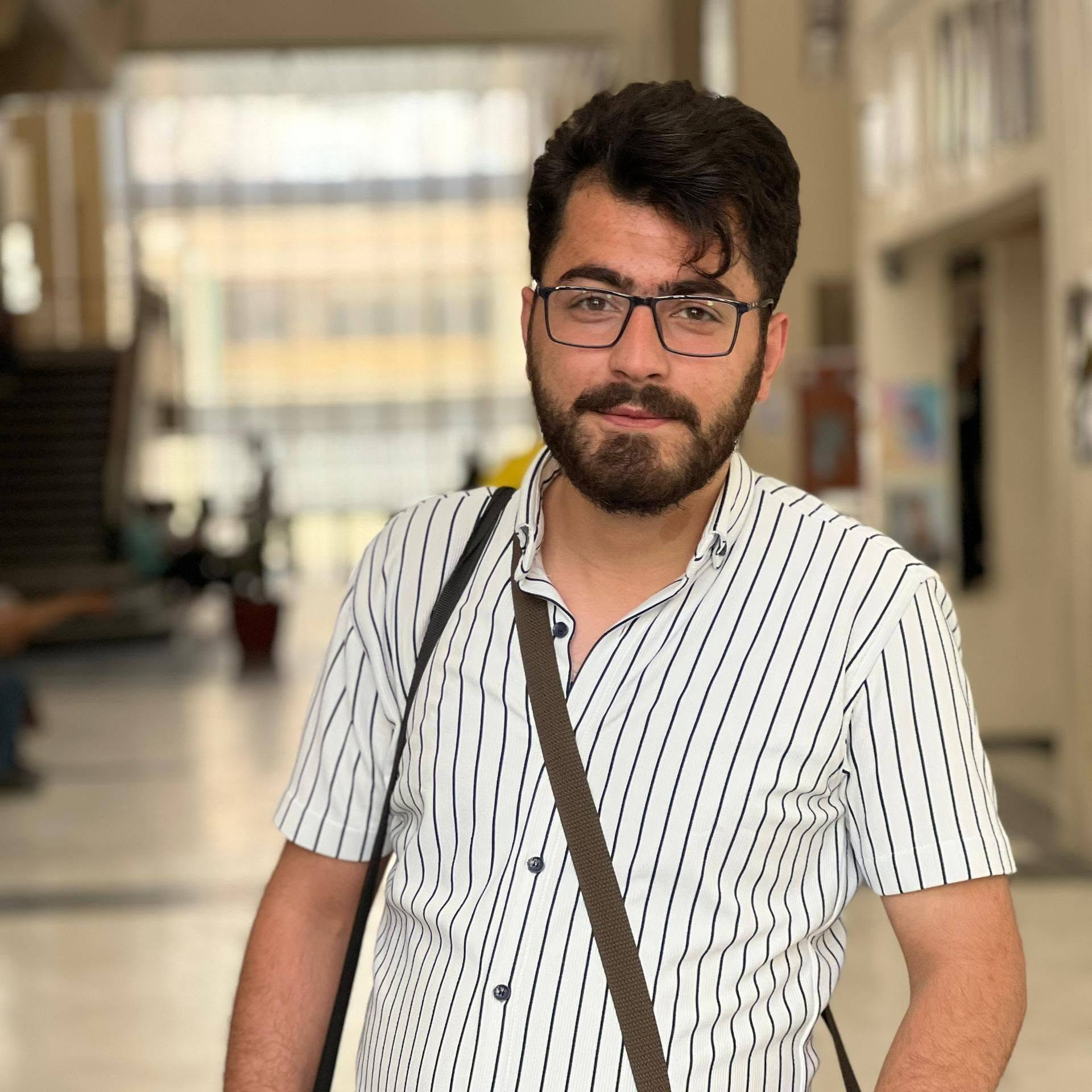
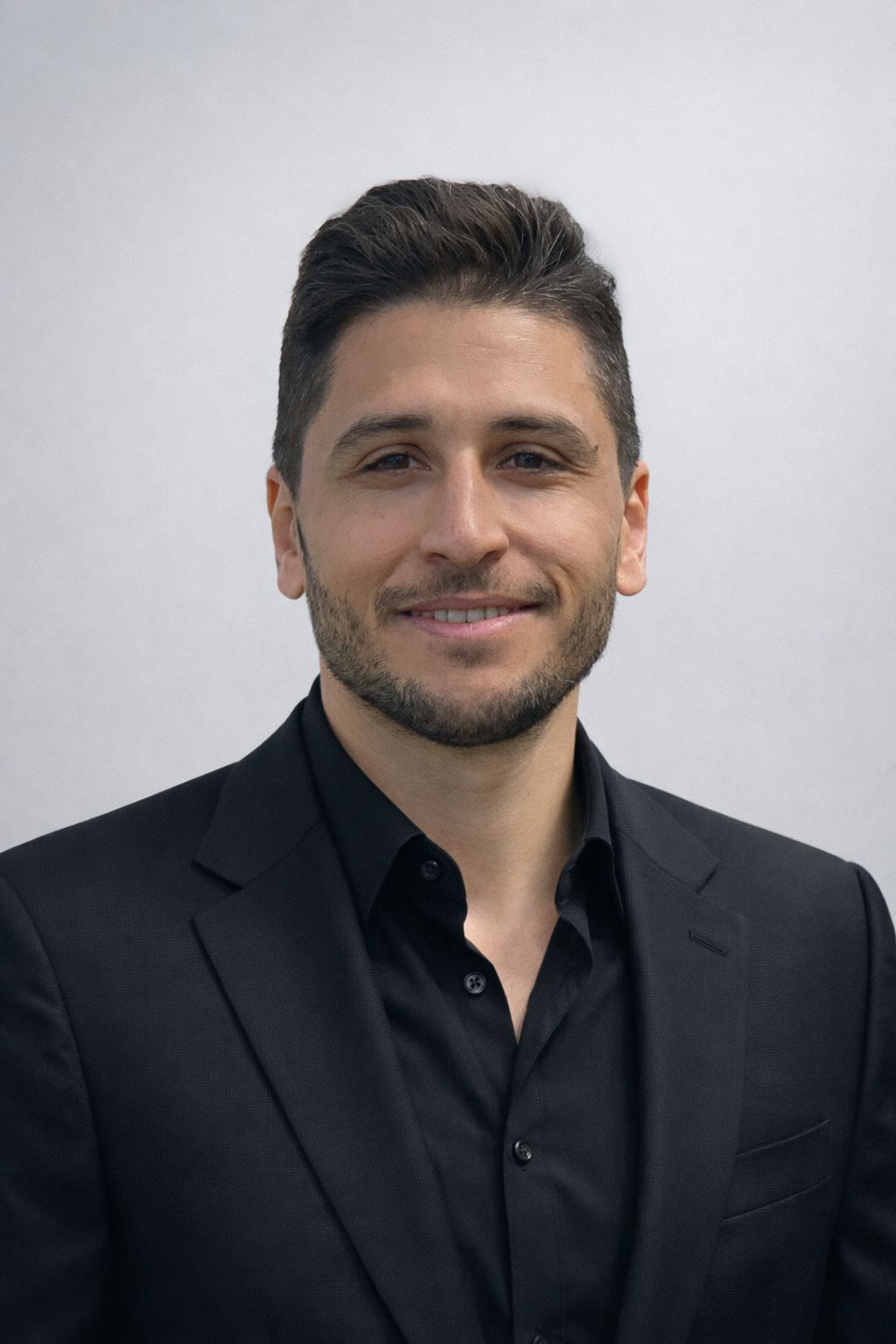
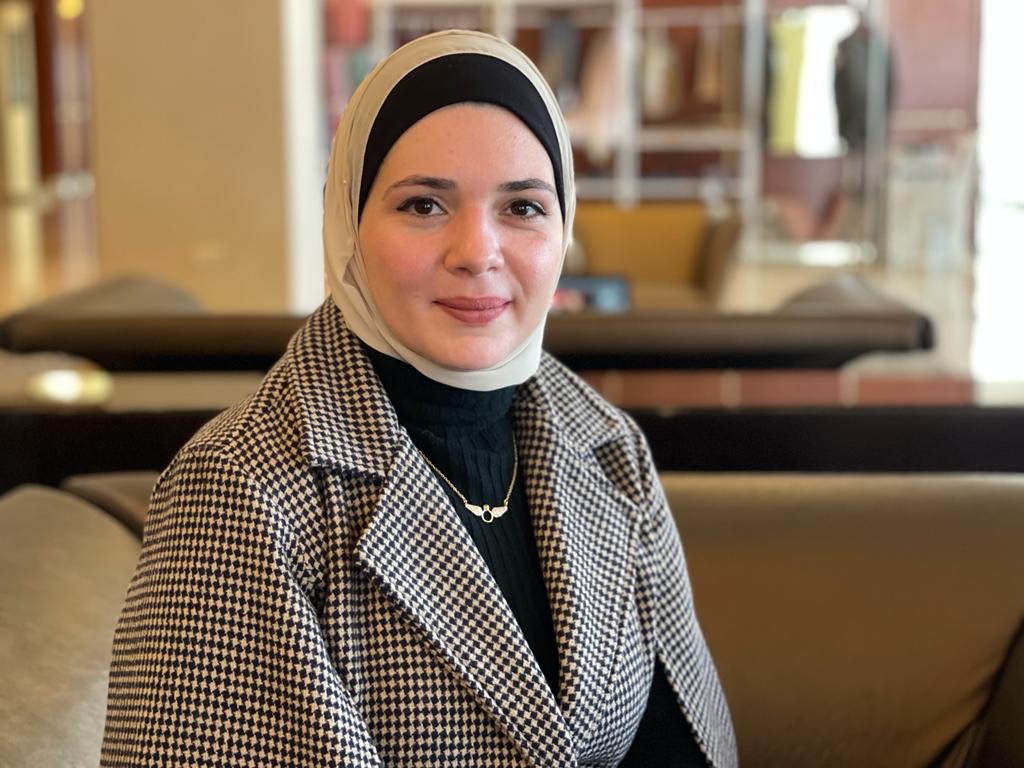
Winton Lebga is an English-speaking journalist and Chief of Rewriting at the English News Desk at CRTV, based in Yaoundé.
Like Lebga, Beng Emmanuel Kum of The Guardian Post, the country’s leading English-language daily, describes the search for English-speaking experts in Francophone regions as “harder than finding water in the desert.”
“Sourcing English-speaking contacts in Francophone areas is a major challenge,” he says. “Eight out of ten sources I consider for most stories are French-speaking. The problem is particularly acute in Yaoundé, where I often conduct interviews in French and then translate them into English. Even when some sources try to speak English, their proficiency is limited, which can lead to misunderstandings and misrepresentation.”
Human cost of coverage
Producing English-language journalism in Cameroon’s Francophone regions comes with significant emotional and logistical challenges. English-speaking journalists often take on multiple roles—reporter, fixer, translator, and advocate—to get a story on air or into print.
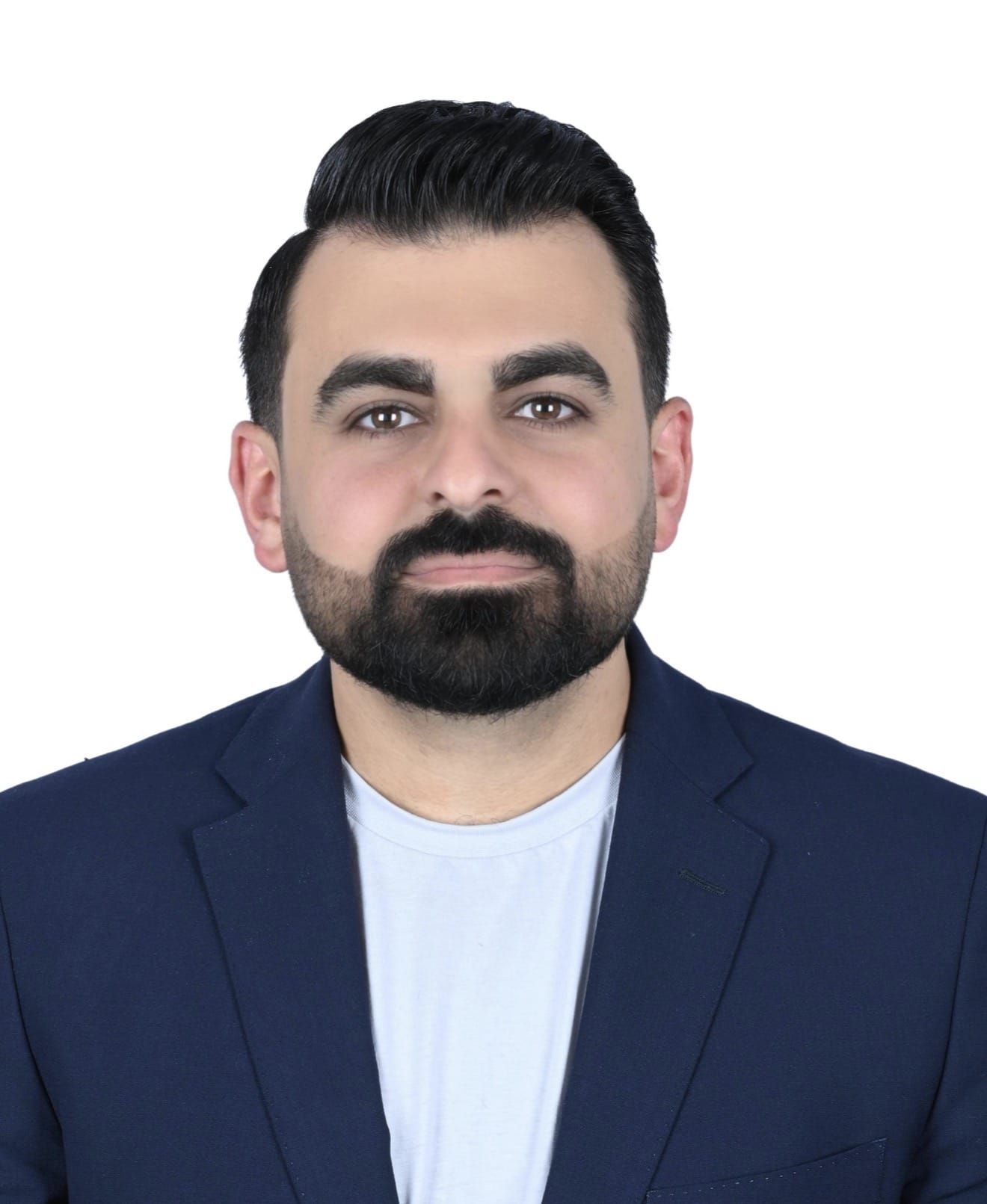
“I can comfortably translate, edit, and verify information effectively. However, it doesn't always work perfectly. I still feel limited, particularly in specialised fields such as technology, finance, health, and the environment. Writing a story conceived under such circumstances is already extremely challenging and at times can lead to emotional and psychological strain,” says Beng.
The constant need to locate sources, prepare guests, translate interviews, and verify meaning stretches both newsroom capacity and personal resilience. Many describe feeling burnt out by the improvisational rhythm of their work, particularly in cities like Yaoundé, where English-speaking sources are scarce and institutional support is thin.
For most journalists, each week feels like a test of whether English still matters in the national conversation. The fear of losing relevance – of being sidelined in a media landscape that defaults to French – adds a quiet but persistent pressure to every editorial decision.
For Biwah, that pressure peaks every Wednesday. “I host one of the few English sports programmes in Yaounde, where French dominates. Each week, the challenge is the same: finding English-speaking guests who can bring the topic to life.”
Lebga echoes the strain. “There are times when my interviewee isn’t fluent in English. In such a case, I draft my questions in French, conduct the interview in French, then return to translate and record a voiceover. That’s the reality we face.”
What might take one journalist a few hours can stretch far longer: drafting questions in English, translating them into French, conducting the interview, then interpreting and reworking the responses for broadcast or print. The process demands more than extra time; it demands sustained mental agility and endurance.
The long-term impact of the emotional and logistical challenges that English-speaking journalists face in finding the necessary sources is that many stories are reported superficially or, in some cases, abandoned entirely.
"Over the past two years, I have come up with some interesting stories, particularly in the domains of sports, politics, and the economy. Unfortunately, I have not been able to develop them. I had to set these stories aside, although I hope to report on them one day. I reached out to several experts in these fields, but none were able to effectively articulate the issues I wanted to address in English. It’s quite frustrating," says Beng.
He pauses before adding, “I chose journalism to make an impact, to tell stories, to be a voice for the voiceless, to influence policy. When language becomes the barrier, it’s disheartening. Important stories remain untold.”
Editorial Flip
As the saying goes, where there’s a blockade, ingenuity follows. For many English-speaking journalists, that ingenuity has reshaped the editorial process itself.
Rather than selecting a topic and then searching for the right voice, they often reverse the sequence. The starting point becomes availability: an accessible guest – reached through WhatsApp, Facebook, or personal networks – comes first. The topic is then built around that person’s expertise and comfort zone.
“I’ve learned to work in reverse,” Biwah says. “I find an available guest and create a topic that plays to their strengths.”
While this reverse workflow approach preserves authenticity and allows for deeply personal storytelling, it does limit long-term planning and thematic depth.
What Should Change?
For Beng, the solution is both urgent and practical. “Translation is essential in today’s world,” he says. “In every newsroom I’ve worked in, you find reporters, editors, proofreaders. Adding a translator, whether full-time or part-time, would significantly help reporters like me gather, process, and share information accurately. That support would allow us to achieve the impact we want our stories to have.”
Lebga agrees but argues that the fix must go beyond a single hire. He calls for broader investment - financial, material, and human - to equip journalists with reliable tools and access to quality translation services when needed.
Funding, they suggest, could cover hiring translators, offering modest honoraria to vetted English-speaking guests, and guaranteeing consistent airtime for English-language programs. With that support, producers could plan content strategically rather than scrambling at the last minute.
Newsrooms could also maintain a regularly updated database of Anglophone experts and community voices, giving editors quick access to credible sources. At the same time, donors and media development partners should prioritise training for editors and decision-makers, reinforcing why language equity matters, not only for representation, but for accountability.
Media policy expert Peter Tiako Ngangum believes the issue runs deeper still. “Structural reforms are needed,” he argues. His research on media regulation suggests that Cameroon’s legal framework often restricts rather than enables press freedom, leaving bilingual equity largely unaddressed.
International press freedom advocates, including Media Defence, similarly warn that language discrimination compounds broader patterns of censorship and harassment faced by journalists.
Ultimately, the struggle of English-speaking journalists in Cameroon is not simply about sourcing guests. It is about linguistic equity, institutional will, and press freedom itself. Without sustained investment in translation, training, and policy enforcement, English-language journalism risks further marginalisation in a country that constitutionally affirms bilingualism but continues to practise imbalance.