
The 2026 World Press Freedom Index analysis reveals a troubling gap between global media rankings and the violent reality facing journalists in Gaza. The pressure on the Index’s credibility appears set to intensify as critics argue that its Western-centric methods fail to accurately count Palestinian casualties or hold those responsible for the "journacide" accountable.
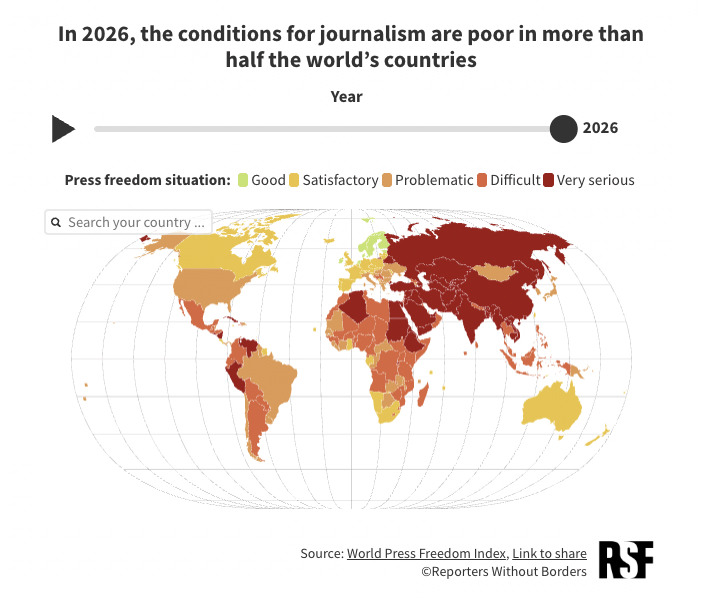
On April 30, Reporters Without Borders (RSF) published its annual World Press Freedom Index (WPFI), which ranks countries based on their press freedom.
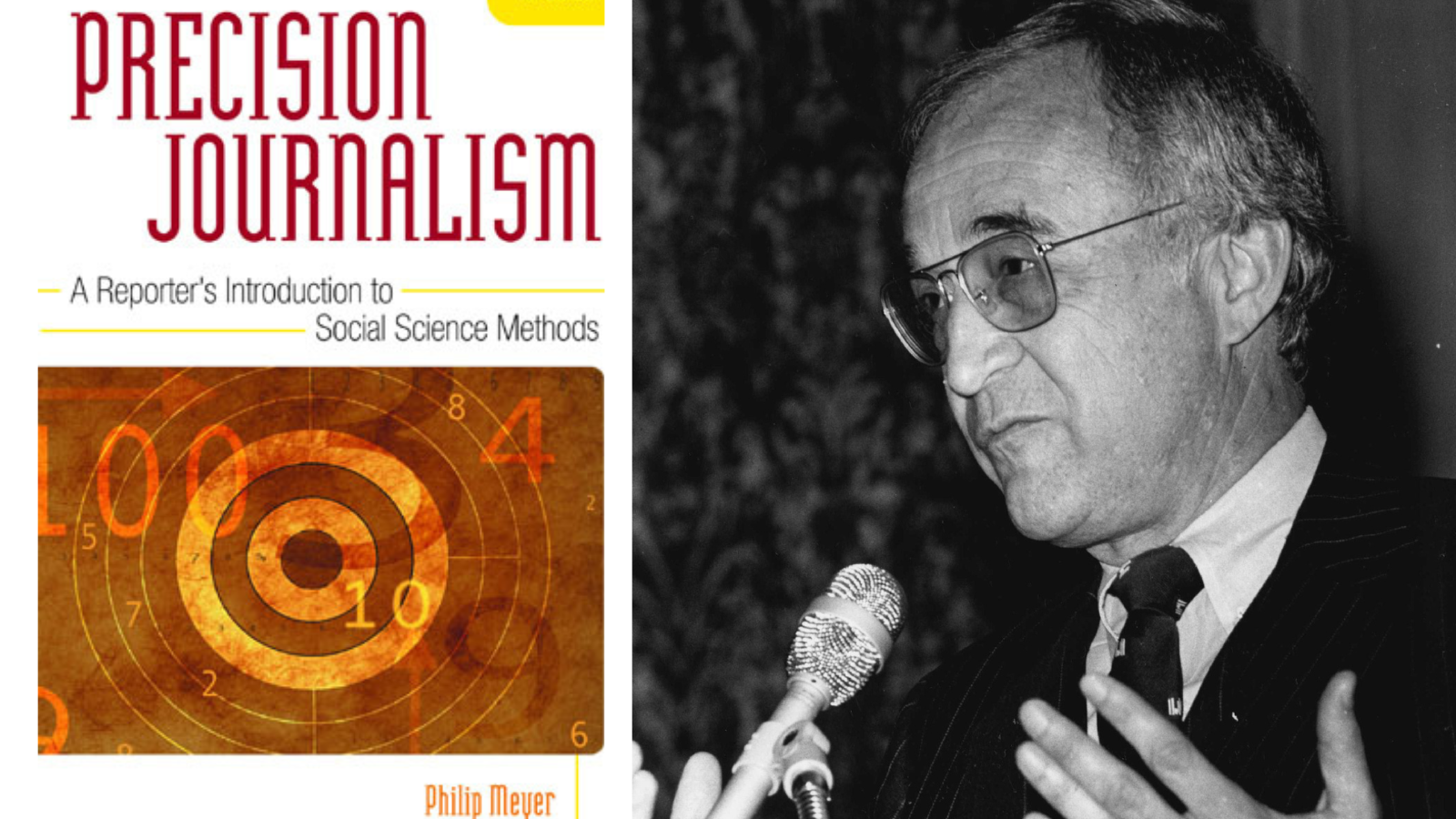
According to the RSF’s official website, the WPFI is intended to provide an “accurate reflection of the situation at the time of publication". Despite its perceived objectivity, this article critically analyses the Index’s Western bias in its methodology and data sampling, calculations with respect to killed journalists, ranking system, and language. As the RSF’s Index is frequently referenced by mainstream global media as a reliable assessment of global press freedom, it is principled journalism to highlight the significant flaws in their methodology, the lack of transparency in the criteria they use to select people and distribute the questionnaire, and how they evaluate said questionnaire.
This year’s RSF index ranks 180 countries based on the level of press freedom from 0 to 100, with 100 being the highest possible level of press freedom and 0 the worst. The Index’s analysis comprises a tally of quantitative abuses and a qualitative questionnaire; their data is based on five indicators which are political context, legal context, economic context, sociocultural context, and the safety of journalists. The questionnaire is filled out by a group of unidentified journalists, academics, and civil society members, selected by RSF. Tallying the data is a seven-member panel of European experts, who ensure the Index’s credibility.
The questionnaire is filled out by a group of unidentified journalists, academics, and civil society members, selected by RSF. Tallying the data, is a seven-member panel of European experts, who ensure the Index’s credibility…. The methodology that the WPFI applies to rank countries leaves a lot of room for interpretation. RSF handpicks journalists, researchers, academics and human rights defenders for the qualitative analysis portion of the Index without revealing the criteria for sampling.
The RSF’s official website suggests the organisation prioritises equality and justice. And to a certain degree, these tenants reflect in the work they do, such as offering legal support for journalists detained by their own governments and providing protective gear for journalists reporting in high-risk locations. However, it is important to highlight RSF’s origins and the troubling history that introduces deeper concerns about the organisation's credibility. One of its founders, Robert Ménard, is a prominent French far-right and Islamophobic politician allied with anti-immigration political parties, who has been sued for incitement to hatred and discrimination. Even though he no longer holds an official position within the RSF, he was involved in shaping the way the organisation functions for twenty-three years. This is exceptionally worrying, but not surprising, as the methodology that the WPFI applies to rank countries leaves a lot of room for interpretation. For example, the RSF handpicks journalists, researchers, academics and human rights defenders for the qualitative analysis portion of the Index without revealing the criteria for sampling.
Flawed Methodology and Selective Sampling
There is a lack of transparency around how RSF selects participants for its questionnaire, raising questions about the representativeness and impartiality of the data. As mentioned earlier, RSF’s ranking methodology includes a qualitative analysis based on responses from unidentified “press freedom specialists”, including journalists, researchers, academics, and human rights defenders. However, RSF does not disclose key details such as the number of respondents per country, their geographical distribution, their professional or institutional affiliations, their political orientations, their relationship to the regions being assessed, or the criteria used to select them. RSF said in response to questions for this article, "The identities of the experts and respondents involved in the Index are confidential for security reasons to preserve the integrity of the process. This is a vital safety issue for them, particularly in countries where speaking out and practising one’s profession can lead to imprisonment or death.” While valid points, RSF failed to address the key details raised about the methodology, which do not require RSF to reveal the identities of the respondents.
This lack of disclosure makes it difficult to assess if the sample is diverse and independent enough or contextually informed. Because the index relies in part on subjective assessments, the absence of transparent sampling standards introduces significant room for variability and bias, particularly when evaluating countries with complex political realities or conditions that differ sharply from Western media environments. As a result, the ranking risks presenting contested judgement as objective measurements of press freedom.
The author reviewed the WPFI’s 2025 questionnaire for the year 2025. The framing of questions for RSF’s 2025 questionnaire is indicative of Western bias, which is not helpful for measuring press freedom in non-Western countries where media practices and socio-economic realities differ from the norms established by the Index, leading to a misrepresentation of press conditions in the Global South.
The author reviewed the WPFI’s 2025 questionnaire for the year 2025. The framing of questions for RSF’s 2025 questionnaire is indicative of Western bias, which is not helpful for measuring press freedom in non-Western countries where media practices and socio-economic realities differ from the norms established by the Index, leading to a misrepresentation of press conditions in the Global South.
For instance, the 35 questions related to the political context appear to frame threats to press freedom primarily as pressure exerted by national or local governments, but this ignores the fact that attacks on press freedom in the Global South can come from both domestic and external actors. The focus on local and national governments might make sense in the context of Global North states such as Germany, France, the United Kingdom, and the United States, which enjoy a greater degree of sovereignty over their territories and can limit direct external interference to a certain extent.
The story, however, is different for Global South countries, where sovereignty is often constrained by foreign political pressure, donor influence, military occupation, advertisements and economic dependency, or the power of multinational corporations and external media funders. In this context, journalistic freedom may be equally curtailed through foreign pressure on institutions to suppress particular narratives. A methodology that focuses too narrowly on state actors risks missing these structural transactional forms of censorship.
Palestine illustrates this limitation clearly. Palestinian journalists’ ability to obtain necessary information, such as accurate data on the economic activities of illegal settlements in the occupied West Bank and the settlements’ economic ties with countries in the Global North, is not restricted by the local Palestinian authorities, but by the Israeli state that occupies the Palestinian territories and controls movement, borders, access, and information.
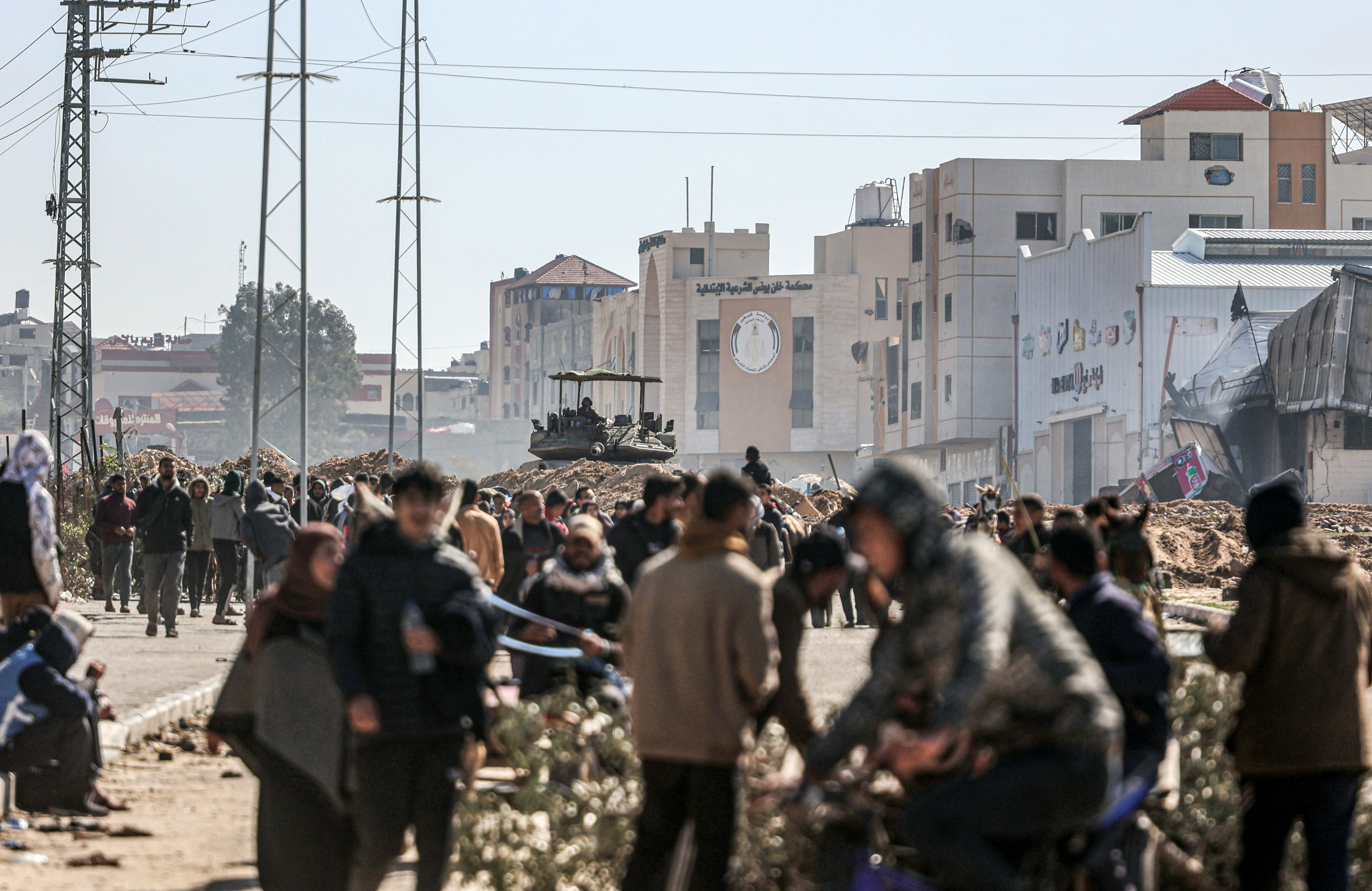
It is poignant to also note here that since 2024, the Israeli Supreme Court has kept delaying the Jerusalem-based Foreign Press Association’s (FPA) petition for unrestricted international media access to Gaza. The court granted the Israeli government more than six extensions to present its response. The government responded to the petition in January 2026, stating that it would uphold the ban on foreign media entry, citing "security risks", and the court agreed. In 2024, the Knesset also passed the "Law to Prevent Harm to State Security by a Foreign Broadcasting Authority", which it voted to extend until 2027. The law authorises a "temporary" closure of news channels that "damage national security” as well as the confiscation of equipment. The bill primarily targeted Al Jazeera and was dubbed the "Al Jazeera law", as Israeli officials accused, without providing evidence, the news channel of causing harm to Israel's security and Israeli soldiers.
Despite the censorships (on Palestinian journalists, Israeli media, and international media) and killing hundreds of Palestinian and Lebanese journalists and hampering their press freedom and ability to report in their own territories, the 2026 Index dropped Israel only by 4 points from the 2025 Index, which puts into question the veracity of their data, analysis, and rankings. RSF said in response to questions for this article that Israel ranked #86 in 2022 and has dropped 30 places since then. However, RSF did not explain why in the middle of a now two-and-a-half-year genocide, Israel’s ranking is at #116, while other countries in the region and beyond that are not inflicting a journacide ranked lower. Still, the ranking raises questions about the veracity of RSF’s data and analysis.
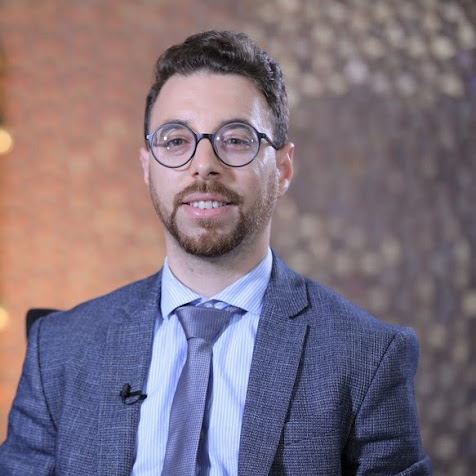
Yara Hawari, the co-director of Al-Shabaka, the Palestinian Policy Network, explains, “The RSF is aligned with Eurocentric and Western-centric values of democracy and freedom, and it doesn’t take into account the different realities of subjugated peoples and the peoples from the Global South." When ranking a country like Palestine, which is under military and colonial occupation and does not have sovereign control over its borders, it is methodologically flawed to apply the same metrics used to evaluate countries like Norway or Sweden. Assessment of press freedom cannot be through a one-size-fits-all framework.”
The limited scope of the Index’s questionnaire also fails to adequately account for non-state and transnational threats to journalists, including surveillance technologies. Multinational corporations, such as the Israeli spyware tech company NSO Group, have been accused of enabling the hacking of journalists’ devices, hampering their press freedom. These forms of repression do not fit neatly into a framework centred on domestic government pressure, yet they directly affect journalist safety, sources, mobility, and ability to report freely.
In 2018, Al Jazeera journalists as well as other Qatari, Mexican and Saudi journalists and activists filed lawsuits in Israel and Cyprus alleging the Pegasus spyware was used to hack their devices.
Hawari argues that the methodology that the RSF uses is inherently built on Western-centric and Euro-centric assumptions. By relying on individually verified cases and handpicking respondents, for example, rather than relying on independent media outlets, media reach, or press plurality, the Index spotlights a particular West-aligned view of journalism freedom. Hawari adds that the RSF’s definition of journalists’ labour could exclude many media workers in Palestine who are freelancers, but central contributors to local outlets.
For instance, the 35 questions related to the political context are all geared towards the idea that all suppression of press freedom comes from national or local governments, but this ignores how the attacks on press freedom in the Global South can come from both internal and external sources. … The story, however, is different for Global South countries, where sovereignty is often constrained by foreign political pressure, donor influence, military occupation, advertisements and economic dependency, or the power of multinational corporations and external media funders.
The author contacted two prominent Palestinian journalists based in Palestine to ask whether they had been approached by RSF to participate in the index questionnaire. Both journalists, despite being active in multiple international media chat groups, said they had not been contacted. While this alone does not prove that the sample is unrepresentative, it is difficult to assess if the questionnaire is representative or impartial enough.
While the RSF notes, their definition of a journalist is a suggestion, not a standard; the organisation dubs a journalist as “someone who collects, processes and disseminates information and ideas to the public on a regular or professional basis, using any means of communication and employing professional methods for establishing and verifying facts.” Their definition fails to elaborate on what “professional” means and if it is reflected in the way they collect and document the data for slain Arab journalists.
The author contacted two prominent Palestinian journalists based in Palestine based in Palestine to ask whether they had been approached by RSF to participate in the index questionnaire. Both journalists, despite being active in multiple international media chat groups, said they had not been contacted. While this alone does not prove that the sample is unrepresentative, it is difficult to assess if the questionnaire is representative or impartial enough.
Discrepancy in Calculations
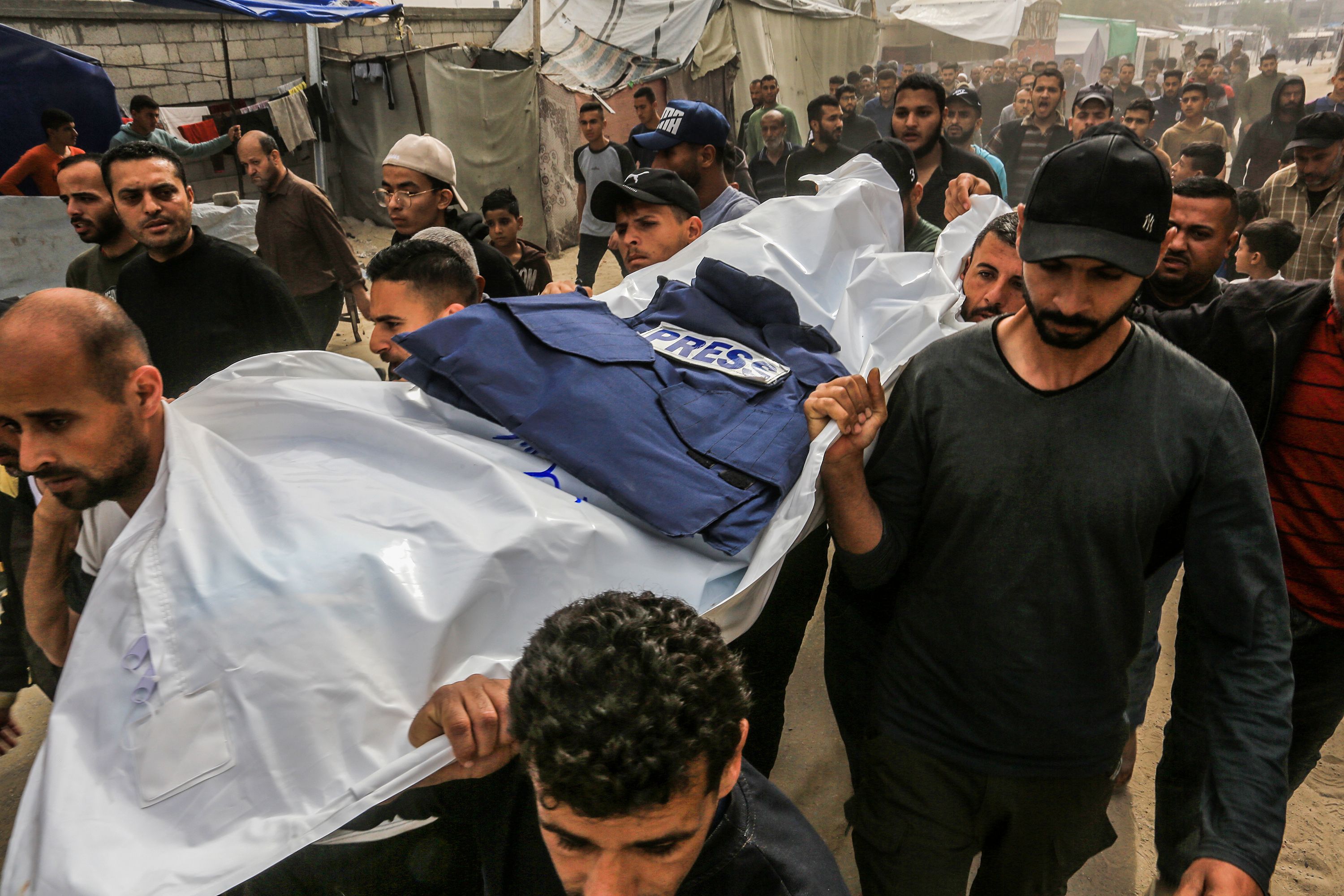
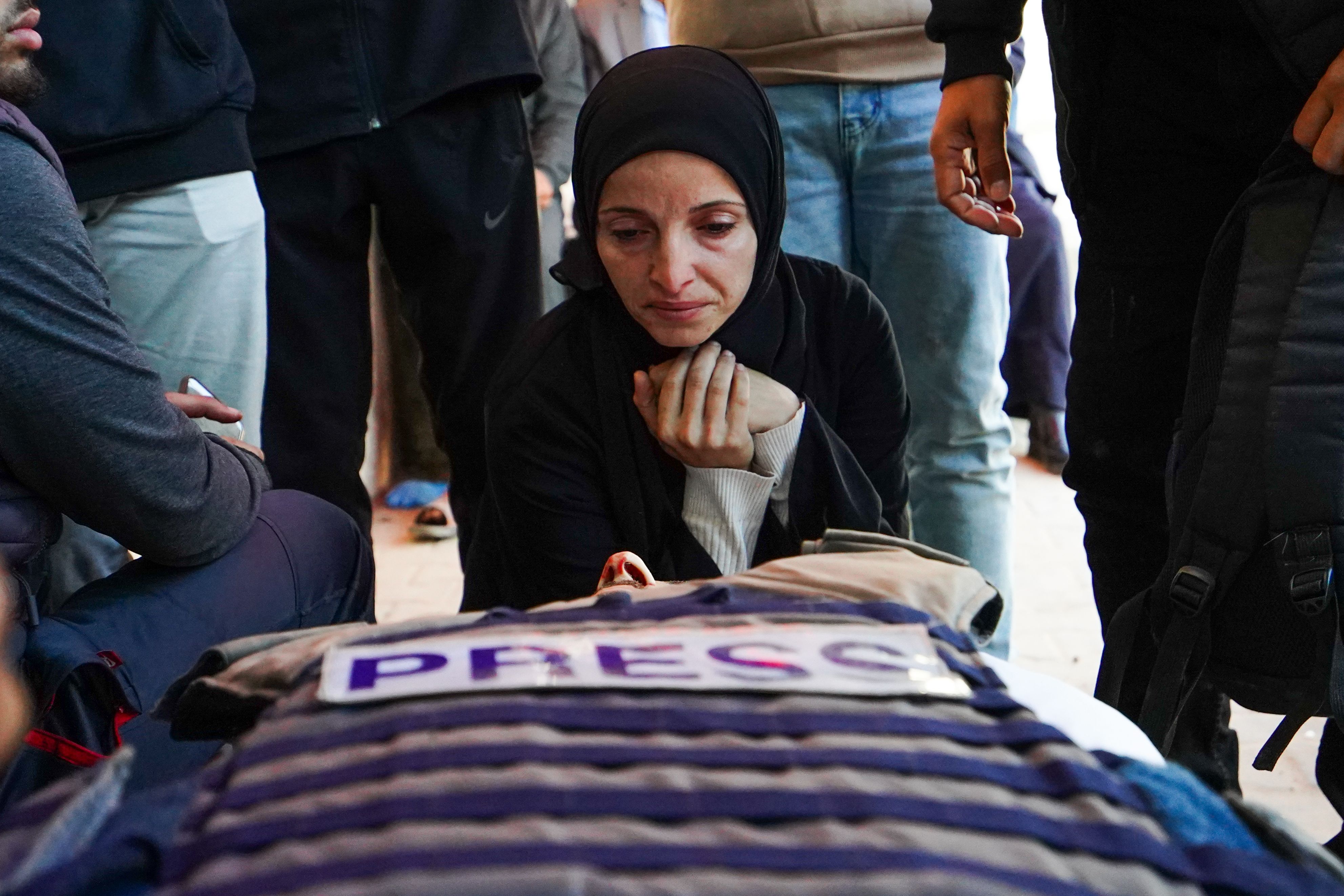
Hawari highlighted that the flawed RSF methodology contributed to the omission of death counts and the resulting discrepancies in the number of journalists killed in comparison to Palestinian sources. When it comes to Palestinian journalists killed by the Israeli forces since October 7, 2023, RSF states that “more than 220” journalists were killed in Gaza, including at least 70 whom it says were killed “due to their work” or while carrying out journalistic duties. This classification differs sharply from figures reported by Palestinian and regional sources. Both Al Jazeera and the Palestinian Journalists Syndicate (PJS) have published the names of 274 Palestinian media personnel killed in Gaza, of which 260 were journalists.
Nidal Rafa, a Palestinian journalist based in Haifa, also voiced the same sentiment that Western indices and media undermine Palestinian journalists and view their journalism as inferior or as less credible than “real journalists". Per Rafa, who previously worked at CNN and France 24, the justification along with casting doubt on the credibility of the killed 260 Palestinian journalists is a prime indicator of the Western bias, which carries a multi-fold effect. For instance, in Palestine, civilians are afraid to rent houses close to journalists or avoid any connection with them since such associations put the civilians in harm’s way when Israel blatantly and violently targets journalists.
Then, there is the example of the three Lebanese journalists that were killed by the Israeli military on 28 March 2026. RSF’s live barometer did not count journalist Ali Shoeib from Al-Manar TV (Hezbollah-affiliated media), who was killed in the same attack that slayed journalist Fatima Ftouni of Al-Mayadeen TV, alongside her brother, freelance photojournalist Mohamad Ftouni, whose names are factored in. According to the Beirut Review, a total of 22 journalists have been killed by the Israeli military since October 2023; the RSF’s barometer only shows 8 journalists.
According to Brown University’s Costs of War project, which was compiled with data from RSF and interviews from RSF personnel, more journalists have been killed in Gaza since the genocide began on October 7, 2023, than in the US Civil War, World Wars I and II, the Korean War, the Vietnam War, the wars in the former Yugoslavia and the post-9/11 war in Afghanistan – combined. This begs the question: why then is there a discrepancy in RSF counts of killed journalists?
Per RSF, the discrepancy between their figures and those of PJS and Al Jazeera regarding “killed media workers" stems primarily from methodological differences rather than political bias, which is based on RSF’s definition that they claim is rooted in an internationally recognised standard, notably the Munich Charter. This calls into question why RSF’s definition is a Eurocentric definition applied universally to journalism and media workers in the Global South. This is particularly relevant when such a definition leads to RSF not including the killing of 40 Palestinian journalists and 14 Lebanese journalists. This discrepancy may lead journalists from the region to believe that RSF may have adopted a pro-Israeli bias in terms of accepting the baseless Israeli state narrative that certain journalists were not real journalists and were militants or working with militant groups.
Western-Aligned Rankings
Crucial to any assessment of the Index’s credibility is RSF’s funding history. In 2006, RSF was reported to have received funding from the National Endowment for Democracy, a US-based organisation funded through congressional appropriations, raising questions about the organisation's political neutrality. More recent treasury reports also show that a significant share of RSF’s operating income comes from public sector grants, including from European governments, the European Union and government-linked development agencies.
In 2022, 54% of their funding came from public-sector grants, including the European Union, the Swedish International Development Cooperation Agency and the French Development Agency. In 2024, 65% of their funding came from the same public sector entities. At first blush, this may come across as a benign way of acquiring funds; however, a look at their 2022 Index shows that RSF ranked Sweden and France #3 and #26, and then again in 2024, #3 and #21, respectively, on the lists.
Notwithstanding, two of the seven experts who contribute methodological expertise and oversight to ensure the robustness and credibility of the Index process have always had a clear connection to Germany since 2022, when the RSF revamped their methodology and introduced a panel of experts. As such, it is not a surprise that the RSF’s Index has consistently ranked Germany in the top 25 countries for the last 10 years. Irrespective of the Index’s ranking, issues around press freedom in Germany do not seem to match this ranking. In 2023, it was reported that 320 criminal acts were committed against journalists in Germany, of which 46 violent attacks, 41 threats, and 31 cases involved property damage. Recorded crimes against the press peaked highest that year in Germany since 2021. Yet, the 2023 RSF Index ranked Germany as #21/180 globally, falsely depicting a high degree of press freedom.
The 2024 RSF Index also ranked Germany #10 globally for press freedom; however, since 2023, journalists in Germany have been fired from their jobs for criticising the State of Israel and its conduct in Gaza, as it was considered “anti-Semitism”. Even before the current genocide in Palestine and the broader repression of pro-Palestinian speech in many Western media institutes, Euro-Med Human Rights Monitor had raised concerns about what it described as an anti-Arab purge in German newsrooms. In 2021, WDR fired a Palestinian German journalist, and in 2022 Deutsch Welle dismissed several Arab journalists from its Arabic service, following allegations of antisemitism related in part to past social media posts critical of Israel. Yet Germany remained highly ranked in the RSF Index, placed #13 out of 180 countries in 2021 and #16 in 2022. More recently, Mathias Döpfner, CEO of Axel Springer, whose media holdings include Bild and Politico, recently told his employees that support for Israel is a condition of working at the company.
RSF was contacted for comment on Germany’s ranking but had not responded as of May 8, 2026.
Crucial to any assessment of the Index’s credibility is RSF’s funding history. In 2006, RSF was reported to have received funding from the National Endowment for Democracy, a US based organisation funded through congressional appropriations, raising questions about the organisations political neutrality.
Language Bias
Besides the bias in the previous years’ questionnaire, RSF analysis is also rooted in selective word choice that obfuscates the context from the ongoing journacide in Palestine.
The RSF’s video analysis summarising the report’s findings notes the wrongful detainment, imprisonment, and convictions of journalists by naming various regimes and particular journalists. It also highlights the rise of strategic lawsuits against public participation (SLAPS), particularly mentioning Guatemala and Jose Ruben Zamora. However, the portion of the video that speaks to Israeli forces’ targeted killings of Palestinian journalists suggests that Palestinian journalists are killed because of the ongoing “conflict” rather than a genocide. This choice of words used in the video is highly selective and fails to present accurate context.
Hawari says that it is important to be clear. “The RSF as an organisation is run by journalists who know the accurate language, and this is not a minor editorial choice. Language is the architecture of political reality, and the RSF knows this better than anyone. The whole organisation is built around the power of words and their suppression. So, when they actively choose to describe it as a conflict rather than genocide, they’re making a political decision.”
The RSF as an organization is run by journalists who know the accurate language, and this is not a minor editorial choice. Language is the architecture of political reality and the RSF know this better than anyone. The whole organization is built around the power of words and their suppression. So, when they actively choose to describe it as a conflict rather than genocide, they’re making a political decision.
If the goal of RSF reports and documentation is to reach a broad audience, then they are choosing access over accuracy, according to Hawari. They are choosing their relationships with the West rather than the reality and their Palestinian colleagues. “It is problematic when organisations frame their political position as professional caution or neutrality,” she says.
“Reports like the WPFI and organisations like RSF don’t do much to hold the Israeli regime accountable.” While RSF filed five complaints to the International Criminal Court concerning war crimes committed against journalists in Gaza, Palestinian journalists and media analysts say that the organisation's report, with its Western-biased terminology and language, is part of the problem when it comes to accountability in public discourse. Hawari says that while there is value to RSF’s documentation of crimes committed against journalists, there are serious issues with the statements, especially in the language they use to describe the way the Israeli forces kill Palestinian journalists. “There isn’t really a mechanism of accountability.” Unsure about the intended goal of such reports, Hawari says if it is accountability, “then that is certainly not what they’re achieving.”
Rafa said, “The problem with the surveys is that they are coming out at a time when people and journalists have done their utmost. Some were able to escape; they told their stories, and what they saw is that nothing is changing. Once I thought I was changing public opinion; not anymore because no matter who we work for, they know, and they don’t care. They will mention those who die for two or three days, and then it’s over. Many western outlets blame the victim; they will blame the journalists, and they blame the Palestinians. But can’t they come out and say, ‘There’s a criminal that needs to be stopped.’ ‘There’s a colonizer and a colonised. Why can’t they say there is an occupation and stop the occupation?’ We said everything that had to be said, we did everything that had to be done, we went everywhere that we had to go, and now we are tired.”
The WPFI is helpful for accurately documenting the state of media freedom across the globe; however, the report's methodology and Western-aligned inclinations must be critically addressed. The dependency on qualitative surveys in the social sciences demands greater focus on nuance, context, and open-ended questions instead of solely counting on grid-based answers. To put it simply, their so-called qualitative questionnaire does not meet the basic standards of qualitative research.
While the Index serves to raise awareness regarding media challenges, its current sampling and methodology oversimplify intricate issues and neglect critical structural factors that influence and impede press freedom in the Global South. For the RSF to effectively achieve its mission, if that is to hold both government and non-government bodies accountable, it must adopt a far more transparent sampling system and a well-rounded methodology, one that centres on context-sensitive questionnaires and employs accurate language.
This article has been updated on May 31, 2026, to include additional context provided by an RSF representative.
Disclaimer: The article reflects additional context given by an RSF personnel, who responded 15 days after AJR’s initial query and 12 days after the publication (May 10, 2026).