
Indian documentary filmmakers are gaining recognition and audiences, but weak financing, distribution, and exhibition infrastructure continue to make the practice difficult to sustain.
A difficult and expensive practice which does not pay
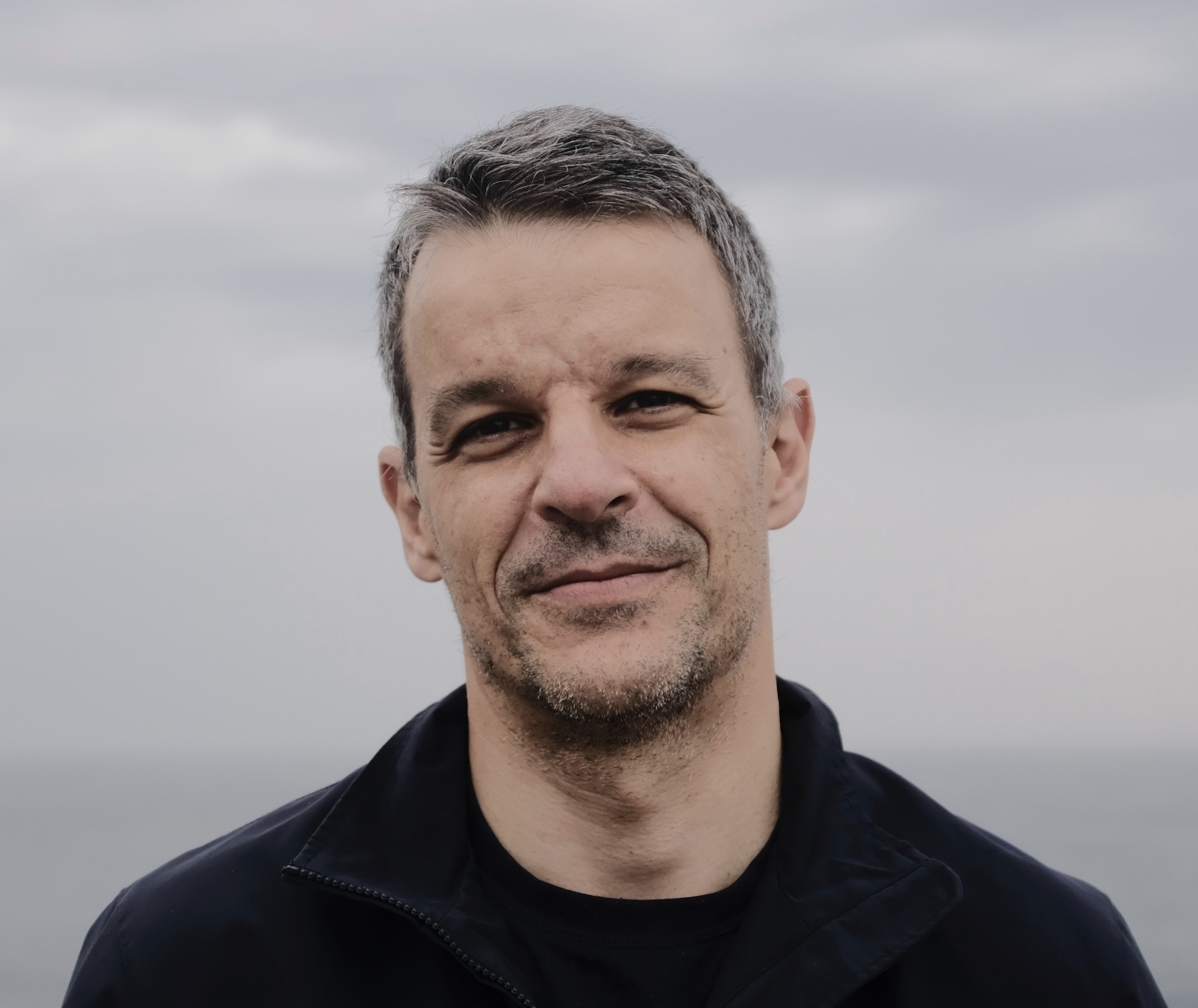
For ten years, filmmaker and journalist Borun Thokchom travelled through the dense forest of Manipur with a few cameras and a skeleton crew, documenting one man’s mission to search for martyrs who lost their lives during the Second World War.
The resulting 80-minute documentary ‘Battlefield’ chronicles the emotional journey which scarred India’s northeastern state of Manipur for decades. The film showed the lingering impact of the Battle of Imphal, one of the major theatres of war between Allied Forces and Japanese forces.
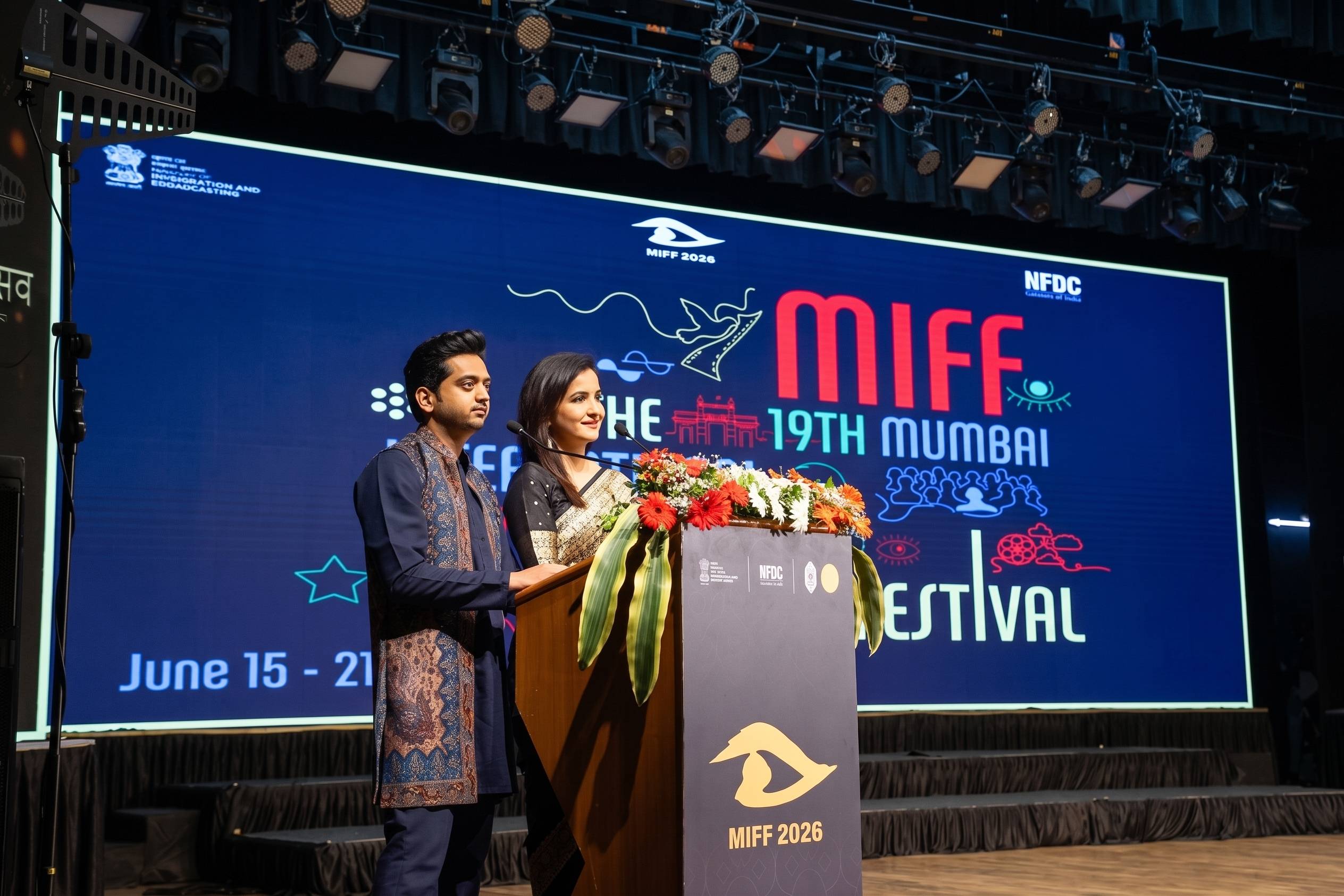
When ‘Battlefield’, Borun’s latest documentary on the Battle of Imphal, a brutal theatre of war fought between the Allies and Japanese forces, premiered at the 19th Mumbai International Film Festival, the reviews were rave. However, the filming and post-production processes tested Borun. “People really don’t understand the sweat and tears that go into making a documentary”, he says. Securing financing and production for the project proved tough, too. “I went to a host of people, but I felt people wanted to influence the project in some way”, he says while pointing out how international stakeholders may try to interfere editorially.
Eventually, with the help of friends and family, Borun completed the project, a one-of-a-kind visual piece chronicling an important phase in the nation’s history. Borun says, “Even though we worked on a shoestring budget and many of the crew members volunteered, the production costs for Battlefield still amounted to around ₹30 lakhs (US $31,680)”. The filmmaker mentions that while he would like to move on to new productions, he simply doesn't have the heart to request the necessary funds. “My friends have families too…I cannot be that selfish”, says the filmmaker.
‘Battlefield’, a documentary that took years of Borun’s life, has not proven financially rewarding so far. “I did not make any money on the project”, he claims. All this stands in stark contrast to the filmmaker's earlier work, ‘I Rise’, a documentary on celebrated Manipuri boxer Laishram Sarita Devi. Released in 2020, the project was then helmed by the Films Division of India.
Established in 1948, a year after Indian independence, Films Division has produced more than 6400 documentaries, short films and animations over seven decades, covering subjects ranging from science, sports, wildlife, anthropology, and art. The institution helped usher in legendary Indian documentary makers such as Shyam Benegal, Mani Kaul, Shabnam Sukhdev, Pramod Pati and many more.
In 2022, the Indian government dissolved the Films Division. It merged it, along with the National Film Archive of India, the Directorate of Film Festivals, and the Children’s Film Society of India, into the existing entity, the National Film Development Corporation of India (NFDC).
Borun reminisces, “I still remember how the Films Division helped me with the project financially and even tried to connect me with film festivals. It was true mentorship”. However, ever since the dissolution and despite pitching to NFDC, the prominent filmmaker from Manipur has never heard back. “I simply never got a response, and I have no idea how they even function or select documentary pitches”, he says.
According to NFDC’s annual report for 2024-25, the corporation supports documentary makers making their debut by funding 100% of their projects. It also mentions that in the financial year of 2024-25, two documentary projects were completed, with one still being in the post-production stage. The productions are undertaken under the Ministry of Information and Broadcasting’s scheme, ‘Development, Communication and Dissemination of Filmic Content (DCDFC). It also states that, through a new Doc Film Bazaar mechanism, around ₹7 crores (US$ 739,200) were allocated for the co-production of documentaries, short films, and animated films. Around 82 projects were evaluated under the mechanism, of which 11 were selected. However, the selections that, according to the report, were “under consideration of the Ministry” span diverse verticals, not just documentaries.
Structural problems ail the documentary landscape
Niloptal Majumdar, an influential figure in India’s documentary landscape, has both been a practitioner and a mentor. He admits that structural problems do exist, be it funding, production or even distribution.
On the constant funding crisis which often plagues filmmakers, he says, “we do not have what can be called institutional investment…our problem is the non-availability of local support and finances which again is not a good message for international partners”.
However, he points out that non-profit foundations and CSR activities have recognised the power of documentary-making. “Documentary practice is being recognised as an effective tool for social transformation, be it in the realms of climate change, inclusivity, community empowerment”, he says. However, the yearning for policy changes remains strong. He mentions that, depending on the production stage, projects can receive grants ranging from US$ 6,000 to US$ 162,432. “However, the competition is high and most of the time grants are just one of the support components and a budget may need to involve other things like producers’ investment, equity and pre-buy”, he says while stressing factors such as complexity and duration of shoot, location, risk and other production logistics.
Streaming and digital platforms, and not theatres, will be the answer to bringing documentaries to the public domain. However, the task will require a lot of groundwork. ...We have to start with investment, be it from the state or philanthropic endeavours… we need to create special programmes and conduct community screenings at the local level as well. The industry veteran also emphasises the need for well-designed social media outreach to attract more viewers.
Streaming platforms to the rescue?
Aditah Jain, vice president of acquisition and syndication at documentary streaming platform DocuBay, says the company saw a gap in the Indian streaming market.
“There are streaming services which curate factual, current affairs and science-based content, but they are not a go-to platform for watching documentaries exclusively”.
Launched in 2019, DocuBay offers a wide array of acquired international titles as well as original commissioned documentaries. Its catalogue includes Hathras: 16 Days, about the rape and murder of a Dalit woman in Uttar Pradesh; Dirty Entertainers, on India’s adult film industry; and Water Mafia, which examines informal and illegal water networks in Delhi. Through such titles, the platform aims to foreground stories rooted in local realities.
Aditah explains, “The stories we commission are told in a way which does not offer only one point of view…we want to leave the audience with a story that they remember…we want to offer a perspective they haven’t thought about”.
The company did not conduct market surveys when it launched, but Jain says subsequent viewing data complicated assumptions about where documentary audiences could be found.
“I was surprised when a city like Lucknow emerged as the top-performing city on DocuBay,” she says. “We are getting subscriptions in cities like Baroda and Surat.”
‘Dirty Entertainers’, she says, also performed unexpectedly well outside India. Aditah adds, “People may be shy talking about such things publicly, but when we see the back-end numbers, there is huge potential”. Even months after its release, ‘Dirty Entertainers’ continues to be among Docubay’s top 15 best-performing titles.”
But streaming does not necessarily resolve the sector’s larger problems of visibility and access.
Time spent viewing is also high; people aren't leaving in the first 10-15 seconds. They stay till almost 80% of the title is complete”, she says on the nature of the audience. She mentions that streaming platforms can also provide detailed information about audience age, city, demographics and geography, allowing distributors to better understand who is watching documentary content.
A culture of documentaries rooted in history
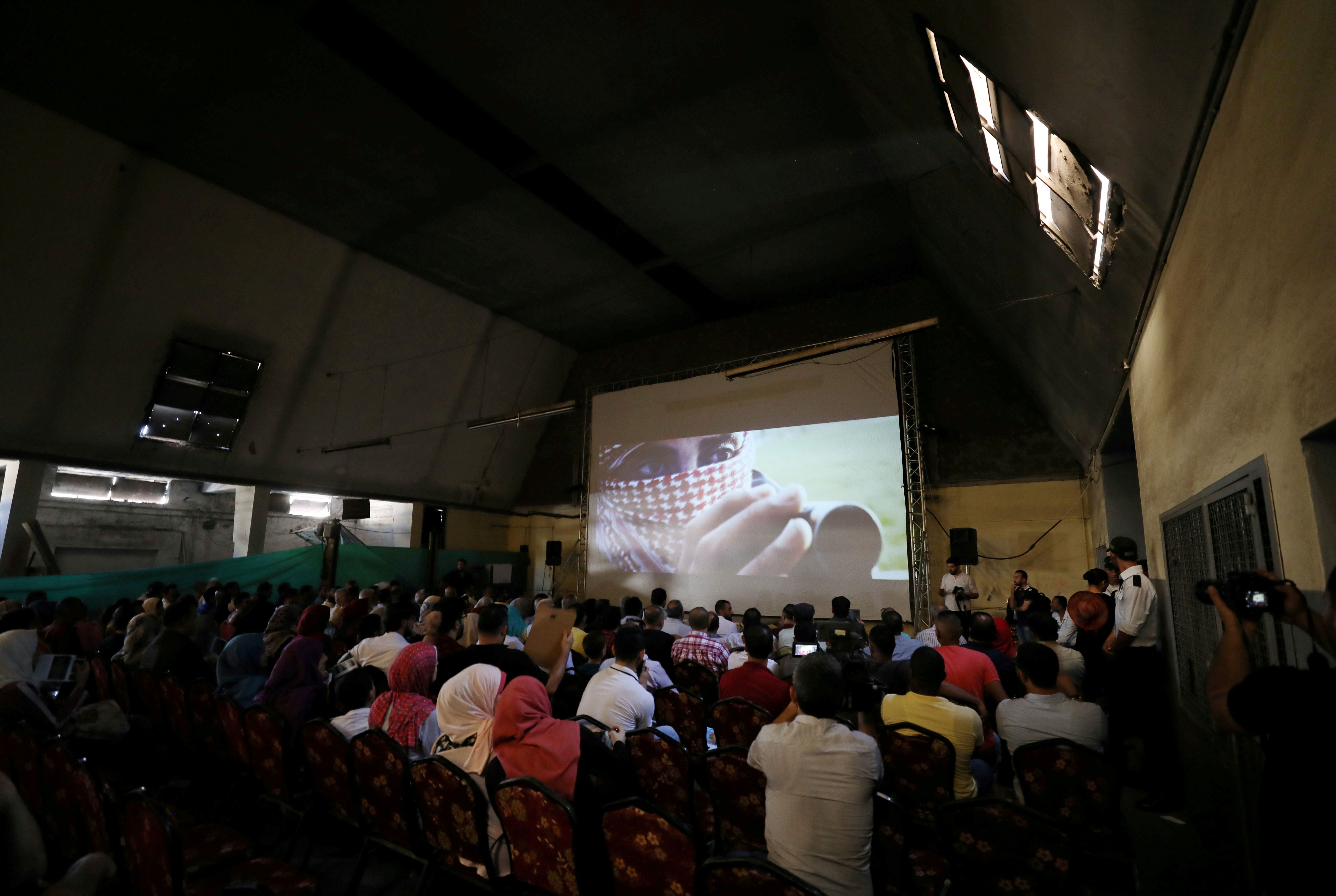
The hunger for documentaries in India remains vast, with community screenings a regular feature of audience engagement.
Kriti Film Club, an independent documentary and social film impact collective, has been screening both fiction and non-fiction films since 2000. But founder Aanchal Kapur says the organisation is now struggling to survive.
“If we do not receive any support, this year may well be our last”.
The collective [Kriti Film Club] offers visual pieces on issues such as migration, labour, gender, sexuality, to name a few. ...“As social and development practitioners, we felt the need to actually start showing and discussing documentaries, not just within the sector but outside it as well”. [Founder's] primary intention was to reach what she calls "unconverted audiences”...strongly rejects the assertion that India lacks a documentary culture.
“There are a lot of films which documented India’s struggle for independence and even post-independence; I remember government newsreels used to play before commercial cinemas in theatres”, she reminisces.
She describes how she still has fond memories of watching Children’s Film Society while growing up. According to her, a documentary should travel far beyond festivals, and people should not confuse festival success with actual audience engagement.
“Festivals are temporary, regular screenings are permanent”, Aanchal says.
According to her, independent screening clubs such as hers lack institutional support. “OTT players like Netflix and Prime can never replace film clubs because films need serious discussion, conversation and a collective reflection”, she adds. She strongly asserts that a documentary streaming on a platform doesn't necessarily mean increased visibility, as it may get lost in the algorithm.
“Places like ours are genuine cultural spaces”, she adds while she talks about getting screening requests from senior citizens living in other affluent quarters.
The collective, which has screened more than 2000 films in its 25-year history, continues to receive requests from filmmakers.
"My inbox is full of requests. I don't have that many spaces, and I don't have the capacity to screen all the films”, she says. Even a community screening can turn into an expensive affair as it warrants a lot of sweat, labour and commitment. According to Aanchal, curators such as her should also receive support. “There are a host of expenditures to consider, be it the time spent on curation, facilitating the screening and audience outreach, which often involves employing social media posts and well-crafted designs, " she says. Screenings also require a team of people, which is part of the incurred expenses.
For Aanchal, that imbalance points to a broader weakness in India’s documentary exhibition infrastructure: films are being produced, but there are too few permanent spaces in which audiences can encounter them.
Do film festivals still play an important role?
In the last decade, Indian documentaries have left a deep impact on global documentary practice. Titles such as All That Breathes and Writing with Fire have garnered Academy Award nominations, with The Elephant Whisperers winning Best Documentary Short Film. All three also garnered critical acclaim at international film festivals.
Aditah says her experience at DOC NYC illustrated the scale of the documentary festival's audience in other markets.
“My experience at, say, DOC NYC was quite revealing,” she says. “It spans many days, where a couple of theatres in the same vicinity are booked, and they conduct screenings with ticketed shows,” describing the pull of the festival.
However, Borun feels that film festivals in India should treat filmmakers better.
“We sometimes are not even invited for the duration of the festival even if our work is being premiered”, he says.
Borun also adds that certain film festivals in India do not stand up to the hype. However, he contrasts this by saying film festivals continue to be valuable.
“Despite problems, I still look forward to getting nominations; such places are good for visibility, networking, and some may even end up finding distributors”, he says.
However, Borun has been hesitant to go that route. “I want to find people who genuinely support my films rather than constantly just pitching”, he says.
However, some states in India have been striving towards a documentary ecosystem. Every year, hundreds of documentary makers make submissions to the International Documentary and Short Film Festival of Kerala (IDSFFK). The festival, which is due to take place in southern Thiruvananthapuram in October this year, already has 1,741 submissions.
According to Ajoy Chandran, former executive director of Kerala State Chalachitra Academy, which organises IDSFFK, the festival has successfully created opportunities for screenings, networking and discussions with and among filmmakers. “Every year, actually, aspiring documentary filmmakers from all parts of the country come here to screen their productions, compete and discuss”, he says.
We, filmmakers, should also caution against the mushrooming of film festivals, and we need to be discerning and carefully choose established, credible festivals to submit our work to.
Ajoy mentions that documentary filmmakers rarely enter the market for the money, saying, “Documentary is a mode of passion and mission for many”. Even though funds and grants are available, not many filmmakers can access them. This is where Ajoy feels concerned that institutions should step in.
“Something as important as non-fiction which talks about the state of the society should not solely depend on market forces”, he says. “What India needs is a centrally sponsored scheme for films and documentaries, with a thrust on production, exhibition and preservation. States should get access to such funds based on local preferences and requirements”, he mentions.
Another aspect of film festivals is the submission fees that filmmakers incur. For the competition section at IDSFFK, the submission fee is around ₹1000 (US$ 10.5), and for the campus film section, it is ₹500 (US$ 5.3). No submission fees are required to participate in the non-competition sections of the documentary festival. For filmmakers like Borun, submitting work in foreign film festivals can turn costly. “Since entering foreign festivals requires us to pay in dollars or euros, it becomes quite expensive to make the payment in Indian currency. Sometimes I simply cannot afford it”, he says.
Often, filmmakers don't even expect to receive any screening fees after their work is showcased at film festivals. As Borun puts it, “Only a few festivals pay screening fees, particularly festivals where the director or producer is not invited. But at festivals where the director is invited, as far as my experience goes, there is usually no question of a screening fee”. However, he says he is thankful that big festivals typically provide good hospitality, such as accommodation at the best hotels in town, good food, and even parties where documentary makers can interact with other industry players. Even at IDSFFK, selected filmmakers receive hospitality and travel arrangements based on the sections in which their films are selected. Niloptal adds, “Almost all festivals charge entry fees, with major fests typically paying somewhere between US$300 and US$700 as screening fees. However, at least 30 per cent of that fee goes to the sales agent.”
To make film festivals more relevant over time, he also suggests making production houses, sales agents, and platform operators integral to festivals. “I agree that there is a large audience for documentaries, but it is very scattered,” he says, while talking about the importance of bringing both filmmakers and audiences together. However, Borun has a warning for his community,
Finally, one of Northeast India’s prominent documentary makers sighs, “I am fed up now, and I simply cannot go on like this”.
For the story, a detailed email was sent to India’s National Film Development Corporation requesting an interview. However, the reporter received no response. The copy will be updated once appropriate information is received.