كيف تجعل الصحافة أزمة المناخ قضية الناس؟

كيف تجعل الصحافة أزمة المناخ قضية الناس؟

بين الأخبار الرسمية عن المؤتمرات والاتفاقيات المناخية الدولية، وخطط حكومية مفرطة في التفاؤل، وتغطيات صحفية غارقة في التشاؤم أو المصطلحات التقنية، قد يشعر العديد بأن قضية التغيّر المناخي معقدة وحتمية، وفي الوقت ذاته، مجردة وبعيدة عن الواقع اليومي.

من جهة أخرى، قد يبدو الحديث عن أزمة المناخ ترفا في ظل الحروب والأزمات المعيشية والسياسية التي تشهدها الدول العربية، ورفاهية لا يمكن للدول - سوى الغنية والمستقرة منها - الانشغال بها. كما أن البعض يشكك في السرديات السائدة حول تغيّر المناخ في المنطقة، خاصة أن كثيرا من المعلومات مستمدة من منظمات دولية ومصادر غربية قد تحمل أهدافا غير واضحة أو تُقدَّم بمنظور لا يعكس الواقع المحلي وأولويات شعوب المنطقة.

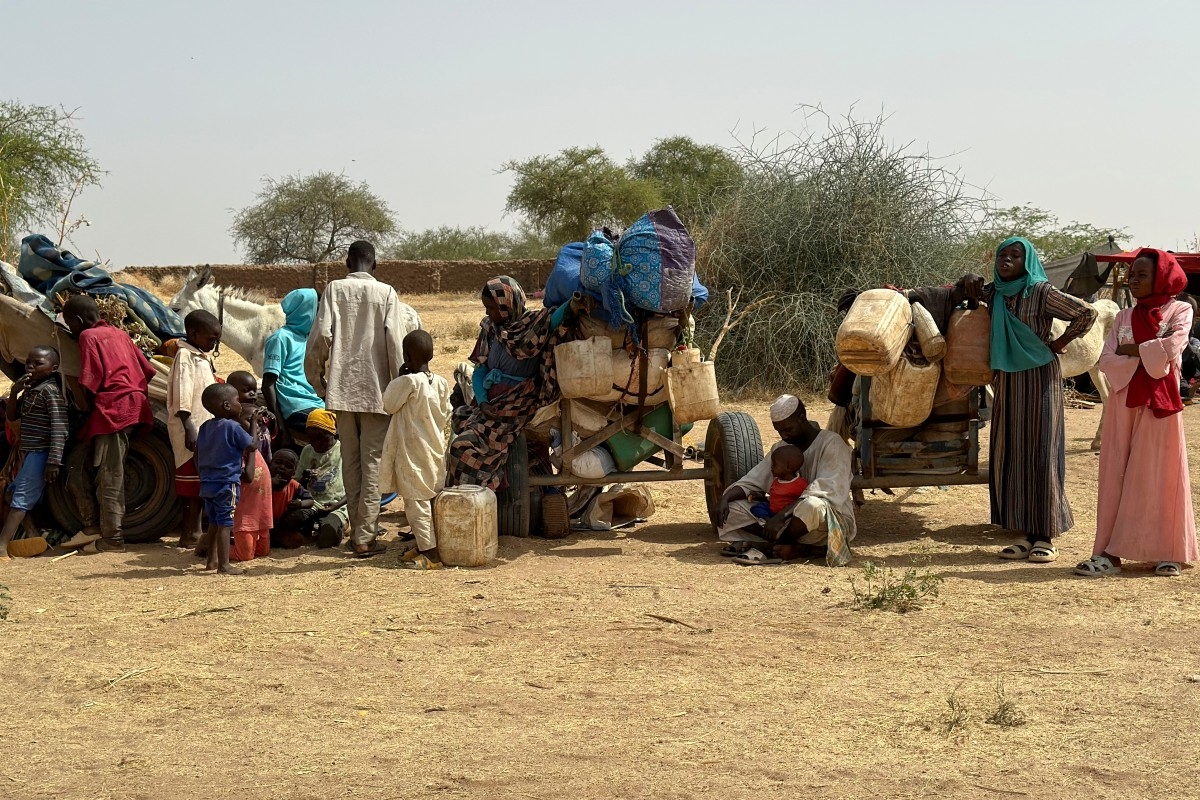
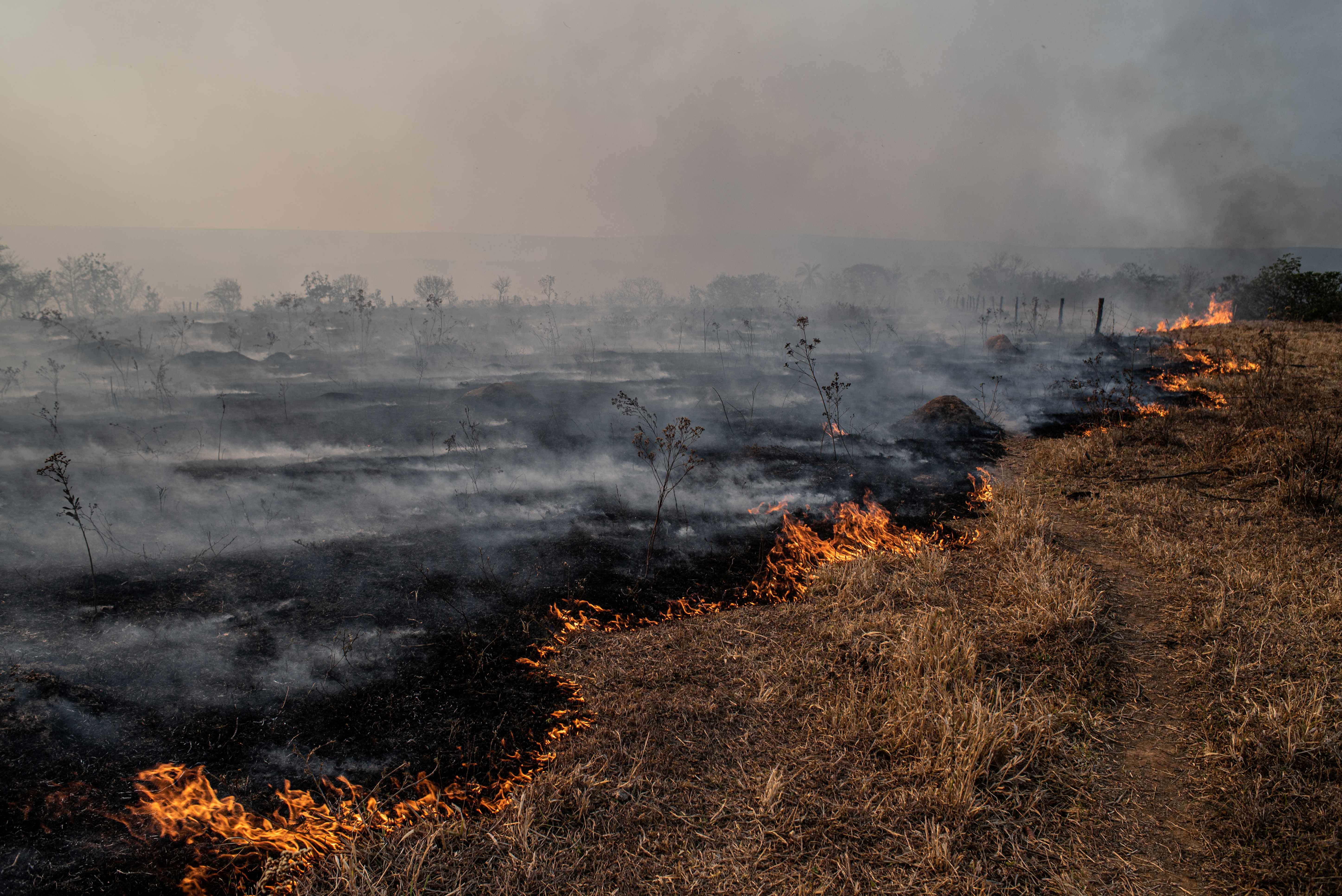
لكن كونها من أكثر مناطق العالم تأثرا بتداعيات التغيّر المناخي، تواجه دول المنطقة تهديدات متصاعدة تمس الأمن الغذائي وأمن الطاقة، والصحة العامة، والاستقرار الاجتماعي والاقتصادي. تتضح آثار الاحتباس الحراري بشكل متزايد يومًا بعد يوم من الخليج إلى المغرب العربي، جرّاء موجات الحرّ الحادة والمتكررة، وفترات الجفاف الطويلة، وارتفاع مستوى سطح البحر، والحرائق والفيضانات والعواصف الرملية. وتبقى الفئات الأكثر تأثرا في مواجهة التحديات الناجمة عن هذه التحولات هي: صغار المزارعين والرعاة والعمال الزراعيون والصيادون والأسر ذات الدخل المحدود.

قد يبدو الحديث عن أزمة المناخ ترفا في ظل الحروب والأزمات المعيشية والسياسية التي تشهدها الدول العربية، ورفاهية لا يمكن للدول الانشغال بها. كما أن البعض يشكك في السرديات السائدة حول تغيّر المناخ في المنطقة، خاصة أن كثيرا من المعلومات مستمدة من  مصادر غربية قد تحمل أهدافا غير واضحة أو تُقدَّم بمنظور لا يعكس الواقع المحلي وأولويات الشعوب.

وسط تزايد المخاطر وتباين الآراء والأولويات، كيف يمكن للصحافة أن تؤدي دورها في التحقق من المعلومات وتحليل السياسات المناخية ومساءلة المؤسسات والسلطات وإيصال الأصوات المستثناة من النقاش العام، وتأطير القضايا وترجمتها من مفاهيم مجردة إلى واقع ملموس؟

قد يبدو بديهيا أن للعناوين دورا محوريا؛ إذ تمثّل أول ما يلفت انتباه الجمهور وتؤثّر في قراره بشأن التفاعل مع المحتوى أو تجاوزه. كما لا يقتصر دور العناوين على جذب الانتباه فقط، بل يساهم في تشكيل الإطار الذي يَفهم من خلاله الجمهور القضايا المختلفة، ويوجّه تصوراته عنها، بما في ذلك قضيّة التغيّر المناخيّ.

عند مراجعة أبرز العناوين المتعلقة بالتغيّر المناخي في المنطقة، يتضح أن أغلبها يغلب عليه إما طابع التشاؤم والتركيز على الكوارث البيئية الشديدة، ووصف الأحداث المتطرفة القادمة بأنها حتمية ووشيكة مثل "الحرارة تخرج عن السيطرة: كارثة مناخية بانتظار كوكب الأرض بحلول 2200"، وهو ما يجعل القارئ يفقد الاهتمام حتى وإن كان الخبر دقيقا، وإما استخدام مصطلحات علمية معقدة بالنسبة للبعض مثل "الغازات الدفيئة" و"تخزين الكربون"، أو مفاهيم تبدو بعيدة عن حياة الناس مثل "ذوبان القطب الشمالي" و"احترار المحيطات" كما في العنوان التالي: "احترار المحيطات يعطل عمليات تخزين الكربون الحيوية". في حين أن صياغة العناوين بأسلوب يربط الظاهرة بتأثيرها المباشر على حياة الناس يمكن أن تجعلها أوضح وأكثر قربًا من المتلقي؛ كما في: "38.4% انخفاض إنتاج الحبوب الشتوية في لبنان بسبب الحرب والمناخ" أو "الجفاف والتصحر والهجرة تهدد واحات المغرب بالاندثار". في المقابل، كثيرا ما تُقدّم تغطيات المؤتمرات والمشاريع "الخضراء" بعناوين رسمية وعالية النبرة، توحي بأن الأمور تسير وفق خطة مدروسة، وهذا يجعل الأزمة تبدو شأنا تقنيا وإداريا بعيدا عن واقع الناس اليومي مثل "الأردن يواجه التغير المناخي بـ 86 مشروعا للنمو" أو "الشرق الأوسط الأخضر.. ماذا تستهدف المبادرة السعودية للحياد الكربوني؟" مغفلة أحيانا أزمات مقلقة مثل جفاف السدود وتراجع المحاصيل وازدياد الضغوط على موارد المياه والطاقة.


يظهر من مراجعة العناوين أن أغلبها يغلب عليها إما طابع التشاؤم والتركيز على الكوارث البيئية الشديدة، ووصف الأحداث المتطرفة القادمة بأنها حتمية ووشيكة مثل "كارثة مناخية بانتظار كوكب الأرض بحلول 2200"، وهو ما يجعل القارئ يفقد الاهتمام حتى وإن كان الخبر دقيقا، وإما استخدام مصطلحات علمية معقدة بالنسبة للبعض مثل "الغازات الدفيئة" و"تخزين الكربون"، أو مفاهيم تبدو بعيدة عن حياة الناس.

لكن الأزمة المناخية ليست مجرد نظريات وتقارير دولية ومصطلحات معقدة؛ إنها حاضرة يوميا، متمثلة في ارتفاع أسعار الطعام والغش في الصناعات الغذائية نتيجة تراجع الإنتاج، وانقطاع الكهرباء بسبب زيادة الطلب على التكييف، وزيادة حالات الجفاف وضربات الشمس والتسمم الغذائي لدى كبار السن والأطفال نتيجة موجات الحر الطويلة، وزيادة عدد الولوج إلى المستشفيات بسبب انتشار الأمراض التنفسية والحساسية الناتجة عن الغبار، والنزوح نتيجة فقدان سبل العيش، وتراجع جودة وخدمات المياه والصرف الصحي نتيجة انخفاض هطول الأمطار، وزيادة الاعتماد على المبيدات الحشرية في ظل انتشار الآفات، وغيرها الكثير.

رغم أن هذه الأخبار - من ارتفاع أسعار الطعام إلى انقطاع الكهرباء - تحظى بتغطية واسعة، فإنها كثيرا ما تقدم بمعزل عن سياق التغير المناخي، إلا أن ارتباطها المباشر بتفاصيل الحياة اليومية يجعلها مدخلا فعّالا لطرح القضيّة بطريقة أقرب وأكثر وضوحا للجمهور. عنوان مثل "لماذا ارتفعت فاتورة الكهرباء؟" قد يَلقَى تجاوبًا أكبر بكثير من عنوان عام مثل "تهديدات موجات الحَرّ" لأنَّ القارئ يريد فهم العوامل التي تمس واقعه.

تنطبق المفاهيم نفسها على مضمون التغطيات أيضا وليس على العناوين فقط؛ فعندما يكون المحتوى عامًا جدًا وتقنيًا مثل مناقشة "صعوبة التكييف مع المناخ" أو "بناء مدن مستدامة" دون التطرق إلى تفاصيلها ومعانيها في سياق القارئ، تتسع الفجوة بين الصحافة المناخية والجمهور.

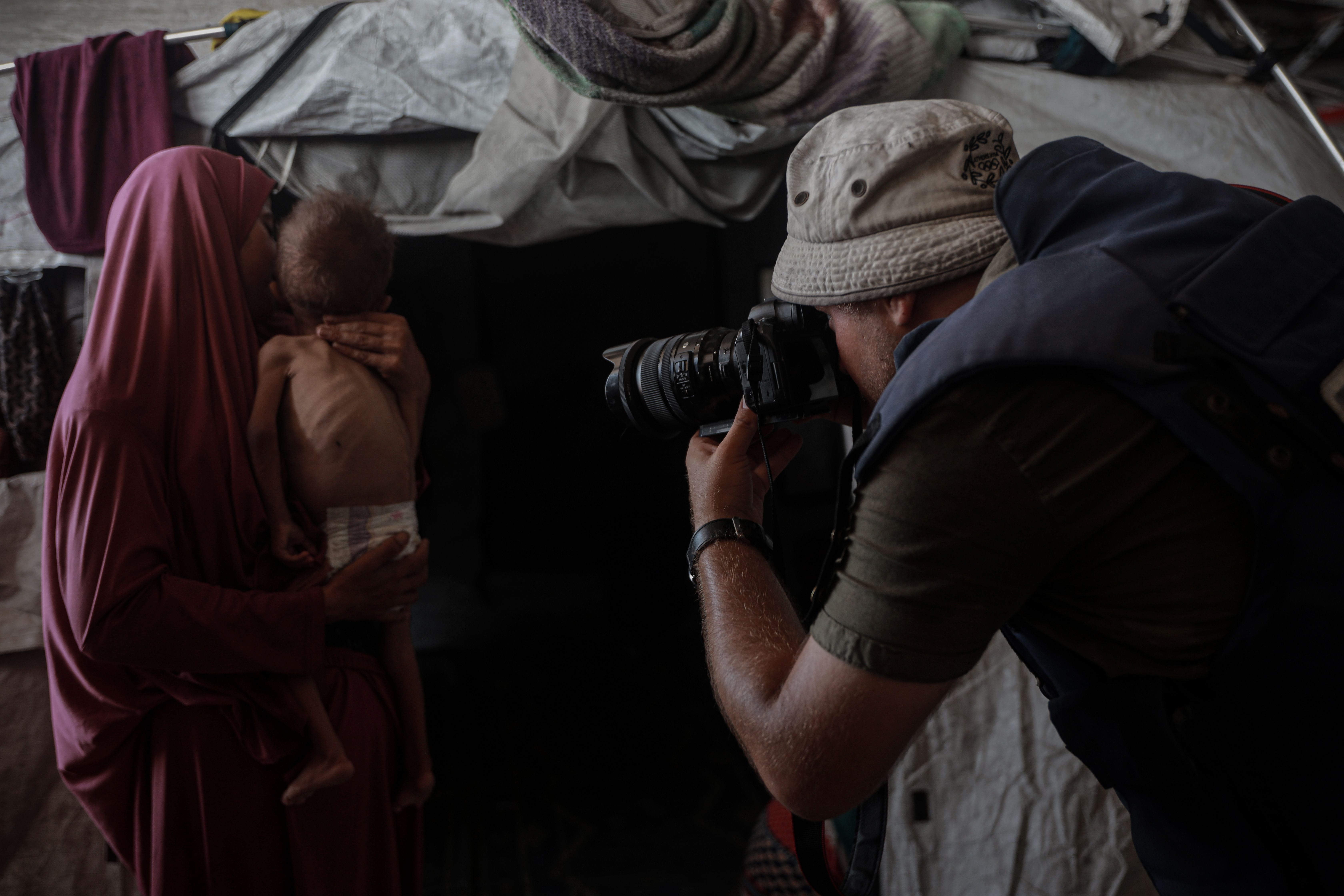
في المقابل، يمكن تناول مواضيع التغيّر المناخي من خلال أساليب متنوعة وَفقا لطبيعة المادة المطروحة والجمهور المستهدف. يُعتبر السرد القصصي لتجارب الناس الواقعية مع آثار التغيّر المناخي أحد القوالب الفعّالة للوصول إلى الجمهور بشكل أعمق، ويمكن دعمه بمعلومات علمية تعزز قدرته على توضيح الصورة الأكبر.

رغم أن أخبار ارتفاع أسعار الطعام وانقطاع الكهرباء  تحظى بتغطية واسعة، فإنها كثيرا ما تقدم بمعزل عن سياق التغير المناخي،  لكن ارتباطها المباشر بتفاصيل الحياة اليومية يجعلها مدخلا فعّالا لطرح القضيّة بطريقة أقرب وأكثر وضوحا للجمهور. عنوان مثل "لماذا ارتفعت فاتورة الكهرباء؟" قد يَلقَى تجاوبًا أكبر بكثير من عنوان عام مثل "تهديدات موجات الحَرّ".

 على سبيل المثال، يمكن تناول النقص التاريخي في الأمطار هذا العام من زاوية ملموسة عبر تتبّع موسم الزيتون وارتفاع أسعار الزيت، وتسليط الضوء على قصص مزارعين يواجهون تراجعا في إنتاج محاصيلهم، وإسناد هذه القصص ببيانات تعكس انخفاض إنتاج الزيتون أو تراجع معدلات هطول الأمطار في الأعوام الأخيرة أو غيرها من المؤشرات التي تعكس ملامح التغيّر المناخي وتقاطعاتها مع الواقعين الاقتصادي والاجتماعي. ونظرًا للدور المحوري الذي يؤديه توقيت النشر في صدى الطرح، فإن وجود شخص مطّلع على هذه القضايا ومستعدّ لتناولها حين تكون في صدارة النقاش يعزز قدرة التغطية الصحفية على الوصول إلى الجمهور بشكل فعّال ومرتبط بالواقع. كما يمكن، عند مخاطبة جمهور أكثر تخصصًا أو اهتمامًا، تناول المسائل من زوايا تحليلية أعمق، سواء عبر تفكيك البنية التحتية والسياسات العامة أو دراسة إدارة الموارد أو التباين الاجتماعي في التحديات أو غيرها.

بغض النظر عن طبيعة المادة الصحفية، تساهم الرسوم البيانية - عند توظيفها بشكل مناسب - في توضيح المعلومات وربط الظواهر المناخية بسياقها بشكل فعّال قد لا يمكن أن يحققه النص وحده، سواء التغيّر عبر الزمن مثل معدّل هطول الأمطار أو مساحة المراعي، أو المقارنات مثل مقارنة حصّة الفرد من المياه في منطقة معينة مع مناطق أخرى أو بالمعايير الدولية، أو التوزيع مثل توزيع مصادر الطاقة في دولة معينة، أو العلاقات مثل ارتباط ارتفاع درجات الحرارة بتقلّص المراعي الطبيعية.

على سبيل المثال، بدلاً من الاكتفاء بالقول إن "حصة الفرد من المياه في الأردن تقلّ بنحو 88 بالمئة عن خط الفقر المائي العالمي"، قد يُظهر الرسم البياني التالي للمتلقي صورةً أبلغ؛ فهو يجسد تزايد حدّة الأزمة عبر الزمن، كما يضع الأرقام في إطارها النسبي مقارنة مع خطي الفقر والكفاية المائية.
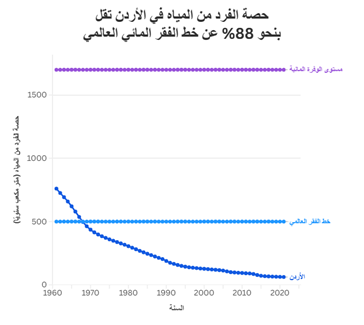
حصة الفرد من المياه في الأردن
مصدر البيانات: Our World in Data www.ourworldindata.org

​​​


من اللافت للانتباه أنه في حين قد يشعر الصحفيون أحيانًا أن تغطية القضايا المعقدة مثل الأزمة المناخية تتطلب تقديم حلول، إلا أن بعض الدراسات (1) تظهر أن الناس قد يرفضون القضية المطروحة برمتها إذا كانت الحلول المقدمة لا تتوافق مع آرائهم السياسية. فالإسراع في تقديم الحلول قد يهمّش فهم جوهر القضية وأبعادها، وهو ما يستدعي تقييم أهمية طرح الحلول بحسب ما يقتضيه السياق.

عند تغطية التغيّر المناخي في المنطقة العربية، لا يواجه الصحفيون تحديًا معرفيًا فحسب، بل تحديًا في بناء الثقة مع الجمهور في قضية كثيرًا ما تُقدَّم من خلال عدسة "غربية" تنقل سرديات حول "المشاريع الخضراء" و"الاستدامة" وأجندات مرتبطة بسياسات تعزز مكاسب القوى المهيمنة والتطبيع البيئي لإدامة أنماط الاستغلال والاستيلاء على الموارد الطبيعية على حساب مجتمعات المنطقة. يزداد هذا التحدي شدّة بسبب استمرار نفوذ الدول الصناعية والجهات التي ساهمت تاريخيًا في تفاقم الأزمة المناخية، وهو ما يزيد شعور الجمهور بعدم الثقة في الاستجابة الدولية لها، خاصة حين يُلقَى على عاتق الدول والمجتمعات الأقل إسهامًا في الانبعاثات عبء غير متكافئ من تكاليف التكيّف والحلول، ويُفاقمه الاعتمادُ المتزايد على القروض من مؤسسات عالمية تحت مسمى "التمويل البيئي" تضيف أعباء مالية جديدة بدل دعم حقيقي يراعي العدالة المناخية.

عند تغطية التغيّر المناخي في المنطقة العربية، لا يواجه الصحفيون تحديًا معرفيًا فحسب، بل تحديًا في بناء الثقة مع الجمهور في قضية كثيرًا ما تُقدَّم من خلال عدسة "غربية" تنقل سرديات حول "المشاريع الخضراء" و"الاستدامة" وأجندات مرتبطة بسياسات تعزز مكاسب القوى المهيمنة والتطبيع البيئي لإدامة أنماط الاستغلال والاستيلاء على الموارد الطبيعية على حساب مجتمعات المنطقة.

إلى جانب البعد السياسي، يساهم اعتماد المعلومات كما تَرِد من مصادر غربية في تعميق فجوة الثقة لدى الجمهور من المنظور المنهجي والمعرفي؛ إذ لا تنطبق كثير من هذه المفاهيم على المنطقة العربية بالطريقة نفسها. مثلًا، يُقدَّم قطاع تربية الماشية دوليًا بوصفه من أبرز مسببات الغازات الدفيئة. لكن هذه المفاهيم لا تعكس بدقة واقع تربية الماشية في أغلب دول المنطقة التي رغم مواجهتها تحديات بيئية فإن طبيعتها تختلف عن أنماط الإنتاج الصناعي التي تستند إليها التقديرات الدولية.

ضمن هذا السياق، تقع على عاتق الصحفيين في المنطقة مسؤولية مضاعفة تتمثل في امتلاك وعي نقدي مزدوج: أن يكونوا قادرين على إنتاج معرفة تستند إلى واقع المنطقة وأولوياتها وتُتيح المساحة لجميع الأطراف المعنية في النقاش، وأن يتعاملوا بحذر مع المعرفة الجاهزة والمصطلحات المستوردة والخطط المطروحة، بالتوازي مع البحث الدقيق في المعلومات والتحقق من المصادر ومساءلة الجهات المؤثرة في صنع القرار وإدارة الموارد.

يمكن للصحفيين في المنطقة أن يؤدوا دورا حاسمًا في تحويل أزمة التغيّر المناخي إلى قضية مفهومة وملموسة من خلال فهم عميق للمواضيع المقدَّمة وتوضيح المخاطر بطريقة بناءة وتفكيك السرديات والخطط المطروحة وتقديم المعلومات بأساليب تحوّل الصحافة المناخية من نشاط هامشي إلى ركيزة أساسية في بناء وعي مجتمعي قادر على مواجهة التحديات المتداخلة، وأداة فاعلة في تحقيق عدالة مناخية تخدم شعوب المنطقة وتصون مواردها.


المراجع


Campbell, T. H., and A. C. Kay. "Solution Aversion: On the Relation Between Ideology and Motivated Disbelief." Journal of Personality and Social Psychology 107, no. 5 (2014): 809–824. https://doi.org/10.1037/a0037963.

 

More Articles

Freelancers in Kashmir Fear Losing Access as Verification Tightens

Kashmir’s new “verification drive” claims to root out impostors, yet its heavy bureaucratic demands mainly sideline the independent freelancers who still dare to report in a shrinking media landscape. But here’s the unsettling question that hangs over the Valley like fog at dawn: who really benefits when the storytellers without institutional shields are pushed out of the frame?
Tauseef Ahmad
Tauseef Ahmad, Sajid Raina Published on: 11 Dec, 2025
Journalists in Maldives Enter New Phase of Government-Controlled Media Repression

As journalists weigh the costs of their work against threats to their lives and families, the fight for press freedom in the Maldives enters a dangerous new chapter, one where the stakes have never been higher.

Sumaiya Ali
Sumaiya Ali Published on: 8 Dec, 2025
Reporting Under Fire: The Struggle of African Journalists Facing Intimidation

African journalists who expose corruption and power now face a brutal mix of arrests, torture, digital surveillance, and lawsuits meant to drain their resources and silence them. From Ethiopia, Nigeria, Malawi, Benin, Sudan, Uganda, and Kenya to exile in Canada, reporting the truth has become an act of personal survival as much as public service.

Nigerian freelance Journalist John Chukwu
John Chukwu Published on: 4 Dec, 2025
Shipwrecked Narratives: How to Keep Migration Stories Afloat

Migration stories don’t become real until you meet people in the journey: the carpenter carrying photos of his fantasy coffins, or the Libyan city worker burying the forgotten dead, or the Tatar woman watching her livelihood collapse at a militarised border. Following these surprising human threads is the only way journalism can cut through collective exhaustion and make readers confront a crisis they’ve been trained to ignore.

Karlos Zurutuza, a freelance journalist and a media trainer. His work has been published in The Guardian, Al Jazeera English, POLITICO, The Middle East Eye and The Independent, among others.
Karlos Zurutuza Published on: 30 Nov, 2025
In-Depth and Longform Journalism in the AI Era: Revival or Obsolescence?

Can artificial intelligence tools help promote and expand the reach of longform journalism, still followed by a significant audience, or will they accelerate its decline? This article examines the leading AI tools reshaping the media landscape and explores the emerging opportunities they present for longform journalism, particularly in areas such as search and content discovery.

. سعيد ولفقير. كاتب وصحافي مغربي. ساهم واشتغل مع عددٍ من المنصات العربية منذ أواخر عام 2014.Said Oulfakir. Moroccan writer and journalist. He has contributed to and worked with a number of Arab media platforms since late 2014.
Said Oulfakir Published on: 24 Nov, 2025
Zapatismo and Citizen Journalism in Chiapas, Mexico

In Chiapas, independent journalists risk their lives to document resistance, preserve Indigenous memory, and challenge state and cartel violence. From Zapatista films to grassroots radio, media becomes a weapon for dignity, truth, and survival.

Ana Maria Monjardino
Ana Maria Monjardino Published on: 26 Oct, 2025
Lost in Translation: The Global South and the Flaws of Content Moderation

Global Rules, Local Consequences: How Biased Moderation Fuels Disinformation in the Global South. Unequal systems of AI and human oversight are failing to protect and often silencing non-Western voices online.

Lucia Bertoldini
Lucia Bertoldini Published on: 22 Oct, 2025
Propaganda: Between Professional Conscience and Imposed Agendas

When media institutions first envisioned editorial charters and professional codes of conduct, their primary goal was to safeguard freedom of expression. However, experience has shown that these frameworks have often morphed into a "vast prison", one that strips journalists of their ability to confront authority in all its forms. In this way, Big Brother dons velvet gloves to seize what little space remains for the practice of true journalism.

فرح راضي الدرعاوي Farah Radi Al-Daraawi
Farah Radi Al-Daraawi Published on: 17 Oct, 2025
Journalists Under Occupation; Palestinian Journalists in the West Bank

Palestinian journalists in the West Bank face extreme physical danger, psychological trauma, and systemic targeting under Israeli occupation, yet continue to report with resilience, amplifying the voices of their people despite global indifference and media bias.

Synne Furnes Bjerkestrand
Synne Bjerkestrand Published on: 13 Oct, 2025
Narrative Without Debate: The Telegraph’s Comment Ban on Gaza Coverage

What does it mean for readers when their voices are deliberately cut off? This content analysis of The Telegraph, a UK-based conservative newspaper known for its pro-establishment stance and alignment with right-leaning narratives, shows it systematically disabled Instagram comments on Israel-Gaza posts, blocking dissent and shaping a one-sided, pro-Israel narrative.

Mohammed Ramees
Mohammed Ramees Published on: 9 Oct, 2025
The Silent Death of Urdu Newspapers in India

With a 200-year history, Urdu newspapers in India are now facing a silent death—trapped in a cycle of decline where circulation has fallen by nearly 25%, advertising is absent, and government support is scarce. What vanishes is more than print: it is the erosion of a cultural and political lifeline that once bound Hindus, Muslims, and Sikhs in common debates and carried the voices of the marginalised into India’s public sphere.

Hanan Zaffa
Hanan Zaffar, Majid Alam Published on: 1 Oct, 2025
Mental Health in Newsrooms

Newsrooms, long lauded as bastions of information, are quietly grappling with a mental health crisis, underscoring an urgent need for systemic support, emotional safety, and sustainable practices to protect those telling the world’s stories.

Faras Ghani Published on: 27 Sep, 2025
Why Are Young Journalists in Kashmir Quitting Before They Begin?

In Kashmir, mounting censorship, political pressure, and shrinking job prospects are forcing a generation of aspiring journalists to abandon the profession, many before they even get the chance to begin, leaving behind a media landscape stripped of dissent, debate, and independent voices.

Abrar Fayaz, Muqeet Mohammed Shah Published on: 23 Sep, 2025
Sudan’s Journalists Are Being Silenced: By Bullets, Exile, and Fear

The collapse of the media industry in Sudan has subjected journalists to physical threats, legal and professional challenges, with no functioning legal system to investigate crimes committed against the press.

Nalova Akua
Nalova Akua Published on: 17 Sep, 2025
Nepali Journalists Trapped Between “GenZ” Protest and State Crackdowns

Nepali journalists are under attack on two fronts: facing violence from protesters in the streets while also being targeted by government crackdowns, restrictive laws, and political interference that threaten press freedom.

Sumaiya Ali
Sumaiya Ali Published on: 12 Sep, 2025
Interview with Zina Q. : Digital Cartography as a Tool of Erasure in Gaza

Amid Israel’s war on Gaza, Zina Q. uncovers how Google Maps and satellite imagery are being manipulated; homes relabelled as “haunted,” map updates delayed, and evidence of destruction obscured, revealing digital cartography itself as a weapon of war. By exposing these distortions and linking them to conflicts from Sudan to Ukraine, she demonstrates how control over maps and AI surveillance influences not only what the world sees, but also what it remembers.

Al Jazeera Journalism Review
Al Jazeera Journalism Review Published on: 6 Sep, 2025
I Don’t Want You to Be a Journalist, Mama”. Do Gaza’s Journalists Have the Luxury of Absence?

Does the Palestinian journalist in Gaza have the freedom to simply “step away”? How do they navigate the balance between their professional responsibilities and their family life? And to what extent does the duty to report justify the personal cost of being separated from one’s loved ones? Journalist Jenin Al-Wadiya sheds light on the deeply human details that rarely make it to the screen.

Jenin Al-Wadiya
Jenin Al-Wadiya Published on: 31 Aug, 2025
The Continent Experience: A New Kind of Newspaper for the Future of Journalism

The Continent is a new way of empowering people through quality journalism, blending the authority of newspapers with the reach of 21st-century distribution. Readers love it. That’s why we built it. It’s a model other newsrooms can learn from and one that comes with its own set of challenges.

Sipho Kings
Sipho Kings Published on: 28 Aug, 2025
Intersections of Journalism and Social Sciences in the Field

The field is where journalism and the social sciences meet at their most dynamic edge. As the world grows more complex, journalists increasingly take on the role of sociologists, without abandoning their core mission to question power and expose uncomfortable truths. By drawing on the methods and insights of social science, journalism deepens its coverage, grounds stories in real-world contexts, and resists the temptation of surface-level narratives.

Mohammed Ahddad
Ahdad Mohamed Published on: 23 Aug, 2025
Anas Al-Sharif’s Killing and the Israeli Media Narrative

Following the assassination of journalist Anas Al-Sharif, Palestinian journalists have been framed in Israeli media as legitimate military targets—part of a deliberate strategy to silence those who bear witness to the truth. This article explores how Hebrew-language media outlets have engaged in rhetoric that incites and legitimises the killing of journalists in Gaza.

Anas Abu Arqoub
Anas Abu Arqoub Published on: 19 Aug, 2025
New Media Reforms in Bangladesh Introduced to Replace Hasina-Era Journalism

Bangladesh’s interim government, led by Muhammad Yunus, has launched ambitious media reforms to undo the legacy of Sheikh Hasina’s 15-year rule, which was marked by censorship, media monopolies, and the notorious Digital Security Act. However, despite promises of greater freedom, journalists remain wary, as self-censorship, restrictive laws, and public scepticism continue to cast doubt on genuine change.

Sumaiya Ali
Sumaiya Ali Published on: 17 Aug, 2025
Monitoring of Journalistic Malpractices in Gaza Coverage

On this page, the editorial team of the Al Jazeera Journalism Review will collect news published by media institutions about the current war on Gaza that involves disinformation, bias, or professional journalistic standards and its code of ethics.

A picture of the Al Jazeera Media Institute's logo, on a white background.
Al Jazeera Journalism Review Published on: 11 Aug, 2025
The Washington Post: When Language Becomes a Veil for Pro-Israel Bias

How did The Washington Post's coverage differ between Israel’s bombing of Gaza hospitals and Iran’s strike on an Israeli hospital? Why does the paper attempt to frame Palestinian victims within a “complex operational context”? And when does language become a tool of bias toward the Israeli narrative?

Said Al-Azri
Said Al-Azri Published on: 6 Aug, 2025
The Human Story in Gaza: The Deadly Dilemma of “Who Do We Tell About?”

In the accelerating context of genocide, is the “pace” of death in Gaza outstripping journalists’ ability to capture human stories? How can they be expected to take their time crafting narratives amid hunger, displacement, and death? And to what extent can postwar documentation hold journalistic value in preserving collective memory and pursuing accountability for the perpetrators?

Mirvat Ouf
Mirvat Ouf Published on: 3 Aug, 2025