كي لا يموت الناس في العتمة

كي لا يموت الناس في العتمة


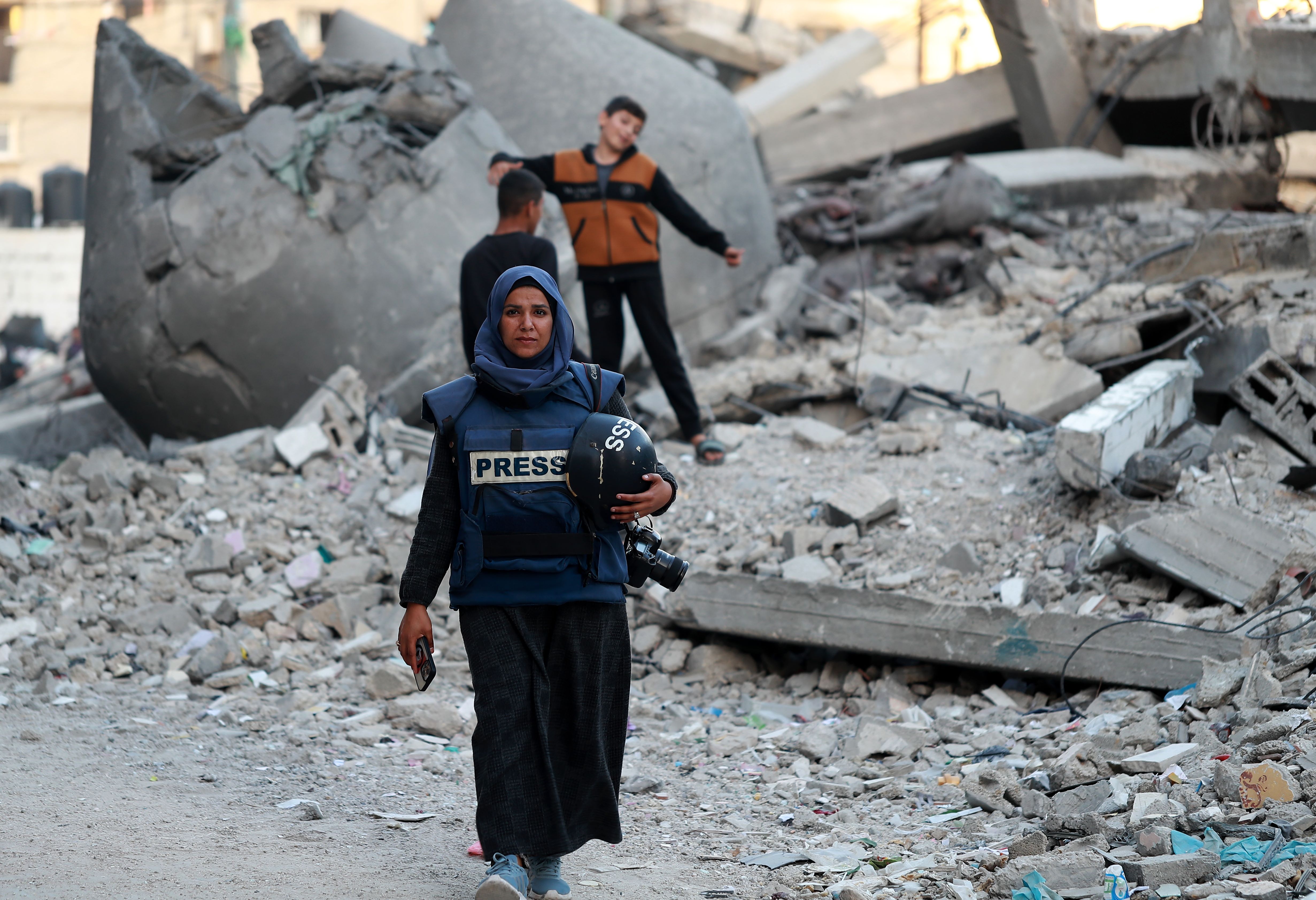
حتى في أصعب أيامنا، قبل أن تلتهم المحرقة مدينتنا، كانت غزة تمضي على وتيرة يومية مثقلة بالهموم والمعاناة؛ ازدحام المعيشة وانقطاع الكهرباء والانتظار الطويل عند أبواب الحصار… وكان الغزّي قد اعتاد هذه التحديات اليومية إلا أننا كنّا نراها أقصى ما يمكن أن يُبتلى به المرء، لندرك لاحقًا أنها لم تكن سوى زمنٍ أهون مما تلاه.

وامتدادا لتلك الذاكرة، أستعيد يومًا جلستُ فيه مع أبو جميل الريّس صاحب مكتبة قديمة في سوق الزاوية قبل نحو خمس سنوات لأجري معه مقابلة صحفية. دخل صديق له، ألقى السلام وسأل من أكون. وقبل أن أنطق بادره أبو جميل قائلا: "ماري..  صحفية".

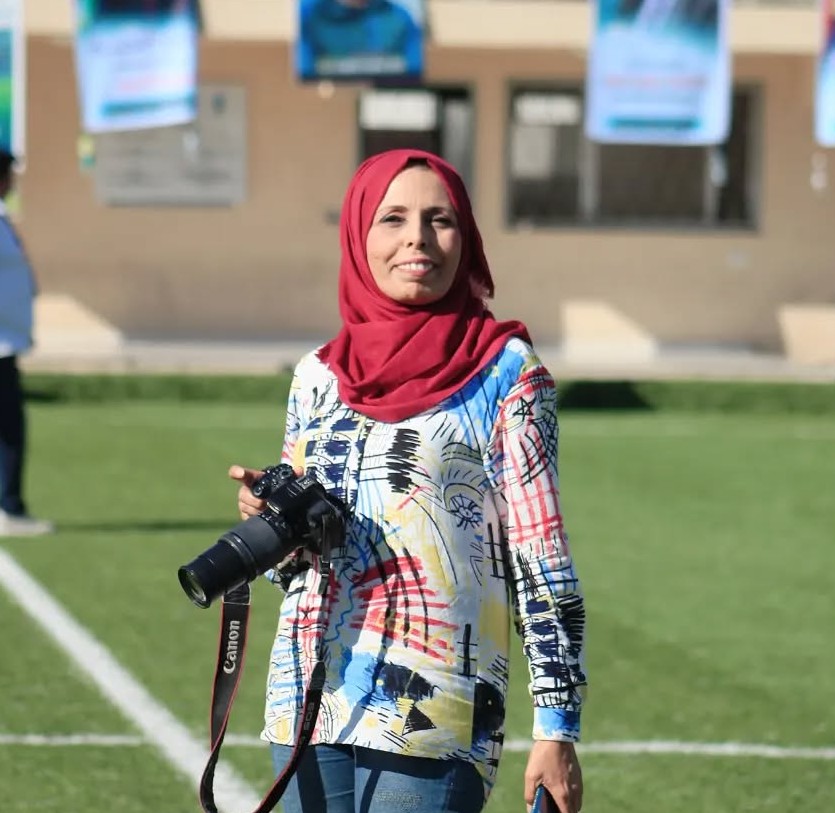
تجمّدت اللحظة داخلي كأنني سمعت اسما آخر غير اسمي. لطالما هربت من هذه الكلمة، وأصررت على أنني ماري فقط، الفتاة التي تصادقت مع اللغة حتى غدت عالمها. لم أكن مستعدة لأن أرى نفسي مختزلة في مصطلح بدا أثقل من أن أحتمله. ظللت أتساءل لدقائق: من هي تلك التي أشار إليها؟
حين اندلعت الحرب في السابع من أكتوبر/تشرين الأول 2023، وحملنا على أكتافنا عبء تغطيتها، أذكر اليوم الذي تواصل فيه صديقي محمّد يخبرني أن عليّ أن أعمل خلال الحرب. كنت يومها في دير البلح نازحةً مع عائلتي، ولم يخطر لي أن أغادر مكاني أو أن أنخرط في أي عمل. أجبته بأن هذا الوقت غير مناسب لشيء، لا للعمل ولا لأي محاولة أخرى. لكنّه قال لي بوضوح: الآن هو الوقت، إن لم يكن الآن فمتى؟ هذا هو الزمن الأشد حاجة لأن تكوني في الميدان.

ظلّت كلماته تدور في رأسي طوال الليل. ومع الصباح، تواصلت مع أحد الأصدقاء وأخبرته أنني أنوي العودة إلى العمل. بعدها رُشِّح اسمي لإحدى الجهات، وبعد يومين فقط من حديثي مع محمّد كنت قد أنجزت أولى القصص. منذ ذلك الحين بدأ هذا المصطلح "الصحفيّة" يتجذّر في داخلي، يشتد مع صلابة الحرب وقسوتها ويترسخ مع كل يوم يمرّ من الدم. ومع الوقت، صار يعرّفني بعمقٍ أكبر مما كنت أجرؤ يومًا أن أعرّف نفسي به.


في زمن الإبادة

الآن، في زمن الإبادة هذا، بتُّ أكثر إيمانا بهذه المهنة، وممتنّة لها لأنها أضافت إليّ ما لم تضفه أي تجربة أخرى؛ منحتني القدرة على أن أرى الناس في هشاشتهم وقوتهم معًا، وأن أكون صوتا لمن انطفأ صوته قبل أن يجد صداه. ومع هذا الإيمان، وجدت نفسي في اختبار قاسٍ: أن نُؤنسن قصص الشهداء، وأن نمنحهم حقهم ومكانتهم وقيمتهم وسط زحام الأحداث وتدفّقها الهائل، أن نحوّل حكاياتهم إلى شيءٍ حيّ لا يموت بارتقاء صاحبه، وأن نحررهم من قوائم "العواجل" الباردة.

استذكرتُ حالة اليأس التي أغرقتني بعدما تلقيت خبر استشهاد المزارع يوسف أبو ربيع ابن بيت لاهيا. قبل ساعاتٍ فقط من رحيله، كنت قد أجريت معه مقابلة صوتية لإعداد مادة صحفية عن اشتداد المجاعة في شمال غزة في ظل تصاعد الأحداث مجددًا في أكتوبر/ تشرين الأول 2024 بعد فترة من الهدوء النسبي. كان يحدثني عن إصراره الذي لا ينكسر: في كل مرة يخرب الاحتلال ما زرعه، يعود ليزرع من جديد.(1)

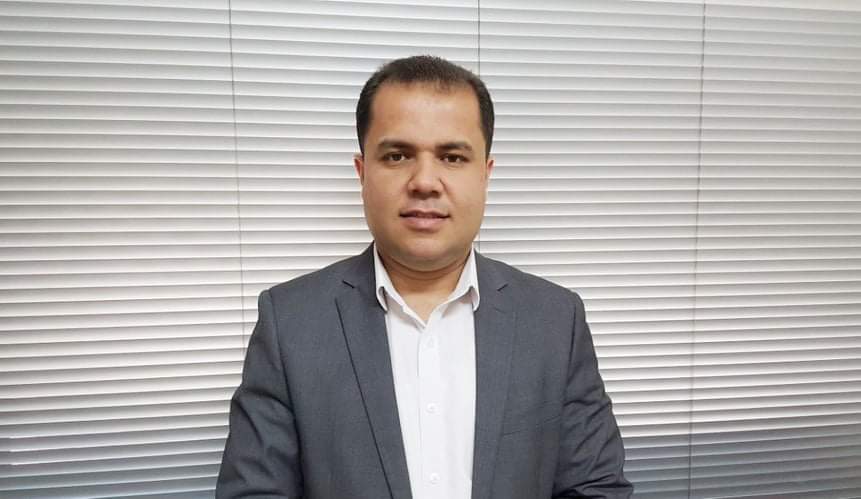
في تلك الأثناء، كنت أتهيأ لمقابلة مع الصحفي إسلام بدر أستاذي في زمن مضى. سألته بصدق: هل ثمة جدوى لما نفعله؟ لتغطياتنا؟ كنت أبحث عن إجابة تعيد إيماني بما أعمل، فقال لي جملة لم تفارقني "ما نفعله الآن من أجل أن يموت الناس في النور، لا في العتمة" عندها أيقنت أن ما ندركه نحن وسط العتمة، لن يدركه غيرنا في النور. 

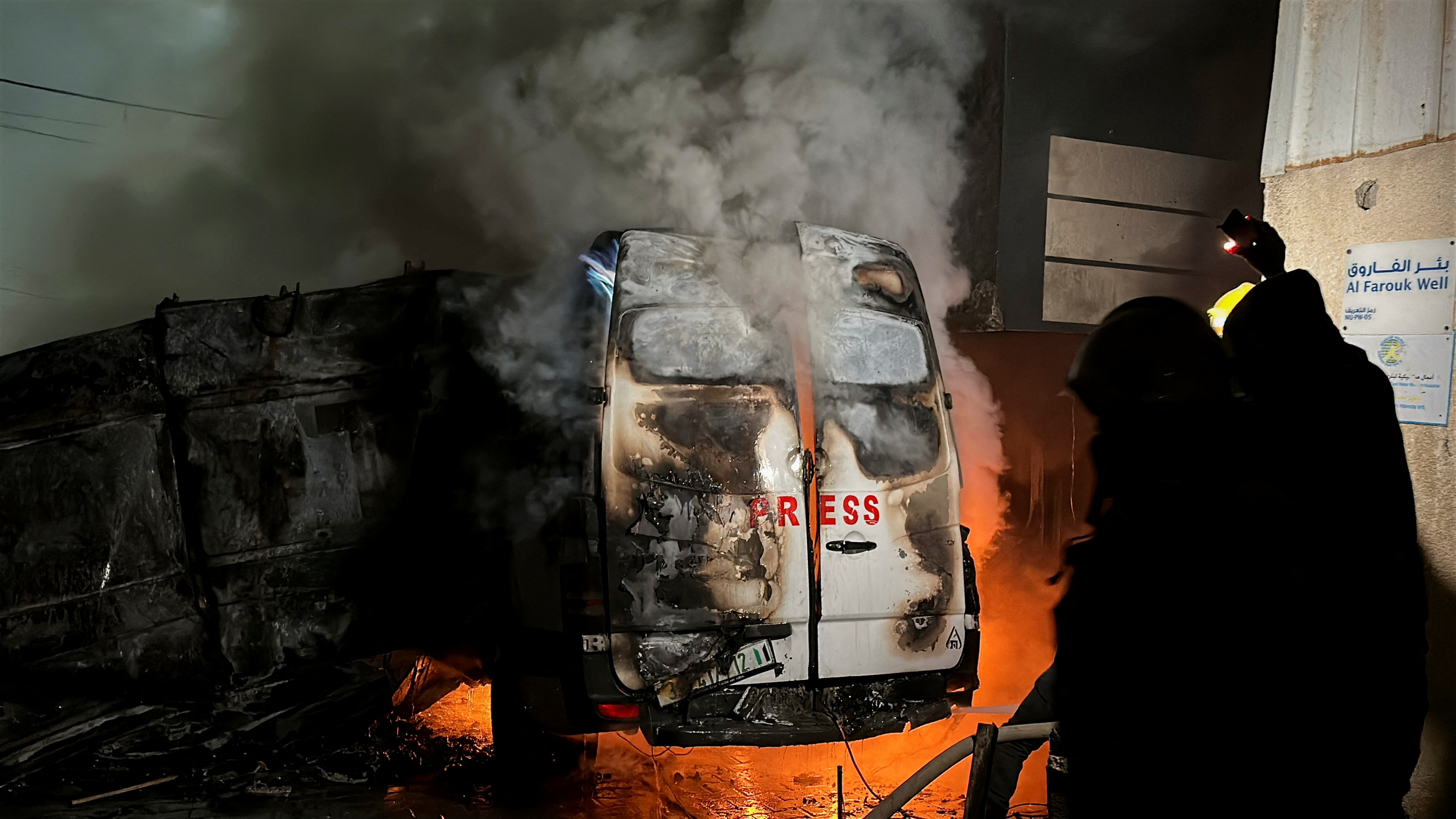
كان الميدان يضعنا كل يوم أمام امتحان جديد، يختبر قدرتنا على الاحتمال أكثر من قدرتنا على التوثيق. في أحد تلك الأيام، وجدتني وجها لوجه مع عبد العزيز ابن زميلنا الصحفي الشهيد محمد خريس الناجي الوحيد من عائلته بعدما استهدف الاحتلال خيمتهم. طفل لم يتجاوز الحادية عشرة من عمره، ومع ذلك حمل في عينيه ما لا يقوى على حمله رجل بالغ. جلست أمامه وتجمدت عاجزة عن أن أنبس بحرف.

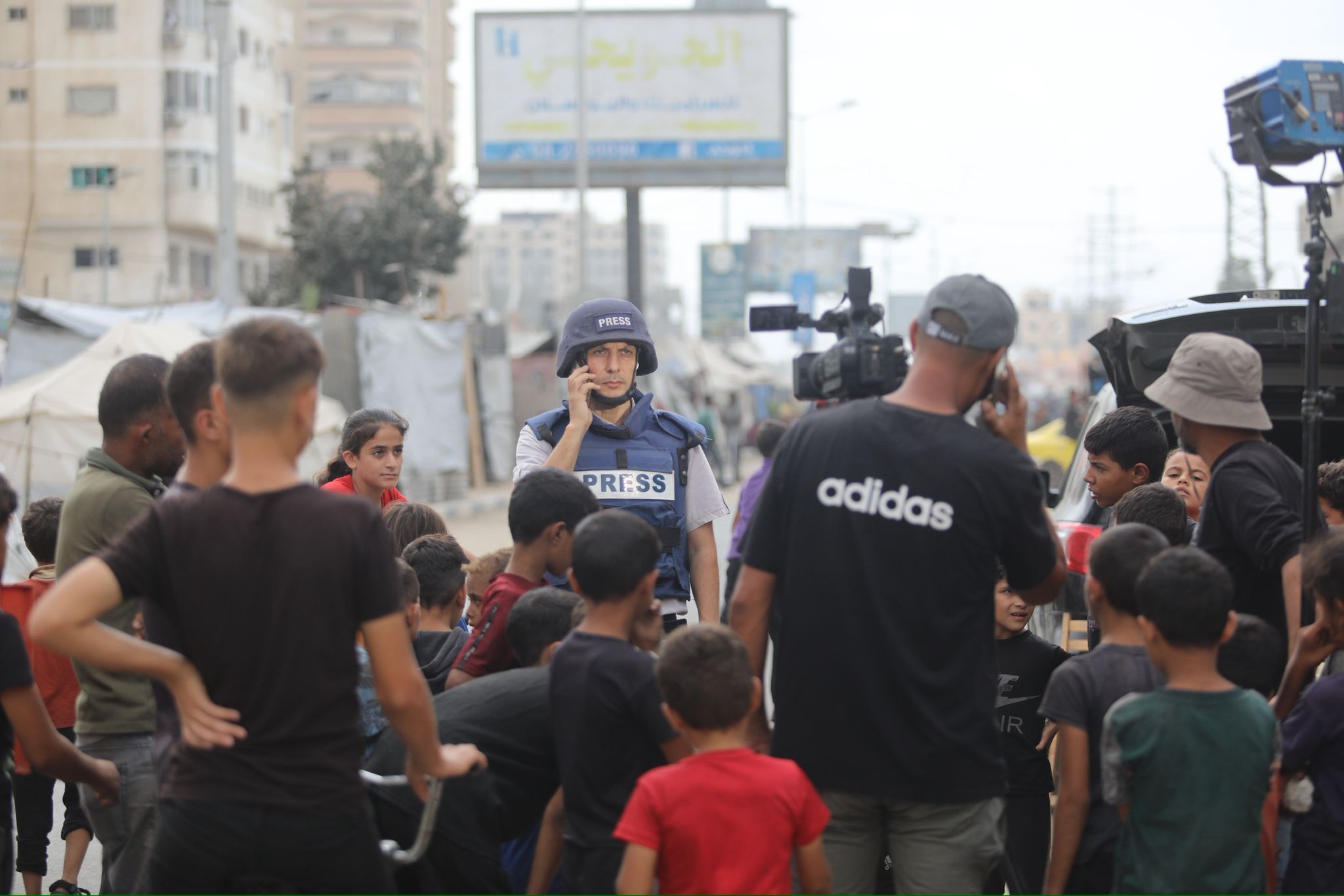
أن تكون صحفيا في غزة يعني ألا تكون غريبا عن قصص الألم التي توثّقها؛ فأنت واحد منها وابن هذه المعاناة، لك حكاية موازية لكل حكاية ترويها، ولك جرح يشبه جروح من تقابلهم. يخرج الصحفي في النهار ليلحق الحدث، يمشي عشرات الكيلومترات على قدميه في غياب المواصلات والوقود، ثم يعود إلى مأواه البائس "الخيمة" حيث لا شيء يدلّ على أبسط شروط الحياة. يعود مثقلا بالجوع والإنهاك والفقد الجديد شاهدا وناجيا في آن واحد، يحمل همّه وهمّ الناس معًا.

في تلك الأثناء، كنت أتهيأ لمقابلة مع الصحفي إسلام بدر أستاذي في زمن مضى. سألته بصدق: هل ثمة جدوى لما نفعله؟ لتغطياتنا؟ كنت أبحث عن إجابة تعيد إيماني بما أعمل، فقال لي جملة لم تفارقني: "ما نفعله الآن من أجل أن يموت الناس في النور، لا في العتمة".

ولعل أوضح ما يختصر هذه الحقيقة، ذلك اليوم الذي وجدتني أعمل من داخل قسم غسيل الكلى في مستشفى شهداء الأقصى، بعدما قيل لي إنه المكان الوحيد الذي توجد فيه شبكة إنترنت قوية. كانت خيمة الصحفيين هناك مكتظة، وكان علينا أن ننجز مواد صحفية تُرسل للعالم، بينما كان زملاؤنا في الخارج يعملون من مقاهٍ تبث الموسيقى والحياة. هنا كان المشهد مختلفًا: أنين المرضى الذين تُركوا يواجهون الموت بلا دواء، مختلطا بأنين ذوي الشهداء الصاعد من باحة المستشفى.

تكسّرت المعاني كلها. لم يعد للمكان حرمة تخصّه، ولا لزمان العيد معناه. صرنا نعمل في أي ظرف وأي مكان، حتى صار الأمر اعتيادا قاسيا. جلستُ على مكتب الاستقبال لأكتب، بينما كانت سيدة إلى جواري تجلس على الأرض تكلم ابنها المغترب عبر الهاتف، وغلبتها دموع الشوق والتعب. في الوقت نفسه كانت تصلني رسائل من مسؤولة النشر والجدولة، تطلب أن أنهي سريعا لتضع المواد على جداول النشر، ثم كتبت في الختام: "حتى أدخل في إجازة الويكإند والعيد".

حينها شعرت ببرودة تسري في جسدي. بكيت: على نفسي كفتاة ينهكها هذا الواقع، وعلى الأمهات، وعلى المرضى والأطفال الذين حُرموا حتى من أبسط حقوق الحياة. ولكم أن تتخيلوا كيف عدت بعدها إلى مكان نزوحنا مثقلة بهذه المفارقات أتساءل: أي عيد يمكن أن يمرّ دون غزة؟

أتذكر موقفا من هذا العام الذي تلا تلك الحادثة، من عيد الأضحى، أعادت فيه المحرِّرة إليّ المادة التي كنت أعدّها للتغطية، وكانت فكرتها أن نحصي عدد الأطفال الغزيين الذين سيغيبون عن هذا العيد. كانت الإحصائية وقتها 17800 طفل شهيد، لكنها طلبت مني رفع الرقم إلى 18000؛ لأنها ترى أن العدد سيرتفع خلال اليومين القادمين "ولا وقت لدينا لاحقًا لتعديله"، بدا لي حينها أن الأطفال الأبرياء الذين لا ذنب لهم أصبحوا مجرد أرقام تتزايد بلا مبالاة.

منذ ذلك اليوم، وكلما تذكرت الموقف شعرت كأن سكّينا ينخر جسدي بلا رحمة. ماذا عن أمهات هؤلاء الأطفال؟ كيف يستمررن في العيش بعد أن فقدن فلذات أكبادهن؟ صدق القول: "إلي بعدّ الضرب مش مثل إلي بياكله".

جلستُ على مكتب الاستقبال لأكتب، بينما كانت سيدة إلى جواري تجلس على الأرض تكلم ابنها المغترب عبر الهاتف، وغلبتها دموع الشوق والتعب. في الوقت نفسه كانت تصلني رسائل من مسؤولة النشر والجدولة، تطلب أن أنهي سريعا لتضع المواد على جداول النشر، ثم كتبت في الختام: "حتى أدخل في إجازة الويك إند والعيد".

كشف لي هذا الموقف جانبا مريرا من طبيعة التعامل مع القصص الإنسانية، خاصة مع من هم خارج معادلة هذه المجزرة الجارية. كيف يمكن أن تتحول دماء الأطفال إلى مادة قابلة للاستهلاك إلى هذا الحد؟ إلى مجرد رقم يمكن التلاعب به بعيدا عن أي شعور بالمسؤولية تجاه الواقع الجنوني الذي نعيشه؟

أتذكر صباح يوم جمعة من آب/أغسطس 2024، حين استيقظنا في مكان نزوحنا شرق دير البلح على أصوات إطلاق نار كثيف من المسيرات الإسرائيلية. كانت عملية برية تُنفَّذ على بُعد أمتار، ولم نجد أمامنا سوى حَزم أغراضنا والنزوح مجددًا، بعد سقوط منشورات الإخلاء في المنطقة.

نزحنا إلى مواصي خان يونس للمرة الأولى، من دون أن نعرف إلى أين سنذهب أو أين سنحط رحالنا. في ذلك اليوم كان مُقرَّرا اجتماع مهم في عملي، وكان لا بد أن أكون حاضرة فيه. أخذت أفكر في التيه الذي نعيشه، في هذه الدوامة التي لا أمان فيها ولا استقرار، وكيف يمكن أن تنقلب حياتنا في لحظات قليلة.

حمدت الله على ما تبقّى لنا من أقدار، وحاولت أنا وعائلتي أن نغادر بسرعة منذ السابعة صباحًا.

أعادت لي المحررة المادة، وكانت فكرتها أن نحصي عدد الأطفال الغزيين الذين سيغيبون عن هذا العيد. كانت الإحصائية وقتها 17800 طفل شهيد، لكنها طلبت مني رفع الرقم إلى 18000؛ لأنها ترى أن العدد سيرتفع خلال اليومين القادمين "ولا وقت لدينا لاحقًا لتعديله". كشف لي هذا الموقف جانبا مريرا من طبيعة التعامل مع القصص الإنسانية: كيف يمكن أن تتحول دماء الأطفال إلى مادة قابلة للاستهلاك إلى هذا الحد؟ إلى مجرد رقم يمكن التلاعب به بعيدا عن أي شعور بالمسؤولية تجاه الواقع الجنوني الذي نعيشه؟

كان الطريق من دير البلح إلى خان يونس شاقّا وطويلا، في ظل زحمة السير واكتظاظ النازحين الذين يحاول الاحتلال حشرهم في زاوية واحدة.. استغرقت الطريق ساعتين كاملتين، وهي التي كانت لا تستغرق أكثر من عشر دقائق في الوضع الطبيعي قبل هذه المأساة.
ما إن وصلنا حتى تركتُ عائلتي هائمة تبحث عن مكان، وخرجتُ أحمل حقيبتي التي فيها حاسوبي أبحث عن مكان يوجد فيه إنترنت وكهرباء. مشيت على غير هدى تحت شمس حارقة، واستمرت رحلة البحث أكثر من ساعة ونصف حتى اهتديت إلى مقهى على البحر في شارع "النص" بمواصي خان يونس. وصلت منهكة الساعة الحادية عشرة والنصف، وقد جفّ حلقي، ولم يتبقّ سوى ربع ساعة لبداية الاجتماع، جلست بسرعة، فتحت الحاسوب، أوصلته بالكهرباء، وطلبت كلمة مرور الإنترنت. تفقّدت مجموعات العمل في الواتساب فلم أجد أي نشاط، فساورتني الشكوك وأرسلت لزملائي أتأكد إن كان الاجتماع قد بدأ أم لا، انتظرت قليلا حتى جاءني الرد بأن الاجتماع سيؤجَّل لما بعد صلاة الجمعة.

هناك ولأول مرة، شعرت في ذلك اليوم أن عندي ترفا صغيرا للبكاء؛ أن أتنفّس بعمق بعد كل هذا الركض والتعب الذي أدمى قلوبنا قبل أرجلنا. بكيت، وتراكمت عليّ أحزان المدينة وأهلها دفعةً واحدة، بكيت على الناس الذين أُسقطت عليهم هذه المأساة بلا رحمة، بكيت لأنني كنت مُنهكة وأردت فقط أن أعود إلى حضن أمي في الحال، وأن يحتوينا جميعا منزلنا الذي أخرجنا منه مغول العصر قسرًا، بكيت على أماكن عملنا وعلى الشوارع التي كانت تحفظ خطواتنا ذات يوم..
بكيت وأنا أنظر إلى البحر؛ ذاك البحر الذي كان دائمًا شاهدا على هزائمنا الصغيرة وأحلامنا الكبيرة، بكيت وتمنيت للحظة أن يأتي ويبتلعني كي أستريح ولو قليلا. 

بعد أكثر من سبعمئة يوم، بعد أن نسينا كيف كان طعم ولون الحياة الطبيعية، ما زلنا عالقين في ذات الطاحونة القاتلة؛ من نزوحٍ إلى آخر، ومن موتٍ إلى موتٍ، نُقتلع ألف مرة ومرة.. وكلما حاولنا أن نتكيّف مع بؤسنا يطلق الاحتلال لعنته من جديد، فلا يترك لنا حتى رفاهية البكاء على قدرنا أو الاستراحة من ثِقل المكابدة، ليس لدينا إلا أن نستمر، أن يعمل أحدنا وكأن شيئا لم يحدث في اليوم الذي سبقه. جميعنا اضطررنا للعمل في اليوم نفسه الذي بدأ بنزوحنا القسري - اقتلاعنا، إن صح التعبير- أو في اليوم الذي تلا فقدَ أحد من الأهل أو الأحبة. لا خيار أمامنا سوى الركض المتواصل، نتعثر أكثر مما نقف؛ فمن يتوقف تطحنه الرحى التي نصارع دورانها كل يوم.


(1) كتبت الشهادة في شهر آب/ أغسطس 2025 لصالح كتاب: وحدنا غطينا الحرب، الصادر عن معهد الجزيرة للإعلام.
More Articles

Journalism in Gaza… A Race Against the Train of Genocide

In the following account, Amira Nassar presents a narrative filled with intricate detail, intimate exchanges, and an unyielding struggle over the meaning of writing amid slaughter and starvation. Part of The Journalism Review’s documentary project recording the testimonies of journalists in Palestine and the Gaza Strip during the ongoing genocide, it stands as a testament against oblivion and the machinery of extermination.
Amira Nassar
Amira Nassar Published on: 27 Feb, 2026
From News Reporting to Documentation: Practical Lessons from Covering the War on Gaza

From the very first moment of the genocidal war waged by Israel on Gaza, Al Jazeera correspondent Hisham Zaqout has been a witness to hunger, devastation, war crimes, and the assassination of his colleagues in the field. It is a battle for survival and documentation, one that goes beyond mere coverage and daily reporting.

Hisham Zakkout Published on: 26 Jan, 2026
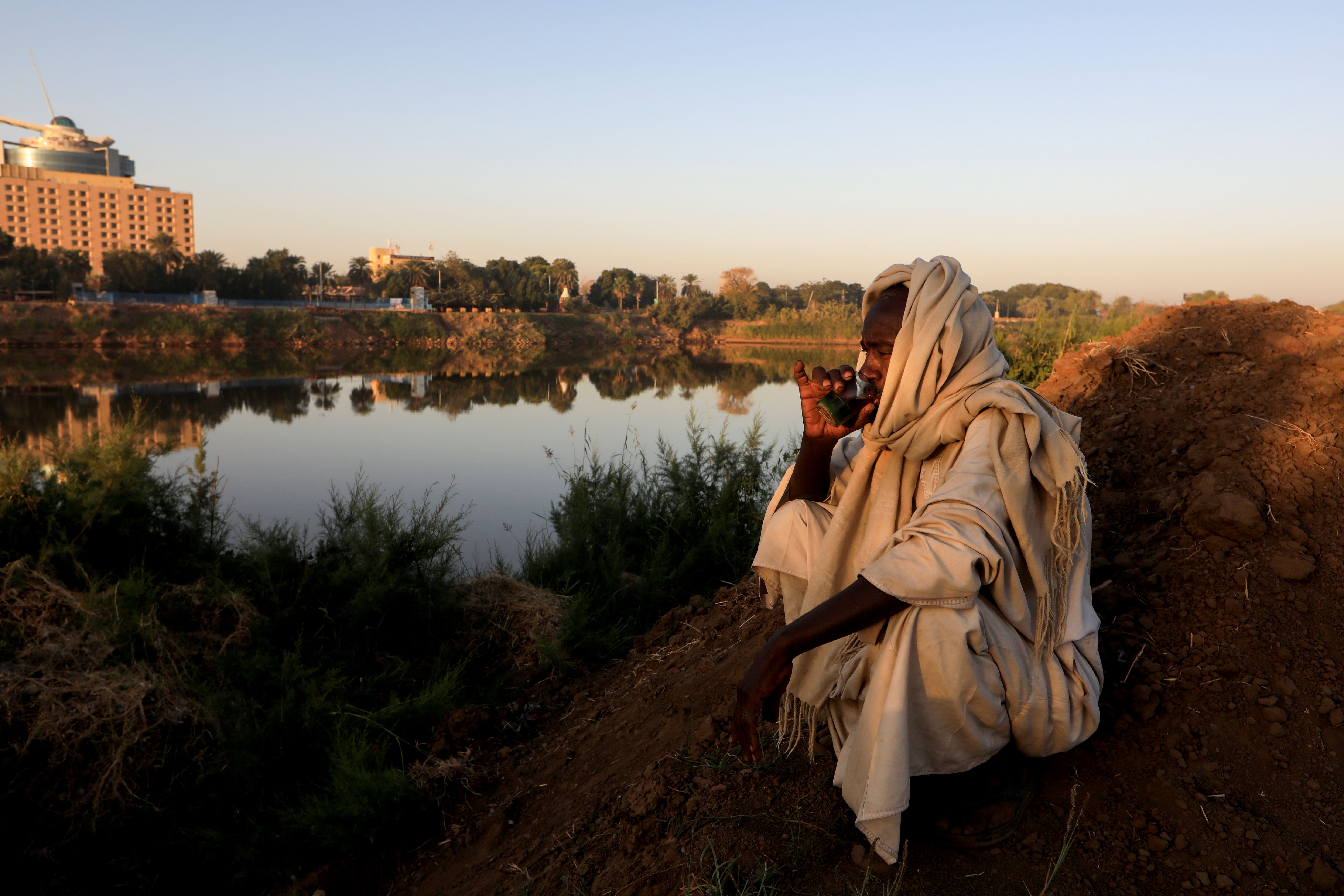
A Sudanese Journalist in the Grip of the Rapid Support Forces

She was arrested, tortured, nearly raped, threatened with death, and subjected to degrading abuse. Her brother was brutally mistreated in an effort to locate her. In the end, her family had to pay a ransom to secure her release. She sought refuge abroad, but eventually returned to Sudan to continue documenting the war’s toll, particularly in El Fasher, a city now under siege. This is the harrowing account of a Sudanese journalist detained and tortured by the Rapid Support Forces.

Empty screen
Sudanese Female Journalist Published on: 3 Nov, 2025
Anas Al Sharif; Killed by Israel, but His Final Words Will Echo far Beyond His Death

For over a year and a half, Anas Jamal al-Sharif refused to leave northern Gaza, documenting the destruction and loss that others tried to hide. Tonight, Israel silenced his voice, but his final words, written on April 6, will echo far beyond his death.

Al Jazeera Journalism Review
Al Jazeera Journalism Review Published on: 11 Aug, 2025
Charged with Being a Journalist in Sudan

Between the barricades of the conflicting parties, sometimes displaced, and sometimes hiding from bullets, journalist Iman Kamal El-Din lived the experience of armed conflict in Sudan and conveyed to Al-Sahafa magazine the concerns and challenges of field coverage in a time of deception and targeting of journalists.

Iman Kamal El-Din is a Sudanese journalist and writer
Eman Kamal El-Din Published on: 2 Feb, 2025
From Journalism to Agriculture or “Forced Unemployment” for Sudanese Journalists

How did the war in Sudan push dozens of journalists to change their professions in search of a decent life? In this article, colleague Muhammad Shaarawi recounts the journey of journalists who were forced by war conditions to work in agriculture, selling vegetables, and other professions.

Shaarawy Mohammed
Shaarawy Mohammed Published on: 23 Jan, 2025
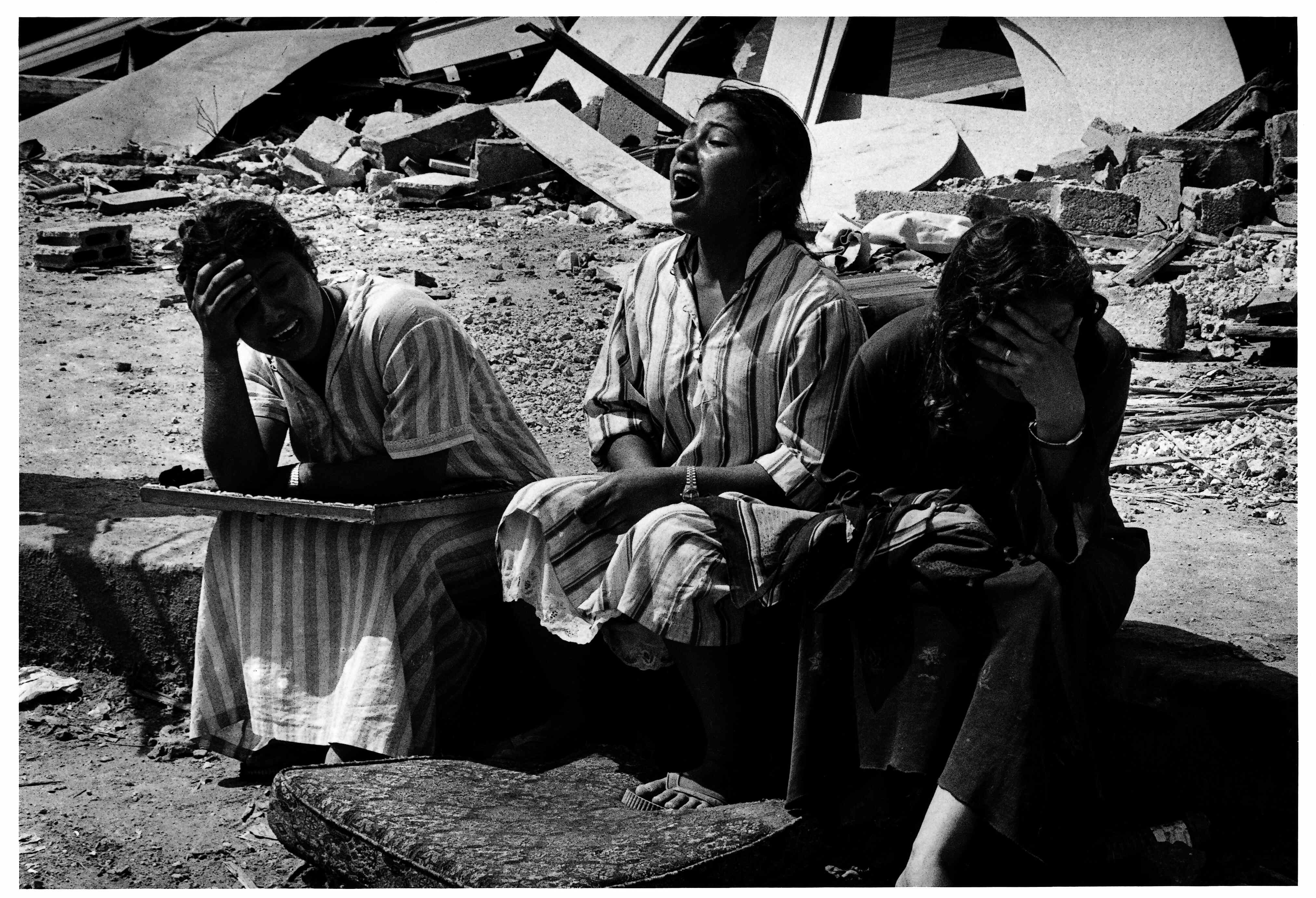
Testimonies of the First Witness of the Sabra & Shatila Massacre

The Sabra and Shatila massacre in 1982 saw over 3,000 unarmed Palestinian refugees brutally killed by Phalangist militias under the facilitation of Israeli forces. As the first journalist to enter the camps, Japanese journalist Ryuichi Hirokawa provides a harrowing first-hand account of the atrocity amid a media blackout. His testimony highlights the power of bearing witness to a war crime and contrasts the past Israeli public outcry with today’s silence over the ongoing genocide in Gaza.

Mei Shigenobu مي شيغينوبو
Mei Shigenobu Published on: 18 Sep, 2024
Journalist Mothers in Gaza: Living the Ordeal Twice

Being a journalist, particularly a female journalist covering the genocide in Palestine without any form of protection, makes practicing journalism nearly impossible. When the journalist is also a mother haunted by the fear of losing her children, working in the field becomes an immense sacrifice.

Amani Shninu
Amani Shninu Published on: 15 Sep, 2024
The Gaza Journalist and the "Heart and Mind" Struggle

Inside the heart of a Palestinian journalist living in Gaza, there are two personas: one is a human who wants to protect his own life and that of his family, and the other is a journalist committed to safeguarding the lives of the people by holding on to the truth and staying in the field. Between these two extremes, or what journalist Maram Hamid describes as the struggle between the heart and the mind, the Palestinian journalist continues to share a narrative that the occupation intended to keep "away from the camera."

Maram
Maram Humaid Published on: 18 Aug, 2024
Challenges of Investigating Subculture Stories in Japan as a Foreign Correspondent

Japan's vibrant subcultures and feminist activists challenge the reductive narratives often portrayed in Western media. To understand this dynamic society authentically, journalists must approach their reporting with patience, commitment, and empathy, shedding preconceptions and engaging deeply with the nuances of Japanese culture.

Johann Fleuri
Johann Fleuri Published on: 24 Jun, 2024
The Privilege and Burden of Conflict Reporting in Nigeria: Navigating the Emotional Toll

The internal struggle and moral dilemmas faced by a conflict reporter, as they grapple with the overwhelming nature of the tragedies they witness and the sense of helplessness in the face of such immense suffering. It ultimately underscores the vital role of conflict journalism in preserving historical memory and giving a voice to the voiceless.

Hauwa Shaffii Nuhu
Hauwa Shaffii Nuhu Published on: 17 Apr, 2024
Targeting Truth: Assault on Female Journalists in Gaza

For female journalists in Palestine, celebrating international women's rights this year must take a backseat, as they continue facing the harsh realities of conflict. March 8th will carry little celebration for them, as they grapple with the severe risks of violence, mass displacement, and the vulnerability of abandonment amidst an ongoing humanitarian crisis. Their focus remains on bearing witness to human suffering and sharing stories of resilience from the frontlines, despite the personal dangers involved in their work.

Fatima Bashir
Fatima Bashir Published on: 14 Mar, 2024
A Woman's Journey Reporting on Pakistan's Thrilling Cholistan Desert Jeep Rally

A Woman's Voice in the Desert: Navigating the Spotlight

Anam Hussain
Anam Hussain Published on: 8 Mar, 2024
Through a Mexican lens: Navigating the intricacies of reporting in Palestine

A Mexican journalist's journey through the complexities of reporting on Palestine and gives tips on how to manage this kind of coverage.

Témoris Grecko
Témoris Grecko Published on: 10 Dec, 2023
The bombs raining down on Gaza from Israel are beyond scary, beyond crazy

REPORTER'S NOTEBOOK: As Israel bombarded Gaza for the third night, I found myself closer to a missile hit than I could have imagined

Maram
Maram Humaid Published on: 11 Oct, 2023
Reporter’s Notebook - what I learned from covering the Kalash people

As journalists, our fascination with Indigenous communities can blind us to our ethical obligations to respect privacy and dignity of those we document - we must reflect carefully

Anam Hussain
Anam Hussain Published on: 5 Oct, 2023
'Rebuilt memory by memory' - recreating a Palestinian village 75 years after the Nakba

REPORTER'S NOTEBOOK: How it took the collective memories of several generations, painstaking interviews and a determined search through tall grass and prickly plants to recreate a destroyed community

Amandas
Amandas Ong Published on: 4 Jun, 2023
Tear gas and internet blackouts - reporting on protests in Pakistan

REPORTER'S NOTEBOOK: Following the arrest of former Prime Minister Imran Khan, violence has erupted across Pakistan. For journalists, it is like reporting from the centre of a storm

Anam Hussain
Anam Hussain Published on: 14 May, 2023
Remembering Shireen; my colleague and a 'role model for professionalism'

On the eve of the first anniversary of the killing of Shireen Abu Akleh, Al Jazeera's Senior Correspondent in Palestine, her colleague commemorates the compassion, integrity and professionalism which made her the extraordinary journalist and human being that she was

Walid
Walid Omary Published on: 10 May, 2023
Investigating the assassination of my own father

As a journalist, reporting on the murder of my father meant answering questions about my own position as an objective observer

Diana Lopez
Diana Lopez Zuleta Published on: 3 Apr, 2023
Field notes from an earthquake - reporting on human misery

REPORTER'S NOTEBOOK: Where do you draw the line when covering human suffering? When does reporting on a devastating earthquake cross over from objective journalism to tasteless voyeurism?

Ilya إيليا توبر 
Ilya U Topper Published on: 20 Feb, 2023
Conflict, crisis and Colombia’s shifting media landscape

THE LONG READ: As political and commercial elites continue their stranglehold on mainstream media in Colombia, some independent minnows are starting to emerge

Mauricio
Mauricio Morales Published on: 5 Dec, 2022
Al Jazeera Investigations - the making of the Labour Files

An Al Jazeera investigation into the running of the UK’s Labour Party has revealed evidence of an ‘Orwellian’ smear campaign against its former leader, Jeremy Corbyn, a ‘hierarchy’ of racism within the party and even the hacking of journalists. Here’s how it came about 

Phil
Phil Rees Published on: 19 Oct, 2022
The devastating silencing of the ‘Voice of Palestine’

Al Jazeera English’s Senior Correspondent recalls the last time she saw Shireen Abu Akleh and what it has been like to cover the investigations into her killing by Israeli forces

Natasha Ghoneim
Natasha Ghoneim Published on: 21 Sep, 2022