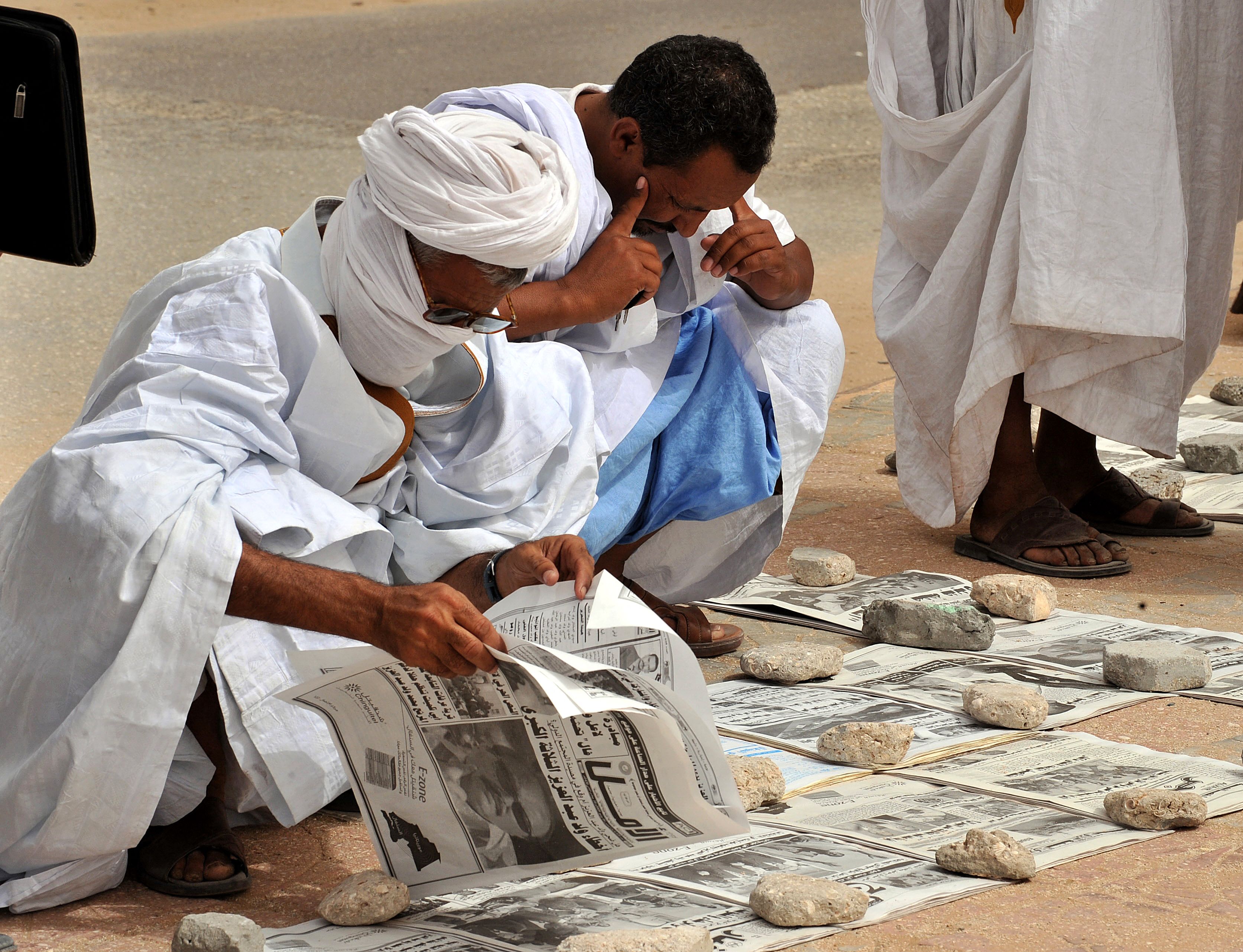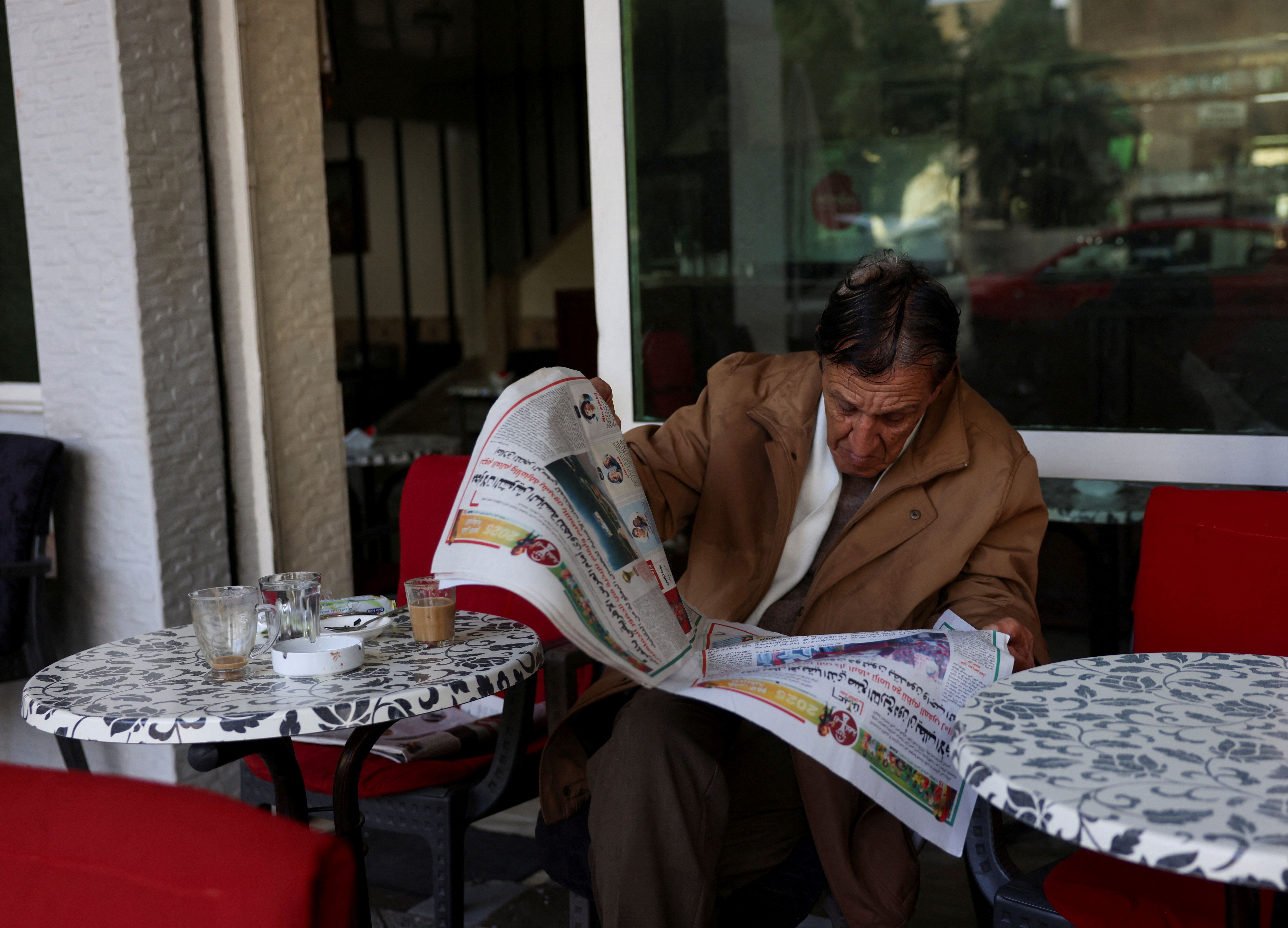

تواجه العديد من الصحف في العالم اليوم أزمة مالية عميقة تتجاوز التحديات التقنية والتحريرية وغيرها من الأزمات المرتبطة بـجوهر المهنة. أزمة حقيقية تطالُ نموذجها الاقتصادي، على الأقل منذ مطلع الألفية الثالثة الذي دخلت فيه الشركات والمؤسسات الصحفية - خاصة المطبوعة منها - والذي وصفه الباحثان فيليب مايير ويوان زهانغ بـ "لولب الموت": حيث تؤدي الأزمات المالية المتوالية إلى تقليص الميزانيات، فيتراجع مستوى جودة المحتوى، وينصرف القراء، فتتقلص المبيعات وحصص الإعلانات، وهو ما يفاقم الأزمة في حلقة مفرغة (1).
ضاعفت الطفرة الرقمية من تعقيد هذا الوضع، حينَ ظنّ الناشرون أن الانتقال إلى النشر الإلكتروني (الرقمي) سيخفض تكاليف الإنتاج ويقف عندَ هذا الحد، لكنهم اكتشفوا لاحقًا أن التحولات البنيوية التي أحدثتها التحولات الرقمية قلبت قواعد المنافسة وغيّرت جذريًا أنماط استهلاك الأخبار.
يرتبط الأمر بأزمة بنيوية؛ أي أنها ليست عرضية أو ظرفية بل تعكس خللاً هيكليًا عميقًا في النموذج الاقتصادي "التقليدي" للصحافة (2) الذي ظلّ يعتمد على الإعلانات بوصفها مصدرًا رئيسًا للتمويل، وهو ما جعلَ المؤسسات والشركات الإعلامية عرضة لتأثيرات الممولين ولمنطق السوق غير المتكافئ.
الحالة المغربية.. نموذج اقتصادي هشّ ومتآكل
في الحالة المغربية، تتخذ أزمة النموذج الاقتصادي أبعادًا أكثر تعقيدًا؛ ذلكَ أنّ معظم الفاعلين في القطاع - سواء في الصحافة المطبوعة أو الرقمية - يعتمدونَ على قنوات تمويل محدودة وغير ناجعة، أبرزها الإعلان والمبيعات وإيرادات "أدسينس" والدعم العمومي، في غياب سياسات عمومية واضحة المعالم عن حال ومآل هذه المؤسسات، تخرجها من قوس الأزمة وفق مسار إستراتيجي وتدريجي واضح (3).
ألقى هذا الوضعُ المتأزمُ الضوءَ على الاستقلالية التحريرية لهاتهِ الصحف، وفتح المجال أمام ممارسات تركز على الإثارة والمحتوى السطحي لجذب الجمهور، وهو ما أسهم في تآكل الثقة بين الصحافة والجمهور، وأضعف قدرتها على أداء دورها بصفتها مصدرًا رئيسيًّا وموثوقًا به للأخبار.
لفهم مدى بنيوية الأزمة ينبغي العودة إلى الخلف؛ أي من جهة نشأة الصحافة المغربية في سياق هيكلي لم يكن يُعنى بتطويرها بصفتها مؤسسة اقتصادية مستقلة، بل بوصفها أداة سياسية أو دبلوماسية. ففي عهد الحماية الفرنسية، تحوّلت الصحافة إلى منصة دعائية ممولة من الدولة الاستعمارية، من خلال صحف بعينها مثل،L’Écho du Maroc وLa Vigie Marcaine التي كانت لها أدوار جوهرية في نشر خطاب الحماية وتثبيت شرعيتها (4).
في الحالة المغربية، تتخذ أزمة النموذج الاقتصادي أبعادًا أكثر تعقيدًا؛ ذلكَ أنّ معظم الفاعلين في القطاع - سواء في الصحافة المطبوعة أو الرقمية - يعتمدونَ على قنوات تمويل محدودة وغير ناجعة، أبرزها الإعلان وإيرادات التسويق عبر الإنترنت والمبيعات والدعم العمومي.
بعد الاستقلال، ورثت الصحافة هذا النمط: الصحف الحزبية والرسمية التي ظلت تعتمد على الدعم المالي الحزبي أو الحكومي (الدولة)، دون أن تعتمد على السوق أو القراء ليكونوا مصدرَ تمويل مستدام. هكذا تشكّلت مأسسة اقتصادية هشة لم تؤسس المشروع الصحفي كمقاولة (شركة) إعلامية قائمة بذاتها، بل استمرّت رهينة لعلاقات القوة والسلطة والتوظيف السياسي والرمزي.
في العقود التي تلت الاستقلال، ظلّت الدولة هي المتحكم المركزي في مصادر التمويل: الإعلانات الحكومية والدعم العمومي الانتقائي، إلى جانب الإطار التشريعي المقيد. ومع مطلع التسعينيات ودخول مرحلة الانفتاح الإعلامي، ظهرت تجربة الصحف الخاصة: جريدة الصباح، ولوجورنال، Telquel، والأحداث المغربية والمساء وغيرها من الصحف، لكنها غالبًا ما تميزت بتمويل من رجال أعمال، أو عبر شبكة دعم حزبي، وهو ما يبقي استقلالها الاقتصادي محكومًا بمصادر تمويل مرتبطة بالسلطة السياسية أو الاقتصادية . صحيح أنها بصمت على أفق مهني جديد إلا أنها لم تستطع التخلص من إرث الاعتماد المالي على دعم الدولة أو بيئات سياسية متغيرة، فأسفر ذلك عن نماذج اقتصادية معرضة بشكل دائم للهشاشة المالية، وزاد من تبعيتها لمنصات عابرة للحدود مثل غوغل وفيسبوك، وأفقدها القدرة على تحويل المعلومة إلى قيمة اقتصادية ذاتية ومستدامة.
إنّ البعد التاريخي للصحافة المغربية يقدّم تفسيرًا مباشرًا لسؤال محوري: لماذا ظلّ النموذج الاقتصادي للصحافة المغربية يراوح في أزمته البنيوية رغم التحولات الرقمية؟ والحق أن الصحافة المغربية لم يكن لها أساس متين يربط استقلاليتها الاقتصادية باستقلاليتها التحريرية، بل ظلت دائمًا رهينة لعوامل خارجية متعاقبة: سلطات الحماية أولًا، ثم الدولة، والفاعل السياسي (الحزبي)، وهو ما جعلها تدخل السياق الرقمي محمّلة ببنية هشة عاجزة عن التأسيس لمقاولة إعلامية مستقلة ومستدامة.
وفقًا لذلك، فإن هذا البعد التاريخي، يمكن وصله أيضًا بدائرة أوسع مرتبطة بالهشاشة، فإن المحاولات المحدودة للانفتاح على نماذج تمويل بديلة؛ مثل المحتوى المدفوع (5) الذي يظل انتشاره داخل الحقل الصحفي المغربي محدودًا بفعل مجموعة من العوامل البنيوية والسوسيو-اقتصادية. فمن جهة يواجه هذا النموذج مقاومة ثقافية متجذرة لدى الجمهور الذي اعتاد لسنوات طويلة على مجانية الوصول إلى المحتوى الإخباري من خلال الوسائط الإلكترونية (الرقمية) - وهو ما يجعل من فكرة الأداء (الدفع) مقابل الخبر تصطدم بتمثلات اجتماعية راسخة حول الإعلام بوصفه خدمة عمومية أو متاحة بلا مقابل - ومن جهة أخرى، تتداخل العوامل الاقتصادية، لاسيما أن هناك نِسبًا من "المستهلكين الرقميين" ينتمون إلى فئات اجتماعية ذات قدرة شرائية محدودة، وهو ما يضعف فرص نجاح نموذج الاشتراك المدفوع خارج الفئات النخبوية.
إلى جانب ذلك، ليست هناك مبادرات رسمية (مؤسساتية) لدعم هذا التحول نحو المحتوى المدفوع، سواء من خلال إستراتيجيات محكمة من صنيعة السياسات العمومية والوزارات ذات الاختصاصات المتداخلة مثل وزارة الانتقال الرقمي وإصلاح الإدارة، أو من خلال إستراتيجيات الفاعلين في السوق الإعلانية الذين ما يزالون يفضلون الاستثمار في منصات التواصل الاجتماعي ذات الانتشار الأوسع والأثر اللحظي المباشر. كل هذه العوامل تضع النموذج الاقتصادي المدفوع أمام تحديات هيكلية تتطلب معالجة عميقة تشمل إعادة بناء علاقة الثقة مع الجمهور، وتحسين جودة الخدمات المقدمة، والتفكير في صيغ هجينة تجمع بين المحتوى المجاني والمحتوى المدفوع في إطار إستراتيجيات مرنة ومستدامة.
إنّ البعد التاريخي للصحافة المغربية يقدّم تفسيرًا مباشرًا لسؤال محوري: لماذا ظلّ النموذج الاقتصادي للصحافة المغربية يراوح في أزمته البنيوية رغم التحولات الرقمية؟ والحق أن الصحافة المغربية لم يكن لها أساس متين يربط استقلاليتها الاقتصادية باستقلاليتها التحريرية، بل ظلت دائمًا رهينة لعوامل خارجية متعاقبة.
استقلالية مفقودة
إن البعد البنيوي لأزمة الصحافة المغربية لا يمكن فهمه بمعزل عن النسق الذي تتحرك فيه وبِنيتها الداخلية، وهو ما يتضح في إطار جدلية الحقل الصحفي، وأصول ملكية وسائل الإعلام. فقد شهد تاريخ إدارة الصحافة في المغرب ازدواجية (ثنائية) تميل إلى الجمع بين الهيمنة الرمزية للدولة والرغبة في ضبط المجال العمومي. ومع بداية التسعينيات، وفي خضم موجة الخَوصصة (الخصخصة) والانفتاح الاقتصادي، برز تحوّل تدريجي في طبيعة المالكين؛ من فاعلين حزبيين أو نقابيين إلى فاعلين اقتصاديين أو سياسيين أو أكاديميين، أي من خارج الحقل الصحافي -نسق التكوين والمسار- دخلوا إلى المجال إما بدافع الاستثمار أو بغرض التأثير السياسي والاقتصادي.
أحدثت هذه التحولات خللًا عميقًا في منطق الاستقلالية التحريرية؛ إذ لم تعد المؤسسات الصحفية تحتكم إلى قواعد المهنة بالدرجة الأولى، والمساهمة في النقاش العمومي والتأثير في الرأي العام، بل أضحت في كثير من الأحيان امتدادًا لدوائر النفوذ ورأس المال الرمزي أو الاقتصادي. ومن هنا، يتعذّر فصل أزمة النموذج الاقتصادي عن شرط ملكية وسائل الإعلام؛ فالعلاقة بين التمويل والتحرير ليست علاقة تراتبية بسيطة، بل هي علاقة معقدة، قائمة بالأساس على منظومة قيم (أخلاقيات المهنة)، في مقدمتها المهنية والاستقلالية. ومع ذلك، فإن رهانات المؤسسات - خاصة تلك التي تضمن لنفسها موقعًا مريحًا في سوق الإعلان أو حظوة لدى السلطة - قد تُضعف هذه القيم وتؤثر سلبًا على طبيعة العلاقة بين الممول والتحرير.
وعليه؛ فإن الحديث عن استقلالية التحرير في الصحف المغربية يرتبط جوهريًا ببنية الملكية وموقع المؤسسة داخل الحقل الصحفي أكثر من ارتباطهِ فقط بالكفاءة التحريرية أو المهنية. ومن هذا المنطلق، فإن أي نقاش حول بناء نموذج اقتصادي بديل لن يكون ذا جدوى ما لم يترافق مع مراجعة عميقة لبنية التملك، ووضع آليات مهنية ومساءلة تضمن فصلًا حقيقيًا بين منطق التمويل ومنطق الإنتاج التحريري (6).
يتعذّر فصل أزمة النموذج الاقتصادي عن شرط ملكية وسائل الإعلام؛ فالعلاقة بين التمويل والتحرير ليست علاقة تراتبية بسيطة، بل هي علاقة معقدة، قائمة بالأساس على منظومة قيم (أخلاقيات المهنة)، في مقدمتها المهنية والاستقلالية.
اقتصاد المعلومة والذكاء الاصطناعي: مستقبل الصحافة الرقمية
لم تتمكن المؤسسات الصحفية المغربية - إلى حدود اليوم- من أن تحوّل المعلومة (Information) إلى قيمة اقتصادية، أي إلى "سلعة عمومية" - إذا جاز الاقتباس من لغة الاقتصاد - لا تقل أهمية عن التعليم والصحة (7)؛ فغالبية المؤسسات الصحفية ما زالت تحتفظ بالبنية الاقتصادية التقليدية وهو ما يجعلها عاجزة عن الابتكار والاستثمار بالشكل المطلوب.
إن نقل المعلومة من مساحتها الاقتصادية إلى المجال العمومي، هو انتقال يؤسس للنظر إلى الإعلام بوصفه خدمة عمومية، ويعيدُ ترتيب أولويات الصحافة في زمن تحكُّم الرأسمال الإعلامي بإستراتيجية غرف التحرير، ويحررها من أصفادِ التدني الاستهلاكي للمعلومة، وهو ما يعني أن المعلومة ليست خيارًا تجاريًا فقط؛ بل هي قناة تتوطد فيها علاقة المستهلك بصانع المعلومة (الصحفي)، في مساحة عمومية -اجتماعية.
واجهت المؤسسات الإعلامية الكبرى مثل واشنطن بوست، وإلباييس، وغيرها من الصحف الكبرى، مشكلة أزمة النموذج بتطوير بنية المعلومة، ونسق الأطر المرجعية -التشريعات، أخلاقيات المهنة، مصادر التمويل- والبحث عن بدائل جديدة في مصادر التمويل، مع تطوير وتنويع المضامين (المحتويات) الإخبارية التي تواكب التحولات الرقمية المطردة، دون إغفال الذكاء الاصطناعي وموجاته (8) التي تعِد بمزيد من التحولات في المنظومة الرقمية.
لا يعبر الذكاء الاصطناعي عن أي "برانية" تتجاوز نسق "اقتصاد المعلومة"، و"اقتصاد المنصة" (Platform Economy) الذي يكثف حيوية الاتصال البشري اليوم، ويفسر ممارساته وتحولاتهِ القيمية والنفسية والاجتماعية، بل هو جزء منها، ما يعني أنه جزء من تحولاتها اليوم، لذا فإن النظر إلى الأطر النظرية والتطبيقية في الذكاء الاصطناعي كجزء من هذه المنظومة ينبغي أن يندرجَ ضمن "المفكر" فيه، بوصفه من الحلول الجوهرية في تطوير الصناعة الصحافية، بما هي صناعة اقتصادية بالأساس، وهو ما سينعكس –في سياق الاستثمار المعقلن واحترام معايير المهنة وأخلاقيتها- على المنظومة الاقتصادية والتحريرية والإنتاجية للمؤسسات الإعلامية.
كما لا ينبغي النظر إلى اقتصاد المعلومة كخيار تقني معزول، بل كاستثمار استراتيجي يعيد تموضع الصحافة داخل الاقتصاد الكلي في الدولة. فالصحافة، بوصفها إحدى أهم القنوات المنتجة للمعلومة، مدعوة إلى توظيف تقنيات الذكاء الاصطناعي في تطوير نماذجها الاقتصادية والتحريرية والإنتاجية، بما يضمن تحويل المعلومة إلى قيمة اقتصادية مستدامة.
إن إدماج هذه الأدوات يمكن أن يعيد صياغة العلاقة بين المعلومة والسوق، من خلال فتح آفاق جديدة للاشتراكات الذكية، والإعلانات الموجهة، وتحليل سلوك الجمهور، بما يسمح للصحافة المغربية بالانتقال من منطق التبعية والدعم إلى منطق الاندماج في اقتصاد المعرفة. وهنا يصبح اقتصاد المعلومة، مدعومًا بالذكاء الاصطناعي، ليس مجرد مجال تقني بل سياسة عمومية شاملة تحدد مكانة الإعلام داخل البنية الاقتصادية الكلية.
الازدواجية.. آلية لاستدامة الأزمة
بالعودة إلى مسألة الثنائيات التي تطبع النسق السياسي المغربي (القدامة/الحداثة، الشريعة/المواثيق الدولية...)، فإنه لا يمكن النظر إليها بوصفها مرجعيات سياسية أو فكرية معزولة، بل باعتبارها آليات تنعكس على بنية النموذج الاقتصادي للصحافة من جهات عدة: سياسية واقتصادية وتشريعية أسست لازدواجية في آليات تمويل الصحافة؛ بين اعتماد تقليدي على الدولة والدعم العمومي والارتباط بالسلطة، ومحاولات تحديث اقتصادي لم ينجح في ترسيخ استقلال مالي مستدام.
وعلى هذا النحو، فإن هذه الثنائيات ليست مجرد خلفية تفسيرية، بل هي جزء بنيوي من إدامة الأزمة؛ إذ أبقت النموذج الاقتصادي للصحف المغربية معلّقًا بين منطق التبعية ومنطق السوق، دون أن يحسم موقعه داخل اقتصاد المعلومة أو يضمن استقلاليته التحريرية.
المراجع
-
Philip Meyer, Yuan Zhang, "Anatomy of a Death Spiral: Newspapers//:and their Credibility," citeseerx.ist.psu.edu, "accessed Aguste 29, 2025". https .bit.ly/3BcEzV9
-
Julia Cagé, Benoit Huet, L'Information est un bien public Refonder la propriété des médias, Edition Seuil, 2021, p 144.
-
الملاحظ أن الحكومات المتعاقبة خصوصًا ما بعدَ دستور 2011، لم تعط أهمية كبرى في سياساتها العمومية للإعلام؛ فالإجراءات التي واكبت الصحف بعدَ الأزمة الصحية (كوفيد-19)، كانت بالأساس تهمّ برفع الدعم العمومي.
-
Ilham El Gaoual, Taib Berkane, The Media and Societal Transformations in Morocco, https://rsisinternational.org/journals/ijriss/articles/the-media-and-societal-transformations-in-morocco/
-
عبد الرحيم بلشقار، الصحافة الرقمية مدفوعة الأجر: تحديات النموذج الاقتصادي ومتطلبات التطوير، (الدوحة، معهد الجزيرة، 2021).
-
يمكن استلهام تجربة قانون حرية الإعلام الأوروبي (European Media Freedom Act)، الذي وضعَ قواعدَ جديدة لحماية تعددية واستقلال الإعلام في الاتحاد الأوروبي. وتضمن هذه القواعد حمايةَ الاستقلالية التحريرية، وحماية مصادر الصحفيين، وتعزيز شفافية ملكية وسائل الإعلام، وتضمن الشفافية في الإعلانات الحكومية لمقدمي خدمات الإعلام والمنصات الرقمية.
-
لمزيد من التفصيل يمكن العودة إلى الموقع الرسمي للجنة الأوروبية: https://commission.europa.eu/strategy-and-policy/priorities-2019-2024/new-push-european-democracy/protecting-democracy/european-media-freedom-act_en
-
Cagé, Huet, L'Information est un bien public Refonder la propriété des médias, Edition Seuil, 2021, p 130
-
Mustapha Suleman, Michael Bhaskar, The Coming Wive Technology, Power, and the Twenty-first Century's Greatest Dilemma, Crown Publishing Group, a division of Penguin Random House LLC, New York, 2023.