
الدراما الوثائقية.. السرد الجمالي بديلا للكاميرا المفقودة!

الدراما الوثائقية

الدراما الوثائقية.. السرد الجمالي بديلا للكاميرا المفقودة!

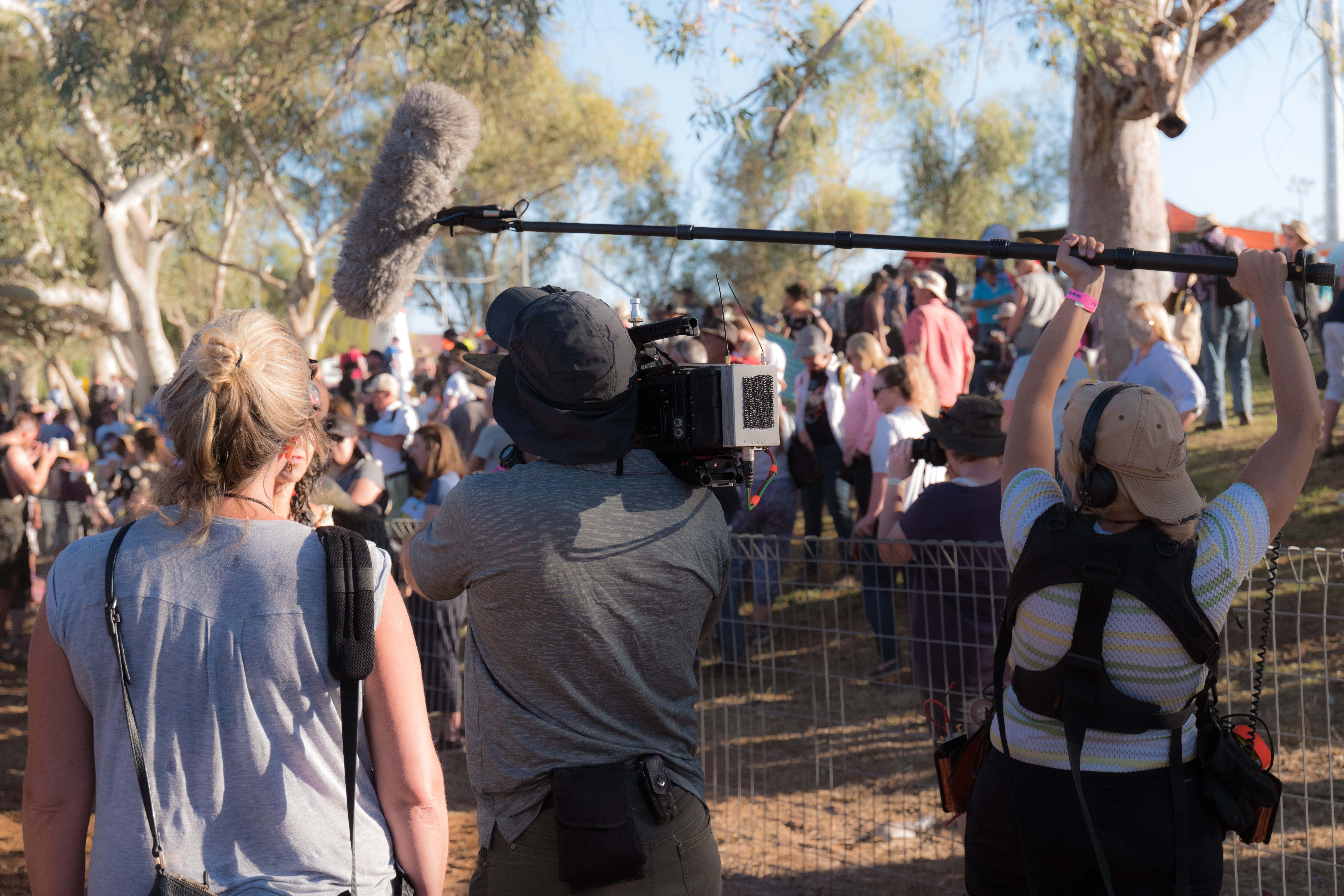
أثناء الإعداد والإخراج لفيلم وثائقي على قناة الجزيرة عن الذكرى التسعين لوعد بلفور لم تسعفني اللقطات الأرشيفية، ولا المشاهد الواقعية أثناء التصوير في المواقع المختلفة في بريطانيا - كمقدم للفيلم - في سرد بناء وثائقي متكامل يستحضر هذه الذكرى الهامة. فكرت في تجسيد بعض الأحداث التاريخية عن طريق مشاهد درامية تحاكي الواقع لتقوية السرد البصري لبناء الفليم؟ وتلك اللحظة كانت الأولى لبداية اهتمامي الإخراجي والأكاديمي بالدراما الوثائقية أو الدكيودرما.  

إن مجرد ذكر الدراما والوثائقيات في مصطلح واحد يسترعي انتباها من المتخصصين وغير المتخصصين. وهو انتباه يتراوح بين التوجس والاحتفاء. ومناط التوجس هنا هو الخشية من تزييف الحقيقة والتلاعب بها باسم الفن، على اعتبار أن الدراما مرادفة للخيال وأن الوثائقي مرادف للحقيقية والواقع. أما الاحتفاء فينصبُّ على أن الدراما تضخ الحياة في مشاهد واقعية لم تصل إليها كاميرا الفيلم الوثائقي، فتبدو وكأنها أرشيف جديد حصري يكشفه المخرج للمشاهد أول مرة.

يضع الأكاديمي البريطاني ديريك باجيت الدراما الوثائقية في منطقة وسطى ضمن طيف من الأشكال الفيلمية والبرامج التلفزيونية الهجينة؛ ففي أقصى يمين هذا الطيف يقف القالب التخييلي ممثلا في الدراما، وفي أقصى يساره يقف القالب الواقعي ممثلا في الفيلم الوثائقي.

ويطرح باجيت رؤيته بأن هذا القالب من التزواج بين الخيال والواقع هو ضرورة فنية تفرضها مقتضيات الفيلم؛ ولذلك سمّى كتابه "لا سبيل آخر لرواية الحكاية، الدكيودراما في التلفزيون والسينما."(1)

إن مجرد ذكر الدراما والوثائقيات في مصطلح واحد يسترعي انتباها من المتخصصين وغير المتخصصين. وهو انتباه يتراوح بين التوجس والاحتفاء. ومناط التوجس هنا هو الخشية من تزييف الحقيقة والتلاعب بها باسم الفن.

وقد عبّر عن فكرته تلك بشكل السهم المرفق الذي يعبر عن "علاقة طردية"؛ فكلما اتجهنا يميناً زادت سيطرة "التدخل الإبداعي والخيال" وكلما اتجهنا يساراً زادت مساحة "الحقيقة والأرشيف" وهي كلها قوالب فنية تتطور مع الزمن.
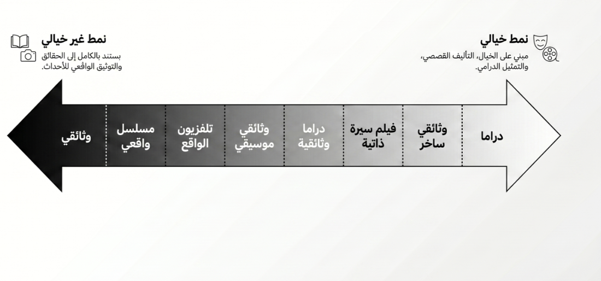
المصدر: كتاب "لا سبيل آخر لرواية الحكاية، الدكيودراما في التلفزيون والسينما." ديريك باجيت


كانت الدراما الوثائقية "أيام الأمل" عام 1975 على شاشة هيئة الإذاعة البريطانية بي بي سي واحدة من المحطات الهامة في مسيرة هذا النوع الهجين من السرد البصري. فقد كان ظاهر القصة تاريخي يتناول فيه المخرج البريطاني كين لوتش في أربعة أجزاء سنوات من الحرب العالمية الأولى بداية من عام 1916 وحتى الإضراب الكبير في بريطانيا عام 1926.(2) وفي تلك الحقبة كانت البلاد تموج بالصراعات الاجتماعية ونضال الطبقة العاملة. وتزامن عرضها في منتصف السبعينيات من القرن الماضي مع أزمة اقتصادية ضربت البلاد، فبدت وكأنها إسقاط تاريخي على الواقع المعاصر وقتها رغم أنها لم تتناوله من قريب أو بعيد. وهو الأمر الذي أثار حفيظة عدد كبير من المحاربين القدامى لتصوير الجيش البريطاني في الفيلم بصورة سلبية. وثار جدل وصل للصحف البريطانية حول كيفية السماح بعرض مثل هذه الدراما على البي بي سي؛ على اعتبار أنها تعكس وجهة نظر يسارية ولا بد أن يكون هناك دراما أخرى تعرض وجهة نظر يمينية من باب تحقيق التوازن. وبسبب الاحتفاء الجماهيري بها، كشفت هذه الدراما الوثائقية عن قوة التأثير الذي يملكه هذا النوع الهجين من الفن. فهو يأخذ من الدراما أفضل ما فيها وهو التأثير الوجداني والحبكة، ويأخذ من الوثائقي أفضل ما فيه وهو التَماسّ مع الواقع وتسجيل الأحداث.

ورغم تعدد المصطلحات التي تصف المزج بين الدراما والوثائقي، فإن الوصف الشائع لـ"أيام الأمل" هو دراما وثائقية أو دكيودراما؛ أي أن العمل في معظمه يعتمد على التمثيل الدرامي مع دخول عناصر واقعية سواء من ناحية تجسيد التاريخ الحقيقي أو حتى بعض مشاهد الأرشيف. وهذا يختلف عن وصف آخر هو الوثائقيات الدرامية أو درامادوك التي يعتمد فيها بناء الفيلم فيها على البناء الوثائقي المعتاد مثل الاعتماد على المقابلات مع إدخال بعض المشاهد التمثيلية الدرامية. (3)

وضمن هذا النوع الأخير يصنف فيلم "ميراث بلفور" على شاشة الجزيرة الذي استخدمت فيه مشاهد درامية لشخصيات ساهمت بدور رئيسي في إصدار وعد بلفور الشهير. ولم يكن الممثلون يتحدثون في تلك المشاهد، فقد كان يرافق حركتهم حديث المؤرخين أحيانا والموسيقى أحيانا أخرى مدفوعا باعتبارات منها انخفاض ميزانية الإنتاج ومنها الحرص على الدقة وأمانة النقل التاريخي بما لا يخلّ بمصداقية الفيلم الوثائقي.

وبعد هذا الفيلم بعدة سنوات أنتجت الجزيرة فيلم "خطوط على الرمال، مائة عام على سايكس بيكو" في الذكرى المئوية لاتفاقية سايكس بيكو التي تقاسمت فيها بريطانيا وفرنسا أملاك الدولة العثمانية أثناء الحرب العالمية الأولى. لقد كانت تجربة فريدة للوثائقيات الدرامية على شاشة الجزيرة ذلك أن الممثلين كانوا يتكلمون في المشاهد الدرامية. ولم يكن قرار تحدث الممثلين في المشاهد الدرامية في فيلم وثائقي سهلا من الناحية التحريرية؛ إذ اقتضى مراجعة دقيقة جدا لنصوص الحوارات الدرامية للتأكد من مطابقتها لمحاضر الجلسات التاريخية لنفي أية شبهة تحيز أو تحريف تاريخي.

يبرز عنصر الدراما بوصفه اقتحاما لخصوصية الفيلم الوثائقي، وهو اقتحام يثير جدلا قديما حول حدود التمثيل وإمكاناته؛ إذ يرى منتقدو الدراما الوثائقية أن إعادة تمثيل الأحداث - مهما بلغت دقتها - تظل عاجزة عن بلوغ حقيقة الواقع؛ ما يفتح الباب أمام احتمالات التضليل أو التزوير. في المقابل يذهب رأي آخر إلى أن الكاميرا الوثائقية نفسها ليست محايدة بالكامل.

الكاميرا المفقودة 

إن خيار استخدام الدراما في بنية الفيلم الوثائقي يأتي غالبا عند غياب التوثيق البصري للحدث. وهنا يبرز السؤال: هل يكتفي المخرج بالسرد الشفهي لما جرى ويعتمد على الوثائق فقط؟ أم ثمة طريقة إبداعية أخرى لتحويل هذه الشهادات الشفهية الموثقة والمستندات إلى سرد بصري جمالي؟ 

في هذا السياق، يبرز عنصر الدراما بوصفه اقتحاما لخصوصية الفيلم الوثائقي، وهو اقتحام يثير جدلا قديما حول حدود التمثيل وإمكاناته؛ إذ يرى منتقدو الدراما الوثائقية أن إعادة تمثيل الأحداث - مهما بلغت دقتها - تظل عاجزة عن بلوغ حقيقة الواقع؛ ما يفتح الباب أمام احتمالات التضليل أو التزوير. في المقابل يذهب رأي آخر إلى أن الكاميرا الوثائقية نفسها ليست محايدة بالكامل؛ فهي لا تزيف الواقع بالضرورة، لكنها تبقى محكومة باختيارات المخرج من زاوية التصوير إلى المونتاج وطريقة بناء السرد، وهي عناصر تفرض بدورها رؤية معينة للواقع.

والزاوية في النهاية هي جزء من المشهد وليست كل المشهد. وبالتالي فإن المصداقية هنا لا تنحصر في النقل الحرفي للواقع لأنه مستحيل، ولكن في فرض بعض قيود أخلاقية على تلك المشاهد الدرامية لمنع الخلط بينها وبين الواقع المسجل. من هذه القيود وضع عبارة "مشاهد تمثيلية" مكتوبة أعلى الشاشة، وتحري الدِّقة والأمانة أثناء تجسيد المشاهد الدرامية بحيث تكون مستندة لأصل توثيقي خارجي تعتمد عليه: سواء شهادة شفاهية أو مستندا هاما. وتبدو الدراما الوثائقية أو الوثائقيات الدرامية في هذا الإطار وكأنها تستحضر كاميرا مفقودة متخيلة كانت تصور الحدث لكنها فقدت. فتأتي الدراما لتستدعيها مرة أخرى.

إن خيار استخدام الدراما في بنية الفيلم الوثائقي يأتي غالبا عند غياب التوثيق البصري للحدث. وهنا يبرز السؤال: هل يكتفي المخرج بالسرد الشفهي لما جرى ويعتمد على الوثائق فقط؟ أم ثمة طريقة إبداعية أخرى لتحويل هذه الشهادات الشفهية الموثقة والمستندات إلى سرد بصري جمالي؟

أكثر من مجرد محاكاة 

مع تعدد المنصات الرقمية وتعدد أشكال الإنتاج التلفزيوني والسينمائي تطورت آليات المزج بين الدراما والوثائقيات وتجاوزت الدراما مجرد محاكاة لأحداث في بنية الفيلم الوثائقي. فعلى سبيل المثال شهد الفيلم الوثائقي "المعضلة الاجتماعية" على شبكة نيتلفيكس نموذجا فريدا من الدراما الخيالية في الفيلم الوثائقي وهي دراما شارحة لموضوعه. فالفيلم يتحدث عن التأثير الاجتماعي السلبي لوسائل التواصل الاجتماعي. وعند حديث المختصين عن التبعات النفسية والاجتماعية والسلوكية، يعرض الفيلم لمشاهد متخيلة لغرفة تحكم وكأن خوارزميات وسائل التواصل الاجتماعي أشخاص حقيقيون يراقبون حركة مستخدمي هذه التطبيقات عبر شاشات مراقبة ويوجهونه فعليا.

هذا النموذج من الأفلام متحرر من قيود الرقابة التحريرية والفنية التي عادة ما تحكم قنوات التلفزيون التي تلتزم بمواثيق مهنية صارمة تحاول جاهدة عدم الخلط بين ما هو خيالي وما هو واقعي لكونها تعرض في معظم الأحيان أخبارا وتحقيقات. إنها أقرب للممارسة الصحفية منها للسينما. ولذلك، فإن كثيرا من مخرجي الدراما الوثائقية أو الوثائقيات الدرامية يضيق بهم عالم التلفزيون ويتجهون نحو السينما. من بين هؤلاء المخرج البريطاني كين لوتش الذي ترك البي بي سي واتجه لعرض أعماله في السينما. وهذا يقودنا لفكرة أساسية تتعلق بالعلاقة بين القالب الفني ووسيلة العرض. فلا يمكن فصل تأثير التلفزيون كوسيط إعلامي منزلي في المقام الأول - مرتبط بالأخبار - عن الأنماط الفنية التي تعرض عليه. ويجب أن نضع في الاعتبار أن مفهوم الفيلم الوثائقي نفسه هو مفهوم حديث صكه المخرج الأسكتلندي جون غريرسون عام 1926. بعدها أخذ الفيلم الوثائقي أشكالا مختلفة بعد أن وفر له التلفزيون منصة هامة للانتشار. وبالتالي فإن تحور الأشكال الفنية مع تغير الزمن أو وسيلة العرض أمر قائم. وقد تؤدي هذه الأنماط الهجينة بين الدراما والوثائقي إلى قوالب فنية جديدة مستقبلا خاصة بعد أن دخلت المنصات الرقمية على خط إنتاج الفيلم الوثائقي.


المراجع

  1.  Paget, D. (2011) No other way to tell it: docudrama on film and television. 2nd edn.
  2. Sterling, C. H. (ed.) (2009) Encyclopedia of Journalism. Thousand Oaks, CA: SAGE Publications. Manchester; New York; Manchester University Press (Book, Whole).
  1. Rosenthal, A. (1998) Why docudrama: fact-fiction on film and TV. Carbondale, Ill; London; Southern Illinois University Press (Book, Whole).
More Articles

RSF's World Press Freedom Index: How Balanced Is the Ranking System?

The 2026 World Press Freedom Index analysis reveals a troubling gap between global media rankings and the violent reality facing journalists in Gaza. The pressure on the Index’s credibility appears set to intensify as critics argue that its Western-centric methods fail to accurately count Palestinian casualties or hold those responsible for the "journacide" accountable.

Sarah Samuel-Ayyash
Sarah Samuel-Ayyash Published on: 10 May, 2026
Journalism in Mauritania: Behind the Facade of Press Freedom Indicators

Mauritania holds the top position in the Arab world in the Press Freedom Index published by Reporters Without Borders. However, behind this favourable ranking, the media and journalists face significant challenges, chief among them the ambiguity surrounding the definition of a "journalist" and the capacity of media professionals to fulfil their roles in accountability and oversight. Despite official efforts, the defining feature of Mauritania’s media landscape remains its persistent state of fluctuation.

 Ahmed Mohamed El-Moustapha
Ahmed Mohamed El-Moustapha Published on: 6 Jan, 2026
Generative AI in Journalism and Journalism Education: Promise, Peril, and the Global North–South Divide

Generative AI is transforming journalism and journalism education, but this article shows that its benefits are unevenly distributed, often reinforcing Global North–South inequalities while simultaneously boosting efficiency, undermining critical thinking, and deepening precarity in newsrooms and classrooms.

Carolyne Lunga
Carolyne Lunga Published on: 2 Jan, 2026
Crisis of Credibility: How the Anglo-American Journalism Model Failed the World

Despite an unprecedented global flood of information, journalism remains strikingly impotent in confronting systemic crises—largely because the dominant Anglo-American model, shaped by commercial imperatives and capitalist allegiances, is structurally incapable of pursuing truth over power or effecting meaningful change. This critique calls for dismantling journalism’s subordination to market logic and imagining alternative models rooted in political, literary, and truth-driven commitments beyond the confines of capitalist production.

Imran Muzaffar
Imran Muzaffar, Aliya Bashir, Syed Aadil Hussain Published on: 14 Nov, 2025
Interview with Zina Q. : Digital Cartography as a Tool of Erasure in Gaza

Amid Israel’s war on Gaza, Zina Q. uncovers how Google Maps and satellite imagery are being manipulated; homes relabelled as “haunted,” map updates delayed, and evidence of destruction obscured, revealing digital cartography itself as a weapon of war. By exposing these distortions and linking them to conflicts from Sudan to Ukraine, she demonstrates how control over maps and AI surveillance influences not only what the world sees, but also what it remembers.

Al Jazeera Journalism Review
Al Jazeera Journalism Review Published on: 6 Sep, 2025
Monitoring of Journalistic Malpractices in Gaza Coverage

On this page, the editorial team of the Al Jazeera Journalism Review will collect news published by media institutions about the current war on Gaza that involves disinformation, bias, or professional journalistic standards and its code of ethics.

A picture of the Al Jazeera Media Institute's logo, on a white background.
Al Jazeera Journalism Review Published on: 11 Aug, 2025
The BBC Says It’s “Impartial.” But Its Own Staff Say Otherwise

BBC journalists and media professionals accuse the BBC’s leadership — and board member Robbie Gibb in particular — of blocking truthful reporting on Israel/Palestine through censorship, political bias, and a culture of fear that betrays the BBC’s duty to report “without fear or favour.”

Al Jazeera Journalism Review
Al Jazeera Journalism Review Published on: 2 Jul, 2025
Western Media Has Failed Their Palestinian Colleagues

A 2024 CPJ report revealed that nearly 70% of journalists killed that year were targeted by Israel, yet major Western media outlets largely ignored or downplayed the findings. The muted response to these targeted attacks and escalating press restrictions highlights a troubling double standard in the West’s commitment to press freedom.

Assal Rad
Assal Rad Published on: 21 Apr, 2025
‘A Massacre Unlike Any Before’: French Journalists Break Silence on Colleagues Killed in Gaza

Leading French and international institutions—foremost among them Reporters Without Borders and Agence France-Presse—have signed a letter published in Le Monde condemning the Israeli occupation’s actions against Palestinian journalists. In an unprecedented tone, journalists described the ongoing events as a 'massacre' unparalleled in the history of the profession.

Al Jazeera Journalism Review
Al Jazeera Journalism Review Published on: 16 Apr, 2025
Predicting the Future of Media in 2025

The rise of citizen journalism, the rethinking of long-form content, the evolution of video, and the exploration of AI opportunities are key elements of the media landscape forecast for 2025, according to a report from Harvard University's Nieman Lab.

Othman Kabashi
Othman Kabashi Published on: 15 Apr, 2025
Revisioning Journalism During a Genocide

Western media’s coverage of the Gaza genocide has revealed fundamental cracks in the notion of journalistic objectivity. Mainstream outlets have frequently marginalized or discredited Palestinian perspectives, often echoing narratives that align with Israeli state interests. In stark contrast, Palestinian journalists—reporting from within a besieged landscape—have become frontline truth-tellers. Through raw, emotional storytelling, they are not only documenting atrocities but also redefining journalism as a form of resistance and a reclaiming of ethical purpose.

Ana Maria Monjardino
Ana Maria Monjardino Published on: 4 Apr, 2025
Journalist Testimonies on Western Media Coverage of the Gaza War: The Other Narrative

In this article, we compile testimonies from journalists who have criticised their own media institutions as documented in reports, letters, or interviews. Most spoke anonymously out of fear of repercussions—because freedom of expression appears protected only until it reaches the borders of Israel. At that point, constraints emerge, editorial policies shift, and the system of double standards is activated.

Al Jazeera Journalism Review
Al Jazeera Journalism Review Published on: 29 Mar, 2025
Western Media Bias and Complicity with Israel is Beyond Borders

Once again, Western media framed civilians within the context of "collateral damage" while covering Israeli attacks on Syria. The language of international law was absent, and the tragedy of civilians affected by military strikes was completely obscured, while justifications and cover for the occupation prevailed under the banner of "maintaining national security."

Zainab Afifa
Zainab Afifa Published on: 23 Mar, 2025
Systematic Bias: How Western Media Framed the March 18 Massacre of Palestinians

On March 18, Israel launched a large-scale assault on Gaza, killing over 412 Palestinians and injuring more than 500, while Western media uncritically echoed Israel’s claim of “targeting Hamas.” Rather than exposing the massacre, coverage downplayed the death toll, delayed key facts, and framed the attacks as justified pressure on Hamas—further highlighting the double standard in valuing Palestinian lives.

Mei Shigenobu مي شيغينوبو
Mei Shigenobu Published on: 18 Mar, 2025
The Sharp Contrast: How Israeli and Western Media Cover the War on Gaza

Despite being directly governed by Israeli policies, some Israeli media outlets critically report on their government’s actions and use accurate terminology, whereas Western media has shown complete bias, failing to be impartial in its coverage of Israel’s aggression in Gaza.

Faras Ghani Published on: 5 Mar, 2025
Journalists in DR Congo Face New Threats, Censorship in a Decades-long Conflict

Countless journalists have been arbitrarily arrested, kidnapped or have disappeared in the fog of the protracted war tearing the eastern Democratic Republic of Congo apart. The renewed M23 offensive augurs a more uncertain future for these ‘soldiers of the pen’.

Nalova Akua
Nalova Akua Published on: 3 Mar, 2025
International Media Seek Gaza Access; What Do Palestinian Journalists Say?

As international media push for access to Gaza, Palestinian journalists—who have been the primary voices on the ground—criticize their Western counterparts for failing to acknowledge their contributions, amplify their reports, or support them as they risk their lives to document the war. They face systemic bias and exploitation, and continue to work under extreme conditions without proper recognition or support.

NILOFAR ABSAR
Nilofar Absar Published on: 26 Feb, 2025
Tweets Aren’t News: Why Journalism Still Matters

Twitter, once key for real-time news, has become a battleground of misinformation and outrage, drowning out factual journalism. With major newspapers leaving, the challenge is to remind audiences that true news comes from credible sources, not the chaos of social media.

Ilya إيليا توبر 
Ilya U Topper Published on: 10 Feb, 2025
Sound of Change: How Podcasting is Changing Journalism in India

India’s podcasting scene is on the rise, driven by affordable internet and changing content habits, yet still faces challenges like limited monetisation and urban-focused reach. Despite these hurdles, independent creators are using the medium to amplify grassroots narratives, shaping a more inclusive media landscape.

Hanan Zaffa
Hanan Zaffar, Jyoti Thakur Published on: 9 Jan, 2025
Bolivia’s Mines and Radio: A Voice of the Global South Against Hegemony

Miners' radio stations in the heart of Bolivia's mining communities, played a crucial role in shaping communication within mining communities, contributing to social and political movements. These stations intersected with anarchist theatre, educational initiatives, and alternative media, addressing labour rights, minority groups, and imperialism.

Khaldoun Shami PhD
Khaldoun H. Shami Published on: 16 Dec, 2024
Journalists and the Gen–Z protest in Kenya

Caught between enraged protesters and aggressive police officers, journalists risked their lives to keep the world informed about the Gen–Z protests in Kenya. However, these demonstrations also exposed deeper issues regarding press freedom, highlighting a troubling aspect of Ruto’s government.

Shuimo Trust Dohyee
Shuimo Trust Dohyee Published on: 12 Dec, 2024
Behind the Burka: Journalism and Survival Under Taliban Rule

An account of a female Afghan journalist who persisted in her work in spite of the Taliban's comeback, using her writing to expose the harsh realities of oppression and promote women's rights. In defiance of the Taliban government's prohibitions on female education, she oversaw underground schools for girls and reported under a pseudonym while constantly fearing for her safety.

Khadija Haidary
Khadija Haidary Published on: 8 Dec, 2024
Is Pakistan’s Media Ignoring Climate Change?

Pakistan's media, despite its wide reach, largely neglects climate change in favor of political and economic issues, leaving the public under-informed about the causes and consequences of climate-related disasters. As a result, many Pakistanis remain unaware of the growing threats posed by climate change, which has devastating effects on the country's economy and population, as seen in the catastrophic floods of 2022.

Faras Ghani Published on: 3 Dec, 2024
Fact or Fiction? Quantifying the 'Truth' in True-Crime Podcasts

Over the centuries, true crime narratives have migrated across mediums—from tabloids and books to documentaries, films, and, most recently, podcasts. Despite these evolutions, one constant endures: the storytellers’ drive to detail the darkest corners of human behaviour and the insatiable curiosity of their audiences.

Suvrat Arora
Suvrat Arora Published on: 28 Nov, 2024