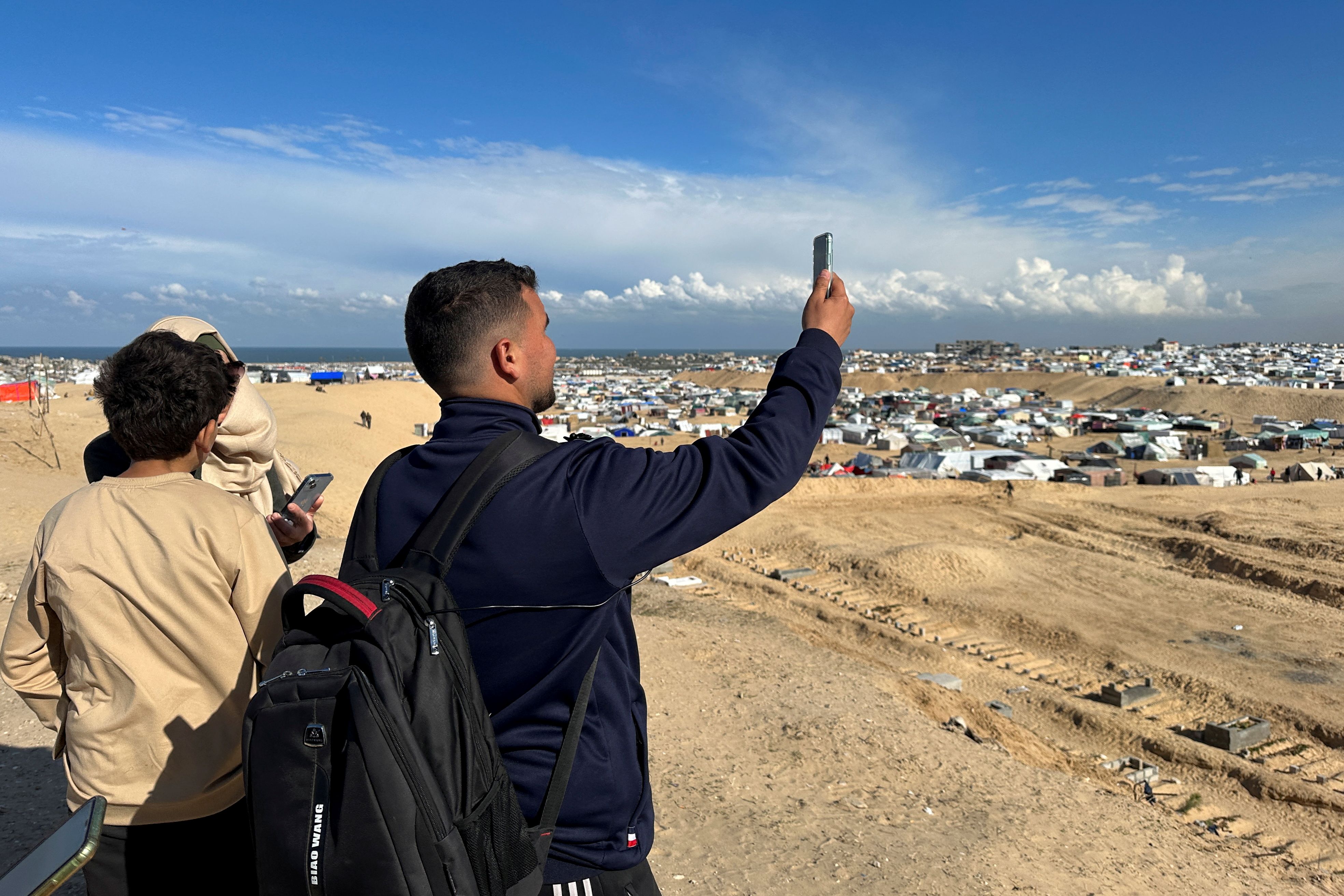
![Palestinian journalists attempt to connect to the internet using their phones in Rafah on the southern Gaza Strip. [Said Khatib/AFP]](/sites/default/files/ajr/2025/34962UB-highres-1705225575%20Large.jpeg)
From underground newsletters during the Intifadas to livestreams from Gaza, Palestinian journalism has evolved into a decentralised digital practice of witnessing under occupation. This article examines how citizen journalists, fixers and freelancers have not only filled gaps left by international media, but fundamentally transformed how Palestine is reported, remembered and understood.
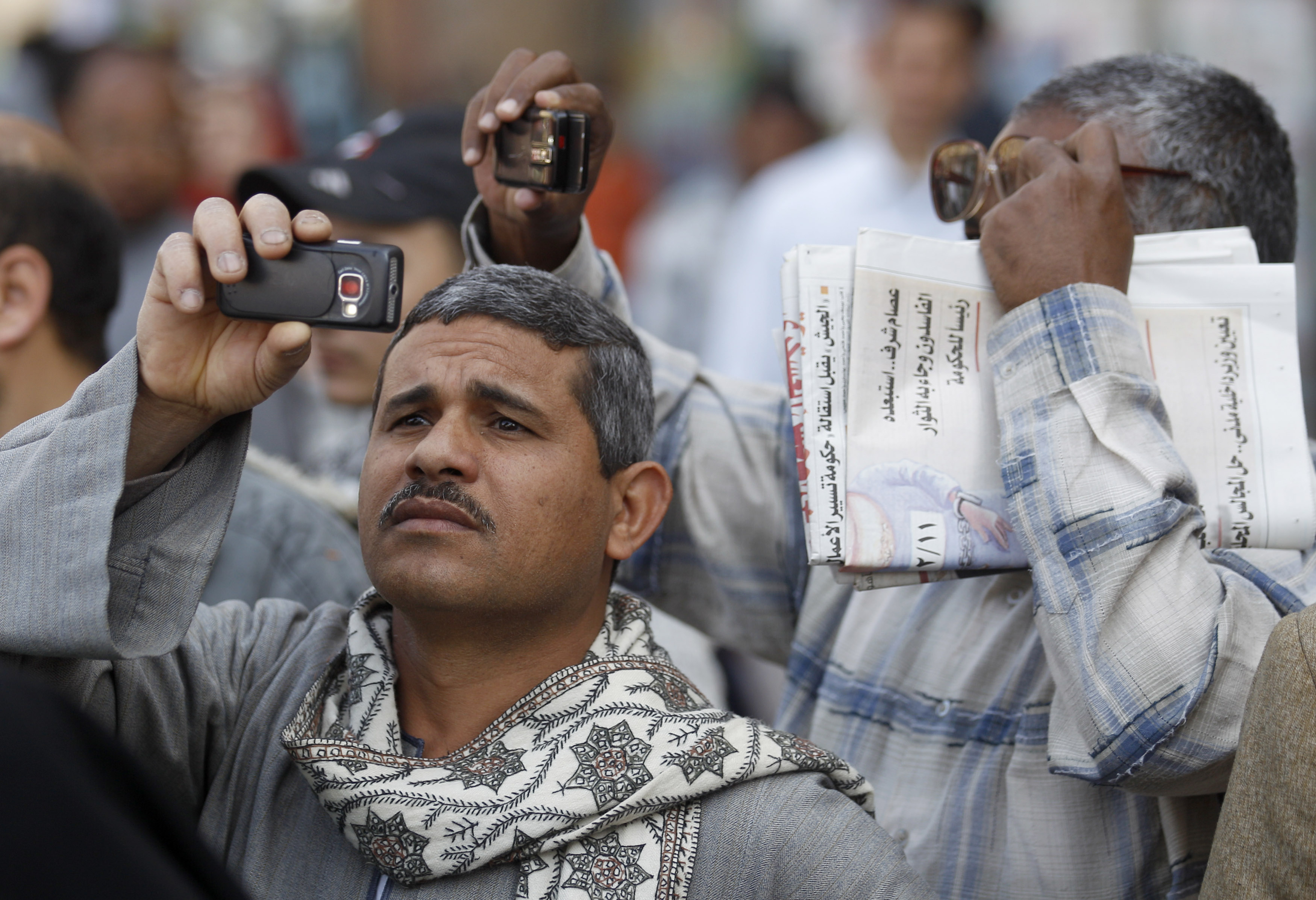
From newspapers to smartphones in hand, ordinary people have gained the gift of storytelling within the palm of their hand. For citizens in Gaza, it is a survival tool and a weapon of evidence.
Long before the rise of social media, Palestinians intrinsically understood the importance of documenting their life and reality under occupation. The First and Second Intifadas stand as powerful examples of this commitment. These uprisings also faced many of the same challenges we see today with Big Tech; censorship, surveillance, and the shaping of public perception.
At the onset of the First Intifada, foreign media agencies dominated television coverage while Palestinian newspapers faced countless constraints and threats from Israeli intelligence. Journalist faced significant danger, with over 40 journalists detained in the first year alone. In response to these constraints, citizens increasingly turned to grassroots forms of communication, publishing “bayanat” (statements) or “manasheer” (newsletters) through platforms such as the Unified National Leadership of the Uprising (UNLU), which was a coalition fostering Palestinian self-determination from the ground up. As the movement grew, more Palestinians began working with Western media outlets as fixers, aiming to amplify the realities of the First Intifada and mobilize international attention towards the Occupied Territories.
Following the Oslo Accords in 1993, Palestinian control of local media steadily declined. Much of the media infrastructure was eventually subsumed by Israel, with only 10 radio stations and platforms transferred to the operation of the Palestinian Authority (CDAC report on media landscapes, 2022). In this vacuum, Palestinian fixers found themselves bearing greater responsibility for facilitating international coverage. Their role quickly became indispensable for reporting the realities on the ground.
The “Zeitenwende” of the Second Intifada: 2000s
Widely marked as one of the turning points in the Arab World’s political landscape, The Second Intifada of Palestine, also known as Al-Aqsa Intifada, marked a significant expansion in the media strategies employed by Palestinians. As internet access began to improve across the Occupied Territories, blogs and online platforms became vital tools for sharing firsthand accounts, especially as movement across checkpoints grew increasingly restricted.
In her work on Palestinian journalists in international media, Amahl Bishara examines how the lived experience of occupation has directly shaped journalistic practices. She highlights the impact of Israel’s 2002 denial of entry permits to Palestinian journalists, a policy that sharply curtailed local access to the field and narrowed whose voices could be heard. Against this backdrop, Bishara contrasts the routines of foreign correspondents with seasoned Palestinian journalists, noting that the latter often bring a deeper cultural fluency, ease with interviewees, and an embodied understanding of risk and loss. These qualities, she argues, enabled Palestinian journalists not only to gather information, but to actively reframe dominant narratives of the conflict.
Within these constrained collaborations, Palestinian reporters frequently assumed dual roles as both producers and fixers, selecting interviewees, arranging access, and navigating terrain unfamiliar or inaccessible to foreign correspondents. As Bishara notes, they were often the ones “selecting people with whom to speak, setting up interviews, and leading the way through territory unfamiliar to the foreign correspondent.” Among the earliest to institutionalise this model in Gaza was Ameera Ahmad Harouda was among the earliest fixers to establish a broad reporting network in the early years of the Second Intifada.
Digital Resistance: The Rise of Digital Journalism in the Second Intifada and Beyond
At the beginning of the Aqsa-Intifada in 2000, economic disparities caused a slower growth to the pursuit of citizen journalism in the Occupied Territories. Palestinian youth became more engaged in public discussions, as a result of increasing state censorship from Israel and the Palestinian Authority. This period was also the start of the Electronic Intifada – an alternative online news publication fostering education about Palestine and Palestinians across the world. Founded by Palestinian American journalist Ali Abunimah in 2001, just one year into the Second Intifada, the Electronic Intifada was formed with a team of Palestinian writers and reporters living inside and outside of Palestine. Though an idle section now, the Electronic Intifada offered a series titled “Diaries: Live from Palestine”, comprised of articles, first-hand accounts, and poems about Palestinian life under Israeli occupation in Gaza and the West Bank.
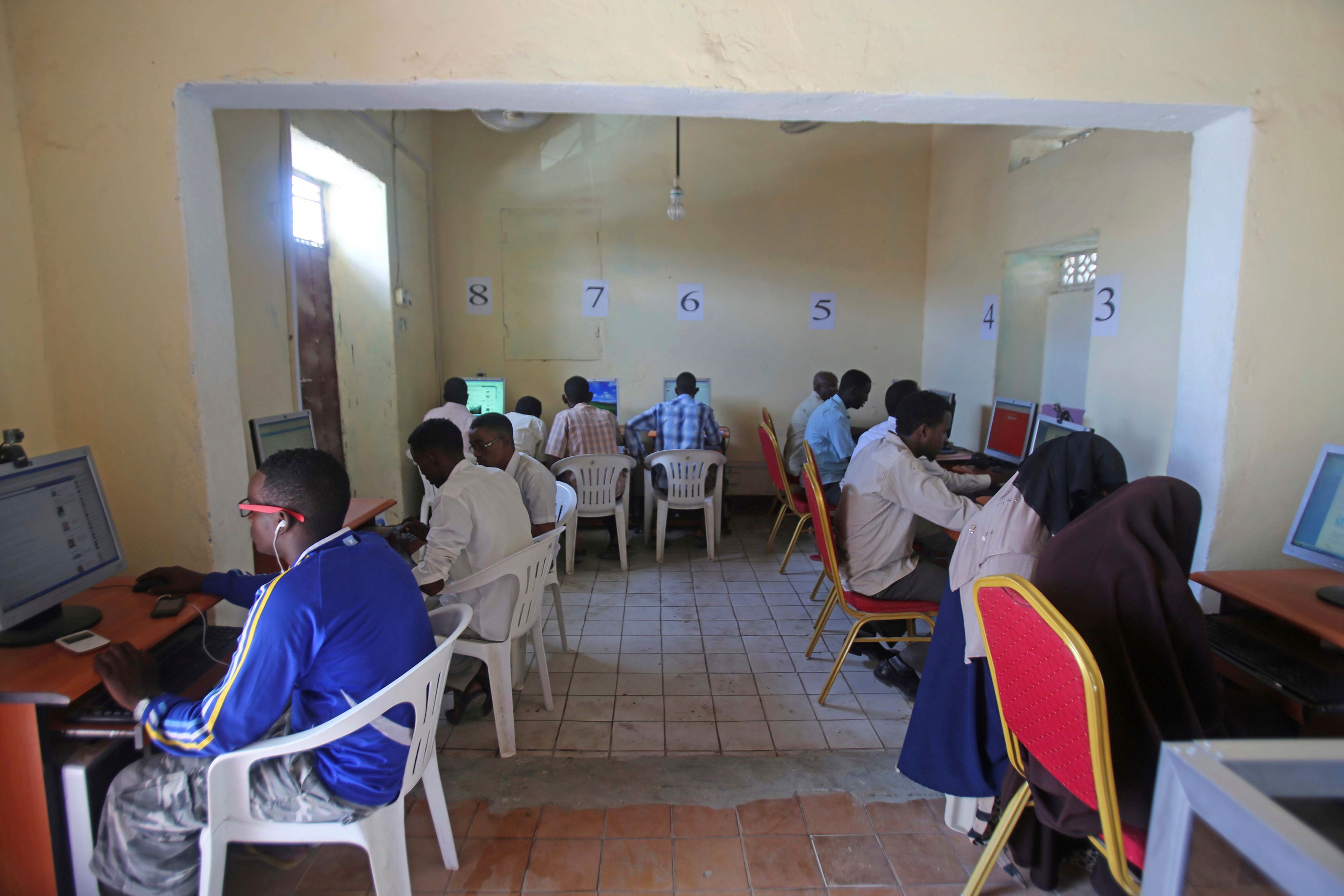
Released by Palestinian-Jordanian entrepreneur Sameeh Touqan, pan-Arab website Maktoob in 2003 became another popular platform for Arabs to express their support and solidarity with Palestinians, especially during the Second Intifada. Citizen journalist blogs were also constructed by civil organizations such as Palestine Monitor, which was a Western-backed institution active during the years of the Second Intifada and played a role in providing up-to-date information about the uprising. The Second Intifada was certainly a more digitalized uprising, with one of its innovations being the growth of ‘internet cafés’ in Palestinian Occupied Territories. Here, we observe the intersection of a physical space where Palestinians can gather to get their daily dose of internet access and express their views on the Intifada online. Between 2001 and 2004, internet cafés were a meeting point for Palestinians to connect with other Palestinians in the diaspora, gradually becoming “an extension of home” - even reaching vulnerable areas such as the Ein El Halwe and Shatila refugee camps in Lebanon.
With the rise of social media sites such as Twitter and Instagram toward the 2010s, backed by advances in internet technology, these platforms have become servers of “third spaces,” where user-generated content has taken the lead and virtual solidarity is exchanged. In these digital spaces, the user is no longer a passive consumer of information but an active producer — framing, narrating, and broadcasting events in real time. This shift marks a new phase of Palestinian citizen journalism, one where storytelling transcends physical borders. However, obstacles such as shadow-banning, and algorithmic bias nowadays, especially in Gaza, outweigh the opportunities offered by these platforms.
Reporting on Gaza, from Gaza
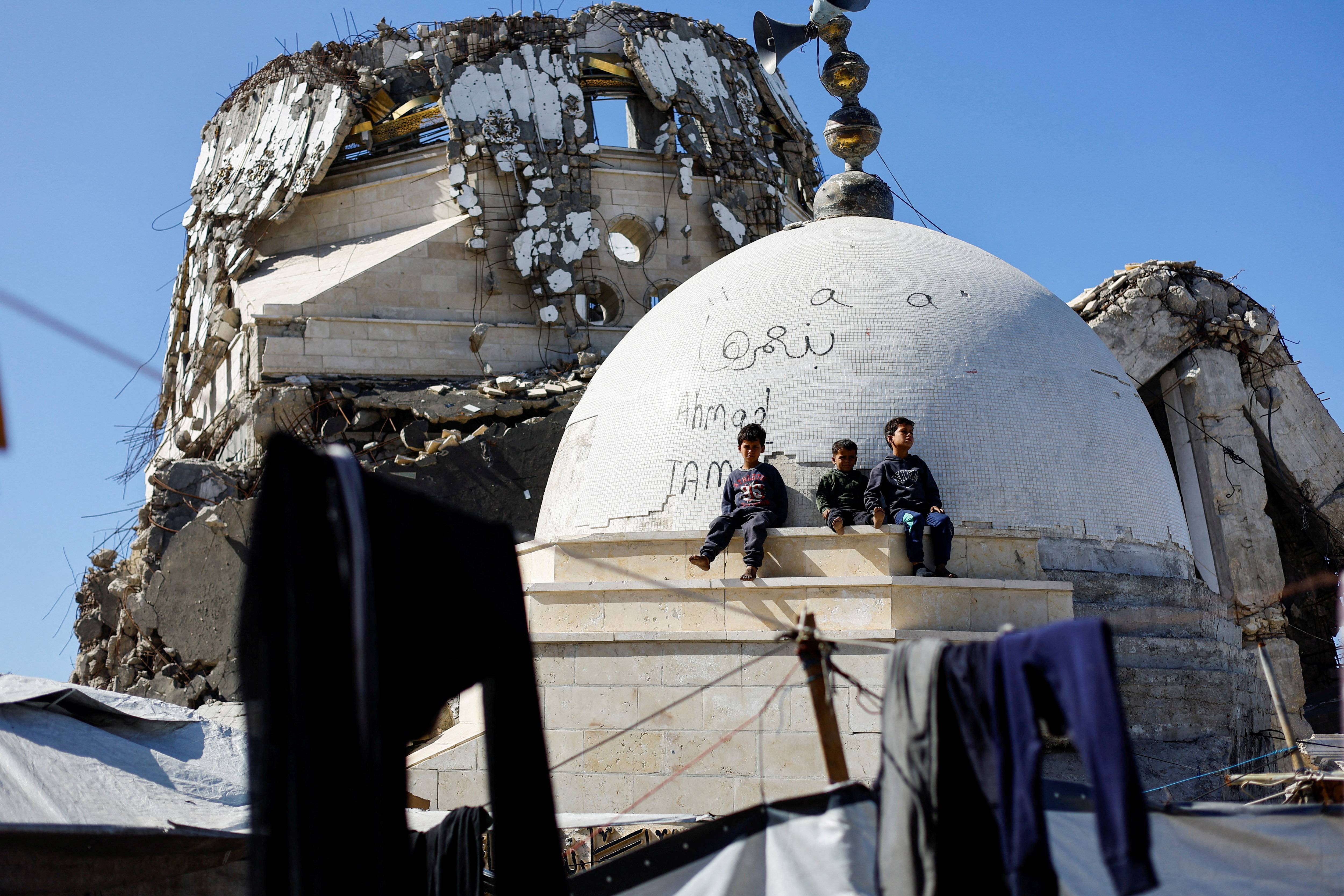
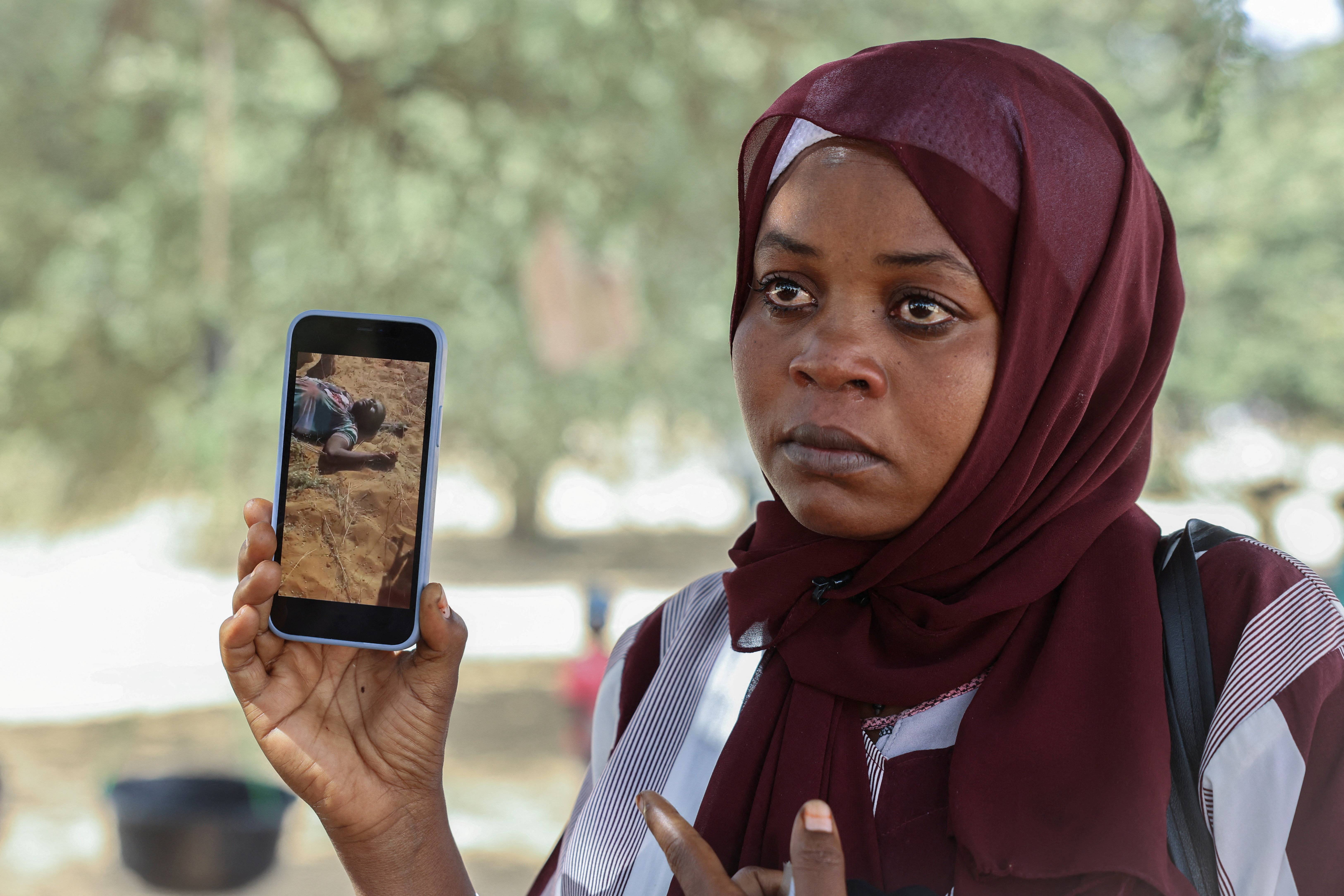
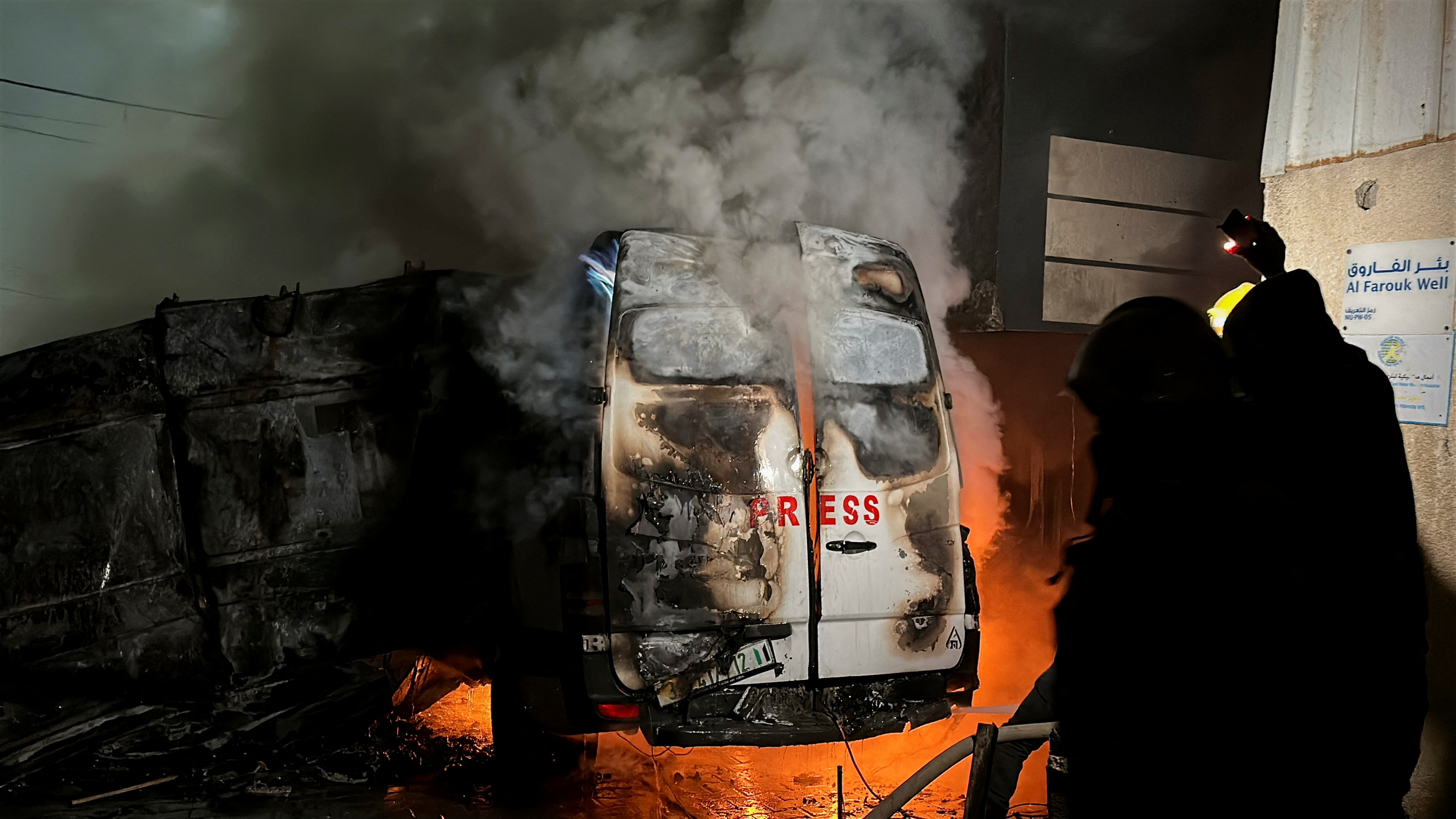
As the genocide in Gaza enters its third year, with more than 200 journalists killed across the Strip, reporting has become a legacy passed from one peer to another — carried forward out of obligation rather than choice. The scale of this violence has prompted global newsrooms to issue collective call for stronger protection measures for journalists, through actions supported and organised by Reporters Without Borders and the International Federation of Journalists. On the ground in Gaza, journalism has shifted from a profession bound by contracts into a practice of endurance, resilience and transmission, particularly for younger generations. Citizen journalists and fixers have moved beyond the role of relaying information; they have become trusted figures within their communities, offering both documentation and reassurance. Journalists such as Anas Al Sharif, Mohammad Qreiqeh, Ibrahim Zaher, Mohammad Nofal, Hamza El Dahdouh, and Samer Abu Daqqa exemplify the human cost of Palestinian journalistic resistance, each loss reinforcing, rather than extinguishing, a collective commitment to bearing witness.
Most journalists in Gaza became known for who they are by circumstance. Based in Gaza, Razan Al Hajj cites examples such as Abdullah Shahwan who first started off as a video editor and graphic designer - pushed into reporting on Gaza as a “moral duty”. Shahwan later became a part of Al Jazeera’s team as a cameraman. Award-winning reporter Bisan Owda was previously well-known in the Arab World for her Hakawati series on AJ+ abd Roya TV before becoming one of the leading narrating voices of the Gaza's genocide; starting each of her videos with “Hi guys, my name is Bisan and I’m still alive”.
When the war on Gaza began, Plestia Alaqad had just graduated with a degree in media studies. Within days, her documentation of the war’s early stages began to circulate widely, reaching international audiences and positioning her as one of the most visible emerging voices from Gaza. During those first weeks, she was often accompanied by field reporter Hatem Rawagh, who reported continuously from the ground alongside Lama Jamous, then nine years old, whose presence underscored the generational immediacy of the crisis. Until his tragic murder by Israeli-linked militias, Saleh Al Jaafarawi was among the most widely followed citizen journalists reporting on the genocide. Together, these journalists came to represent their communities, foregrounding the importance of each human life and the losses they endured, translating the realities of Gaza in ways that many Western news outlets could not convey.
Today’s media landscape is a mosaic of collaboration between freelancers, fixers, citizen journalists and content creators, all converging around a shared message: Israel is continuing to commit genocide in Gaza. Citizen journalism and traditional media have increasingly come to function as two sides of the same coin, moving beyond an ‘either/or’ framework. Newsroom leaders continue to provide platforms, resources and editorial reach, while media practitioners depend on one another’s distinct capacities to document, verify and disseminate information. Within this interdependent ecosystem, the decentralisation of journalism has emerged not only as a practical necessity, but as a critical foundation through which larger media organisations and non-governmental actors can collectively press for accountability and an end to the war in Gaza.
Through the lens of the First and Second Intifadas, we are reminded that each uprising is a mirror of another - and Gaza today represents the culmination of every journalist who put their life on the line for the truth, for every fixer who ensured the Palestinian narrative was delivered, and every citizen whose voice demanded to be heard: for the term genocide to be uttered clearly, and to reject any dilutions from Western-centric interpretations. It is the decolonisation of the media at large - simply carried through the voice of the people, their perseverance, and their dedication to tell their stories with autonomy and dignity intact.
Sources
- Aouragh, M. (2003). Cyber Intifada and Palestinian Identity. Isim Newsletter, 12(1), 42-43. Retrieved from https://hdl.handle.net/1887/16852
- Aouragh, M. (2008). Palestine online: Cyber Intifada and the construction of a virtual community 2001-2005. https://dare.uva.nl/search?identifier=3e06c97c-9124-4d39-a651-97c3aa1ac46f
- Abunimah, A. (2016, July 28). About The Electronic Intifada. The Electronic Intifada. https://electronicintifada.net/content/about-electronic-intifada/10159. Accessed 15/09/2023.
- Allen, L. (2008). Getting by the Occupation: How Violence Became Normal during the Second Palestinian Intifada. Cultural Anthropology, 23(3), 453–487. https://doi.org/10.1111/j.1548-1360.2008.00015.x
- Aouragh, M. (2011). Palestine Online: Transnationalism, the Internet and the construction of identity. https://ci.nii.ac.jp/ncid/BB05751442 pp. 18, 58-59
- Bishara, A. (2006). Local hands, international news: Palestinian journalists and the international media. Ethnography, 7(1), 19–46. http://www.jstor.org/stable/24047882
- Bishara, A. (2009). New media and political change: the case of the two Palestinian intifadas. Cadmus EUI. https://cadmus.eui.eu/handle/1814/11487
- Bouzid, A. (2005). Dor: Intifada Hits the Headlines, and Reporters Without Borders: Israel/Palestine: The Black Book, and Muravchik: Covering the Intifada. Journal of Palestine Studies, 34(2), 126–129. https://doi.org/10.1525/jps.2005.34.2.126
- CDAC Network. (2022). Palestinian Territories Media Landscape Guide — CDAC Network. CDAC Network. https://www.cdacnetwork.org/media-landscape-guides/palestinian-territorie
- Cervi, L. (2019). Citizen journalism and user generated content in the mainstream media: New dialogic form of communication, user engagement technique or free labor exploration? Revista de Comunicacao Dialogica. https://doi.org./10.12957/rcd.2019.41871
- Harb, Z. (2019). Challenges facing Arab journalism, freedom, safety, and economic security. Journalism, 20(1), 110–113. https://doi.org/10.1177/1464884918807356
- Horoub, I. (2023). Understanding media empowerment: citizen journalism in Palestine. Humanities and Social Sciences Communications, 10 (32), 1-10. https://doi.org/10.1057/s41599-023-01526-z
- Human Rights Watch, (2021, October 8). Israel/Palestine: Facebook Censors Discussion of Rights Issues. https://www.hrw.org/news/2021/10/08/israel/palestine-facebook-censors-discussion-rights-issues
- Shlaim, A. (1994). The Oslo Accord. Journal of Palestine Studies, 23(3), 24–40. https://doi.org/10.2307/2537958
- Stein, K. W. (1990). The Intifada and the 1936-39 Uprising: A Comparison. Journal of Palestine Studies, 19(4), 64–85. https://doi.org/10.2307/2537389
- Tawil-Souri, H., & Aouragh, M. (2014). Intifada 3.0? Cyber colonialism and Palestinian resistance. Arab Studies Journal, 22(1), 102. https://nyuscholars.nyu.edu/en/publications/intifada-30-cyber-colonialism-and-palestinian-resistance
- Vandevoordt, R. (2016). Covering the Syrian conflict: How Middle East reporters deal with challenging situations. Media, War & Conflict, 9(3), 306–324. http://www.jstor.org/stable/26000944
- Voakes, P. (2004). A Brief History of Public Journalism. National Civic Review 93(3), pp. 25 / 35.
- Wolfsfeld, G., Frosh, P., & Awabdy, M. T. (2008). Covering Death in Conflicts: Coverage of the Second Intifada on Israeli and Palestinian Television. Journal of Peace Research, 45(3), 401–417. http://www.jstor.org/stable/27640681
- Yin, J. K. H. (2009). The Electronic Intifada: The Palestinian Online Resistance in the 2nd Intifada. Journal of Information Warfare, 8(1), 1–19. https://www.jstor.org/stable/26486745
- Zayyan, H., & Carter, C. (2009). Human rights and wrongs: blogging news of everyday life in Palestine. In Peter Lang eBooks. https://orca.cardiff.ac.uk/15162/
- United Nations Agencies: Education in Palestine must be a priority. (n.d.). Palestine. https://palestine.un.org/en/216291-united-nations-agencies-education-palestine-must-be-priority#_ftn1