The emergence of Kukurigo during Zimbabwe’s 2018 elections marked a turning point for digital journalism, transforming WhatsApp from a hub for misinformation into a vital platform for verified news. By leveraging the app’s low data costs, this grassroots initiative bridged the information gap for under-resourced communities, establishing a new model for media credibility and public service within an unstable political landscape.
HARARE, Zimbabwe – In the lead-up to Zimbabwe's general elections in July 2018, six million citizens were active on WhatsApp. But a glaring gap existed in credible news delivery on this platform. Traditional media outlets were failing to reach under-resourced communities, and the perception of WhatsApp as a legitimate journalism space was minimal. This is where Kukurigo emerged, a grassroots initiative that recognised the potential of WhatsApp as a conduit for verified news.
In Zimbabwe’s Shona language, Kukurigo is the sound made by cocks in the early hours of the day, to mark the dawn of a new day. The emergence of Kukurigo as a credible news source was indeed a new day.
The Proliferation of Fake News in the ‘Mad Season’
Elections are indeed a mad season, especially in a country like Zimbabwe, which has an insatiable thirst for information, yet under an environment where the democratic space is closed and opposition political figures do not enjoy good press in state media. This leaves people looking for alternative news sources.
Social media in 2018 became a big source of news as the election was a closely fought between the ruling Zanu-PF party led by President Emmerson Mnangagwa and his youthful rival Nelson Chamisa of the Movement Democratic Change (MDC) Alliance.
The mood in the country was that of hope following the removal of long-serving president Robert Mugabe through a military coup. Mnangagwa was presented as a reformist and those who had been in the opposition trenches for decades saw these elections as an opportunity to take over state power.
The euphoria surrounding the elections spilled over into the wider public, creating fertile ground for misinformation. In the charged atmosphere, many people readily shared stories that aligned with their preferred outcomes, often without scrutiny, illustrating the powerful pull of confirmation bias.
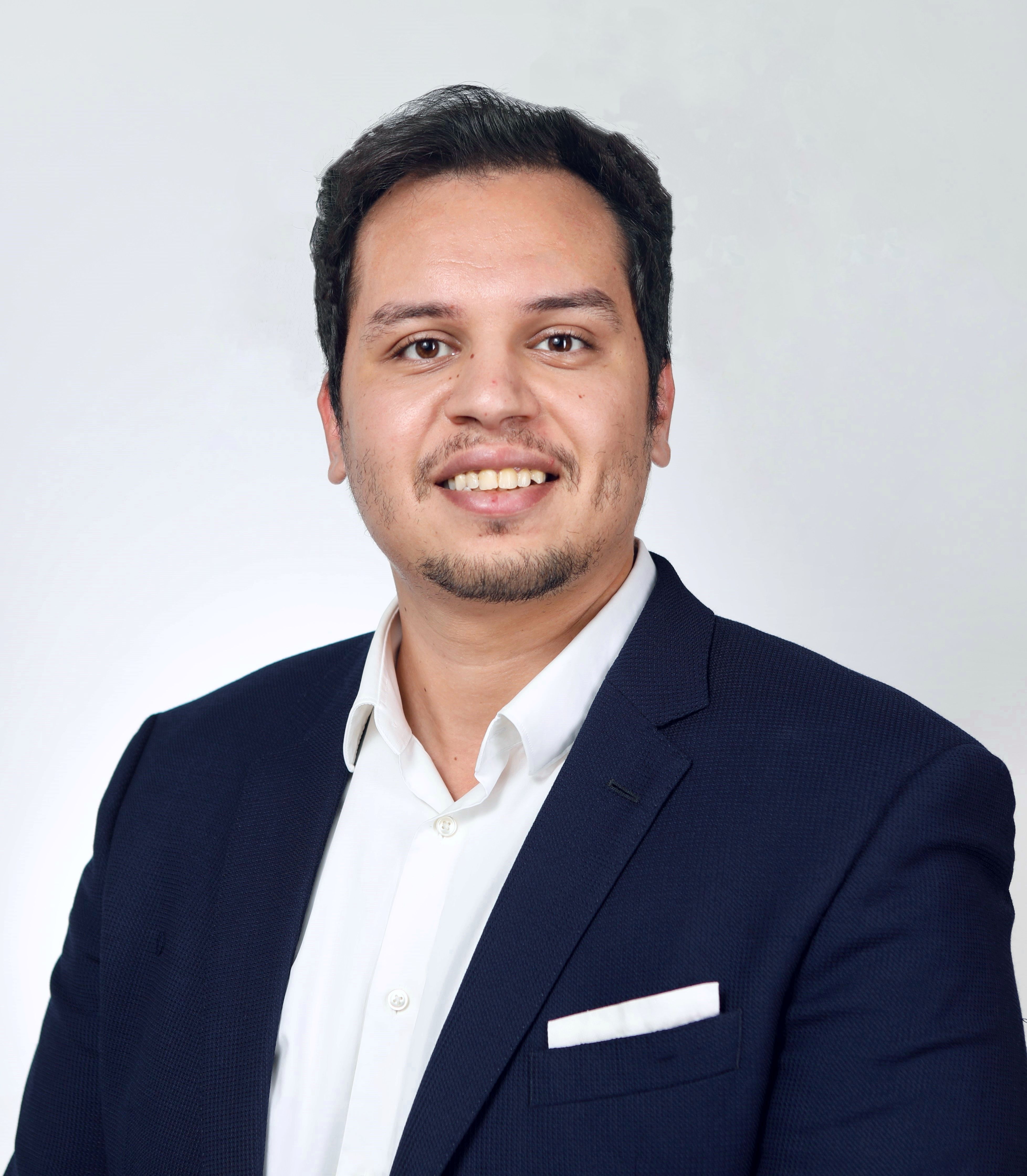
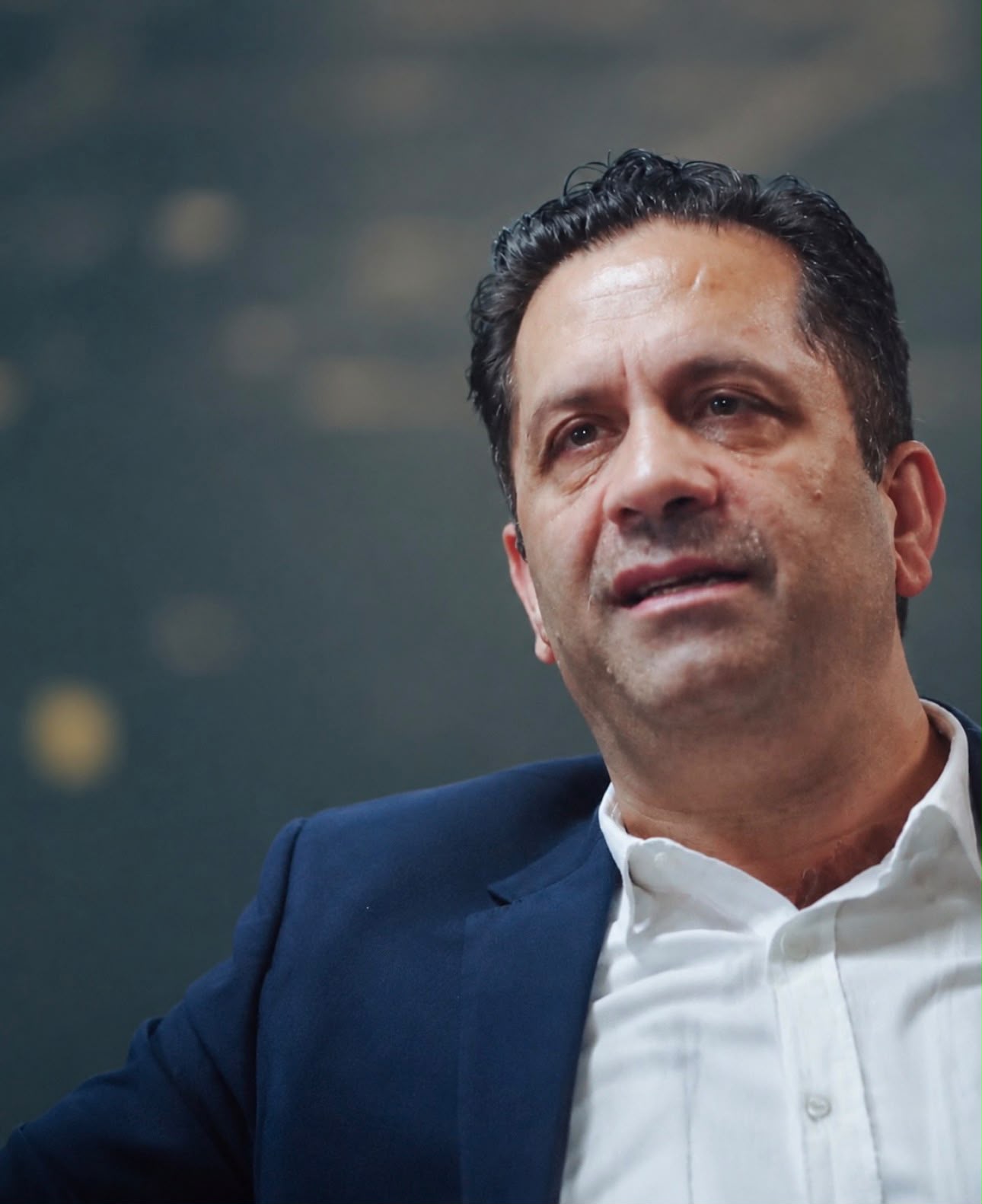
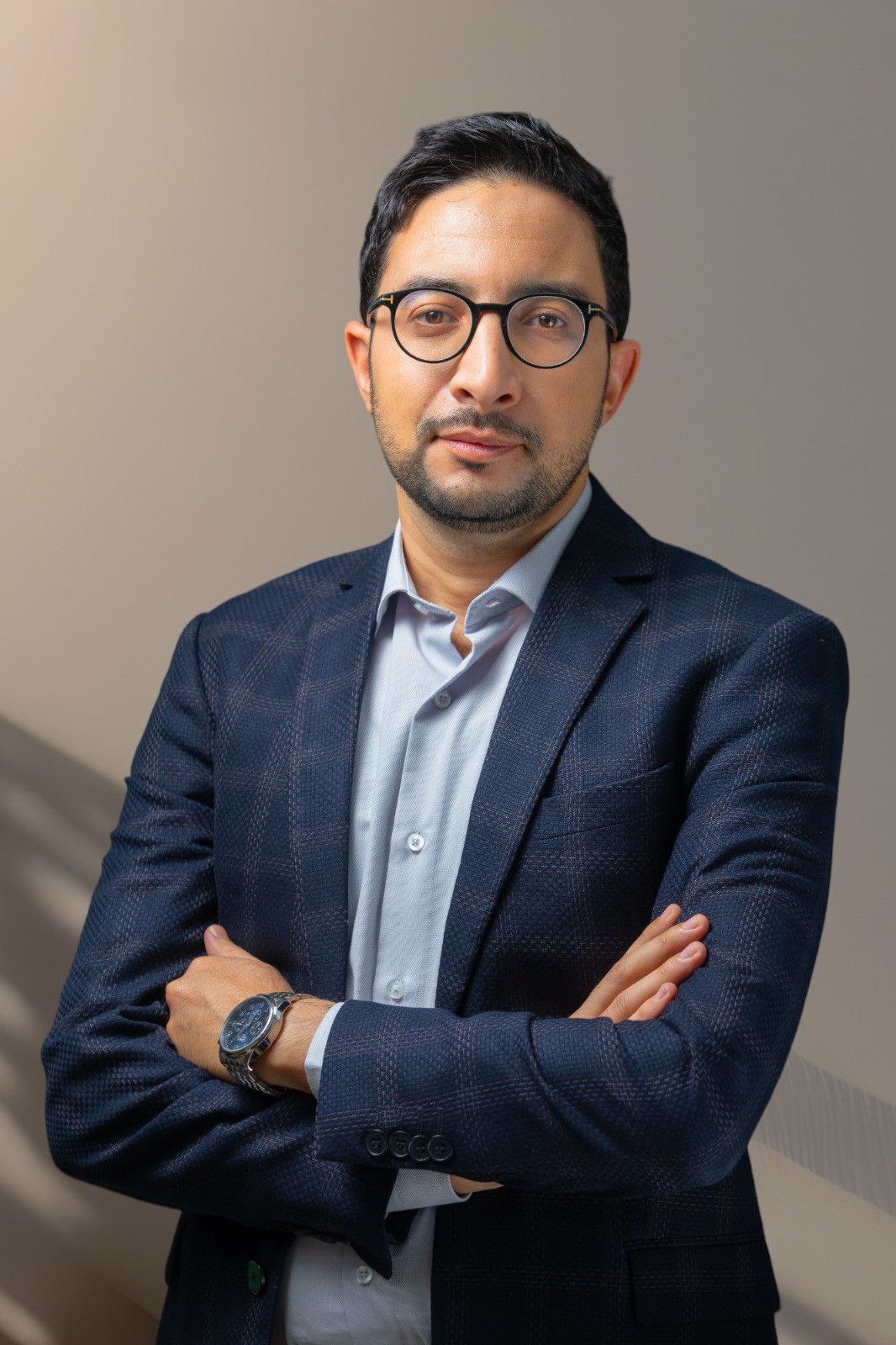
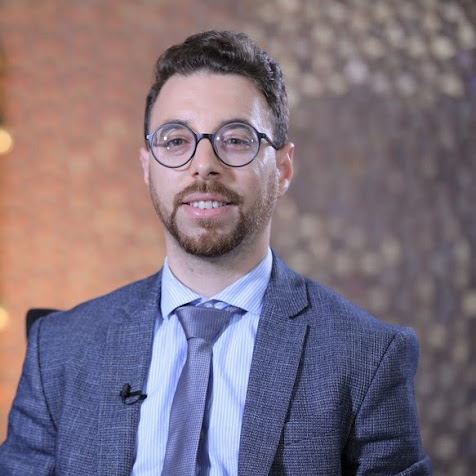
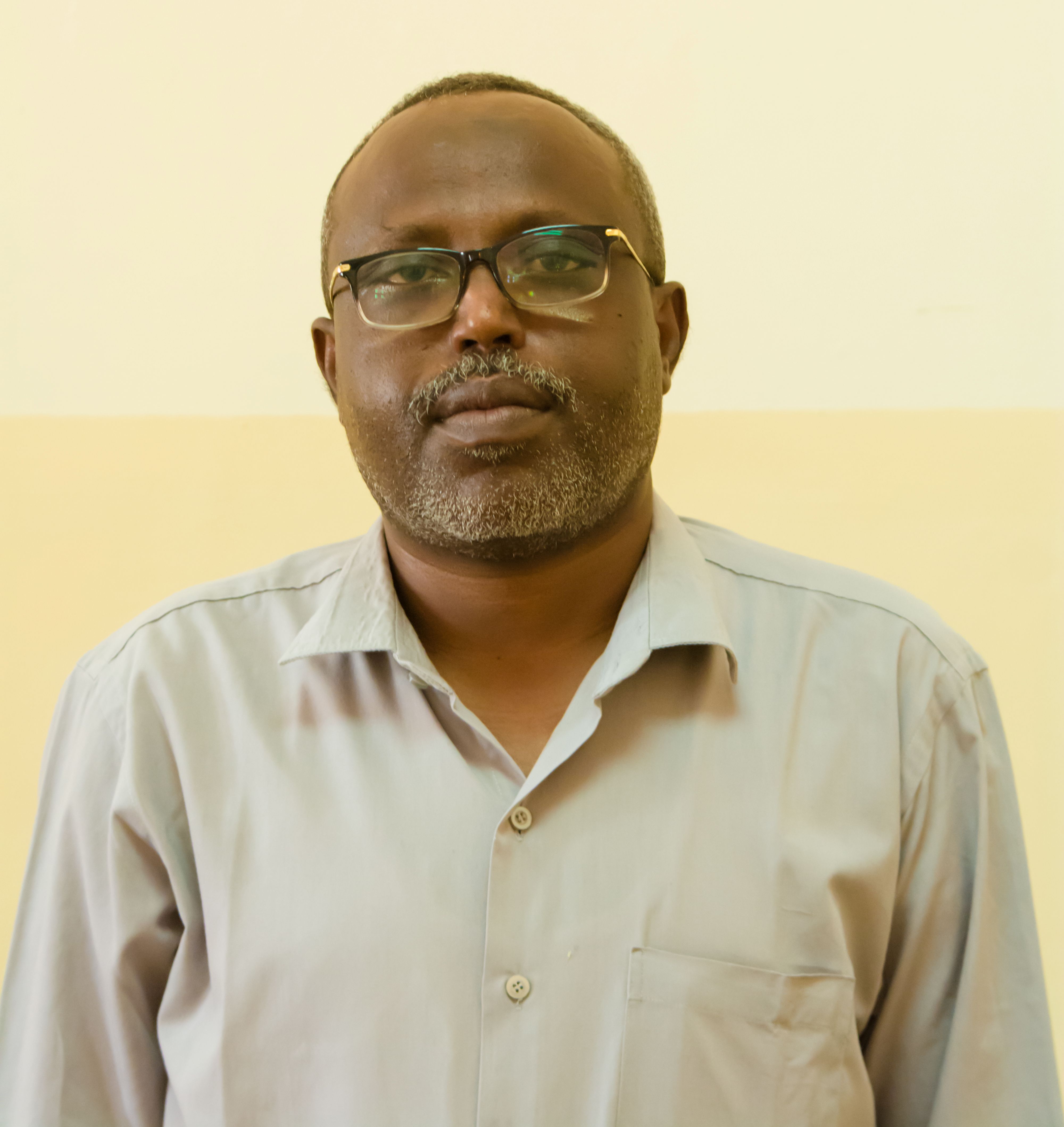
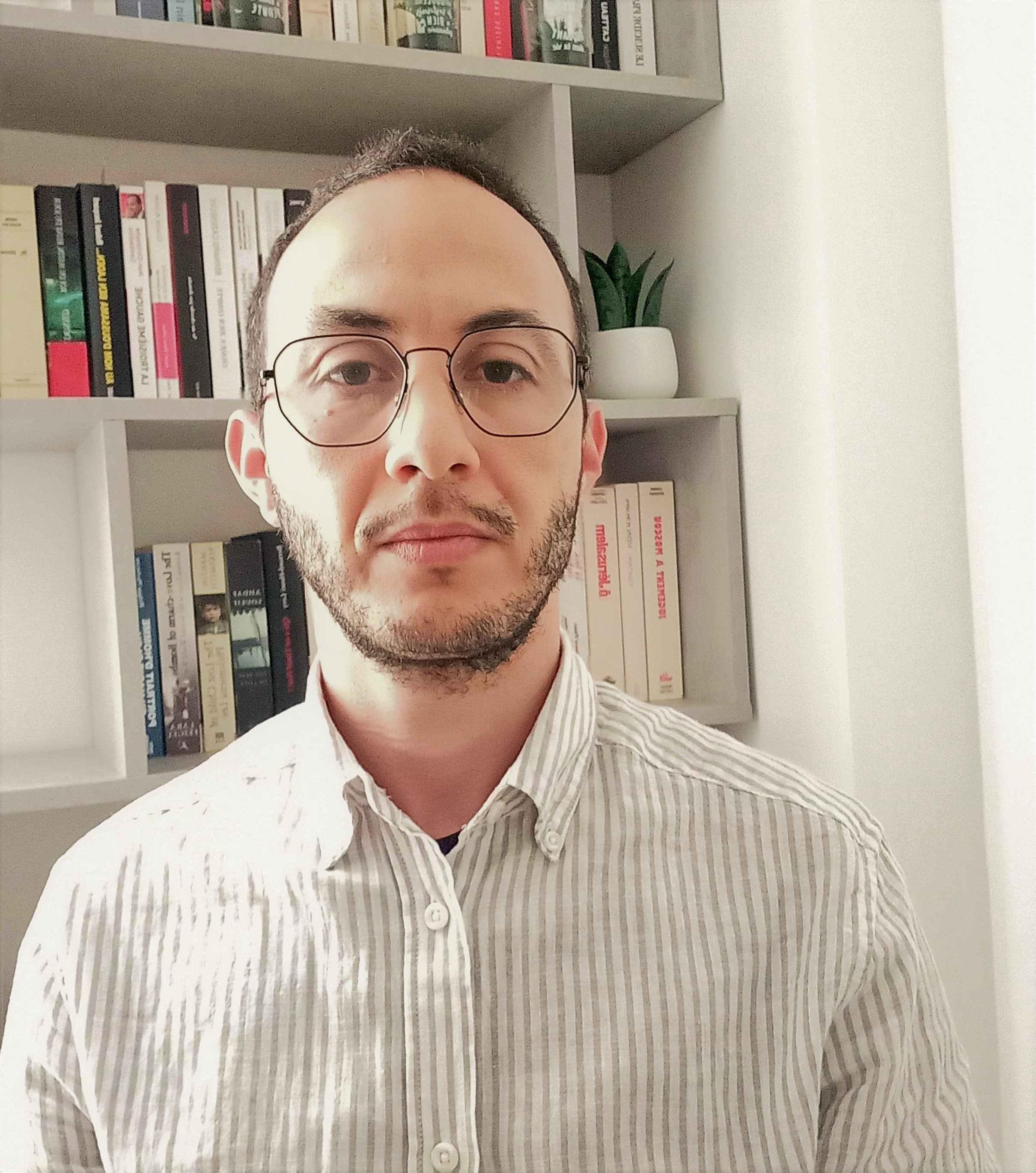
Kukurigo was founded by two journalists, Farayi Machamire and Edmund Kudzayi, who saw an opportunity during the 2018 elections using their journalist ethics and training to give people correct information on a platform that is not traditionally for authentic news.
Machamire used to work for an independent daily newspaper, the Daily News. Much earlier before he joined the paper, the Daily News had earlier rose to national prominence at the turn of the millennium by giving favourable coverage to a new hugely popular opposition party, the Movement for Democratic Change, led by the late Morgan Tsvangirai.
On the other hand, Kudzayi, armed with a strong background in investigative journalism, used to be the editor of the state-run weekly newspaper, a pro-government broadsheet called The Sunday Mail. The two represented the best of both worlds.
WhatsApp, with its accessibility, inclusivity, and intimate environment, offered the perfect platform for fostering real-time engagement and cultivating a strong sense of belonging. This was particularly evident in Zimbabwe, where WhatsApp boasts an impressive penetration rate of over 46 percent, indicating that half of the country’s population of 15 million people actively uses the platform.
For years, WhatsApp has been the heartbeat of communication in Zimbabwe. It’s where news breaks, rumours spread, and family chats collide with politics. During elections, that disorder intensifies doctored results, fake party statements, and manipulated images flood group chats faster than any newspaper can print corrections.
To many, WhatsApp was where gossip went viral, not where facts were verified. It was little wonder why many dismissed us as ‘just WhatsApp admins’. We overcame that through radical consistency. Consistency breeds trust.
"When we launched Kukurigo in July 2018, it was an experiment,” says Machamire. “We wanted to deliver real-time election updates directly to people’s phones at a time when traditional media was too slow, too expensive, or simply out of reach. When users stayed engaged beyond the vote, we turned Kukurigo into a full-fledged news service rather than a temporary election project.
"With more than five million Zimbabweans already on WhatsApp, we chose not to fight misinformation from the outside but to build a credible newsroom inside the platform where the national conversation was already happening. What began as one person sharing election updates soon grew into Zimbabwe’s largest WhatsApp-based news network, now reaching more than 420 000 daily readers through controlled, admin-only broadcast groups.”
In the early days there was scepticism about Kukurigo as an alternative credible news channel but the men behind Kukurigo soldiered on. "In 2018, the idea that journalism could exist on WhatsApp sounded absurd,” continues Machamire.
Every message we sent was verified, sourced, and crafted with the awareness that one false text could destroy our entire platform. On WhatsApp, trust is currency, and once you lose it, you’re finished. Over time, people noticed that our updates on court rulings, election results, current affairs and policy changes were always factual. Even sceptics began forwarding our posts not because of branding, but because of credibility."
Giving Credible News to the Economically Disadvantaged Members of Society
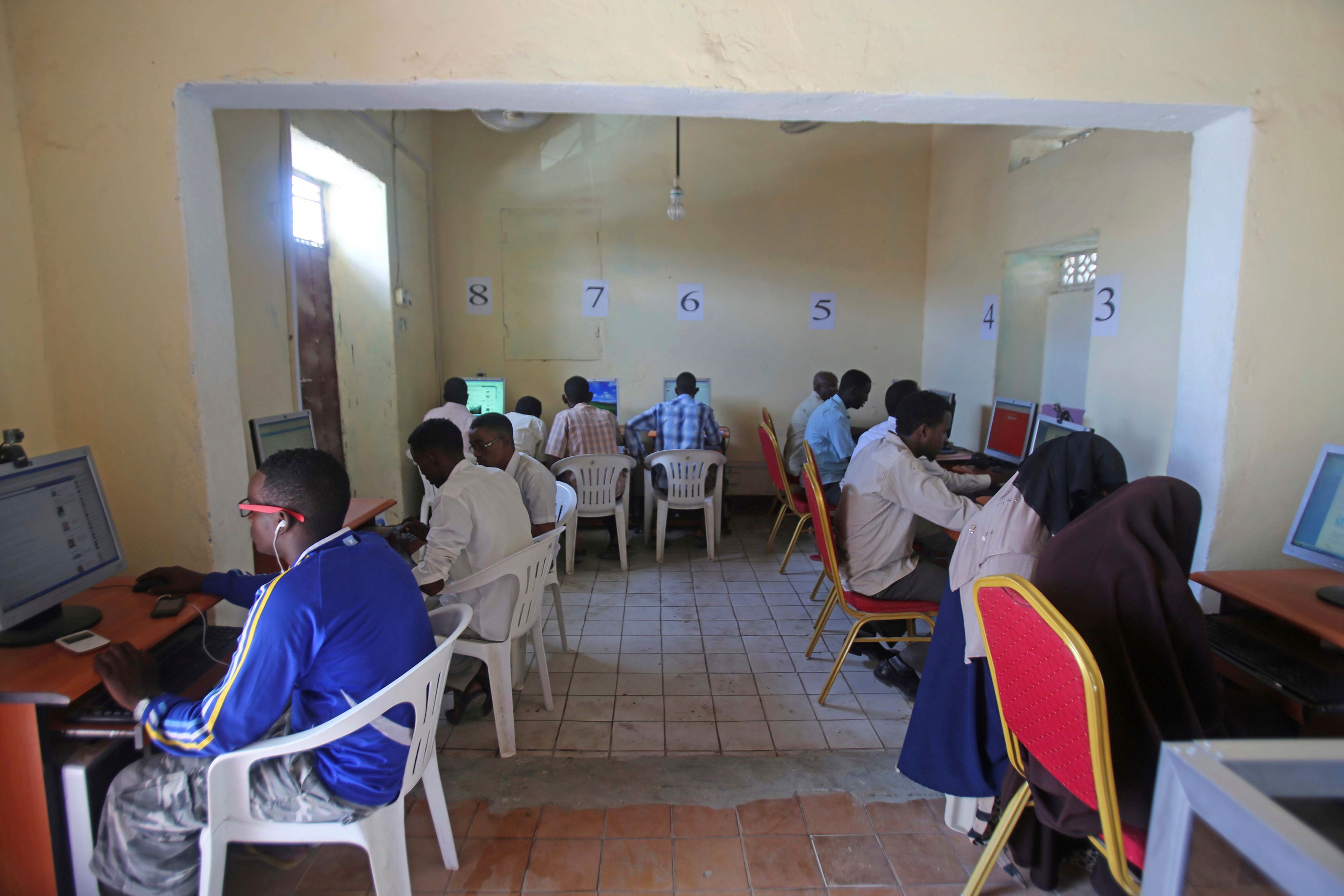
Zimbabwe experiences low levels of data penetration, with most people unable to afford the internet to be able to access the digital space. Many resort to buying WhatsApp bundles that have been created by local mobile network operators (MNO's) to service the underprivileged sections of the population.
Those who can only afford WhatsApp bundles have no access to micro-blogging sites such as Facebook, X and YouTube, among others. Machamire Explains: "WhatsApp is an encrypted, closed platform, it doesn’t offer the dashboards or metrics that websites provide. And in Zimbabwe, where many communities still struggle with basic connectivity and high data costs, the people we most wanted to reach are often the least visible in official internet statistics."
To address this, Kukurigo had to develop its own metrics using both scientific and unscientific methods to determine if its news was reaching the intended audience.
"The most powerful proof of impact came when we saw a message we had written resurface days later in a completely different network," Machamire says. "Over time, our analytics became a feedback loop built on voice notes and testimonies rather than graphs. From the start, our verification was human rather than digital."
We often saw screenshots of our stories re-captioned and shared in community and church groups we had never created ourselves.
Our readers come from every corner of society – teachers, nurses, shop owners, small business operators, pastors, community leaders, members of parliament, and corporate executives, all drawn by the same need for quick, credible updates. Our phones still often blow up when we are late with routine posts. Even though the service is free, our readers feel we owe them, perhaps the clearest testament to the trust and expectation we’ve built."
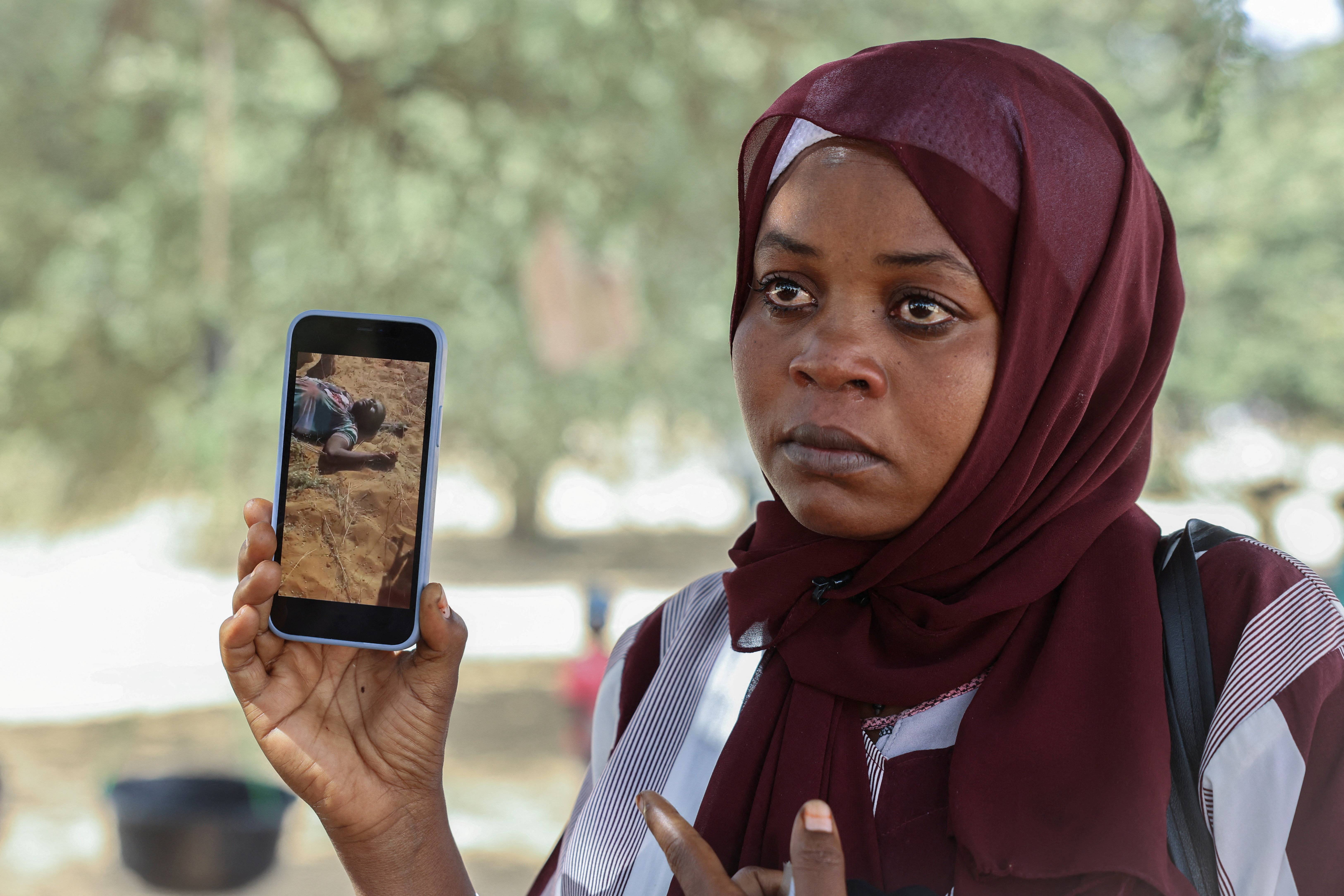
Tawanda Machangara, an airtime vendor in Harare's township of Dzivarasekwa, says he has relied on news from Kukurigo for the last five years.
"I sell airtime but the irony of it is that I cannot afford to buy internet bundles. I can only afford to buy WhatsApp bundles so that I can communicate with my family. Our profits on every one-dollar airtime recharge is about eight cents therefore you need to push volumes to be able to sustain your family. Therefore, buying unlimited internet bundles, which cost as much as 13 dollars, is a luxury I cannot afford. But I am grateful to Kukurigo as they are my go-to source of news for the past five years. They keep me abreast with what is happening locally, regionally and internationally.”
Gathering News, Publishing, Monetisation and Challenges
Kukurigo functions as a lean but structured digital newsroom, working with correspondents and citizen contributors across provinces who feed verified updates into their editorial desk. Kukurigo also curates news from other publications and disseminates it to their various WhatsApp groups.
"We curate essential stories from credible outlets and redistribute them with full attribution,” says Machamire. “Credible information is a public good, and if a reliable report exists elsewhere, we want our audience to see it too.”
Machamire credits the investigative journalism background of his colleague, Kudzayi, for establishing a distinct identity for Kukurigo. Regarding this influence, he remarks:
Edmund's investigative discipline became our backbone. He brought structure, ethical rigour, and an insistence on verifying every claim.That influence built a culture where accuracy always outweighs speed. We don’t rush to break news; we rush to confirm it
"We’ve broken numerous exclusives. Our access often comes from trust. People share verified documents with us first because they know we’ll handle them responsibly, without sensationalism or political spin."
Kukurigo publishes between four and six bulletins a day, depending on the news cycle. Each one ranges from quick alerts and updates to current affairs and analysis, but nothing exceeds 750 words. Every post is crafted to be accessible for low-data users.
Over the years, Kukurigo has evolved from plain text bulletins into a WhatsApp-first newsroom with tagged news briefs, interactive newsletters, videos, and PDFs that are all optimized for low-data use. Each format is created to fit the realities of our audience: limited connectivity, small screens, and a high demand for trustworthy information. Like any trailblazer, Kukurigo has faced challenges in turning the WhatsApp medium into a proper news source because of the way the platform is inherently built.
"WhatsApp’s limitations, such as restrictions on bulk messaging, limited analytics, and aggressive spam filters, make scaling difficult, although the recent formulation of WhatsApp channels has opened up the space. Politically, running an independent newsroom in a polarized environment requires care. Financially, sustaining free, high-quality content without institutional backing is demanding. Yet despite those obstacles, Kukurigo’s audience has grown organically to over 420,000 daily readers, which is a testament to the trust and credibility we have built."
With many big media organisations across the world are cutting jobs, scaling and monetising Kukurigo becomes key to its future. "We’ve sustained Kukurigo through modest advertising, and personal investment. Operating lean has forced us to be inventive,” adds Machamire.
What motivates Machamire and Kudzayi to keep going without big monetary returns?
"Impact is the short answer,” replies Machamire. “The longer answer is that in a country where access to credible information often determines what opportunities people see, or don’t see, journalism becomes a form of public service. Every time someone from a township, farm, or rural business centre messages to say, ‘finally understood that policy, that court ruling, that election result because of your update’. It reminds us why we started.
Accurate information changes decisions, livelihoods, and sometimes the temperature of a community in a tense moment. For me, that’s what keeps this work going, even when it’s exhausting.
Machamire, because of his work with Kukurigo, is currently based in the United States as a Hubert H. Humphrey Fellow at the Walter Cronkite School of Journalism and Mass Communication at Arizona State University. The Humphrey Program is a U.S. Department of State initiative that brings mid-career professionals from around the world to the US for a year of academic work, leadership development, and professional placements focused on public service.
After his fellowship in the US, Machamire is already looking ahead to the future.
"Our next chapter is about depth and sustainability, expanding hyperlocal coverage, strengthening multimedia storytelling, and improving efficiency,” he says. “Zimbabwe’s media ecosystem is operating at maybe five percent of its capacity. We want to help unlock the remaining 95 percent, one verified WhatsApp message at a time"